prettytime

Lifting

Procedure guides and skincare notes.

Lifting

How Density RF's Two Radiofrequency Modes Deliver Instant Tightening and Collagen Renewal, and Why Treatments Are Spaced Into Sessions

Density RF pairs two radiofrequency modes with very different personalities to chase two goals at once: the instant tightening you feel right after treatment, and the collagen renewal that builds slowly over the following 4 to 12 weeks. Here is why two modes are needed, the order in which heat actually works inside the skin, and why the treatment is spread across multiple sessions instead of done all at once.

By Dr. Kim

Lifting

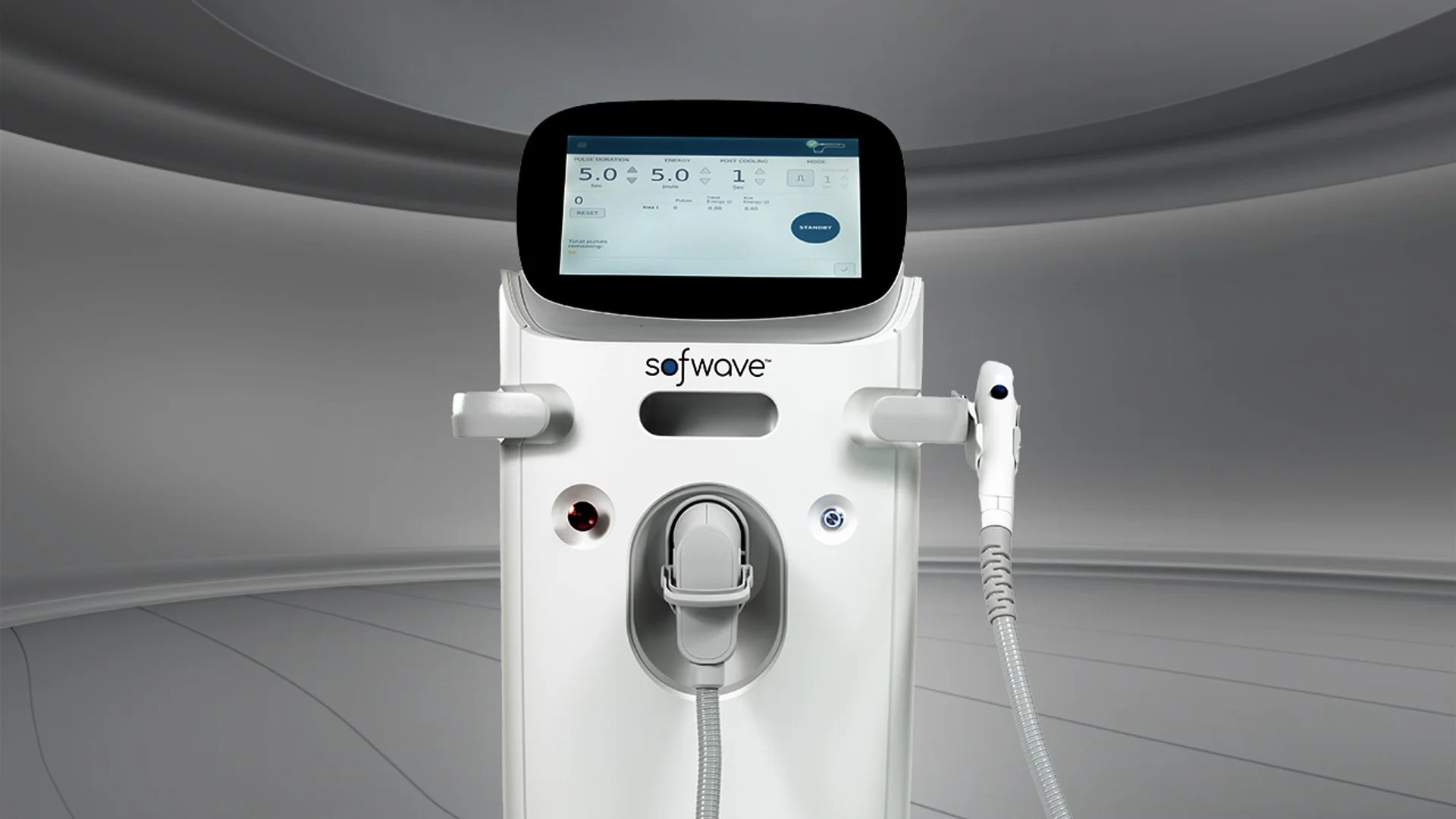
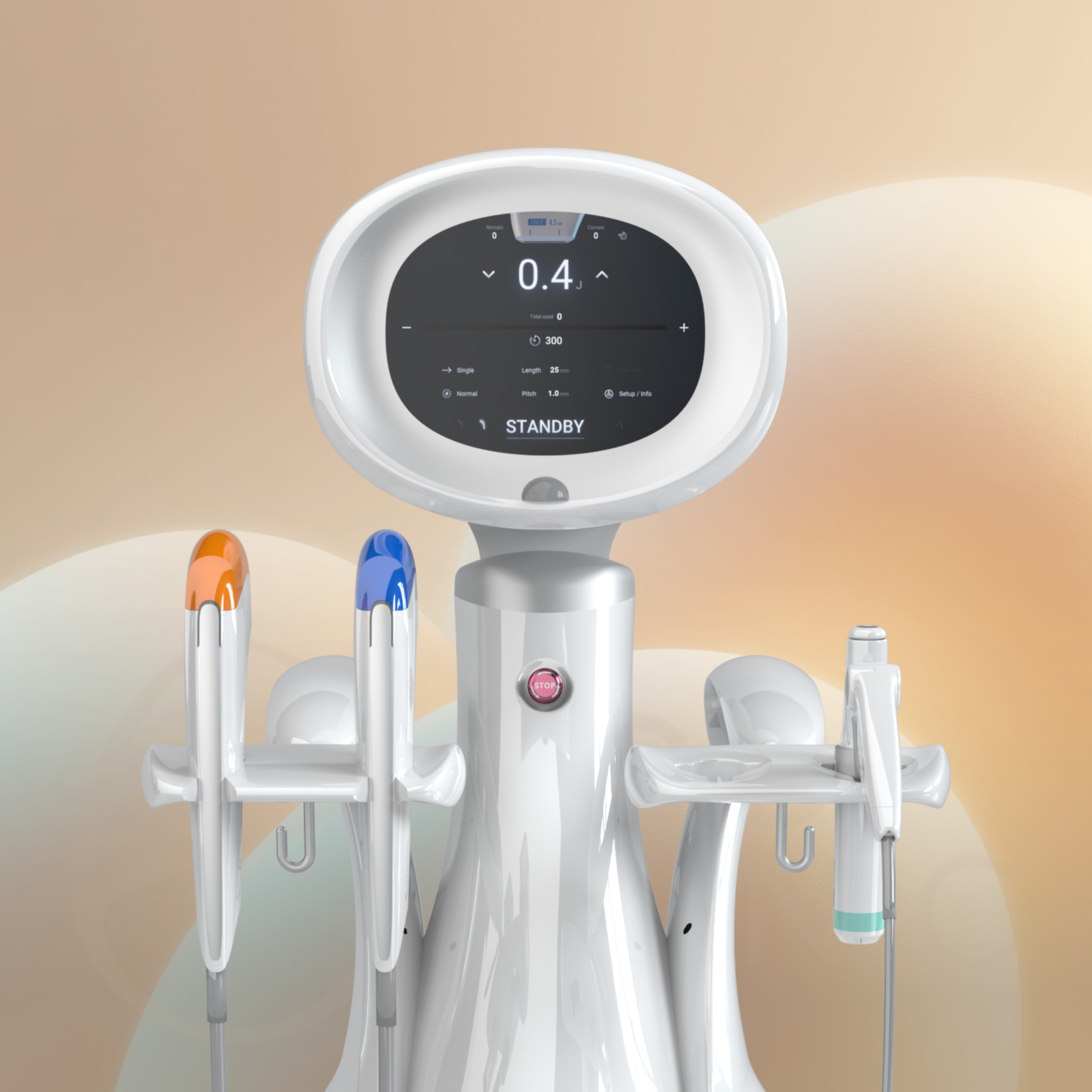
Ultherapy, Shurink, Sofwave, and Linear Z: What Actually Sets These HIFU Devices Apart

Ultherapy, Shurink, Sofwave, and Linear Z are all marketed as HIFU lifting treatments, but the differences in penetration depth, real-time imaging, and clinical evidence are substantial. An honest breakdown of how deep each device reaches, why SMAS stimulation matters, what the evidence actually shows on efficacy and pain, and how to choose based on your specific concern.

By Dr. Kim

Lifting

AllTight RF Lifting: The Dielectric Heating Claim, Examined

AllTight is a Korean radiofrequency skin-tightening device that claims to heat the dermis selectively while keeping the epidermis cool. Here's what that mechanism actually means, how it stacks up against Thermage and Ultherapy, and what the clinical evidence, thin as it currently is, actually shows.

By Dr. Kim

Lifting

DoubleTite RF Microneedling with Skin Booster: How the Dual-Depth Needles Work and What the Research Shows

What DoubleTite actually does, how its two needle lengths deliver radiofrequency energy and skin booster directly into the dermis, and what published studies say about collagen synthesis and skin firmness. An evidence-grounded look at a Korean-made device built on the well-validated RF microneedling platform, with dual-depth needles and simultaneous drug delivery added.

By Dr. Kim

Lifting

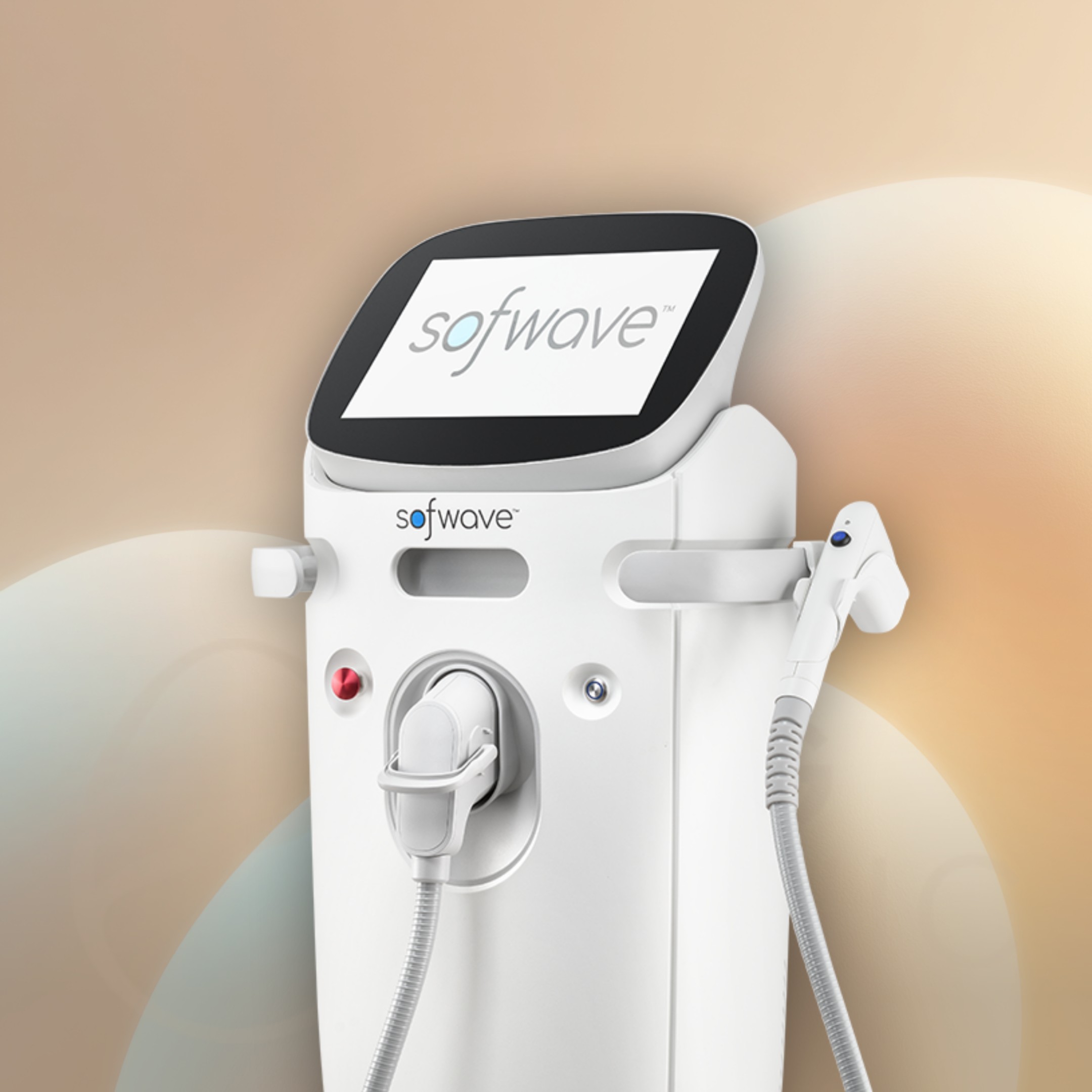
How Sofwave Heats Only the Mid-Dermis Without Burning the Skin, and What Makes Recovery Work

Sofwave works by firing seven parallel ultrasound beams that each independently create a heat coagulation zone in the mid-dermis, without focusing them together. This article explains, in plain terms, why the beams pass through the epidermis without heating it, why they only heat up at the collagen-rich layer, and how that heat leads to new collagen production.

By Dr. Lee
Lifting

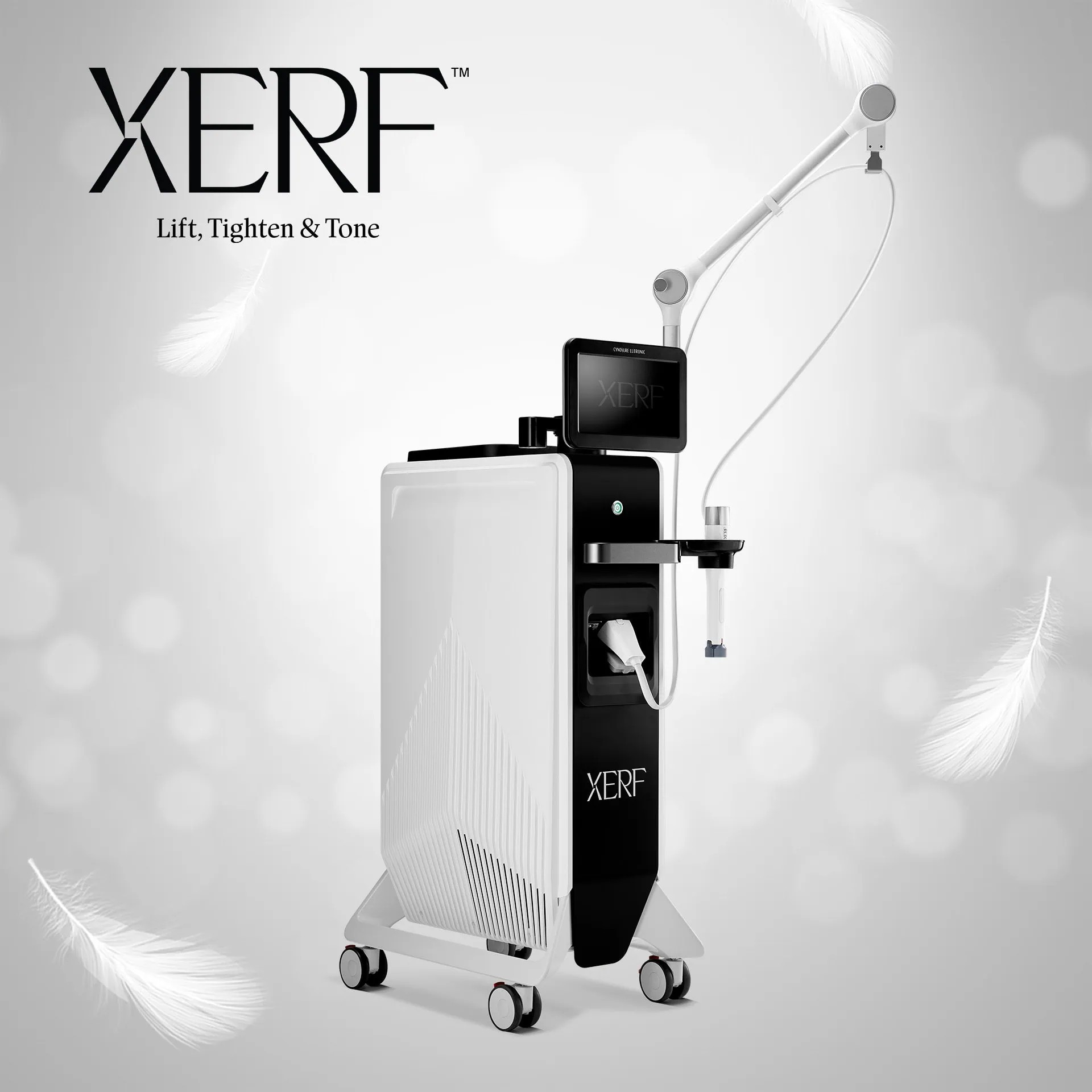
How Xerf's Dual-Frequency RF Heats Skin at Two Depths to Restore Facial Firmness, Sessions and Duration

Xerf is a radiofrequency lifting device that uses two different frequencies at once to stimulate both the shallow dermis and the deeper fascia layer. This article walks through the mechanism, from why heat reaches different depths depending on frequency, to collagen's immediate contraction and its longer remodeling process, plus the recommended number of sessions and how long results tend to last.

By Dr. Kim

Lifting

How Different Are Shurink Universe and Ultherapy, Really?

Shurink Universe and Ultherapy are both HIFU lifting devices, yet they diverge on real-time imaging, default energy, pain, and price. A balanced breakdown to help you choose based on your degree of sagging and budget.

By Dr. Lee
Lifting

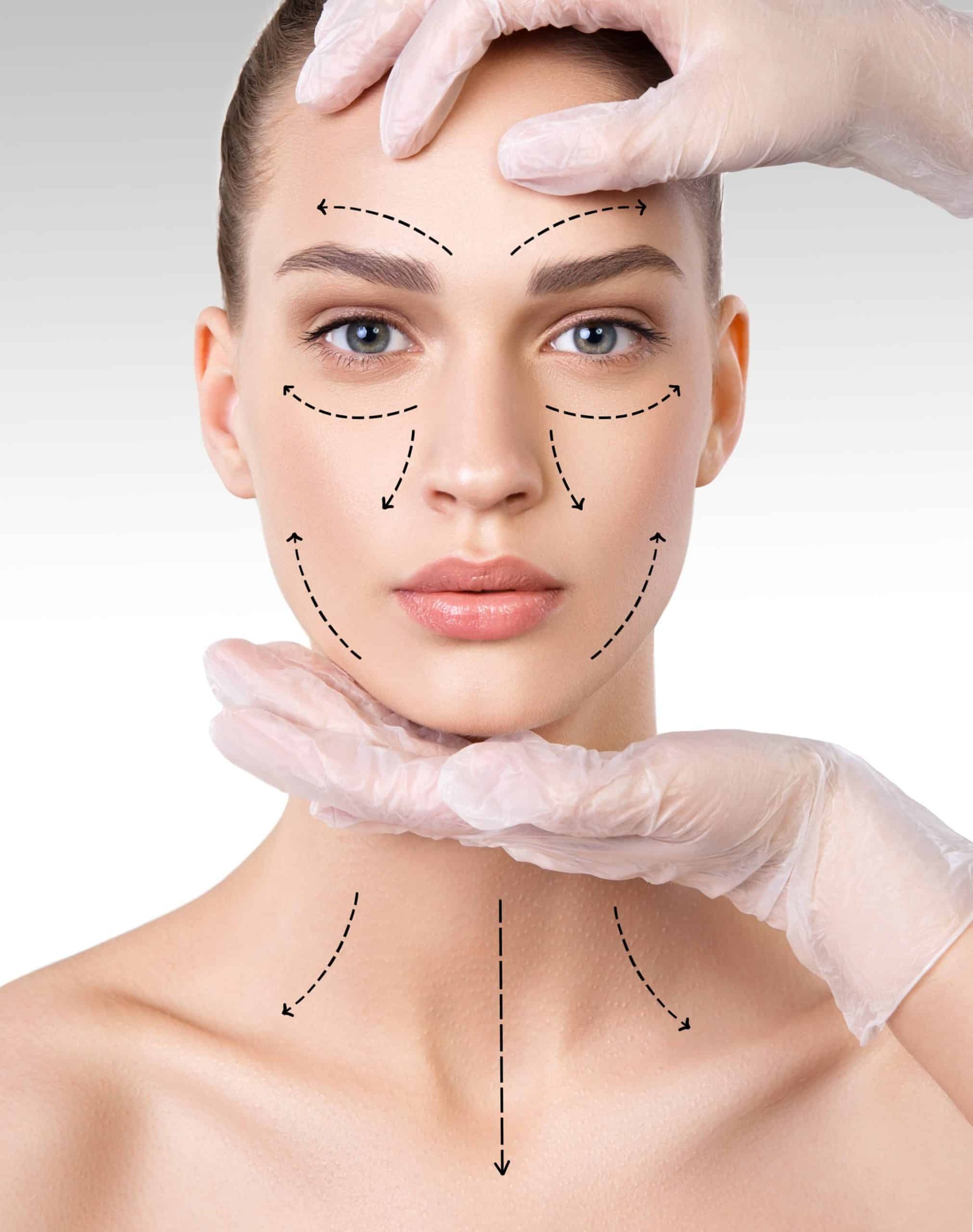
Virtue RF: How Does Insulated Microneedling RF Treat Pores and Scars?

Virtue RF treats pores, acne scarring, and skin laxity with insulated microneedling radiofrequency. We'll cover how insulated needles differ from non-insulated ones, how it compares to Potenza and Sylfirm X, and its current limitation: dedicated clinical trials on the brand itself are still limited.

By Dr. Lee
Lifting

Why Onda and Titanium Get Paired in One Visit, and the Logic Behind How Deep Each Heat Reaches

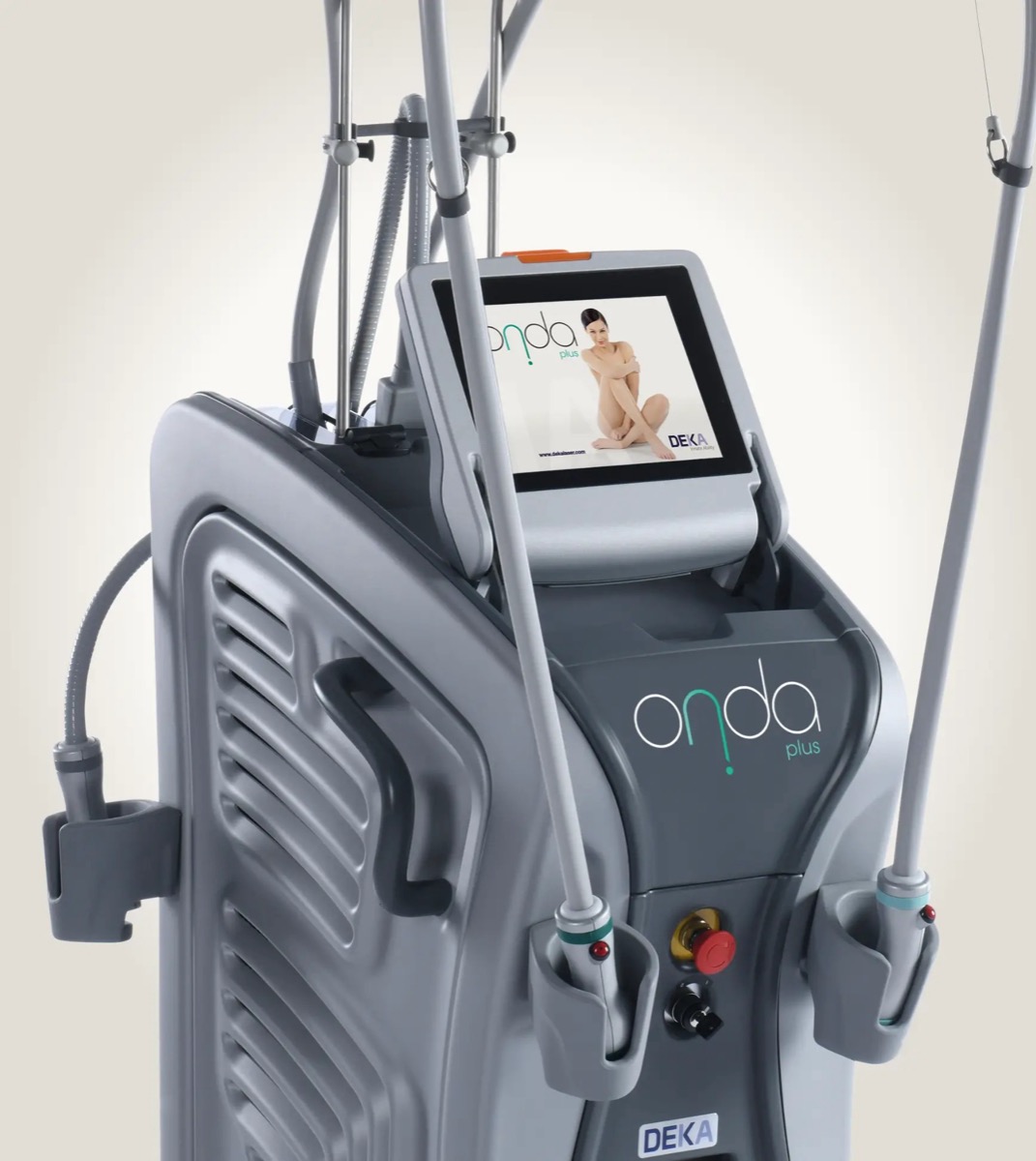
Ontanium is the name people use for a combo treatment that pairs two separate devices, Onda and Titanium, back to back in one session. Onda uses microwave energy to heat the dermis and fat layer, while Titanium fires a triple-wavelength laser that reaches both deeper tissue and the skin surface at once. Because the two devices generate heat through completely different physics, running them together closes gaps in depth that neither one covers alone.

By Dr. Kim

Lifting

Ultherapy's SMAS Depth: Clinical Results on Brow Lifting, Jawline Tightening, and What HIFU Actually Changes

Ultherapy's focused ultrasound reaches the SMAS, the same deep musculoaponeurotic layer a facelift targets, without surgery. This clinical breakdown covers how it compares to Thermage RF, published data on brow elevation and dermal remodeling, realistic timelines, neck and jawline outcomes, who the best candidates are, and side effects from a practitioner's perspective.

By Dr. Lee

Lifting

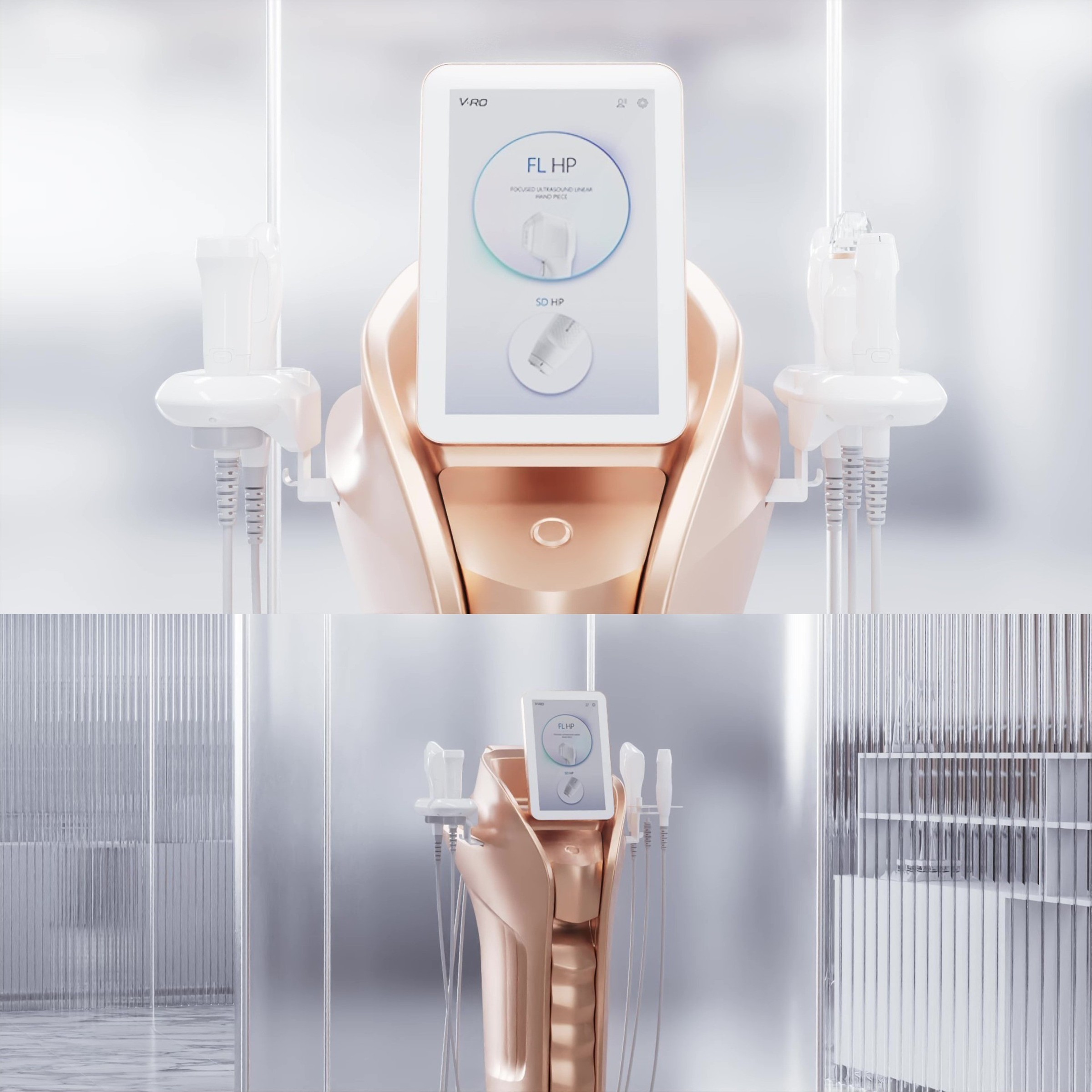
Why VRO Lifting Pairs Ultrasound with Radiofrequency to Reach Both the Dermis and the SMAS Layer

VRO lifting combines two different energy types, ultrasound and radiofrequency, in a single session. The key idea is that each energy reaches a different depth in the skin, so together they can address both a shallow layer and a deep layer that neither one covers alone. This article breaks down how each energy works and why using them together actually makes sense.

By Dr. Lee

Lifting

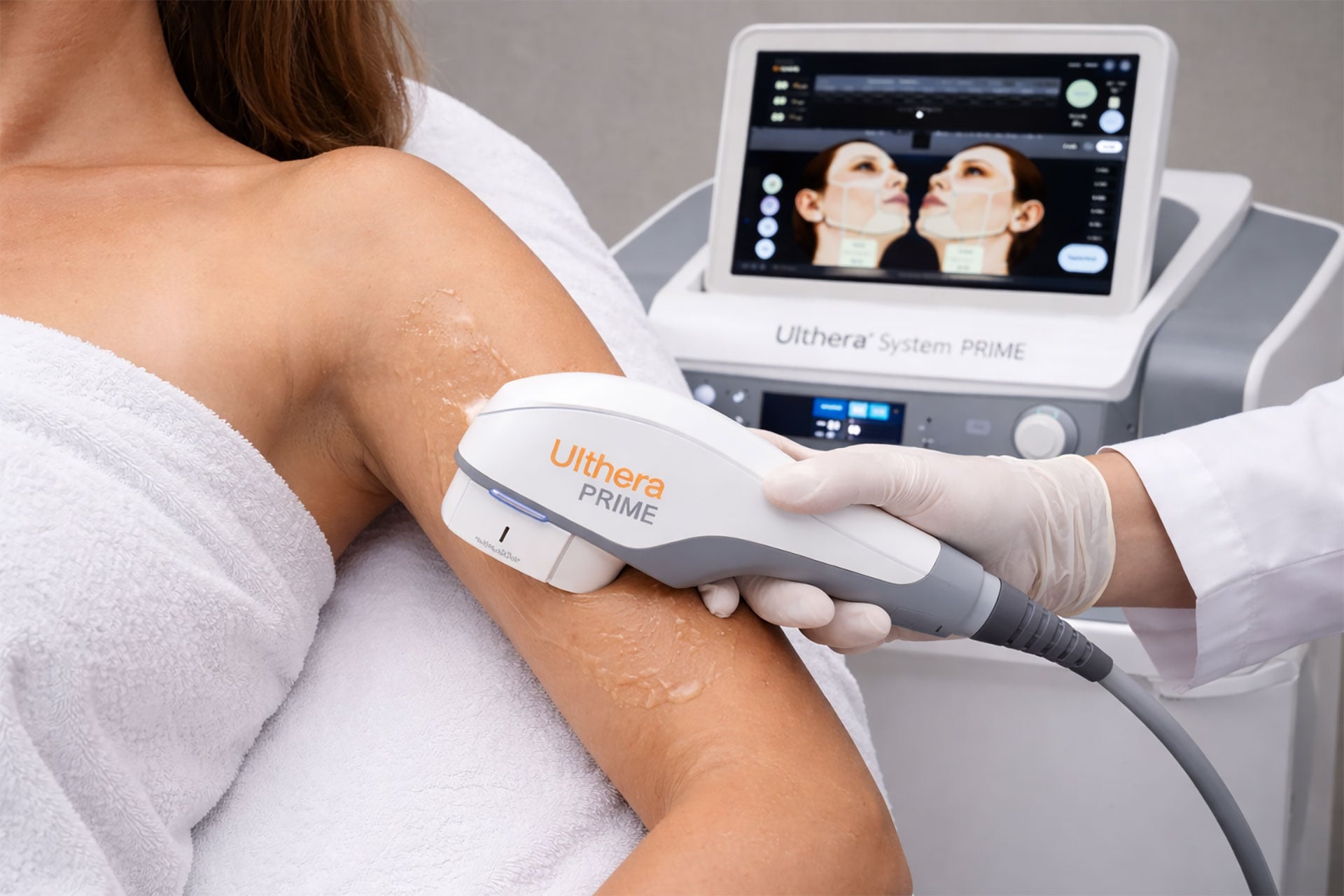
What Changed Between Ultherapy and Ultherapy Prime: Transducer, Precision, Pain, and Session Differences

A closer look at how Ultherapy Prime differs from the original Ultherapy, covering the transducer, treatment depths, real-time imaging, pain, and number of sessions from a clinical perspective. The core principle, focused ultrasound lifting the SMAS layer, stays the same, but the imaging and treatment speed have changed. We also cover real clinical numbers showing improvement in brow lift, neck, and jawline.

By Dr. Kim

Articles · prettytime