Shurink Booster Shot and Lifting Line: Differences, Effect by Depth and Duration
By Dr. Lee6 min read
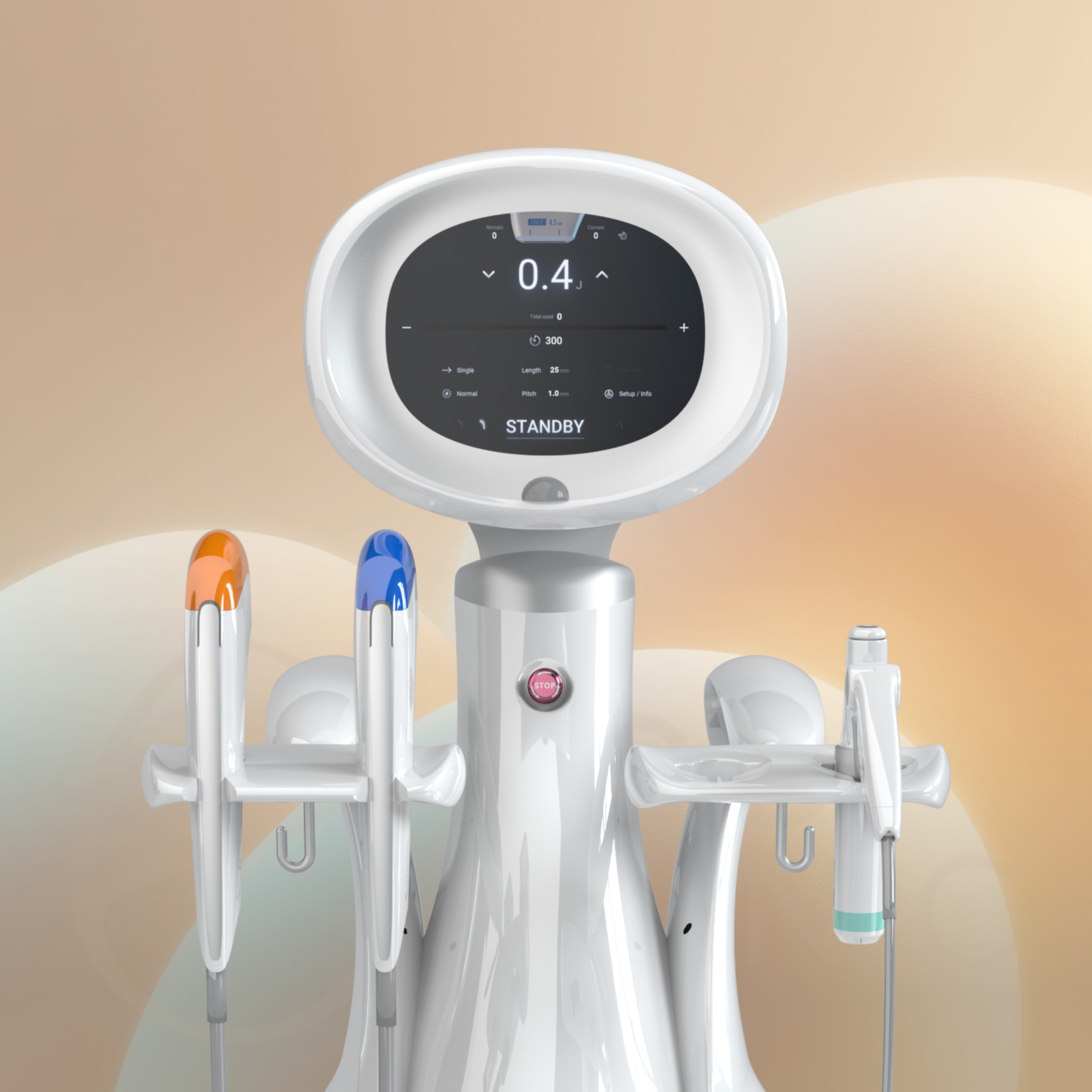
Ask about Shurink at a dermatology or plastic surgery consultation, and you'll usually hear some version of the same answer: "There's the booster shot and the lifting line, and it's best to get both." But ask what actually separates the two, and the explanation often gets vague fast.
The truth is these aren't just two names for the same treatment. They fire into completely different depths of the skin. One targets a shallow layer, the other reaches much deeper tissue. Below, we walk through why that depth difference exists, and how it changes what each mode actually does.
How Does Shurink Ultrasound Work?
Shurink is a HIFU device (High-Intensity Focused Ultrasound). That sounds technical, but the idea is closer to a magnifying glass focusing sunlight onto a single point.
Just as a magnifying glass gathers scattered light into one spot hot enough to scorch paper, Shurink gathers scattered ultrasound waves into a single point inside the skin, generating heat instantly. That point is reported to reach roughly 60 to 70 degrees Celsius.
This is commonly called a thermal coagulation point. The heat lightly contracts collagen at that spot (the structural protein that holds skin up, like a scaffold), while also signaling the body to build fresh collagen the way it would after any injury. But the tissue that actually responds depends entirely on how deep that thermal point sits, and that's exactly where the booster shot and the lifting line part ways.
Shurink Universe controls this depth through swappable cartridges. Each cartridge is engineered so the ultrasound converges at a different distance, meaning the same machine can stay in the shallow layers or reach far deeper tissue depending on which cartridge is loaded.
Depth and Effect of the Booster Shot
The booster shot fires at a shallow cartridge depth, roughly 1.5 to 2 millimeters. That lands just below the epidermis, in the upper dermis.
The dermis is where collagen and elastic fibers weave together in a mesh that gives skin its texture and bounce. As we age, collagen density in this layer drops, and the result is stretched pores and rougher texture.
The booster shot's shallow thermal points stimulate collagen production right in that upper dermis. So after a booster shot session, people tend to report less of a dramatic tightening sensation and more of a smoother texture, tighter-looking pores, and a subtle glow. That's a direct consequence of working near the surface rather than deep into the fascia.
How Does the Lifting Line Reach the SMAS?
The lifting line cartridge sits far deeper, at 4.5 millimeters. At that depth lies the SMAS (Superficial Musculo-Aponeurotic System), a distinct layer of tissue.
The SMAS is a thin, net-like membrane that wraps between the facial muscles and the skin. It's also the exact layer plastic surgeons pull on during a surgical facelift, which makes it the structural support that physically determines whether the face sags or holds its shape.
When the lifting line's thermal points form within the SMAS, that tissue contracts, producing a physical pulling effect not unlike re-tightening a loosened cord. That's why the lifting line, unlike the booster shot, aims for a defined jawline and cheeks that sit higher rather than sag. It's working on the layer that supports facial structure, not surface texture.
For the same reason, the lifting line is usually set to a higher energy level than the booster shot. The SMAS sits much deeper than the dermis, so the ultrasound needs to carry enough force all the way down to that depth for meaningful contraction to occur. An intensity that only passes through the shallow layers won't deliver enough heat to the SMAS, and without that, there's no real lifting effect to expect.
How to Combine the Two Modes for Your Concern
Different depths mean different tissue responses and different target outcomes, so clinics combine the two modes differently depending on what a patient is actually trying to fix.
- If skin texture and pores are the main concern, treatment usually leans heavily on the booster shot. Stimulating the shallow layer alone is enough to reach that goal, so there's no real need to go deeper.
- If a sagging jawline or cheeks is the main concern, the lifting line takes the lead. The problem is structural, not textural, so shallow stimulation alone won't produce the desired change.
- When both concerns show up together, the lifting line often addresses the deep layer first, followed by the booster shot for the shallow layer's texture. Since a single layer can't fix both sagging and texture at once, sequencing the two depths makes logical sense.
Ultimately, the choice of mode comes down less to what the device can do and more to identifying which layer actually has the problem.
How Many Sessions, and How Long Does It Last?
New collagen doesn't form overnight. Skin doesn't tighten immediately after treatment; collagen production is generally reported to continue over roughly 4 to 12 weeks, with results emerging gradually.
That's why a single session is rarely the whole picture. A common approach is 2 to 3 sessions spaced 4 to 6 weeks apart. Collagen naturally forms and slowly breaks down in an ongoing cycle, and repeated stimulation is meant to push that cycle back upward.
How long results last varies a lot depending on individual skin aging and skincare habits, but effects are reported to run roughly 6 to 12 months. After that, collagen production settles back into its natural aging pace, which is why maintenance sessions are typically considered a way to re-stimulate that cycle.
Because the booster shot works on the shallow layer, the stimulation itself is relatively gentle, so it's generally considered fine to repeat it at somewhat shorter intervals than the lifting line. The lifting line, by contrast, delivers heat deep enough that it's more common to leave generous recovery time before scheduling the next session.
When Do Changes Appear After the Swelling Goes Down?
Right after treatment, some swelling and mild redness are common, and these typically settle within 1 to 3 days. This early phase is just tissue's temporary response to heat, not a result of newly formed collagen.
The real change starts afterward. Fibroblasts (the cells that produce collagen), sensing the injury, activate and spend 4 to 12 weeks synthesizing new collagen. As that process accumulates, a gradual tightening sensation and visible contour change follow. Understanding that this is a delayed response rather than an immediate one also helps set a more accurate timeline for judging whether it worked.
So rather than feeling disappointed that nothing looks different a week after treatment, waiting at least a month before assessing the result is generally considered the more accurate way to judge it.
References
Korean Dermatological Association, Ministry of Food and Drug Safety (MFDS), American Academy of Dermatology (AAD), and U.S. Food and Drug Administration (FDA). </content>
Was this helpful?
About this article
Written by a practising aesthetic physician and intended for general education — not a substitute for individual medical advice.
Read next
VRO Lifting: Ultrasound and Radiofrequency Differences, and Aftercare
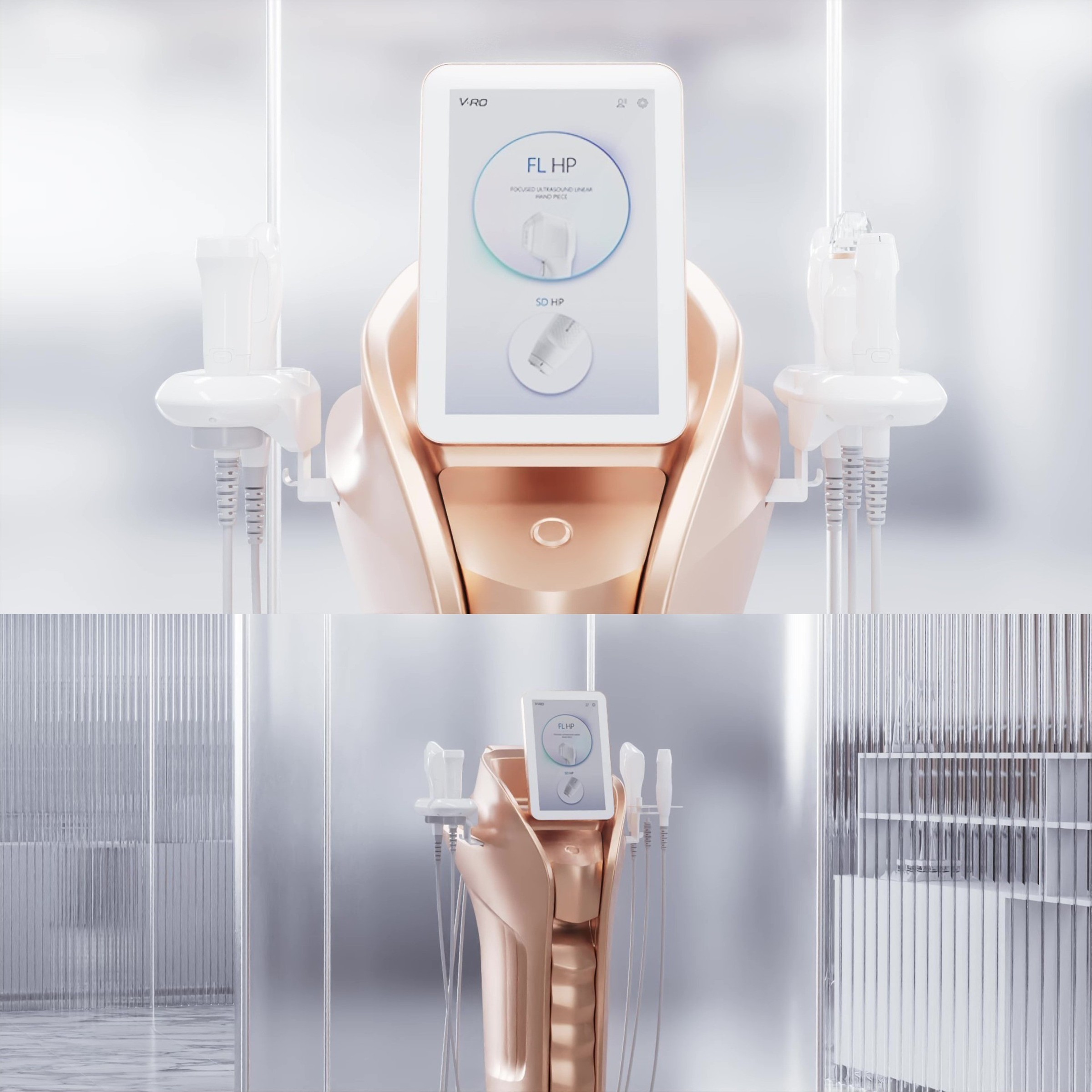
VRO lifting combines two different energy types, ultrasound and radiofrequency, in a single session. The key idea is that each energy reaches a different depth in the skin, so together they can address both a shallow layer and a deep layer that neither one covers alone. This article breaks down how each energy works and why using them together actually makes sense.
By Dr. Lee
Xerf Radiofrequency Effect: What's Different About Using Two Frequencies Together?
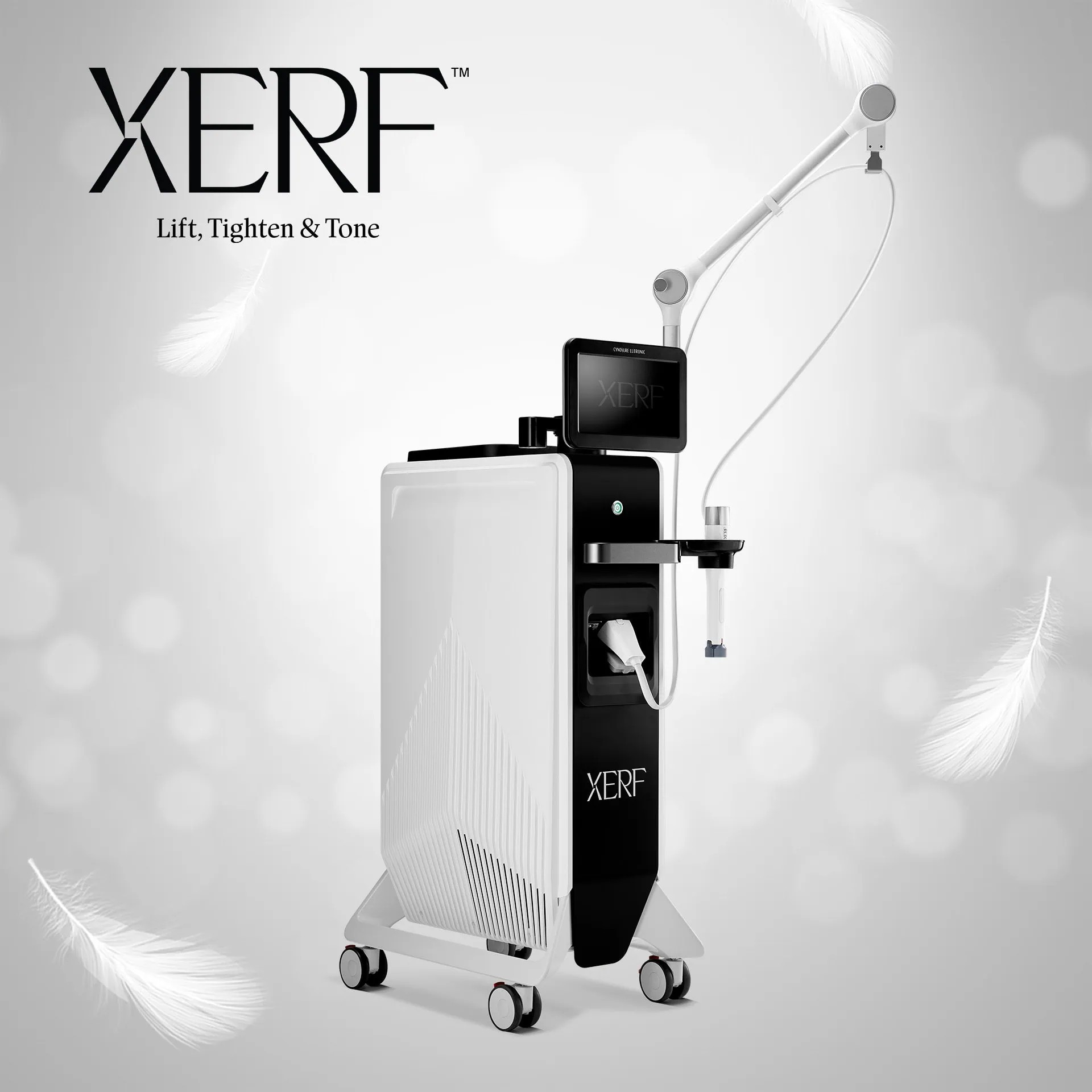
Xerf is a radiofrequency lifting device that uses two different frequencies at once to stimulate both the shallow dermis and the deeper fascia layer. This article walks through the mechanism, from why heat reaches different depths depending on frequency, to collagen's immediate contraction and its longer remodeling process, plus the recommended number of sessions and how long results tend to last.
By Dr. Kim
HILO WAVE Skin Booster: How It Works, When Results Appear, and Aftercare
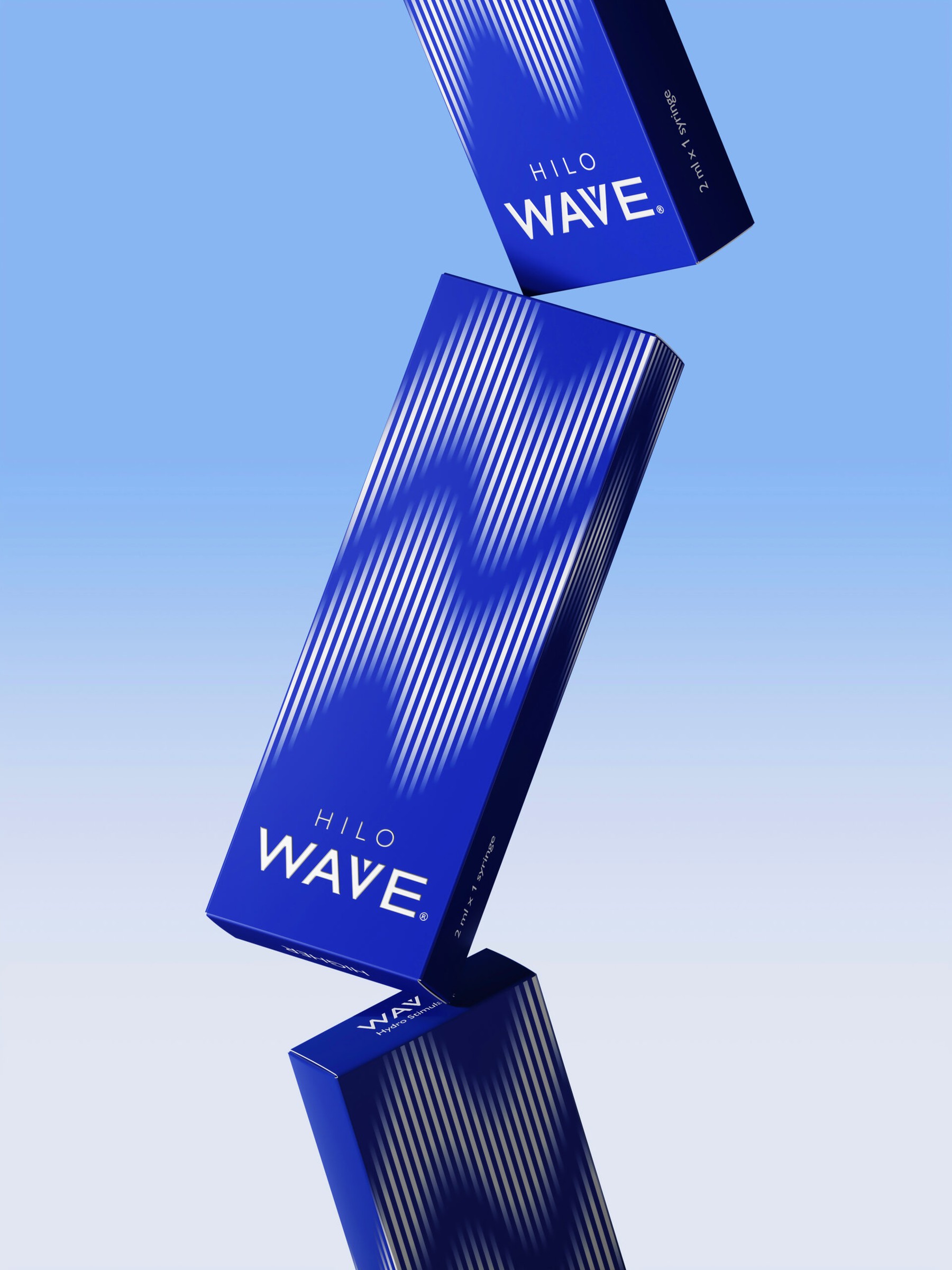
HILO WAVE is a skin booster that fuses two hyaluronic acids of different molecular sizes into a single structure. The low and high molecular weight forms are said to act at different depths and speeds, stimulating collagen and elastin production together inside the skin. This article breaks down how that dual hyaluronic acid structure actually works, focusing on the underlying mechanism.
By Dr. Kim