prettytime

Articles

Acne

Acne forms when oil, dead skin, bacteria, and inflammation combine in a pore. This category explains how antibiotics and isotretinoin work differently, and how acne scars are treated and kept from returning.

42 articles

Acne

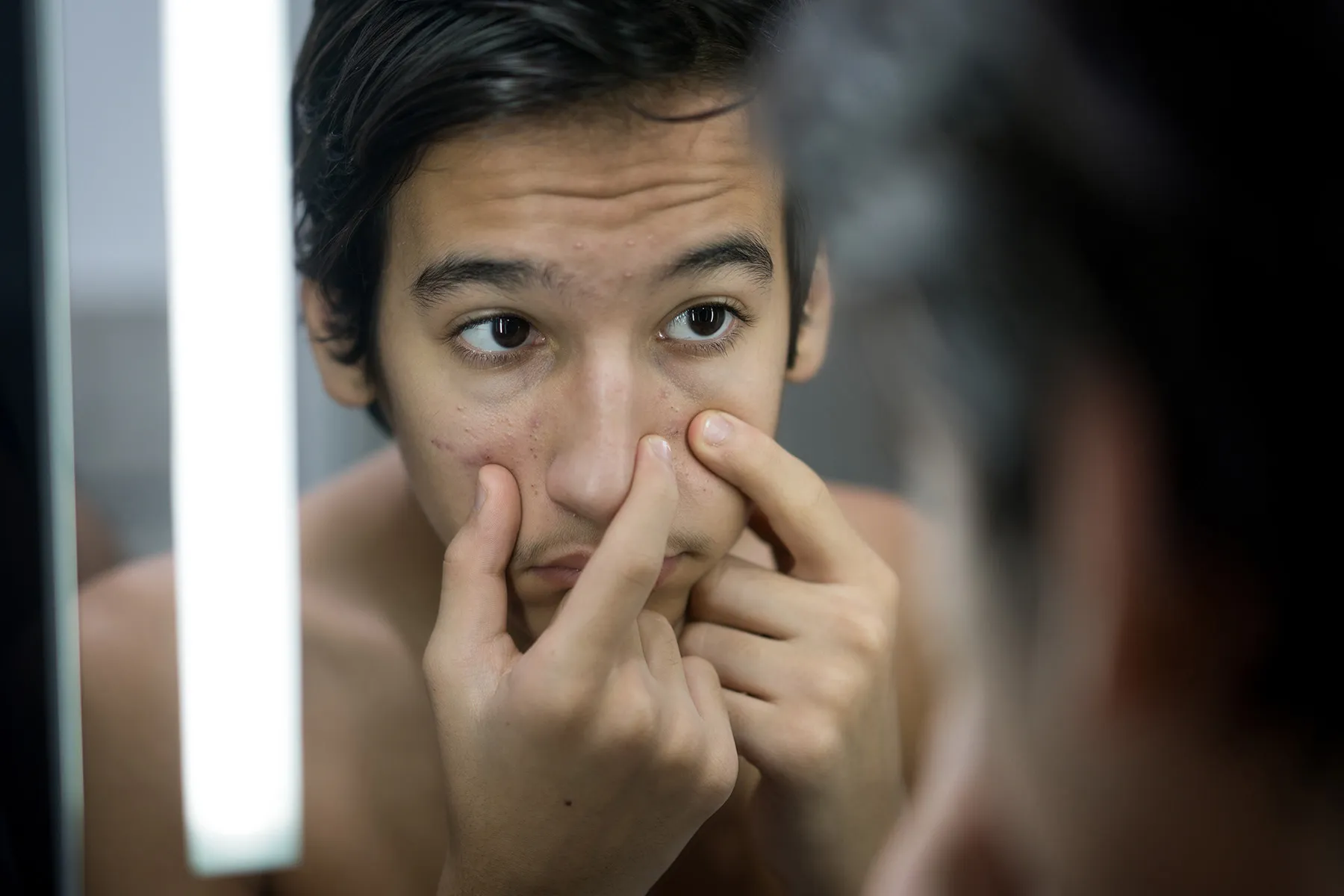
Cystic Acne: Causes, Treatment and Why You Shouldn't Squeeze It

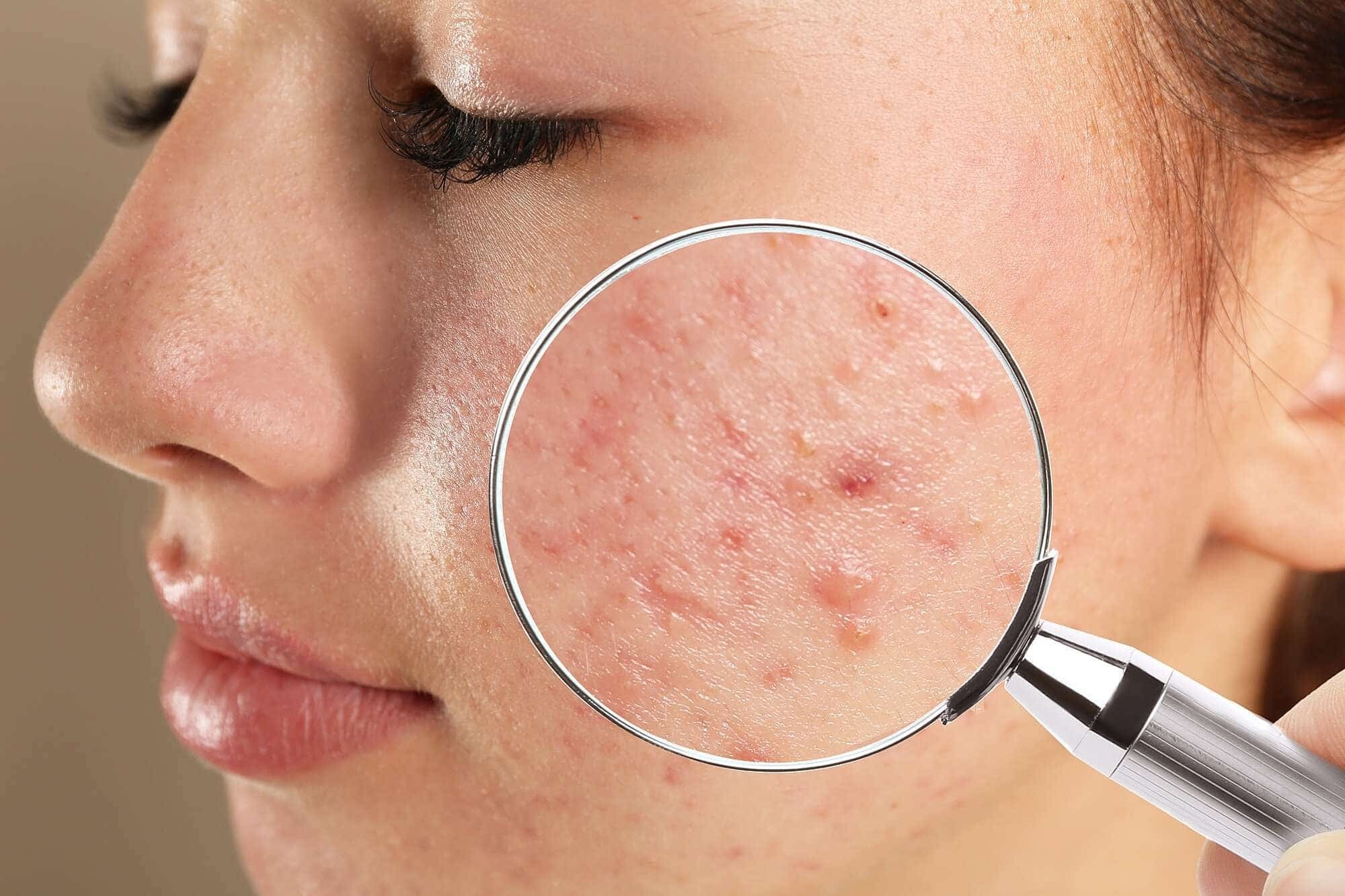
Cystic acne forms when inflammation spreads deep beneath the pore, not just on the surface. Unlike surface pimples, it damages the dermis and often leaves lasting scars. Here's why it grows so deep and hard, and how dermatology treatment brings it back down.

By Dr. Kim

Acne

Acne and Diet: Effects of Milk and Sugar, Plus Diet Management

Diet and acne keep coming up together, and two things get singled out most: foods that spike blood sugar fast, and dairy. Here is how the chain from blood sugar to insulin to IGF-1 actually reaches the oil glands and pores, why skim milk gets named more often than whole milk, and what to check first in your own diet.

By Dr. Kim

Acne

Maskne Causes and Care: Why Does It Cluster on the Chin and Cheeks?

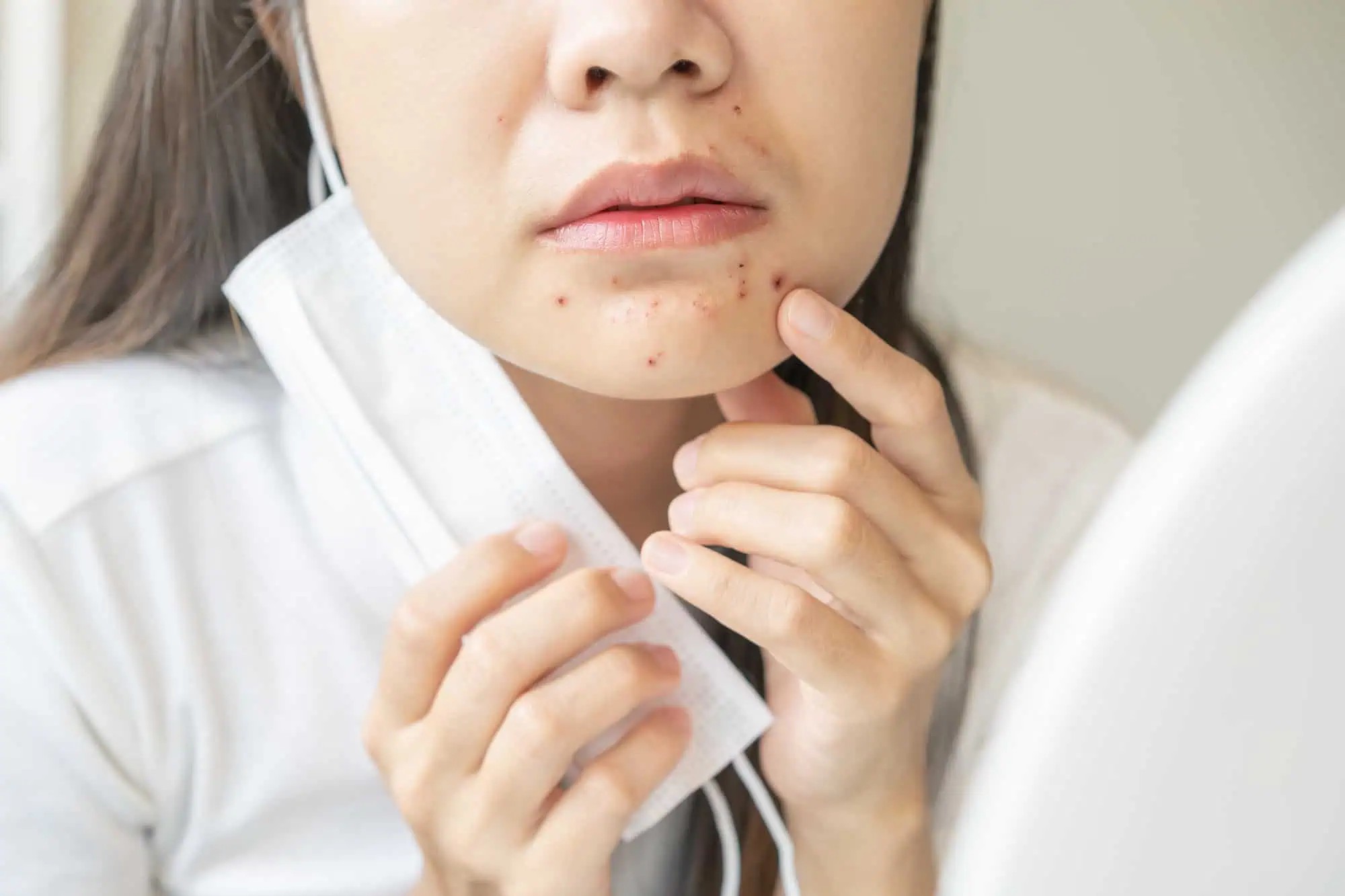
A lot of people notice more breakouts along the jaw and cheeks the longer they wear a mask. Friction, high humidity, and clogged pores team up to weaken the skin barrier and give inflammation an easy foothold. Here is a look at why this happens and how to manage it, built around the underlying mechanisms.

By Dr. Kim

Acne

Sebaceous Hyperplasia: Causes, How to Tell It From Acne, Removal and Recurrence

If you have a yellowish bump on your forehead or cheek that won't go away no matter how much you squeeze it, it might not be acne at all, but sebaceous hyperplasia. Here's an easy breakdown of why enlarged glands form a dimpled bump, how it differs from acne, how electrocautery clears it, and why it tends to come back.

By Dr. Kim

Acne

Blackheads: Causes, Care and Is It Okay to Squeeze Them by Hand?

Blackheads aren't trapped dirt. They're a plug of sebum and dead skin cells inside the pore that turns dark through oxidation. Here's why extracting them often leaves marks, and which ingredients actually help, explained through the science behind it.

By Dr. Kim

Acne

Adult Acne: Causes, Care Ingredients and When to See a Dermatologist

Adult acne shows up in different spots than teenage acne, and the causes are different too. Here is how hormones, skin barrier function, and daily habits combine to trigger jawline breakouts, along with the ingredients and habits that actually help.

By Dr. Kim

Acne

Teen Acne: Causes, Care and When to See a Clinic

Teen acne starts when androgen hormones ramp up oil production, then moves through a few predictable stages that end in clogged pores and inflammation. Here is why this stage of life hits so hard, what actually helps at home, and when it is time to see a dermatologist.

By Dr. Lee

Acne

Oral Acne Medication: Antibiotics and Isotretinoin (Roaccutane) Differences and Side Effects

Oral acne medications split into two very different paths: antibiotics and isotretinoin, and they work in completely different ways. Antibiotics go after the bacteria and inflammation driving breakouts, while isotretinoin shrinks the oil glands themselves at the root. Here is a mechanism-focused look at why each gets chosen in different situations.

By Dr. Kim

Acne

Causes of Excess Sebum: Is It Hormones or Stress?

Sebum output isn't decided by the oil glands alone. Androgens are the hormone that tells the glands how hard to work, and puberty, the menstrual cycle, stress, and blood sugar swings all feed into that same signal. Here is how the hormone-gland relationship explains those sudden oily days.

By Dr. Lee

Acne

Whiteheads and Blackheads: Differences, Causes and Care

Whiteheads and blackheads start from the same clogged pore, but whether that plug meets air decides the color. Here's a look at why oxidation turns things black, and what that difference means for how you treat each one.

By Dr. Kim
Acne

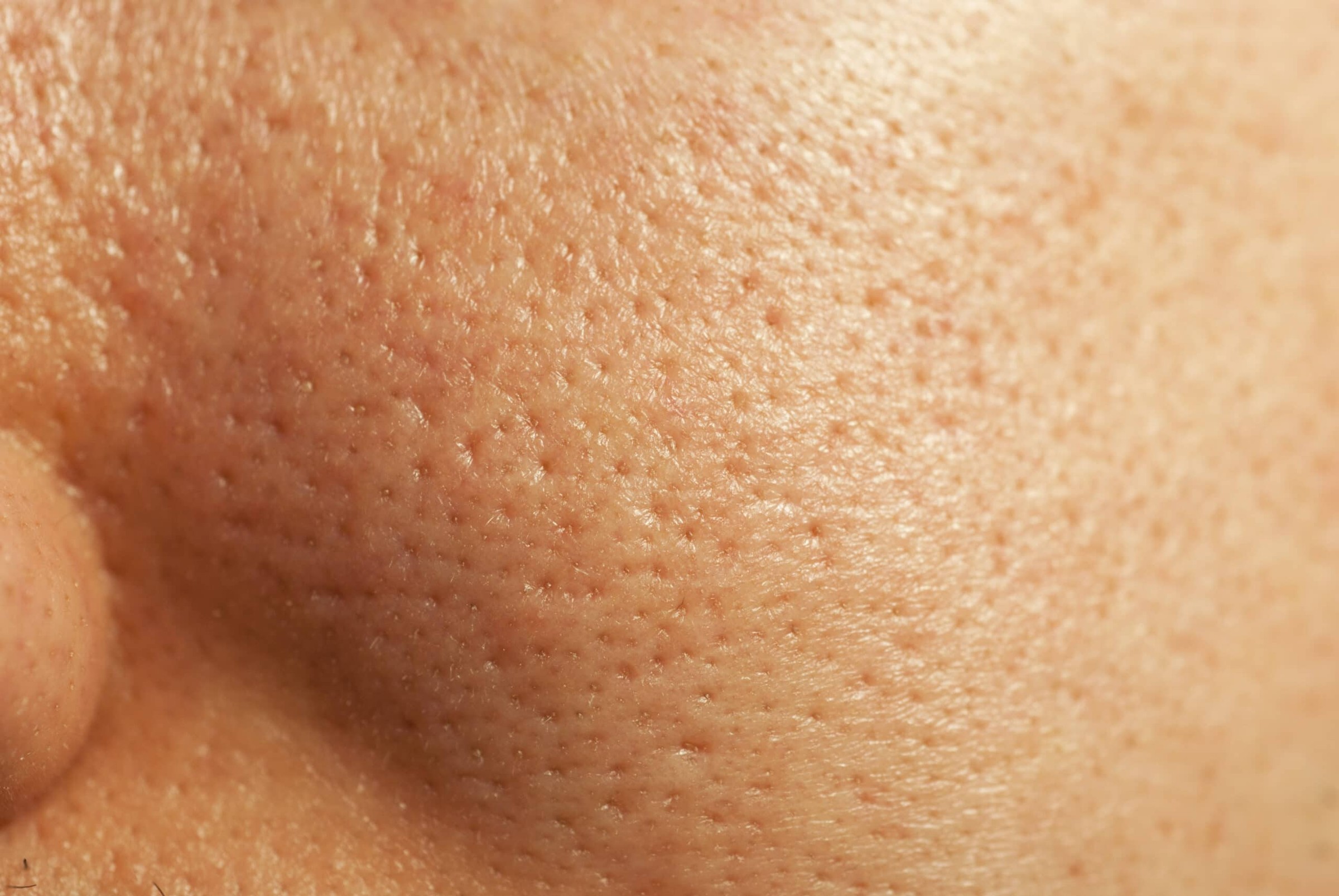
Why Pores Get Larger: Causes, Care, and Treatment Results

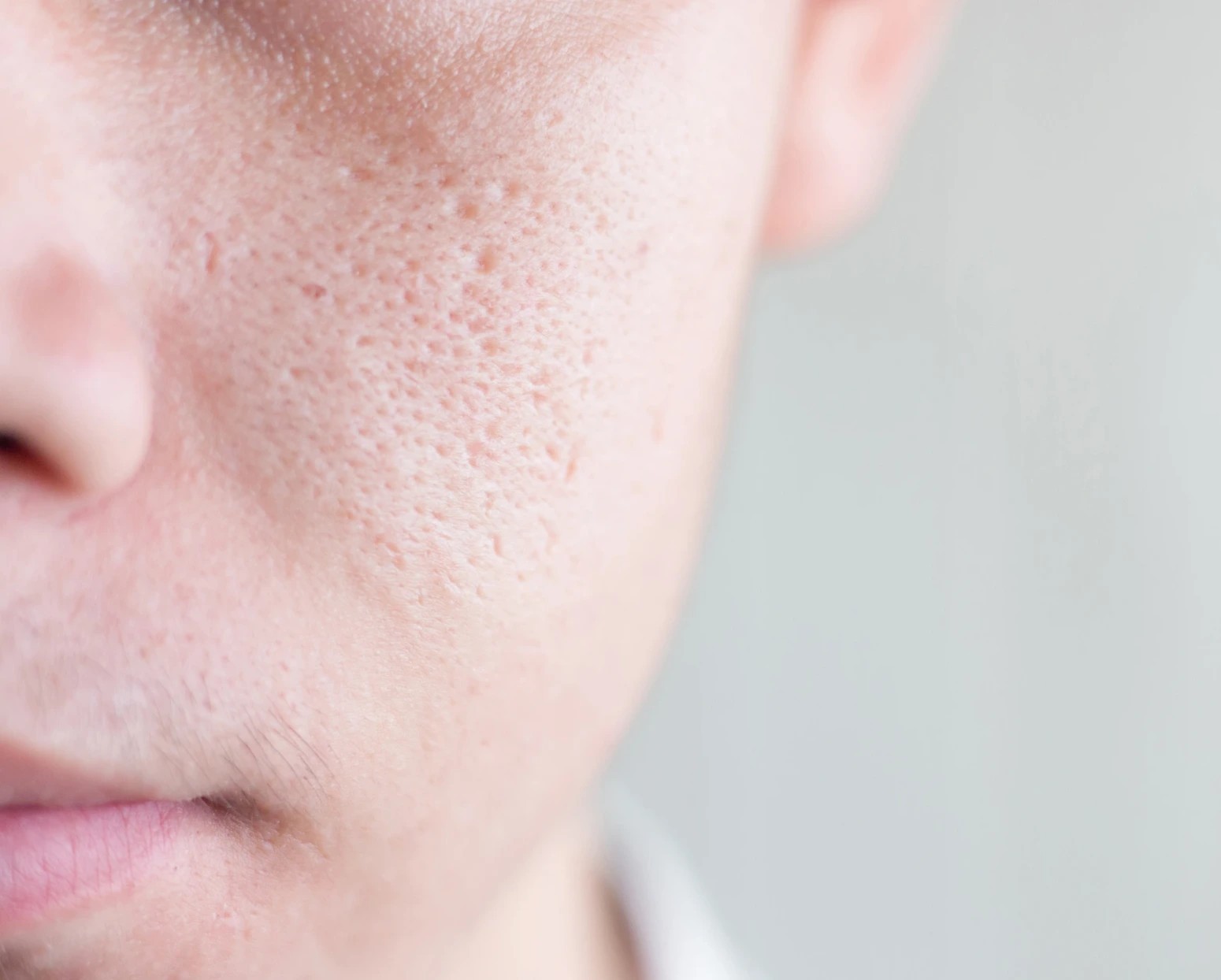
Pores widen when oil and dead skin push out from inside while the elastic tissue around them loses its grip. Here is why a stretched pore rarely bounces back by itself, and what treatment actually targets.

By Dr. Kim
Acne

Acrief Acne Cream: Effects, Early Irritation and Back Acne Use

A clear look at what Acrief is, how trifarotene 0.005% cream differs from Differin, whether it genuinely works on trunk acne as well as the face, what the clinical trials show about timeline and irritation, and how to apply it correctly.

By Dr. Lee

Acne

Fraxel for Acne Scars: Effects, Pigmentation, and Side Effects

How fractional lasers like Fraxel work on acne scars, why results differ so much by scar type, how real the PIH risk is on Asian skin, and what the research actually shows about how much improvement to expect: scars soften, they don't vanish.

By Dr. Kim

Acne

TCA CROSS for Icepick Acne Scars: Effect and Pigmentation Care

What TCA CROSS is, why it outperforms laser on narrow deep icepick scars, how concentration affects outcomes, how proper prep slashes post-inflammatory hyperpigmentation risk, and how to combine it with other treatments, all backed by clinical study numbers.

By Dr. Lee

Acne

Air Subcision and Needle Subcision: Differences and Pain Compared

Air subcision uses compressed air to push a cannula through skin and release the fibrous bands tethered beneath a scar. Needle subcision aims for the same goal by hand, but the way force is delivered, and how it feels against the tissue, is different. Here is how the two methods actually compare, principle by principle.

By Dr. Kim

Acne

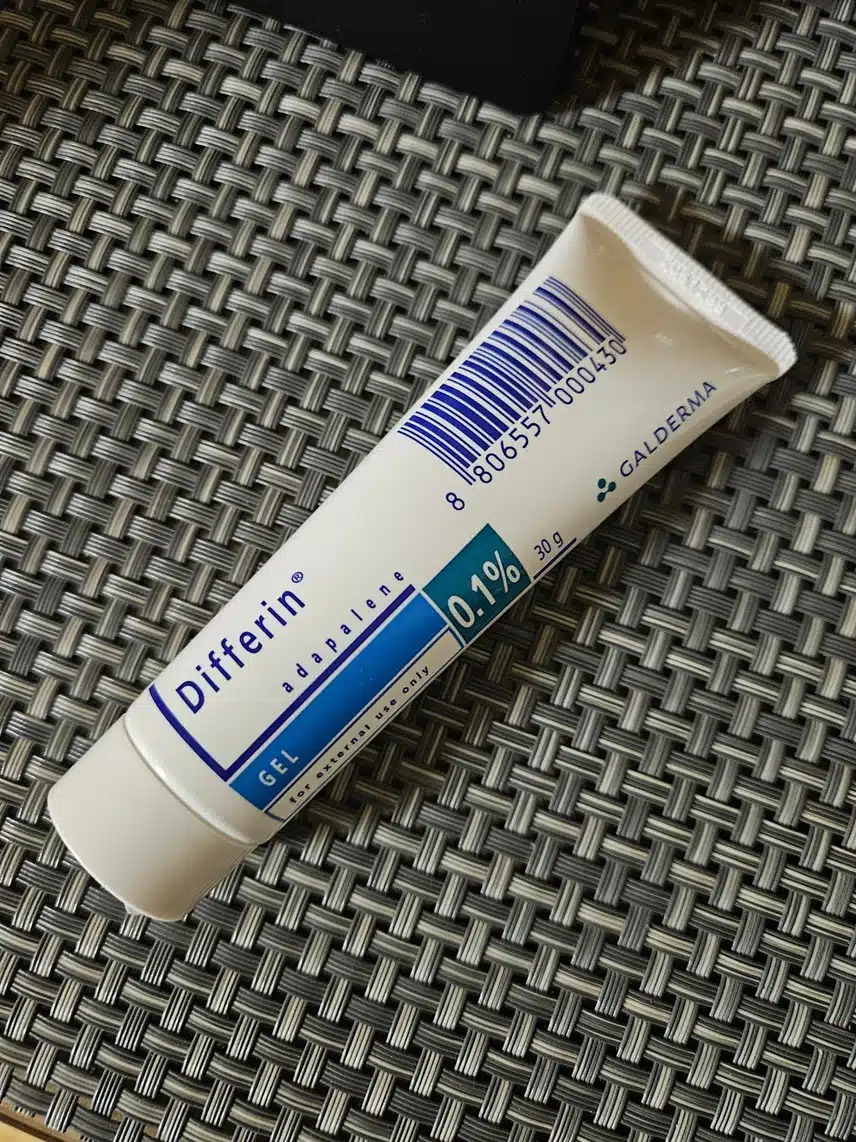
Differin (Adapalene) Effects: When Do They Start and How Irritating Is It?

A clear-eyed look at what Differin gel is, where adapalene sits in the retinoid family, and how it works at the follicle level, backed by clinical trial data, not marketing copy. Covers the purging phase, realistic timelines, the tretinoin and Aklief comparisons, and when topical adapalene isn't enough.

By Dr. Lee

Acne

Epidermal Cyst Causes and Symptoms: Why It Refills After Squeezing

If a lump under your skin keeps refilling no matter how many times you squeeze it like a pimple, it may be an epidermal cyst. Here's an easy breakdown of how these cysts form, how they differ from acne, and why the cyst wall itself has to come out to keep it from coming back.

By Dr. Lee

Acne

Acne Scar Types and Treatments: TCA CROSS and Subcision Included

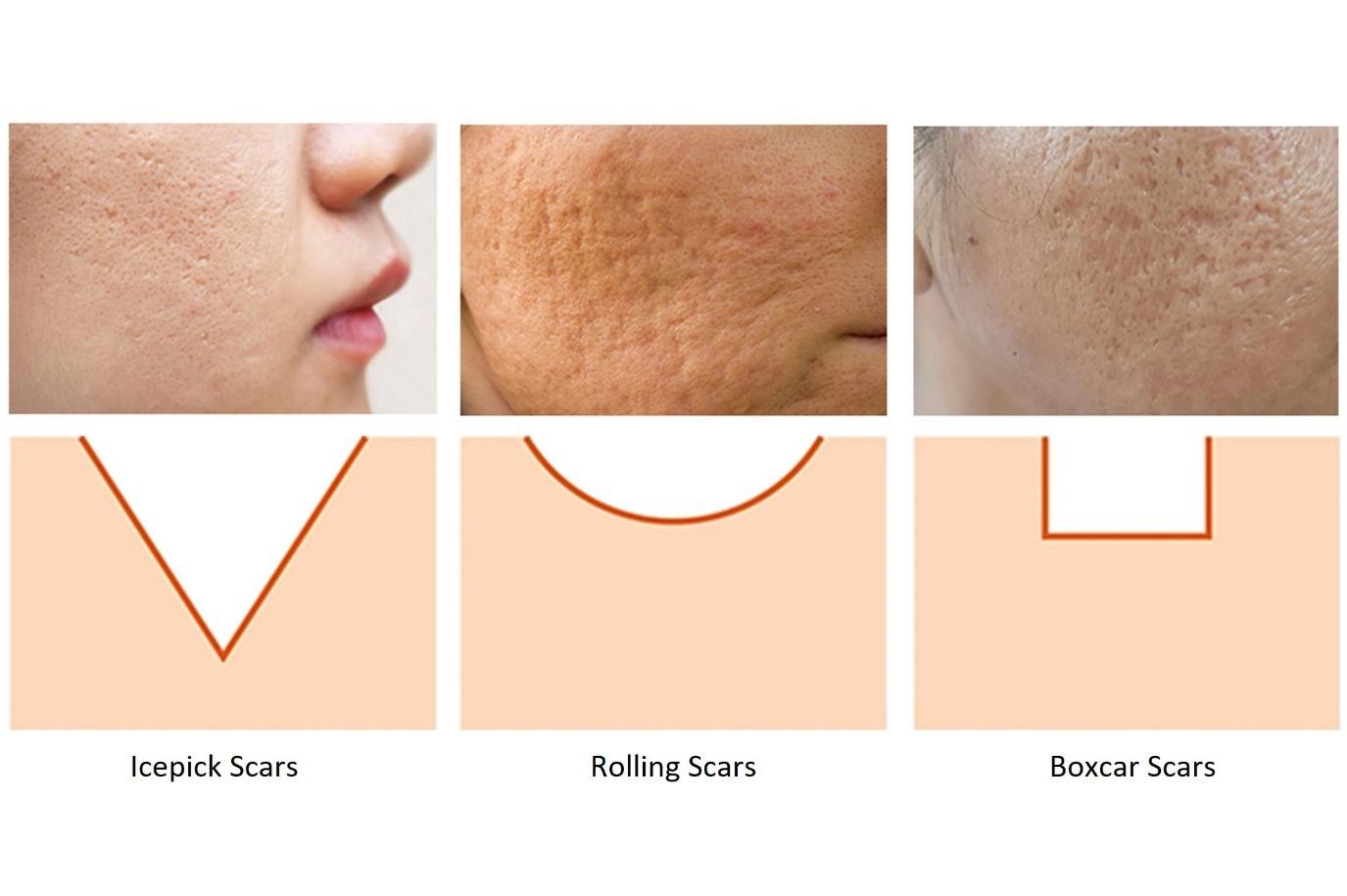
Acne scars fall into three shapes, ice pick, boxcar, and rolling, each formed by a different process under the skin. Here's an easy breakdown of why they differ and why treatments like TCA CROSS and subcision suit specific scar types.

By Dr. Lee

Acne

PDT for Acne: Results, Number of Sessions, and Downtime

How photodynamic therapy (PDT) combines ALA and MAL photosensitizers with blue, red, and IPL light sources to calm inflammatory acne, how Gold PTT and the platinum angle method differ, and the reduction rates, relapse rates, and downtime confirmed in actual studies.

By Dr. Kim

Acne

Potenza Needle RF: How It Improves Acne Scars and Pores

Potenza needle RF uses fine needles to bypass the skin surface and deliver heat directly into the dermis. Here is a plain walk through why that heat improves scars and pores, how many sessions it usually takes, and what the downtime looks like.

By Dr. Lee

Acne

Types of Acne Medication and Treatment Duration: Frequently Asked Questions

The questions patients ask most during acne treatment, gathered in one place. Why treatment takes so long, the difference between topical and oral medication, the role of isotretinoin, why you shouldn't pop pimples, birth control and antibiotics, when scar treatment should start, and why breakouts come back.

By Dr. Lee

Acne

Red Acne Marks: Causes, How Long They Last, and Laser Treatment

A clear, research-backed guide to why red marks (PIE) appear after acne heals, how they differ from brown pigmentation (PIH) and pitted scars, how long they take to fade naturally, how vascular lasers like Vbeam and Excel V speed up the process, how to manage them at home with sunscreen and calming care, and why treating them early matters before they turn into scars.

By Dr. Kim

Acne

TCA CROSS Effect: How Many Sessions for Icepick Scars?

TCA CROSS places high-concentration acid precisely at the base of narrow, deep ice pick scars to trigger fresh collagen growth right where it's needed. Here's why this method works so well for narrow scars, how the scar gradually fills in, and why it takes multiple sessions to see results.

By Dr. Kim
Acne

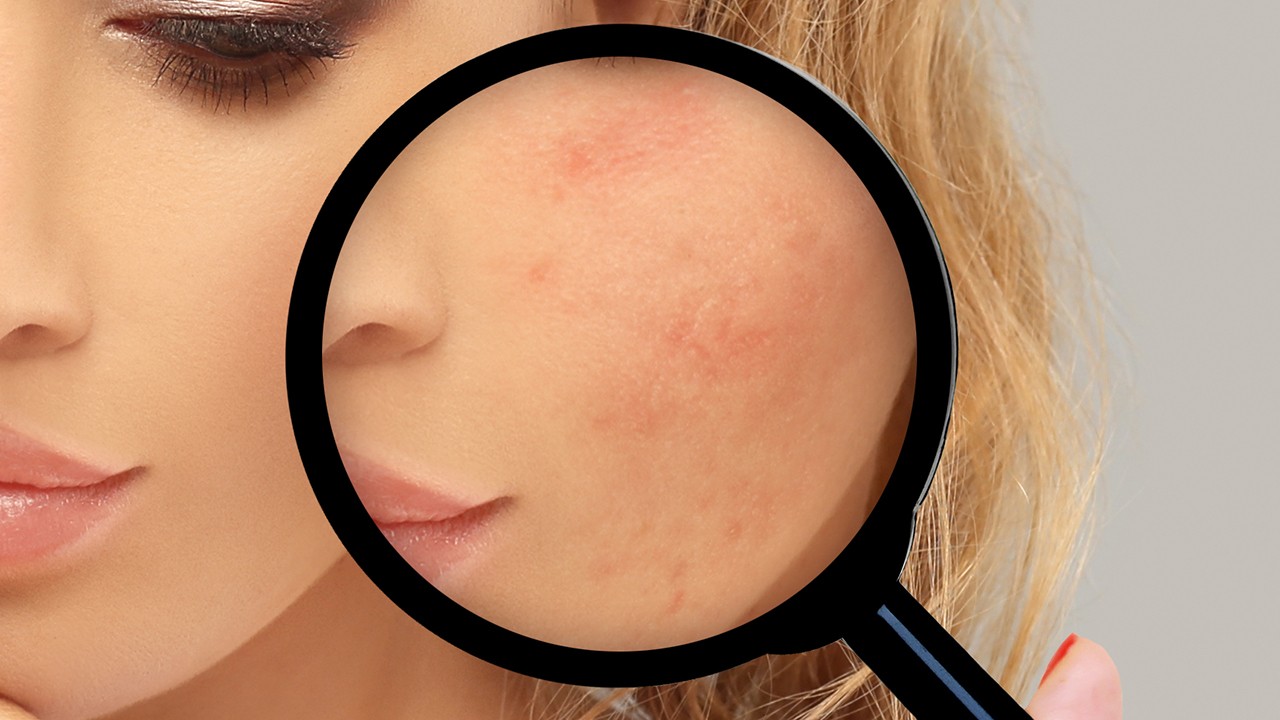
Chest Acne: Causes and How It Differs From Facial Acne

Chest acne doesn't quite follow the same rules as facial acne. Sweat, friction, and a blocked follicle environment play a bigger role, and a fungus called Malassezia can cause a folliculitis that looks like acne but isn't. Here's what's really going on and what helps.

By Dr. Lee

Acne

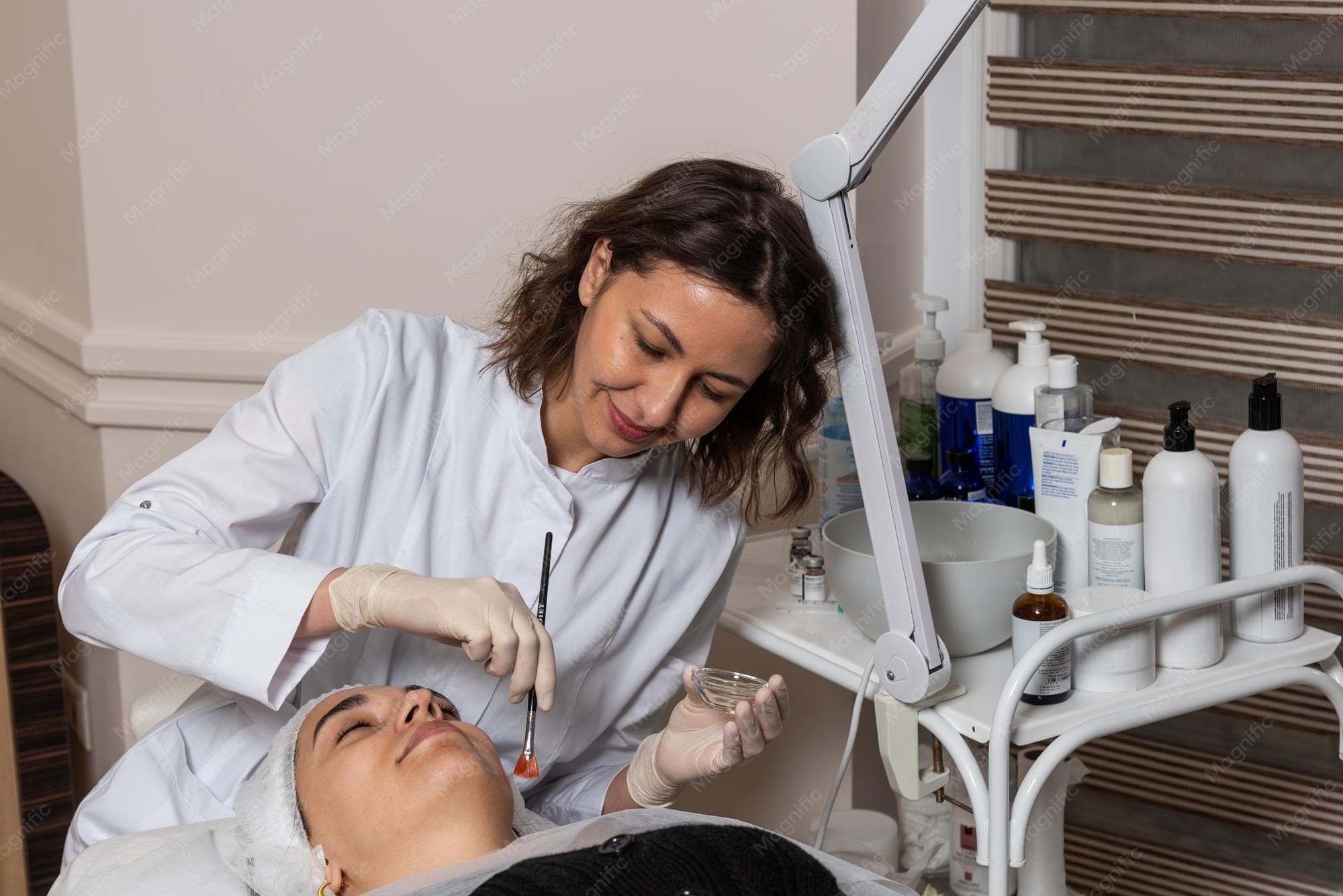
Back Acne: Causes, Treatment Ingredients, Healing Time and Care

Back acne starts from the same root as facial acne, but thicker skin, denser oil glands, sweat, and friction change how it grows. Here is why the back breaks out so easily and why treatment takes longer to work, along with how to manage it.

By Dr. Kim
Acne

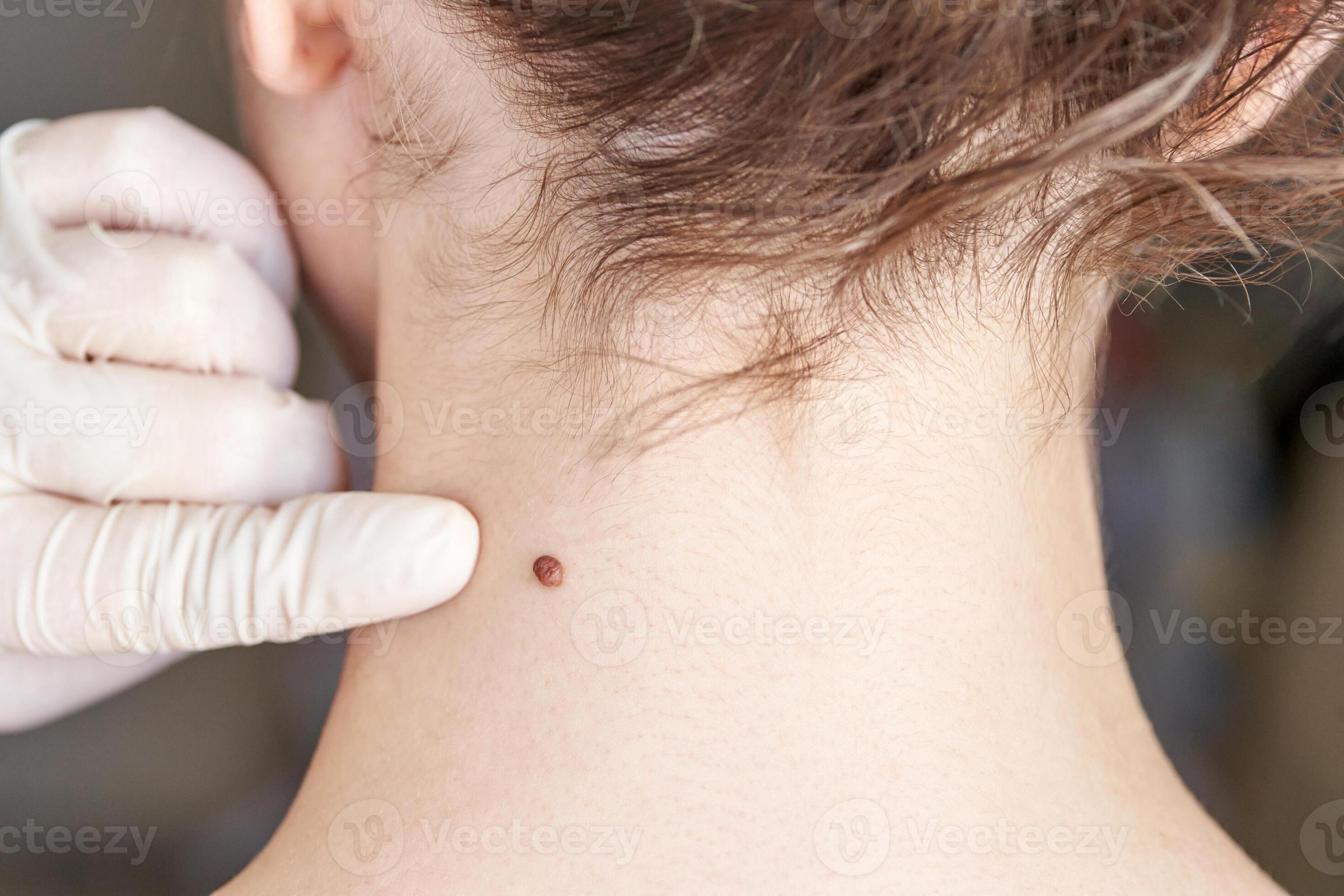
Skin Tag Causes and Removal: Will They Come Back After Laser?

Skin tags tend to crop up again and again in spots where skin rubs constantly against clothing, like the neck and underarms. We break down the two real causes, friction and aging, show how to tell them apart from moles, and explain how laser and electrocautery removal work along with the aftercare that helps keep them from coming back.

By Dr. Lee

Acne

Back Acne: Causes, Treatment and Telling Fungal Folliculitis Apart

Why acne on the back and chest behaves differently than facial acne, how to tell true acne apart from fungal folliculitis, and what the research actually shows about benzoyl peroxide washes, topical retinoids, oral isotretinoin, peels, and laser treatments.

By Dr. Lee

Acne

Subcision for Sunken Scars: How Many Sessions Until They Lift?

Subcision is a procedure that uses a needle to cut the fibrous tissue under the skin that is pulling a scar downward. Here is why scars sink in, how the needle releases that pull, and why treatment usually takes 3 to 6 sessions.

By Dr. Lee

Acne

Men's Acne Causes: Why Is It Bigger and More Scarring?

Men's acne often lingers well past the teenage years and tends to spread across wide areas like the back and chest. Here is a look at what sets men's acne apart, from how testosterone stimulates the oil glands to shaving, muscle supplements, and delayed treatment.

By Dr. Kim
Acne

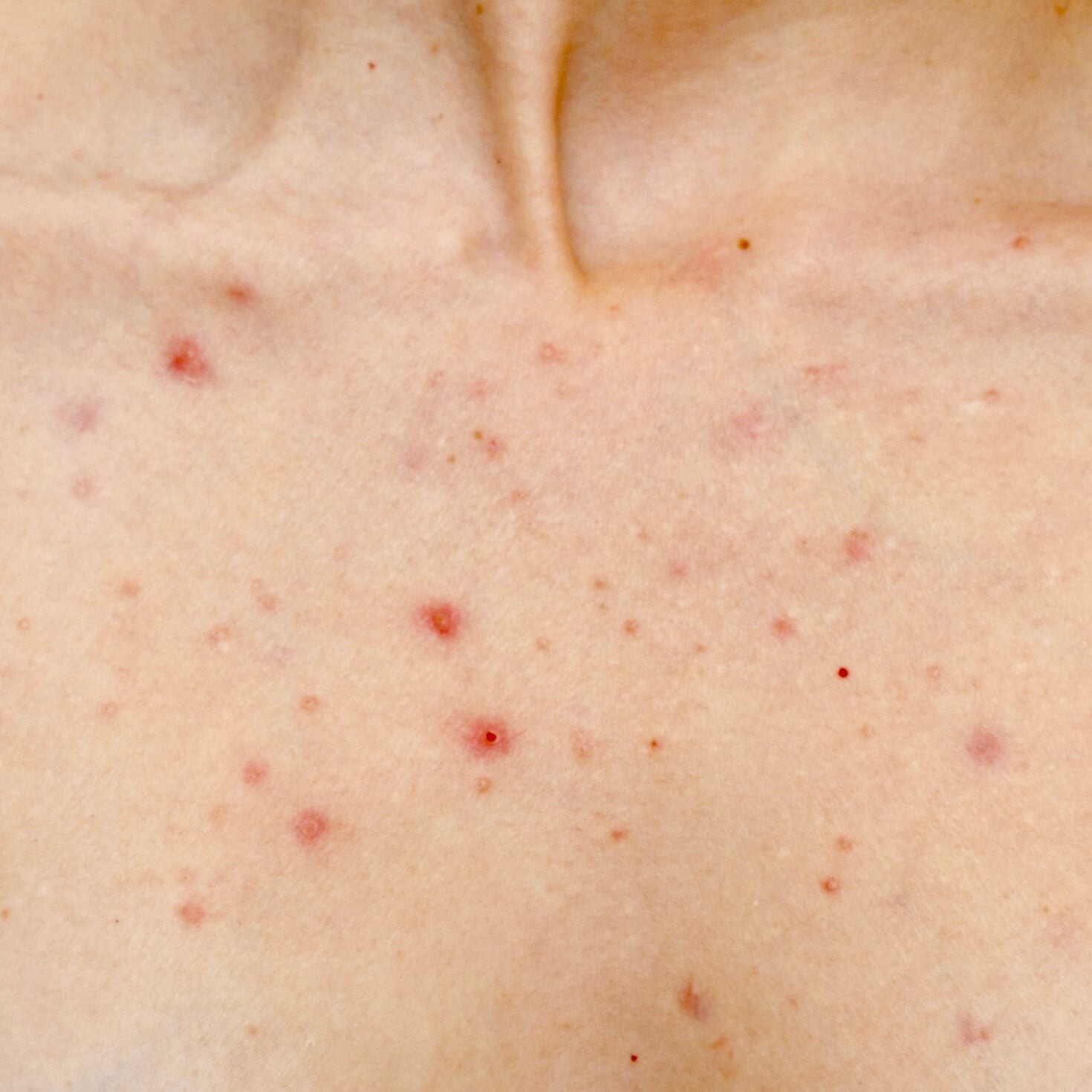
Roaccutane Effects and Side Effects, Including Pregnancy Warning and Treatment Duration

How isotretinoin (Roaccutane/Accutane) clears severe acne at the root by shrinking the sebaceous gland, why cumulative dose and treatment duration matter, how common cheilitis and skin dryness are, why pregnancy is absolutely contraindicated, and what large-scale data shows about depression and suicide risk, all without exaggeration.

By Dr. Kim