Epidermal Cyst Causes and Symptoms: Why It Refills After Squeezing
By Dr. Lee9 min read
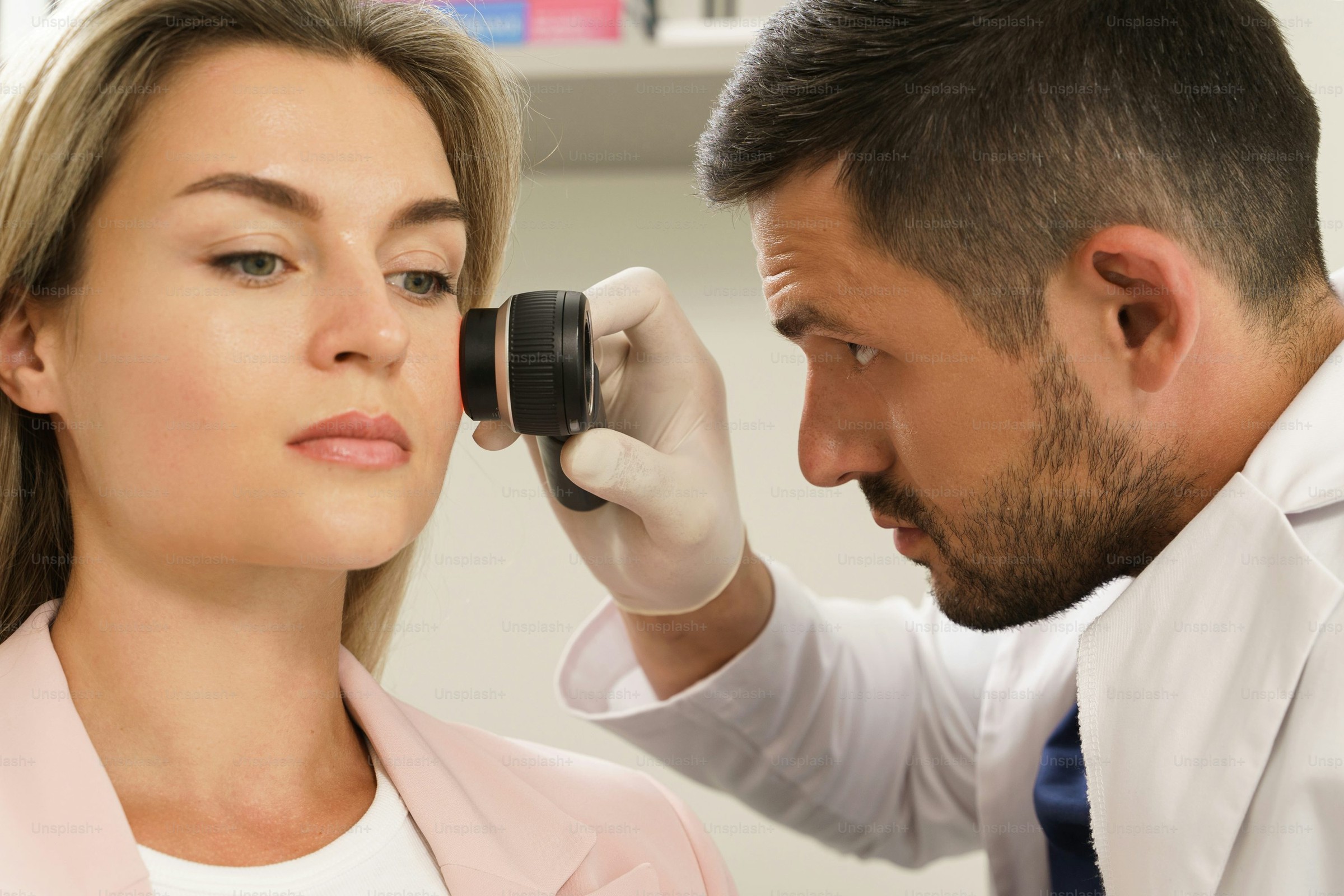
Sometimes you find a pea-sized lump on your jaw, neck, or back that just will not go away no matter how much you squeeze it. Press on it and it feels round and soft, and there is often a tiny opening right at the center. You treat it like a pimple and work it out, but 2 to 4 weeks later the exact same lump is back in the exact same spot.
A lump like this is more likely an epidermal cyst than acne. Cells from the surface layer of skin end up trapped underneath it, forming a small pouch that keeps filling with keratin, which is just old, dead skin cell debris. Squeeze out the contents like you would a pimple and the pouch itself stays put, so it simply fills back up over time. Here is why, step by step.
How does an epidermal cyst form?
Skin is layered, with the epidermis on the outside and the dermis underneath. Epidermis cells are only ever supposed to grow outward, but when a hair follicle opening gets compressed or blocked by a small injury or friction, some of those cells lose their way and get pushed down into the dermis.
Once trapped, they keep doing exactly what they always did, which is produce keratin. As they multiply, they wall themselves off into a pouch-like structure, and that wall is what is known as the cyst wall. The cells lining the inside of that wall keep churning out keratin the way flour keeps piling up in a sealed bag, and since it has nowhere to go, the cyst slowly swells.
Plenty of things can compress a follicle opening this way: a healed acne scar, a piercing, or even a small scratch. A wound might look completely healed on the surface, but if a handful of epidermis cells got left behind in the dermis at that moment, a cyst can turn up in that exact spot anywhere from 6 months to 2 years later.
How can you tell it from acne?
Acne is inflammation inside a pore and its oil gland. Oil gets trapped, bacteria multiply, and the spot turns red and swollen. Squeeze it and the plug comes out along with the contents, then it settles down. An epidermal cyst works completely differently. It is not pore inflammation at all, but a separate pouch that has formed underneath the skin.
The easiest way to tell the two apart is by how they feel and how they behave over time.
- Squeeze a pimple and it clears up completely within 3 to 5 days. Squeeze an epidermal cyst and it refills to the same size in the same spot within 2 to 4 weeks, because the pouch is still there and keratin production never actually stops.
- Epidermal cysts often have a tiny, dark pinpoint opening at the center, a leftover trace of the channel that once connected the cyst to the skin's surface. Pimples do not have this kind of fixed opening.
- Pimples usually change size within 3 days to 2 weeks. Epidermal cysts, on the other hand, tend to grow very slowly, sometimes taking anywhere from 6 months to as long as 5 years, since the wall cells produce keratin at a much slower pace.
- Skin around a pimple is often red before you have even touched it, and pimples tend to show up in clusters. An epidermal cyst usually starts as a single, isolated lump, with the surrounding skin looking perfectly normal.
How is it different from a lipoma?
People often lump epidermal cysts and lipomas together under the catch-all term "fatty lump," even though they form in entirely different ways. Both feel like a bump under the skin, but that is where the resemblance ends.
A lipoma is a growth made of clustered fat cells, with no cyst wall and no keratin inside it. Press on one and it feels soft and slides around easily, has no surface opening, and rarely turns red or gets infected. An epidermal cyst, by contrast, feels firmer because it is packed with keratin, has that small opening mentioned earlier, and can turn red, swell up, and produce foul-smelling pus if it gets infected.
This distinction matters because the removal approach is different for each. A lipoma has no cyst wall to worry about, so taking out the fat mass is enough on its own. An epidermal cyst needs its wall removed along with everything else, or it will come right back. The two can look similar from the outside, so getting an ultrasound or an in-person exam to tell them apart, and picking the right method from there, is the best way to keep both recurrence and scarring to a minimum.
Why it refills after squeezing
If you only squeeze out the contents and leave the cyst wall in place, the reason it comes back is simple: what actually swells the cyst is not the keratin sitting inside it, but the wall cells that keep manufacturing more of it.
A balloon makes this easy to picture. Let the air out but never get rid of the balloon itself, and the channel is still sitting there, ready to be blown up again. It works the same way with an epidermal cyst. Squeeze out the contents and the wall, the actual production line, stays fully intact. Given a little time, those wall cells simply make more keratin, refill the space, and the same lump shows up all over again.
On top of that, squeezing too hard can tear the cyst wall, which lets keratin leak into the surrounding tissue and can end up triggering more inflammation rather than less. The lump might look smaller right after you squeeze it, but as long as the wall is still sitting there intact, nothing has actually been solved.
Removal methods that prevent recurrence
Preventing a recurrence means taking out the cyst wall itself, not just the contents. Even a handful of leftover wall cells can multiply again, start producing keratin once more, and rebuild the same cyst in the same spot.
There are a few different removal methods used in practice, and how completely each one takes out the cyst wall is what determines the recurrence rate.
- Complete excision removes the entire cyst wall along with the surrounding skin through an incision. Because almost none of the wall gets left behind, the chance of recurrence is low, though it does leave a scar proportional to the incision.
- The minimal incision technique makes a very small opening and carefully teases the cyst wall out through that gap. The scar is shorter, but if the wall tears and a fragment is left behind, recurrence is still possible.
- Simply squeezing out the contents or draining it with a needle leaves the cyst wall untouched. This does not address the underlying problem, and as explained above, the cyst will refill over time.
Choosing a method comes down to the cyst's size, location, and whether it is inflamed. If it is small and not inflamed, a minimal incision can often lift the wall out cleanly enough on its own. But if it is large, or it is a spot that has already come back 3 or more times, the wall has likely become attached to the surrounding tissue, which often makes complete excision the safer choice.
Why cyst size varies from person to person
Two people can have the exact same kind of epidermal cyst, yet one stays pea-sized for more than 5 years while the other's grows noticeably within 6 months. The difference comes down to how quickly the cyst wall cells produce keratin, which varies from person to person and even from one spot on the body to another.
Areas that get pressed on frequently tend to have wall cells that are stimulated more often, which speeds up keratin production. Spots that get compressed by clothing or a bag strap, or areas you tend to rub or touch a lot, often grow faster than spots left alone. A cyst that has ruptured or gotten infected once can also end up with a thicker wall during recovery, which sometimes makes it grow even faster afterward.
What should you do if it becomes inflamed?
An epidermal cyst that has been sitting quietly can suddenly flare up the moment the wall ruptures or bacteria get in, turning red, tender to the touch, and filled with pus. During this inflamed phase, the surrounding tissue becomes swollen and soft, which makes it hard to tell exactly where the cyst wall ends.
Attempting a full excision while the inflammation is severe raises the risk of leaving fragments of the wall behind instead of removing it cleanly. For that reason, the usual approach is to first make an incision to drain the pus and calm the inflammation, then perform complete excision once the tissue has settled down. Rushing to solve everything in one step can end up leaving part of the wall behind, which can lead to a recurrence or a worse scar.
When is the best time to have it removed?
Since epidermal cysts generally grow slowly, planning the removal for a calm, non-inflamed period tends to work out better in more ways than one. When there is no inflammation, the boundary between the cyst wall and the surrounding tissue is clearer, which makes the wall easier to remove intact and keeps the incision as small as it can be.
On the other hand, if the cyst is growing quickly, keeps getting irritated and inflamed, or sits somewhere that is constantly pressed on by clothing or accessories, it is worth considering removal before it gets any bigger. The larger a cyst gets, the larger the incision has to be, and the more scarring that comes with it.
Where epidermal cysts commonly appear
Epidermal cysts tend to show up on the face, neck, back, and chest, areas with plenty of oil glands and densely packed hair follicles. These spots see more irritation at the follicle openings, which gives epidermis cells more chances to end up trapped in the dermis.
They are also commonly seen around the jaw and neck in people who shave often, and on the back and shoulders in spots that get repeatedly pressed by a collar or a bag strap. Some reports suggest that repeated physical irritation can be one of the triggers behind a damaged follicle opening.
References
Korean Dermatological Association, Ministry of Food and Drug Safety (MFDS), American Academy of Dermatology (AAD), and U.S. Food and Drug Administration (FDA).
Was this helpful?
About this article
Written by a practising aesthetic physician and intended for general education — not a substitute for individual medical advice.
Read next

Sebaceous Hyperplasia: Causes, How to Tell It From Acne, Removal and Recurrence
If you have a yellowish bump on your forehead or cheek that won't go away no matter how much you squeeze it, it might not be acne at all, but sebaceous hyperplasia. Here's an easy breakdown of why enlarged glands form a dimpled bump, how it differs from acne, how electrocautery clears it, and why it tends to come back.
By Dr. Kim

Milia Under the Eyes: Causes and Removal, and Why Squeezing Doesn't Work
Milia are the small white bumps that show up around the eyes and just won't budge no matter how you squeeze them. Here's an easy breakdown of how milia actually form, how they differ from acne, and why doctors remove them with a needle or laser instead.
By Dr. Lee

Seborrheic Scalp: Causes, Care and Why Dandruff Keeps Coming Back
Seborrheic scalp happens when sebum, fungus, and the inflammatory response to that fungus all feed into each other. Here is an easy breakdown of why dandruff shows up in the oiliest spots and why the itch returns just 2 to 3 days after washing, no matter how carefully you clean.
By Dr. Lee