Seborrheic Scalp: Causes, Care and Why Dandruff Keeps Coming Back
By Dr. Lee7 min read
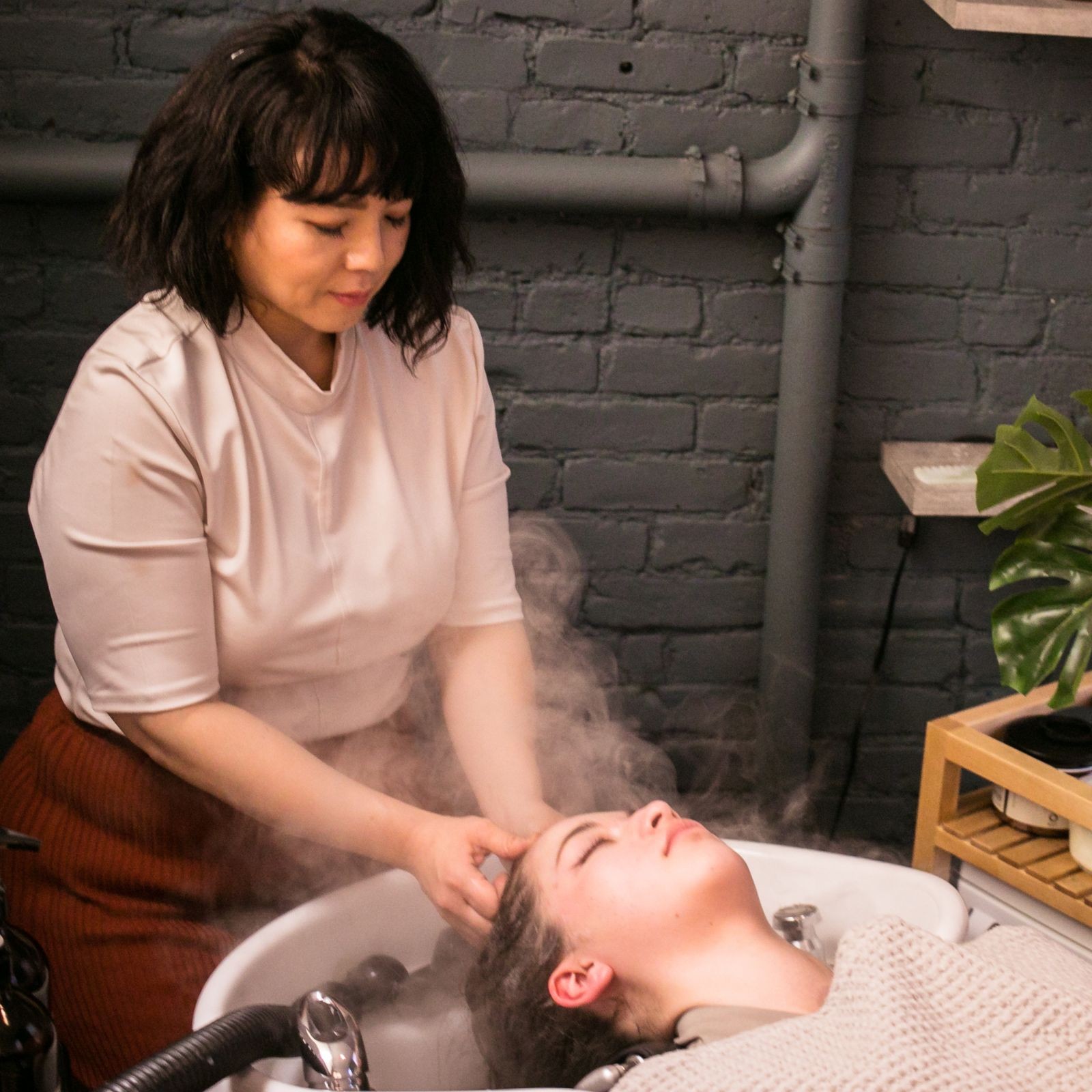
Less than a day after washing your hair, your scalp starts itching, and white flakes fall onto your shoulders when you brush. Switching shampoos helps for a moment, but the same symptoms come right back 2 to 3 days later. When this pattern repeats, it is easy to assume poor hygiene is the culprit, but in most cases a specific biological process happening on the scalp itself is actually to blame.
That leads a lot of people to blame themselves for "not washing enough" and scrub even harder, which can actually keep the symptoms locked in place. To understand why washing alone will not fix this, it helps to look at what is really happening on the surface of the scalp.
This condition is called seborrheic scalp, or seborrheic dermatitis. As the name suggests, it is closely tied to oil, meaning sebum. But it is not just about sebum. It is the result of three things tangled together: sebum itself, the fungus that lives on it, and the way your body reacts to that fungus. Here is a step-by-step look at why the problem shows up specifically in oily areas, and why it keeps returning no matter how much you manage it.
Why Is the Scalp So Oily?
Sebum is naturally a protective substance. It forms a thin oily film on the skin's surface that keeps moisture from escaping and shields the skin from outside irritants. Think of it like an umbrella, covering the skin and holding a protective layer in place.
The catch is that the scalp, along with the T-zone on the face, has the largest and densest concentration of sebaceous glands on the body. Larger, more numerous glands mean more oil production. On top of that, androgens, a family of male hormones, stimulate these glands and push oil production even higher. That is why the scalp tends to get so much oilier after puberty, and why stress or poor sleep make it worse. Scalp sebaceous glands are simply very sensitive to shifts in hormones and overall condition.
What Is Malassezia, the Scalp Yeast?
A yeast called Malassezia, a type of fungus, naturally lives on the scalp already. It is a normal resident organism found on everyone's scalp, so its presence alone is not a disease. Think of it like a tenant who has always lived in your house.
The problem is that this yeast feeds on sebum. A scalp producing an unusually large amount of sebum becomes a well-stocked habitat for Malassezia. Just as more food attracts more tenants, a sebum-rich scalp naturally ends up with a larger Malassezia population. On its own, that still is not a major issue, but the real irritation begins in the next stage.
How Yeast Byproducts Cause Inflammation
Malassezia does not just eat sebum, it releases enzymes that break down the fatty components inside it. This process produces irritating fatty acid byproducts, and these are the substances that directly irritate scalp skin. It is a bit like a tenant's leftover food scraps irritating everything around the house.
Scalp skin, especially in people who are more reactive, recognizes these irritants as a threat. Immune cells then rush to the area and sound the alarm, and that alarm is inflammation. Once inflammation starts, blood vessels dilate and the scalp turns red, while irritated nerves trigger itching. In the end, it is not the fungus itself but your body's response to the byproducts it creates that actually produces the symptoms.
Why Does Dandruff Form?
Skin naturally sheds old dead cells and replaces them with new ones on an ongoing basis. This process is called skin cell turnover, similar to slowly repapering old wallpaper bit by bit. Under normal conditions, this turnover happens slowly enough that dead skin flakes off in tiny, invisible pieces.
But on an inflamed scalp, this turnover speeds up abnormally. Just as ripping wallpaper off too quickly tears it into large chunks, skin cells get pushed off before they are fully mature, and they come off in large, visible white clumps. That is dandruff. In short, dandruff is the result of fungus-driven irritation and the resulting inflammation speeding up the skin cell turnover rate.
Why Seborrheic Scalp Returns Even After You Wash
Seborrheic scalp keeps coming back because this is not a single cause but a self-reinforcing cycle where each factor fuels the next. The following three things feed into each other on an ongoing loop.
- More sebum means more food for Malassezia, which naturally sets up the conditions for the fungus population to grow again.
- More fungus means more irritating byproducts, so the same scalp produces an even bigger inflammatory response.
- Inflammation keeps skin cell turnover running fast, leaving no window for the dandruff and itching to settle down.
Even after shampooing washes away dead skin and oil, the sebaceous glands make fresh oil again within 1 to 2 days, and Malassezia never fully disappears since it is a resident organism that stays on the scalp permanently. That is why washing alone struggles to break this cycle, and why the same pattern of symptoms resurfacing 2 to 3 days later keeps repeating.
Can Washing Too Often Make It Worse?
When itching gets worse, it is natural to wash your hair more often and more vigorously. But this approach does not always help.
Washing the scalp too often with a strong-cleansing shampoo strips away more sebum than necessary. The skin then reads this as an oil shortage and kicks the sebaceous glands into overdrive to refill it quickly. It works the same way as a well refilling faster the more urgently you scoop water out of it. The result is a paradox: the scalp feels fresh right after washing, but oil comes back even faster within a day or two.
On top of that, strong-cleansing ingredients also strip away the thin protective barrier that coats the skin's surface. Once this barrier thins out, the scalp becomes more sensitive to outside irritants like temperature swings and friction, and it loses moisture more easily, leading to dryness. Dry skin causes itching on its own, and when that layers on top of the irritation Malassezia already produces, the itching doubles. This is exactly why, for a seborrheic scalp, what ingredients you wash with and how gently you wash matter more than how often you wash.
Why Some People Get It Worse in the Same Environment
Even in the same environment, some people develop seborrheic scalp much more severely than others. This comes down to which of the three factors mentioned above is more pronounced in a given person.
- People with naturally larger, more active sebaceous glands provide more food for Malassezia, so the fungus population tends to run higher.
- People with a more reactive immune or inflammatory response react more strongly to the same irritants, producing more severe redness and itching.
- During periods of high stress, poor sleep, or dry seasons, both sebum production and inflammatory response get thrown off at the same time, and symptoms often flare up suddenly.
For this reason, seborrheic scalp is not confined to a specific age or season. It tends to rise and fall based on individual constitution and day-to-day condition.
Care and Treatment for a Seborrheic Scalp
Once you understand the mechanism laid out above, it becomes easy to see why certain ingredients or care routines are recommended. The core of managing this condition is pressing down on any one of the three points in the cycle: sebum, fungus, or inflammation.
A scalp-specific shampoo containing antifungal ingredients that reduce Malassezia works by cutting down the fungus population itself, lowering irritant production at the source. Soothing ingredients that calm inflammation help press down on redness and itching that have already started, keeping skin cell turnover from speeding back up. Since this mechanism runs as a cycle, though, it is worth knowing that stopping care entirely once symptoms improve can let sebum and fungus climb back up and bring the symptoms right back.
The washing method mentioned earlier is another factor worth paying attention to. Washing just the right amount with a gentle, scalp-specific product protects the skin barrier while still clearing away enough sebum to limit the fungus's food supply. Washing 3 or more times a day with a regular, harsh-cleansing shampoo, on the other hand, keeps chipping away at that barrier and can end up cutting the effectiveness of antifungal ingredients in half.
If symptoms are mild and only fluctuate a little, a scalp-specific shampoo combined with lifestyle care is often enough to keep things under control. But if redness is severe, flaking builds up thickly, or pain is involved, it is safer to have a dermatologist confirm the cause and get appropriate treatment rather than relying on self-care.
References
Korean Dermatological Association, Ministry of Food and Drug Safety (MFDS), American Academy of Dermatology (AAD), and U.S. Food and Drug Administration (FDA).
Was this helpful?
About this article
Written by a practising aesthetic physician and intended for general education — not a substitute for individual medical advice.
Read next
Seborrheic Dermatitis of the Scalp: Where to Start Treatment and How to Reduce Relapses
Scalp seborrheic dermatitis keeps coming back with flaking, redness, and itching within days of washing. Here is an easy, research backed rundown starting with Malassezia, the yeast behind it, then ranking treatments by evidence strength from antifungal shampoo and topical anti-inflammatories to oral medication and scalp scaling, plus maintenance therapy to prevent relapse and what the evidence actually says about regenerative treatments.
By Dr. Lee
Keloid Scar Causes and Treatment, Including Recurrence and Management
A keloid is a scar that keeps piling up collagen even after the wound has fully healed, growing larger than the injury that started it. Here's why the collagen never seems to know when to stop, how a keloid differs from an ordinary scar, how injections and laser treatments work to calm it down, and why it tends to come back so often.
By Dr. Lee
Epidermal Cyst Causes and Symptoms: Why It Refills After Squeezing
If a lump under your skin keeps refilling no matter how many times you squeeze it like a pimple, it may be an epidermal cyst. Here's an easy breakdown of how these cysts form, how they differ from acne, and why the cyst wall itself has to come out to keep it from coming back.
By Dr. Lee