Seborrheic Dermatitis of the Scalp: Where to Start Treatment and How to Reduce Relapses
By Dr. Lee8 min read
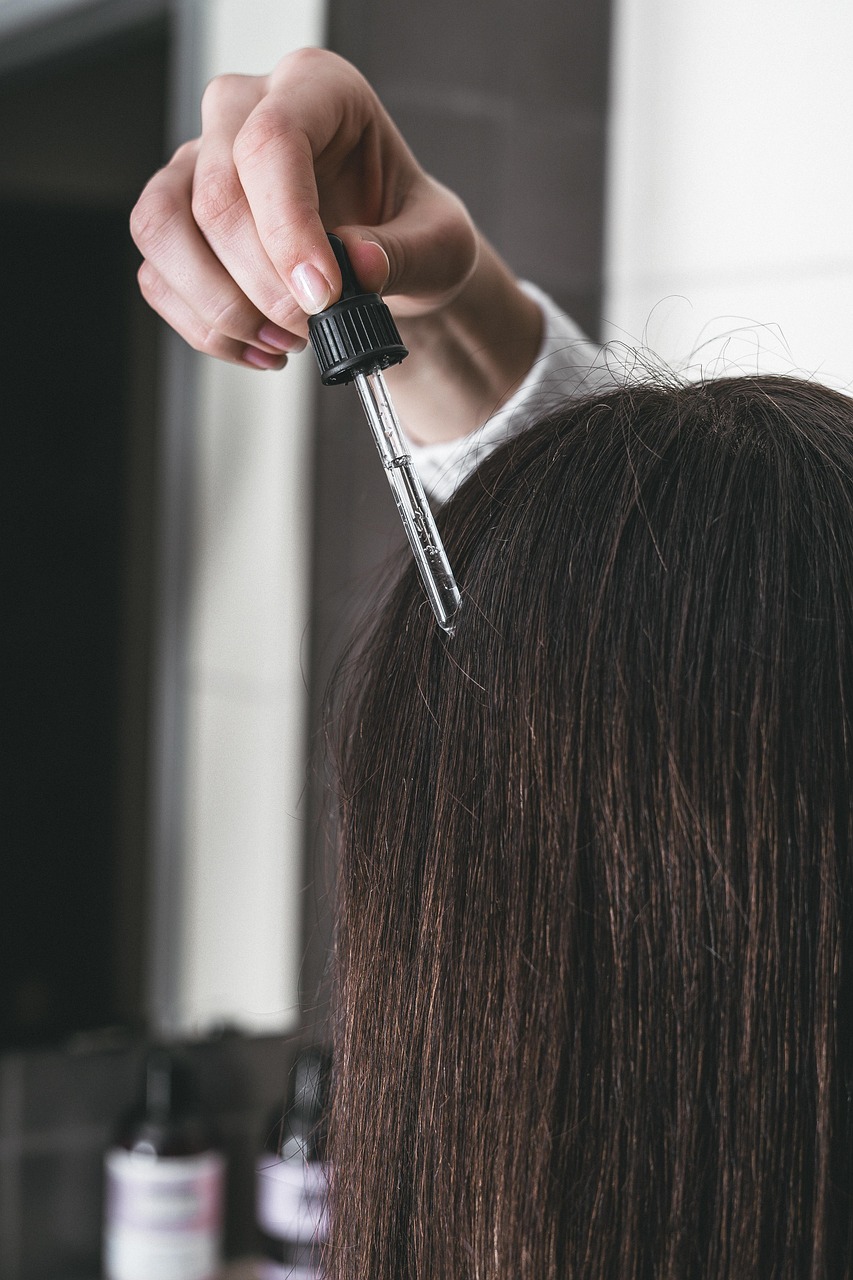
If flaking, redness, and itching return within a few days of washing your hair, seborrheic dermatitis of the scalp could be the cause. It is easy to get worn down by the cycle of dandruff shampoo working for a bit, then symptoms creeping back. That is because seborrheic dermatitis is not a condition that clears up once and for all. Even after it improves, ongoing care is what keeps it from coming back.
Here is a research backed rundown, starting with the yeast behind the condition, moving through what to try first and what to add if it does not clear up, and finishing with whether the trendy scalp regeneration treatments actually work. The order here follows research evidence, not trends or price, and treatments with weaker evidence are labeled as such. Each treatment's effect is shown with real study numbers and charts.
Why Does It Come Back Even When You Wash?
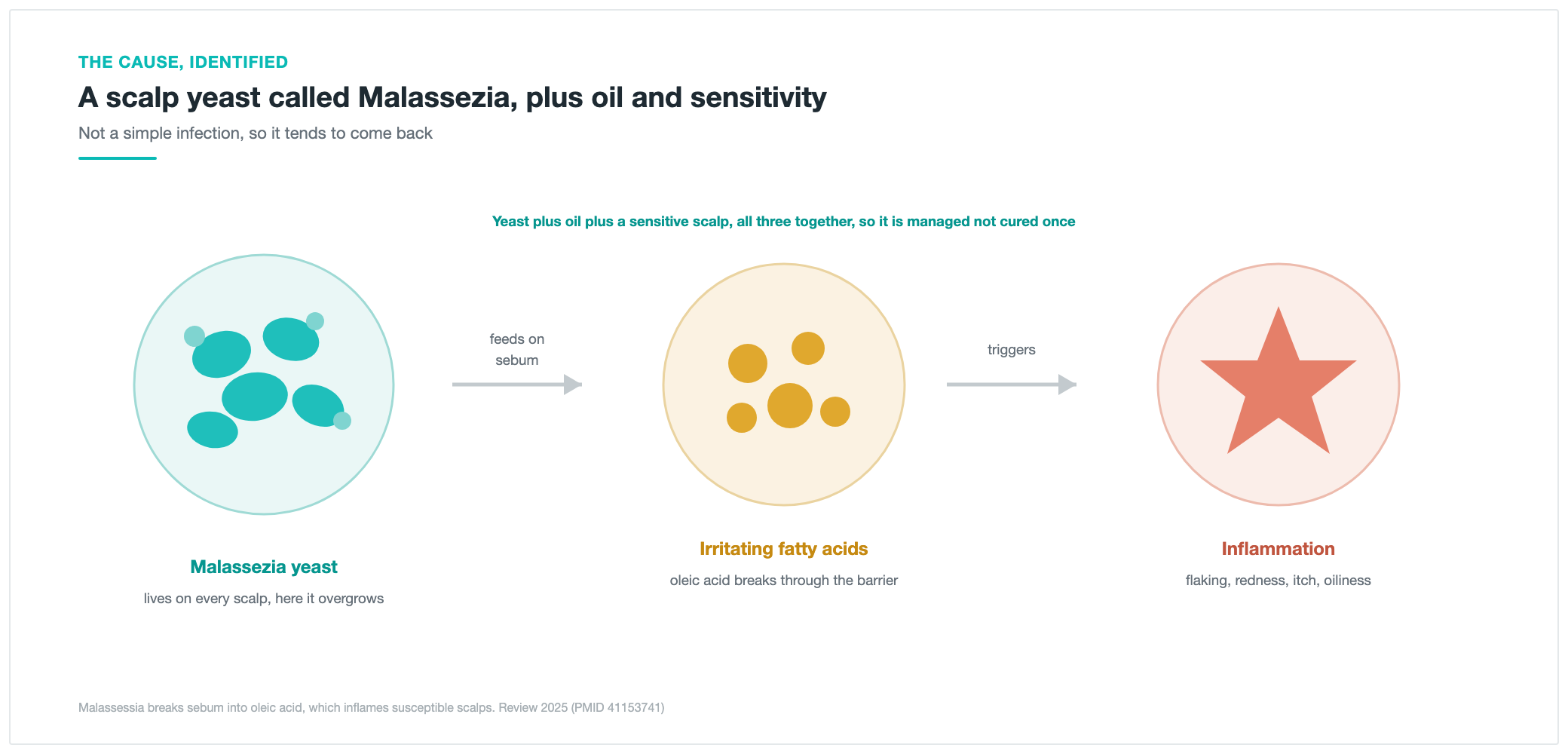
Seborrheic dermatitis starts when Malassezia, a yeast that naturally lives on the scalp, overgrows. As this yeast breaks down sebum, it produces irritating fatty acids, and in people whose skin is sensitive to them, inflammation follows. That is what produces the dandruff, redness, flaking, itching, and oiliness.
It is worth understanding that this is not a simple fungal infection. It arises from three overlapping factors: Malassezia, sebum, and individual sensitivity, so the underlying cause never fully disappears. The scalp always hosts some yeast, and sebum production never stops. That is why seborrheic dermatitis tends to become chronic and relapses easily.
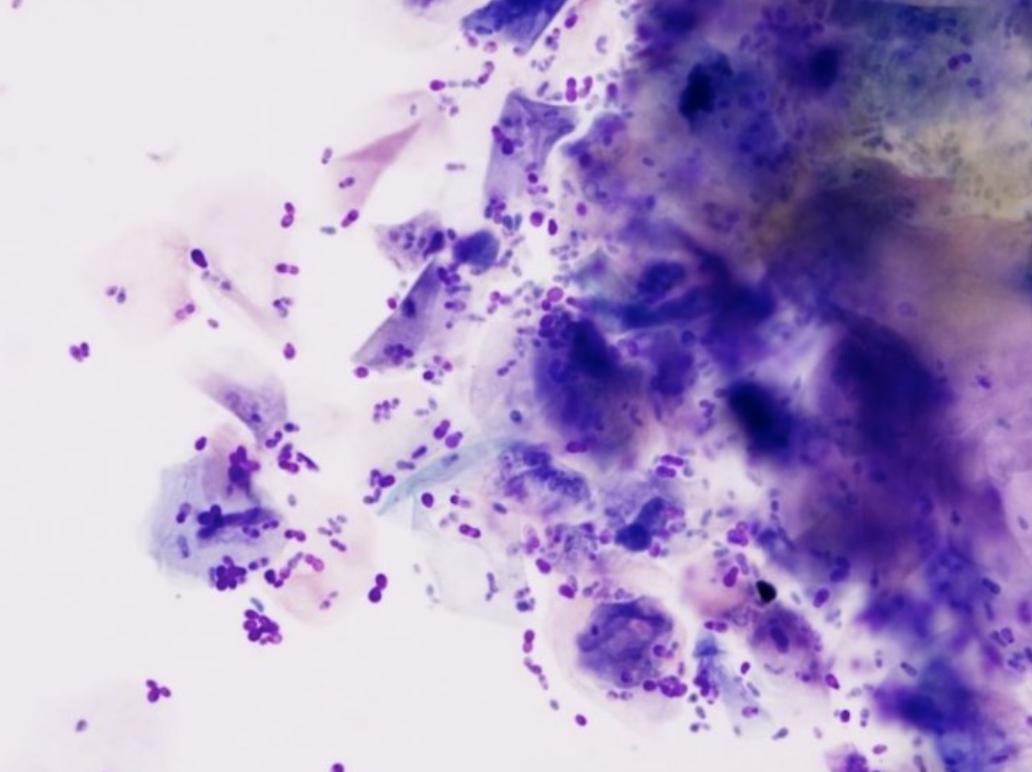
Malassezia is a normal yeast that lives on everyone's scalp. Problems start when it overgrows and starts converting sebum into irritating fatty acids. Under a microscope, small round yeast cells appear in clusters, and this is the confirmed organism behind seborrheic dermatitis. That is why one of the main pillars of treatment is an antifungal that brings this yeast back under control.
This is what shapes the treatment approach. Bringing symptoms under control early on matters, but ongoing maintenance that keeps relapse at bay is just as much a part of treatment. Most of the treatments below are used intensively at first, then tapered down to a lighter maintenance routine. Stress, cold dry weather, lack of sleep, and alcohol are known to make things worse, so lifestyle habits are worth paying attention to as well. Once you understand this pattern, it makes sense why maintenance therapy gets so much emphasis.
How Well Does Antifungal Shampoo Work?
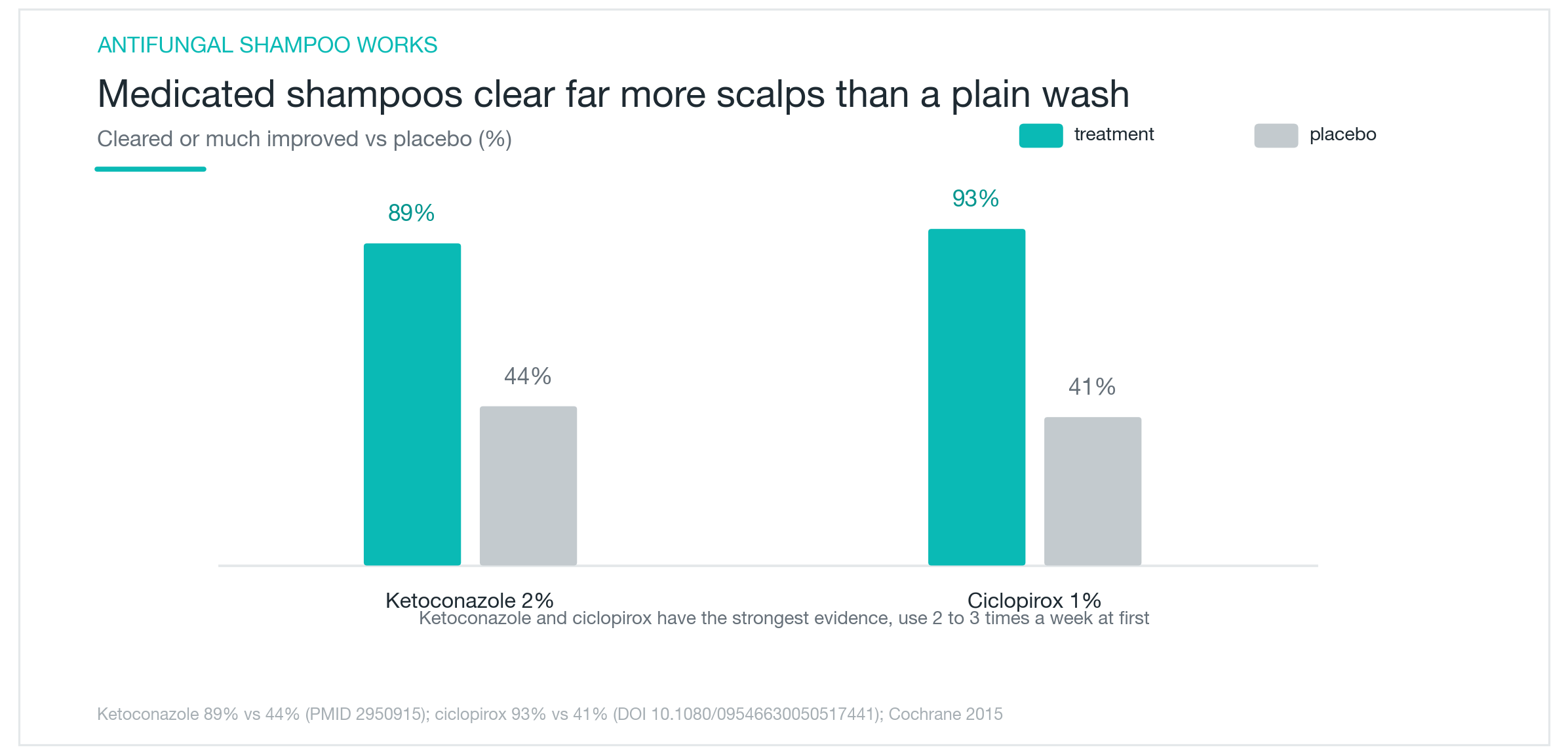
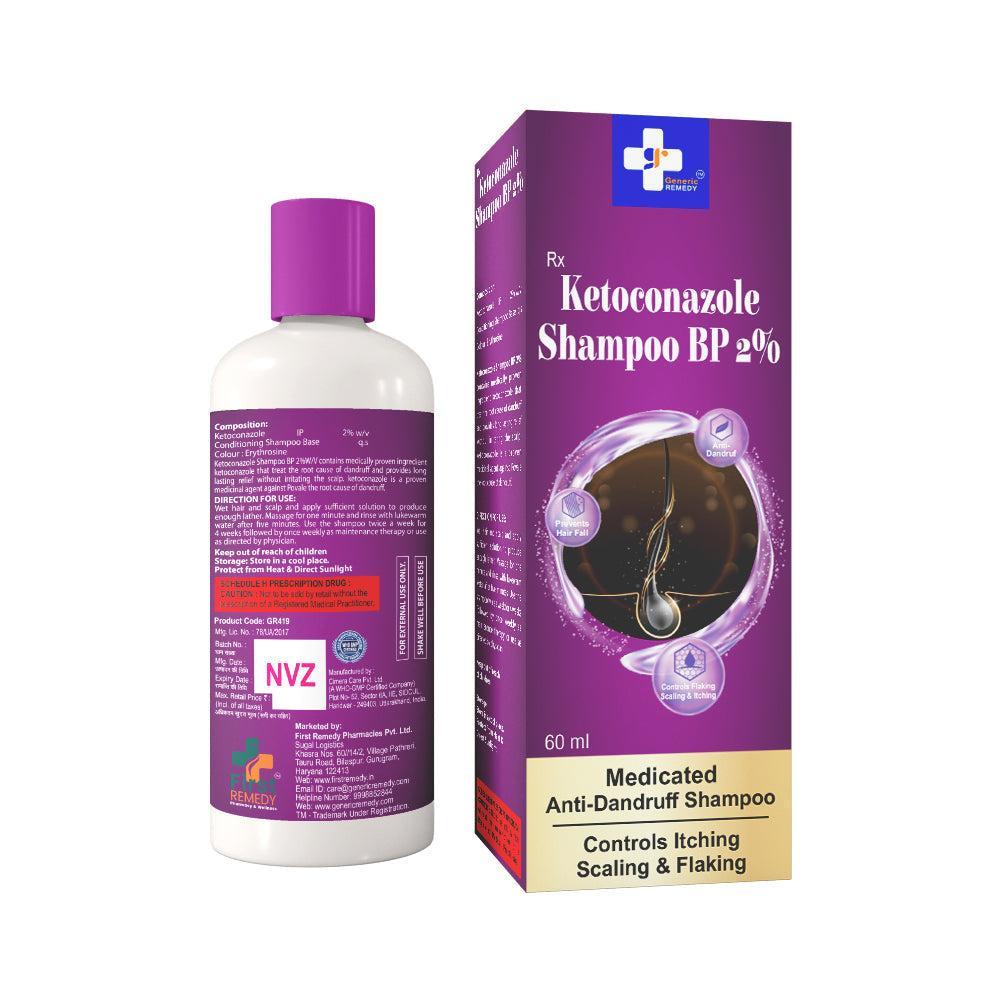
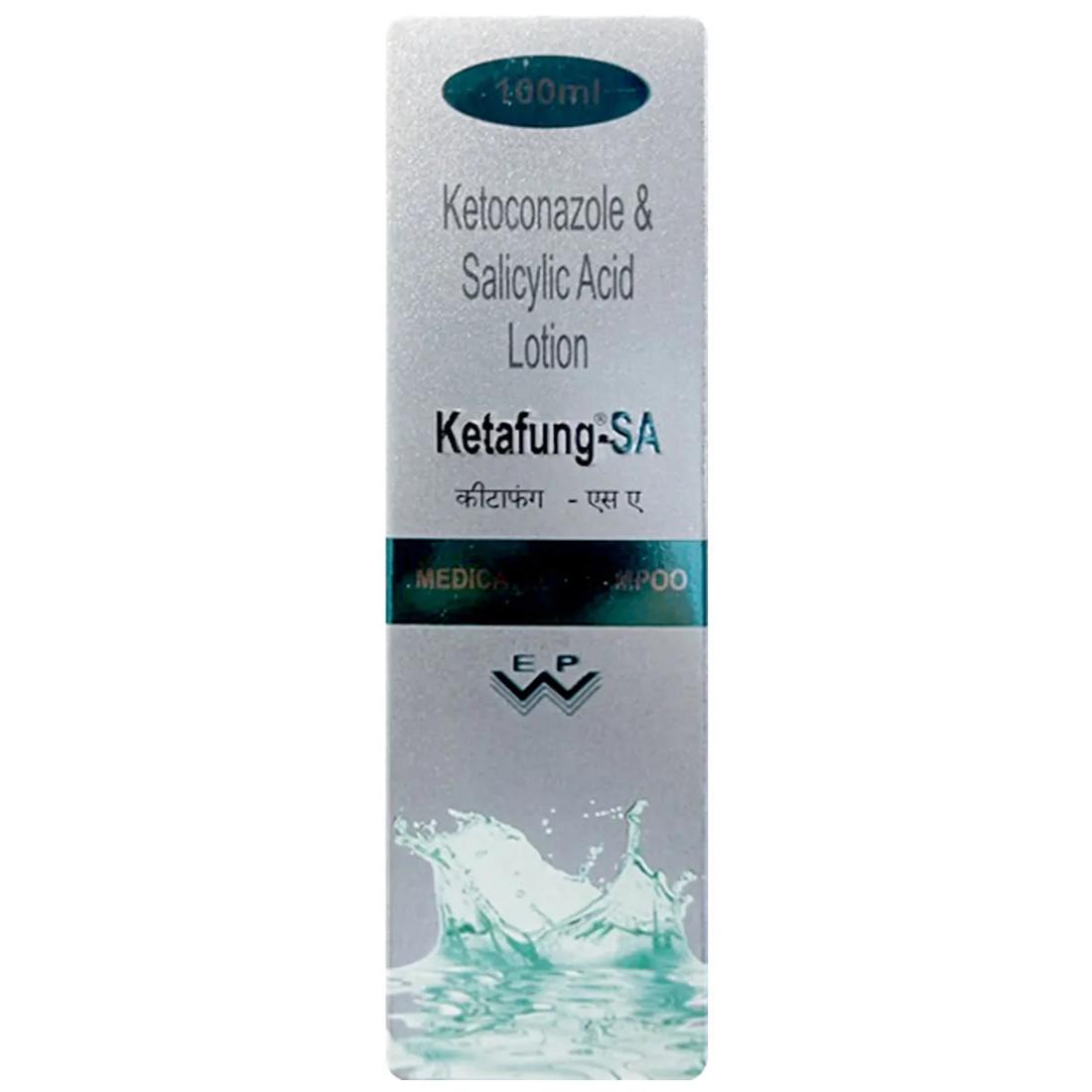
The first line treatment with the strongest evidence is a medicated shampoo containing an antifungal ingredient, because it directly reduces the Malassezia behind the condition. The two leading ingredients are ketoconazole 2 percent and ciclopirox.
The evidence comes from multiple studies. In a study using ketoconazole 2 percent shampoo, 89 percent of participants saw their scalp lesions improve or clear, compared to just 44 percent with placebo. A pooled analysis of many studies found that ketoconazole lowered the risk of treatment failure by about 30 percent compared to placebo, with effectiveness similar to topical steroids but fewer side effects. Ciclopirox shampoo performed similarly well, with 93 percent showing improvement or clearance after 4 weeks compared to 41 percent with placebo.
Shampoos containing zinc pyrithione or selenium sulfide are also widely used and do work, but the strength of their supporting evidence ranks a notch below ketoconazole and ciclopirox. How you use the shampoo matters too. Leaving it on the scalp for 3 to 5 minutes before rinsing gives the active ingredient time to work. The standard approach is to use it 2 to 3 times a week at first, then taper down to once a week for maintenance once symptoms improve.
Anti-Inflammatories That Calm Redness and Itch
Topical anti-inflammatories are the fastest way to calm inflammation, itching, and redness. Antifungal shampoo tackles the underlying cause, while anti-inflammatories settle down the symptoms that are flaring right now, so using both together is the standard approach.
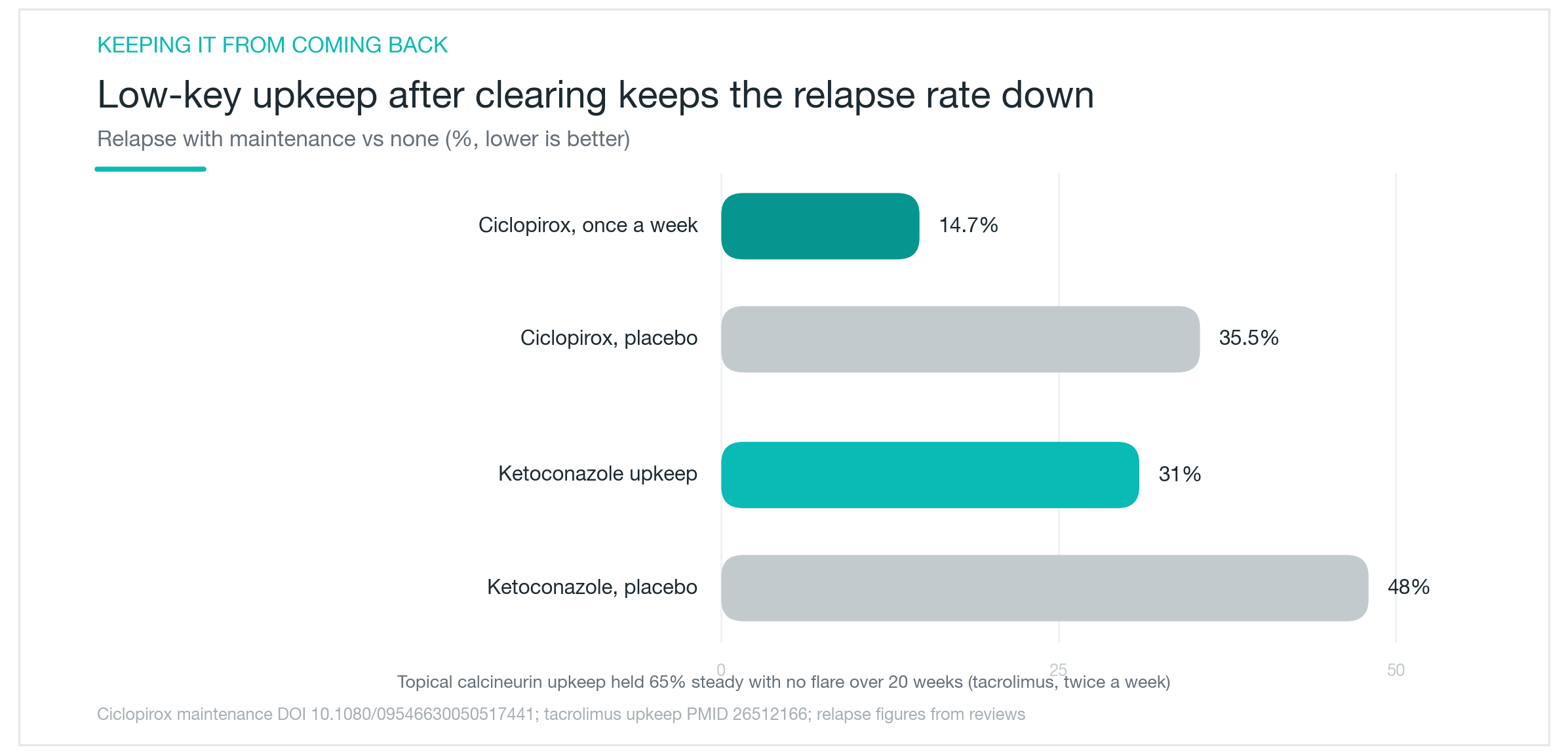
The first option is a topical steroid, which works quickly during an acute flare of redness and itching. Used long term on the scalp or face, though, it can thin the skin or trigger a rebound flare when stopped, so it is best reserved for short, targeted use. The second option is a calcineurin inhibitor such as tacrolimus or pimecrolimus. These work about as well as steroids, with the major advantage of not causing skin thinning.
Calcineurin inhibitors also have solid evidence for maintenance use. In a study where tacrolimus was applied twice a week for maintenance, 65 percent stayed flare free over 20 weeks. Improvement usually shows up within 2 weeks, and even if symptoms return after stopping, they tend to come back milder. Think of steroids as the quick fix for an urgent flare, and calcineurin inhibitors as the safer long term option for areas that relapse often. A lotion or foam formulation is typically used on the scalp for easy application. Pairing anti-inflammatories with antifungal shampoo, rather than using them alone, is what addresses both the cause and the symptoms together.
Oral Antifungals If It Still Won't Clear
When topical treatment is not enough, or the case is moderate to severe with widespread, frequently relapsing lesions, oral antifungal medication comes into play. Itraconazole is the leading option. Because it reduces Malassezia systemically, it is particularly useful for extensive or severe cases that are hard for topical treatment alone to reach.
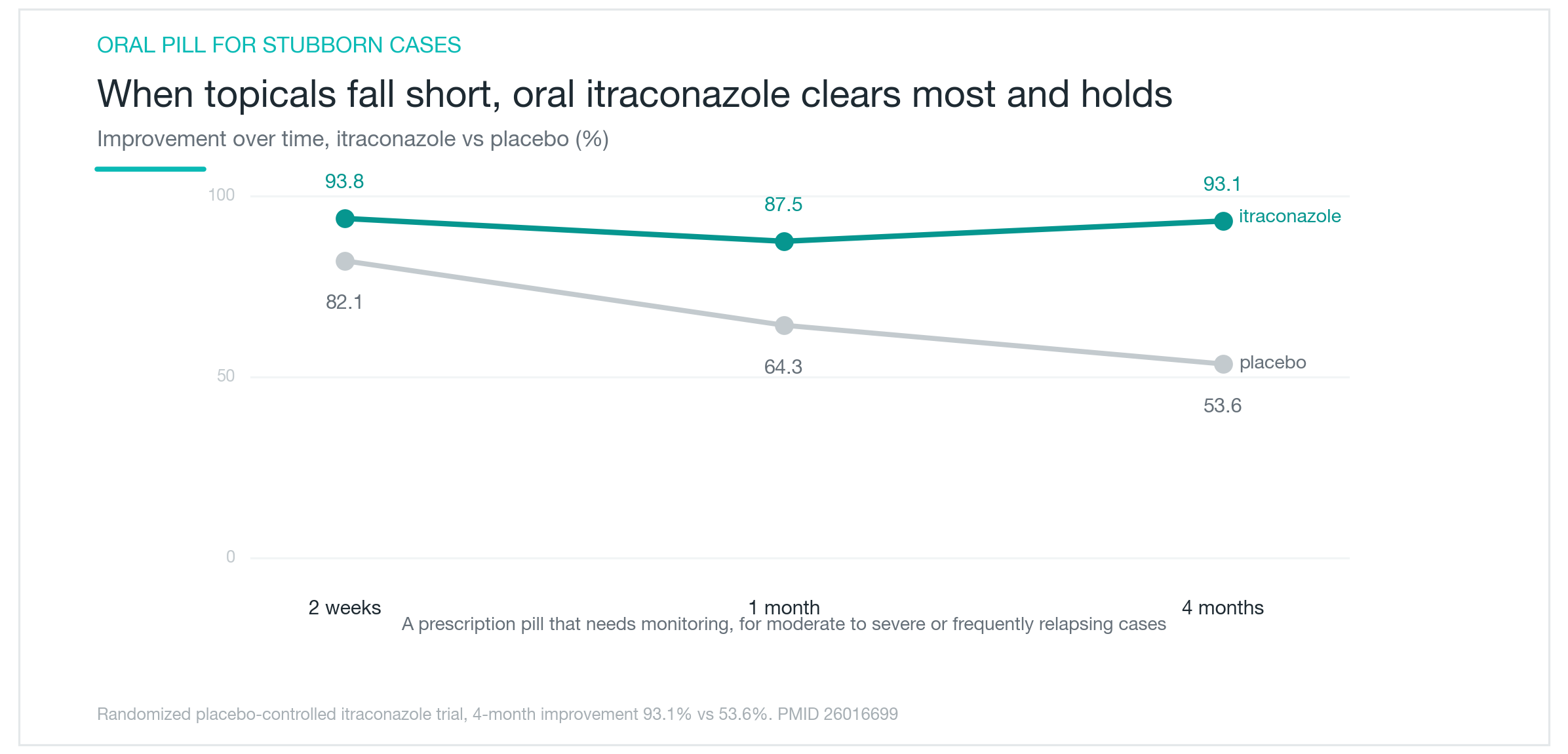
The evidence here is solid too. A study comparing itraconazole to placebo found a 93 percent improvement rate at the 4 month mark, well above the 54 percent seen with placebo. Redness, flaking, and itching all improved noticeably, and the relapse rate was significantly lower. The typical regimen is daily dosing for the first week, then a maintenance schedule of once every two weeks or a few days per month.
As an oral medication, it does call for caution. It is a prescription drug that requires monitoring liver enzymes and checking for interactions with other medications, so it is a step used under a doctor's judgment after topical treatment has failed, not a first line option to reach for lightly. It is not something to buy and take on your own. That is why, despite having strong evidence, it lands at number three here, since it is not a treatment everyone starts with. Its real value is as a reliable option for widespread, severe seborrheic dermatitis.
Does Scalp Scaling Help Treat It?
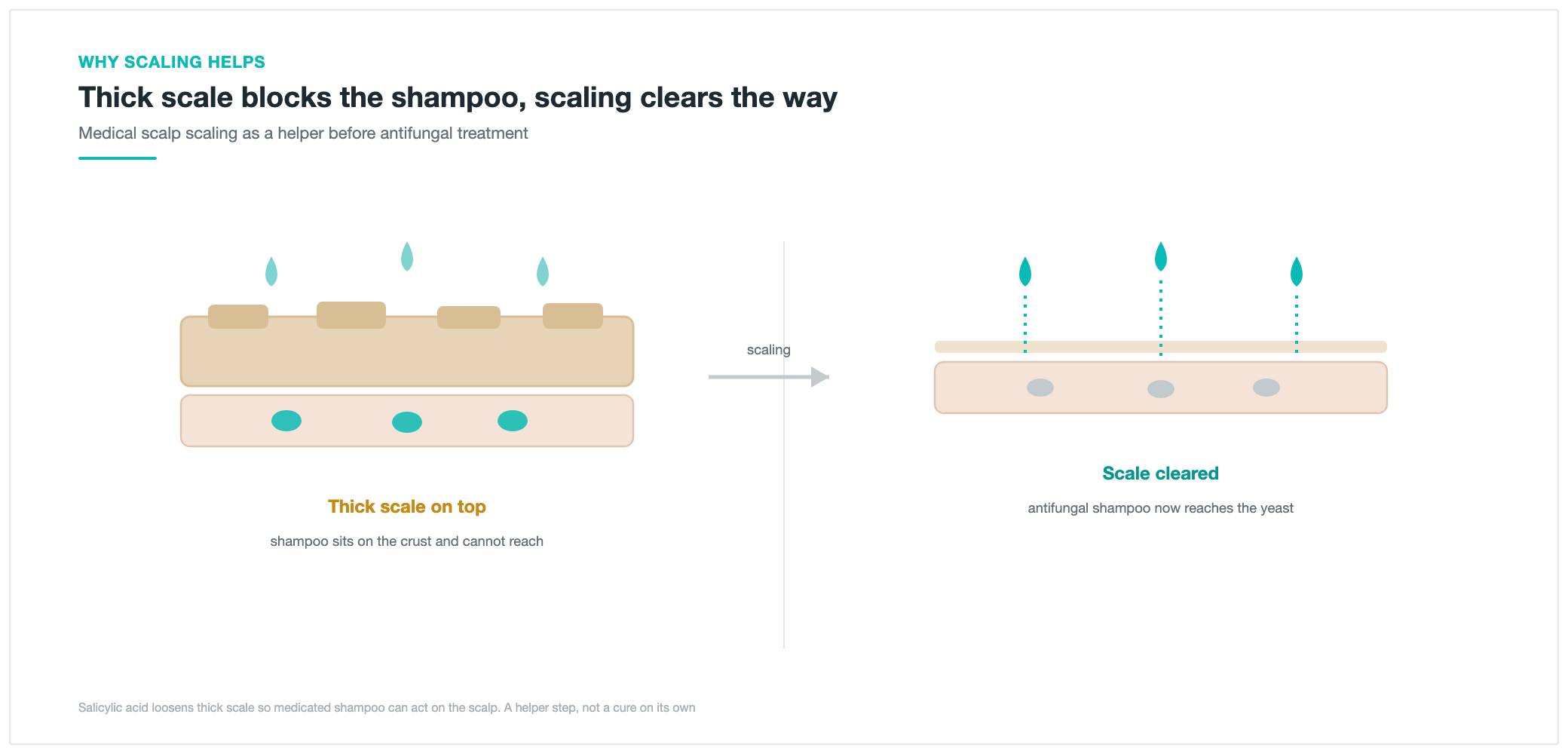
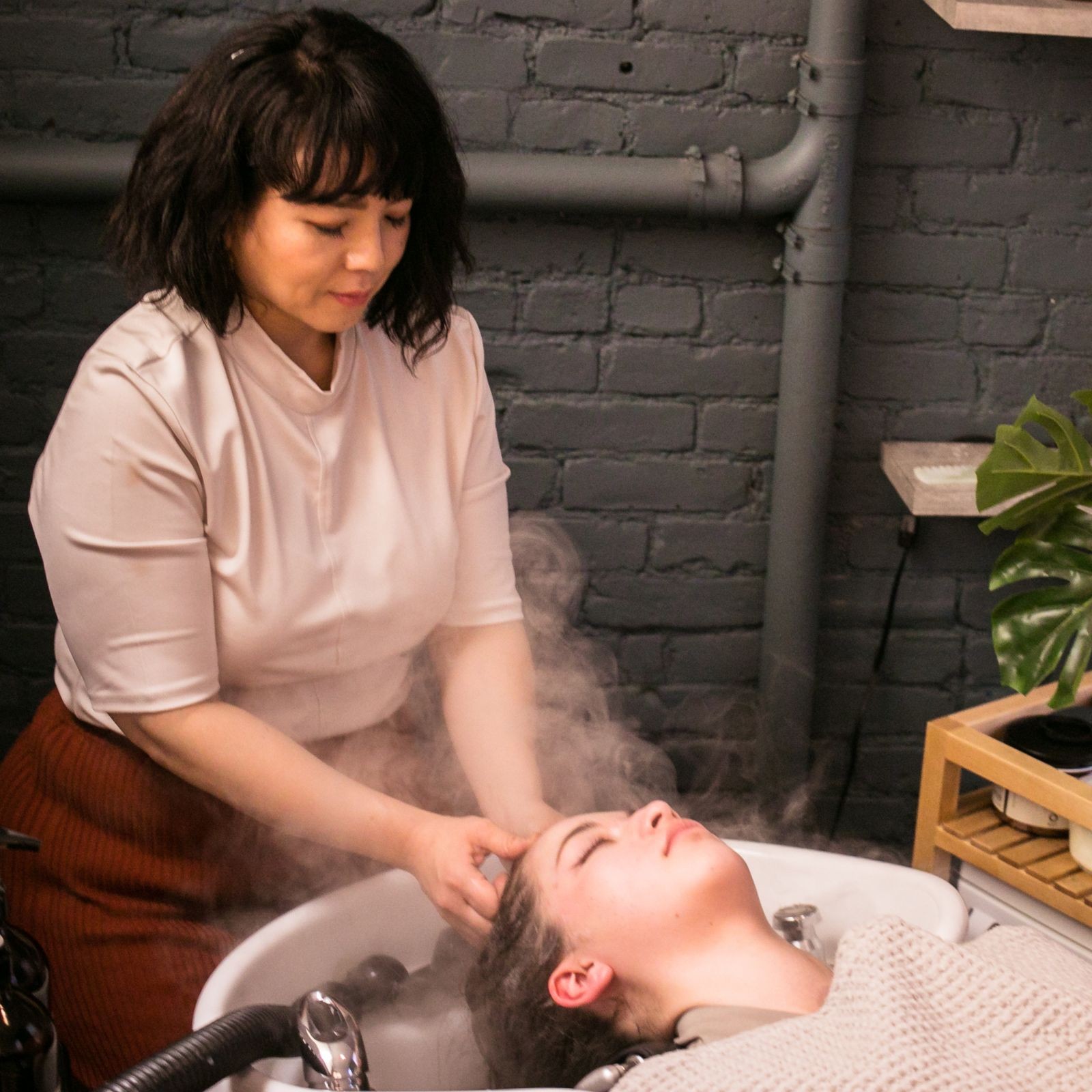
Medical scalp scaling and professional exfoliating cleanses serve as a supplement to standard treatment. Ingredients like salicylic acid gently lift away thick buildup and oily crusts. Rather than treating the condition on its own, this works as a pretreatment step that clears away buildup so antifungal shampoo can actually reach the scalp.
When a thick layer of buildup covers the scalp, even a good medicated shampoo has a hard time reaching the Malassezia underneath. Clearing that layer with scaling improves how well subsequent topical treatment absorbs. Some products actually combine antifungal ingredients with an exfoliant like salicylic acid, clearing buildup and targeting the yeast at the same time. In a study using salicylic acid with a soothing ingredient, both dandruff and itching dropped by more than half within 4 weeks. Seeing the visible buildup shrink also tends to boost the sense that the treatment is working, which helps people stick with it.
That study involved a small number of participants, though, so scaling should not be considered a standalone treatment. It is most accurately understood as a supporting step that clears the way for antifungal shampoo or topical treatment to work better. Clearing away heavy buildup first can make standard treatment noticeably more effective. Scratching it off at home with fingernails or a comb can damage the scalp and worsen inflammation, so if buildup is thick, it is safer to have it gently dissolved and removed at a clinic.
Do Regenerative Scalp Treatments Work?
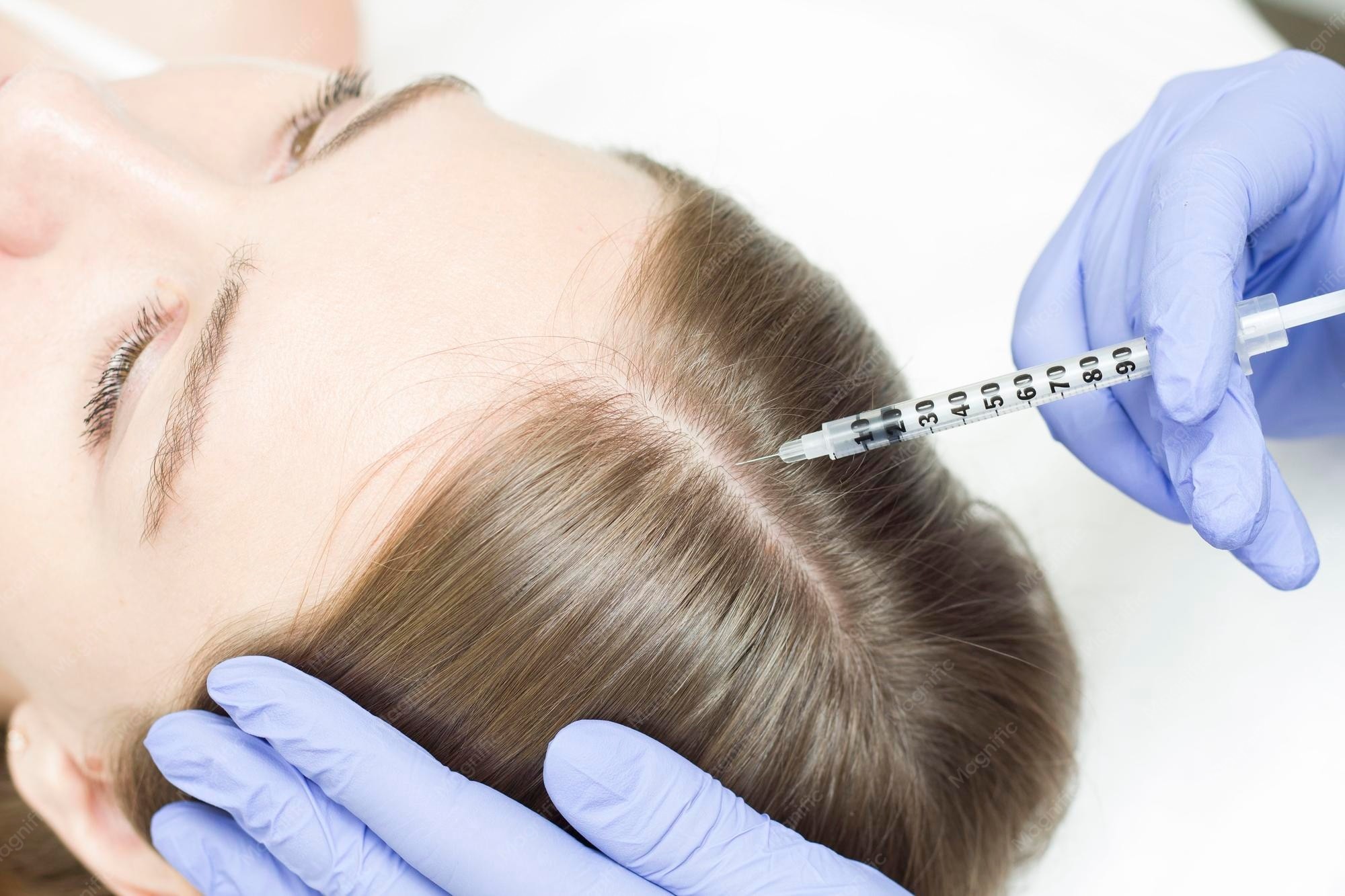
Treatments like exosomes, skin boosters, and PN are heavily marketed these days for scalp regeneration and barrier repair. They sound promising for scalp health, but solid clinical evidence confirming their effect specifically for seborrheic dermatitis is still hard to find.
Recent reviews of seborrheic dermatitis point to new topical anti-inflammatory medications, not regenerative treatments, as the area where evidence is building. Most of the data on scalp barrier or anti-inflammatory benefits from regenerative treatments comes indirectly from atopic dermatitis or cosmetic research, so it does not translate directly into proven treatment for seborrheic dermatitis. Regenerative treatments can be worth trying as a supplement to support overall scalp condition, but it is too early to consider them a substitute for the standard treatments above.
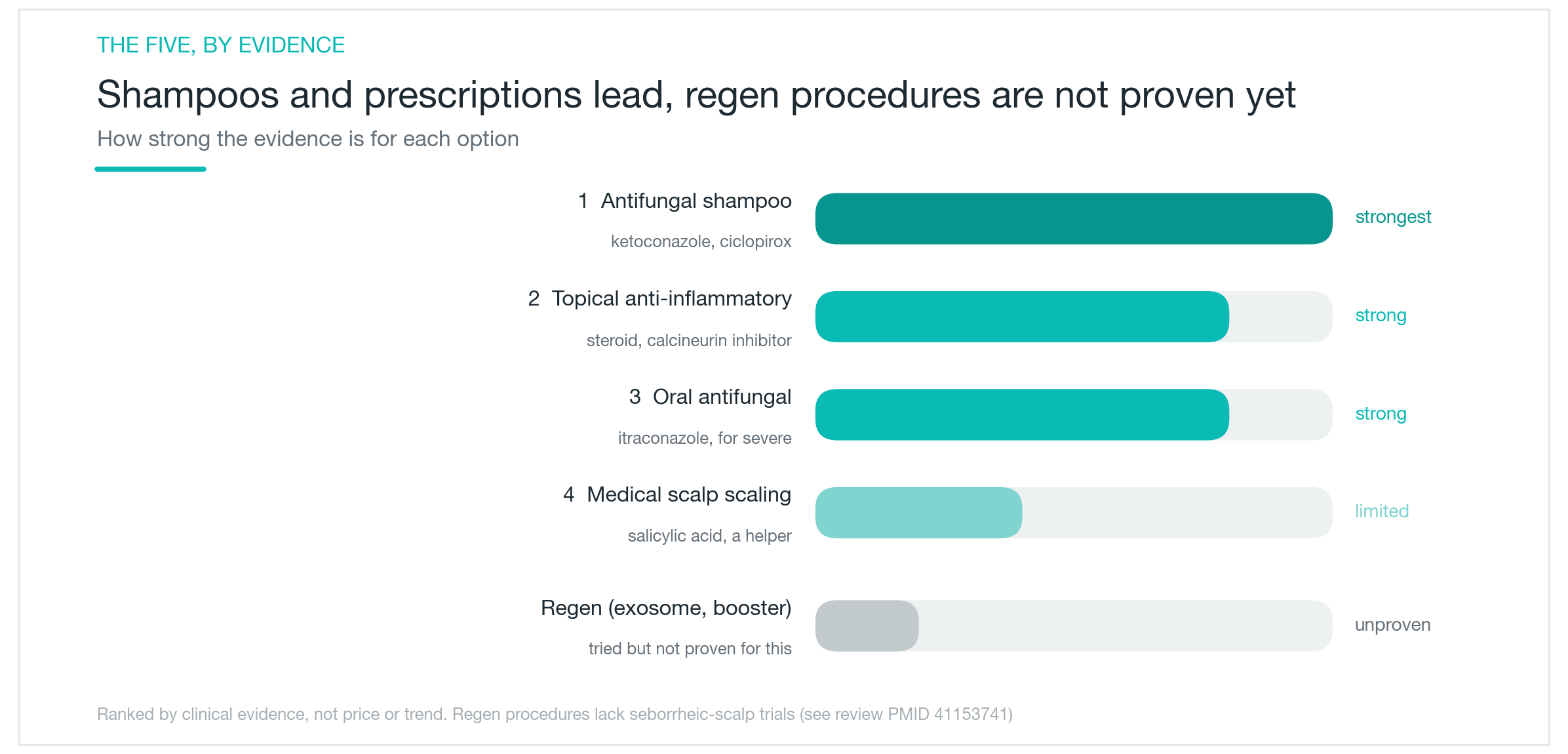
Ranked by strength of evidence, that's antifungal shampoo, topical anti-inflammatories, and oral antifungals, with scalp scaling playing a supporting role alongside them. Above all, keeping up a maintenance routine of medicated shampoo once or twice a week even after symptoms improve is what keeps relapse in check. If symptoms do not improve, hair loss develops alongside them, or thick, sharply bordered scaling appears, another condition like psoriasis could be involved, and it is worth having a dermatologist confirm the diagnosis at that point.
Was this helpful?
About this article
Written by a practising aesthetic physician and intended for general education — not a substitute for individual medical advice.
Read next
Seborrheic Scalp: Causes, Care and Why Dandruff Keeps Coming Back
Seborrheic scalp happens when sebum, fungus, and the inflammatory response to that fungus all feed into each other. Here is an easy breakdown of why dandruff shows up in the oiliest spots and why the itch returns just 2 to 3 days after washing, no matter how carefully you clean.
By Dr. Lee
Scalp Mesotherapy: Effect, Number of Sessions and Reactions After Treatment
Scalp mesotherapy skips past the outer skin barrier that topical products can never cross, delivering growth factors and nutrients in tiny injections right beside the hair follicle. Here is why the injection route works differently from creams, how it divides labor with oral hair loss medication, and what to expect from sessions and maintenance.
By Dr. Kim
CoreTox: Less Resistance? Effects and Side Effects
CoreTox purifies botulinum toxin type A down to its bare neurotoxin, the same concept behind Xeomin, but from a Korean manufacturer. Here's what the published data actually says about neutralizing antibody formation, resistance risk, and where CoreTox-specific evidence exists versus where it's borrowed from the broader protein-free class.
By Dr. Kim