CoreTox: Less Resistance? Effects and Side Effects
By Dr. Kim8 min read
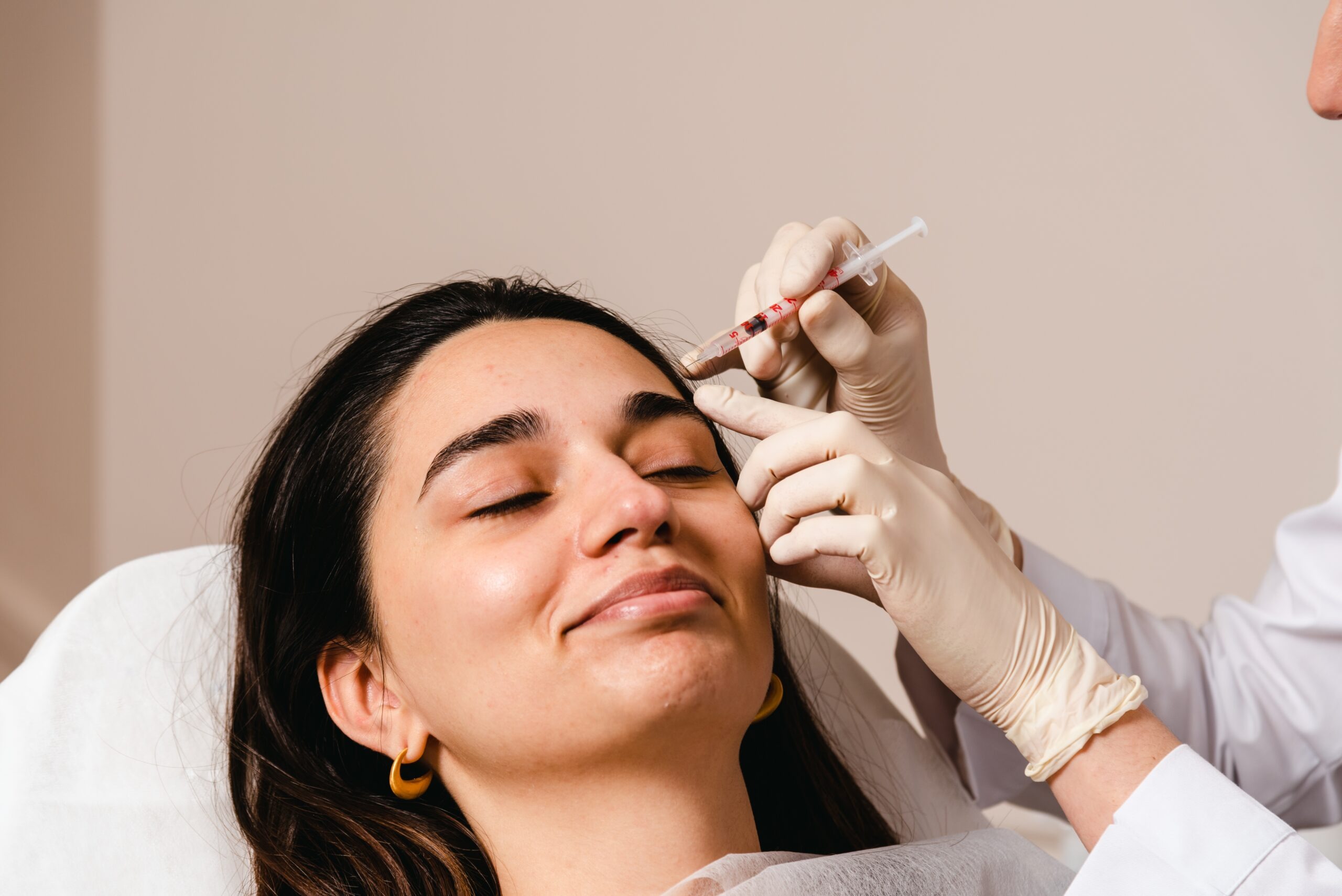
If you've been reading up on neuromodulators beyond Botox, you may have come across CoreTox: a botulinum toxin type A product marketed with a specific pitch: it's stripped of complexing proteins, and that purification is supposed to make resistance less likely to develop over time.
For anyone who's heard the phrase "Botox stopped working for me," that framing is genuinely interesting. But interesting isn't the same as proven. What follows is an honest look at what CoreTox is, what removing complexing proteins actually means at the molecular level, and what the published clinical data does and doesn't back up. The broader concept behind protein-free toxins has real science behind it. Whether those findings transfer specifically to CoreTox is a separate question, and worth keeping separate.
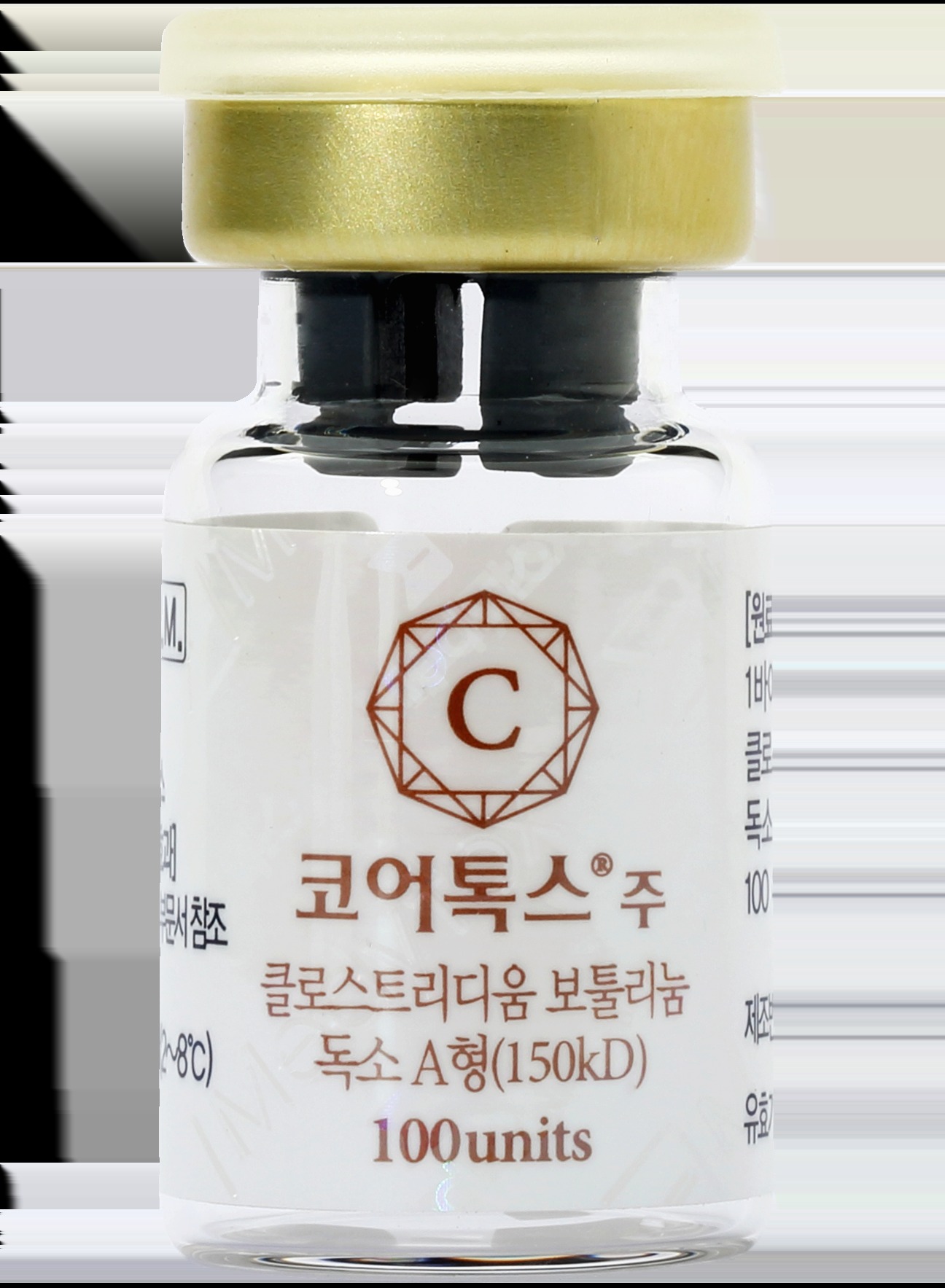
A purified Korean toxin made by Medytox
CoreTox is a botulinum toxin type A product developed by Medytox, a South Korean biopharmaceutical company. It received approval from the Korean Ministry of Food and Drug Safety for glabellar lines, the frown lines between the brows, in 2016, and represents Medytox's third toxin product after Meditoxin and Innotox. Like every neuromodulator on the market, it works by temporarily blocking the nerve signals that drive muscle contraction, relaxing the treated muscle and softening the overlying wrinkle.
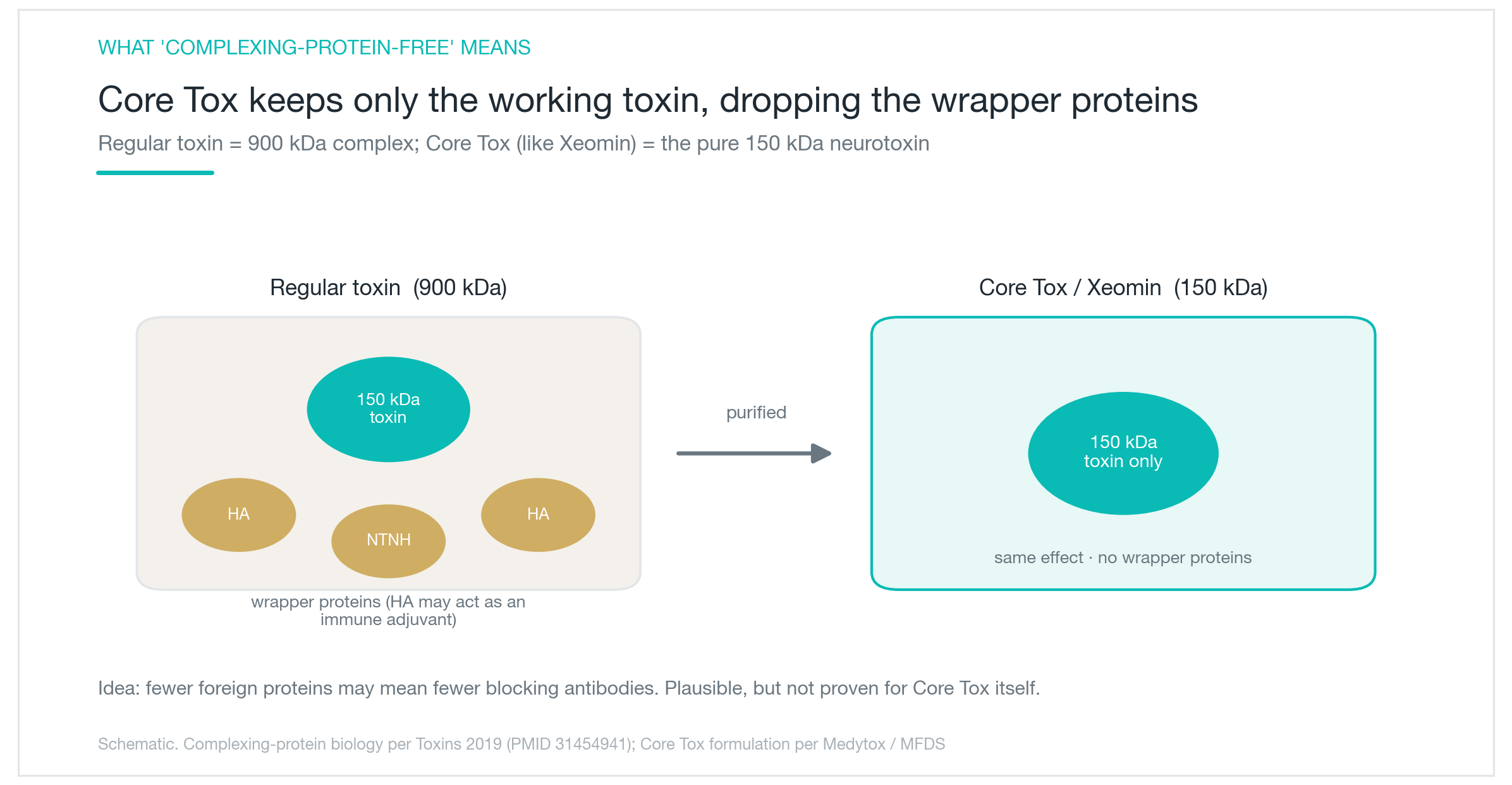
Two formulation choices define CoreTox. First, the complexing proteins that typically surround and stabilize the active neurotoxin have been removed, leaving only the purified 150 kDa neurotoxin core. Second, the stabilizer used in manufacturing is plant-derived rather than human serum albumin, reducing animal-derived components. On both counts, CoreTox sits in the same product category as Xeomin (incobotulinumtoxinA, by Merz), the FDA-approved "naked toxin" that is the most established protein-free neuromodulator available in the United States.
One piece of regulatory history is worth knowing. CoreTox had its Korean approval revoked in 2020 over questions about its bacterial strain and source materials, then had that revocation overturned by Korean courts in 2023 and 2024. The approval is currently valid. That history doesn't change how the molecule works, but it's part of an accurate picture.
In practice, CoreTox is used for the same indications as other neuromodulators: frown lines, forehead lines, crow's feet, and masseter reduction for jawline slimming. Its specific positioning is as a purified, protein-free toxin from a Korean manufacturer, in a niche largely defined by what the product doesn't contain.
What does removing complex proteins mean?
That diagram is the clearest way to understand the distinction. Botulinum toxin doesn't exist as a bare molecule in nature, the active neurotoxin is packaged inside a multi-protein complex that protects it from degradation. Products like Botox (onabotulinumtoxinA) and Dysport (abobotulinumtoxinA) retain those surrounding accessory proteins in the final formulation; the total molecular weight of these complexes ranges from roughly 300 to 900 kDa depending on the product. CoreTox, like Xeomin, removes those proteins and delivers only the active 150 kDa neurotoxin.
The relevance is immunological. Your immune system responds to foreign proteins, and some of the accessory proteins in the complex are theorized to act as adjuvants, essentially priming the immune response and increasing the likelihood of neutralizing antibody (NAb) production. Remove those proteins, and the theory goes, the immune system has less surface area to react to. NAb formation should be less likely, and so should secondary treatment failure, the clinical term for when a toxin that worked before stops producing results.
This hypothesis isn't baseless. The most compelling historical evidence comes from a Botox reformulation in the late 1990s: Allergan reduced the total protein load per unit by approximately tenfold, and clinically significant NAb rates dropped substantially over the following years. That's correlational, not a controlled trial, but it's meaningful. The protein load and the immunogenic risk moved together.
The critical caveat: this finding belongs to the class, not to CoreTox specifically. Even for Xeomin, the protein-free toxin with the most published immunogenicity data, the NAb advantage is probabilistic and relatively modest in the context of aesthetic doses. For CoreTox, there are no published immunogenicity studies at all. The protein-free argument is borrowed from the broader literature and applied by inference.
Does resistance really happen less?
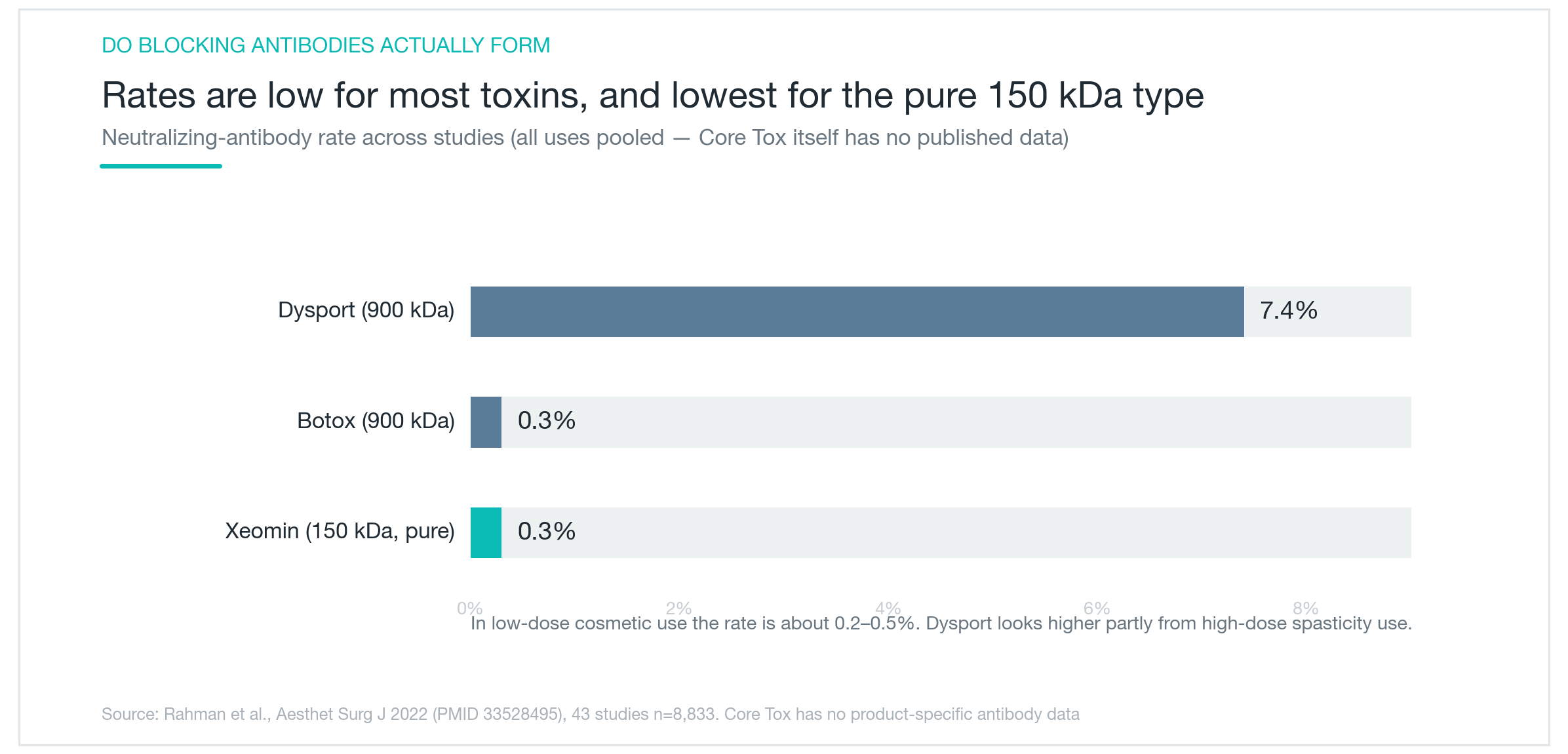
Looking across the published neuromodulator literature, NAb rates at aesthetic doses are low regardless of product, generally in the range of 0.2 to 0.5 percent. Xeomin consistently sits at or near the lower end of that range in pooled analyses. The logical inference is that CoreTox, sharing the same protein-free architecture, should perform similarly. That's a reasonable inference. It is not a data-backed conclusion, because the CoreTox-specific data doesn't exist yet.
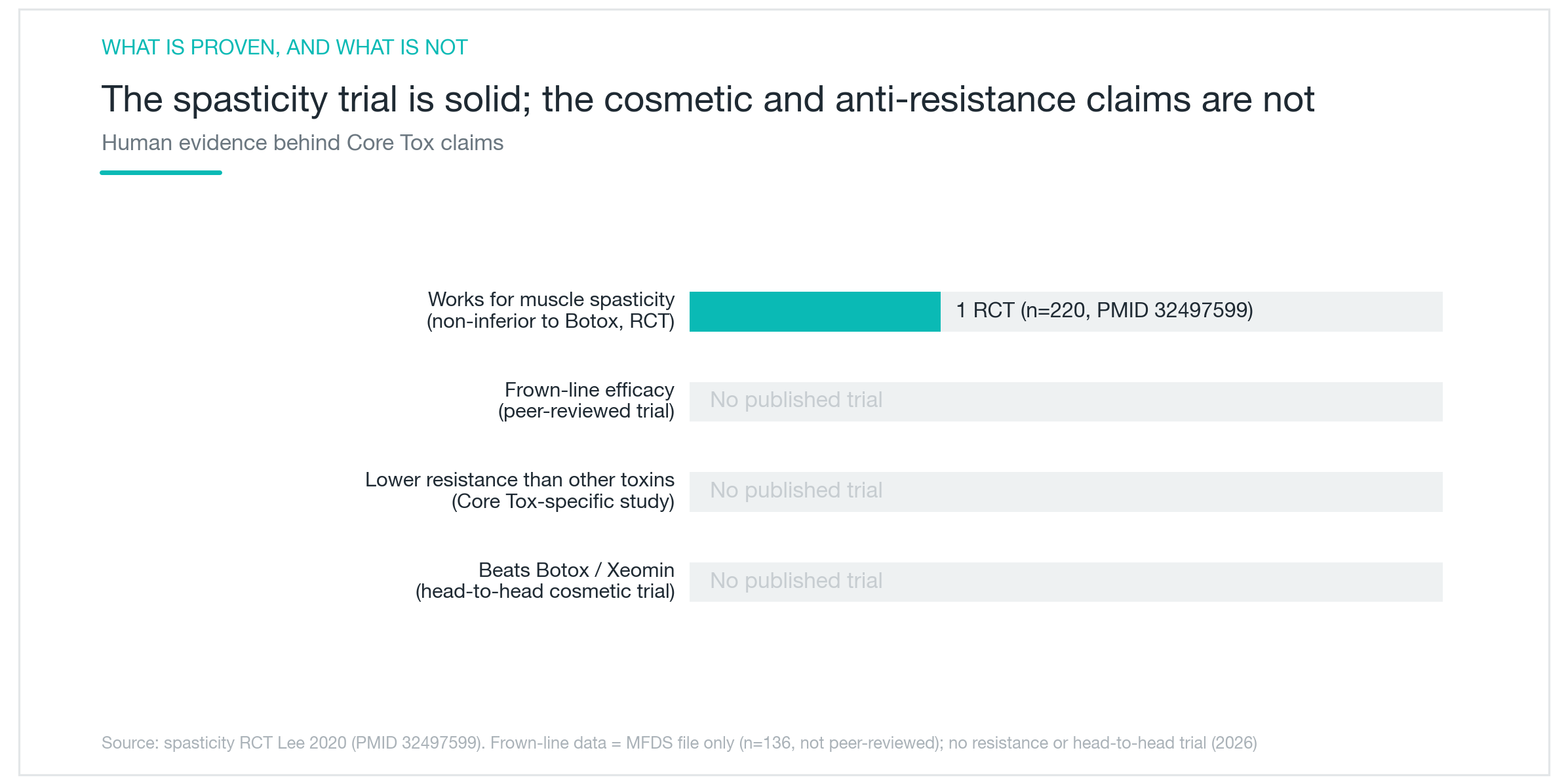
Three things deserve equal weight here. First: every antibody rate cited above is from other products. There are no published CoreTox NAb trials, not standalone, not head-to-head. Any claim that CoreTox has a lower resistance rate than Botox or Dysport is extrapolation from Xeomin's data combined with mechanistic reasoning about the protein-free class.
Second: at the doses used in cosmetic practice, the absolute risk of clinically meaningful resistance is already low across the board. When secondary non-response does occur, when a patient says the treatment isn't lasting or working as well, antibodies are only one possible explanation. Dilution practices, storage conditions, dose creep, and technique variation collectively account for a substantial share of real-world resistance cases. Immunological failure is real, but it's not the most common reason a treatment underperforms.
Third: even when antibodies do develop, a sustained break from the toxin often allows NAb titers to fall enough to restore responsiveness. Resistance isn't necessarily a permanent state. For most patients, the appropriate response to secondary non-response is a clinical evaluation of technique and dosing before concluding that immunological switching is necessary.
The practical summary: CoreTox is unlikely to carry a higher antibody risk than complex-containing toxins, and plausibly carries a lower one on mechanistic grounds. "Resistance-proof" is a marketing overclaim that no published CoreTox data can currently support, and in aesthetic practice, the baseline risk across all products is low enough that the real-world difference for any given patient may be minimal.
Evidence for effects by indication
The evidence base varies meaningfully by indication. In spasticity treatment, CoreTox has a respectable trial: 220 patients with post-stroke upper limb spasticity were randomized to CoreTox or Botox in a well-designed study, and CoreTox demonstrated non-inferiority, matching Botox's reduction in muscle tone. Given that both products deliver the same active neurotoxin, this result is mechanistically expected, but it's reassuring confirmation that the purified formulation works.
The cosmetic evidence is thinner. CoreTox received its Korean regulatory approval on the basis of internal clinical data, but that data hasn't been published in peer-reviewed international journals, not for glabellar lines, and not for other aesthetic indications. This doesn't mean CoreTox fails at frown lines or masseter reduction. It almost certainly works, for the same reason the spasticity trial makes sense: the neurotoxin is the same. What it means is that any claim of superior cosmetic efficacy compared to Botox, Dysport, or Xeomin is unsupported. No head-to-head aesthetic trials exist.
For patients in the US, where Xeomin is the established FDA-approved protein-free option, the honest framing is: CoreTox likely produces comparable results because the active molecule is identical. If a provider is positioning CoreTox as more effective or longer-lasting than other neuromodulators, that claim runs ahead of the evidence. The defensible argument for CoreTox is its protein-free formulation, not a demonstrated efficacy edge.
How common are side effects, and how can you reduce them?
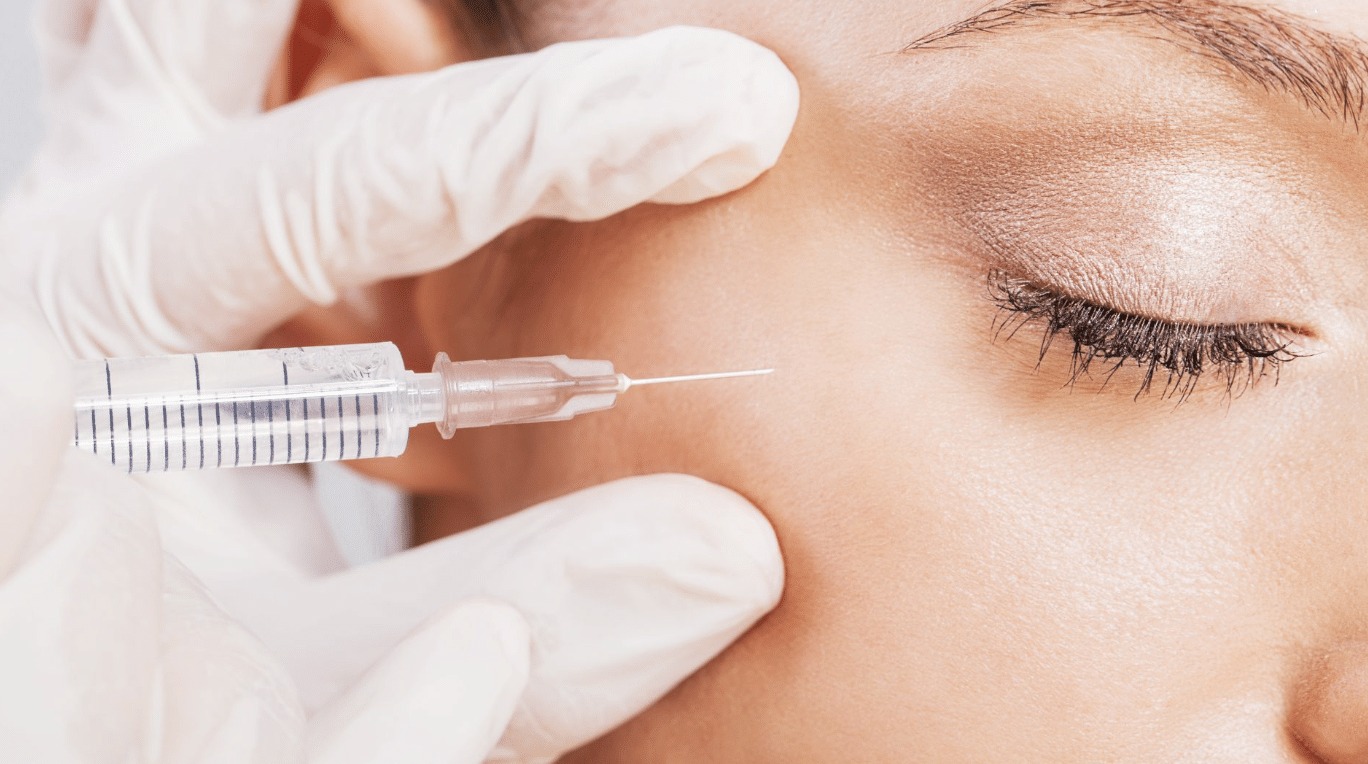
The side effect profile is consistent with botulinum toxins generally. Injection-site redness, bruising, and mild localized swelling are common and short-lived. Depending on the treatment area, temporary eyelid ptosis or subtle expression asymmetry can occur, and both resolve as the toxin naturally wears off over several weeks. Headache and mild lightheadedness occasionally follow any neuromodulator treatment. Standard contraindications apply: pregnancy and neuromuscular junction disorders including myasthenia gravis. Nothing in CoreTox's reported adverse events suggests a meaningfully different safety profile compared to other botulinum toxin products.
For patients focused on managing resistance risk over the long term, dosing and scheduling habits matter more than product selection. The strategies with the clearest evidence: maintain at least a three-month interval between treatments, use the lowest effective dose for each area rather than scaling up chasing longer duration, and resist early touch-up injections if results feel underwhelming in the first week or two. Proper refrigeration and consistent technique on the provider's side matter equally: a significant portion of real-world secondary non-response traces back to product handling and dose creep rather than immunological failure.
CoreTox is a reasonable choice for patients who specifically want to minimize their complexing-protein exposure, who are planning regular maintenance treatment over years and want to hedge incrementally against antibody risk, or who have been told elsewhere that they've developed resistance and want to try a different product class. In that last scenario, Xeomin, which shares the same protein-free rationale and carries a more substantial published evidence base, follows the same logic and may be more readily available at US aesthetic practices.
What CoreTox isn't: a guaranteed resolution for resistance, a product with demonstrated cosmetic superiority over established alternatives, or a fundamentally different neurotoxin. The muscle-relaxing mechanism is the same. How a treatment actually turns out depends heavily on the provider's anatomy knowledge, dosing judgment, and injection technique, factors that matter considerably more than the choice between protein-free and complex-containing formulations for the vast majority of patients.
Was this helpful?
About this article
Written by a practising aesthetic physician and intended for general education — not a substitute for individual medical advice.
Read next

Parotid Botox and Masseter Botox: Differences and Effect Compared
Parotid gland Botox injects botulinum toxin into the parotid salivary gland to shrink its volume and slim the jawline. It targets a different tissue and location than masseter Botox, which works on muscle. Here is what the evidence says about dosing, how long it lasts, and side effects like dry mouth.
By Dr. Kim
Masseter Botox for a Square Jaw: When Does It Start Working and How Long Does It Last?
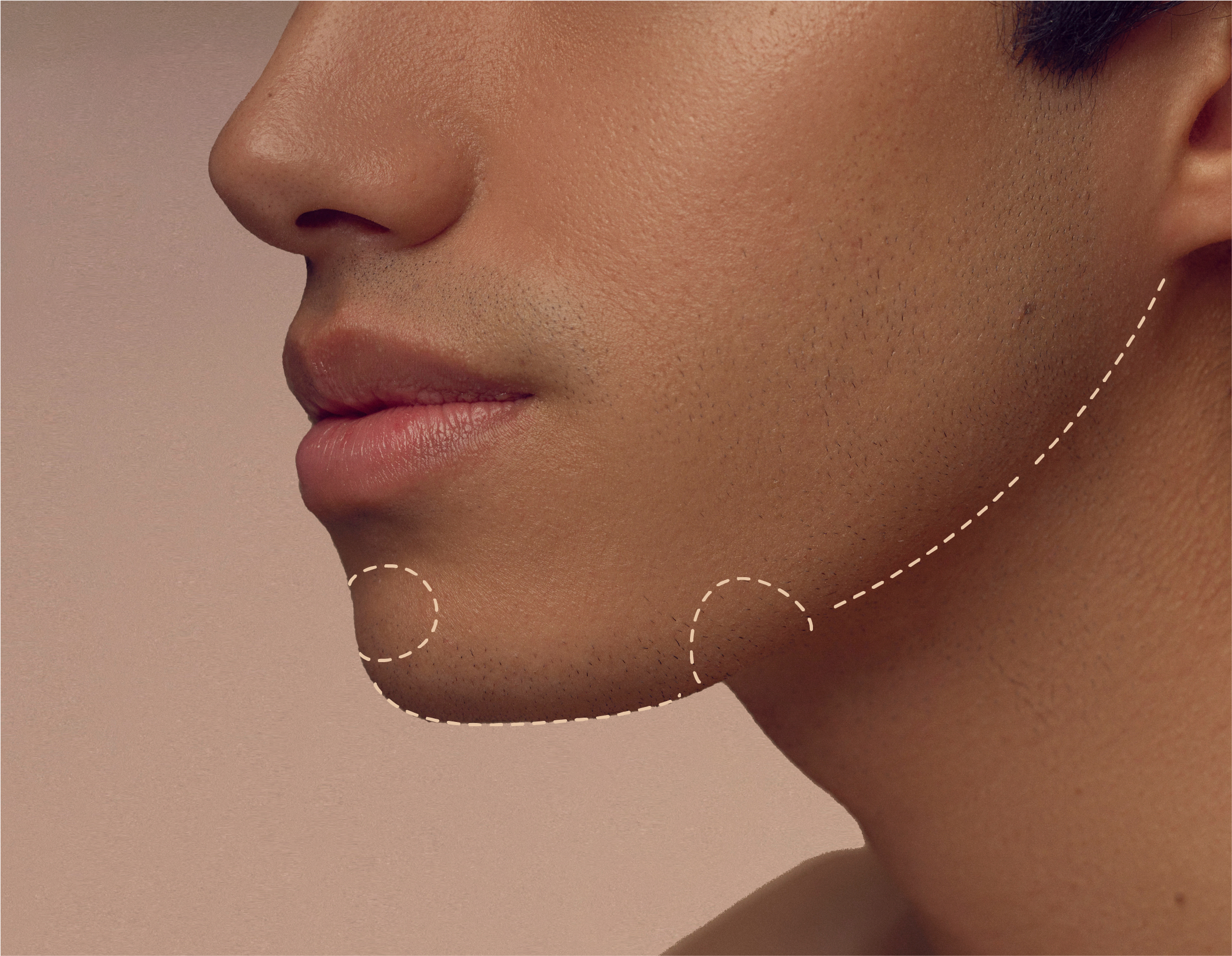
Masseter Botox uses botulinum toxin to shrink the chewing muscle and slim a square jawline. Here is what the evidence says about how it works, when results appear, how long they last, side effects, and its effect on teeth clenching.
By Dr. Kim

Seborrheic Dermatitis of the Scalp: Where to Start Treatment and How to Reduce Relapses
Scalp seborrheic dermatitis keeps coming back with flaking, redness, and itching within days of washing. Here is an easy, research backed rundown starting with Malassezia, the yeast behind it, then ranking treatments by evidence strength from antifungal shampoo and topical anti-inflammatories to oral medication and scalp scaling, plus maintenance therapy to prevent relapse and what the evidence actually says about regenerative treatments.
By Dr. Lee