Coolfase RF Lifting Effects: How Is It Different From Thermage?
By Dr. Lee9 min read

When skin starts to sag and lose elasticity, the first instinct is to look for something non-surgical that firms things back up. Lately, a lot of clinics have been bringing up a device called Coolfase. It's a Korean-made radiofrequency device, and the pitch usually includes the idea that the tip itself cools directly against the skin, no refrigerant gas needed, making the whole thing more comfortable. That's an easy sell, and also a fair thing to want to fact-check.
Here's the short version: Coolfase sits in the same family as Thermage and Volnewmer. The underlying mechanism is essentially identical. The biggest practical difference is how the device cools the skin during treatment, which is designed to reduce discomfort. But "less painful" and "more effective" are two different things, and on Coolfase specifically, there are no dedicated clinical trials yet. What follows walks through the mechanism, the evidence, and the real side-effect picture, so you can separate the marketing from the facts.
How is Coolfase different from Thermage?
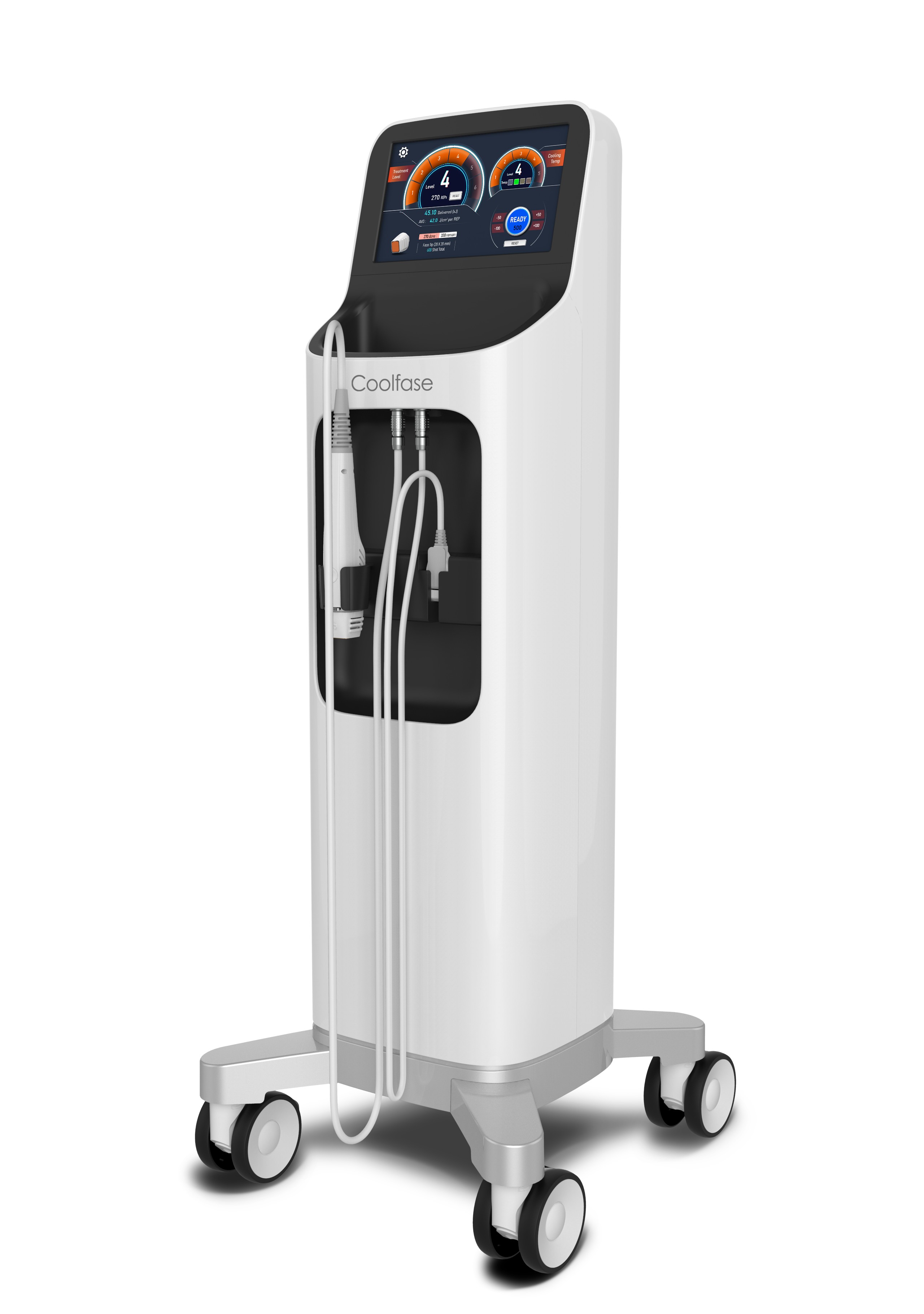
Coolfase is a monopolar radiofrequency lifting device made by Asterasys, a South Korean company. Radiofrequency, or RF, is electrical energy delivered into the deeper layers of the skin. That energy generates heat, and the heat stimulates collagen production.
Getting a bit more specific: Coolfase uses a monopolar configuration, the same setup as Thermage and Volnewmer. Think of them as devices from the same family. The most distinctive feature Asterasys highlights is the cooling method. Thermage sprays a cold cryogen gas to protect the skin surface, and Volnewmer circulates water through the handpiece. Coolfase takes a different approach: the tip itself makes direct contact with the skin and cools from there, which means no separate refrigerant is needed. The tip also contains a temperature sensor that monitors the surface throughout the session. Asterasys calls this DCC, or direct-contact cooling, and describes it as the key reason the treatment is more comfortable. That's a plausible claim based on the technology, but it speaks to how the session feels, not to whether the lifting result is any stronger. All three devices deliver the same RF energy to the same collagen, so the practical effect is broadly similar across the category.
The procedure is non-surgical, typically completed in a single visit, and requires almost no downtime. Common treatment areas include fine lines, enlarged pores, the eye area, the corners of the mouth, and the jawline.
One thing worth knowing up front: Coolfase received MFDS clearance in Korea in April 2024, and passed US FDA review in 2025. The cleared category, however, is general electrosurgical equipment rather than a dedicated aesthetic lifting device. The FDA pathway used establishes similarity to existing cleared devices, not a new demonstration of efficacy. Regulatory clearance means the device can be used safely. It does not mean lifting efficacy has been clinically proven to FDA standards.
How does RF tighten skin?
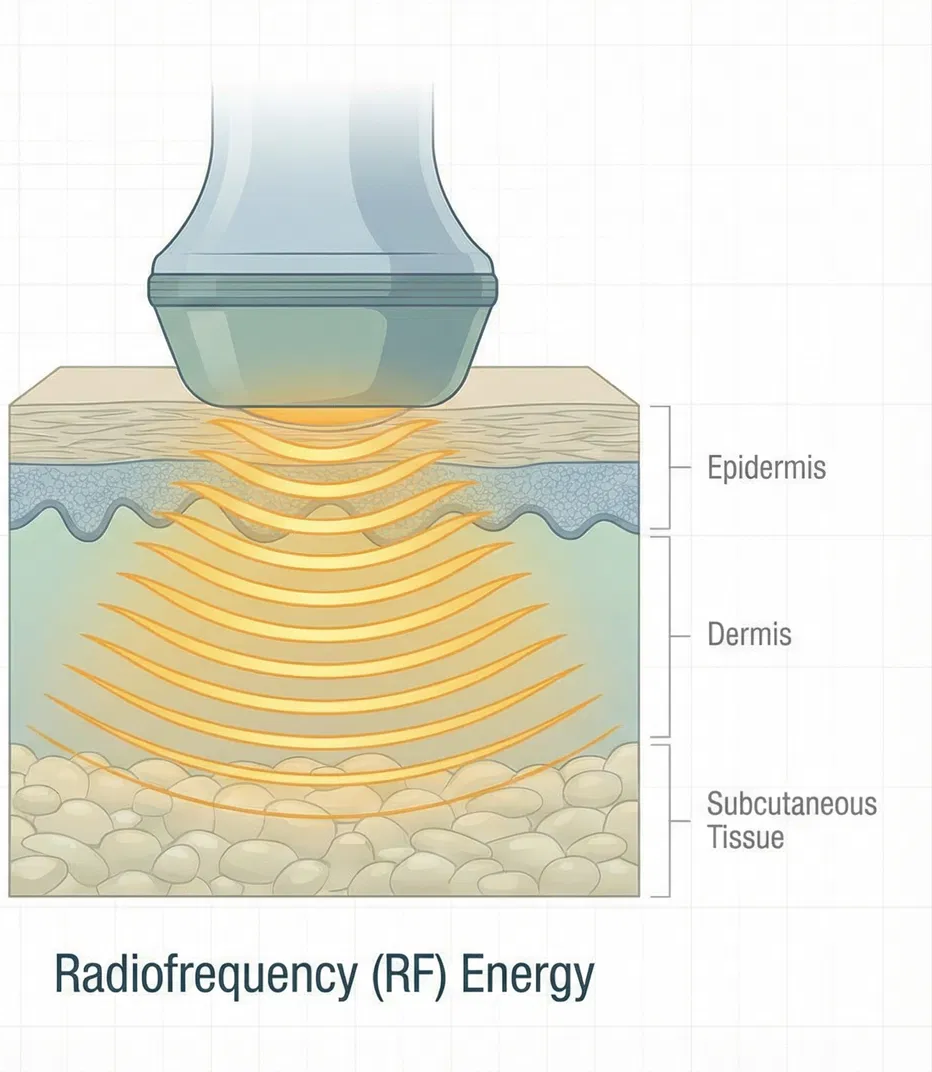
The mechanism is more straightforward than it sounds. Collagen is a protein, and like most proteins, it contracts when heated, the way a rubber band shrinks near a flame. So the first thing you tend to notice right after a treatment is a mild tightening sensation. That's the immediate collagen contraction.
As shown in the illustration above, RF energy passes through the skin surface and spreads broadly through the dermis, warming the collagen throughout. The controlled thermal stimulus then sets off a healing response, and over the following months the body lays down new collagen. As that collagen builds up, skin density increases and fine lines gradually fade.
It's worth understanding one thing that sets RF apart from ultrasound lifting. Ultrasound concentrates heat at specific focal points at a precise depth. RF distributes heat broadly across the dermis, producing a gentler spread of stimulation. That makes RF better suited to improving overall skin texture and firmness rather than delivering a dramatic one-session lift. It also explains why results take time: new collagen needs months to accumulate, so expecting a big change within a few days is a setup for disappointment.
Why does temperature matter during treatment?
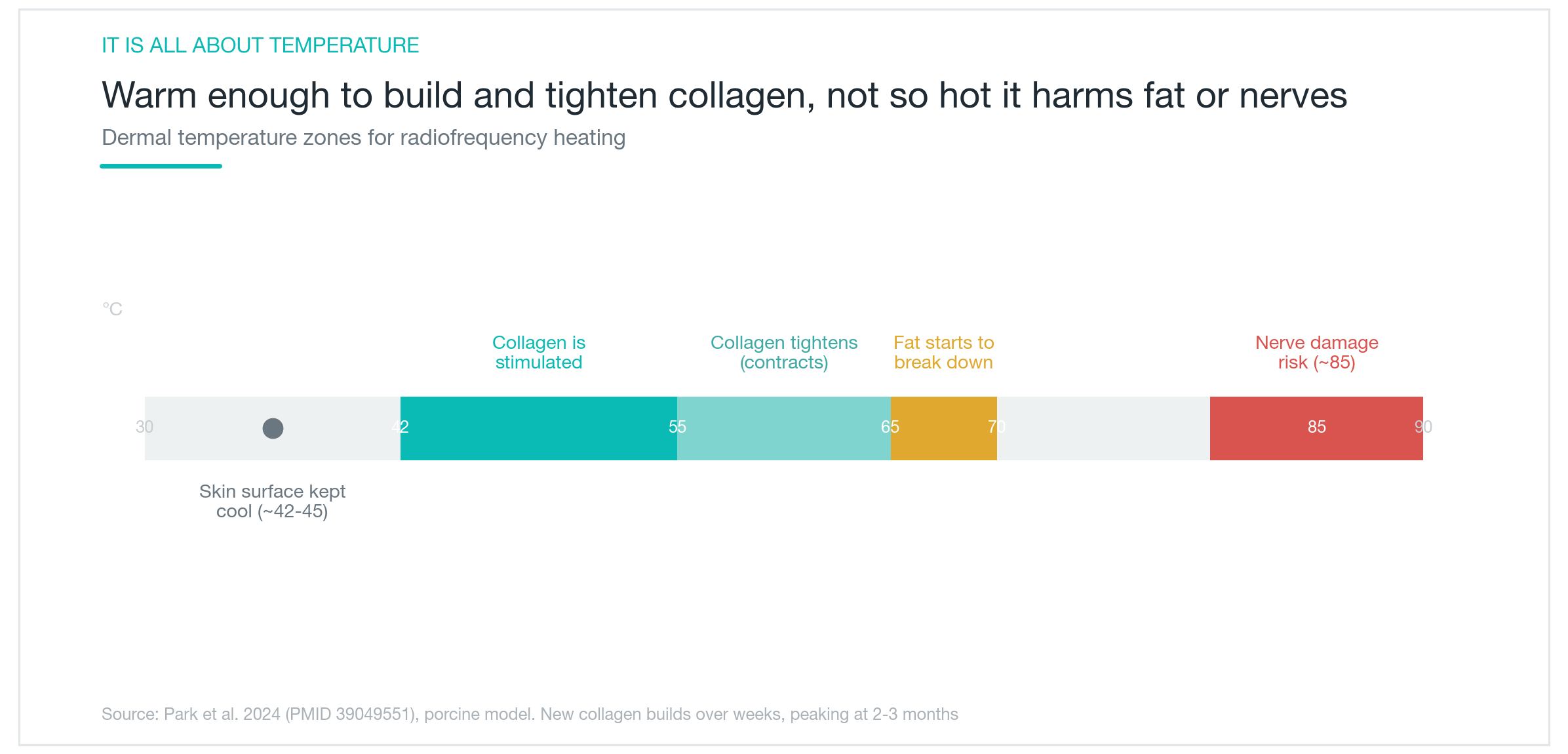
Temperature is the most important variable in RF lifting. As shown in the chart above, warming the dermis to roughly 42 to 55°C stimulates the production of new collagen. Between 55 and 65°C, existing collagen contracts immediately. Go higher than that and you risk damaging the fat layer or nerves underneath, so the whole balancing act comes down to delivering enough heat to the deep tissue while keeping the surface cool enough to stay safe.
This is exactly where surface cooling becomes critical. Without it, the skin surface would overheat and risk a burn before the deeper dermis ever reached the target temperature. Coolfase's DCC cooling serves the same surface-protection purpose as Thermage's cryogen spray and Volnewmer's water cooling. The method differs across devices; the goal is identical.
As for timing: most people begin to feel a gradual improvement in firmness somewhere between two and four weeks out, with the most noticeable change arriving at two to three months. Effects can extend to around six months. That gradual timeline has a real upside: the change isn't sudden, so there's no obvious "I just had something done" look.
How much evidence supports Coolfase's effects?
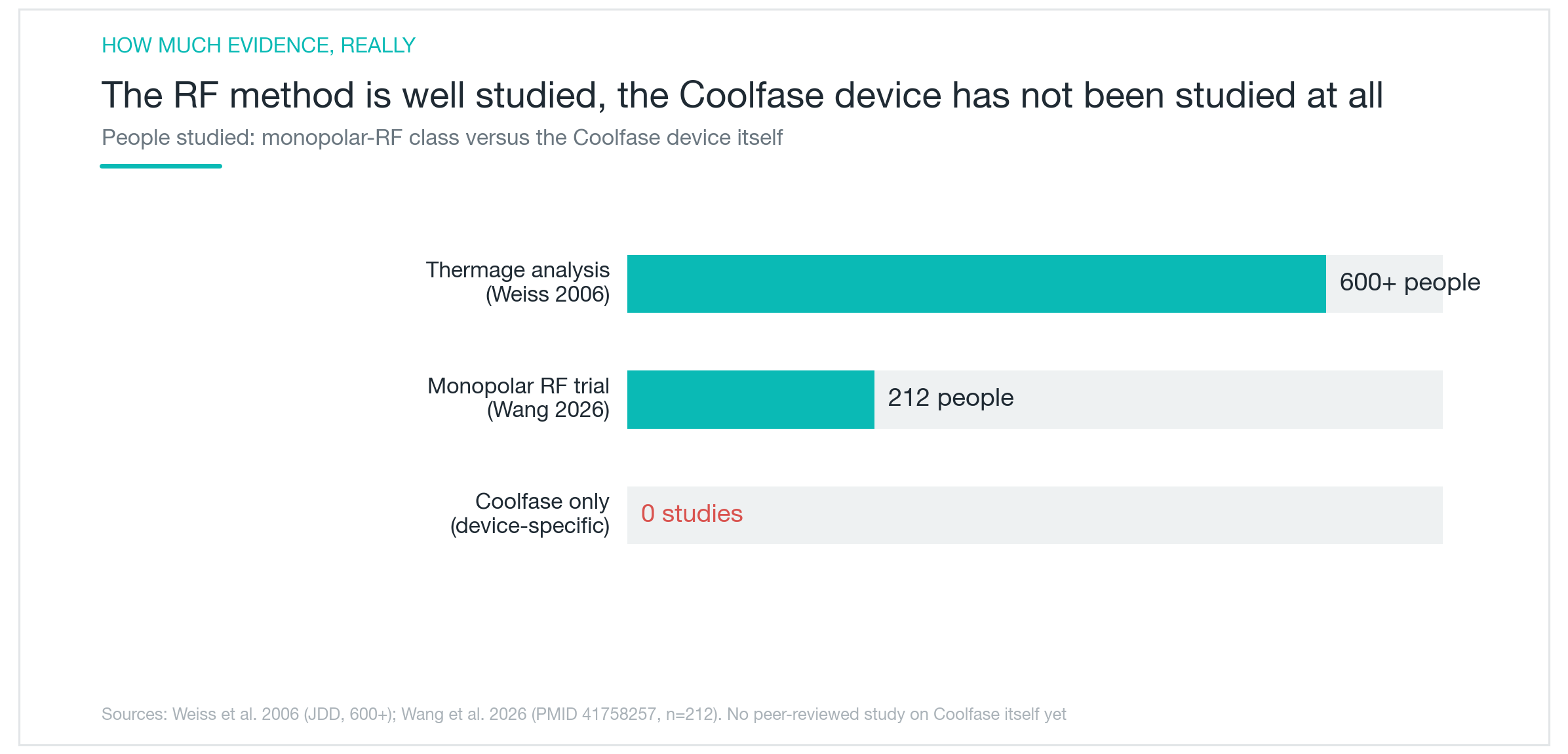
Here's where it's worth being direct. There are no dedicated clinical trials on Coolfase as a device. To get a sense of what it can do, you have to borrow from the evidence base for monopolar RF as a category.
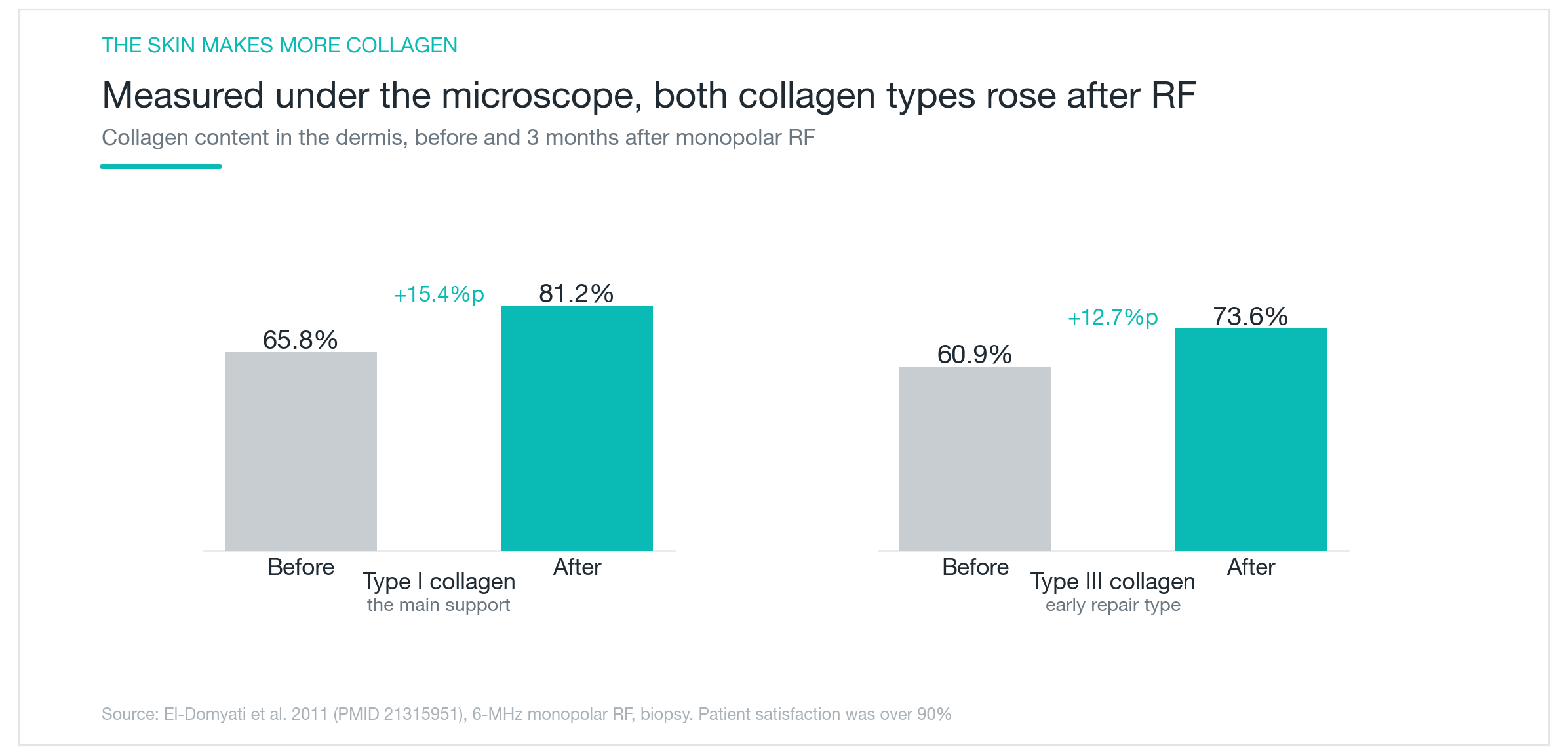
Fortunately, that broader evidence base is reasonably solid. As shown in the chart above, one study measured collagen levels in the skin directly, three months after RF treatment. Type I collagen, which supports the skin's structure, rose from approximately 66% to 81%. Type III collagen rose from approximately 61% to 74%. Patient satisfaction in that study exceeded 90% (El-Domyati 2011, PMID: 21605205). In other words, there is measured, observable data showing that RF energy does increase collagen. On a larger scale, one study put monopolar RF devices head-to-head against Thermage across 212 participants and found no meaningful difference in outcomes between the two (Park 2024, Weiss 2006, Wang 2026).
To summarize: the broad idea that RF energy tightens skin is backed by real evidence. What hasn't been established is anything specific to Coolfase. The numbers above belong to the device category, not to Coolfase itself. It's an important distinction worth keeping in mind: the overall direction is sound, but those figures can't be read as Coolfase's own scorecard.
Advantages of direct cooling
It's worth stepping back and taking stock. The evidence for monopolar RF lifting as a category is meaningful: studies pooling data from over 600 patients, plus a 212-person comparative trial. But the evidence for Coolfase specifically, as shown in the chart above, currently stands at zero dedicated clinical studies.
That gap matters when you're reading clinic advertising. The two claims you'll encounter most often are that Coolfase outperforms Thermage and that the treatment is pain-free. Neither holds up under scrutiny.
Since there is no head-to-head study comparing Coolfase and Thermage directly, there is no basis for declaring one better than the other. The claim that DCC cooling makes the session more comfortable is plausible based on how the technology works, and it may well hold in practice, but comfort is not efficacy. The "pain-free" label also deserves skepticism: in the 212-person monopolar RF study mentioned earlier, roughly one in ten participants still reported pain during the session. "Designed to be more comfortable" is a more accurate framing than "pain-free."
The comparison with Thermage and Volnewmer is similar. Thermage has accumulated far more usage history and published data simply by virtue of being older. Korean-made devices like Coolfase and Volnewmer generally have an edge in pricing and accessibility, but there is no direct comparative trial between any two of these three devices that establishes which performs better. Choosing by device name alone misses the bigger factors: your skin's current condition and the experience level of the provider doing the treatment.
What it feels like, side effects and who it suits
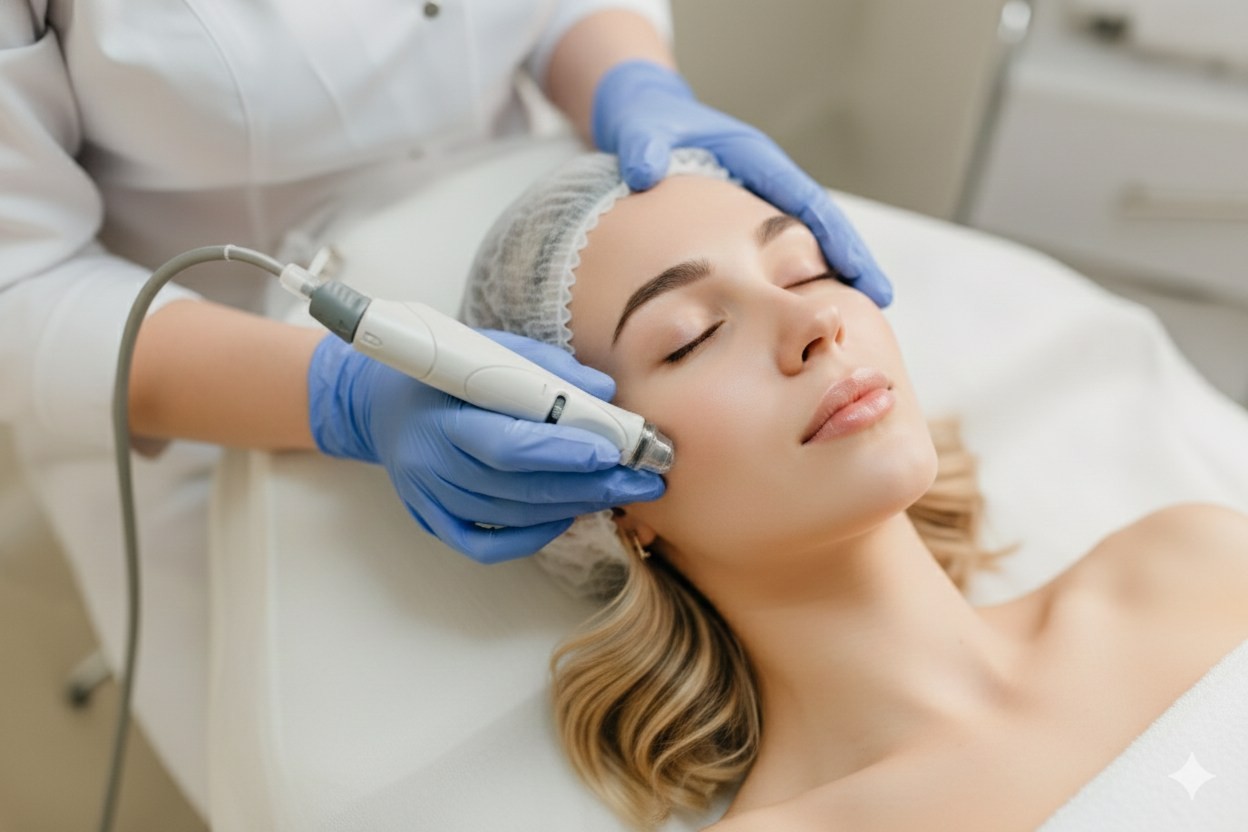
Before the session starts, the face is cleansed, and a topical numbing cream may be applied depending on the treatment area. Once the session begins, the tip glides across the skin, delivering a warm heating sensation interspersed with a slight buzz. The direct cooling keeps the surface comfortable throughout, so most people find it manageable. A full-face session typically takes twenty to thirty minutes.
Right after, the skin looks flushed and feels warm. That usually settles within a few hours to a day, and most people can go straight back to their normal activities. Rather than looking for results immediately, give yourself two to three months and compare photos taken from the same angle in the same lighting. That's the most reliable way to judge what actually changed.
The side-effect profile is generally mild. The most common reactions are redness and mild swelling after the session. In studies covering over 600 patients in the monopolar RF category, the rate of adverse events was under 3%, with no permanent complications recorded (Weiss 2006). Serious problems are uncommon, but applying too much energy can cause burns, reduce cheek fat enough to create a hollowed appearance, or produce temporary numbness. Appropriate energy settings matter more than going as high as possible, and the skill of the provider ends up being a major factor in how satisfied you'll be.
Clear contraindications include an implanted electronic device such as a pacemaker, metal hardware in the treatment area, active inflammation or infection in the target zone, or pregnancy.
As for who tends to benefit most: Coolfase suits mild to moderate laxity and fine lines, and is especially well matched to people who have avoided RF treatments specifically because of pain concerns. On the other end of the spectrum, significant sagging or deeper structural descent won't respond adequately to RF alone. In those cases, the more useful conversation is about thread lifts, contouring procedures, or surgical options.
Was this helpful?
About this article
Written by a practising aesthetic physician and intended for general education — not a substitute for individual medical advice.
Read next

Volnewmer and Thermage: Differences in Pain and Lifting Effect
What Volnewmer is, whether water cooling really cuts down on pain, how it compares to Thermage in actual research, and what the evidence trail honestly looks like: one study of 22 people is essentially all we have on Volnewmer specifically.
By Dr. Kim
REVINAS Shockwave Effects and Side Effects: Can It Lift Without Heat?
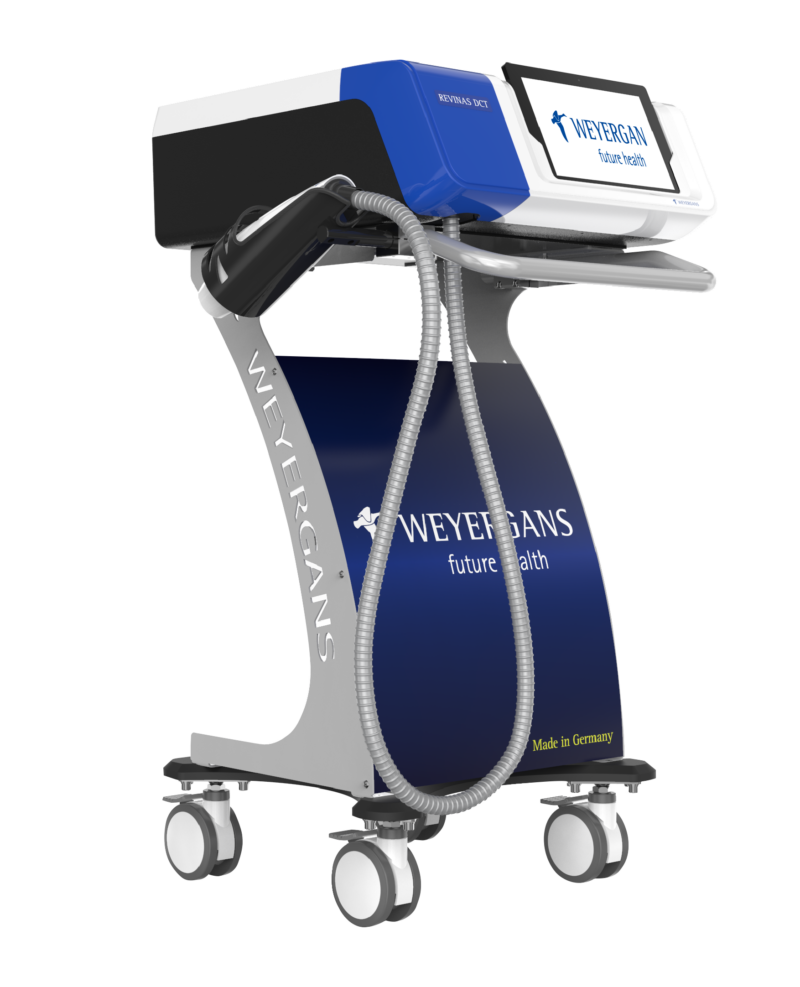
A clear-eyed look at what REVINAS is, how shockwave energy stimulates tissue, what the collagen and cellulite research actually shows, and where the 'deep SMAS lifting' claim crosses from mechanism into marketing, including the fact that no REVINAS-specific clinical trials exist.
By Dr. Kim
CoreTox: Less Resistance? Effects and Side Effects
CoreTox purifies botulinum toxin type A down to its bare neurotoxin, the same concept behind Xeomin, but from a Korean manufacturer. Here's what the published data actually says about neutralizing antibody formation, resistance risk, and where CoreTox-specific evidence exists versus where it's borrowed from the broader protein-free class.
By Dr. Kim