prettytime

Articles

Pigment

Pigment articles explain how melasma, age spots, and cafe-au-lait marks form, and how laser toning targets them. We compare wavelengths like Alexandrite and Nd:YAG and look at ways to reduce recurrence.

42 articles

Pigment

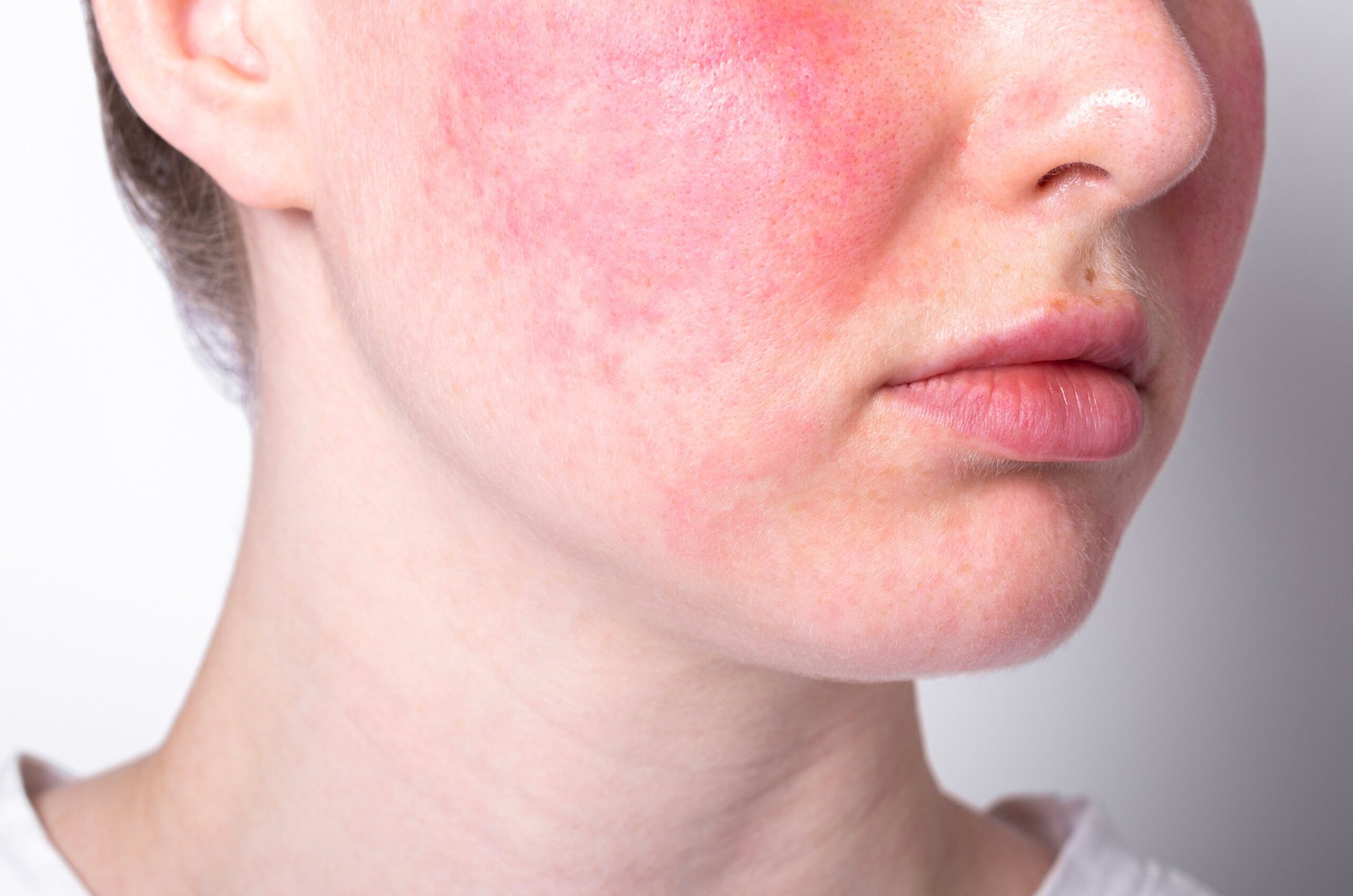
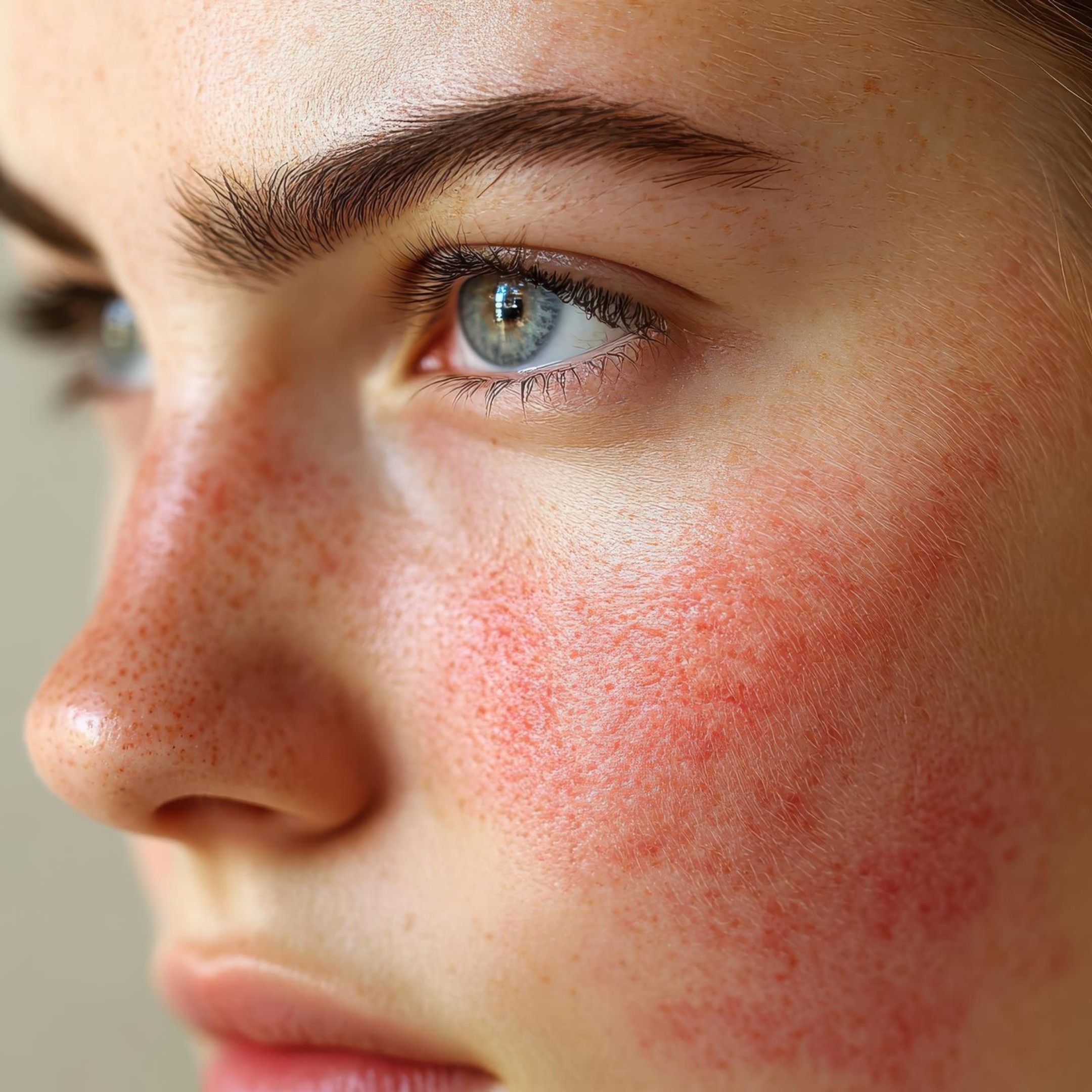
Facial Redness From Rosacea: Causes, Vascular Laser Sessions and Aftercare

If your face turns red and hot for no clear reason, again and again, it could be rosacea, a condition where facial blood vessels have become oversensitive. Here's why those vessels react so strongly, why the redness lingers, and how vascular lasers actually fix it.

By Dr. Lee

Pigment

Brown Acne Marks: Causes, How Long They Last, and How to Care for Them

That brown mark that lingers long after a pimple heals has a name: post-inflammatory hyperpigmentation. Here's why inflammation triggers melanin, why the mark fades only slowly, and why sunscreen matters so much, explained through simple, everyday comparisons.

By Dr. Kim

Pigment

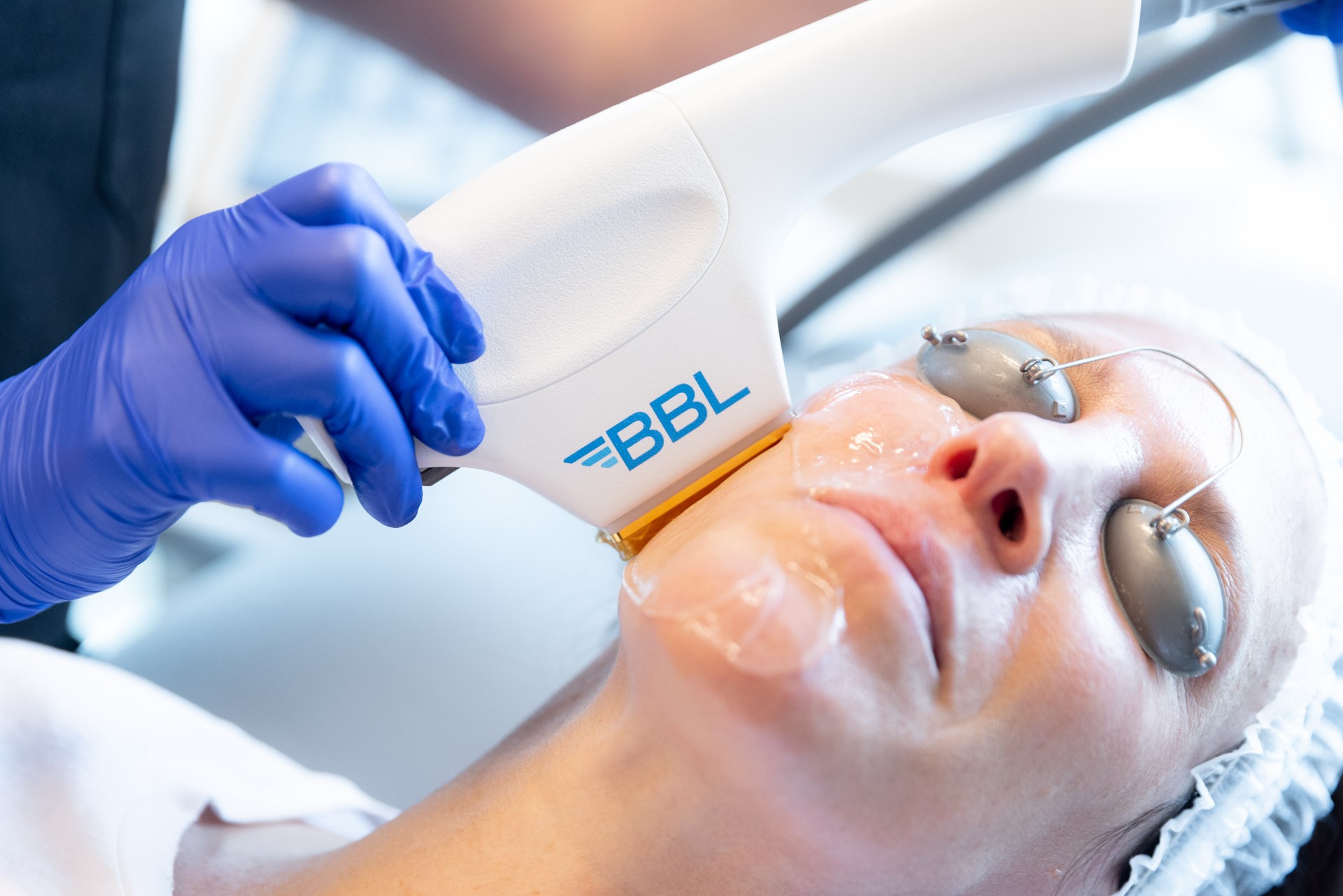
Vbeam Laser Effect on Tiny Vessels and Redness, and Downtime

Vbeam is a vascular laser that uses a specific wavelength tuned to hemoglobin, the pigment in blood, to coagulate dilated capillaries without harming the surrounding skin. This column breaks down why that wavelength zeroes in on blood vessels, along with the bruising, downtime, and sessions it takes to see results.

By Dr. Lee

Pigment

Cafe-au-Lait Spots Returning After Laser: Causes, Number of Sessions and Expectations

A café au lait spot forms because the pigment-making cells in that one patch of skin are locally overactive. Laser treatment breaks up the pigment that has already built up, but it doesn't switch off those cells, which is why the color so often returns. Here's the biology behind it, why results differ so much from person to person, and what a realistic treatment timeline actually looks like.

By Dr. Kim
Pigment

Causes of Dark Inner Thighs: Is It Only Friction?

The inner thighs take more friction and irritation than almost any other area, which is why pigmentation tends to build up faster there. Here's why this spot darkens so easily, and which skincare and treatments actually help depending on the cause.

By Dr. Lee

Pigment

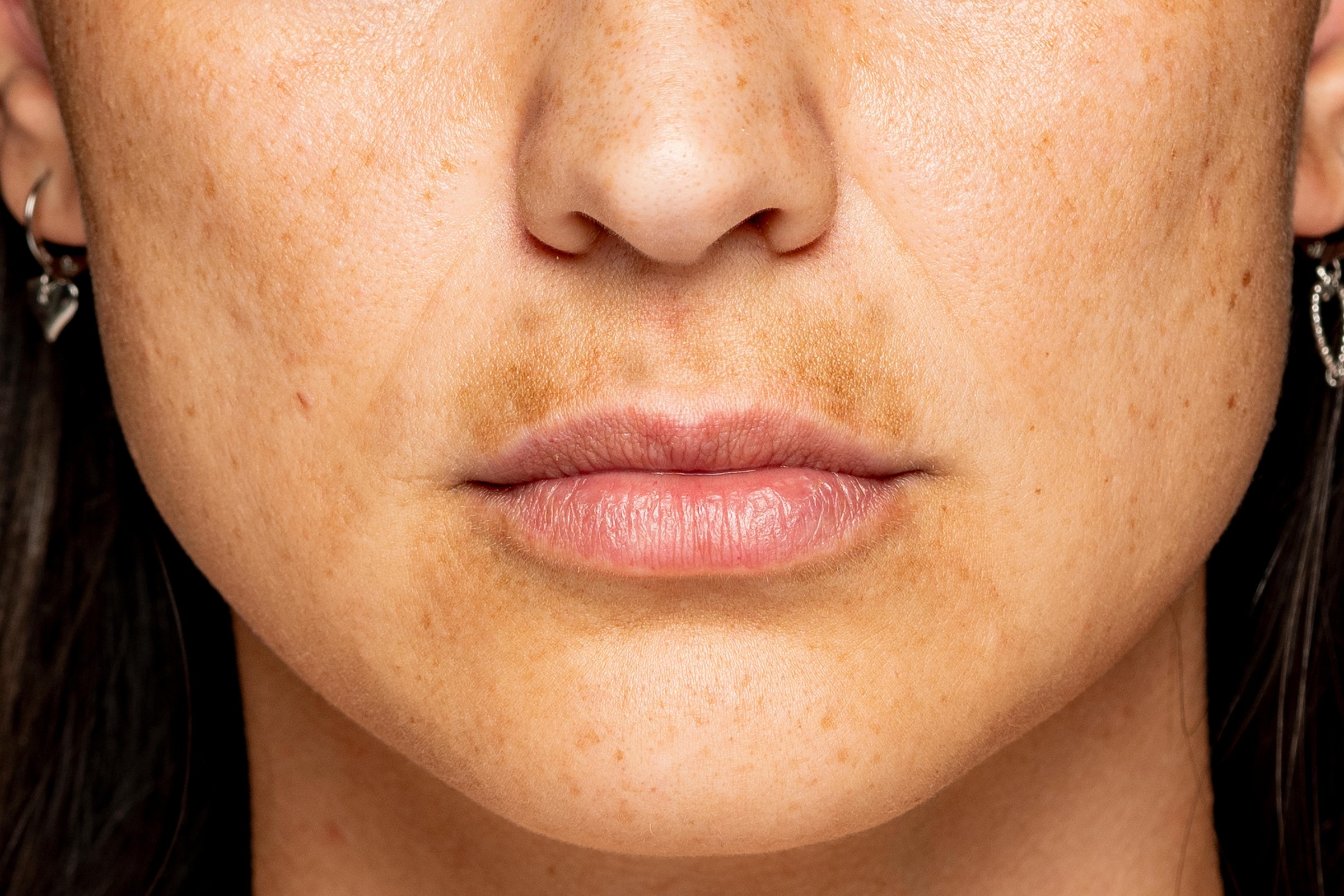
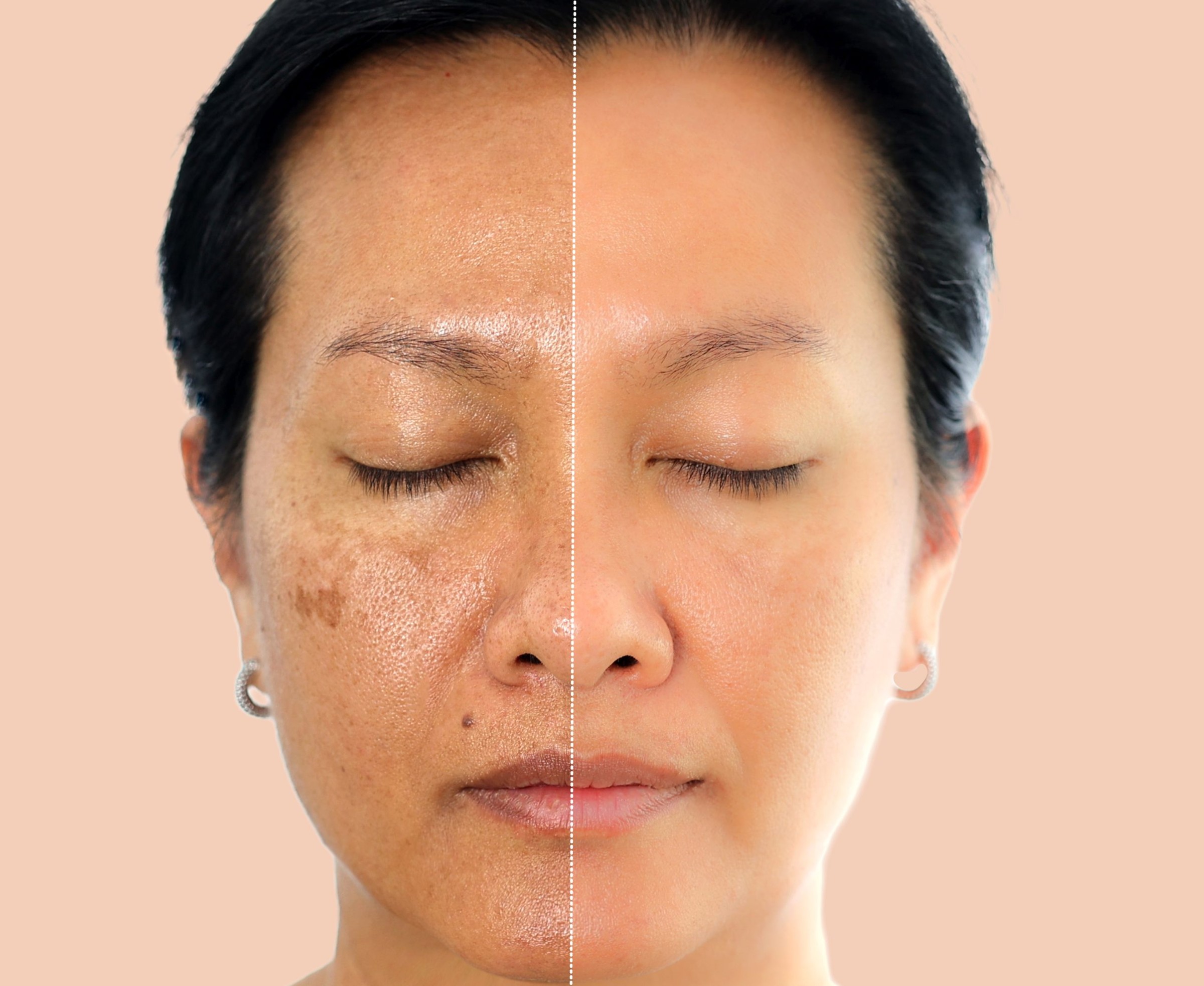
Refractory Melasma Treatment: How Is Stacking Lasers and Medication Done?

A look at stacking treatment for melasma that toning alone can't clear, combining several devices and medications in one plan. We cover why melasma keeps coming back, why treating blood vessels matters alongside pigment, and why too much stimulation can backfire.

By Dr. Kim

Pigment

Dark Underarms: Causes, Care and Topical Ingredients

Darker underarms aren't just a simple pigment problem. Friction, hair removal, irritation, and your own skin's tendencies all layer together to cause it. Here's the logic behind why this one area darkens, plus a real plan for helping it fade.

By Dr. Kim
Pigment

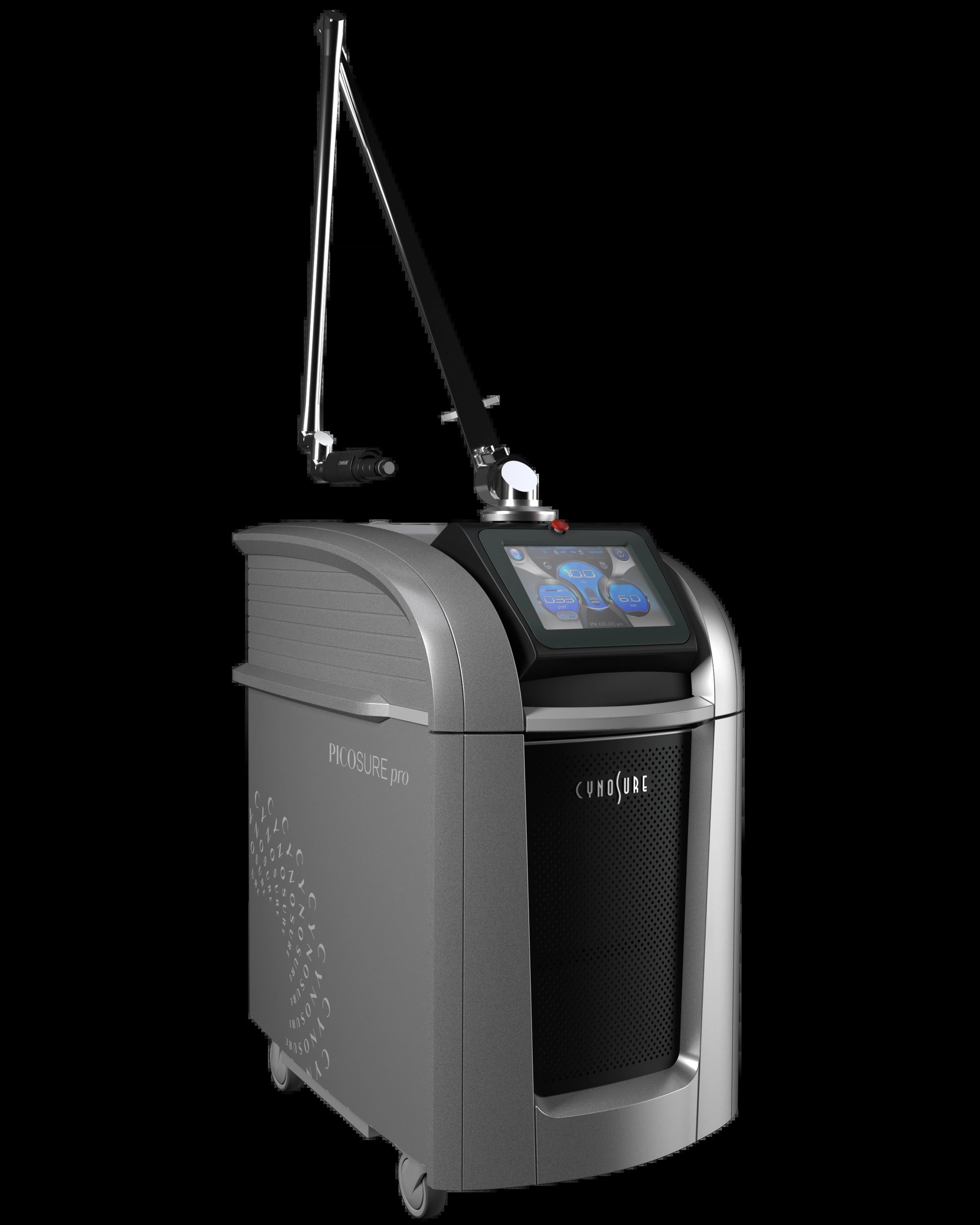
Riehl Melanosis: Causes and Treatment, and Are Cosmetics Really the Cause?

Riehl melanosis is a pigmented contact dermatitis triggered by repeated irritation from cosmetic and perfume ingredients. It looks like melasma on the surface, but the cause and treatment are entirely different. Here's how pigment leaks down into the dermis, why avoiding the trigger is the key to treatment, and what the laser approach looks like.

By Dr. Kim
Pigment

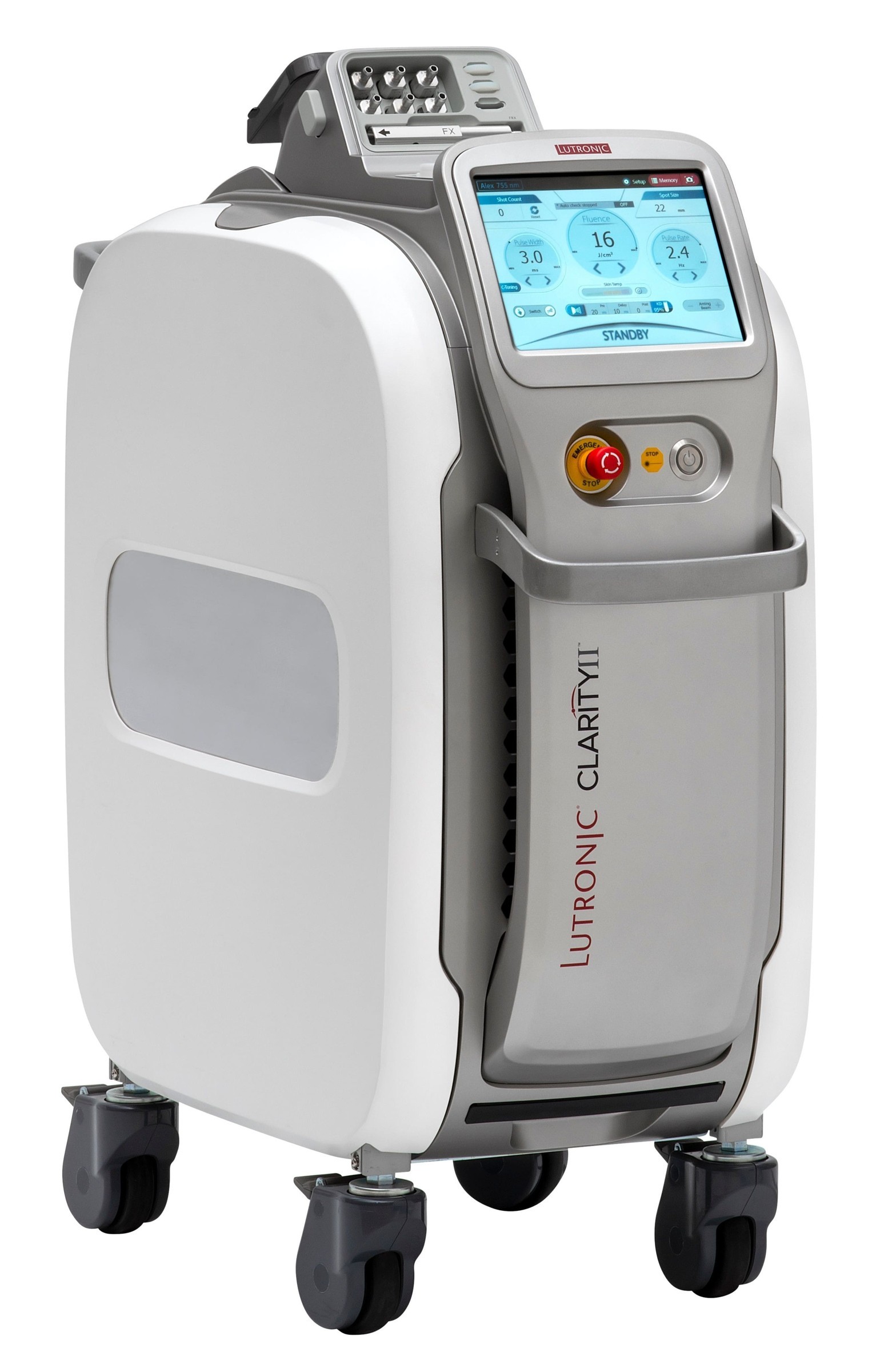
Red Acne Marks: Causes, How to Tell Them Apart, and Laser Treatment

The red marks left behind after acne clears up often aren't pigment at all, but dilated blood vessels showing through the skin. Since the cause and the way they fade differ from pigmentation, they call for a different care approach. Here's how to tell the two apart and how each one recovers.

By Dr. Kim
Pigment

Laser for Melasma and Sun Spots: Epidermal Versus Dermal Pigment

Melasma and sunspots can look like the exact same shade of brown, yet how deep that pigment sits changes everything about how it responds to treatment. Here is why epidermal and dermal pigment are handled with completely different principles, and why that distinction matters so much for planning care.

By Dr. Lee

Pigment

Laser Toning and IPL: Differences and Recovery Time Compared

Laser toning breaks down pigment gradually with many low energy passes, while IPL fires a broad band of light in one go, treating pigment and blood vessels together. Here is how the two approaches to pigment differ and which situations each one suits.

By Dr. Kim

Pigment

Photoaged Skin: Effect of Retinoids and Vitamin C, and Care

Photoaging happens when two separate reactions overlap: UV rays breaking down collagen and UV rays triggering pigmentation. Here is how retinoids, vitamin C, and niacinamide each work to reverse those reactions, and how long it actually takes to see results.

By Dr. Kim
Pigment

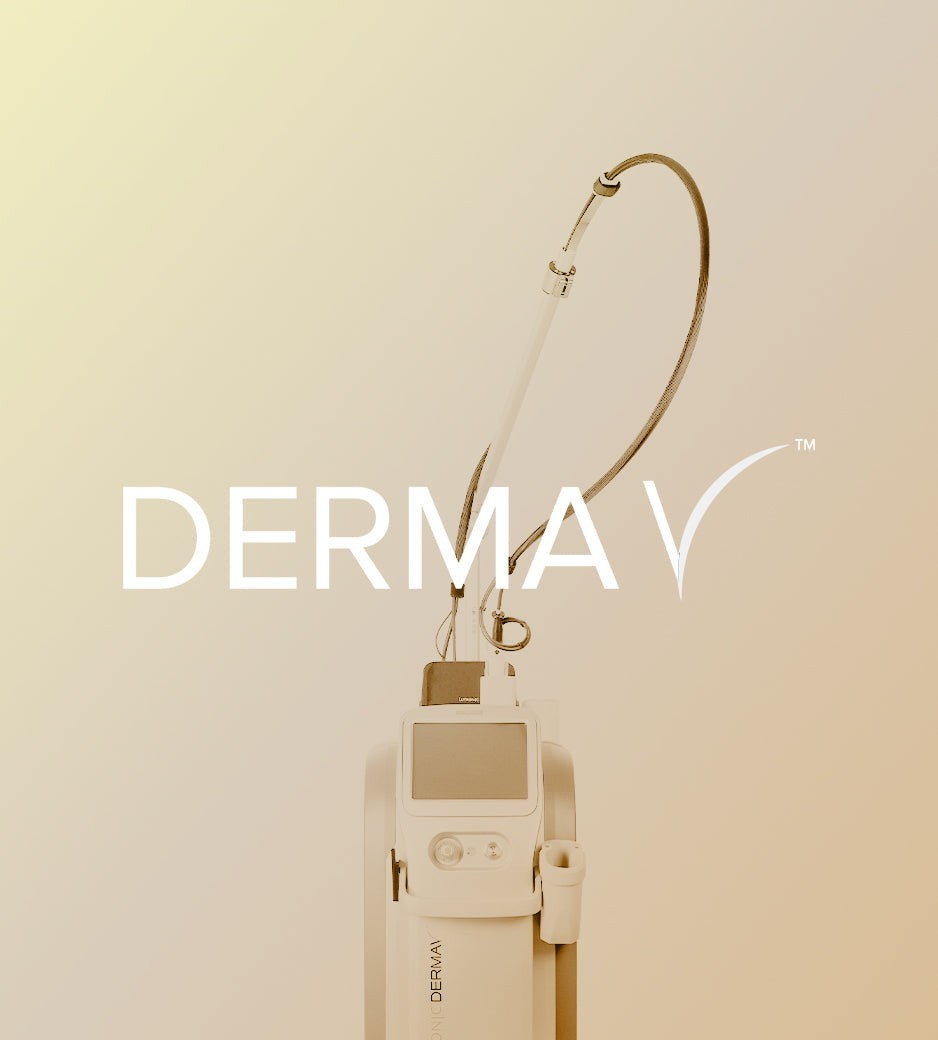
Nevus of Ota Treatment: Q-Switched Laser Sessions and Intervals

Nevus of Ota sits deep in the dermis rather than on the skin's surface, which is exactly why no amount of concealer can hide it. Here is a mechanism-focused look at why only a laser with a specific wavelength can reach that depth, and why treatment is spread across 6 to 10 sessions at 6 to 8 week intervals instead of being done all at once.

By Dr. Lee

Pigment

Cherry Angioma: Causes, Symptoms and Laser Treatment

Cherry angiomas, the small red spots that multiply on the skin with age, come down to changes in blood vessel structure. Here is how vascular laser targets hemoglobin to clear them, plus what recovery and recurrence really look like.

By Dr. Kim
Pigment

Brown Acne Marks: How Long Do They Take to Fade?

The brown mark left behind after a pimple clears isn't a scar. It's melanin that got overproduced during inflammation and settled into the skin. How long it takes to fade depends on whether that pigment stayed in the epidermis or sank into the dermis, and the right ingredients and sun protection can speed the process along.

By Dr. Lee

Pigment

CureMax Laser: How Dual Wavelengths Work and the Difference From Picosecond

CureMax is an Nd:YAG pigment laser that pairs two wavelengths, 532 nm and 1064 nm, in one device. Here is how selective photothermolysis targets melanin and how nanosecond pulses break pigment apart, plus which pigment conditions it treats and how to care for skin afterward.

By Dr. Lee

Pigment

Freckles Versus Age Spots: Causes, How to Tell Them Apart, and Treatment

Freckles happen when the number of pigment cells stays the same but each one produces more pigment, a genetic response. Age spots happen when the number of pigment cells itself increases with age. Here's why they form differently and how they diverge in seasonal behavior and response to treatment.

By Dr. Kim
Pigment

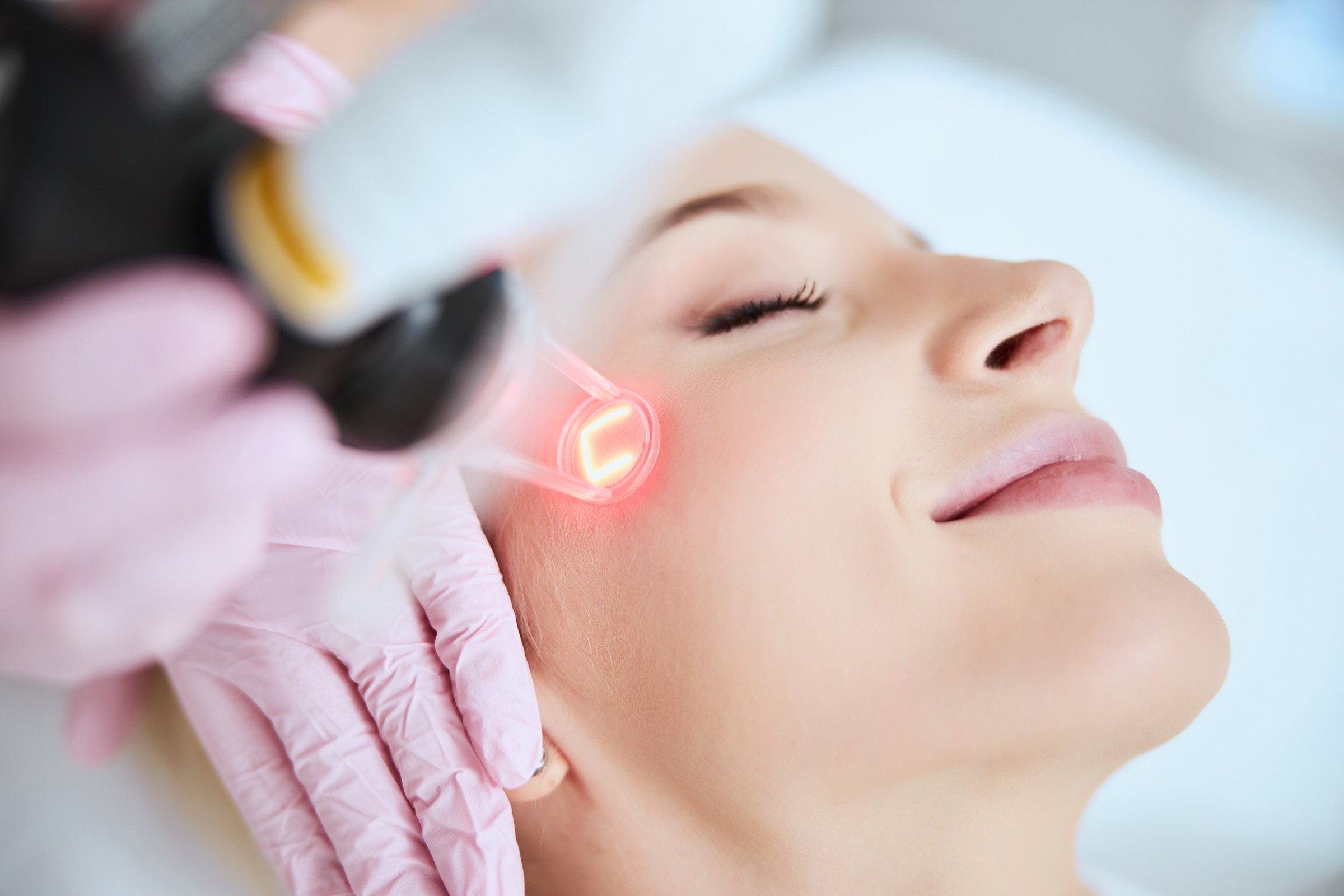
Alex Toning: Effects, How It Works, Side Effects and Aftercare

Alex toning uses a 755nm alexandrite laser that is selectively absorbed by melanin to fade dark spots and pigmentation. Here is how the wavelength concentrates heat only in pigment cells, and why treatments are split into multiple low-energy sessions.

By Dr. Kim

Pigment

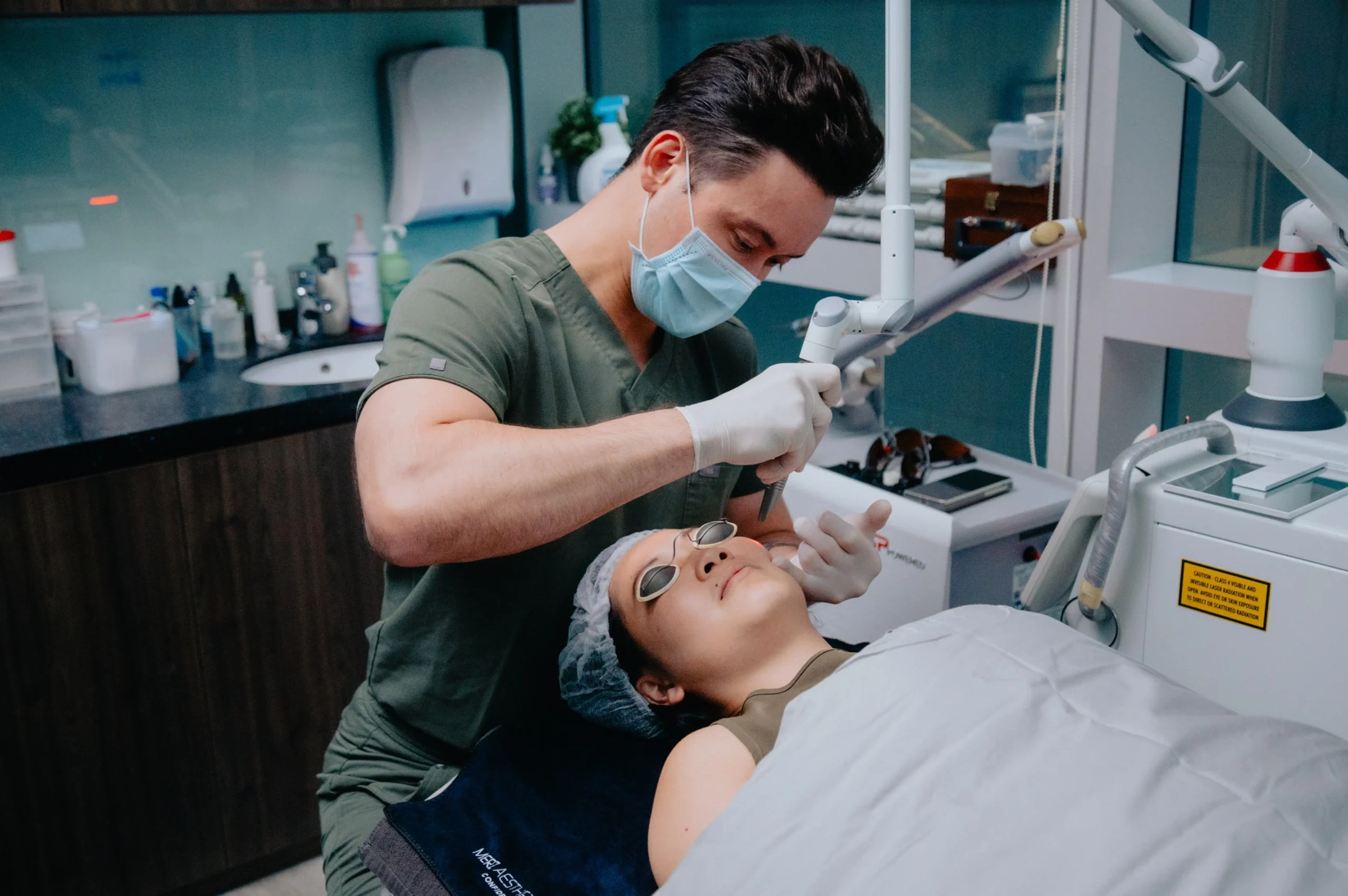
VRM4 Toning: How a Nanosecond Laser and Top-Hat Beam Work

VRM4 toning is a Q-switched treatment that fires laser pulses lasting only nanoseconds to break down melanin selectively. Here is why its evenly spread beam and low-energy, multi-pass approach helps protect the surrounding skin.

By Dr. Kim
Pigment

Melasma and Female Hormones: Why Does Pregnancy Make It Darker?

Melasma is shaped by hormones just as much as by sun exposure. Here is how estrogen and progesterone push melanocytes into overdrive, and why melasma tends to darken and come back after pregnancy or birth control pills.

By Dr. Lee

Pigment

Lip Semi-Permanent Makeup: How Many Months Until the Color Fades?

Lip semi-permanent makeup places pigment in the shallow layers of the lip skin to add color. Here is why the color looks so intense right after the procedure but gradually fades over time, and why the results last longer for some people than others.

By Dr. Kim
Pigment

PicoPlus Laser: Effects by Wavelength and Aftercare

PicoPlus is a laser that switches between picosecond and nanosecond modes and uses four wavelengths, 532nm, 595nm, 660nm, and 1064nm. Because each pigment absorbs a different wavelength best, switching wavelengths lets a single device treat a wide range of pigmented lesions. Here is how pigment absorbs each wavelength differently.

By Dr. Lee

Pigment

Freckles Versus Melasma: How Do Their Laser Treatments Differ?

At a glance, freckles and melasma both look like brown spots, which makes them easy to mix up. But where the pigment actually sits in the skin, and why it shows up in the first place, are completely different. That difference decides whether you need a strong laser or a gentle toning session, and why one of the two keeps coming back.

By Dr. Lee

Pigment

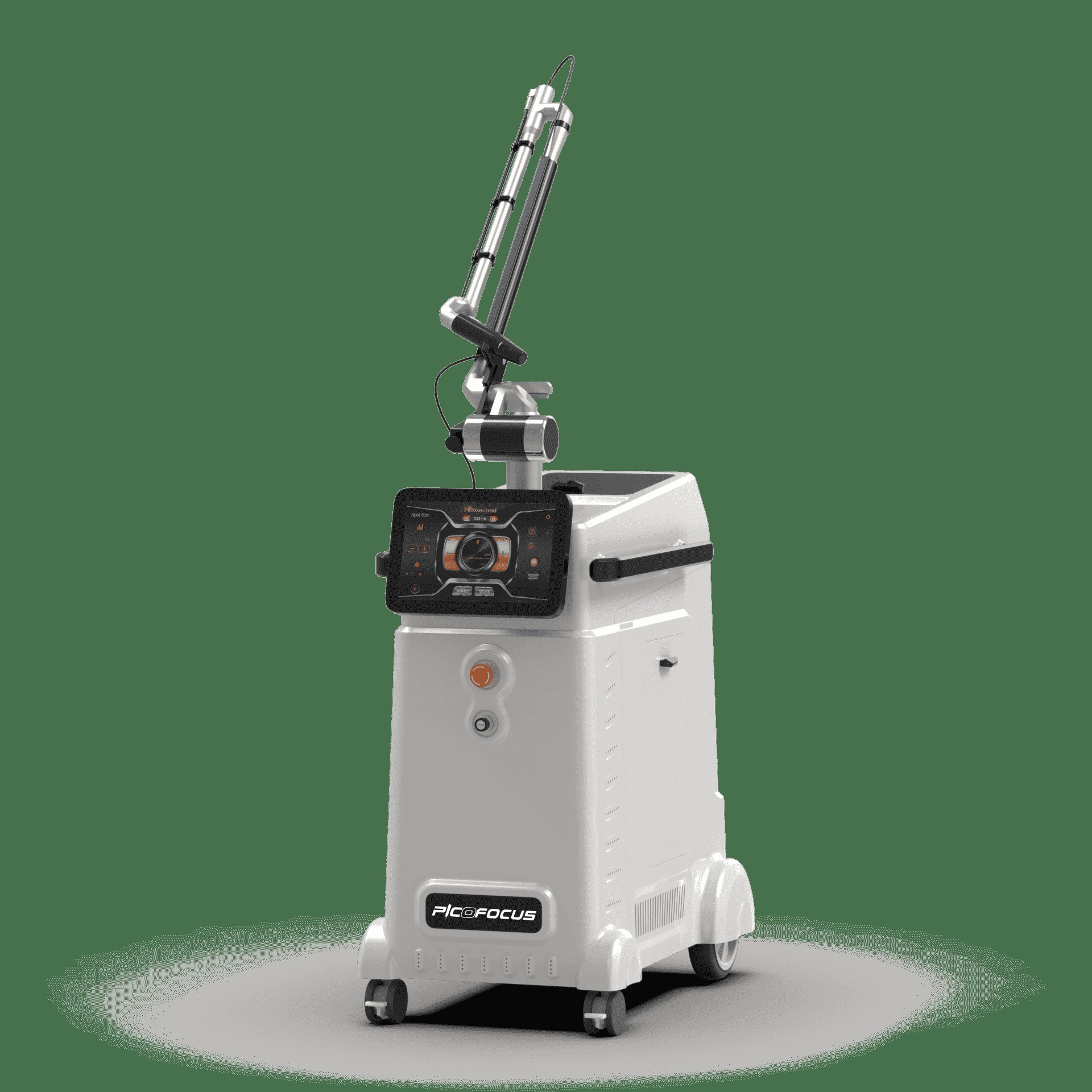
PicoSure Laser Pigment Removal: How Is It Possible Without Heat?

PicoSure fires light in trillionths of a second, breaking down pigment with a shockwave instead of heat. Its focus lens array concentrates that energy into tiny points in the skin, causing microscopic optical breakdown that clears pigment while also stimulating collagen.

By Dr. Kim

Pigment

Hollywood Spectra Toning Effects and Side Effects, Including Carbon Peel

Hollywood Spectra is a Q-switched Nd:YAG laser using 1064nm and 532nm wavelengths, most commonly known for carbon peel toning, where a carbon lotion is applied and the laser is passed over the skin repeatedly at low power. Here is how it works on melasma pigment, pores, and skin tone, along with what the actual research shows about its effects and limits.

By Dr. Lee

Pigment

DermaV Laser for Redness: Effects, Two Wavelengths and Aftercare

DermaV laser treats facial redness by aiming directly at the dilated blood vessels underneath the skin, using two distinct wavelengths, 532nm and 1064nm. Here is how each wavelength reaches different vessel depths and why the two are often used together.

By Dr. Lee

Pigment

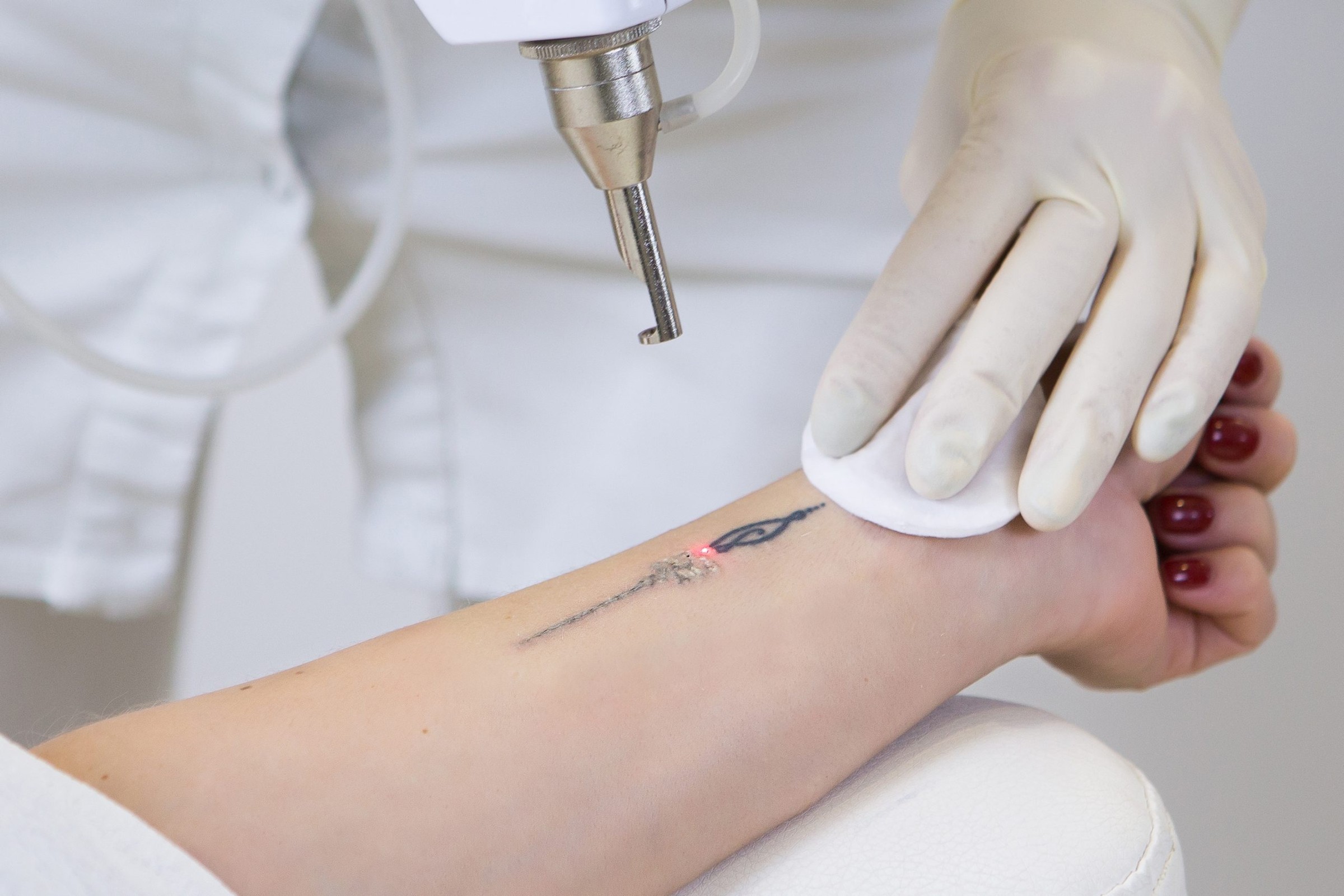
Tattoo Removal Sessions and Interval: Why Even an Old Tattoo Takes 6 to 10

A mechanism-focused look at how tattoo removal lasers shatter ink particles under the skin and how the body clears the fragments away. We also cover why black and blue fade easily while green and yellow tend to linger, and why removal has to be spread across multiple sessions.

By Dr. Kim

Pigment

Ruby Laser 694nm: Effect on Age Spots and Nevus of Ota

A look at why ruby lasers use 694nm through the melanin absorption curve, with real study numbers on how well it treats age spots, Ota's nevus, and tattoos. Covers how to lower the risk of pigmentation in Asian skin, what recovery looks like, and how it compares with picosecond lasers.

By Dr. Kim

Pigment

Melasma Recurrence After Laser: Why Does It Come Back Within 6 Months?

Melasma often fades after laser treatment only to return months later. This piece breaks down why, looking at UV exposure, hormones, and blood vessels as three separate but overlapping triggers, and explains why melasma calls for ongoing management rather than a one-time cure.

By Dr. Lee

Pigment

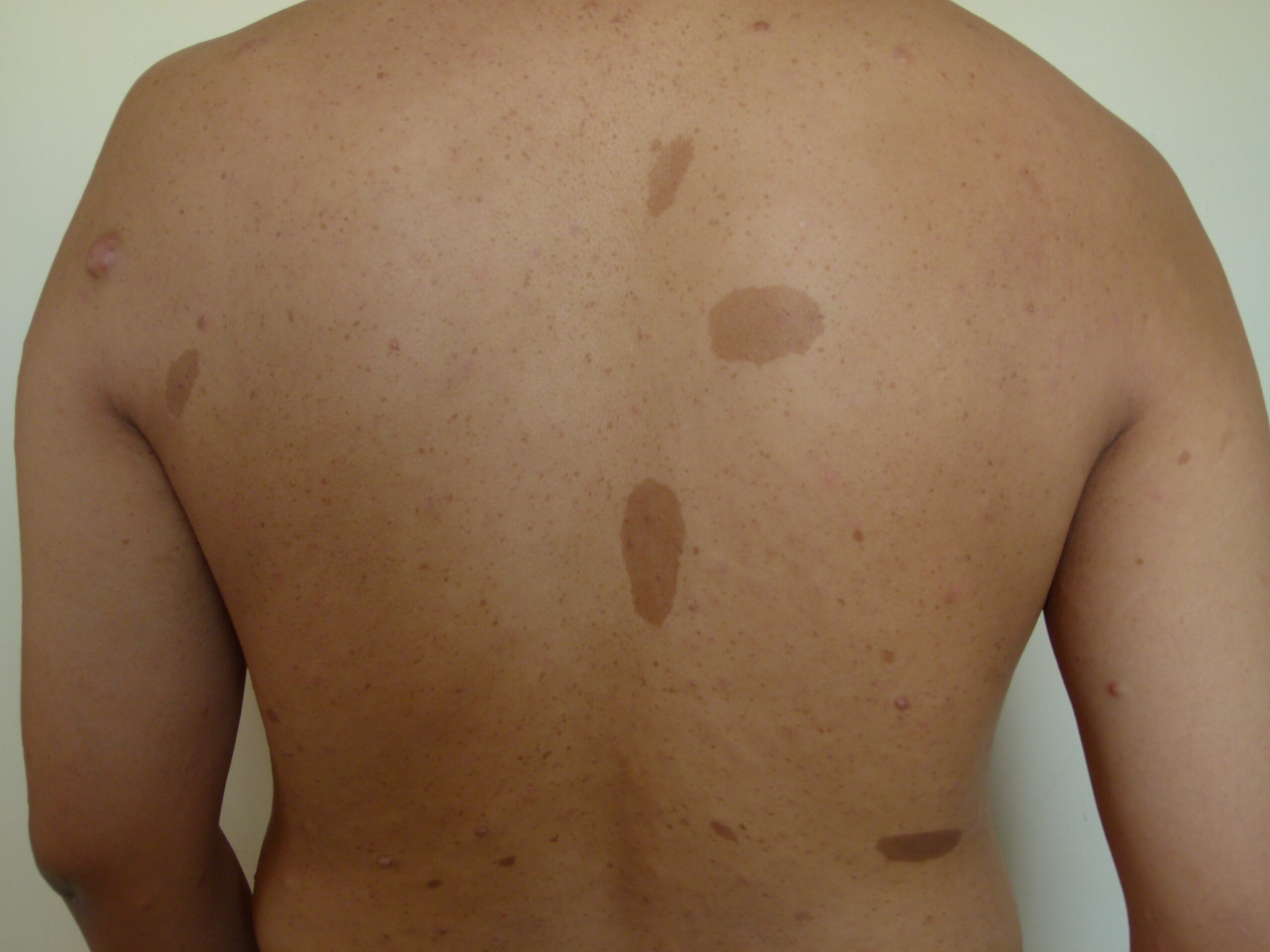
Cafe-au-Lait Spots: Laser Effect, Recurrence and Telling Them From Moles and Melasma

A cafe-au-lait spot is a light milk-coffee brown patch on the cheek or arm, and because its pigment sits in the shallow epidermis, laser light reaches it easily, though it also tends to come back. Here's how to tell it apart from moles and melasma, why multiple spots call for a check-up, how much laser treatment can fade it, and how to manage recurrence.

By Dr. Kim

Pigment

Mole Removal: CO2 Laser Versus Excision, Recurrence, and Scarring Compared

A clear, research-backed guide to what a mole actually is, how it differs from seborrheic keratosis, skin tags, and warts, how CO2 laser vaporizes a mole away, how recurrence, scarring, and pigmentation are managed, why deep or large moles call for punch excision, and the ABCDE signs that help catch melanoma early.

By Dr. Kim