PicoPlus Laser: Effects by Wavelength and Aftercare
By Dr. Lee6 min read
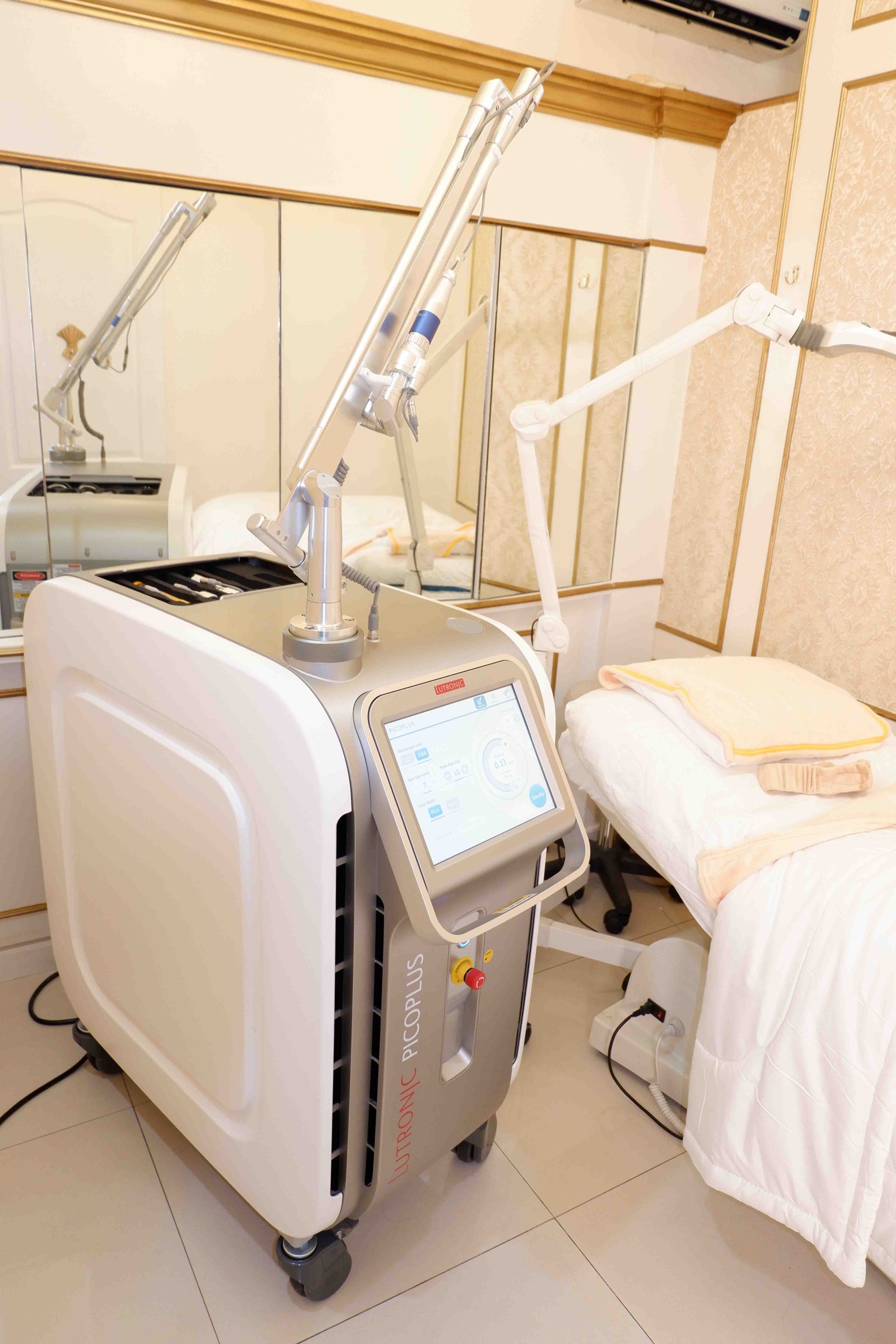
PicoPlus is a laser device widely used in dermatology and plastic surgery clinics to treat pigment. The "pico" in its name refers to picoseconds, a trillionth of a second, the unit in which it fires light. But speed alone is not what sets this device apart. The real feature is that it can switch between four wavelengths, 532nm, 595nm, 660nm, and 1064nm, all within one machine. Since pigment prefers different wavelengths of light depending on its type and depth, the ability to choose a wavelength is really the ability to widen the range of what can be treated. Here is a closer look at why the device is built with several wavelengths instead of one.
How many wavelengths does PicoPlus have?
Most conventional pigment lasers are fixed to a single wavelength. That meant a laser tuned for shallow pigment in the epidermis often had little effect on pigment sitting deep in the dermis, and a laser tuned for deep pigment could over-stimulate shallow spots.
PicoPlus solved this by building in several wavelengths at once. A single unit houses 532nm, 595nm, 660nm, and 1064nm, and the practitioner switches between them depending on the color and depth of the lesion. This multi-wavelength design is also why the same device can be used broadly, from melasma and sunspots to tattoos and acne scars.
It also runs both picosecond and nanosecond modes, so even at the same wavelength, the speed at which light is delivered can be adjusted to fit the situation. Being able to control two variables together, wavelength and speed, is the core principle behind a multi-wavelength picosecond laser.
How deep does each wavelength reach?
The shorter the wavelength, the more it is absorbed near the surface of the skin, and the longer the wavelength, the deeper it penetrates. Much like how different colors of dye spread through water at different rates, pigment in the skin also absorbs light at different depths and intensities depending on wavelength.
532nm is short, so it is mainly used for shallow pigment close to the epidermis, such as melasma, faint sunspots, or lesions with a reddish tint. 595nm goes a little deeper than 532nm and is used for vascular lesions or areas mixed with red pigment. 660nm reaches further into the dermis and responds well to blue or green tattoo ink and deeper pigment. 1064nm, the deepest of the four, targets black or dark brown pigment sitting deep in the dermis, as well as black tattoo ink.
In short, the principle behind the multi-wavelength design is matching the treatment depth by stepping the wavelength up or down, from shallow pigment to deep pigment.
How do picosecond and nanosecond pulses differ?
Picosecond mode fires light in an extremely short burst, breaking pigment particles apart with a shockwave rather than heat. This is called photomechanical destruction, similar to how a water balloon bursts into pieces when struck very fast. Because it generates almost no heat, it is known to carry a comparatively lower risk of damaging surrounding normal tissue or causing post-inflammatory pigmentation.
Nanosecond mode delivers a longer pulse, working closer to a process of gradually heating and breaking down pigment with thermal energy. It is often chosen when a stronger response is needed for certain benign pigmented lesions.
Even at the same wavelength, the physical force applied to the pigment differs depending on which mode is used. That is why the wavelength and mode are typically chosen together based on the type of lesion and the depth of the pigment.
Which wavelength suits which pigment?
To understand this principle, it helps to start with how pigment absorbs light. Melanin has a property of absorbing certain wavelengths of light unusually well, a phenomenon called selective photothermolysis. Much like a black shirt absorbing more sunlight in summer and heating up faster, pigment concentrates energy at the spot where it absorbs the wavelength it favors.
Tattoo ink also absorbs different wavelengths depending on its color. Black ink tends to absorb well across a broad range of wavelengths, so it responds well to 1064nm, while blue or green ink often responds better to shorter wavelengths. That is why removing a multicolored tattoo with a single wavelength alone can leave some colors fading faster than others.
This is exactly why PicoPlus is built with four wavelengths. Since different pigments and inks each favor a different wavelength, the device needs to switch wavelengths to deliver a tailored response for each. Trying to treat every pigment with just one wavelength inevitably means overtreating some and undertreating others.
Collagen stimulation from the fractional handpiece
Beyond the handpiece used for pigment removal, PicoPlus also comes with a fractional handpiece. It arranges lenses in a tight grid to split light into many tiny points, creating micro-injury points across the skin. Because the stimulation is delivered point by point rather than across the whole surface, recovery tends to be relatively fast.
Each of these micro-injuries triggers a healing response at that spot, and this process is known to activate the cells that produce collagen. It works on a different principle from breaking down pigment, instead making very small wounds and letting the skin repair itself.
For this reason, PicoPlus is often used not only for pigment but also to improve acne scars, pores, and overall skin texture. Being able to use both the pigment-breaking mode and the collagen-stimulating fractional mode within the same session is one of the strengths of a multi-wavelength picosecond device.
What is the treatment procedure like?
Before the procedure, a consultation checks the color and depth of the lesion. Since the wavelength and mode used are decided based on this assessment, the same PicoPlus device ends up being set differently for each person.
The procedure itself is often carried out with a topical numbing cream applied first, followed by multiple short bursts over a brief period. Wider lesions or darker pigment are usually treated more safely across several sessions rather than in one, since pushing too hard for a response in a single session can actually raise the risk of post-inflammatory pigmentation.
Right after the procedure, some redness and mild swelling may appear, and the pigmented area commonly develops a thin crust that flakes off over time. Recovery speed varies depending on the type of lesion, the wavelength settings used, and individual skin condition.
Aftercare for the days following treatment
Right after the laser delivers micro-stimulation to the pigmented area, the skin barrier is more sensitive than usual. How this period is managed is known to affect both recovery speed and the risk of pigmentation.
- Apply sunscreen diligently: Stimulated skin reacts more easily to UV exposure and can develop pigmentation again, so reapplying sunscreen consistently is recommended.
- Do not pick at scabs or flaking skin: Pulling at an area that has not fully healed causes inflammation to return, and that inflammation can lead to new pigmentation.
- Avoid harsh cleansers or exfoliating products: Adding acidic ingredients or physical friction to recovering skin thins the barrier further and can prolong redness and sensitivity.
- Keep the skin well moisturized: A well-hydrated barrier is said to support the cellular activity needed for recovery to proceed smoothly.
These aftercare principles apply broadly across pigment lasers regardless of the specific procedure, and results settle in reliably only when they are followed consistently over days to weeks.
References
Korean Dermatological Association, American Academy of Dermatology (AAD), and Ministry of Food and Drug Safety (MFDS).
Was this helpful?
About this article
Written by a practising aesthetic physician and intended for general education — not a substitute for individual medical advice.
Read next
DermaV Laser for Redness: Effects, Two Wavelengths and Aftercare
DermaV laser treats facial redness by aiming directly at the dilated blood vessels underneath the skin, using two distinct wavelengths, 532nm and 1064nm. Here is how each wavelength reaches different vessel depths and why the two are often used together.
By Dr. Lee
Excel V Laser for Redness and Dark Spots, Including Sessions and Downtime
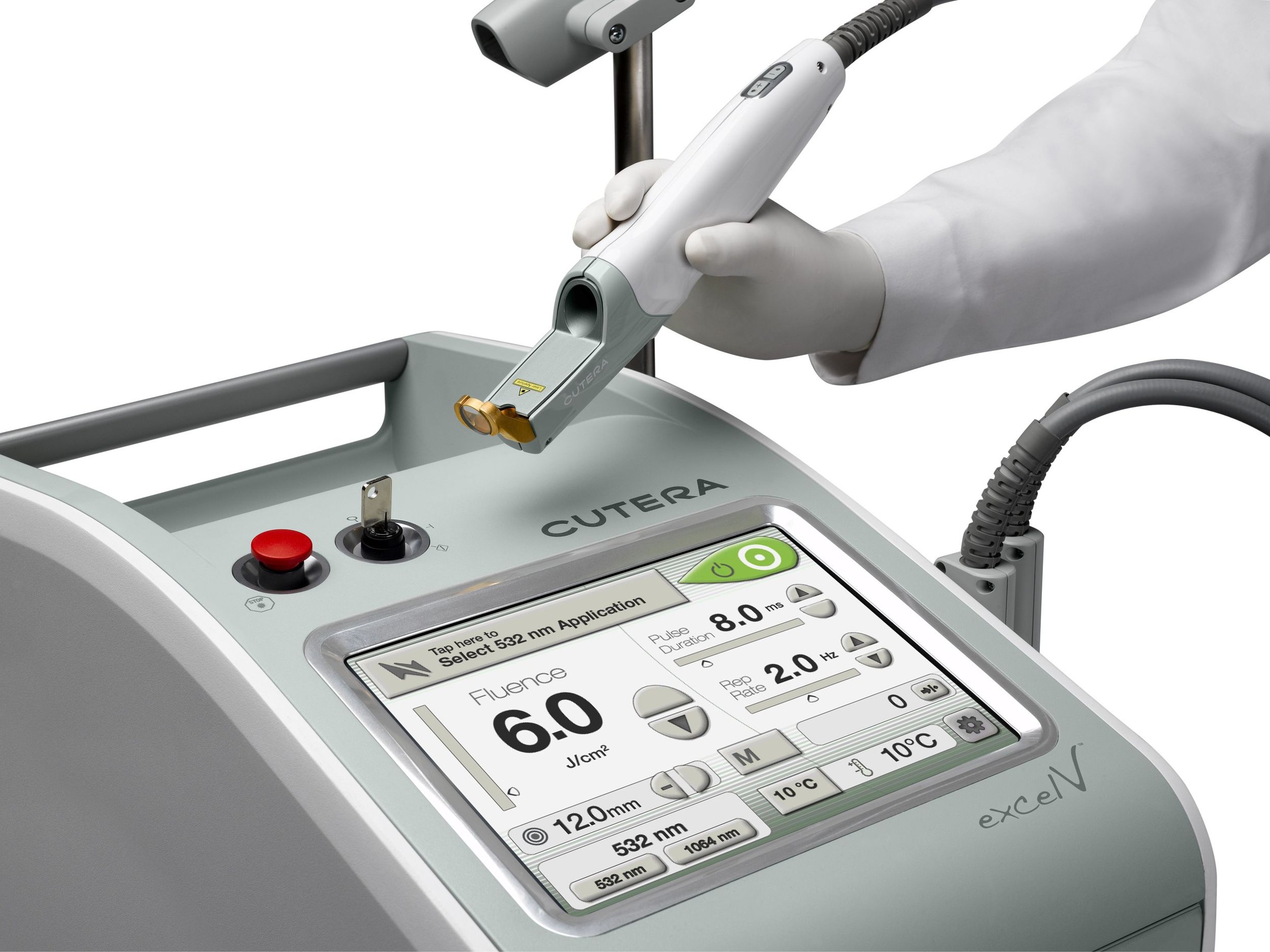
The Excel V laser uses two different wavelengths of light to target blood vessels and pigment separately in the same session. Here is why redness and brown spots can be treated by a single machine, explained through how the device actually works.
By Dr. Kim
Prime Raise Focus: Three-Wavelength Lifting Results and Aftercare
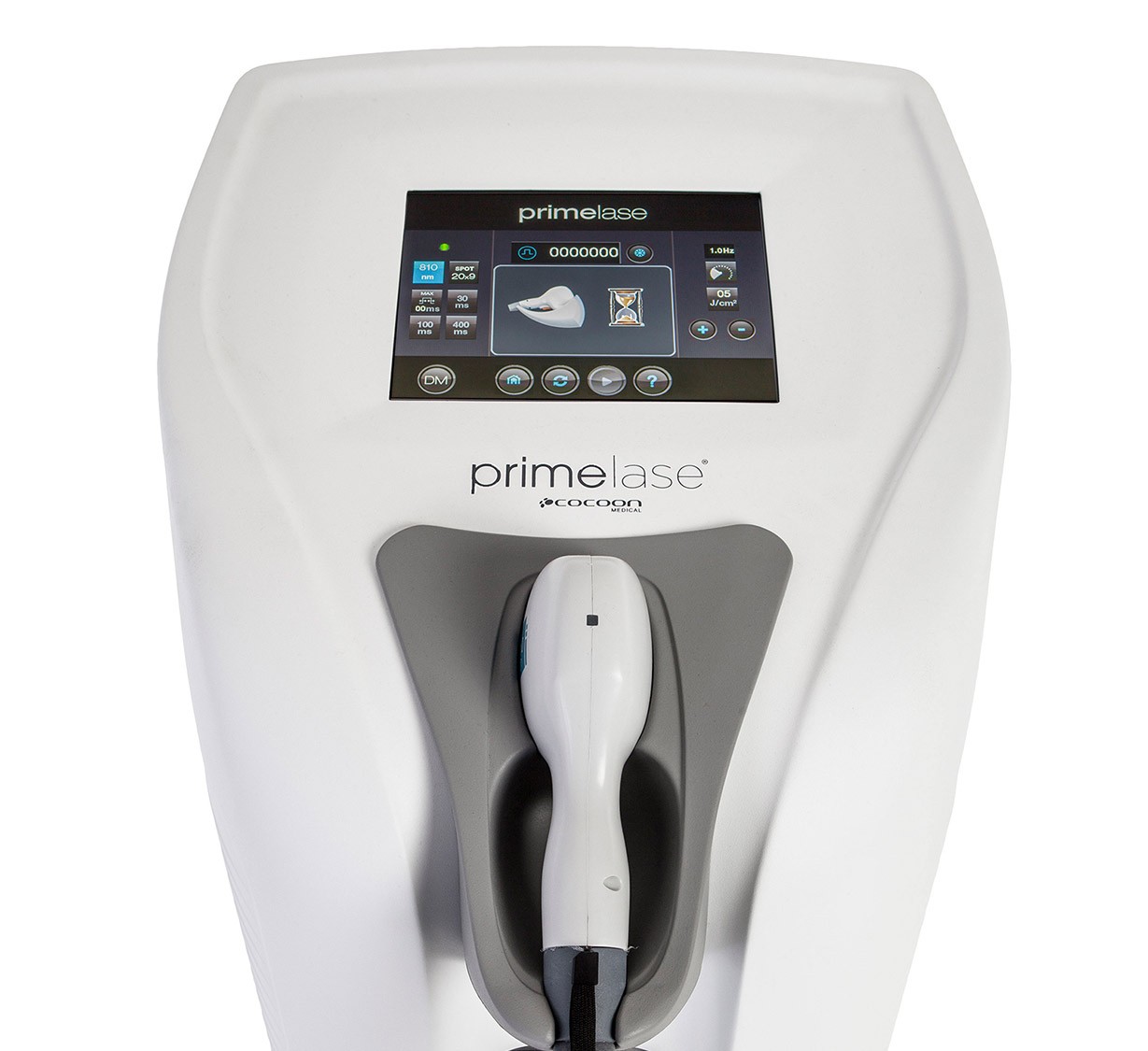
Prime Raise Focus packs three wavelengths, 810, 940, and 1060 nanometers, into a single device, each one targeting a different layer of the skin at the same time. Here's why wavelengths absorb into different tissues, and how that lets one session cover lifting, tightening, and skin texture all at once.
By Dr. Kim