Prime Raise Focus: Three-Wavelength Lifting Results and Aftercare
By Dr. Kim7 min read
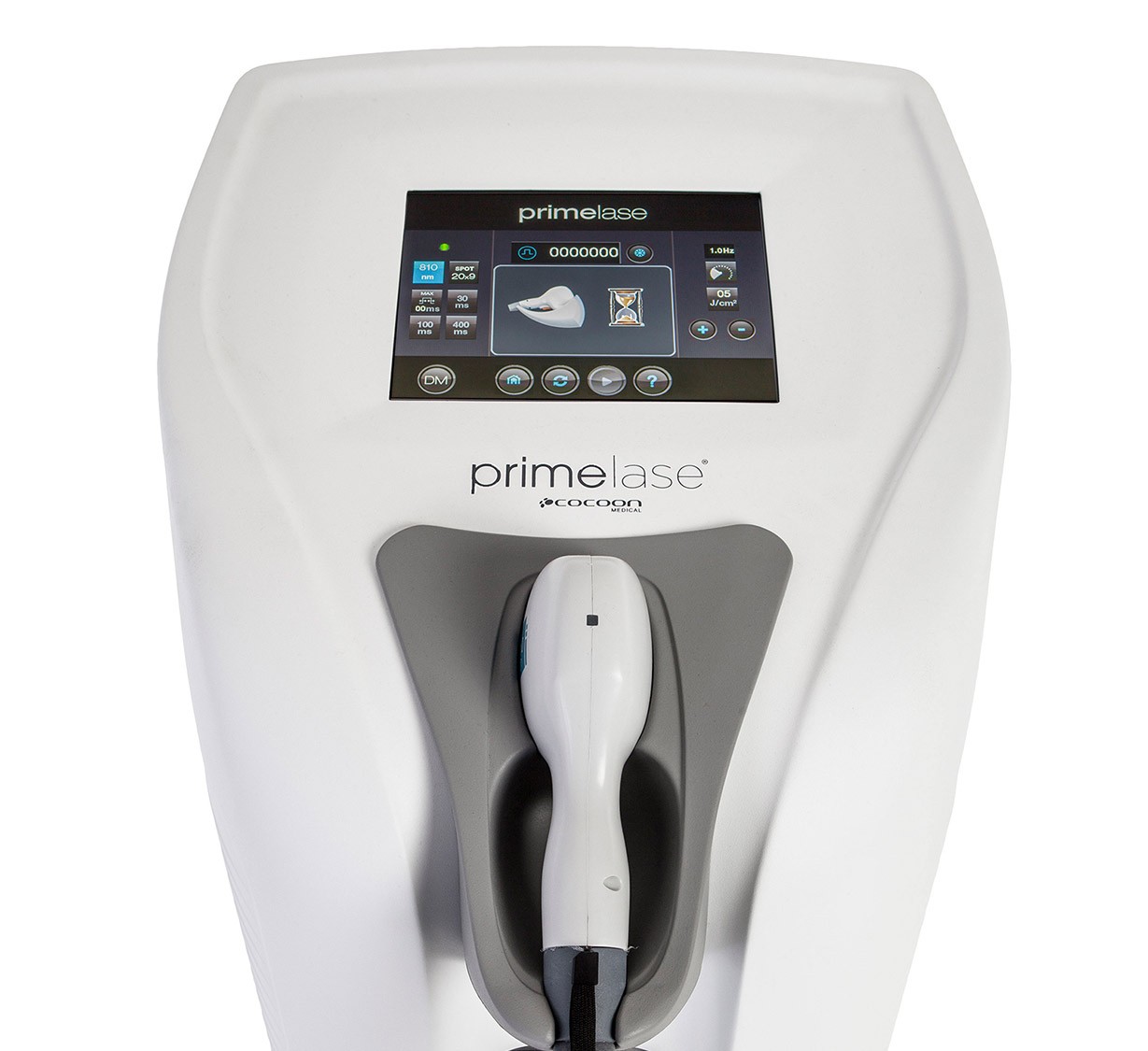
Most laser lifting devices work with a single wavelength. Prime Raise Focus does something different: it houses three. Since each wavelength reacts with a different target inside the body, this device can reach several layers of skin at once, in a single pass.
Clinics like Bleevie have started introducing this device not just as a lifting tool, but as something that can improve skin texture in the same session. Why split one wavelength into three, and how does that combination actually work? Here's a closer look.
Do different wavelengths reach different places?
A laser sends light energy of a specific wavelength into the skin. Different wavelengths get absorbed by different substances. Some bind more readily to melanin pigment, some are drawn to water or the hemoglobin in blood, and others are absorbed relatively more by fat cells.
Prime Raise Focus is a diode laser built to fire three wavelengths, 810nm, 940nm, and 1060nm, either in sequence or together. Because each wavelength penetrates to a different depth, shorter wavelengths do their work near the surface while longer ones carry heat down into the deeper dermis or even the subcutaneous fat layer. That depth difference is really the whole design logic behind this laser: one device, several depths, each handled separately.
What does each of the three wavelengths do?
810nm reacts at a relatively shallow layer among the three. It absorbs well into the melanin pigment in the epidermis, so it's the one mainly responsible for evening out uneven pigment and refining skin texture.
940nm goes a bit deeper than 810nm. It responds well to hemoglobin in the blood, so it acts on the small vessels in the upper dermis. This is the wavelength typically credited with addressing redness and flushing-related concerns.
1060nm reaches the deepest of the three. Because it's relatively well absorbed by water, it can carry heat down into the lower dermis and the subcutaneous fat layer. Once heat reaches that deep, it stimulates collagen to rebuild, which is why this wavelength is most closely tied to the lifting effect. Since each wavelength handles a different depth and a different target, the idea is that a single device can address pigment and texture, redness, and lifting all in one treatment.
Why three wavelengths instead of one?
Trying to solve everything with a single wavelength means cranking the energy way up. But pushing energy too high raises the risk that heat spreads into layers you never meant to touch, the epidermis gets damaged, or you end up with burn-like redness.
Splitting the energy across multiple wavelengths lets each one react efficiently at the depth it's suited for, while barely touching the other layers. It's a bit like cooking: rather than relying on one flame setting for everything, you get a more even result by using separate heat for searing the outside and cooking the inside through. Assign a different wavelength to each layer, and you can spread out the total energy while still getting the response you need at every depth.
How does the sapphire tip protect the epidermis?
Prime Raise Focus pairs with a sapphire contact cooling tip called Crystal Freeze. Sapphire conducts heat extremely fast, so the moment it touches the skin, it pulls heat away from the epidermis and brings the surface temperature down quickly.
When laser energy enters the skin, both the epidermis and dermis heat up together. The epidermis is packed with nerve endings, which makes it especially sensitive to heat and to pain. While the cooling tip keeps the surface temperature down, the laser can keep building heat in the deeper layers underneath, so the epidermis stays relatively protected while the heat it needs still reaches the deeper tissue.
Think of holding a hot object while your hand is submerged in ice water. Your palm stays cool on the surface, but the heat from the object still gets through to your hand. In the same way, the epidermis is shielded by cooling while the layer beneath it keeps receiving thermal stimulation. This setup means you can push more energy into the deep layers while actually lowering the risk of pain and surface damage, not raising it.
How heat stimulation turns into collagen
When heat reaches the dermis and the layer beneath it, some of the structure in the old collagen fibers there gets disrupted. The body reads this as minor damage and kicks off a repair response. During that response, fibroblasts (the cells in the skin that produce collagen) become more active and start generating new collagen fibers.
It's a similar sequence to what happens when a wound scabs over while new skin forms underneath. The heat stimulation from a laser is far gentler than an actual wound, but the mechanism the body switches on to recover is the same one. Over time, the newly made collagen weaves together with the existing collagen and rebuilds the support structure underneath the skin.
None of this is visible right after treatment. New collagen takes weeks to months to form and settle into place, which is why the lifting effect is described as something that shows up gradually rather than immediately. That instant firm feeling right after a session usually comes from swelling or temporary tissue contraction, and the real change in elasticity follows later.
How do lifting and texture effects show up?
Because the three wavelengths react at three different depths, the results also show up layer by layer. The deepest reaching wavelength, 1060nm, rebuilds collagen in the lower dermis and subcutaneous fat, giving the skin more support from underneath, which leads to the lifting effect that improves sagging. Add in the immediate contraction that heat causes in tissue, and you also get that tightened feeling right after treatment.
Closer to the surface, 940nm acts on blood vessels and helps calm redness and flushing, while 810nm, working at the shallowest layer, responds to melanin pigment and helps even out skin tone and texture. Lifting is essentially rebuilding structure from below, while texture and redness improvement is refining the layers closer to the surface, so within one session, different layers are each doing their own job.
- Deepest layer (lower dermis, subcutaneous fat): 1060nm responds to water content, stimulates collagen regeneration, and drives lifting and tightening. It needs to reach the deepest of the three wavelengths for structural support to build.
- Middle layer (blood vessels in the upper dermis): 940nm responds to hemoglobin and helps calm redness and flushing.
- Shallowest layer (epidermis): 810nm responds to melanin pigment and helps refine skin texture and tone. Since it sits closest to the epidermis of the three wavelengths, it has the most direct link to visible surface change.
- Epidermal protection (Crystal Freeze cooling): Sapphire cooling keeps the epidermis temperature low, which relatively lowers the risk of surface damage even while strong energy is delivered to the deeper layers.
Avoiding heat and irritation after treatment
While collagen is forming and settling into place, the main goal of aftercare is simply not to interfere with that process.
- For the first few days after treatment, it's advised to avoid saunas or steam rooms where you'd be exposed to a lot of heat. Adding more heat on top can overstimulate tissue that's still in the middle of recovering.
- Consistent sun protection matters. UV exposure can work against newly forming collagen and break it down, so it's important not just during recovery but as an ongoing habit.
- Swelling or temporary redness tends to settle down over time, though recovery speed varies from person to person.
- It's recommended to avoid rubbing the face hard or applying strong pressure for a few days. If physical pressure is added before the stimulated tissue has stabilized, it can disrupt the recovery response.
Suitable skin conditions and session spacing
Since this is a device built around three wavelengths working together, it's designed for people who want lifting, tightening, and texture improvement all addressed at once. If you're dealing with just one clear issue, there may be a device more specialized for that particular concern.
Because it takes time for collagen to form and settle in, treatment intervals are set around that recovery timeline. Repeating sessions too close together means adding new stimulation to tissue that hasn't finished settling yet, so leaving enough time between sessions is generally recommended. The right interval and number of sessions depends on your skin condition and goals, so it's safest to work that out with a consultation.
References
Korean Dermatological Association, American Academy of Dermatology (AAD), and Ministry of Food and Drug Safety (MFDS).
Was this helpful?
About this article
Written by a practising aesthetic physician and intended for general education — not a substitute for individual medical advice.
Read next
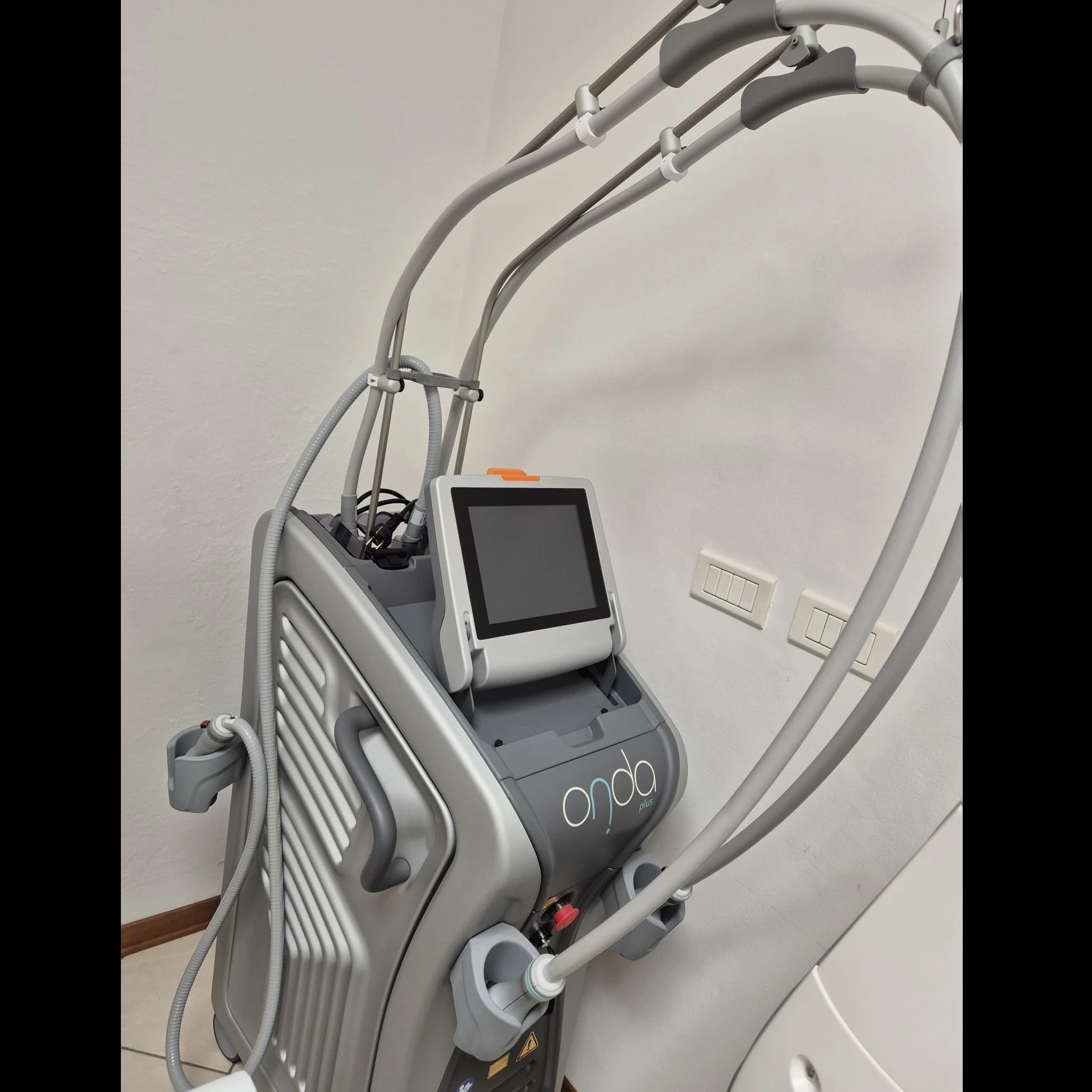
Onda Microwave Treatment: How Many Sessions, and How Long Do Results Last?
Onda uses microwave energy, the same technology behind a microwave oven, to heat the skin from within and act on fat cells and collagen at once. This article breaks down why microwaves reach deep into the fat layer, and why fat reduction and skin tightening happen together in a single session.
By Dr. Kim
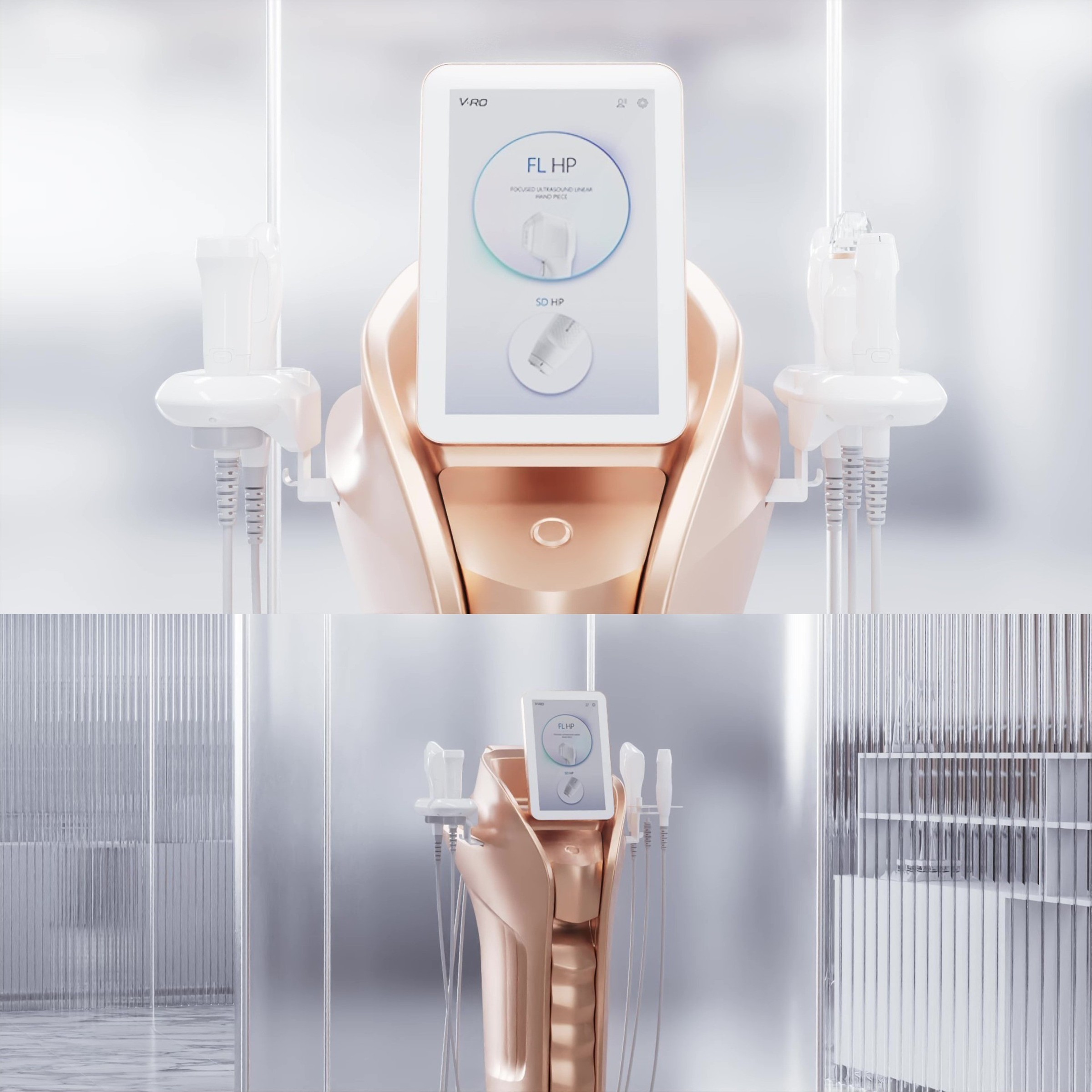
VRO Lifting: Ultrasound and Radiofrequency Differences, and Aftercare
VRO lifting combines two different energy types, ultrasound and radiofrequency, in a single session. The key idea is that each energy reaches a different depth in the skin, so together they can address both a shallow layer and a deep layer that neither one covers alone. This article breaks down how each energy works and why using them together actually makes sense.
By Dr. Lee
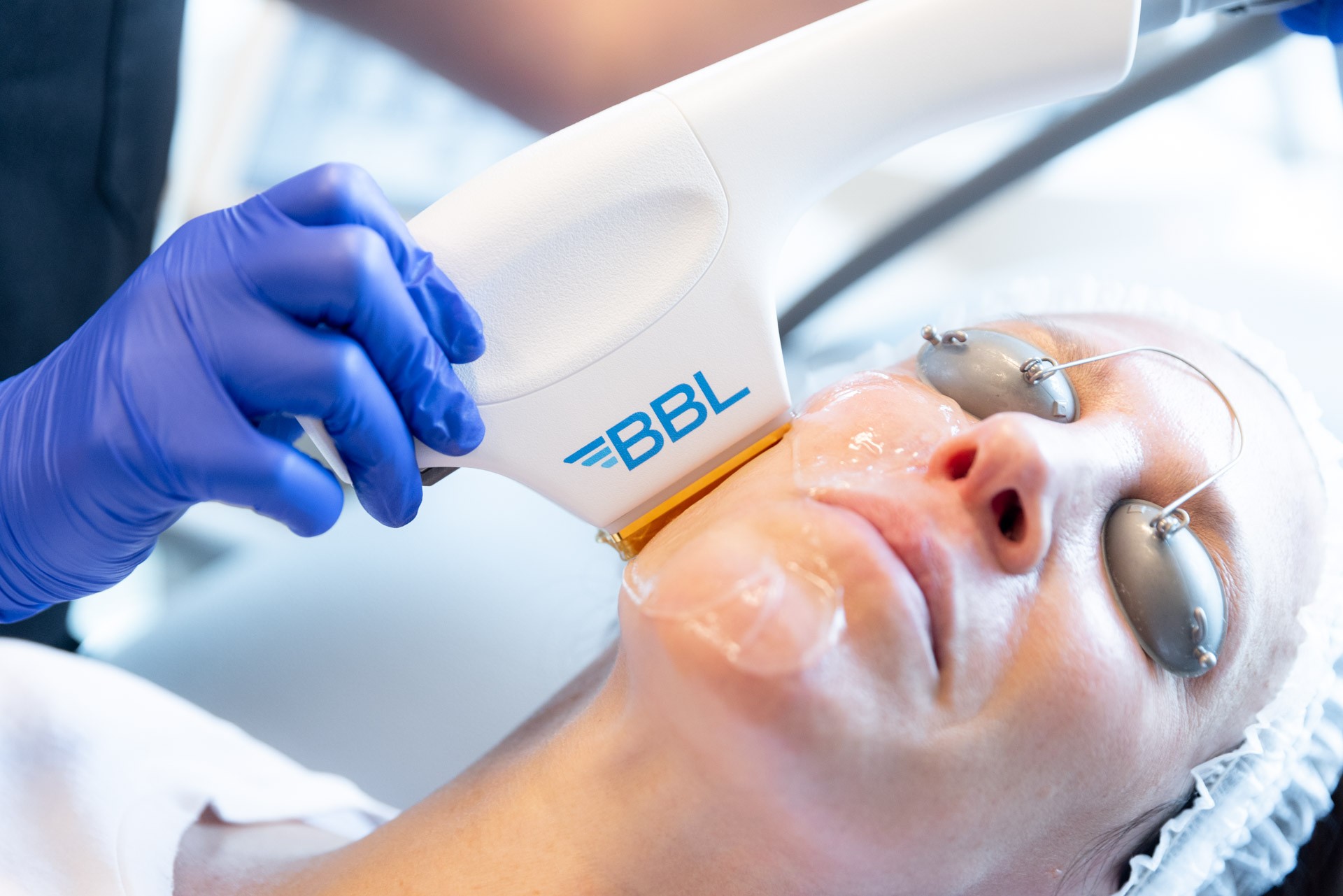
IPL Effects on Dark Spots and Redness, Including Sessions and Differences From Laser
Unlike a laser, which fires a single wavelength, IPL releases a broad spread of light all at once. That's what lets it reach two very different targets, melanin and hemoglobin, in the same pass, and understanding that mechanism explains why it's said to treat multiple concerns in one session.
By Dr. Kim