VRO Lifting: Ultrasound and Radiofrequency Differences, and Aftercare
By Dr. Lee7 min read
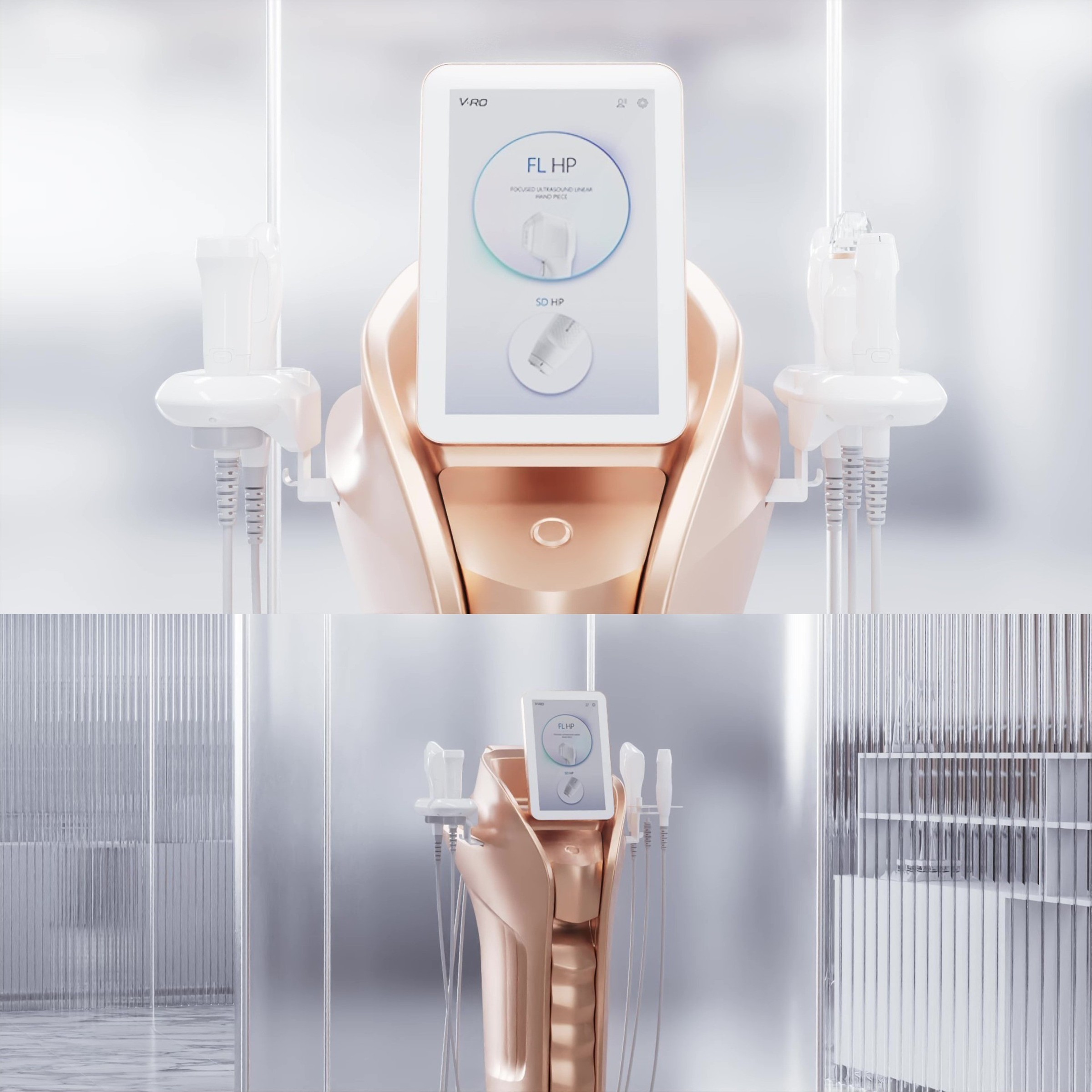
Look into lifting treatments and you'll usually find ultrasound and radiofrequency introduced as two separate options. VRO lifting, though, packs both into one device and fires them in sequence during a single session. Plenty of people wonder why anyone would bother mixing two energy types instead of just picking one.
The answer is fairly simple. Ultrasound and radiofrequency reach different depths inside the skin. One is better at heating the shallow layer, the other is better at pushing down into deeper tissue. Used together, they can cover the shallow layer through to the deep layer in sequence. This article walks through how each energy actually works, and why combining them is a reasonable approach.
What Kind of Treatment Is VRO Lifting?
As the name suggests, VRO lifting is a combination treatment that delivers ultrasound energy and radiofrequency energy one after the other. A single device houses both energy sources, so a single session can move from one to the other without a break.
The underlying principle for both energies is similar. Heat is applied to tissue deep in the skin so that collagen denatures, and as that heat injury heals, fresh collagen forms in response. It helps to think of it the same way the body reacts to a wound, triggering a repair process to fill in the damaged area. What differs between ultrasound and radiofrequency is how that heat gets generated, and how deep it travels.
How Does Ultrasound Reach the SMAS Layer?
Ultrasound, commonly known as HIFU, works by focusing sound energy onto a single point. It's a similar idea to using a magnifying glass to concentrate sunlight onto one spot, where only that spot heats up. When ultrasound energy is focused at a specific depth, temperature spikes sharply right at that point while the surrounding tissue is barely affected.
That focal point can reach past the dermis, down to the SMAS layer, the thin sheet of tissue that wraps the facial muscles and connective structures beneath the skin. This is the same layer that plastic surgeons pull and anchor during a facelift. Creating a series of tiny thermal injury points in this layer triggers a healing response that causes mild tissue tightening and new collagen formation.
The reason ultrasound can reach this deep is precisely because the energy is concentrated at a point rather than spread out. That lets it pass through the surface skin with relatively little disturbance while still delivering force to the deeper support structures.
Radiofrequency Depth and Characteristics
Radiofrequency, or RF energy, works on a different principle than ultrasound. RF passes electrical current through the skin, causing water molecules in the tissue to vibrate rapidly, and that vibration generates heat. Think of rubbing your hands together quickly, where friction produces warmth. Here, molecules vibrating and colliding with one another creates the heat instead.
Rather than concentrating energy at one point the way ultrasound does, this approach spreads heat relatively broadly and shallowly across whatever tissue the current passes through. That makes RF well suited to delivering even heat across the dermis just below the epidermis. Since the dermis is dense with collagen and elastic fibers, warming this layer broadly triggers collagen renewal across a wide area at once.
RF also spreads heat over a wider range than ultrasound, so it can cover more surface area in the same amount of time. The tradeoff is that because it doesn't concentrate force at a single point, it doesn't reach as deep as ultrasound can. It's a method that favors surface area and surface elasticity over depth.
Is One Energy Alone Not Enough?
This is where the case for combining the two energies comes in. Ultrasound is excellent at pinpointing and stimulating the deep SMAS layer, but it does relatively little for the shallow dermis in between. Radiofrequency, on the other hand, is strong at broadly heating the shallow dermis, but it doesn't transmit force effectively down to the deeper SMAS layer.
Use ultrasound alone and the deep layer gets addressed while surface elasticity is comparatively undertreated. Use radiofrequency alone and the surface warms up nicely while the deeper support structure stays untouched. Run both in sequence, and each one fills in the depth the other misses.
Think of it like building a house, where the foundation work and the finishing work are handled separately. Laying the foundation, which is the SMAS layer here, and finishing the walls and surface, which is the dermis, call for different tools and accomplish different things. A house needs both to end up sturdy and good looking, and lifting treatments work the same way, using energies suited to the deep layer and the shallow layer together so the change across the whole face comes out even.
Sagging Comes From Several Layers Together
The idea that the two energies handle different layers isn't just theory. Skin laxity in practice rarely comes from a single cause. It tends to build up from changes across several layers at once, including:
- SMAS layer laxity: With age, the connective tissue wrapping the facial muscles gradually stretches and loosens. When this layer loosens, the overall facial contour starts to sag downward.
- Reduced collagen density in the dermis: Collagen and elastic fibers in the dermis, just below the epidermis, gradually decline with age. As this layer thins, the skin surface loses elasticity and fine lines increase.
- Surface texture and tone: When the dermis is stimulated at a shallow level, surface texture can look more refined and tone can appear brighter. That's because restored moisture and collagen in the dermis reflect light more evenly.
Since these causes span multiple layers, a single energy type only addresses one or two of them. Combining ultrasound and radiofrequency lets both SMAS laxity and dermal collagen loss be stimulated at the same time, which is the reasoning behind treating several causes of sagging within one session.
In What Order Is the Treatment Done?
VRO lifting typically applies ultrasound first, followed by radiofrequency, stimulating the deep layer before moving to the shallow layer. The stated reason for this order is that stimulating the deep layer first, then following up with the surface layer, allows the tissue response to progress more naturally.
During treatment, both energies briefly raise tissue temperature to the point where collagen denatures. This can produce a stinging or hot sensation, which is generally understood as a sign that heat is reaching the intended depth. Some redness or mild swelling right after treatment is possible, and this is described as a normal tissue response to thermal stimulation.
Even after the session ends, new collagen formation continues gradually over weeks to months. Rather than expecting a dramatic change on the day of treatment, it helps to think of it as tissue remodeling that gradually fills in elasticity over time.
Aftercare for the Days Following Treatment
The treated area is more sensitive than usual right after receiving thermal stimulation, so aftercare should take that into account.
- On the day of treatment and for the following few days, it's recommended to avoid high heat environments like saunas or steam rooms. Adding extra heat to tissue that has already been thermally stimulated can put strain on the recovery process.
- Sun protection deserves particular attention. Newly forming collagen can be broken down again by UV exposure, so limiting sun exposure during recovery is understood to help the new collagen settle in properly.
- Redness or mild warmth right after treatment tends to settle within a day or two in most cases, though recovery speed can vary from person to person.
With this kind of aftercare in place, the support that ultrasound builds in the deep layer and the elasticity that radiofrequency fills in at the shallow layer can be expected to settle together over time.
References
Korean Dermatological Association, American Academy of Dermatology (AAD), and Ministry of Food and Drug Safety (MFDS).
Was this helpful?
About this article
Written by a practising aesthetic physician and intended for general education — not a substitute for individual medical advice.
Read next

Ontanium Treatment: How Onda and Titanium Work Together, and Results Compared
Ontanium is the name people use for a combo treatment that pairs two separate devices, Onda and Titanium, back to back in one session. Onda uses microwave energy to heat the dermis and fat layer, while Titanium fires a triple-wavelength laser that reaches both deeper tissue and the skin surface at once. Because the two devices generate heat through completely different physics, running them together closes gaps in depth that neither one covers alone.
By Dr. Kim
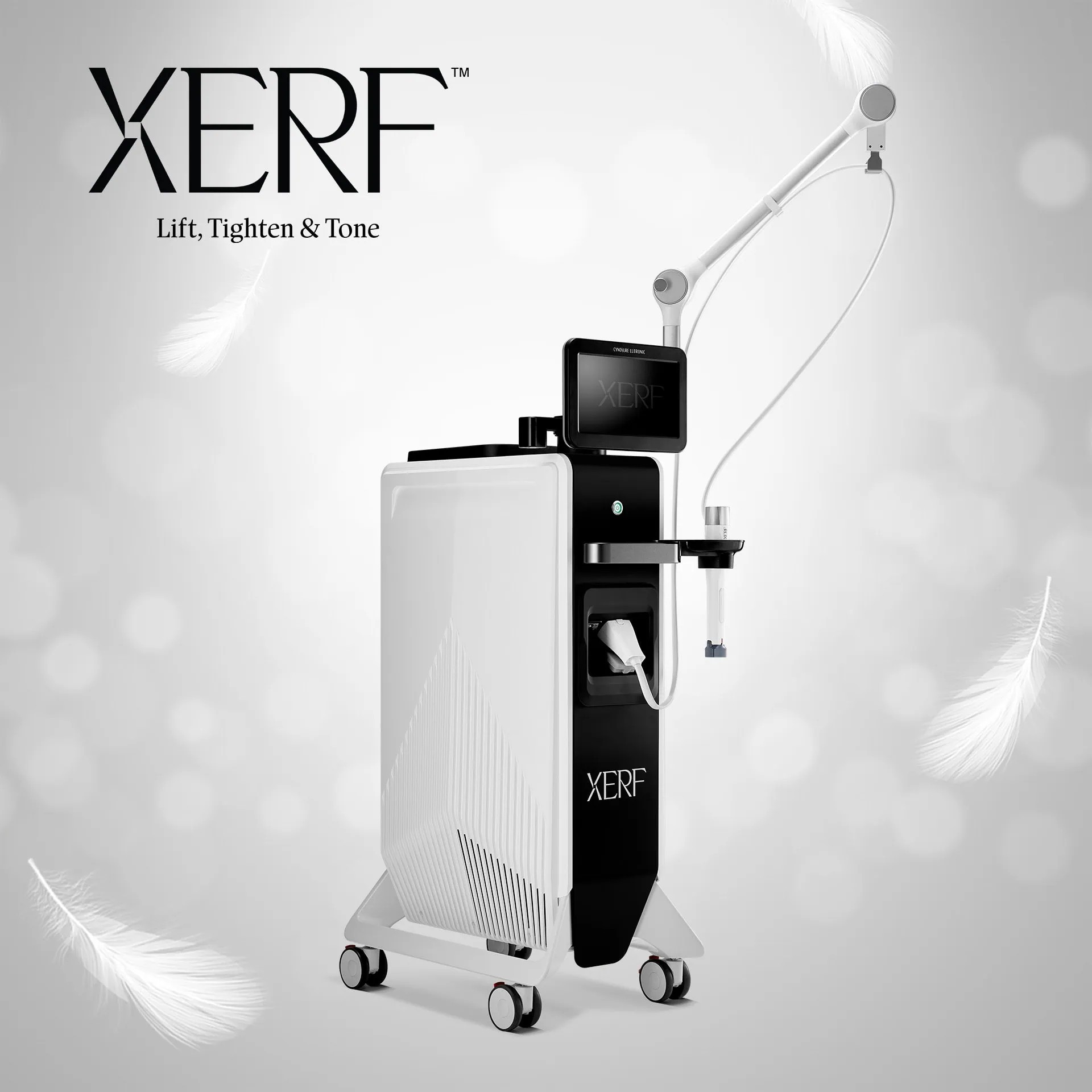
Xerf Radiofrequency Effect: What's Different About Using Two Frequencies Together?
Xerf is a radiofrequency lifting device that uses two different frequencies at once to stimulate both the shallow dermis and the deeper fascia layer. This article walks through the mechanism, from why heat reaches different depths depending on frequency, to collagen's immediate contraction and its longer remodeling process, plus the recommended number of sessions and how long results tend to last.
By Dr. Kim
HILO WAVE Skin Booster: How It Works, When Results Appear, and Aftercare
HILO WAVE is a skin booster that fuses two hyaluronic acids of different molecular sizes into a single structure. The low and high molecular weight forms are said to act at different depths and speeds, stimulating collagen and elastin production together inside the skin. This article breaks down how that dual hyaluronic acid structure actually works, focusing on the underlying mechanism.
By Dr. Kim