Excel V Laser for Redness and Dark Spots, Including Sessions and Downtime
By Dr. Kim9 min read
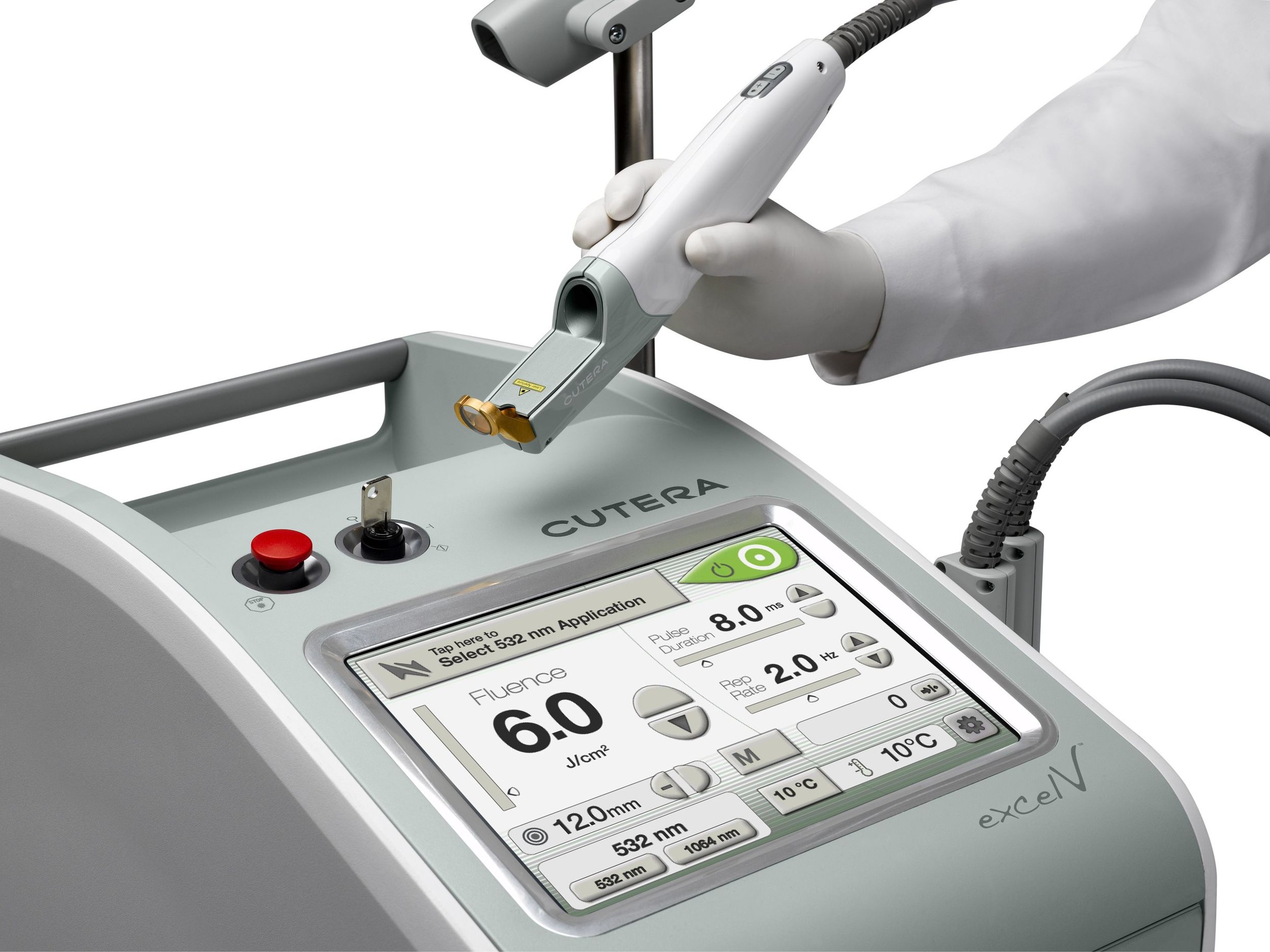
You look in the mirror and notice your cheeks look flushed, or a scatter of light brown spots keeps showing up along your cheekbones. The tricky part is that these two things come from completely different causes. Redness happens when tiny blood vessels under the skin widen and show through the surface. Brown spots happen when melanin pigment clumps together and builds up. That is why patients used to need one device for vessels and a separate one for pigment.
The Excel V laser was designed to handle both problems, one after another, within a single device. Let's look at how one machine can identify and target two completely different things.
How does a laser pick out color?
Laser light is a beam tuned to one specific wavelength, essentially a particular color and length of light. Different substances in your skin absorb different wavelengths. Hemoglobin in blood absorbs shorter wavelengths, closer to green, more readily than the red end of the spectrum. Melanin works the opposite way in one sense: the shorter the wavelength, the more strongly it gets absorbed, and absorption drops off as the wavelength gets longer.
That difference is what lets a laser dial in on one target at a time, just by adjusting the wavelength. It's a bit like tuning a radio: change the frequency (the wavelength) and you pick up a different station (the substance that absorbs it). Set it one way and you're targeting vessels. Set it another way and you're targeting pigment.
Why does Excel V have two wavelengths?
The Excel V is built around two main wavelengths, 532 nanometers and 1064 nanometers. At 532 nanometers, the wavelength is short enough to be strongly absorbed by both hemoglobin and melanin. That makes it the workhorse wavelength for shallow vascular issues like broken capillaries and flushing, as well as for pigment sitting closer to the surface, like sunspots or age spots.
At 1064 nanometers, the wavelength is longer, so melanin absorbs it less, but that same length lets it reach deeper into the skin. Lower melanin absorption is actually an advantage here, since less energy gets siphoned off by surface pigment, leaving more to travel down into the deeper layers. That's why this wavelength is used more for larger, deeper venous vessels and deep-seated vascular issues like red scarring, rather than fine surface capillaries.
Put another way, the shorter 532 nanometer wavelength is absorbed strongly by both hemoglobin and melanin, so it handles shallow vessels and surface pigment together. The longer 1064 nanometer wavelength is absorbed less by melanin but reaches deeper, so it is used for larger, deeper vessels. In practice, that means choosing the short wavelength for surface-level redness or brown spots, and the long wavelength for thicker vessels sitting deep in the dermis, matching the tool to the depth and nature of the problem.
Why do capillaries and dark spots form?
Once you understand the mechanism, the maintenance side makes a lot more sense too. Facial redness is mostly small blood vessels under the skin that have widened and become visible near the surface. Going from a cold room into a hot one, spicy food, alcohol, saunas: anything that repeatedly dilates blood vessels gradually wears down the elasticity of the vessel wall. Once a vessel has stretched out, it often doesn't shrink back on its own, and it tends to stay that way. That's part of why capillaries become more noticeable with age, or in people whose skin tends to flush easily to begin with.
Brown spots come from a somewhat different story. When skin is exposed to UV light, it produces more melanin as a form of self-protection. That response itself is completely normal. The problem shows up when melanocytes in a specific area get overstimulated and end up stacking pigment in one spot. That's also why spots tend to cluster in areas that get the most sun exposure over time, like the cheekbones and forehead. If your skin is genetically prone to pigmentation, you can develop spots more easily from the same amount of sun exposure. In other words, vessels and pigment start from entirely different causes, which is exactly why lasers approach them in different ways.
How do vessels and pigment react to the laser?
Once laser light is absorbed by its target, that spot heats up instantly. In blood vessels, this heat damages the cells lining the inside of the vessel wall, causing it to gradually shrink and close off. The body then recognizes this vessel as tissue it no longer needs and clears it away naturally.
Pigment works through a somewhat different mechanism. When a clump of melanin absorbs a sudden burst of heat and mechanical shock, it shatters into tiny particles. These broken-down fragments are either cleared away by the body's immune cells acting like cleanup crews, or pushed up toward the surface and shed along with dead skin cells. So vessels are dealt with by "sealing them off," while pigment is dealt with by "breaking it apart and clearing it out." The two approaches are genuinely different.
What if both are mixed on the same face?
Vascular redness and pigmented spots often show up together on the same face, which makes sense once you consider that sun exposure widens vessels and ramps up melanin production at the same time. With a single-wavelength device, treating the other issue would mean booking a separate appointment on a different machine and building an entirely new treatment plan.
A device that can switch between wavelengths lets a clinic move through different areas with different wavelengths within a single visit. That simplifies the treatment planning process. It doesn't mean both problems get solved simultaneously in a single pass. In practice, the treatment is still done area by area, applying each wavelength to the region it suits, all within the same appointment.
Differences in how redness and spots are treated
For redness, the common approach is passing over a broader area at a relatively low intensity, two to three passes, building up the effect gradually rather than going in hard all at once. Vessels vary in thickness and depth, so a staged approach is considered safer than pushing full intensity from the start.
Spots tend to have more clearly defined borders, so treatment often targets the specific area directly, almost like spot-treating a mark. Energy is adjusted based on how dense or how deep the pigment sits, and whether it's closer to the surface or seated deeper in the dermis changes the approach as well. So even with the same device, outcomes can vary quite a bit depending on how the practitioner reads the lesion.
Number of sessions and downtime
- Redness tends to fade gradually as vessels shrink over time, so most people go through 3 to 5 sessions spaced apart. The idea isn't to clear every vessel in one go, but to give the body time across those 3 to 5 sessions to naturally process and clear the treated vessels.
- Spots vary quite a bit depending on how concentrated the pigment is. Lighter spots can fade in 1 to 2 sessions, while darker or deeper pigment often needs 3 to 5 sessions spaced 3 to 4 weeks apart. Going too aggressive in a single session can raise the risk of complications like post-inflammatory pigmentation, so a gradual approach is generally recommended.
- Downtime tends to be short overall. Vascular areas may show some temporary redness or faint bruising, while pigmented areas may develop crusting or flaking for about 3 to 7 days. Strict sun protection during this window is considered important for preventing pigment from coming back.
Care before and after treatment
Before treatment, it helps to keep your skin as calm and undisturbed as possible. Avoid sunbathing or tanning for 2 weeks beforehand, and it's safer to pause exfoliating actives like retinol for a while. If skin that's already irritated gets hit with laser heat on top of that, recovery slows down and the risk of leftover pigmentation goes up.
Right after treatment, the area may look red or slightly swollen, which is considered a normal response to the heat. During this period, sunscreen needs to be reapplied more often and more thoroughly than usual, since freshly treated skin is particularly prone to pigment darkening or temporary discoloration.
- If a crust forms, let it fall off naturally rather than picking at it. Forcing it off can lead to scarring or pigmentation.
- Avoid hot saunas, intense exercise, and alcohol for 3 to 5 days after treatment, since re-dilating the vessels can make redness linger longer than expected.
- Pay extra attention to moisturizing. Keeping the skin well hydrated while the barrier recovers is said to help the results of the next session hold up better too.
Skin conditions to check before treatment
How your skin responds to the laser depends on your skin type, meaning how much melanin your skin naturally carries. Skin with more melanin can react more broadly to the laser, including normal surrounding tissue, so settings usually need to be more conservative in that case. Recent sun exposure or certain medications can also mean the timing of treatment needs to be adjusted.
That's why a dermatologist checking your skin and identifying the actual cause of the lesion beforehand is considered a necessary step. Something that looks like redness could actually be an inflammatory condition, and something that looks like a brown spot could be a pigment issue with a completely different cause, so accurate diagnosis has to come first.
Melasma in particular can look similar to ordinary brown spots on the surface, but it often has a different cause and reacts differently to treatment. When hormonal changes or irritation are involved, laser stimulation itself has been reported to sometimes make the pigment darker rather than lighter. So figuring out exactly what type of lesion you're dealing with first is a step that can determine the outcome, and even for the same brown mark, the settings and treatment intervals can end up quite different depending on the diagnosis.
References
Korean Dermatological Association, Ministry of Food and Drug Safety (MFDS), American Academy of Dermatology (AAD), and U.S. Food and Drug Administration (FDA).
Was this helpful?
About this article
Written by a practising aesthetic physician and intended for general education — not a substitute for individual medical advice.
Read next
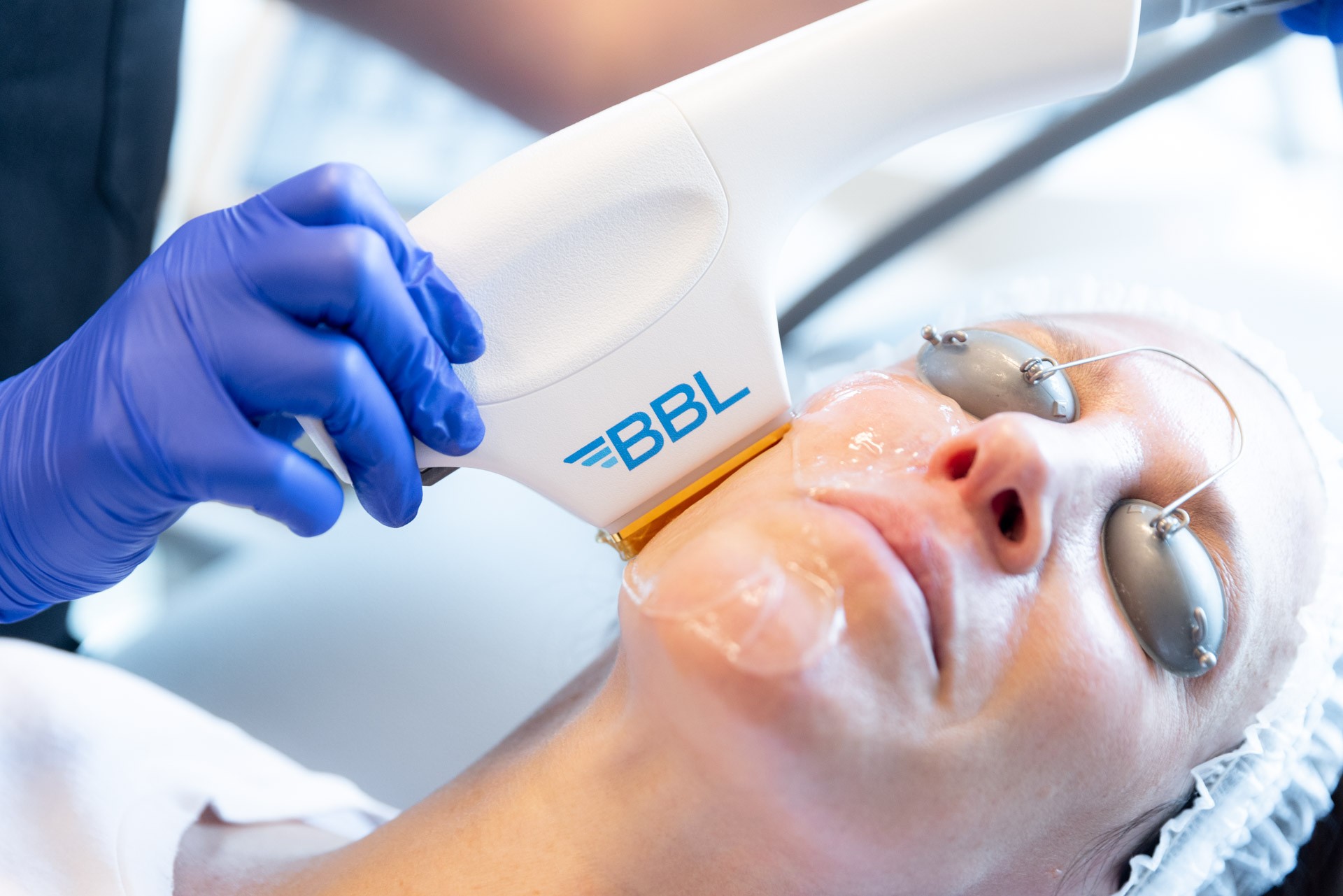
IPL Effects on Dark Spots and Redness, Including Sessions and Differences From Laser
Unlike a laser, which fires a single wavelength, IPL releases a broad spread of light all at once. That's what lets it reach two very different targets, melanin and hemoglobin, in the same pass, and understanding that mechanism explains why it's said to treat multiple concerns in one session.
By Dr. Kim
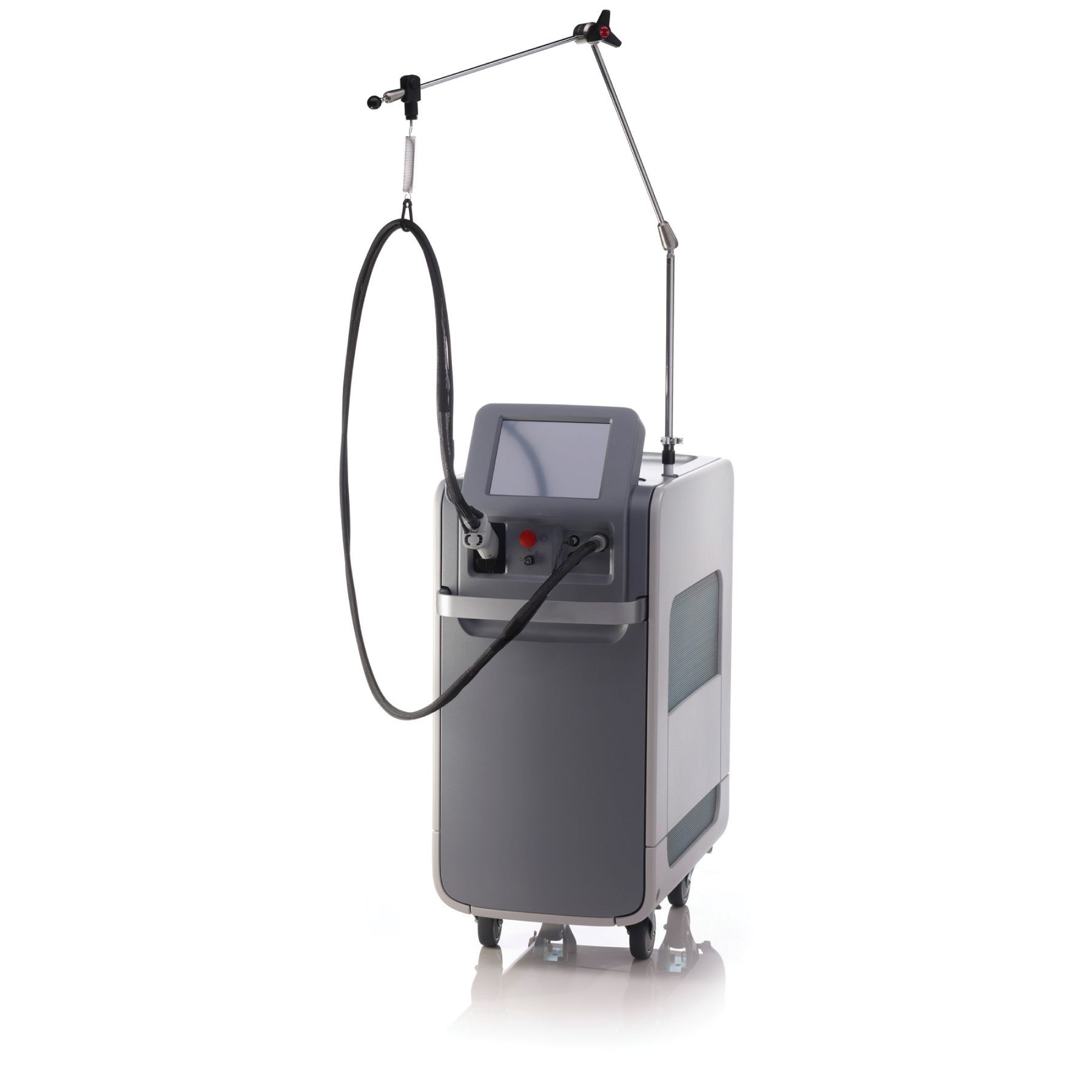
Alex Toning: Effects, How It Works, Side Effects and Aftercare
Alex toning uses a 755nm alexandrite laser that is selectively absorbed by melanin to fade dark spots and pigmentation. Here is how the wavelength concentrates heat only in pigment cells, and why treatments are split into multiple low-energy sessions.
By Dr. Kim

IPL Versus Laser for Dark Spots and Redness: Differences and Effects Compared
IPL is a device that uses a broad band of light to treat dark spots, redness, and fine hair all in one session. For clearly defined spots or deep pigment, pico and toning lasers have taken the lead. But for redness, rosacea, photoaging, and hair removal, the concerns that overlap on one face, IPL still holds up well.
By Dr. Lee