Hollywood Spectra Toning Effects and Side Effects, Including Carbon Peel
By Dr. Lee9 min read
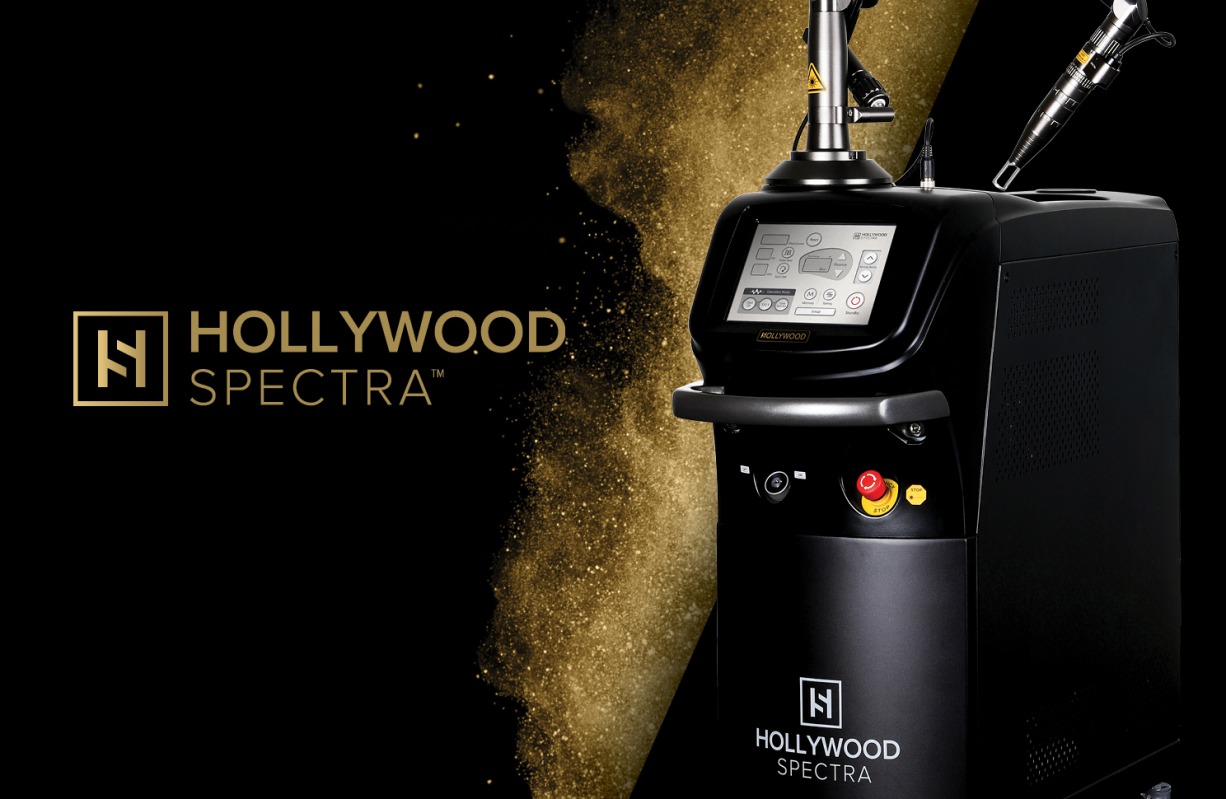
When you want to address melasma, pigmentation, enlarged pores, and dull tone all in one go, Hollywood Spectra is a name that comes up often. It is a Q-switched Nd:YAG laser, best known for a treatment called the carbon peel, where a black carbon lotion is applied to the face, then a low-power laser is passed over it repeatedly. Despite the flashy name, it is actually a fairly standard pigment laser that uses two wavelengths, 1064nm and 532nm, chosen to fit the situation.
The confusing part is exactly what the carbon peel and toning actually do, how well they work on melasma, and whether there is real evidence behind the pore and tone improvements. The approach is also different from treatments for Ota nevus, where pigment sits deep in the skin, or pico toning, which targets shallow spots. Below is a rundown of how it works, what the actual research shows, and what is worth knowing before you go in for treatment.
What kind of laser is Hollywood Spectra?
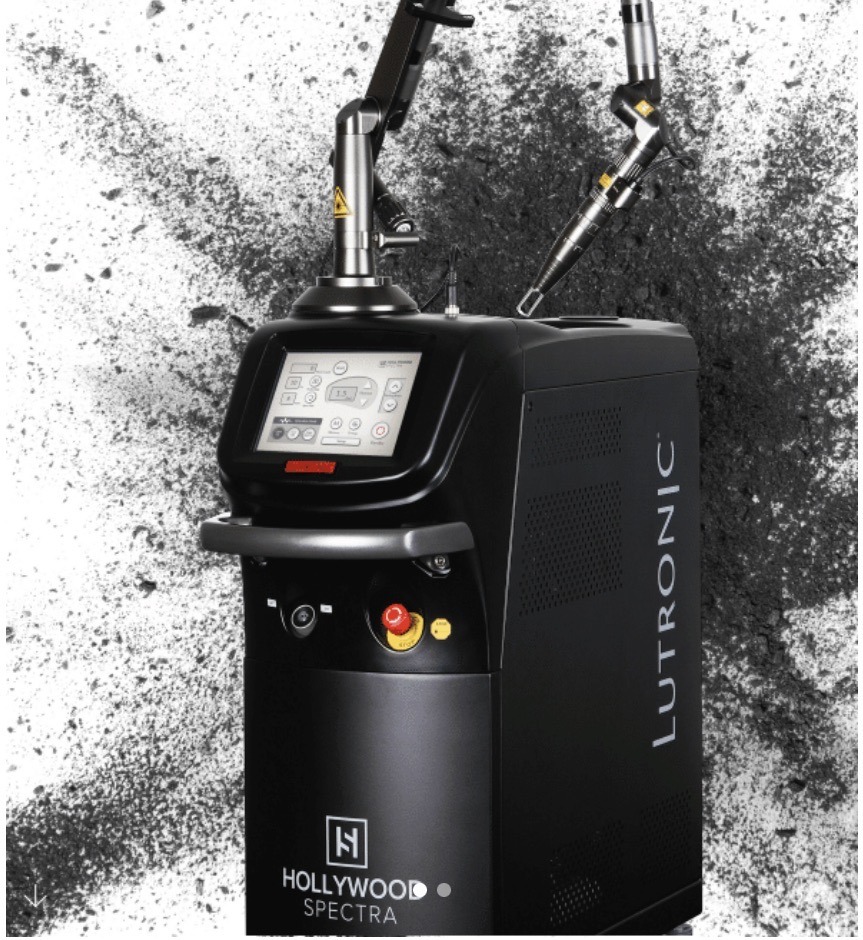
Hollywood Spectra is a Q-switched Nd:YAG laser. It belongs to the traditional family of pigment lasers that fire intense light in extremely short pulses to break down pigment, a method that has long been used in dermatology clinics. It uses two wavelengths: 1064nm, which reaches deep into the dermis, and 532nm, which is strongly absorbed by pigment closer to the surface.
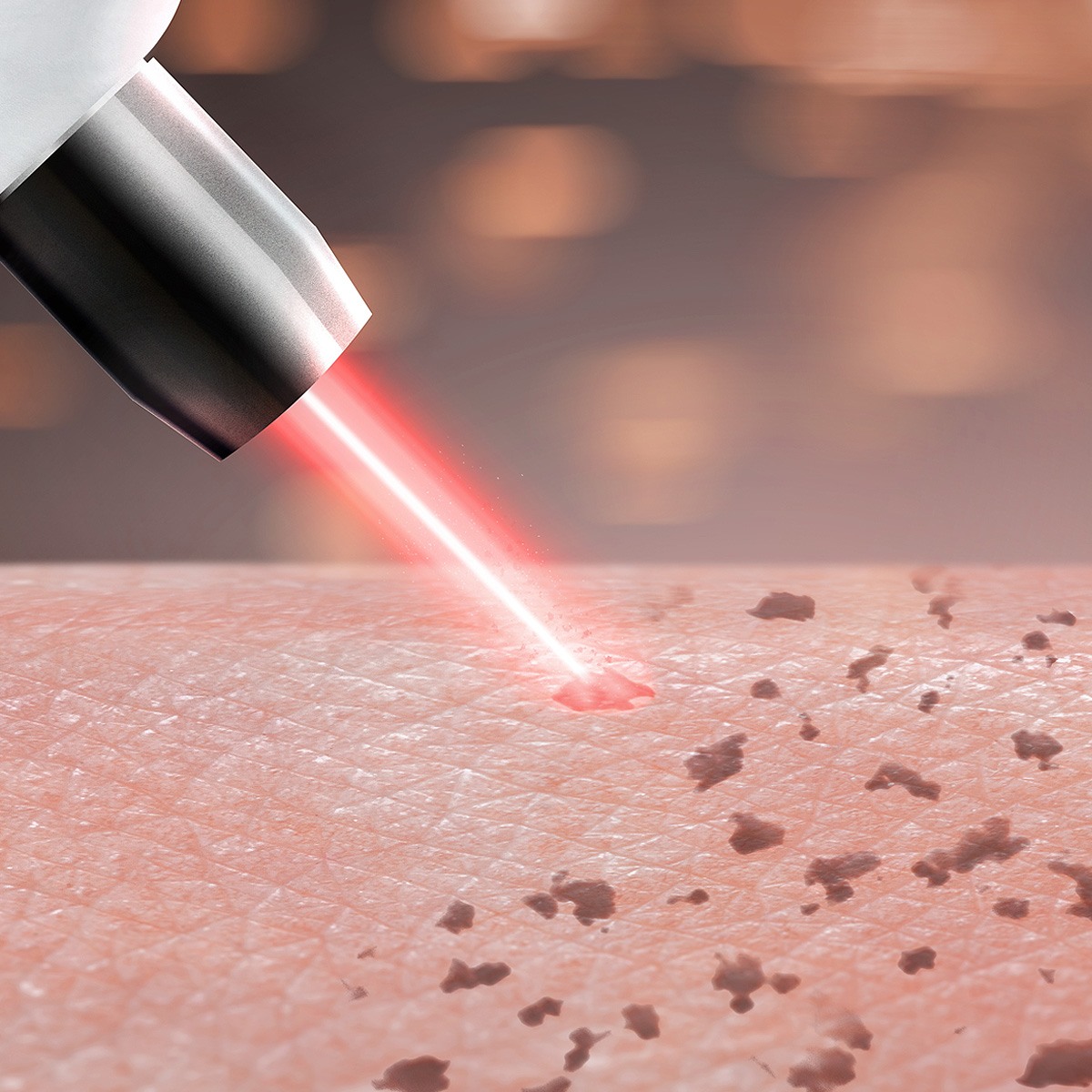
This device is known primarily for a treatment called the carbon peel. A thin layer of black carbon lotion is applied to the face, then a low-power 1064nm laser passes over it repeatedly, burning the lotion away. The carbon particles act as a medium that absorbs the laser light, lightly exfoliating surface dead skin and debris and burning out matter trapped in the pores. That is why the carbon peel is often used not just for pigment but also to improve pores, texture, and tone.
Even with the same low-power 1064nm repetitive-pass technique, the name changes slightly depending on the goal. Without carbon lotion, targeting melasma pigment alone, it is usually called laser toning. Add the carbon lotion, and it becomes the carbon peel. Both can be done with the same Hollywood Spectra device, so clinics commonly decide whether to add carbon based on how the skin looks that day.
Does the carbon peel help pores?
The mechanism behind the carbon peel is simpler than it sounds. Carbon is black, so it absorbs nearly all wavelengths of light well. Once applied to the face, carbon particles work their way into the pores and the gaps in the stratum corneum. When the 1064nm laser is fired over it, the carbon heats up instantly and vaporizes, pushing away the surrounding dead skin and debris along with it.
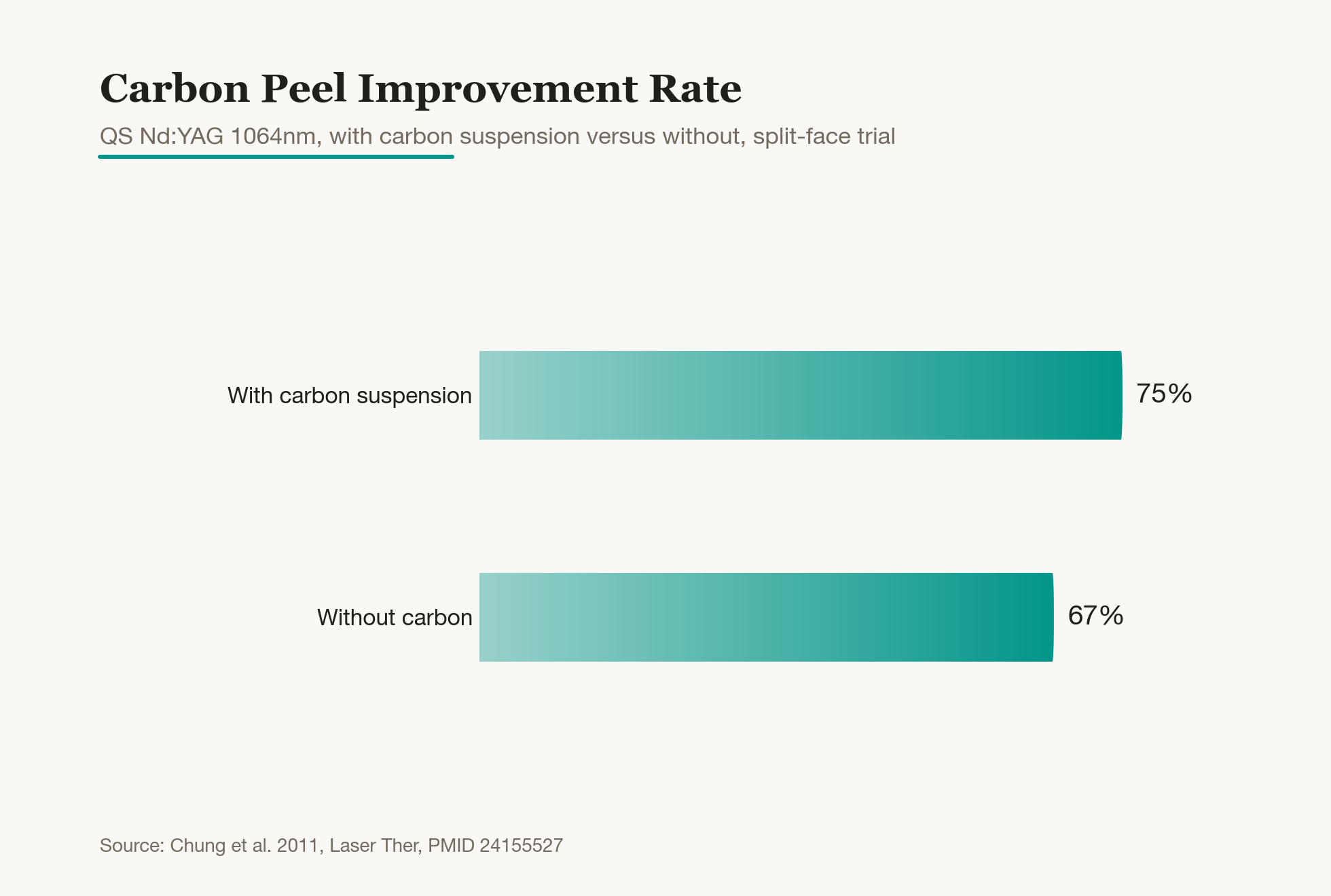
This leaves the skin surface smoother, and pores that had been enlarged can temporarily look tighter. The heat is also thought to give a light stimulus to collagen in the dermis, helping brighten the overall tone. Research has looked into whether carbon actually adds to the effect. In a split-face trial, with carbon lotion applied to one side and the same laser used alone on the other, the carbon side was rated as improved by 75%, versus 67% for the laser-only side. The difference is not large, but it points to carbon giving a modest extra boost.
That said, most of the carbon peel's pore- and tone-improving effect comes from temporary surface exfoliation. It is more realistic to think of it as a way to clear the surface and make skin look brighter day to day than as something that permanently shrinks pore size. That is why it tends to be used as an ongoing maintenance treatment, repeated every few weeks, rather than as a single session.
Difference between the 1064nm and 532nm wavelengths
Hollywood Spectra lets practitioners choose between the two wavelengths within the same device, depending on the situation. A different wavelength changes both how deep the light reaches and which type of pigment absorbs it.
| Category | 1064nm | 532nm |
|---|---|---|
| Reach | Deep dermis | Shallow epidermis |
| Main target | Melasma, carbon peel, tone | Freckles, spots, age spots |
| Darker skin | Relatively safe | Higher pigmentation risk |
| Typical use | Low-power toning, carbon peel | Spot treatment of localized pigment |
For pigment spread widely through the dermis, like melasma, or for the carbon peel, 1064nm is used repeatedly at low power. Because it causes little epidermal irritation, it can be repeated fairly safely even on skin types prone to post-treatment pigmentation, such as Korean skin. On the other hand, distinct surface pigment like freckles or age spots responds well to 532nm targeted precisely at each spot. Since 532nm is absorbed strongly by the epidermis, though, the risk of pigmentation changes is higher on darker skin, so power needs to be kept low and areas chosen carefully.
In practice, both wavelengths are sometimes combined in a single session, passing 1064nm over the broader melasma first, then finishing with 532nm targeted at a few especially dark spots. How much of each wavelength to use is a call the practitioner makes based on pigment photos and skin tone, so getting a thorough explanation of your particular pigment pattern at the first consultation can help improve the outcome.
How effective is it for melasma?
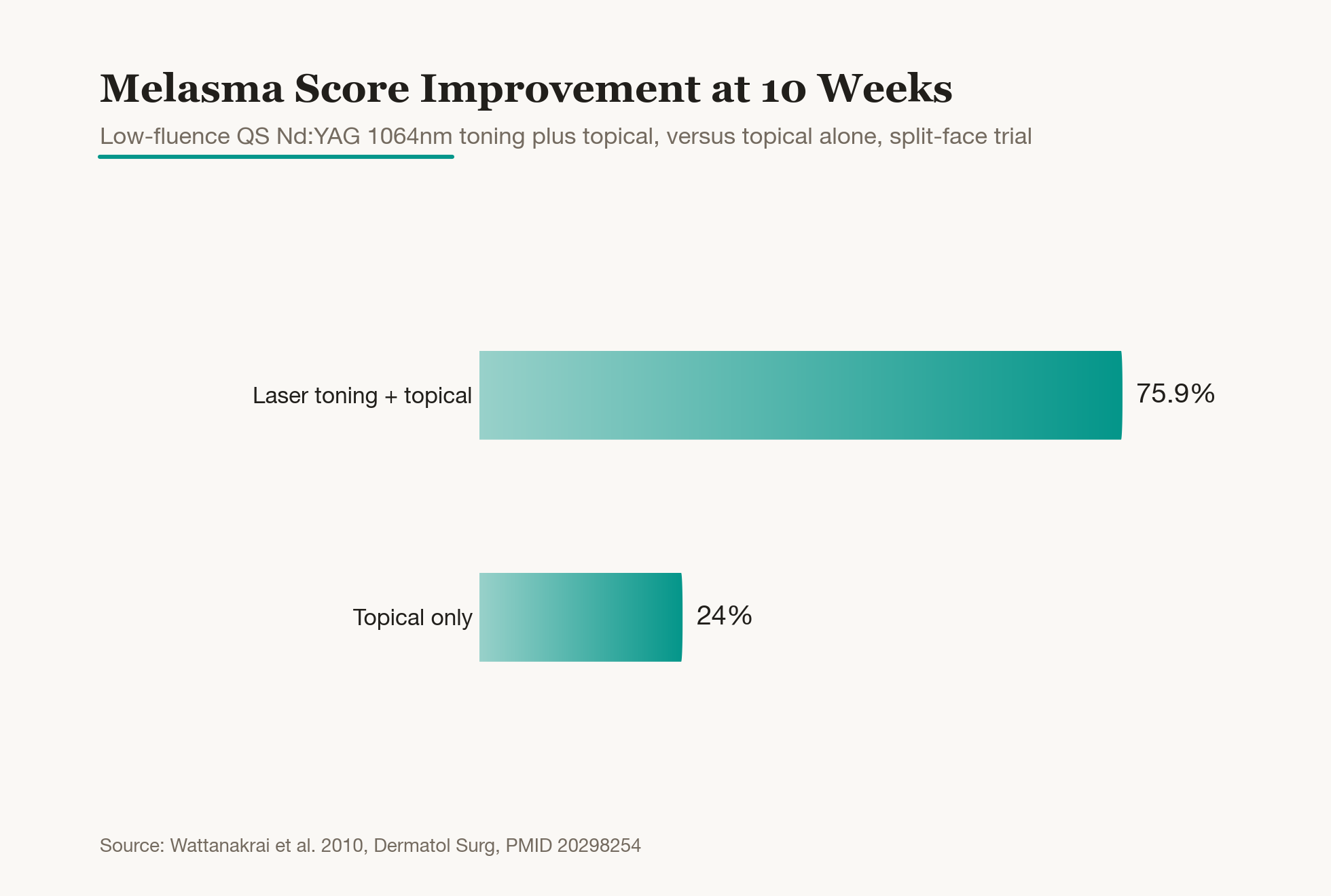
The size of the effect on melasma varies between studies, but they consistently point in the same direction: it helps. In a trial with melasma patients who had a dermal pigment component, one side of the face received low-power 1064nm toning combined with a brightening cream, while the other side received the cream alone. After 10 weeks, the side that added the laser showed a 75.9% improvement in melasma score, compared with just 24% for the cream-only side.
A review summarizing this result along with several other studies found melasma score improvements ranging widely, from around 30% to over 75% depending on the study. This means outcomes vary quite a bit depending on skin type, the depth of the melasma, and how many sessions were done. A course typically runs about 8 to 10 sessions, spaced weekly to every other week.
What matters most is that the laser's effect becomes more pronounced when it is combined with basic care like a brightening cream. Rather than clearing melasma on its own, the laser plays more of a role in speeding up the lightening process alongside topical brightening ingredients and daily sun protection. Skipping that basic care and relying on treatment alone can mean the results fall short of expectations.
Side effects and possible recurrence
The 10-week trial mentioned above also tracked side effects. On the laser-treated side, hypopigmentation, showing up as white patches, appeared in 3 of 22 people, and rebound hyperpigmentation, where the color actually darkens, appeared in 4 of 22. That works out to roughly 1 or 2 in 10 people experiencing this kind of pigment side effect, which is not a negligible risk. Hypopigmentation in particular tends not to reverse easily once it appears, which makes it worth extra caution.
Recurrence is also fairly common. In one study, 58.8% of patients saw melasma darken again within a year of finishing treatment, and another study reported a rate of 81%. That translates to roughly 6 to 8 out of every 10 people seeing pigment return over time. As long as the underlying causes of melasma, like UV exposure and hormones, remain in place, the laser only clears out pigment that has already formed; it cannot prevent recurrence on its own.
The carbon peel adds more stimulation than toning alone, so mild redness or a stinging feeling can show up on the day of treatment. This usually settles within a few hours and causes little disruption to daily life. To reduce the risk of pigment side effects, though, it is safer to keep sessions spaced 2 to 4 weeks apart rather than getting them too frequently, and to wear sunscreen daily.
How does it differ from Ota nevus treatment and pico toning?
Hollywood Spectra addresses a range of pigment issues, and comparing it with other pigment treatments makes its character clearer. Even within the same Q-switched Nd:YAG family, the target pigment and approach differ.
| Category | Ota nevus | Hollywood Spectra toning | Pico toning |
|---|---|---|---|
| Pigment location | Deep dermis, congenital | Epidermis and dermis, acquired melasma | Mainly epidermis, spots and tattoos |
| Main wavelength | 1064nm | 1064nm, 532nm | Various wavelengths |
| Add-on option | None | Carbon peel, pore and tone care | Fractional handpiece |
| Pigmentation risk | Relatively low | Relatively low, caution with repetition | Relatively lower |
Ota nevus treatment targets pigment that has sat deep in the dermis from birth, using the same 1064nm at higher power, spread across several sessions over many months. That makes it fundamentally different in target pigment from Hollywood Spectra toning, which addresses acquired melasma, tone, and pores. Pico toning uses a picosecond laser, firing light in much shorter bursts. Because heat spreads less, pigmentation risk is generally lower, making it a good alternative for skin prone to post-treatment pigmentation or for cases where several types of pigment overlap.
In the end, all three are pigment lasers, but which one fits best depends on whether your pigment is congenital or acquired, and whether it sits near the surface or deep in the skin. If you want to address pores and tone at the same time, Hollywood Spectra toning with an added carbon peel can be a practical choice, and if your skin is especially prone to pigmentation changes, pico toning is worth considering as well. Whichever treatment you choose, getting an accurate diagnosis of your pigment type and keeping sessions at a reasonable interval matters most.
Was this helpful?
About this article
Written by a practising aesthetic physician and intended for general education — not a substitute for individual medical advice.
Read next
Q-Switched Laser Toning: How It Works, White Spot Side Effects, and Treatment Interval
Laser toning fires low energy again and again instead of one strong blast, and there is a real reason for that. Here is the pigment-breakdown science behind it, how overtreatment can trigger side effects like hypopigmentation, and how to keep session spacing safe.
By Dr. Lee
Clarity II Toning: Effects, How It Works and the Difference Between 755 and 1064 Nanometers
Clarity II toning pairs an alexandrite laser with an Nd:YAG laser in a single device, treating shallow spots and deeper melasma with two different approaches. Here is why two wavelengths are needed and how toning differs from a procedure that removes a mole.
By Dr. Kim

LaseMD Thulium Laser: Effects on Melasma and Dark Spots, and Recovery Time
LaseMD is a non-ablative fractional treatment that uses a 1927nm thulium laser to target only the skin's shallow epidermal layer. Here is a rundown of the clinical evidence behind its effects on melasma, pigmentation, pores, and tone, along with what the research actually shows about LaseMD Ultra's ampoule-absorption effect.
By Dr. Kim