LaseMD Thulium Laser: Effects on Melasma and Dark Spots, and Recovery Time
By Dr. Kim7 min read

If melasma or pigmentation spots are bothering you and you start looking into laser options, the name LaseMD comes up often. What draws people in is that, unlike ablative lasers, it does not leave scabs or cause long-lasting swelling, yet it still improves tone and pigmentation. Even so, few people actually know how it works.
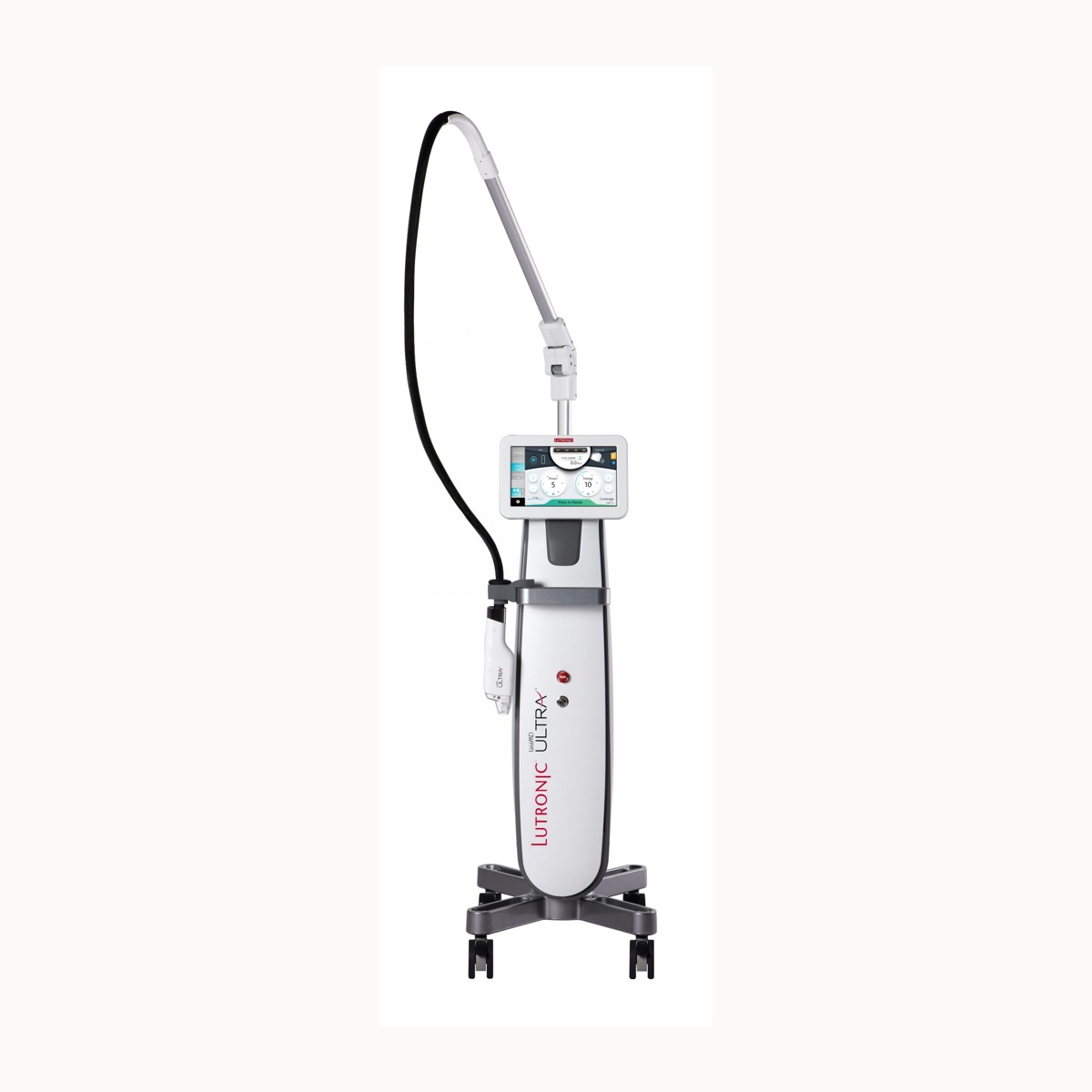
LaseMD is a non-ablative fractional device that delivers a 1927nm thulium fiber laser in a dense grid of tiny dots. Because it targets moisture in the shallow layer of the epidermis, downtime is short, and it is used broadly for melasma, pigmentation, pores, and dull tone. More recently, LaseMD Ultra has come into use as well, which is said to help brightening ampoules and similar products absorb better right after treatment. Here is what the actual research shows about that, too.
How the 1927nm thulium laser works
LaseMD is a 1927nm thulium fiber laser made by Lutronic, based in the United States. 1927nm is a wavelength that is readily absorbed by water, so it targets moisture within the skin to create microscopic thermal injury. Because the laser is delivered in a fractional pattern, broken into a dense array of tiny dots, it creates only very small pinpoint zones of micro-injury rather than affecting the entire skin surface.
The key point here is that it is non-ablative. Ablative lasers like CO2 or Erbium:YAG strip away the epidermis, but LaseMD leaves the epidermal structure intact and only stimulates a shallow depth. As a result, there is no scabbing after treatment, just some redness and light flaking, and recovery typically wraps up within a few days.
Because of this shallow depth, it is better suited to concerns close to the epidermis, like melasma, pigmentation, pores, and dull tone, rather than deep scarring. For issues that sit deeper in the dermis, such as acne scars or deep wrinkles, it is often combined with other devices.
How much do melasma and spots fade?
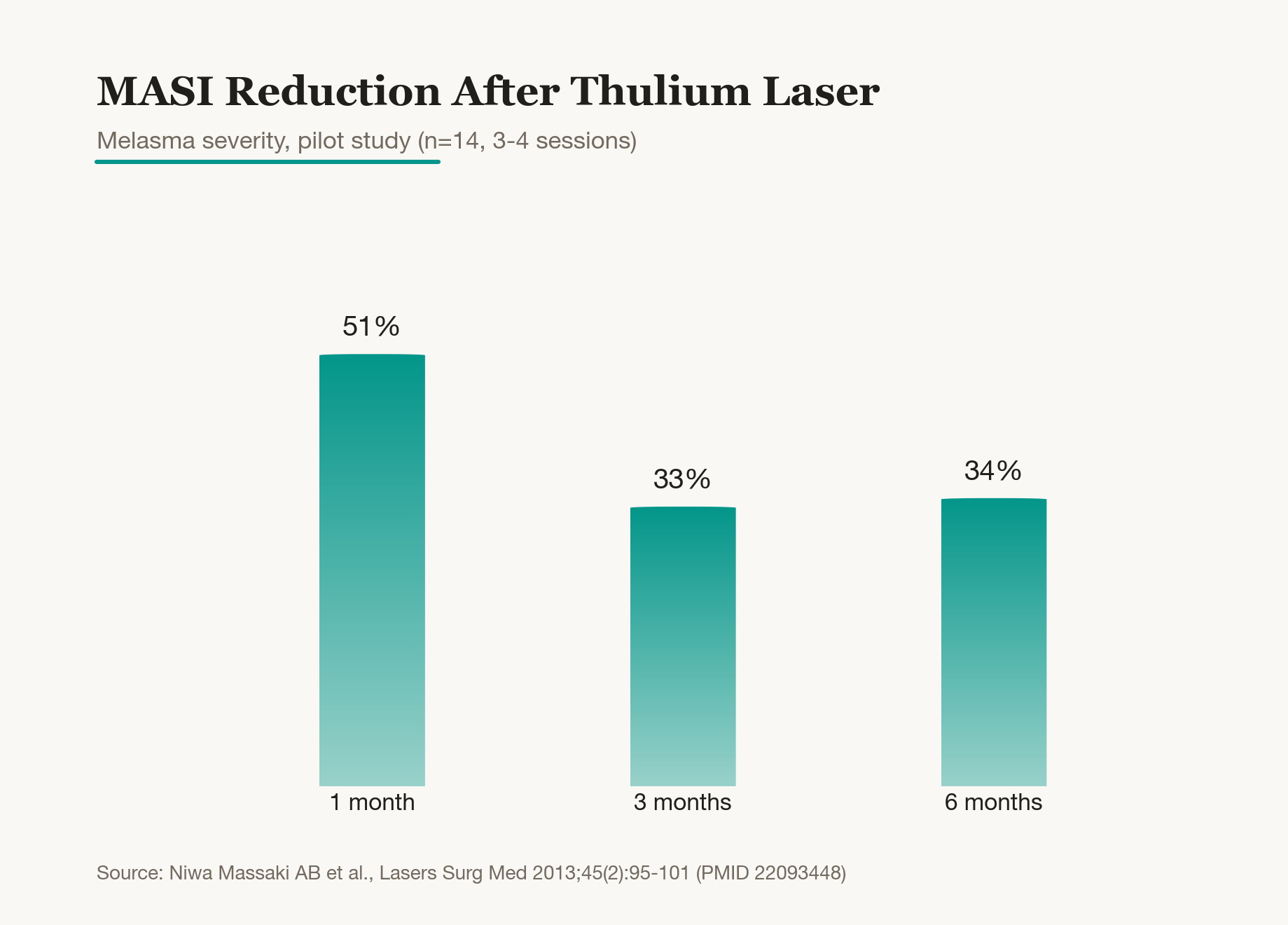
Its effect on melasma has been confirmed in several clinical studies. In an early study of 14 people, melasma severity scores dropped by 51% at the 1-month mark after 3 to 4 treatment sessions spaced 4 weeks apart. At 3 and 6 months, the reduction eased slightly to 33% and 34%, but the improvement was maintained.
A retrospective study of 100 patients found that just 2 sessions, spaced a month apart, brought melasma scores down by 43% after the first session and 71% after the second. Neither study reported side effects such as scarring or significant pigmentation changes.
Brown pigmentation on the surface, like sunspots and age spots, is thought to lighten through a similar mechanism. In a study of 40 people, 82% reported overall pigmentation improvement one month after two treatment sessions, and 68% reported improvement when looking specifically at spots and freckles. By the three-month mark, though, those figures had eased to 69% and 51%, suggesting that follow-up sessions may be needed to maintain results.
Effects on pores, skin texture, and tone
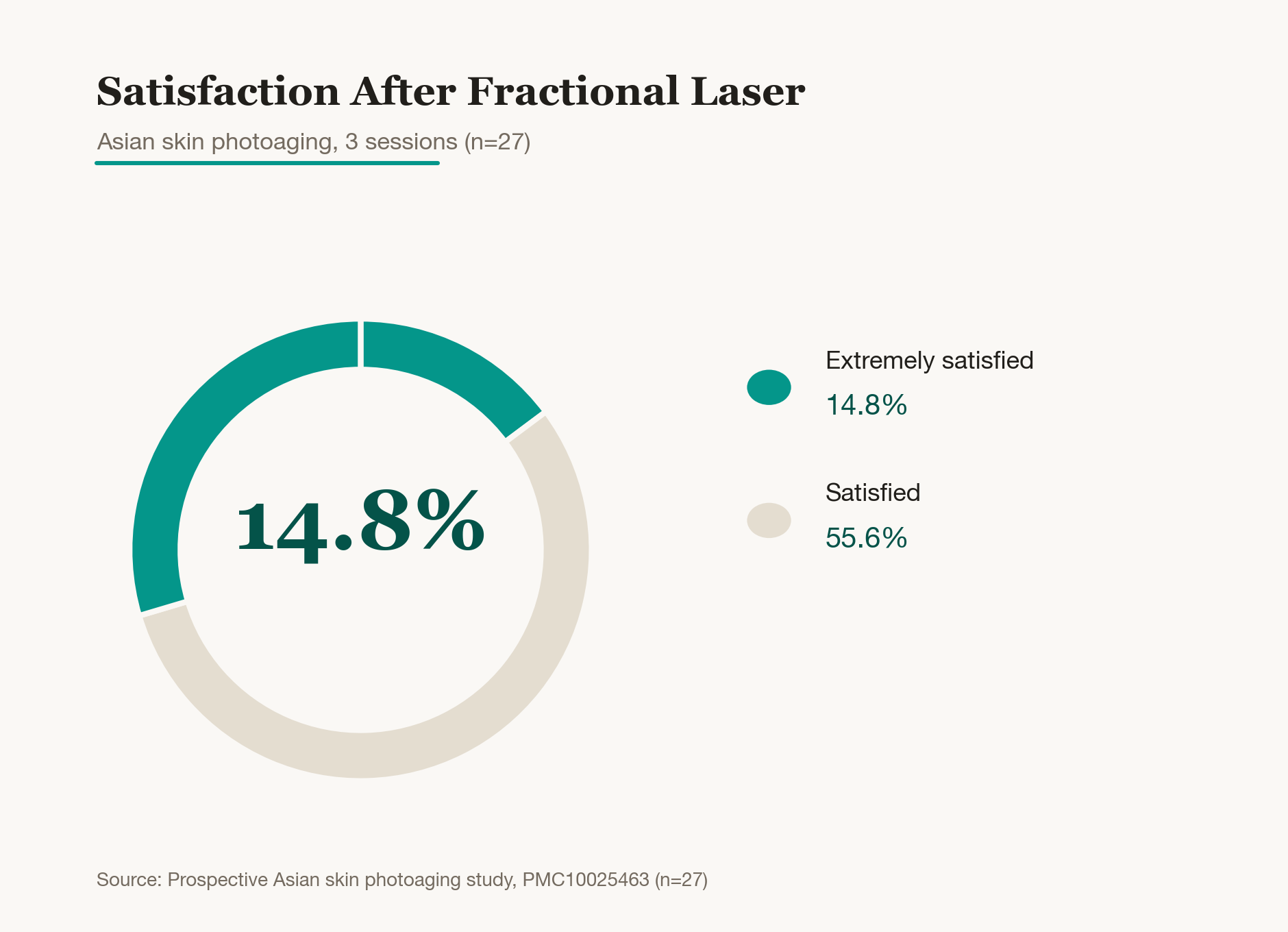
In a study that followed 27 people with Asian skin through 3 treatments spaced a month apart, pores showed a clear improvement after the second session. The skin's melanin index dropped significantly starting from the first session, and skin elasticity improved as well from the second session onward.
Wrinkles also showed a statistically meaningful change when measured with precision imaging equipment. Skin hydration and redness levels, however, showed no clear difference, which suggests that LaseMD works more on epidermal renewal and pigment improvement than on adding hydration.
44% of participants directly reported that their skin looked brighter and more radiant. Pain was relatively mild, averaging around 3 out of 10, and no side effects such as pigmentation changes were observed.
These results suggest that pore and texture improvement isn't separate from pigment removal, but comes along with the epidermis renewing itself evenly overall. That makes LaseMD better suited to improving the overall condition of the face rather than targeting a single pigmented spot.
Has absorption of LaseMD Ultra ampoules been confirmed?
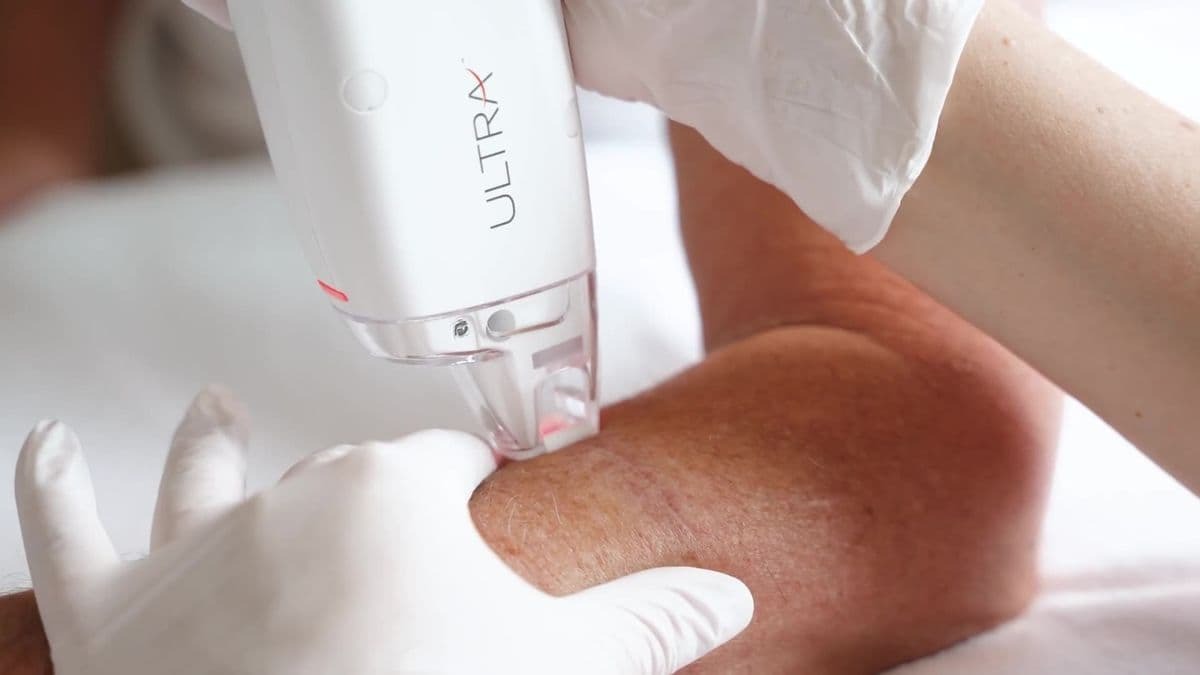
LaseMD Ultra adds a special tip to the base device, leaving microscopic channels behind where the laser passes. The core idea is that ampoules or brightening ingredients applied right afterward can penetrate the skin more effectively through these channels, a concept known as laser-assisted drug delivery.
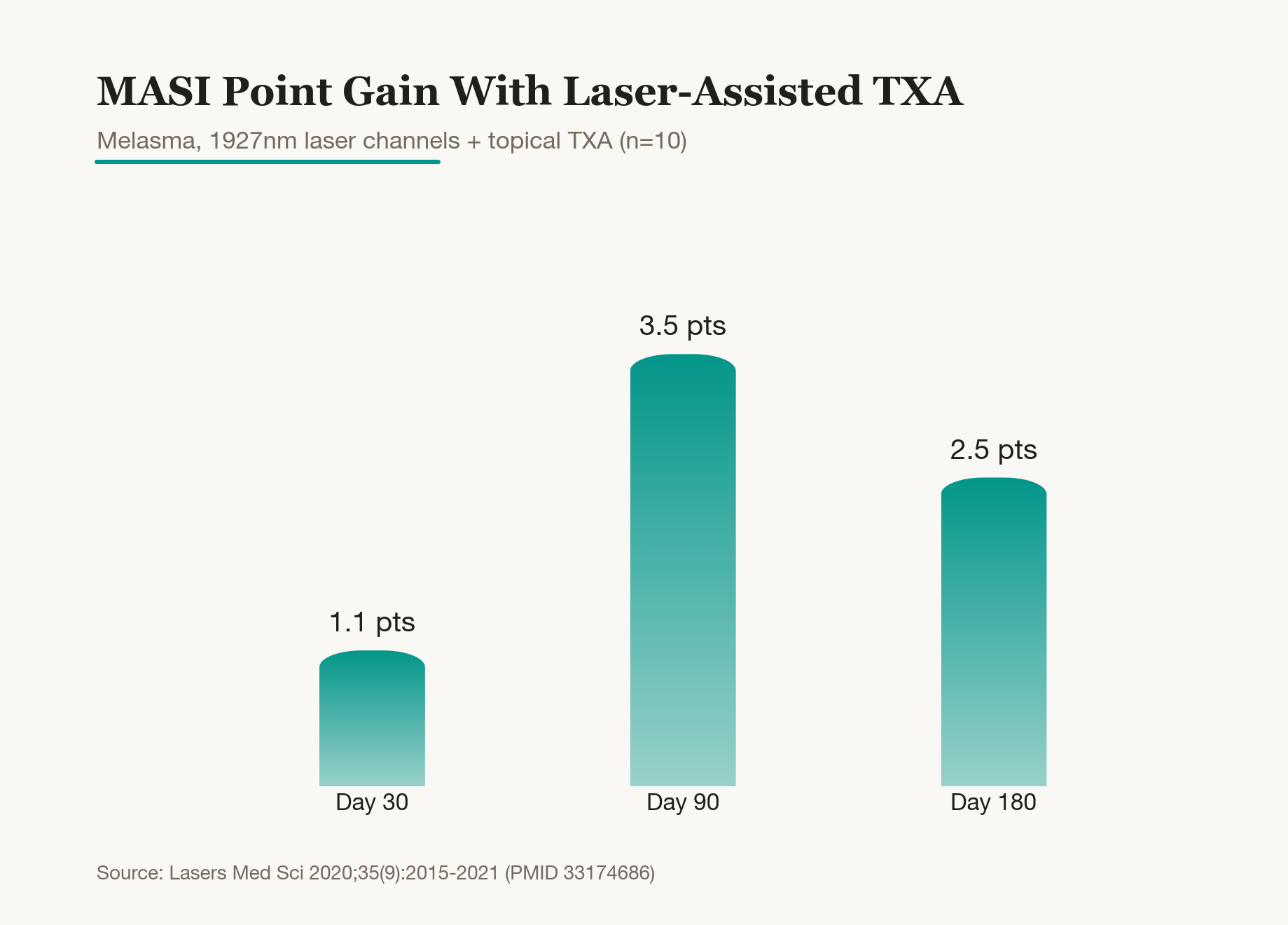
In one study, 10 people had tranexamic acid applied right after laser treatment and then continued applying it twice a day for a week afterward. Melasma scores started dropping from day 30 and reached their biggest decrease at day 90, a result that was statistically significant. Quality-of-life scores also improved noticeably from day 30 onward.
That said, this study reflects the combined result of the laser plus the applied ingredient, not a direct measurement of ampoule absorption itself. So it is still too early to put an exact number on how much better absorption gets, and it is safer to read this as evidence that the combination works better than the ingredient applied alone.
How many days does recovery take?
Before treatment, a topical numbing cream is applied for about 30 minutes to reduce discomfort. After the laser, the face turns slightly pink with mild swelling, and any stinging usually settles within 1 to 2 hours. Because no scabs form, light makeup can often cover the redness starting the very next day.
Full recovery generally takes about 1 to 3 days, during which sunscreen and gentle moisturizing are needed. The table below compares it with ablative fractional lasers.
| Category | LaseMD Ultra | Ablative fractional |
|---|---|---|
| Wavelength | 1927nm | 10600nm or 2940nm |
| Type | Non-ablative | Ablative |
| Downtime | 1–3 days | 5–10 days |
| Pain level | About 3/10 | About 5–7/10 |
| Anesthesia | Topical numbing | Local or general |
| Pigmentation risk | Low | Moderate to high |
Ablative lasers strip away the epidermis, so the improvement from a single session can be dramatic, but recovery takes longer and the risk of pigmentation changes is higher. LaseMD, on the other hand, requires multiple sessions but causes little disruption to daily life, making it a good option for people who can't afford noticeable downtime, such as those with public-facing jobs.
Sessions are usually spaced 2 to 4 weeks apart, and timing is adjusted based on how the skin looks. If you have just had heavy sun exposure or your skin barrier is compromised, it is safer to calm the skin first and delay treatment.
How is it different from pico laser and radiofrequency?
Pico lasers break down pigment particles with photoacoustic shockwaves, which makes them strong against dark, well-defined spots and tattoos. LaseMD, in contrast, stimulates the entire epidermis at a shallow level, so it leans more toward evening out overall facial tone and texture than treating individual spots.
RF microneedling stimulates collagen in the deeper layers of the dermis and is mainly used for firmness and scarring, but it involves longer downtime and more pain than LaseMD. In practice, clinics often alternate LaseMD with pico lasers or other treatments rather than relying on it alone.
To see results, you typically need 3 to 5 sessions spaced a month apart, and a single session is unlikely to bring a dramatic change. A practical way to decide where to start is to think about whether your priority is a specific spot or your overall facial tone.
Besides LaseMD, several other manufacturers offer non-ablative fractional devices at a similar wavelength. Since most of the research to date has focused on the 1927nm wavelength itself, it is more useful to check whether a device uses the same underlying mechanism than to focus on the specific brand.
Was this helpful?
About this article
Written by a practising aesthetic physician and intended for general education — not a substitute for individual medical advice.
Read next

Hollywood Spectra Toning Effects and Side Effects, Including Carbon Peel
Hollywood Spectra is a Q-switched Nd:YAG laser using 1064nm and 532nm wavelengths, most commonly known for carbon peel toning, where a carbon lotion is applied and the laser is passed over the skin repeatedly at low power. Here is how it works on melasma pigment, pores, and skin tone, along with what the actual research shows about its effects and limits.
By Dr. Lee
Acne Scar Treatment by Scar Type: Effects, Downtime and Pigmentation
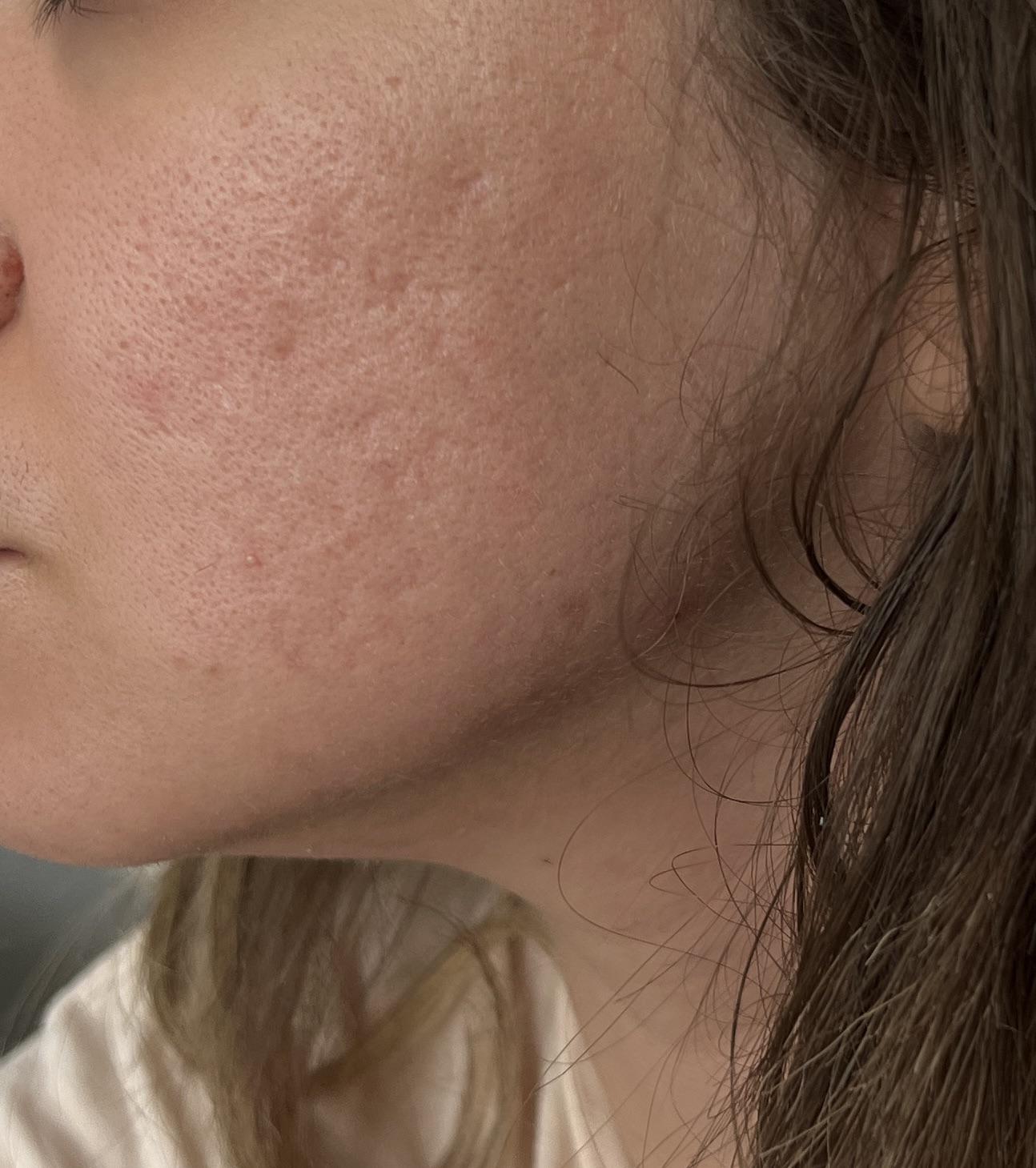
Acne scars respond differently to treatment depending on whether they are icepick, boxcar, or rolling type. Here is a rundown of the improvement rates and downtime for subcision, fractional CO2, microneedling RF, TCA CROSS, and HA filler, plus the pigmentation risk for Korean skin, backed by clinical research.
By Dr. Lee
Ulfit Body HIFU Fat Reduction Effect: How Many Sessions Do You Need?
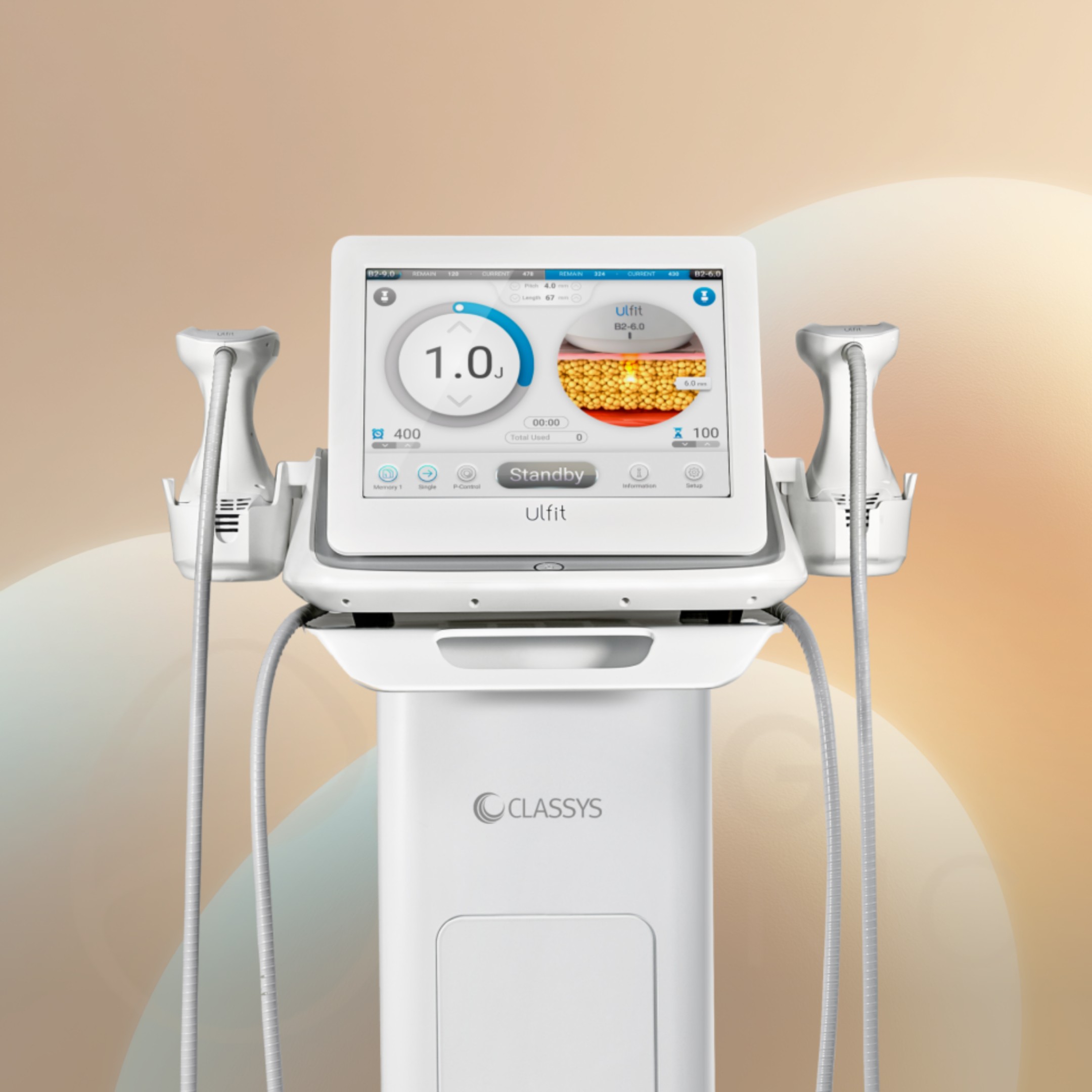
Ulfit Body HIFU is a non-surgical body contouring treatment that focuses ultrasound energy on the fat layer beneath the skin, gradually shrinking fat cells with heat. Here is a principle-first look at why the ultrasound heats only fat and nothing else, how that destroyed fat actually leaves your body, why the settings differ from facial HIFU, and roughly how many sessions and how much maintenance you can expect.
By Dr. Kim