Laser Toning and IPL: Differences and Recovery Time Compared
By Dr. Kim7 min read

Look into pigment treatments and two names keep coming up side by side, laser toning and IPL. Both use light to fade pigment, but the way each one handles that light is quite different. One picks a narrow wavelength and fires it at low power many times over, the other spreads a wide band of wavelengths in a single broad pass. That difference carries through into how each session feels and what results follow. The names alone make them easy to lump together, but since the underlying way each device produces light is different, understanding the approach helps in choosing what actually fits your skin.
How do laser toning and IPL differ?
Laser toning fires exactly one wavelength, usually 1064 nanometers, and nothing else. A single wavelength is a bit like aiming an arrow at one precise point. IPL, true to its name, releases a strong burst of light made up of several wavelengths mixed together, closer to shining a flashlight where the beam carries a blend of colors.
Because of that, laser toning can zero in on melanin, the pigment granules inside pigment cells, with real precision, while IPL can react with pigment and with the hemoglobin in blood vessels that causes redness at the same time. The width of the light aimed at the skin is what changes the range of results each one produces.
How laser toning is performed
Laser toning works by sending low energy into the skin in short bursts, spread across many passes. Instead of applying strong force once, it applies gentle force repeatedly. Think of it as tapping a nail in lightly, many times over, rather than driving it in with one hard strike.
The reason for splitting energy into low, repeated doses is to nudge pigment into breaking down gradually instead of bursting melanin cells all at once, which keeps surface irritation to a minimum. Pigment granules absorb the light energy and fragment little by little, and the body clears those fragments away over time, almost like a slow cleanup. That is why laser toning is designed around results that build up over several sessions rather than one dramatic change.
There is another reason for this low power, repeated approach: some pigment, like melasma, reacts sensitively to strong stimulation. Push melasma too hard in one session and the pigment cells can actually react by darkening further, so the field settled on lowering the power and raising the number of sessions instead. It is a way of balancing reduced irritation with results that still build over time.
How does IPL act on pigment and vessels?
Unlike a laser, IPL does not emit a single wavelength, it puts out a broad spectrum made of several wavelengths mixed together. Strictly speaking that makes it a light source treatment rather than a laser, since IPL stands for intense pulsed light. Because several wavelengths are present at once, it reacts not only with pigment cells but also with the hemoglobin inside blood vessels that produces redness.
The underlying principle is called selective photothermolysis. Tissue with a distinct color, such as pigment or blood vessels, absorbs more of the wavelength that matches its own color and heats up, while the surrounding normal tissue reacts comparatively little. It is similar to how a dark colored shirt gets noticeably hotter in sunlight than the fabric around it. That is part of why a single IPL session is often reported to improve dark spots, redness, and enlarged pores together.
Having several wavelengths emitted at once is a bit like stacking several filters and pulling out whichever color is needed at that moment. Swapping the filter inside the device that isolates a particular wavelength band lets the practitioner decide whether the session leans toward pigment or toward blood vessels. So the same IPL device can focus more on pigment or more on redness depending on which filter is used.
Which one involves more pain and recovery?
Because laser toning runs at low energy, the sensation during treatment tends to be relatively mild. On the other hand, there is not much of an immediate visible change, and the fading of color is something you notice gradually after several sessions. Since it spends its energy sparingly across many passes, this is a treatment where the accumulated results matter more than any single session.
IPL fires a wider band of wavelengths at greater power in one pass, so the stinging felt during treatment can be more noticeable than with laser toning. Right after a session, spots where pigment was sitting can temporarily darken to a deeper brown. That is described as a natural response that happens as pigment absorbs light energy and rises toward the surface. This brownish, crust like reaction naturally flakes off within a few days, revealing lighter skin underneath.
Melasma or age spots: which treatment suits?
Pigment behaves differently depending on where it sits and what caused it, so the treatment that fits best also changes with the type.
- Shallow, widely spread pigment such as melasma tends to need gentle, repeated treatment, which is why laser toning's repeated approach is considered a good fit. Melasma is sensitive to stimulation, and pushing it hard in a single session can actually darken it further.
- Pigment with clear, well defined borders, like age spots or freckles, is described as responding efficiently to IPL's broad wavelength, which reacts strongly enough to turn the spot into a crust that flakes away. Light energy tends to concentrate more easily on pigment that has sharp borders.
- When redness or visible capillaries are a concern alongside pigment, IPL's ability to react with blood vessels as well is considered an advantage, since it can address several concerns in a single session.
That said, these are general tendencies, and in practice it is common to look at the actual skin condition and combine both approaches or sequence them together.
Number of sessions and intervals
Laser toning is usually designed around several sessions spaced a few weeks apart. Rather than producing a strong reaction in one pass, it builds up the gradual fading of pigment across multiple sessions. Spacing sessions out also gives the skin time to recover from the stimulation of the previous one.
IPL sessions tend to be spaced a bit further apart. Since each pass reacts with more force, the skin needs correspondingly more time to clear pigment and let redness settle. How many sessions either treatment takes depends on how much pigment is present and the condition of the skin, so it is common to adjust based on how things progress rather than sticking to a fixed number.
Spacing sessions too close together is also known to work against the results. If light is applied again before the skin has fully recovered from the previous stimulation, pigment cells can end up more sensitized rather than settled. That is why sticking to the recommended interval for either treatment is considered important for keeping results stable.
Aftercare and scab precautions
Both treatments leave the areas where pigment sat more sensitive to sun exposure for a period afterward. The overall direction of aftercare is not that different between the two, but how carefully it needs to be followed does vary a bit.
- Sun protection is essential after either treatment, but it is described as needing extra attention right after IPL, when crusting is present. Skin that has just reacted is more prone to building pigment back up when exposed to sun.
- Rubbing the treated area or picking at any crust should be avoided with both treatments. Forcing a crust off irritates the skin underneath and can actually make the pigment darker.
- Right after treatment, the skin barrier is weaker, so keeping it filled with a gentle, non irritating moisturizer is said to support recovery.
Following this kind of aftercare is what allows both treatments to deliver the results they are expected to.
References
Korean Dermatological Association, American Academy of Dermatology (AAD), and Ministry of Food and Drug Safety (MFDS).
Was this helpful?
About this article
Written by a practising aesthetic physician and intended for general education — not a substitute for individual medical advice.
Read next
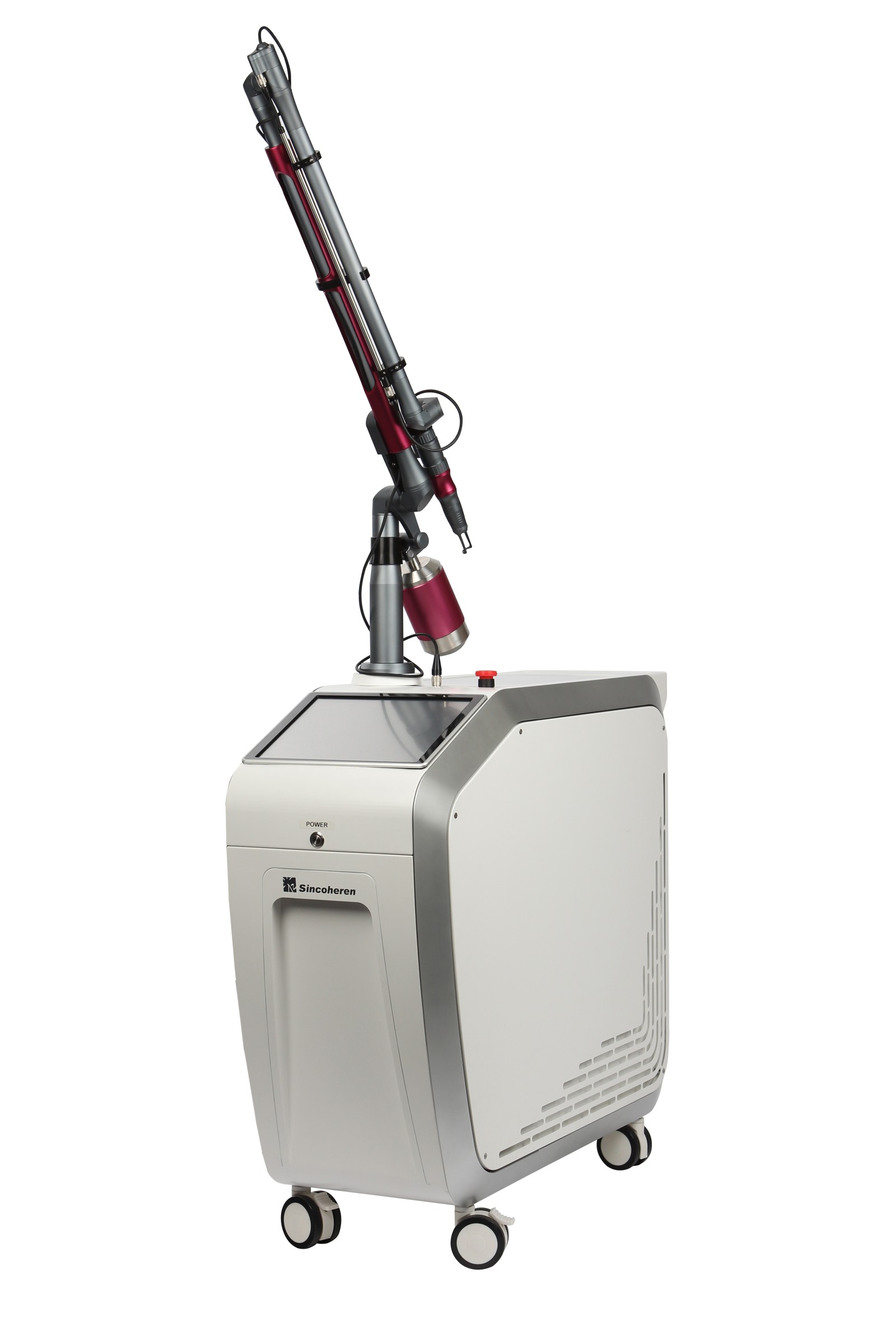
Q-Switched Laser Toning: How It Works, White Spot Side Effects, and Treatment Interval
Laser toning fires low energy again and again instead of one strong blast, and there is a real reason for that. Here is the pigment-breakdown science behind it, how overtreatment can trigger side effects like hypopigmentation, and how to keep session spacing safe.
By Dr. Lee
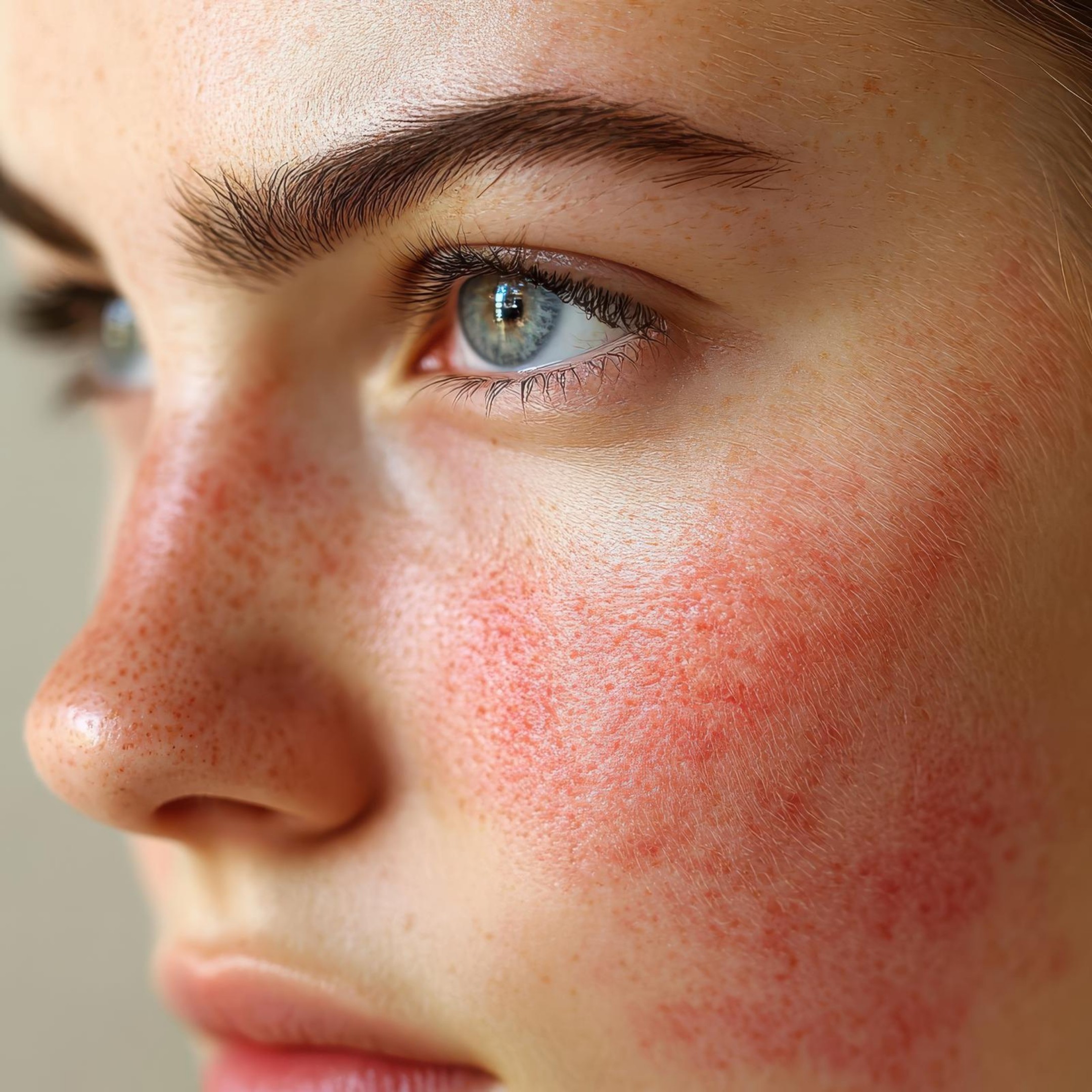
Red Acne Marks: Causes, How to Tell Them Apart, and Laser Treatment
The red marks left behind after acne clears up often aren't pigment at all, but dilated blood vessels showing through the skin. Since the cause and the way they fade differ from pigmentation, they call for a different care approach. Here's how to tell the two apart and how each one recovers.
By Dr. Kim

IPL Versus Laser for Dark Spots and Redness: Differences and Effects Compared
IPL is a device that uses a broad band of light to treat dark spots, redness, and fine hair all in one session. For clearly defined spots or deep pigment, pico and toning lasers have taken the lead. But for redness, rosacea, photoaging, and hair removal, the concerns that overlap on one face, IPL still holds up well.
By Dr. Lee