Red Acne Marks: Causes, How to Tell Them Apart, and Laser Treatment
By Dr. Kim7 min read
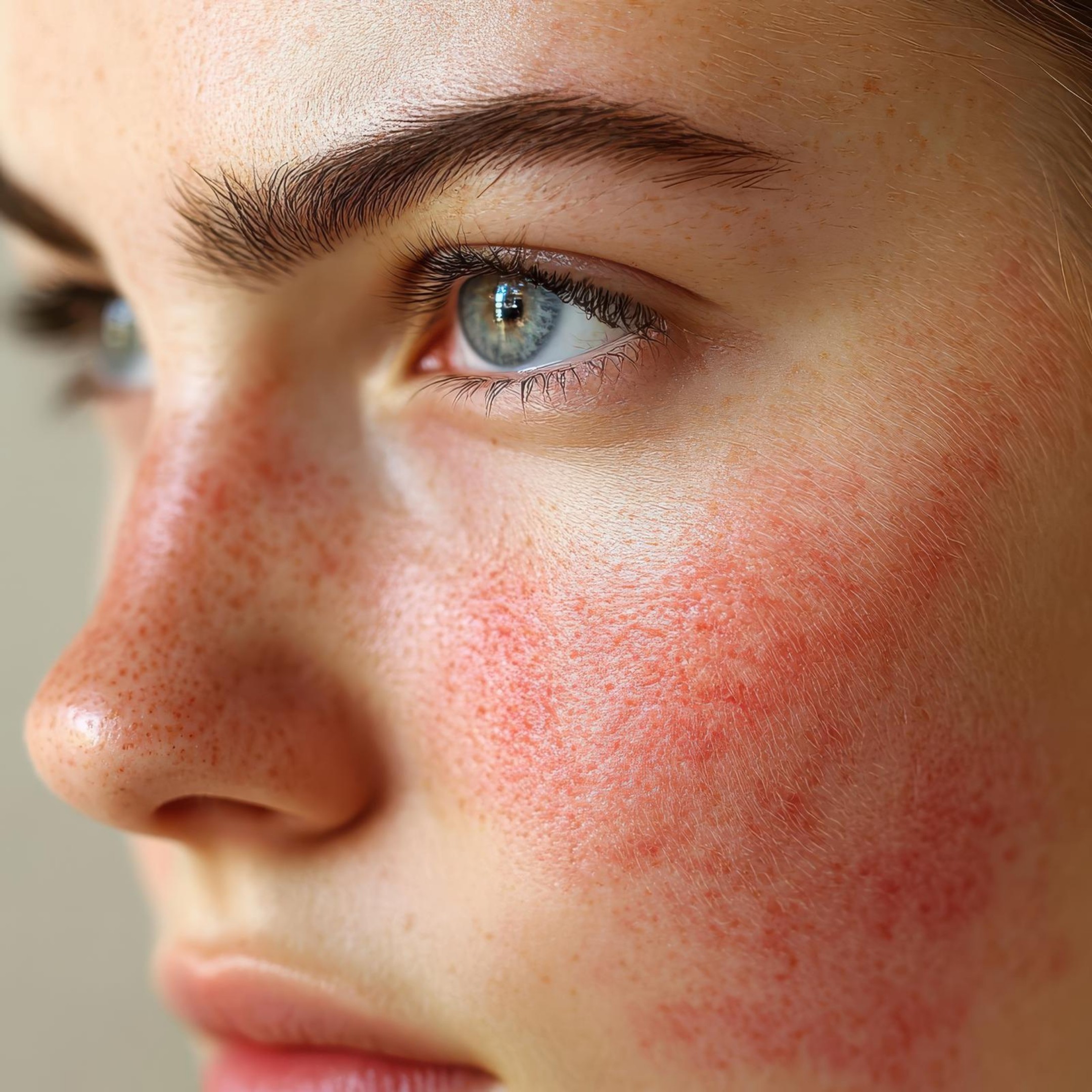
Acne usually leaves behind one of two kinds of marks. One is red, the other is brown or dark brown. That red mark often isn't pigment at all, it's a case of small blood vessels under the skin sitting dilated and showing through. Still, people tend to lump both marks together as "pigmentation" and spend months on brightening products that were never going to touch a vascular mark. Since the causes are different, the care has to be different too, so here's how to tell them apart and what's actually happening underneath each one.
Why do red marks form?
When acne inflammation flares up hard, the blood vessels in that spot widen. It's the body's own response, pushing more blood through to deliver white blood cells and nutrients to fight the inflammation. In the process, capillaries stretch out and small new vessels can even start growing.
Once the inflammation itself settles down, those widened vessels don't just snap back to their original size right away. The vessel walls have been irritated by inflammatory substances and stay dilated for anywhere from a few days to a few weeks. That's the vessel showing through the thin layer of skin above it, which is what gives the mark its red color.
So the redness isn't a new pigment forming, it's dilated vessels visible under a thin layer of skin. The thinner the skin and the deeper the inflammation went, the longer and darker the mark tends to linger.
How are brown marks different from red marks?
Pigmentation forms through a completely different mechanism. In a spot where inflammation was severe, melanocytes (the cells that produce skin color) get triggered and start overproducing melanin. That pigment builds up in the epidermis or dermis and shows up as brown or dark brown.
Vascular redness is vessel-driven, so once the vessels naturally contract back down over time, it fades on its own. Pigmentation is different: the melanin granules are already deposited in the skin, so they don't disappear just because the vessels calm down. For pigment to fade, it has to go through several cycles of turnover, the process where skin cells get replaced and carry the old pigment out along with dead skin.
That's why the two marks even look different in color to begin with. Redness leans strongly red, while pigmentation reads closer to brown or dark brown. Sometimes both show up in the same spot at once, which makes it hard to tell them apart by eye alone.
Skin tone matters here too. On lighter skin, redness tends to stand out more, while on deeper skin tones, pigmentation is usually more noticeable. The same mark can look quite different depending on someone's baseline skin tone.
How to tell red marks from brown marks
The easiest way to tell the two apart is to press gently on the spot with a finger or a piece of clear glass. This is called diascopy, a simple test that checks how a mark responds to pressure on the vessels underneath.
With vascular redness, the pressure pushes the blood out of the vessels the moment you press, so the red fades or turns pale. Release your finger and the blood flows back in, and the redness returns. It's a bit like pressing on a water balloon, the pressed spot flattens out and then springs back.
Pigmentation barely changes color under pressure. The pigment granules are already fixed inside the cells, so pressure doesn't move them or lighten them.
At home, you can just press with a finger for a few seconds, then release and watch what happens. If the color drains out and comes right back, it's likely vascular redness. If the color stays put, it's more likely pigmentation.
Why does brown pigment fade so slowly?
Once melanin is made, it travels along with the skin cell that produced it. Pigment formed at the deepest layer of the epidermis stays put inside that cell until the cell gets pushed upward and eventually sheds off as dead skin.
This turnover cycle tends to slow down with age. The rate at which new cells form and move upward simply gets slower than it was when you were younger. So even the exact same kind of pigmentation can take a very different amount of time to fade depending on how old you are.
Pigment also fades much more slowly if it has settled into the dermis (the deeper layer of skin) rather than staying in the epidermis. The dermis doesn't cycle through cells quickly the way the epidermis does, so pigment that's made it down there can take a long time to clear naturally, or sometimes it lingers faintly even after everything else has healed.
Spots where a pimple was picked or squeezed tend to have gone through deeper inflammation, which makes it easier for pigment to sink down into the dermis. That's part of why marks left behind by picking tend to hang around so much longer than ones left alone.
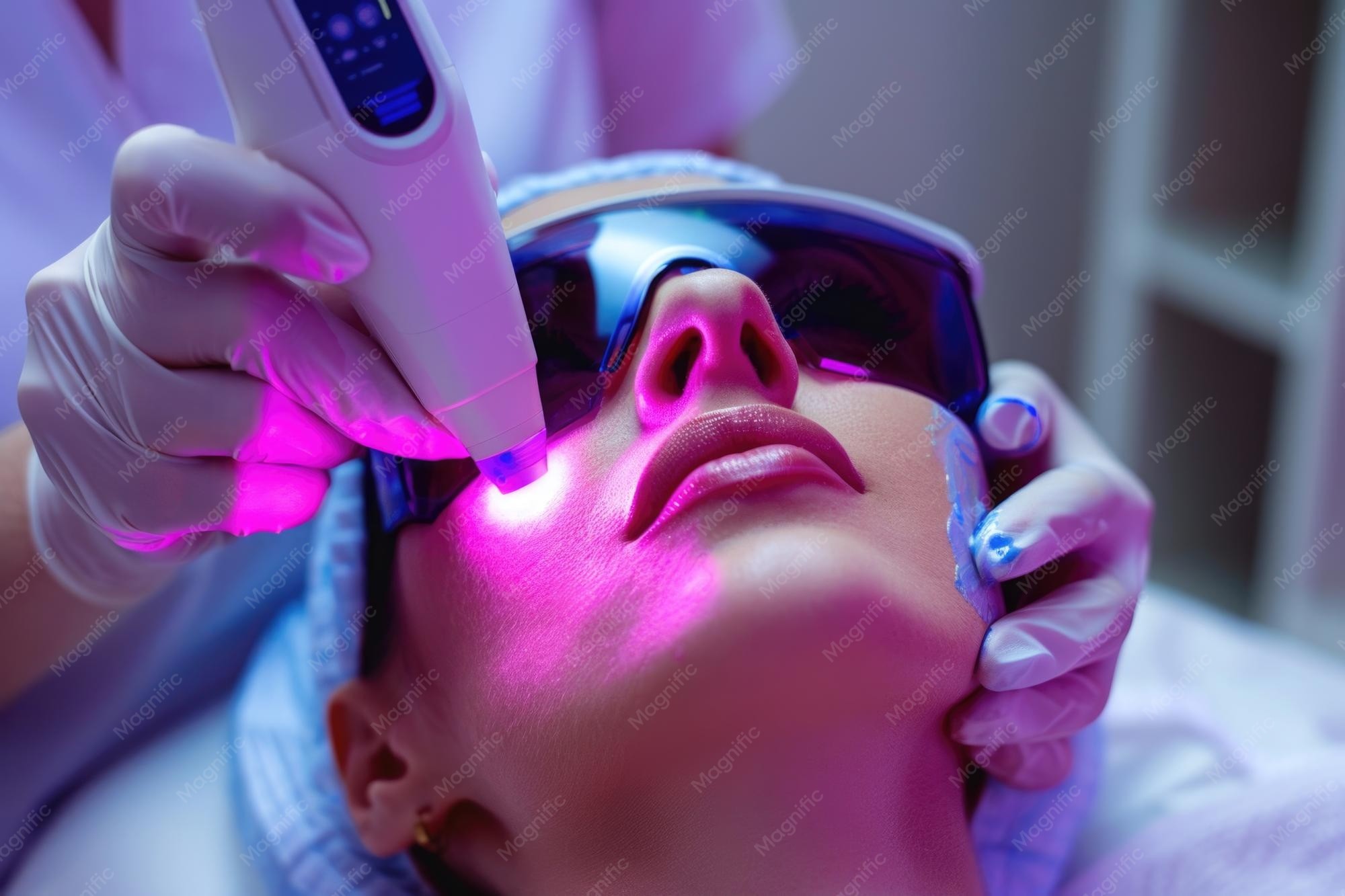
Treating red marks with a vascular laser
The vascular lasers commonly used for redness rely on a wavelength of light that gets selectively absorbed by hemoglobin, the red pigment protein in blood that carries oxygen. This principle is called selective photothermolysis.
When the laser light hits hemoglobin inside a dilated vessel, heat is generated right there and nowhere else. Surrounding normal tissue is left largely untouched, while the problem vessel wall alone takes on heat damage and gradually narrows or closes off. Think of it like a filter that only reacts to one specific color and screens out everything else, that's roughly the idea.
Once the vessel narrows, less red shows through and the mark fades. This laser doesn't do much for pigmentation though, that requires a different wavelength of device tuned to melanin rather than hemoglobin.
How does UV affect acne marks?
Sun exposure can make both types of marks worse, just through different pathways.
- For vascular redness: UV light can re-trigger the skin's inflammatory response and cause vessels that are already dilated to widen even further. The added heat keeps the vessels from settling back down.
- For pigmentation: UV light directly stimulates melanocytes to produce more pigment. The more sun exposure, the more pigment gets layered on top of what's already there.
- Shared care: In both cases, applying sunscreen daily is considered the single most basic step for not getting in the way of recovery. It works by blocking the trigger that would otherwise switch the reaction back on.
Whether it's redness or pigmentation, sun protection is really the first step in managing either mark while it's still visible.
Can you use whitening cream on red marks?
The most common mistake is reaching for a brightening product on a red mark. Brightening ingredients work by suppressing the process melanocytes use to make pigment, so if the mark is vessel-driven rather than pigment-driven, there's nothing for that product to act on.
Another common mistake is assuming both marks fade at the same pace. Vascular redness depends on how quickly the vessels settle down, while pigmentation depends on turnover speed, so even on the same person's skin, different marks can clear up at very different times.
A third mistake is picking or rubbing at the mark once it's already there. Physical irritation tends to reignite inflammation, which can widen the vessels further or stimulate more pigment, and it doesn't help either type of mark.
Approaching the two marks with their actual causes in mind saves you from spending time on the wrong product. When it's hard to tell on your own, a dermatologist can check the mark visually and with diascopy first, then help map out a care plan from there.
References
Korean Dermatological Association, American Academy of Dermatology (AAD), and Ministry of Food and Drug Safety (MFDS).
Was this helpful?
About this article
Written by a practising aesthetic physician and intended for general education — not a substitute for individual medical advice.
Read next
Cafe-au-Lait Spots Returning After Laser: Causes, Number of Sessions and Expectations
A café au lait spot forms because the pigment-making cells in that one patch of skin are locally overactive. Laser treatment breaks up the pigment that has already built up, but it doesn't switch off those cells, which is why the color so often returns. Here's the biology behind it, why results differ so much from person to person, and what a realistic treatment timeline actually looks like.
By Dr. Kim
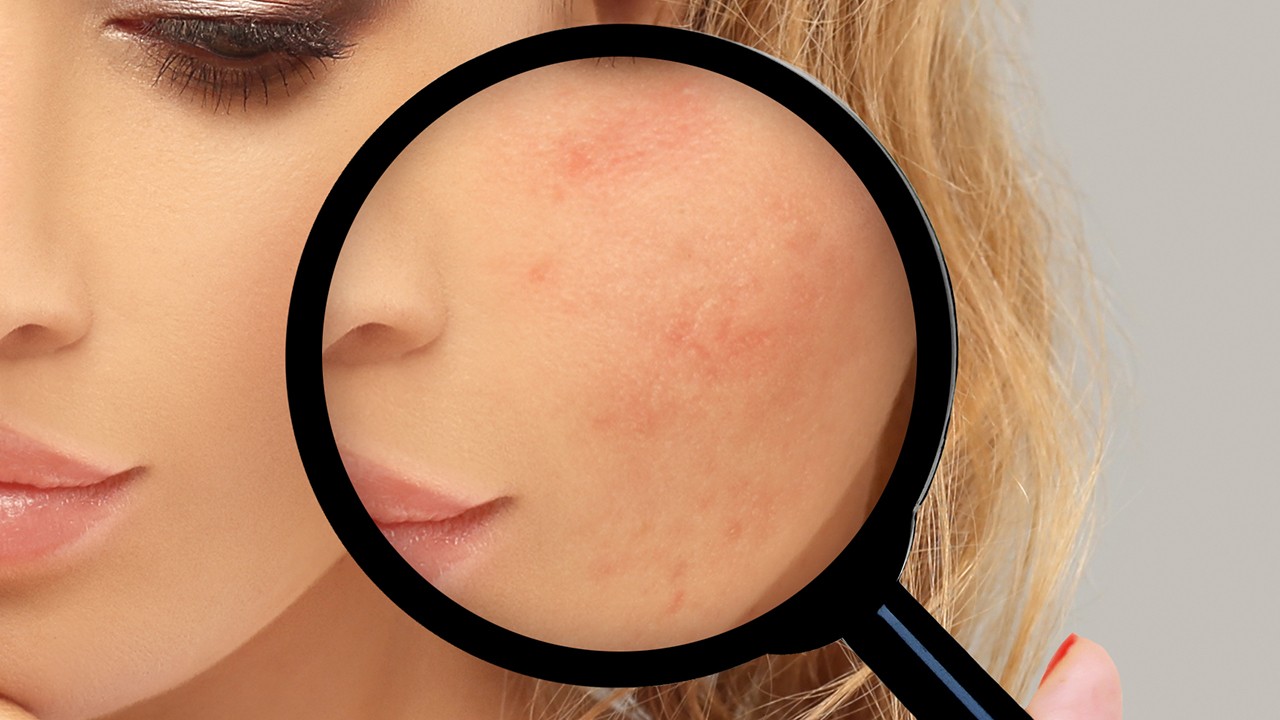
Red Acne Marks: Causes, How Long They Last, and Laser Treatment
A clear, research-backed guide to why red marks (PIE) appear after acne heals, how they differ from brown pigmentation (PIH) and pitted scars, how long they take to fade naturally, how vascular lasers like Vbeam and Excel V speed up the process, how to manage them at home with sunscreen and calming care, and why treating them early matters before they turn into scars.
By Dr. Kim
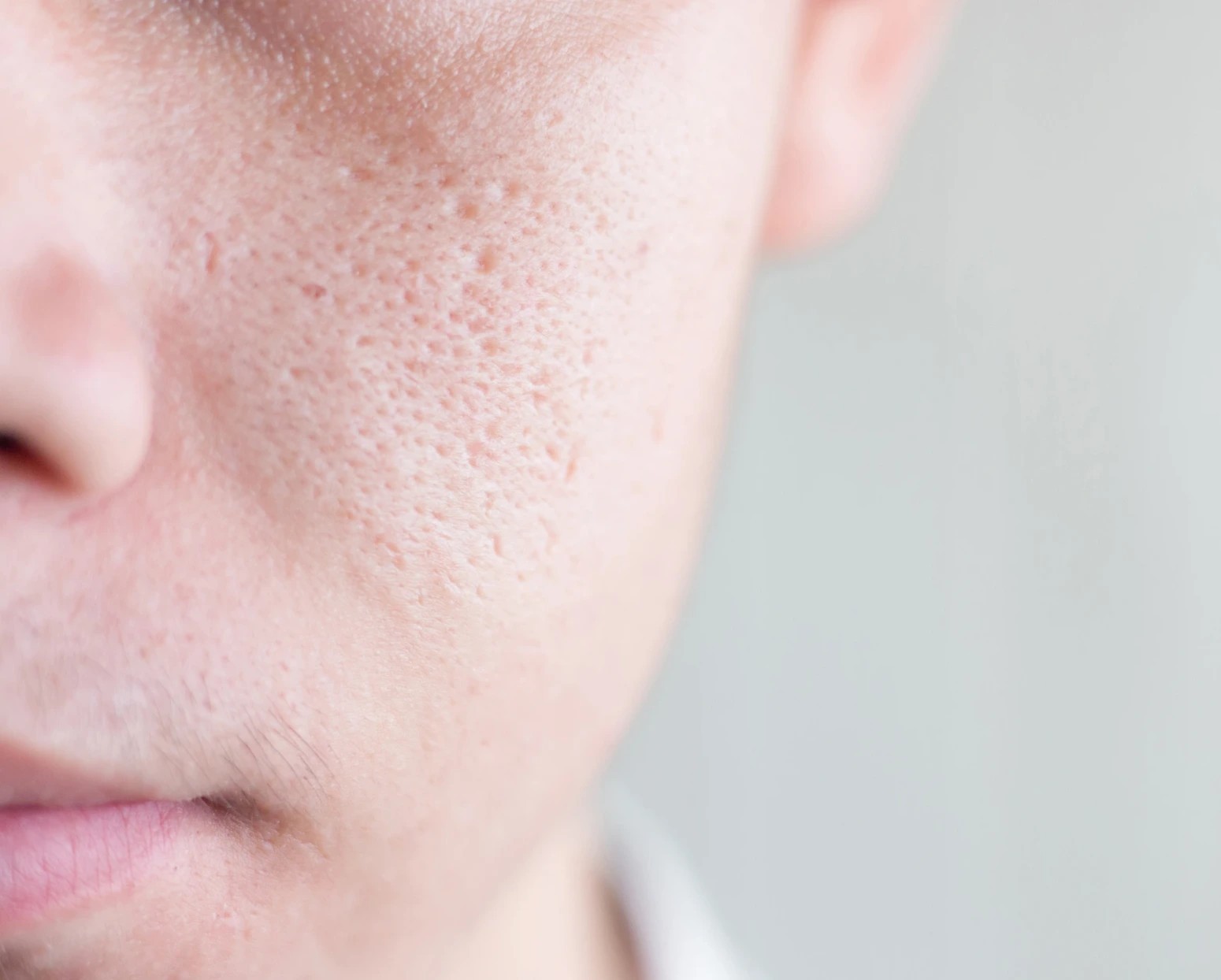
Enlarged Pores Versus Scar Pores: How to Tell Them Apart and Care Compared
Enlarged pores and acne scar pores can look like the same small dark dots from a distance, but what's happening underneath the skin is completely different. Here's why each one forms, how to tell them apart, and how the treatment approach differs.
By Dr. Lee