Red Acne Marks: Causes, How Long They Last, and Laser Treatment
By Dr. Kim8 min read
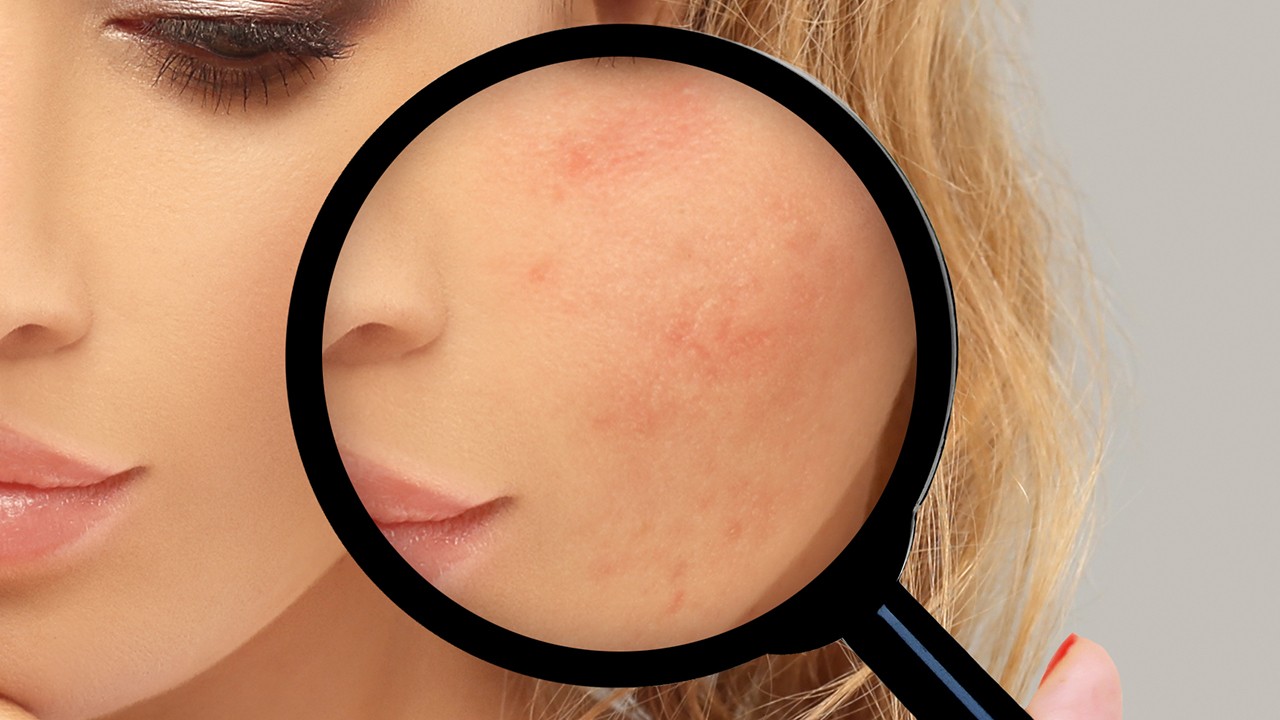
Your acne has finally calmed down, but a reddish mark lingers on the spot and just won't fade. Even after the scab falls off, that pink tint stays put, so it doesn't quite feel healed. Makeup barely covers it, and you start to wonder if it's turning into a scar.
Here's the reassuring part first. In most cases, this redness isn't a scar at all. It's a mark that fades with time. In dermatology, it's called post-inflammatory erythema, or PIE for short. As the inflammation from acne settles down, the tiny blood vessels underneath stay dilated, so the skin looks red where light shines through them. It's different from the brown discoloration of pigmentation, and different again from a pitted or raised scar. Here's a closer look at why it turns red, how long it tends to stick around, and what actually helps it fade.
How do you tell red marks from pigmentation and scars?
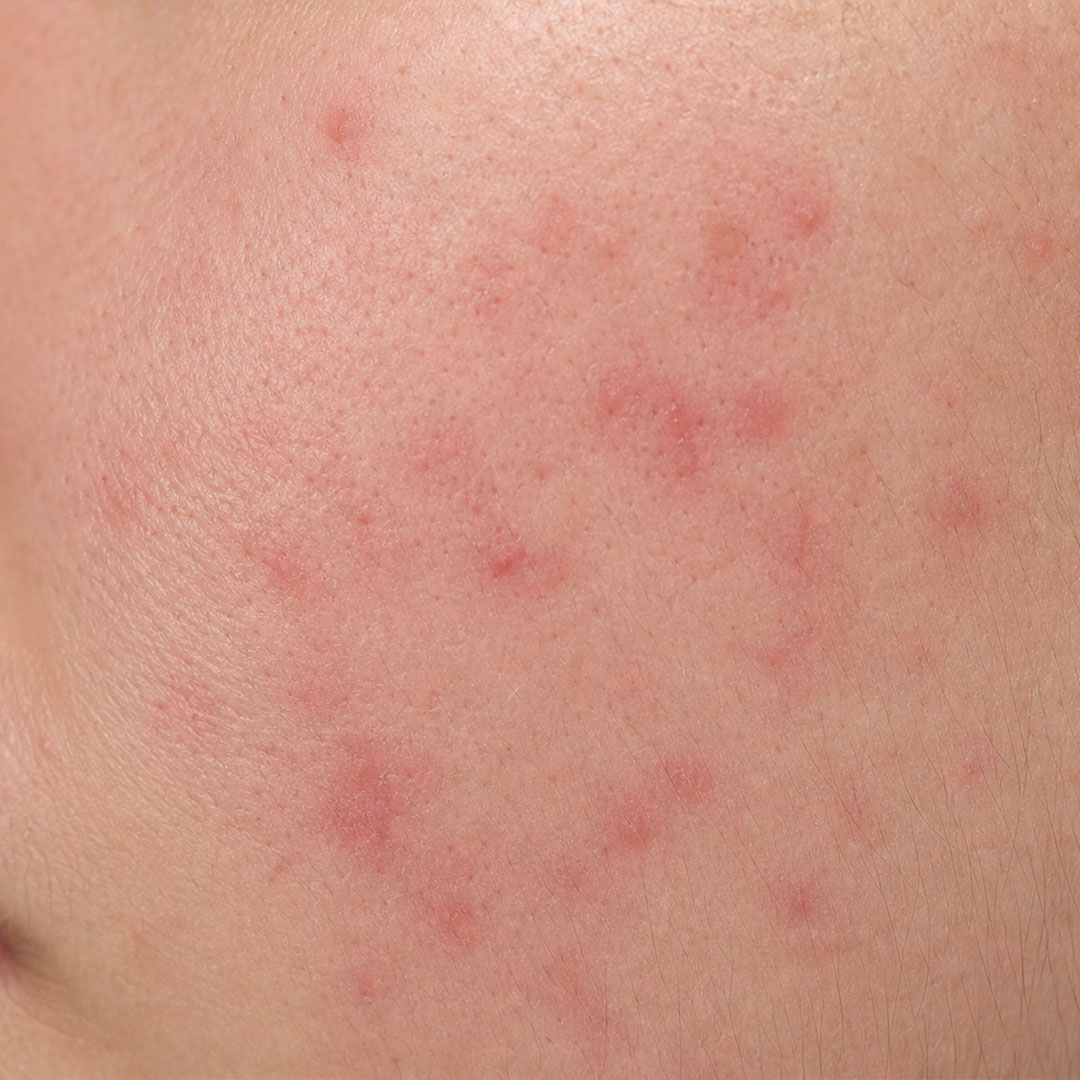
People often mistake red marks for pigmentation or scarring, but the three have different causes and need different care. Red marks are what's left behind after acne inflammation, caused by dilated blood vessels underneath the skin that show through as redness. The color looks pink to red, and the surface stays smooth.
Pigmentation, on the other hand, isn't red at all, it's brown. It happens when irritated skin overproduces melanin, the brown pigment. So while red marks come from a vascular issue, brown marks come from a pigment issue, two completely different roots. Scars are a different story altogether, a texture problem rather than a color one, leaving the skin pitted or raised and bumpy to the touch.
There's a simple way to tell them apart. Press gently on the mark with a fingertip. A red mark will turn pale for a moment and then flush red again, because the blood briefly drains from the compressed vessel and flows back in. Brown pigmentation or a scar, though, stays the same color no matter how hard you press. The table below breaks down the differences.
| Type | Color | Cause | Surface |
|---|---|---|---|
| Red marks (PIE) | Red / pink | Dilated capillaries | Smooth |
| Pigmentation (PIH) | Brown | Excess melanin | Smooth |
| Scar | Skin tone, red | Dermal damage | Pitted or raised |
Why do red acne marks remain?
The redness comes down to inflammation and blood vessels. While a pimple is inflamed, the area goes through a strong inflammatory response. To deal with it, the body sends extra blood to the site, and the capillaries carrying that blood widen and multiply. Even after the acne clears, these dilated vessels don't shrink back right away. They linger, showing through as redness, and only shrink gradually as the body slowly clears things up.
So the redness isn't pigment, it's blood vessels showing through. The thinner and more translucent the skin, the more visible those red vessels become. In fact, fair skin tends to hold onto red marks longer and more visibly. In skin with more melanin, the same irritation is more likely to turn into brown pigmentation instead.
One thing worth being careful about: picking or squeezing a pimple spreads the inflammation deeper and wider. That means the capillaries dilate even more, making the red mark darker and longer lasting. The first step to fading a red mark is simple, don't feed the inflammation that created it.
Do red marks go away on their own?
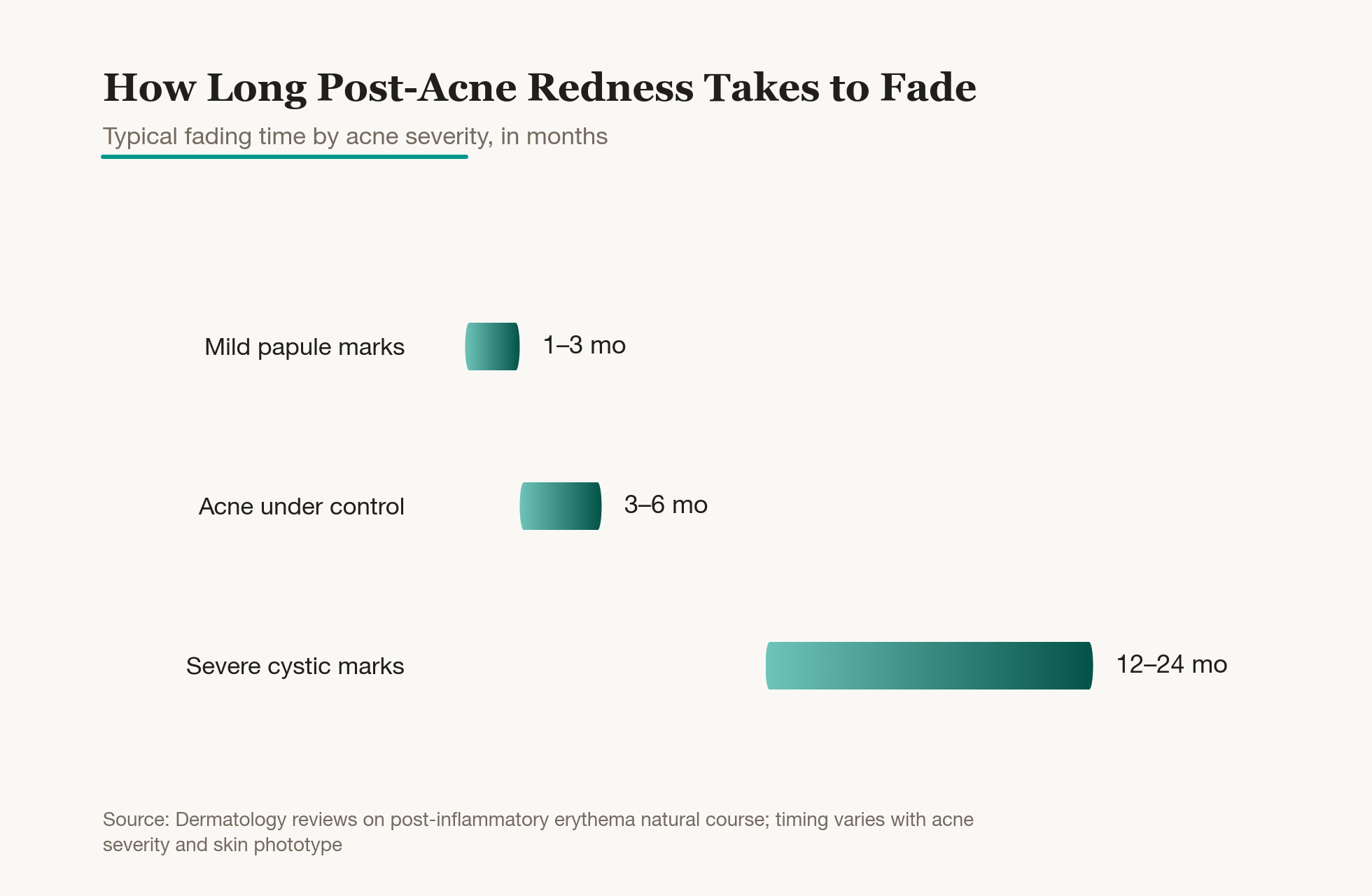
The good news is that most red marks fade with time. As the dilated capillaries gradually return to normal, the redness drains away with them. Unlike a scar, it's not permanent. That said, how long it takes depends heavily on how bad the acne was to begin with.
Marks left by mild, small pimples usually fade within a month or two. When the acne itself is well managed, the redness noticeably lightens somewhere between 3 and 6 months. But after a severe case of cystic, pus-filled acne, the redness can stick around for 1 to 2 years, and if left completely unaddressed, some cases can persist for several years. Skin tone and sun exposure play a role too. Fairer skin shows redness more clearly for longer, and frequent sun exposure slows recovery even further.
So there's no need to worry if it hasn't cleared in a few days, red marks are naturally slow to fade. But if you want to speed things up, or if the redness is dragging on longer than expected, the laser treatments and home care covered below can help. Most importantly, while the redness is fading, the priority is keeping new acne from popping up in the same spot.

How vascular lasers work and which devices are used
Since red marks come down to visible blood vessels, they're treated with lasers that target those vessels directly. The principle is straightforward. The red blood inside the dilated vessels absorbs a specific wavelength of light very well. When that light is fired at the skin, only the vessels that absorb it heat up and shrink, while the surrounding skin stays untouched. It's a precise way to shrink just the vessels causing the redness.
One of the most widely used devices in Korea is Vbeam. It's a PDL, or pulsed dye laser, that uses a 595nm yellow light and is considered the standard for treating redness. Excel V combines two wavelengths, 532nm and 1064nm, to address both redness and pigmentation at once, while Clarity II uses 755nm and 1064nm to handle both vessels and pigment. The table below lists their wavelengths and features.
| Device | Wavelength | Features |
|---|---|---|
| Vbeam | 595nm | Redness standard, cooling spray |
| Excel V | 532 / 1064nm | Vessels and spots together |
| Clarity II | 755 / 1064nm | Vessels and pigment combined |
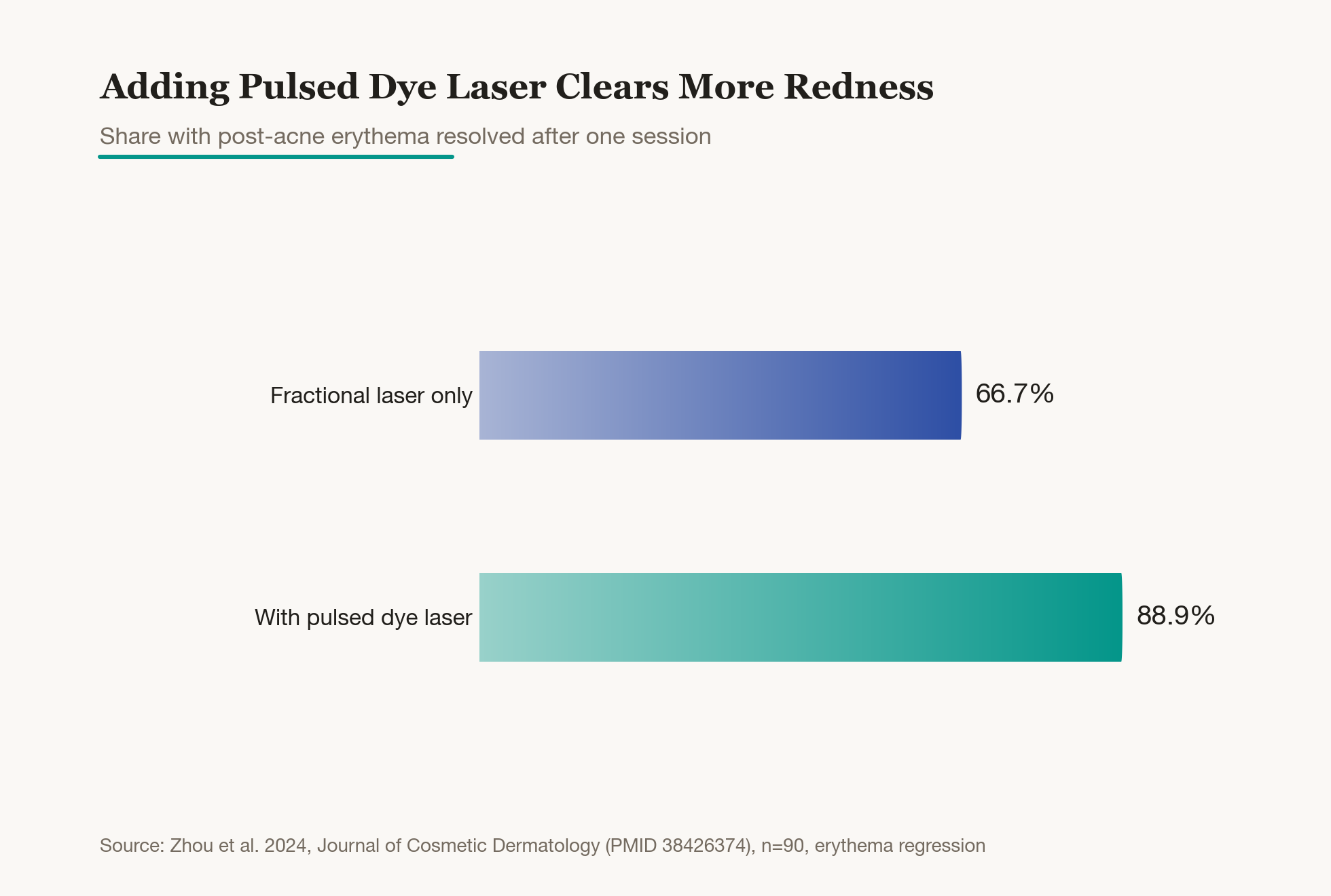
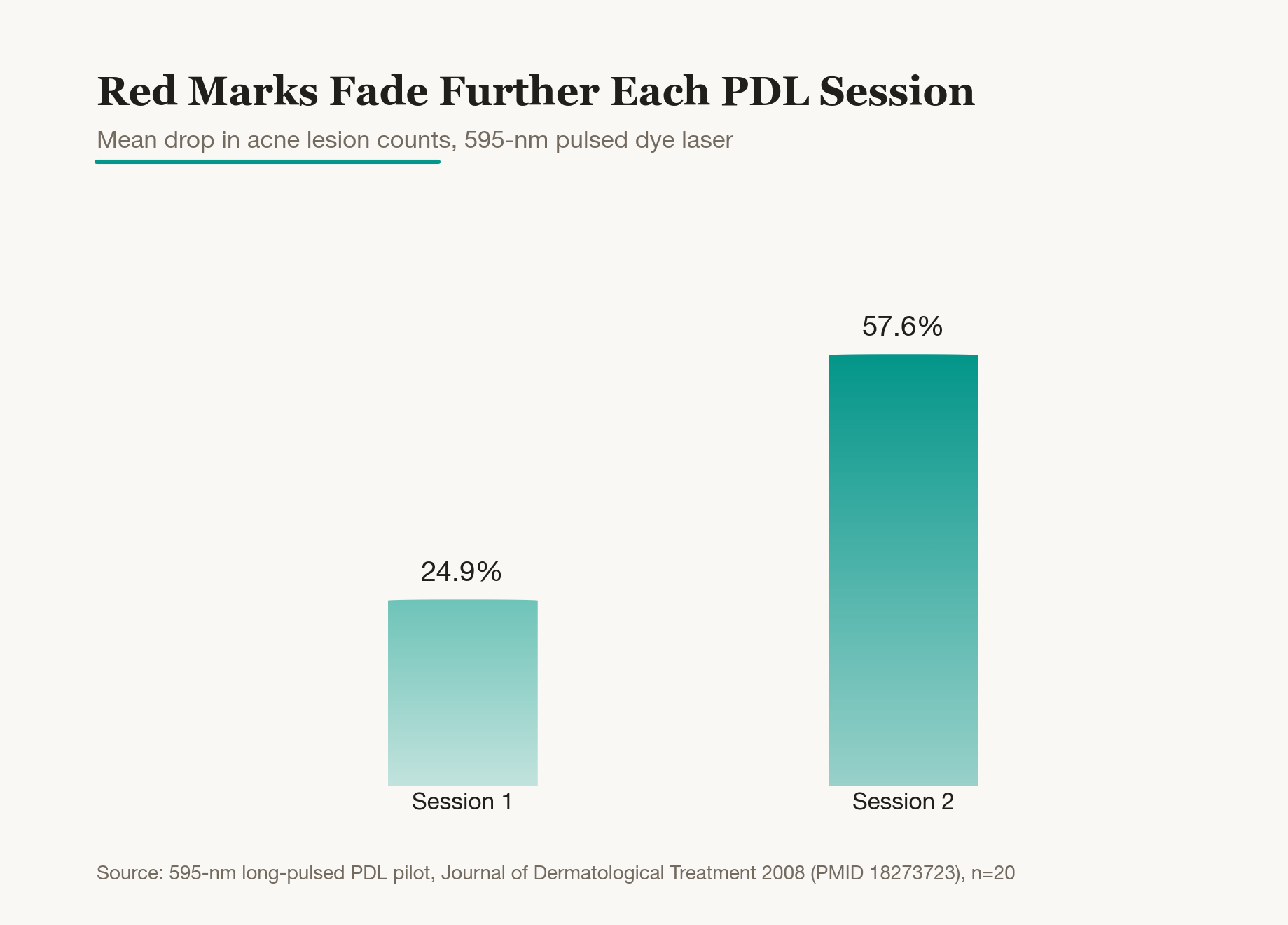
The results are backed by research too. In a study using two sessions of a 595nm Vbeam-type PDL for post-acne redness, 90% of the 20 participants showed improvement. Because of this, it's better to think of red mark treatment as something to chip away at gradually over a few sessions spaced weeks apart, rather than trying to erase it all in one go.
Home care and habits to avoid
Home care matters just as much as laser treatment when it comes to how fast a red mark fades. The single most important step is sun protection. UV exposure re-triggers inflammation and irritates the vessels, dragging out the redness and even adding brown pigmentation on top. So sunscreen needs to go on every day, even on cloudy days or indoors, and be reapplied often.
Topical ingredients help too. Niacinamide and centella, extracted from Centella asiatica, calm redness and irritation. Azelaic acid settles both inflammation and pigmentation at once. But even these ingredients only do their job properly when sun protection is in place to back them up.
There are clear things to avoid as well. Picking or squeezing a red mark only deepens the redness. Harsh exfoliation and hot saunas, anything that irritates the skin and heats it up, also make redness worse. The table below sums up what helps and what to avoid.
| What Helps | What to Avoid |
|---|---|
| Daily sunscreen | Picking or squeezing |
| Niacinamide, centella | Harsh exfoliation |
| Azelaic acid | Hot saunas |
Can untreated red marks become scars?
On its own, a red mark usually isn't a scar. But leaving it untreated for too long can turn it into one. Lingering redness can sometimes be a sign that the inflammation underneath hasn't fully settled. If acne and inflammation keep recurring in the same spot, the collagen in the skin can break down and set into a pitted scar. Red marks and pitted scars can be linked this way, so it's hard to think of them as entirely unrelated.
That's why it pays to address it while it's still just red. If the texture hasn't changed and only the color is off, sun protection and calming care alone can go a long way. If the redness is stubborn or intense, the vascular lasers covered earlier can speed up recovery, and the results build with each additional session.
The real risk is impatient self-treatment. Slathering on harsh products or constantly touching the mark because it's red can reignite inflammation and raise the risk of scarring. Layering on aggressive procedures before the redness has even settled can also re-irritate the skin and slow recovery. The fastest path is simple, don't pick at it, protect it from the sun, and see a dermatologist if needed, before it has a chance to set into a scar.
Was this helpful?
About this article
Written by a practising aesthetic physician and intended for general education — not a substitute for individual medical advice.
Read next
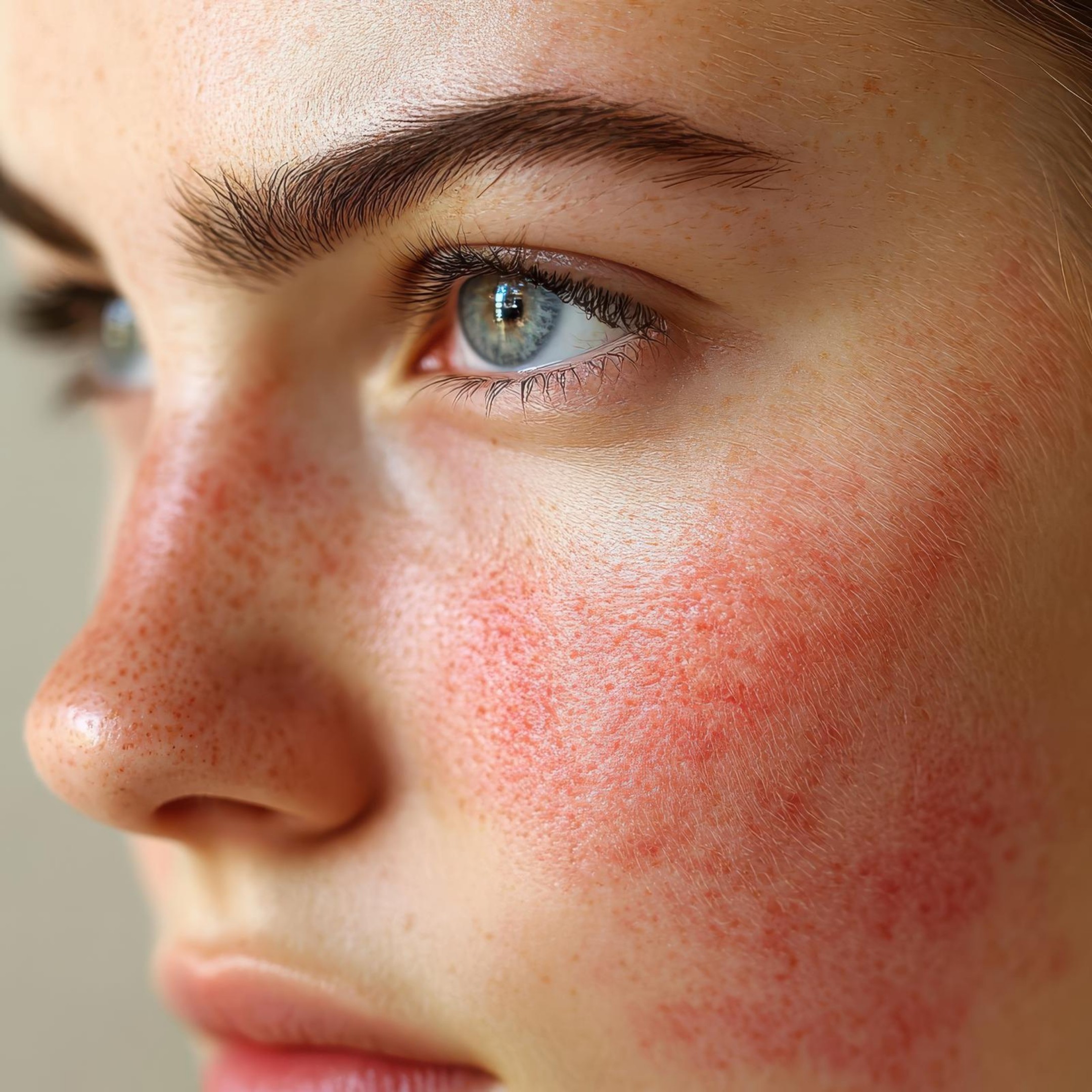
Red Acne Marks: Causes, How to Tell Them Apart, and Laser Treatment
The red marks left behind after acne clears up often aren't pigment at all, but dilated blood vessels showing through the skin. Since the cause and the way they fade differ from pigmentation, they call for a different care approach. Here's how to tell the two apart and how each one recovers.
By Dr. Kim
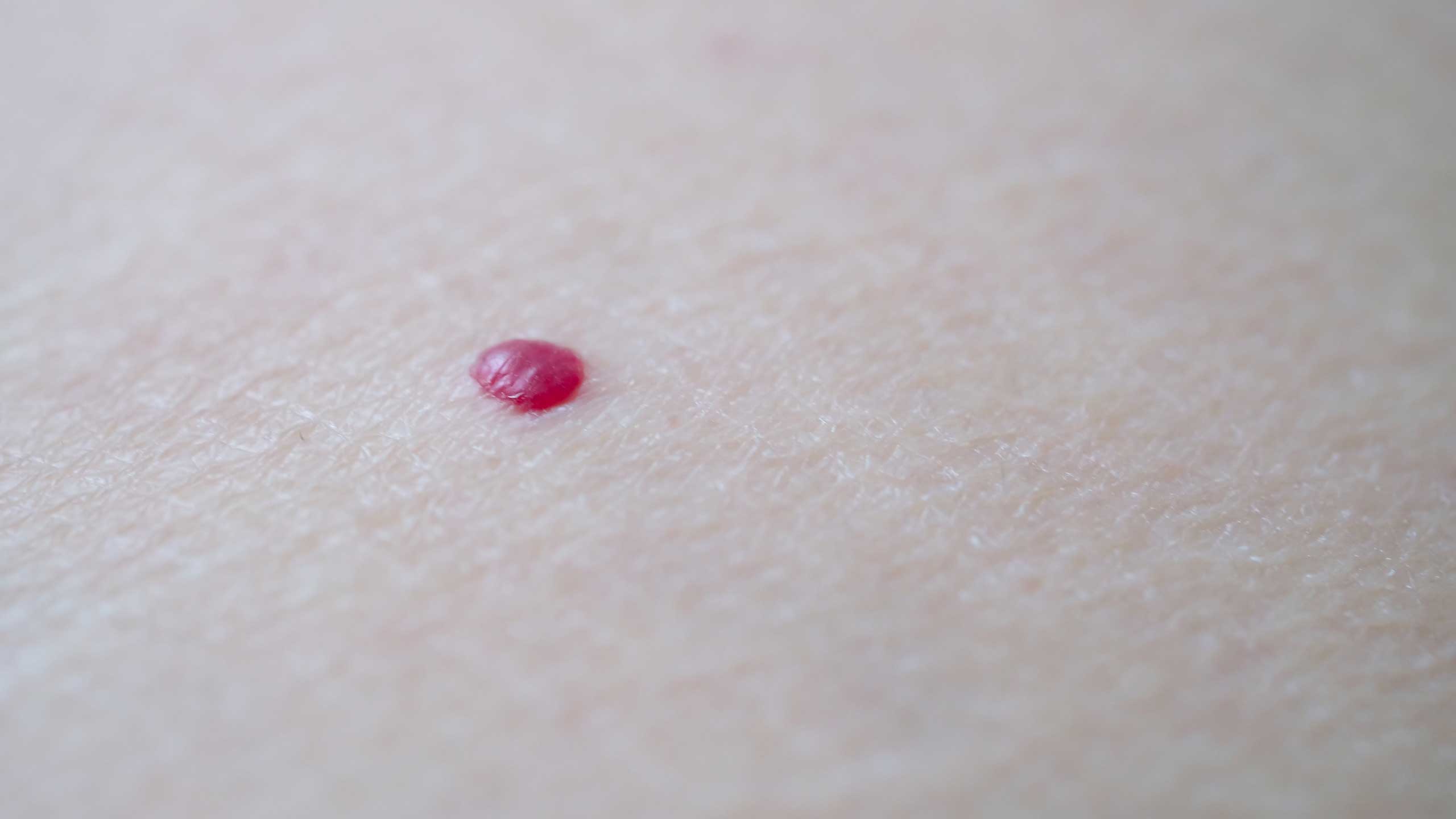
Cherry Angioma: Causes, Symptoms, Laser Treatment and When to See a Doctor
What are those bright red spots called cherry angiomas that show up on the chest or back? A clear, research-backed guide to why they increase with age, how to tell them apart from moles, warts, and purpura, whether pulsed dye, KTP, or long-pulsed Nd:YAG laser or electrocautery works best for removal, how to minimize scarring and dark marks, and when it's time to see a doctor.
By Dr. Kim
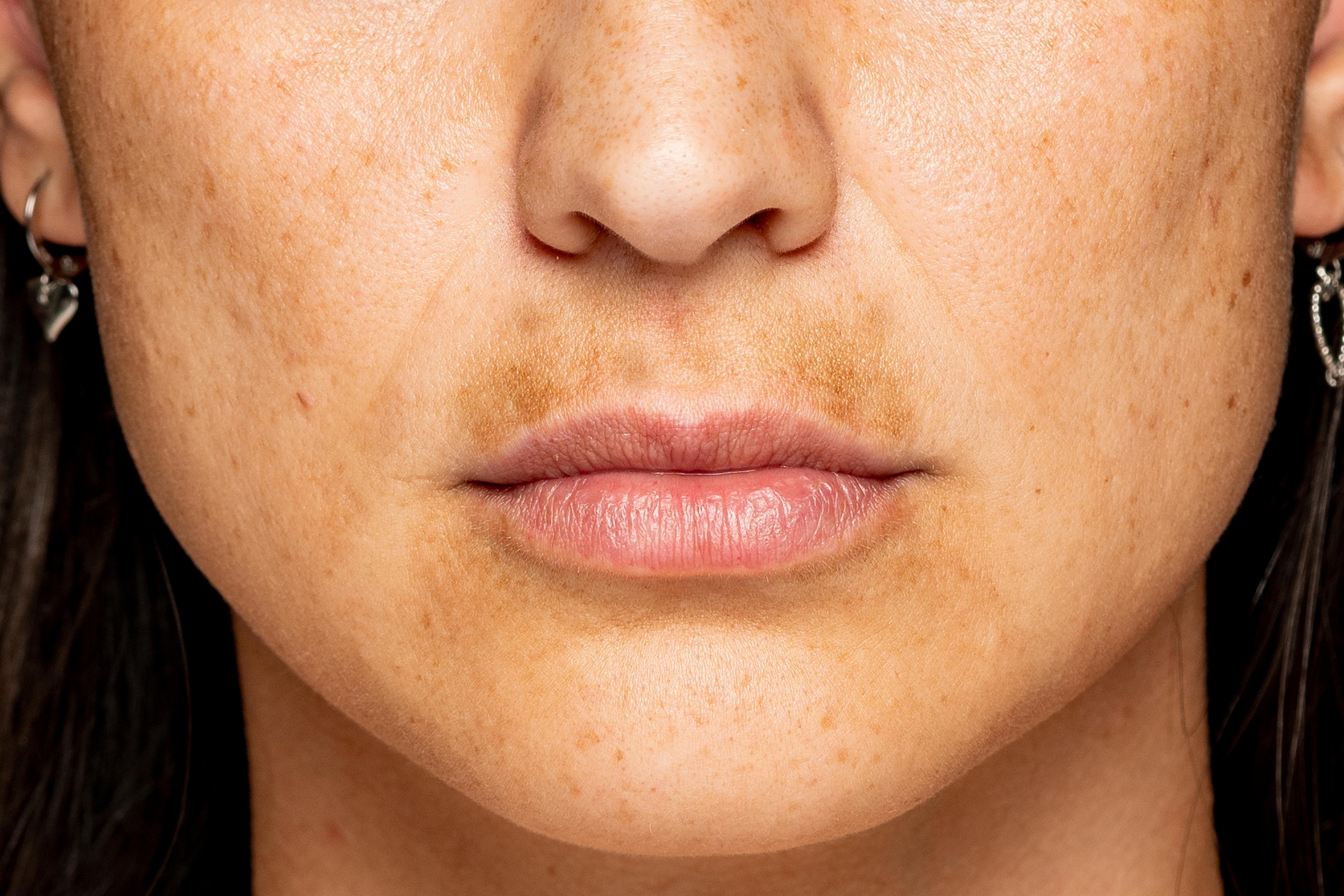
Brown Acne Marks: Causes, How Long They Last, and How to Care for Them
That brown mark that lingers long after a pimple heals has a name: post-inflammatory hyperpigmentation. Here's why inflammation triggers melanin, why the mark fades only slowly, and why sunscreen matters so much, explained through simple, everyday comparisons.
By Dr. Kim