Enlarged Pores Versus Scar Pores: How to Tell Them Apart and Care Compared
By Dr. Lee8 min read
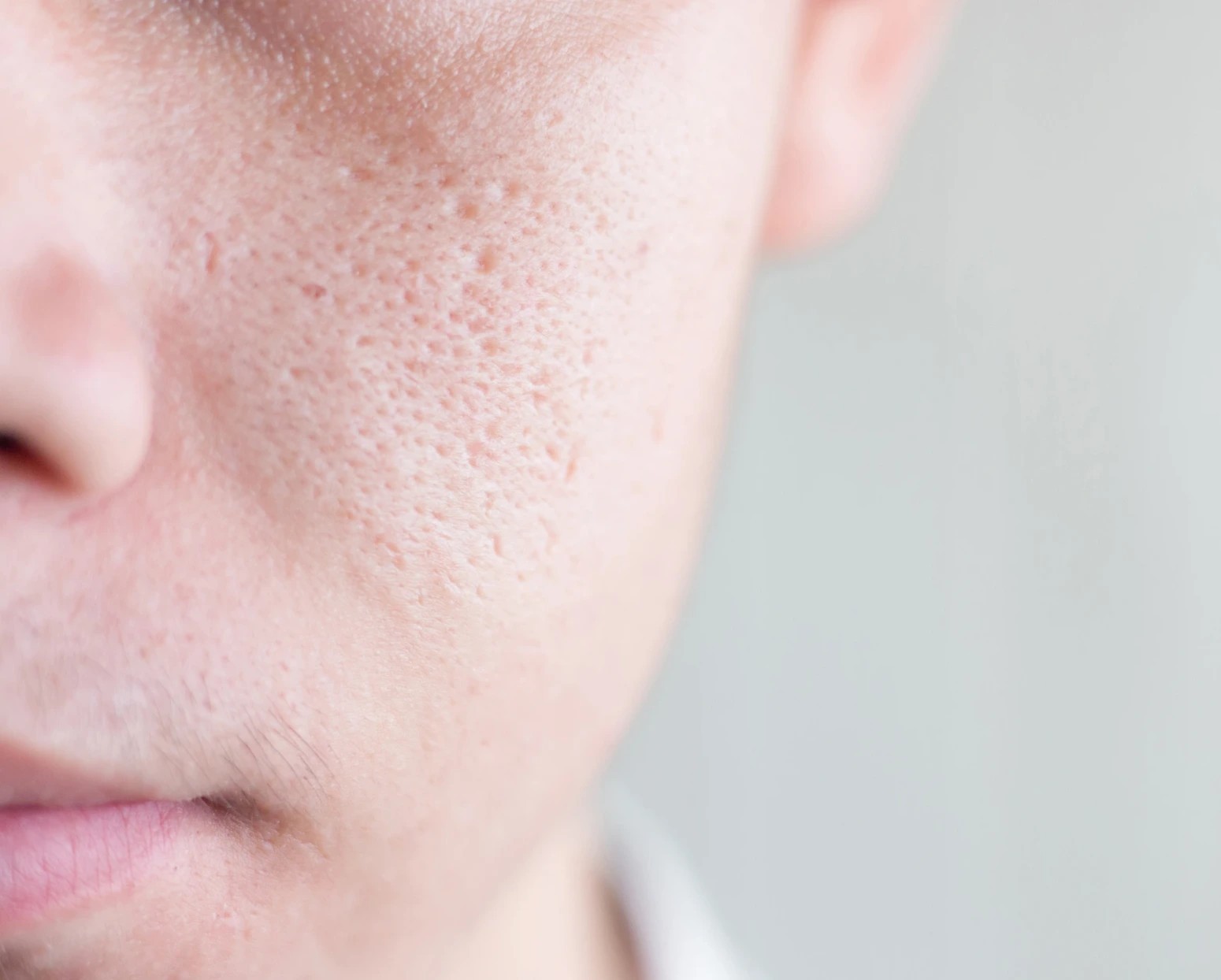
Every time you get close to a mirror, those pores catch your eye. They all look the same at first glance, but often two separate problems are mixed in together. One is a pore that started out normal and simply widened over time. The other is a spot where an old breakout left behind a small crater, more scar than pore.
Both look like tiny holes on the face, so people often treat them as the same issue and manage them the same way. But since they form through different mechanisms, the treatment approach needs to be different too. Whatever works well on an enlarged pore may not do much for a scar pore, no matter how consistently you apply it. Let's go through why each one shows up, how to tell them apart, and how to manage each one.
Why do pores get wider?
A pore is really just an opening connected to an oil gland underneath. Sebum travels up through this channel and spreads across the skin's surface to keep it moisturized. But when the gland produces more oil than usual, that extra volume fills and pushes against the walls of the channel, and the opening gradually stretches wider.
This shows up most clearly on the nose and forehead, where oil glands are packed more densely. A higher density of glands simply means there are more channels available to widen, which is why the pores around the nose tend to look noticeably larger on a lot of people.
A drop in collagen and elastic fibers plays a role here too. Around every pore opening sits a mesh-like network of fibers that normally keeps the channel cinched slightly tighter. That support weakens with age and years of sun exposure. Think of an old rubber band that's lost its snap: once it's stretched out, it doesn't spring back the way it used to.
What factors make enlarged pores worse?
Enlarged pores rarely come down to a single cause. Usually it's a combination of factors that determines how noticeable they become.
- Sebum output: The more active someone's oil glands are, the more volume fills the pore channel, pushing the opening wider. Genetics and hormonal shifts both influence how much oil gets produced.
- Hair follicle size: Areas with naturally thicker follicles tend to have larger-looking pores above them, since a thicker follicle means a wider channel diameter to begin with.
- Loss of collagen and elastic fibers: With age or repeated sun exposure, the fibers that once kept pores cinched weaken, and the opening settles into a wider, stretched-out state. Once that support structure loosens, it doesn't easily bounce back to its original size.
- Skin laxity: When skin over a broad area like the cheeks starts to sag downward, once-round pores can stretch into a slight teardrop shape. As the whole area of skin pulls downward, the pore opening gets dragged along with it.
Why do scar pores form?
Despite the name, a scar pore isn't really a pore at all, it's closer to a scar. It's a spot where an old breakout left a small crater behind, and it forms through a completely different mechanism than a normal pore channel.
When inflammation from acne runs deep and lingers, the body launches an immune response to clear out bacteria and damaged tissue in that area. Collagen in the dermis gets broken down as part of that cleanup. If new collagen doesn't fully replace what was lost once the inflammation settles, that spot stays sunken. In other words, this isn't about excess oil widening a channel, it's about the structural support underneath the skin actually shrinking.
Picture a potted plant where the roots have rotted and the soil has settled and sunk. From the outside it looks like a small dip, but what's really happened is that the support underneath is gone. That's why surface treatments alone don't tend to fill it back in.
Why does inflammation leave a scar behind?
While inflammation is active, the body also ramps up enzymes that break down damaged tissue. This is a necessary step, since old or damaged material has to be cleared away before healing can begin. But when that breakdown outpaces how quickly new collagen gets laid down, the gap between the two leaves behind a visible dip.
The deeper the inflammation and the longer it's left untreated, the wider that gap tends to become. Shallow, short-lived breakouts usually heal and fill back in naturally. Deep, prolonged inflammation, on the other hand, often finishes healing before the lost collagen has been fully replaced. That's part of why leaving a breakout untreated, or picking at it and prolonging the inflammation, raises the odds it leaves a permanent scar.
The shape of the resulting scar varies too. Some are narrow and deep, others are broad and shallow like a small saucer. The difference tends to come down to how deep into the dermis the inflammation reached and how far it spread.
How do you tell enlarged pores from scar pores?
Looking at them side by side can be confusing, but a few simple checks make the distinction much easier.
- Shape: Enlarged pores are usually round and symmetrical, while scar pores tend to have angular edges or an uneven, lopsided shape. A pore follows the natural shape of its channel, but a scar forms wherever tissue happened to break down unevenly, so its shape stays irregular.
- Location: Enlarged pores cluster around the nose and forehead, where oil glands are concentrated. Scar pores can show up anywhere an old breakout occurred, including the cheeks or jawline, areas with fewer oil glands. Scars follow the path of past inflammation, not oil production.
- Skin-stretch test: Gently pulling the skin taut with your fingers often makes enlarged pores look less noticeable, since the surrounding elastic fibers are still intact and pull the opening narrower. Scar pores tend to look about the same whether you stretch the skin or not, since the support tissue underneath is simply gone.
- Presence of a plug: Enlarged pores often show a small plug of oil and dead skin cells sitting inside. Scar pores usually don't, since they're not an open channel to begin with, just a sunken spot.
If it's still hard to tell after checking these, a dermatologist visit will give you a clear answer. In practice, plenty of people have both types mixed together on the same area of skin.
Enlarged pores call for sebum and elasticity care
Enlarged pores respond best to a combination approach: controlling oil production while also supporting the elasticity around the pore. Since the root cause involves both a clogged channel and loosened support tissue, addressing both tends to bring better results.
Retinoids are known to regulate how quickly dead skin cells build up on the surface while also stimulating collagen production in the dermis, essentially helping to refill the fiber network that once kept pores cinched. Niacinamide is known for reducing oil production, which helps cut down on the volume filling the channel in the first place.
Oil-soluble exfoliants like salicylic acid blend well with oil, letting them travel further into an oil-clogged pore than water-soluble exfoliants typically can. And daily sunscreen protects the elastic fibers around pores from further damage. Repairing fibers that have already weakened works best alongside preventing new damage from UV exposure.
Scar pores are treated by filling from within
Surface treatments alone have real limits when it comes to scar pores. Since the core issue is a loss of collagen deep in the dermis, the approach needs to actually rebuild collagen in that spot.
Microneedling creates tiny, controlled injuries around the sunken area, prompting the body's own healing response to kick in. New collagen forms as part of that repair process, and the sunken area gradually fills in over time. Adding radiofrequency energy to the treatment is thought to carry that stimulation deeper into the dermis, triggering a healing response across a broader area.
If there's fibrous tethering underneath a scar, tissue essentially pulling the skin down like a string, a separate procedure to release that tethering may be needed first. It's similar to a curtain caught on one cord: no amount of smoothing will flatten it out until that cord is released. If the tethering stays in place, other treatments won't smooth out the depression the way they should. Lasers that refine the boundary between the surface and the dermis are also used alongside these treatments to help new tissue settle into place properly.
What if you have both?
Both enlarged pores and scar pores take time to improve. Collagen rebuilding and elastic fibers refilling are gradual processes that the body works through on its own timeline. Rather than expecting a dramatic change after one or two sessions, staying consistent with the approach that matches your cause tends to bring results closer to what you're hoping for.
It's also common to have both types on the same face at once, enlarged pores around the nose alongside scar pores on the cheeks, for example. In that case, treating each area with its own approach usually makes the most sense. Getting an accurate read from a dermatologist and discussing the right combination for your skin is the most reliable way forward.
References
Korean Dermatological Association, American Academy of Dermatology (AAD), and Ministry of Food and Drug Safety (MFDS).
Was this helpful?
About this article
Written by a practising aesthetic physician and intended for general education — not a substitute for individual medical advice.
Read next
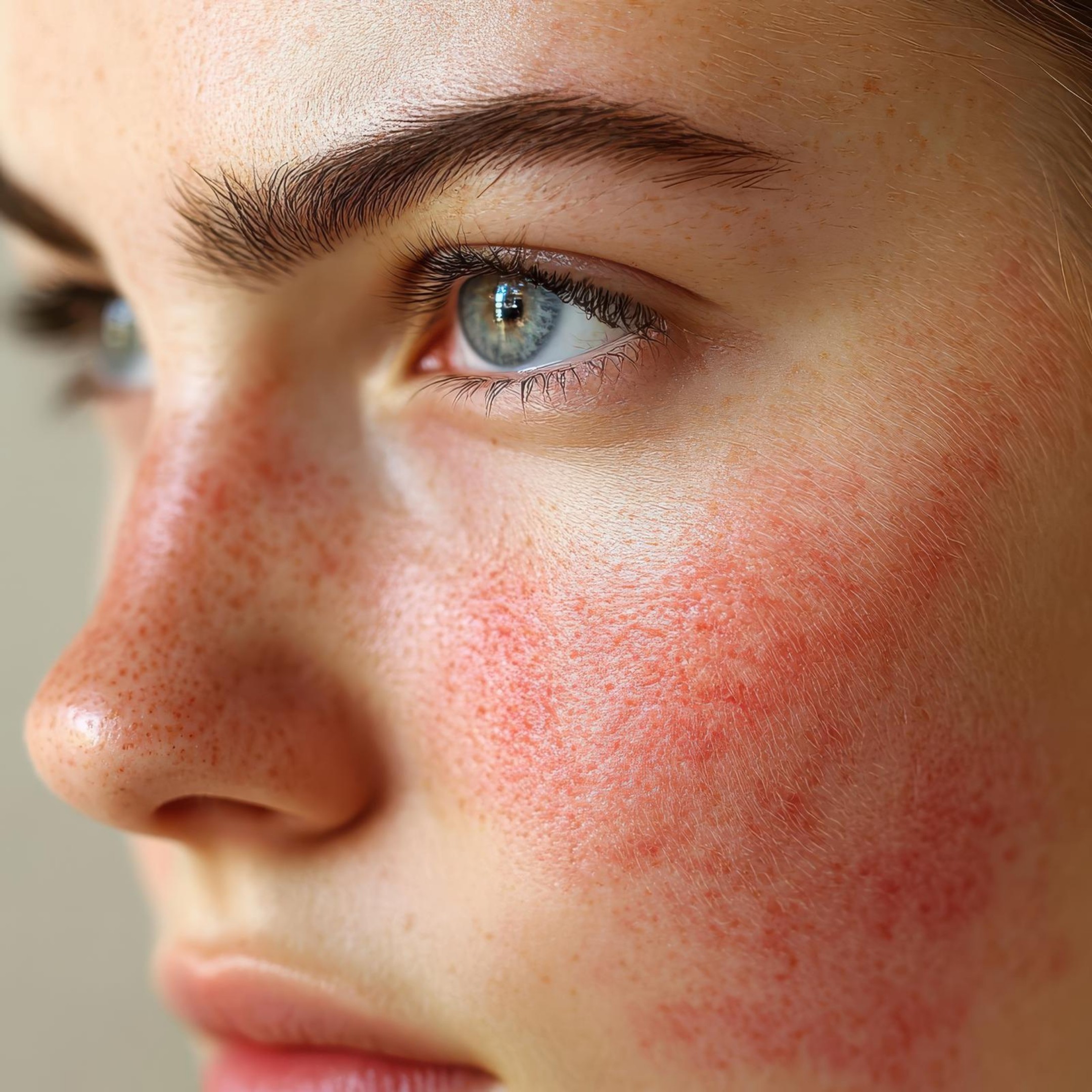
Red Acne Marks: Causes, How to Tell Them Apart, and Laser Treatment
The red marks left behind after acne clears up often aren't pigment at all, but dilated blood vessels showing through the skin. Since the cause and the way they fade differ from pigmentation, they call for a different care approach. Here's how to tell the two apart and how each one recovers.
By Dr. Kim

Tiny Facial Bumps: How to Tell Flat Warts, Milia and Skin Tags Apart, and How to Treat Them
The small bumps that show up on the face can look alike, but flat warts, milia, and skin tags have different causes and different treatments. Here is how to tell the three apart at a glance, the right CO2 and Er:YAG laser or electrocautery approach for each, how common they are, how they tend to recur, and real evidence on why removing them at home is risky.
By Dr. Lee
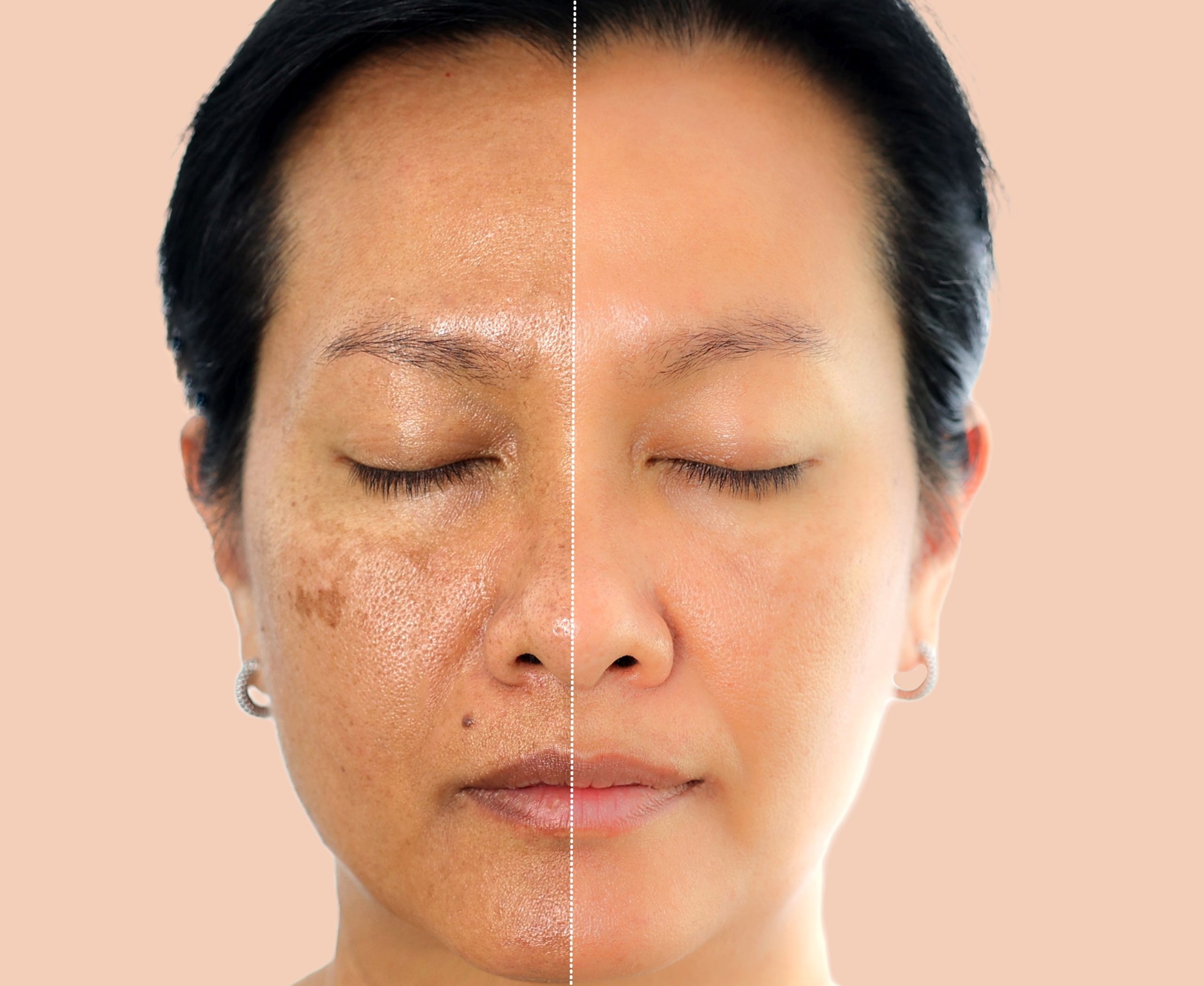
Laser for Melasma and Sun Spots: Epidermal Versus Dermal Pigment
Melasma and sunspots can look like the exact same shade of brown, yet how deep that pigment sits changes everything about how it responds to treatment. Here is why epidermal and dermal pigment are handled with completely different principles, and why that distinction matters so much for planning care.
By Dr. Lee