Facial Redness From Rosacea: Causes, Vascular Laser Sessions and Aftercare
By Dr. Lee7 min read
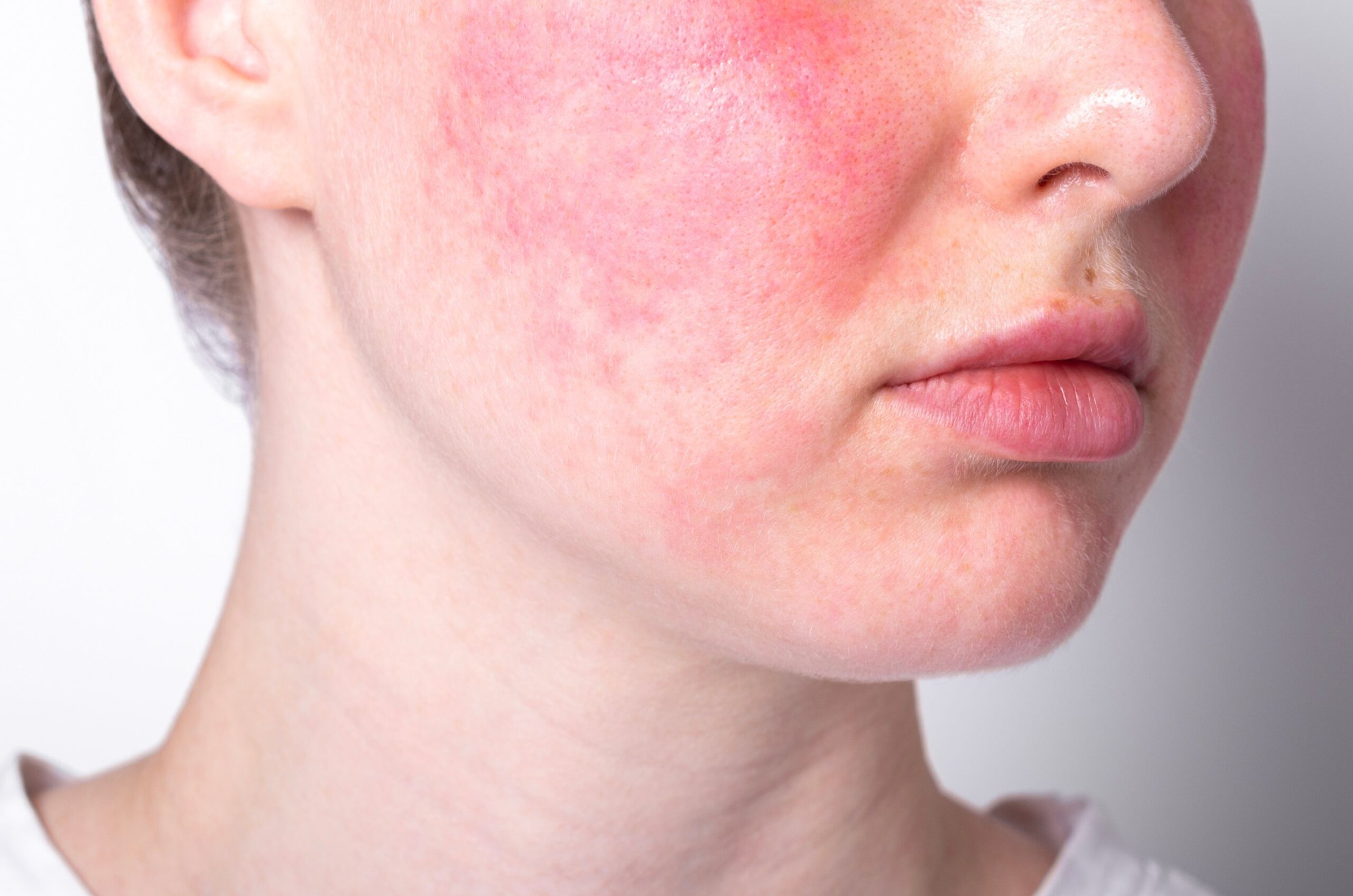
Some people flush bright red at the smallest trigger. A slight change in weather, a bite of spicy food, even a conversation that gets a little heated can send blood rushing to their cheeks. At first it just seems like a "flushes easily" personality trait. But when the redness lingers for over an hour, or starts showing up more and more often, that's a different story.
When the center of the face, especially the cheeks and nose, keeps turning red and hot like this, it's usually rosacea. Switching skincare products doesn't help, and in some cases tiny blood vessels start showing through the skin. It's often mistaken for acne or a product allergy, and people end up applying the wrong things for months while the real cause goes untreated. This piece walks through why this redness happens in the first place, and how vascular lasers work to calm it down.
Why Does the Face Turn Red at the Slightest Trigger?
Just beneath facial skin lies a fine mesh of tiny blood vessels. They take their cues from the autonomic nervous system, widening or narrowing on command, much like a faucet that opens and closes as needed.
The sensitivity of that faucet varies from person to person. Some people's vessels barely react to heat or irritation. In people prone to rosacea, though, even a mild trigger can make the vessels open wide. Heat, spicy food, stress, anything that travels through the nerves to the vessel walls, causes them to dilate suddenly, pulling in more blood and flushing the face red.
How Stretched Vessels Turn Into Visible Veins
Normally, once the face flushes, the vessels narrow back down over time and the color returns to normal. The problem is what happens when this cycle of widening and narrowing repeats for too long: the vessel walls themselves can end up stuck in a stretched-out state. It's a bit like a rubber hose left under tension for years, once you release it, it doesn't quite spring back to its original shape.
These fine vessels that stay stretched and fixed in place are known as telangiectasia, or simply "broken capillaries." They show through the skin as thin red lines or reddish patches. Once things reach this stage, the redness won't go away just by avoiding triggers, because the stretched-out vessels themselves are now the source of the problem.
Why Redness Gathers on the Nose and Cheeks
Rosacea shows up disproportionately on the nose, cheeks, and center of the forehead compared to the rest of the face. Skin is thinner in these areas, and the vessels underneath sit unusually close together. Because these vessels do a lot of the work cooling the body down, they naturally open and close more often in response to heat and irritation.
There's another factor worth mentioning. Everyone's skin naturally hosts a small population of tiny mites called demodex, but skin affected by rosacea often shows a noticeably higher count of them. Demodex mites aren't thought to cause rosacea outright, but the surge in their numbers is believed to trigger an immune response that fuels inflammation and vessel dilation. Think of it like a normally harmless bacteria population that flares into a problem once it grows beyond its usual balance.
Is There Only One Cause of Rosacea?
There's no single cause of rosacea. It's understood to result from several factors overlapping at once.
- Dysregulated blood vessels and nerves: The nerve signals that control vessel widening and narrowing react more sensitively than in other people, so even minor triggers cause an outsized vascular response.
- A weakened skin barrier: When the skin's protective outer layer thins out, outside irritants penetrate more easily and reach the blood vessels underneath.
- Genetic predisposition: Having family members who flush easily or have had rosacea suggests a person may have inherited a naturally more reactive vascular system.
- Inflammation: When immune activity in the skin ramps up too much, vessel dilation happens more often and lasts longer.
As these factors pile up, what starts as occasional flushing tends to progress into persistent redness and visible broken capillaries over time.
How Does Vascular Laser Reduce Redness?
Vascular lasers, most notably PDL (pulsed dye laser) and IPL (intense pulsed light) devices, work by targeting color. Hemoglobin, the pigment in blood that gives it its red color, absorbs specific wavelengths of light exceptionally well.
That's exactly the property the laser exploits. It leaves the rest of the skin's tissue largely untouched and delivers light energy straight into the vessels that contain hemoglobin. This targeted heating of a specific pigment is called selective photothermolysis, or in plain terms, heating only the target and nothing else. As that light energy converts to heat inside the vessel, the stretched-out vessel wall gradually contracts and closes, fading the red lines or blotches visible on the surface. Throughout the process, the skin's surface is kept cool by the device's cooling system, so the heat stays concentrated in the vessels and rarely damages the surrounding skin.
How Many Vascular Laser Sessions Do You Need?
Some people see a noticeable improvement after a single vascular laser session, but most cases call for 3 to 5 sessions, simply because vessels vary in thickness and depth.
Thin capillaries sit close to the surface, so light reaches them easily. Thicker or deeper vessels, on the other hand, may not fully close after just one round of energy. That's why treatments are typically spaced 3 to 4 weeks apart, repeated 3 to 5 times, working through the remaining vessels session by session. It's also worth noting that if the skin keeps encountering the same triggers after treatment, new vessels can stretch out again, which is why ongoing skincare is emphasized alongside the procedure itself.
Everyday Triggers That Bring the Redness Back
Skin prone to rosacea reacts sharply to certain triggers. The following are known to act as switches that send blood vessels wide open.
- Hot drinks and spicy food: Anything that raises body temperature quickly triggers the nerve response that dilates blood vessels almost instantly.
- UV exposure: Sun exposure stirs up inflammation in the skin and weakens vessel walls, making redness more pronounced.
- Sudden temperature swings: Moving from a cold outdoor space into a warm room, for example, forces vessels to constrict and dilate repeatedly in a short span of time.
- Alcohol and stress: Alcohol dilates blood vessels directly, while stress triggers the same result through the autonomic nervous system.
- Intense exercise or sauna use: As the body's internal temperature rises, it widens blood vessels in an effort to cool itself down.
- Harsh skincare ingredients: Products with high alcohol content or strong fragrance irritate an already weakened skin barrier and can provoke vascular reactions.
Avoiding these triggers one by one can meaningfully slow how quickly new irritation accumulates in the vessels.
How Should You Care for Skin After Treatment?
Even after vascular laser treatment clears out existing damaged vessels, skipping daily skincare habits can let new irritation build up and cause fresh vessels to stretch out again. That's why applying sunscreen diligently every day, separate from the procedure itself, is so strongly emphasized. UV exposure is a trigger for both inflammation and vessel dilation at once.
Using a gentle, low-irritation cleanser and moisturizer to protect the skin barrier matters just as much. A sturdy barrier keeps outside irritants from reaching the vessels underneath so easily. Scrubbing the skin too hard while cleansing, or using exfoliants too often, can thin out that barrier and leave the vessels even more reactive, so it's worth being mindful of that.
Avoiding environments with drastic temperature swings, and keeping track of situations that tend to trigger flushing, can also go a long way toward figuring out your own personal triggers and managing them.
References
Korean Dermatological Association, Ministry of Food and Drug Safety (MFDS), American Academy of Dermatology (AAD), and U.S. Food and Drug Administration (FDA). </content> </invoke>
Was this helpful?
About this article
Written by a practising aesthetic physician and intended for general education — not a substitute for individual medical advice.
Read next
Cafe-au-Lait Spots Returning After Laser: Causes, Number of Sessions and Expectations
A café au lait spot forms because the pigment-making cells in that one patch of skin are locally overactive. Laser treatment breaks up the pigment that has already built up, but it doesn't switch off those cells, which is why the color so often returns. Here's the biology behind it, why results differ so much from person to person, and what a realistic treatment timeline actually looks like.
By Dr. Kim
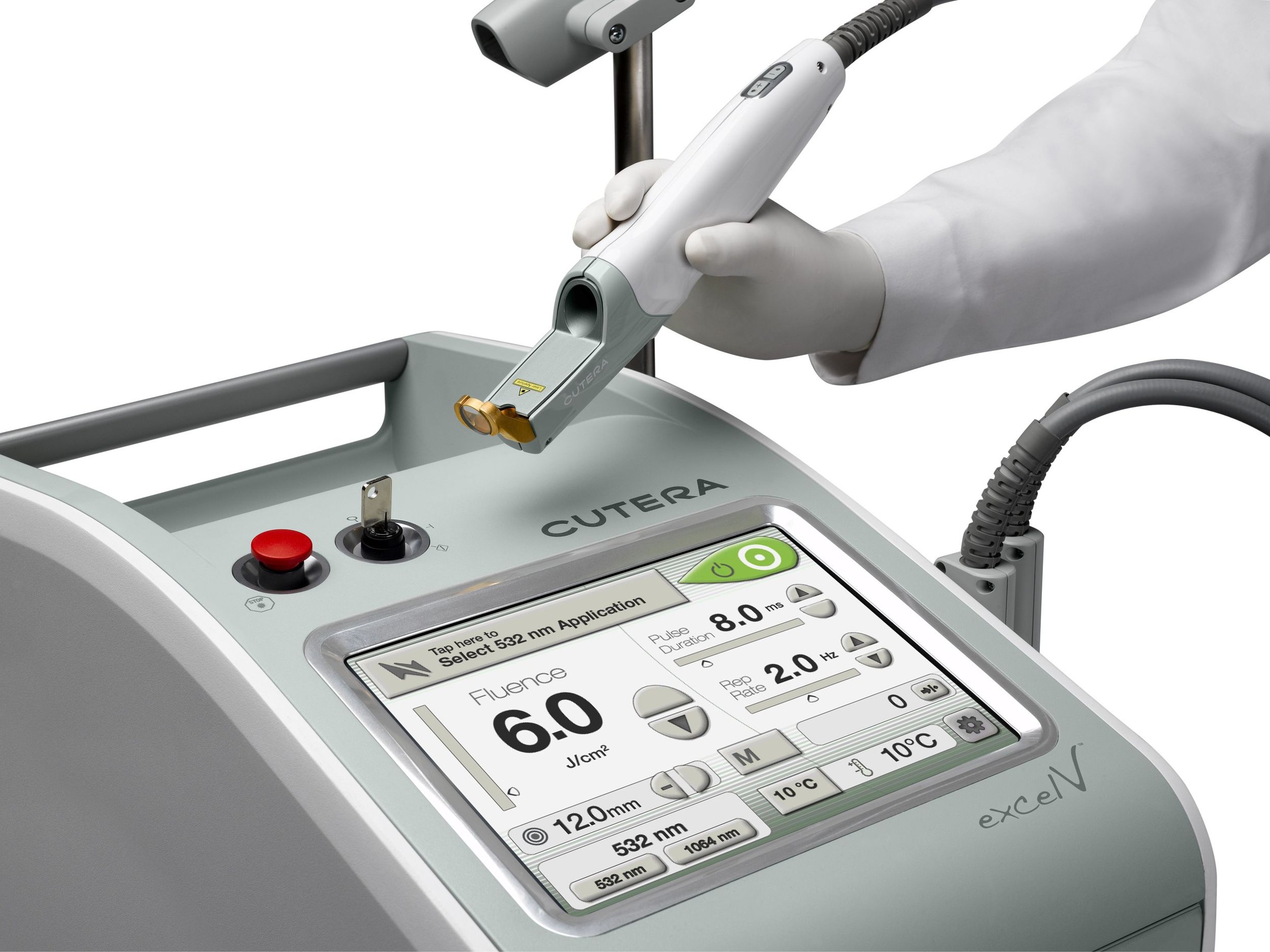
Excel V Laser for Redness and Dark Spots, Including Sessions and Downtime
The Excel V laser uses two different wavelengths of light to target blood vessels and pigment separately in the same session. Here is why redness and brown spots can be treated by a single machine, explained through how the device actually works.
By Dr. Kim
Sebaceous Hyperplasia: Causes, How to Tell It From Acne, Removal and Recurrence
If you have a yellowish bump on your forehead or cheek that won't go away no matter how much you squeeze it, it might not be acne at all, but sebaceous hyperplasia. Here's an easy breakdown of why enlarged glands form a dimpled bump, how it differs from acne, how electrocautery clears it, and why it tends to come back.
By Dr. Kim