Vbeam Laser Effect on Tiny Vessels and Redness, and Downtime
By Dr. Lee6 min read
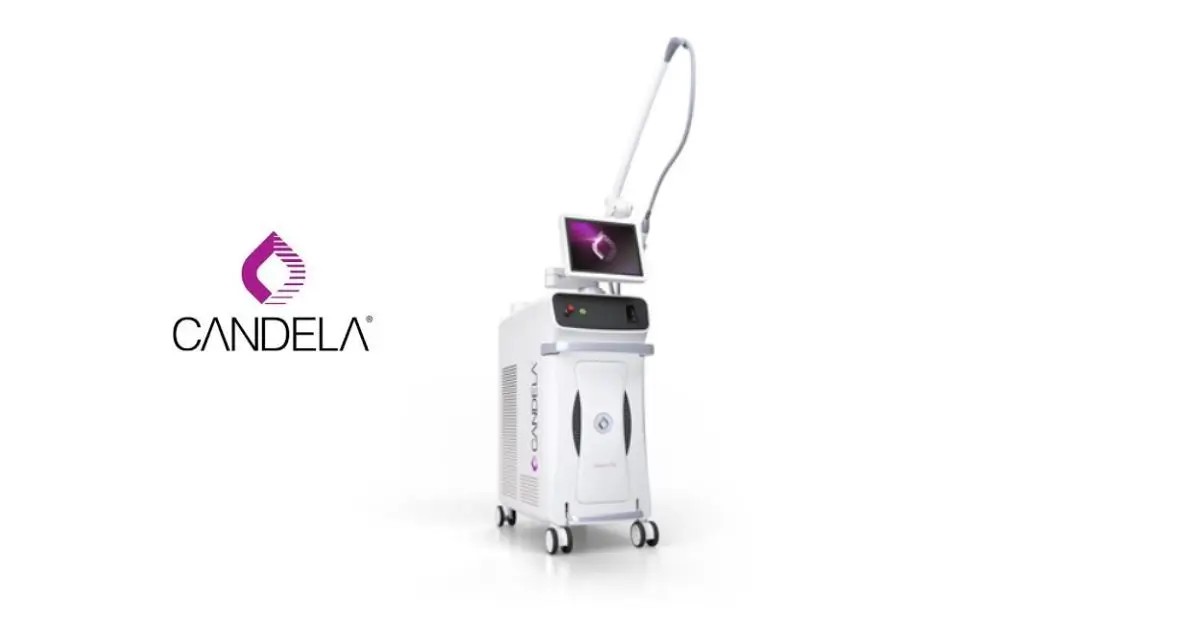
Fine red threads keep showing up on your cheeks and around your nose in the mirror. Makeup covers them for a day, then they're back the next morning, and a cold snap or a single glass of wine can flush your whole face. Patients with this complaint hear one name more than any other at the dermatologist's office: Vbeam.
Vbeam belongs to the dye laser family, but it was built to go after blood vessels rather than pigment. Let's walk through, step by step, how it manages to pick out only the dilated vessels among all the tissue layers in the skin.
A Pigment Laser Developed for Vessels
Vbeam is a type of PDL (pulsed dye laser). The name comes from the dye solution used as the medium that generates the laser light.
Before this technology existed, lasers used to treat vascular conditions often scorched normal tissue right along with the target. Vbeam was engineered to fire a specific yellow wavelength between 585 and 595 nanometers (nm), a range that reacts almost exclusively with the pigment inside blood vessels while leaving the surrounding skin relatively untouched.
How Does Hemoglobin Absorb Yellow Light?
Blood looks red because of hemoglobin, a protein pigment packed inside red blood cells. Hemoglobin's main job is ferrying oxygen through the body, but it also happens to absorb a particular color of light unusually well.
Splash green paint on a red shirt and it stands out instantly, because every material has a color of light it soaks up more readily than others. Hemoglobin is especially good at absorbing yellow light, and the 585 to 595 nm range that Vbeam fires sits right in that sweet spot.
Melanin, the pigment that gives skin its color, and water, another major component of skin, absorb this same wavelength far less efficiently. So when the laser fires, hemoglobin inside the blood vessels soaks up much more energy than the tissue around it, and that gap is the whole trick behind clearing vessels selectively. Dermatologists call this principle selective photothermolysis: targeting a specific color to concentrate heat damage only where that color exists.
How Light Turns to Heat and Hardens the Vessel
Once hemoglobin absorbs the light energy, it converts almost instantly into heat, and that heat transfers straight into the wall of the vessel carrying it.
Dilated capillaries, the kind responsible for visible red threads, have thin, fragile walls. Heat damages the cells lining the inside of the vessel, and the vessel essentially shrinks and coagulates. Think of it the way egg white turns solid and white under heat: coagulation here means blood and vessel tissue that used to flow like liquid stiffen into a fixed form once heat hits them.
Vbeam is set to fire that heat in an extremely short burst, on the order of milliseconds. Because the laser cuts off before the heat has time to spread beyond the vessel, the damage stays contained to the target and the heat that reaches the normal skin nearby is minimal.
How Does the Body Clear Hardened Vessels?
A vessel that's been coagulated by the laser doesn't vanish on the spot. The body needs time to gradually clean up the damaged tissue.
Over the following days, the coagulated vessel wall gets broken down and absorbed by macrophages, the immune system's cleanup crew. It's a bit like trucks hauling away leftover material after construction wraps up. This absorption process is known to take about 1 to 4 weeks after treatment, which is why the redness fades more noticeably as time passes rather than disappearing on the day of the procedure itself.
Why Does Purpura Form Right After Treatment?
After a Vbeam session, the treated area often turns purple or violet, almost like a bruise. This is known as purpura.
Purpura happens because the heat damages the vessel wall enough that a small amount of blood leaks into the surrounding tissue. In fact, seeing purpura is often taken as a good sign that the laser energy actually reached the target vessels and triggered a response. That said, purpura isn't strictly necessary, and some device settings are chosen specifically to minimize or avoid it.
How Long Is the Downtime Until Purpura Fades?
When purpura does appear, the downtime typically runs about 7 to 10 days. Over that stretch, the skin goes through a predictable sequence of changes.
- Right after treatment, purple spots show up along with some mild swelling, caused by a brief inflammatory response around the damaged vessels.
- Somewhere between day 3 and day 5, the color gradually shifts from purple to brown and then to yellow, a sign that macrophages are actively breaking down the leaked blood components.
- By around day 7 to day 10, the purpura has mostly cleared and the skin returns close to its original tone, meaning the absorption of the damaged vessel tissue is wrapping up.
During this window, it's best to avoid rubbing the area or applying hot compresses, since the vessel walls are still healing and more sensitive to irritation than usual.
Why Do You Need Several Sessions?
The capillaries and redness scattered across the face vary in thickness and depth. A single session is rarely enough to reach every vessel; some respond right away while others sit just out of the laser's effective reach.
That's why the typical protocol calls for 3 to 5 sessions spaced 4 to 6 weeks apart. Each round clears out the vessels that responded most strongly, then the next session goes after whatever is left. Reports suggest that overall redness keeps fading cumulatively with each additional session.
Redness That Responds to Vbeam and Redness That Doesn't
Since Vbeam's actual target is hemoglobin inside blood vessels, redness that's genuinely vascular in origin tends to respond the best.
- Fine, thread-like capillaries on the cheeks or beside the nose (telangiectasia) respond noticeably well, since the vessels themselves are the target and sit close enough to the skin's surface for the laser to reach them easily.
- Chronic flushing from alcohol or temperature swings, especially the persistent redness seen in rosacea, is another classic indication. Because the cause here is widespread microscopic vessels across the whole face, treatment usually involves repeated passes over a broad area.
- Red marks left behind after acne heals also tend to improve, since those marks are essentially dilated vessels too. Brown post-acne marks are a different story, though, since those come from melanin rather than blood vessels, and a different wavelength suits that problem better.
On the other hand, structural issues like depressed scars or enlarged pores, where the tissue architecture itself has changed rather than the color, won't resolve with Vbeam alone, simply because the target isn't a vessel.
Habits to Follow Before and After Treatment
Vbeam is known for a relatively fast recovery, but keeping these three points in mind helps the healing go even more smoothly.
- Apply sunscreen generously both before and after treatment. Skin that's just been through laser treatment is more prone to pigmentation, so sun exposure can leave the treated area with lingering brown discoloration.
- Skip exfoliation and vigorous massage while purpura is still visible. Adding physical irritation to vessel tissue that's still recovering can reignite the inflammation.
- Hold off on hot saunas or intense exercise for about 3 to 5 days. A sudden spike in body temperature and blood flow can send heat rushing right back to vessels that have only just coagulated.
Sticking to this routine is known to help both how quickly the purpura fades and how much the overall redness improves.
References
Korean Dermatological Association, Ministry of Food and Drug Safety (MFDS), American Academy of Dermatology (AAD), and U.S. Food and Drug Administration (FDA).
Was this helpful?
About this article
Written by a practising aesthetic physician and intended for general education — not a substitute for individual medical advice.
Read next
Excel V Laser for Redness and Dark Spots, Including Sessions and Downtime
The Excel V laser uses two different wavelengths of light to target blood vessels and pigment separately in the same session. Here is why redness and brown spots can be treated by a single machine, explained through how the device actually works.
By Dr. Kim
Cafe-au-Lait Spots Returning After Laser: Causes, Number of Sessions and Expectations
A café au lait spot forms because the pigment-making cells in that one patch of skin are locally overactive. Laser treatment breaks up the pigment that has already built up, but it doesn't switch off those cells, which is why the color so often returns. Here's the biology behind it, why results differ so much from person to person, and what a realistic treatment timeline actually looks like.
By Dr. Kim

Body Onda: Effects, Approach by Area, Number of Sessions and How Long It Lasts
Body Onda is a non-surgical body contouring treatment that uses microwave energy to selectively heat the fat layer beneath the skin, shrinking fat cells while tightening the skin above them. Here is why the heat targets fat rather than skin, why fat reduction and tightening happen together, how the approach differs for the abdomen, arms, and flanks, and how many sessions it takes to see lasting results.
By Dr. Kim