Body Onda: Effects, Approach by Area, Number of Sessions and How Long It Lasts
By Dr. Kim9 min read

Belly fat and upper arm fat have a way of sticking around no matter how carefully you eat or how often you work out. That is part of why more people have started looking into treatments like Body Onda, which use microwave energy to heat these areas directly and shrink the fat underneath. The idea of sending energy into the fat layer beneath the skin without ever making a cut is what draws most of the curiosity.
The word microwave tends to bring to mind a kitchen appliance, so using it on the body can sound strange at first. Once you understand how it actually works, though, it becomes clear why the heat settles into fat rather than skin, why skin tightening tends to show up alongside fat reduction, and why one session is never the whole story. Here is how the mechanism, the area-by-area approach, and the session count all fit together.
What kind of treatment is Body Onda?
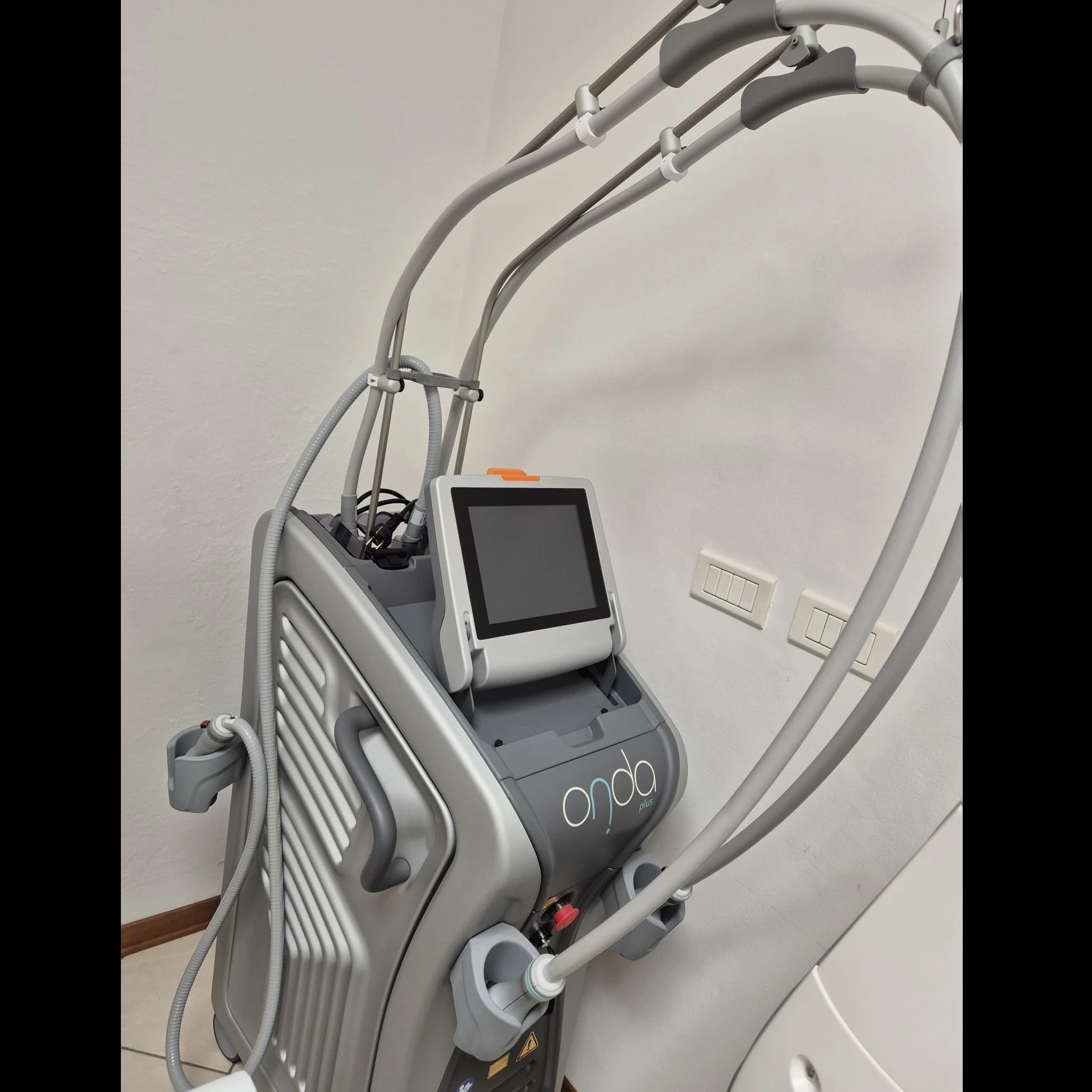
Body Onda is a non-surgical body contouring device that uses microwave energy, the same family of electromagnetic waves a microwave oven uses to heat food, to deliver heat into the fat layer under the skin. A handheld applicator glides over areas where fat has built up, moving in small circular strokes to deliver energy as it goes.
Because no needles or blades are involved, there is no incision and no scarring. That sets it apart from liposuction, which physically removes fat. Body Onda instead applies heat stress to fat cells and lets the body break them down on its own over time, which is why recovery tends to be much shorter.
Most people describe the sensation as similar to a warm compress, and the treatment is typically done without anesthesia or pain medication. There is no five to seven day swelling recovery period the way there often is after liposuction, which is a big reason people fit sessions into busy schedules without much disruption.
Why do microwaves heat only the fat layer?
Put a cup of water in a microwave and it heats up fast. A dry sheet of paper barely warms at all. That is because microwaves make water molecules vibrate, and that vibration generates friction heat, so the more water a tissue holds, the stronger the reaction. But how long that heat sticks around is a separate question. Muscle and dermis are rich in blood flow, so they carry heat away quickly and cool down fast. Fat tissue has less water and conducts heat poorly, so once it warms up, the heat tends to stay put instead of dissipating.
Fat cells actually respond less directly to microwaves than water-rich tissue does, since they contain less water. But their low thermal conductivity means heat delivered from surrounding tissue lingers there instead of escaping. Body Onda is tuned to a specific frequency and depth so that energy reaches the fat layer beneath the skin surface rather than the surface itself, and because fat naturally holds onto heat longer than other tissue, that heat continues to build up right where it matters. Meanwhile, a cooling function protects the skin surface throughout, so the fat layer heats up while the skin stays safe from burns.
Repeated heat exposure like this is reported to gradually damage the cell membrane and internal structure of fat cells, and that accumulated damage is what pushes the cells toward shrinking over time. The key point is that this is not one intense burst of stimulation. It is a gradual buildup across four to six sessions.
Damaged fat cells get cleared away by macrophages, the body's own cleanup cells, which attach to them and slowly break them down for removal. Because that clearance process itself takes time, you will not see a smaller waistline the day after treatment. The change unfolds gradually over four to eight weeks.
Skin tightening that comes with fat reduction
People who try Body Onda often notice that it is not just the fat that changes. The skin feels firmer too. Both changes happen together because the heat reaches not only the fat layer but also the dermis sitting just above it.
The dermis holds collagen, a protein that acts like the scaffolding that holds skin up. When collagen-producing cells called fibroblasts are exposed to heat, they are known to respond by ramping up collagen production. Think of it as old support beams gradually being swapped out for new ones.
So while fat cells in the layer below are shrinking, collagen in the dermis above is increasing, both from the same round of heat exposure. That extra collagen helps support the skin against the sagging that fat loss alone can sometimes cause, which is why fat reduction and tightening are not really two separate effects. They are two outcomes of the same stimulus.
Anyone who has lost weight through diet alone has probably noticed the skin not quite keeping up, looking a bit looser than expected. That happens because the fat disappears while the skin itself gets no signal to adapt. Body Onda is built to heat the skin above the fat layer at the same time it treats the fat below, which is exactly why it is designed to limit that kind of sagging.
How do the belly, arms and flanks differ?
Even with the same microwave technology, fat thickness and skin characteristics vary by area, so the approach changes accordingly. Three factors explain most of that difference.
- The abdomen has a thicker fat layer and a larger surface area, so energy needs to be delivered evenly across multiple spots over a longer stretch of time. The thicker the fat layer, the longer it takes for heat to spread evenly all the way through.
- The arms have a comparatively thin fat layer and more sensitive skin, so treatment often uses lower output over three to four shorter sessions. In thinner areas, the same amount of energy builds up heat more easily, so pushing the output too hard can end up overstimulating the tissue.
- The flanks have more curves and folds, so the angle and path of the applicator need careful, ongoing adjustment. Uneven contact means energy concentrates in one spot instead of spreading out, which can make results inconsistent across the area.
Ultimately, adjusting output, timing, and technique by area is about applying the same underlying principle to each area's specific tissue characteristics. Because fat thickness, skin sensitivity, and body contour have to be judged by eye and by hand in the moment, the practitioner's skill and experience make a real difference in the outcome. Rather than pushing the same intensity across every area, checking the tissue's response as you go and adjusting accordingly is considered the safer approach, and it tends to produce more consistent results.
Number of sessions and interval between them
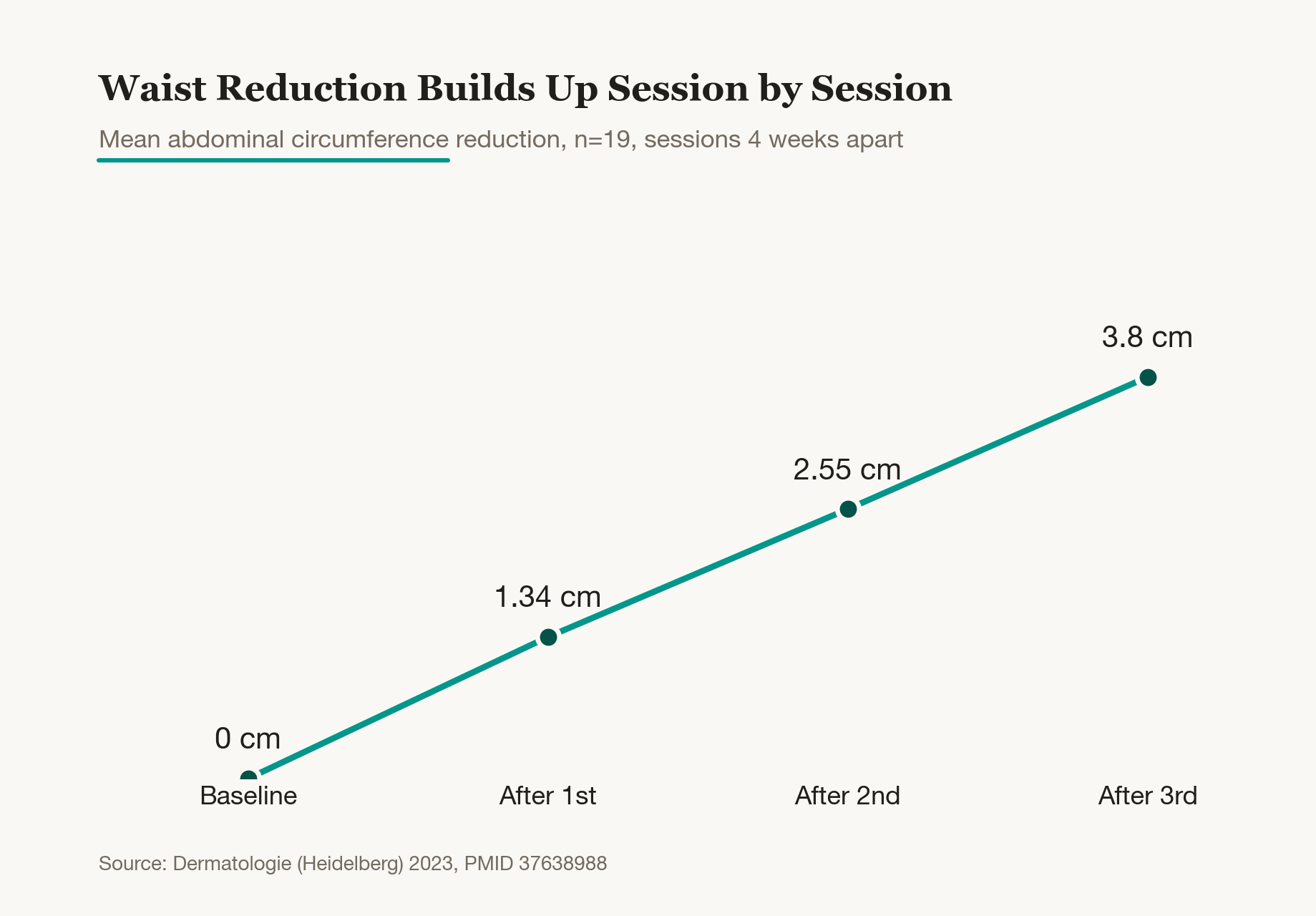
Fat cells do not disappear after a single round of heat exposure. Damage builds up gradually, and the body needs time to process and clear that damage, which is why visible change takes a while to show up. That is why Body Onda is typically done in four to six sessions spaced one to two weeks apart.
The reason for that one to two week gap has to do with this same clearance timeline. The body needs time to clear away the fat cells damaged in the previous session before the next round of stimulation is layered on top, which is what allows the effects to build cumulatively. Coming in too often before the previous damage has been cleared can end up putting more strain on the tissue instead of helping.
Rather than expecting a dramatic change from a single session, this is closer to an ongoing process where waist measurements and skin texture shift gradually with each visit. Because the body needs time to process damaged fat cells and metabolic byproducts, sticking to the recommended interval rather than compressing sessions too close together is considered both safer and more likely to produce stable results.
New collagen production also takes time to build. That is why the tightening effect tends to show up a bit later than fat reduction, unfolding gradually over eight weeks to six months.
How long does the reduced fat stay gone?
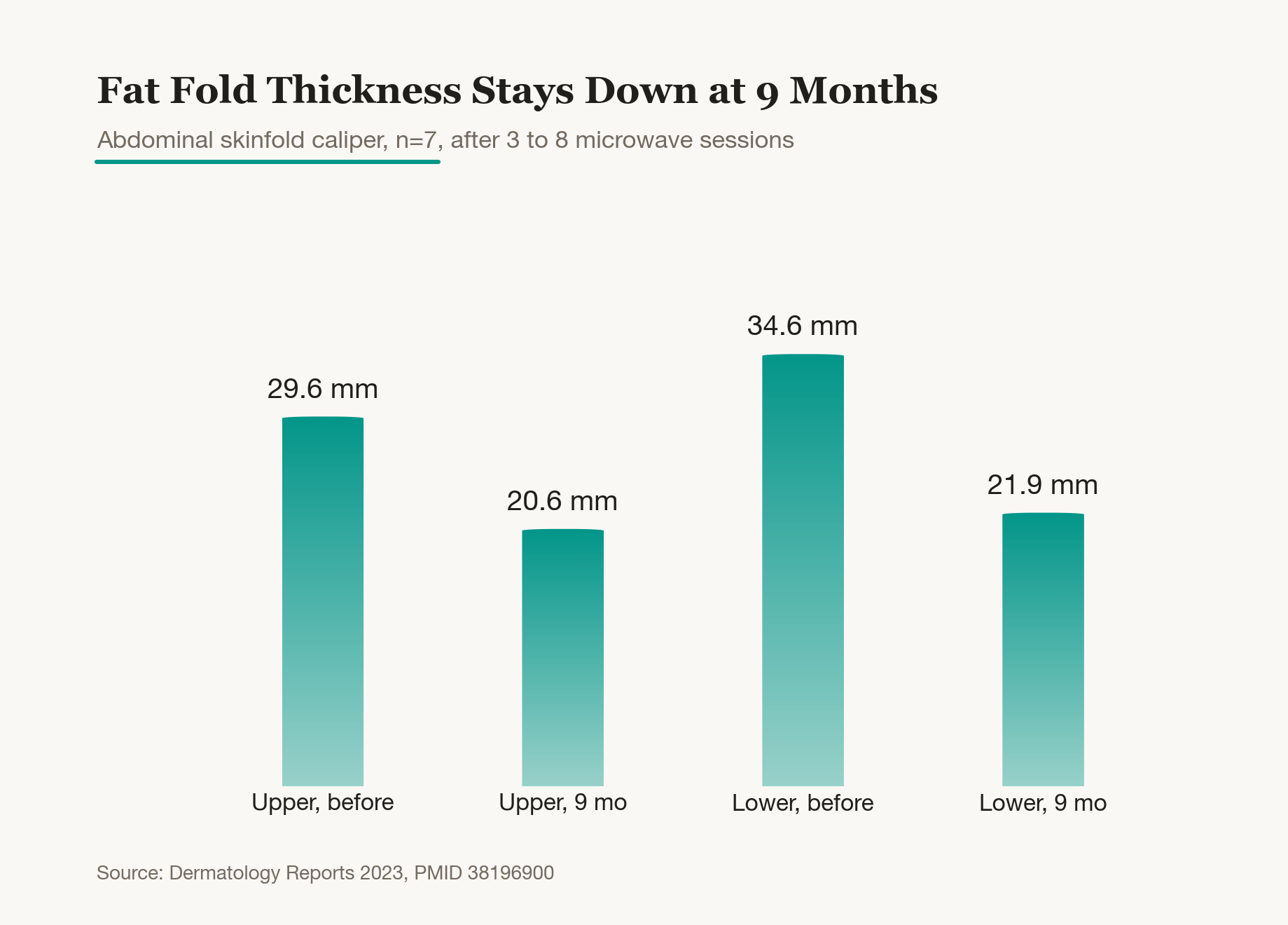
Fat cells that have been reduced are not thought to regenerate, so results from the treatment tend to hold up fairly well over time. That said, the fat cells that remain can still grow larger, so if body weight increases afterward, that area can become noticeable again.
The tightening effect from collagen tends to last a shorter time than fat reduction. Collagen naturally goes through its own cycle of breaking down over time, so keeping that firmness for longer usually means coming back for periodic maintenance sessions.
The reason fat cells and collagen last such different amounts of time comes down to how differently each one behaves. Collagen is a protein that is constantly being made and broken down in the dermis, so any increase tends to drift back toward its original baseline as time passes. Fat cells, on the other hand, do not regenerate once they are reduced, which is why that particular result tends to stick around much longer.
Body Onda is reported to work best not as a one-and-done treatment but alongside everyday habits like a balanced diet and regular exercise, which help results hold up more reliably over time. Keeping weight fairly stable is the single most reliable way to extend how long the results last.
The first two to four weeks after treatment are when the heated fat layer is gradually being cleared, and staying hydrated along with light activity like walking during this period is thought to help the body process those metabolic byproducts. Rather than chasing rapid weight loss through an aggressive diet, easing the changes from treatment into everyday habits tends to be the better strategy for making results last.
References
Korean Dermatological Association, Ministry of Food and Drug Safety (MFDS), American Academy of Dermatology (AAD), and U.S. Food and Drug Administration (FDA).
Was this helpful?
About this article
Written by a practising aesthetic physician and intended for general education — not a substitute for individual medical advice.
Read next
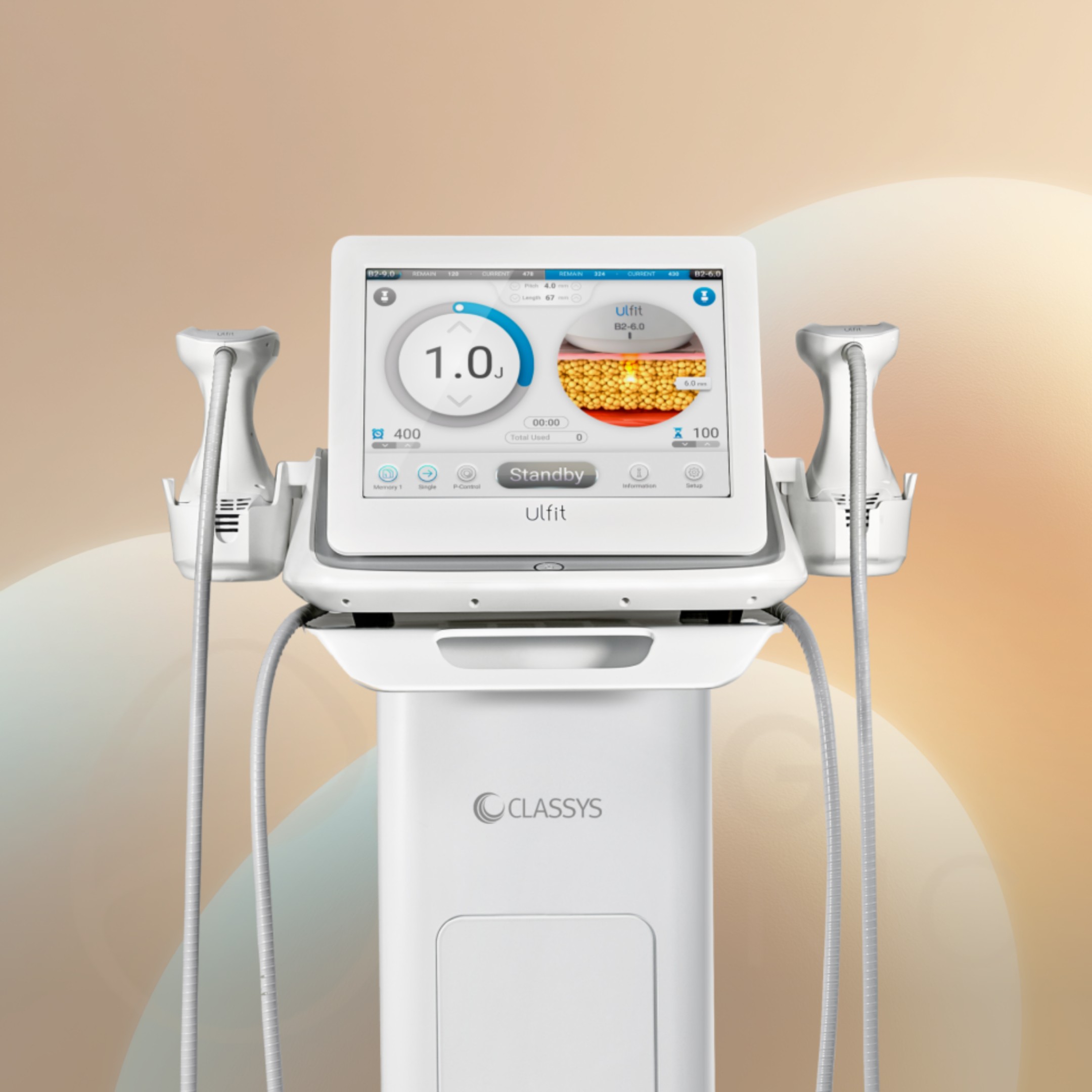
Ulfit Body HIFU Fat Reduction Effect: How Many Sessions Do You Need?
Ulfit Body HIFU is a non-surgical body contouring treatment that focuses ultrasound energy on the fat layer beneath the skin, gradually shrinking fat cells with heat. Here is a principle-first look at why the ultrasound heats only fat and nothing else, how that destroyed fat actually leaves your body, why the settings differ from facial HIFU, and roughly how many sessions and how much maintenance you can expect.
By Dr. Kim
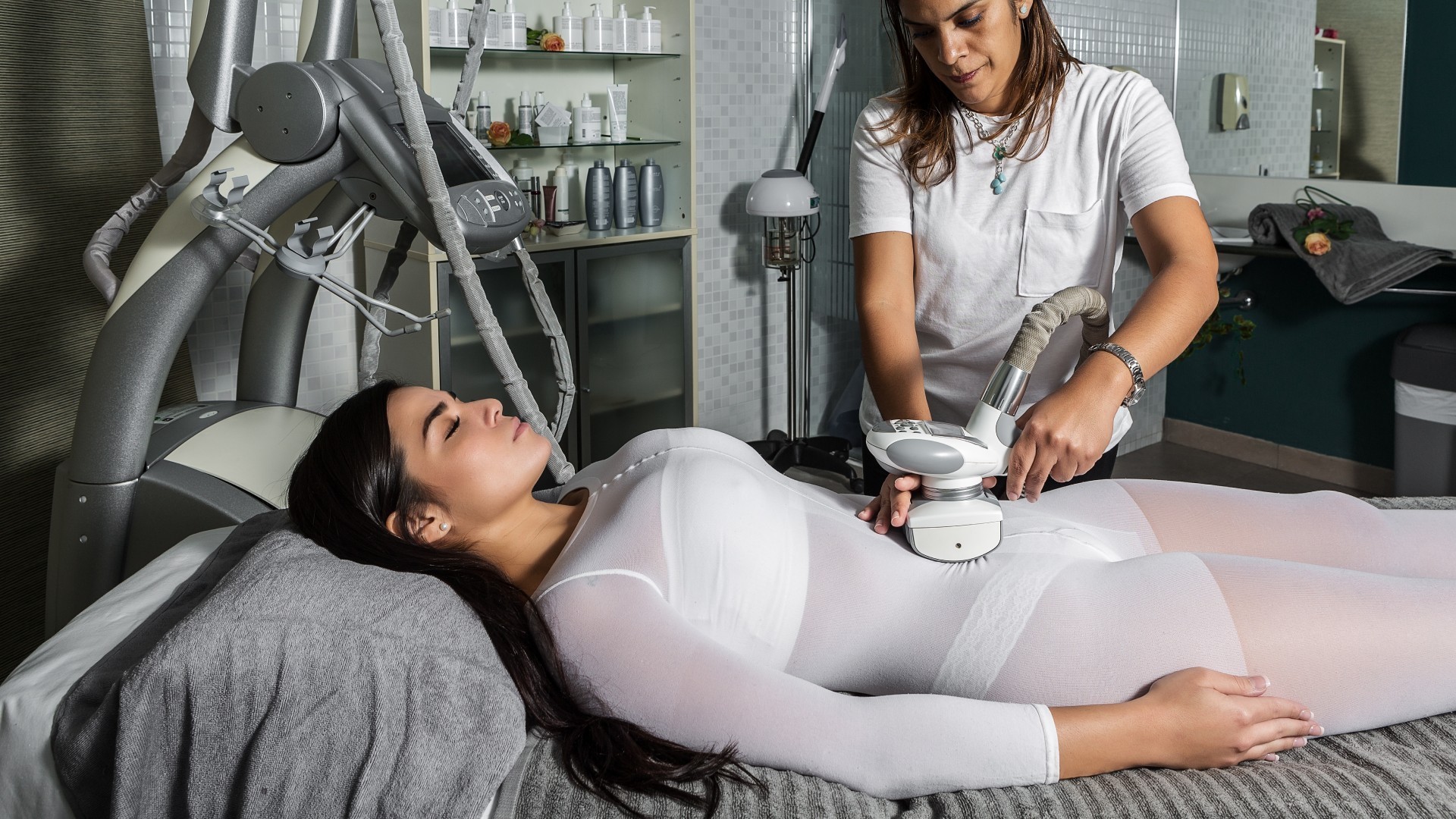
BodyONDA for Postpartum Belly: Fat Reduction and Skin Tightening Order
BodyONDA uses microwave energy to selectively heat the subcutaneous fat layer, breaking down fat cells while contracting dermal collagen fibers to firm the skin at the same time. Here is how these two responses unfold, step by step, in a postpartum belly where fat and sagging show up together.
By Dr. Lee
Onda Microwave Treatment: How Many Sessions, and How Long Do Results Last?
Onda uses microwave energy, the same technology behind a microwave oven, to heat the skin from within and act on fat cells and collagen at once. This article breaks down why microwaves reach deep into the fat layer, and why fat reduction and skin tightening happen together in a single session.
By Dr. Kim