BodyONDA for Postpartum Belly: Fat Reduction and Skin Tightening Order
By Dr. Lee7 min read
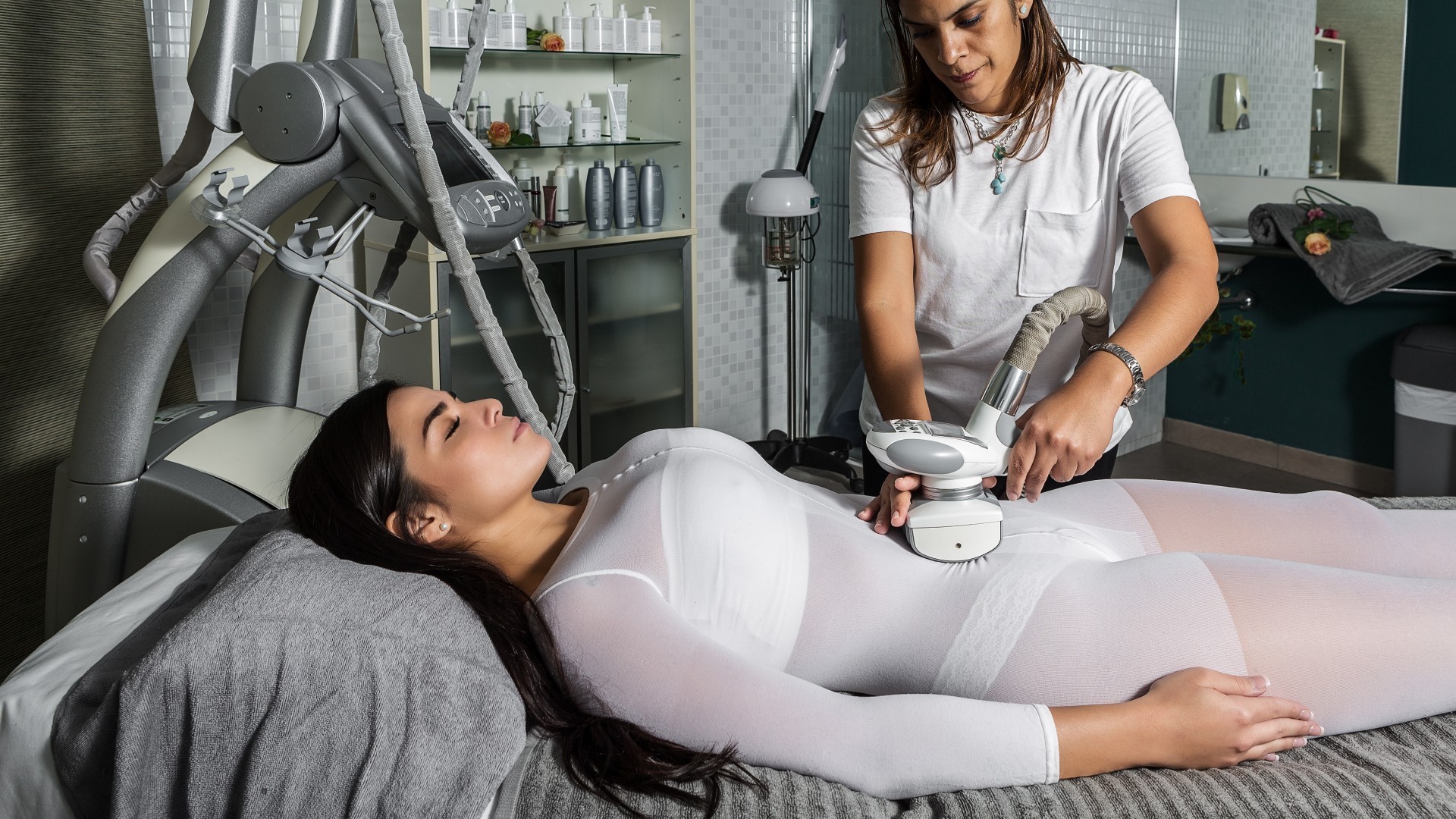
After giving birth, many women notice their waistline never quite goes back to how it was. It is not always about gaining weight. The skin and fascia have simply stretched and settled that way, so the belly still looks like it is sagging even after dieting. Even once you rebuild core strength through exercise, the skin above the abdomen can feel like it is reacting on its own separate timeline.
One treatment that has become popular for this area recently is BodyONDA. It is not just a device that melts fat with heat. ONDA's signature microwave energy works on fat cells and collagen tissue through two distinct mechanisms. Addressing both fat and firmness with a single device is exactly what makes it a good match for the postpartum belly. Let's break down why, one step at a time.
Is a postpartum belly only about fat?
During pregnancy, the growing uterus keeps the abdominal muscles and skin stretched for months at a time. When this state continues for several months or longer, the elastic fibers in the skin and the connective tissue underneath stretch along with it and struggle to spring back to their original length.
That is why the postpartum belly is not simply a fat problem. The fat layer itself has expanded, and the skin and fascia covering it have loosened as well. If you only work on reducing fat, the loose skin can remain exactly as it was, which is why fat reduction alone often falls short here.
For this reason, a postpartum belly treatment needs two things working together: a force that reduces fat and a force that tightens the tissue above it. With a treatment that only addresses one side, the belly may look smaller, but there is often still soft, loose skin you can pinch with your hand.
The two layers the microwaves reach
BodyONDA uses microwave energy in the 2.45 GHz band, the same type of electromagnetic wave used in a microwave oven to heat food. The basic principle is vibrating water molecules rapidly to generate heat, and ONDA tunes this wavelength so it is absorbed more efficiently by fatty tissue specifically.
Fat cells and water have different electrical properties, so even with the same microwave frequency, the amount absorbed differs depending on the tissue type. BodyONDA is engineered to load more energy into fat cells, concentrating heat in the fat layer beneath the surface rather than at the skin itself.
At the same time, part of the remaining energy reaches down into the dermis and stimulates the collagen fibers there. In other words, the energy is split between two layers: the fat and the dermis.
What happens to heated fat cells?
A fat cell is essentially a thin membrane filled with a droplet of oil. Once heat reaches a certain threshold, this membrane is damaged and the cell can no longer hold its shape. Think of blowing hot air continuously onto a balloon: the surface softens and eventually the balloon bursts. The process inside a fat cell is similar.
Once the membrane breaks down, the fat cell releases its contents, which the body then filters out gradually through the lymphatic system and bloodstream, much like clearing away debris. Because this process unfolds over days to weeks, you tend to notice the volume reduction more as time passes rather than immediately after the session.
Since this mechanism actually reduces the number of fat cells, it works through a completely different pathway from the one that stimulates collagen.
Does it work on cellulite and loose skin too?
Cellulite is what happens when the connective tissue septa that divide the fat compartments under the skin become bound and stiff, making the surface look bumpy. When these septa harden, fat does not get pressed down evenly, so certain areas bulge up more than others.
BodyONDA's heat is described as working to soften these stiff connective tissue septa. Once the rigid fibers loosen up under heat, the fat settles more evenly, which is what creates a smoother-looking surface.
The heat delivered to the dermis also immediately contracts the existing collagen fibers. Much like a wet thread shrinking as it dries, collagen fibers shorten briefly when heated, producing an instant tightening effect on the skin. Over the following days and weeks, new collagen forms as the body works to repair the affected area, bringing a second round of improved firmness.
When do results appear, and in what order?
BodyONDA's effects do not all show up at once. They unfold over time, in sequence. Right after the session, the collagen fibers contract immediately, so the first thing you notice is a tightened feeling in the skin.
Over the following weeks, the broken-down fat cells gradually clear out of the body, and this is when the visible reduction in volume follows. How quickly the fat clears can vary from person to person depending on metabolism and circulation.
New collagen formation, in turn, takes even longer to settle in. Since fibroblasts need to rebuild collagen at the body's own pace, the firmness improvement tends to start later than the fat reduction and continue for a longer stretch. These three responses overlap in sequence, meaning a single treatment produces different changes at different points in time.
Four things to check before a postpartum procedure
Because the postpartum belly is a different starting condition from typical abdominal fat, a few things are worth checking before treatment.
- Time since delivery: The uterus and abdominal fascia take at least a few months to return to their original position. If heat stimulation is applied while tissue is still recovering, the response may not go as expected, so it is recommended to wait until recovery is sufficient before treatment.
- Degree of rectus diastasis: If the two abdominal muscles at the midline are still separated, tightening the fat and skin alone will not fully restore the belly's shape. The muscle gap itself is not something ONDA addresses, so it makes sense to check the fascia condition first.
- Presence of a C-section scar: Scar tissue can respond to heat differently than normal skin. It is advised to either adjust how energy is delivered around a scar or avoid that area entirely.
- Breastfeeding status: Hormones and body fat metabolism behave differently during breastfeeding, which can also change how fat responds to treatment. It is recommended to mention breastfeeding status, or whether it has ended, during the consultation.
Checking these conditions in advance makes it more likely that the same treatment will progress in a predictable direction.
Aftercare and precautions
While the tissue is recovering from the heat stimulation, how you manage the area afterward affects the outcome.
- Avoid excessive pressure or massage on the treated area for a few days. Adding extra stimulation to tissue that has just started breaking down and repairing can actually slow recovery.
- Drinking enough water is said to help. Since the contents of broken-down fat cells clear out through the lymphatic system and bloodstream, good circulation keeps this process moving smoothly.
- Light aerobic activity like walking is known to support circulation and aid recovery. On the other hand, intense exercise right after treatment is best avoided.
- Sun protection helps protect newly forming collagen. Freshly formed collagen fibers are known to be more vulnerable to UV damage, so it is worth being mindful of sun exposure for a while after treatment.
The postpartum belly is still tissue in the process of recovering, so rather than relying on a single treatment, pairing it with this kind of aftercare helps the results last longer. Since every body returns to its pre-pregnancy state at its own pace, it is safer to follow your body's recovery rhythm rather than rushing through several sessions back to back.
References
Korean Dermatological Association, American Academy of Dermatology (AAD), and Ministry of Food and Drug Safety (MFDS).
Was this helpful?
About this article
Written by a practising aesthetic physician and intended for general education — not a substitute for individual medical advice.
Read next
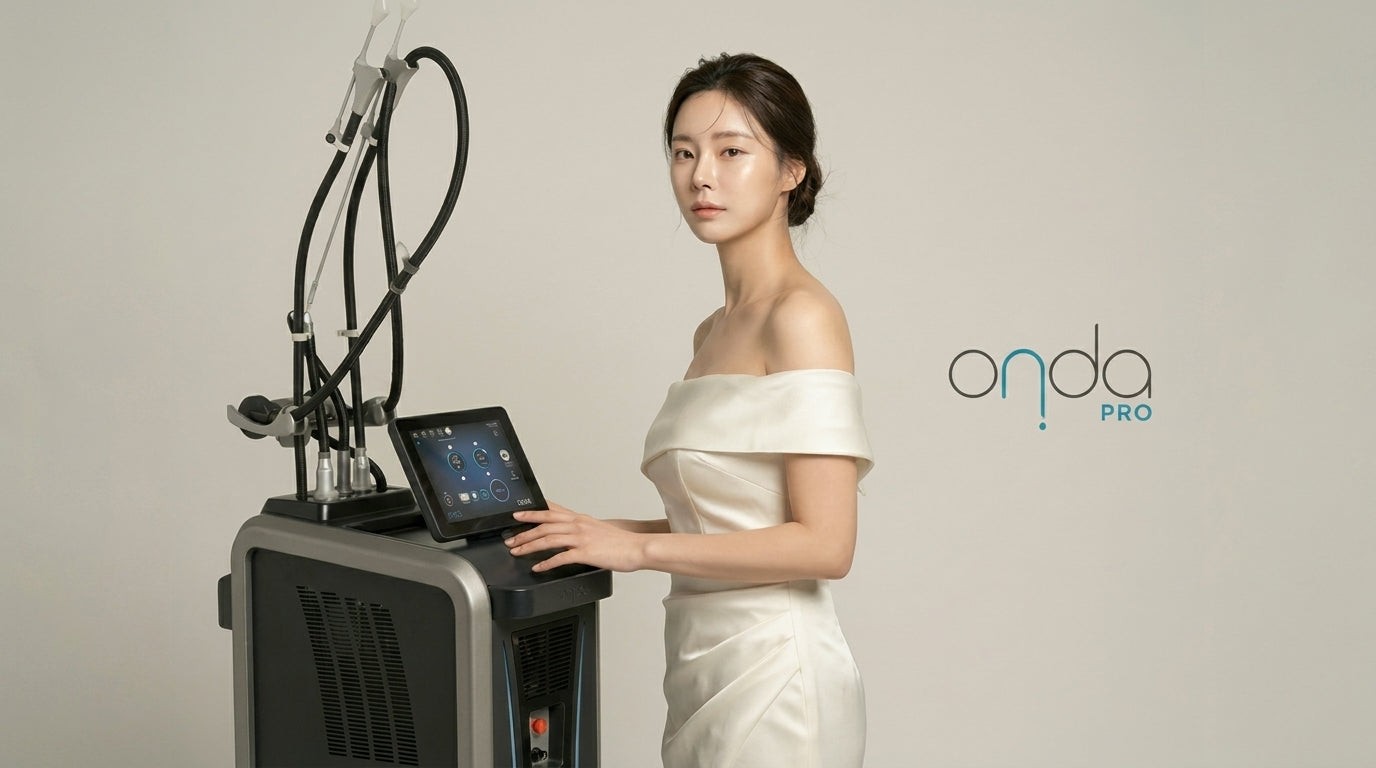
Body Onda: Effects, Approach by Area, Number of Sessions and How Long It Lasts
Body Onda is a non-surgical body contouring treatment that uses microwave energy to selectively heat the fat layer beneath the skin, shrinking fat cells while tightening the skin above them. Here is why the heat targets fat rather than skin, why fat reduction and tightening happen together, how the approach differs for the abdomen, arms, and flanks, and how many sessions it takes to see lasting results.
By Dr. Kim
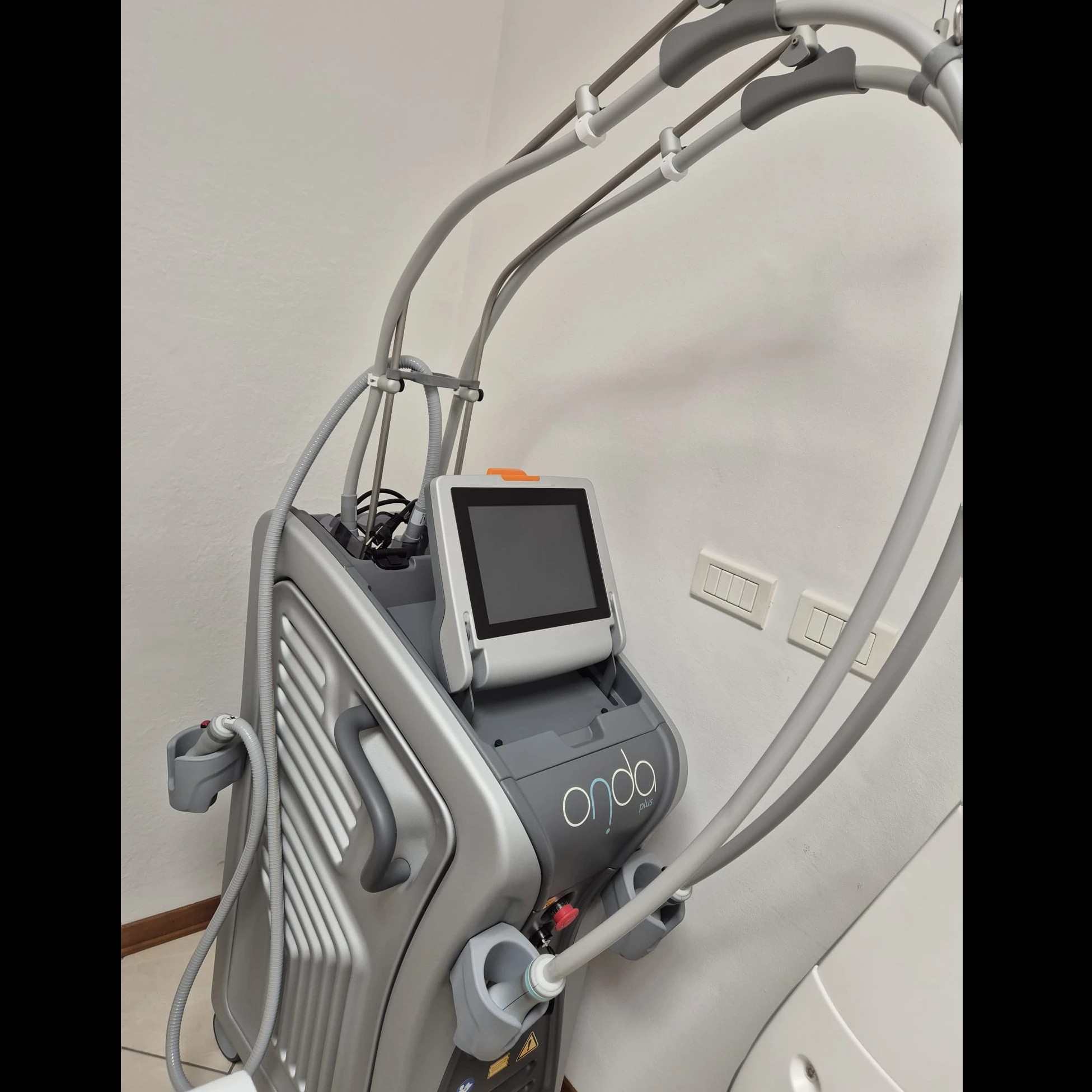
Onda Microwave Treatment: How Many Sessions, and How Long Do Results Last?
Onda uses microwave energy, the same technology behind a microwave oven, to heat the skin from within and act on fat cells and collagen at once. This article breaks down why microwaves reach deep into the fat layer, and why fat reduction and skin tightening happen together in a single session.
By Dr. Kim

Ontanium Treatment: How Onda and Titanium Work Together, and Results Compared
Ontanium is the name people use for a combo treatment that pairs two separate devices, Onda and Titanium, back to back in one session. Onda uses microwave energy to heat the dermis and fat layer, while Titanium fires a triple-wavelength laser that reaches both deeper tissue and the skin surface at once. Because the two devices generate heat through completely different physics, running them together closes gaps in depth that neither one covers alone.
By Dr. Kim