Tattoo Removal Sessions and Interval: Why Even an Old Tattoo Takes 6 to 10
By Dr. Kim8 min read
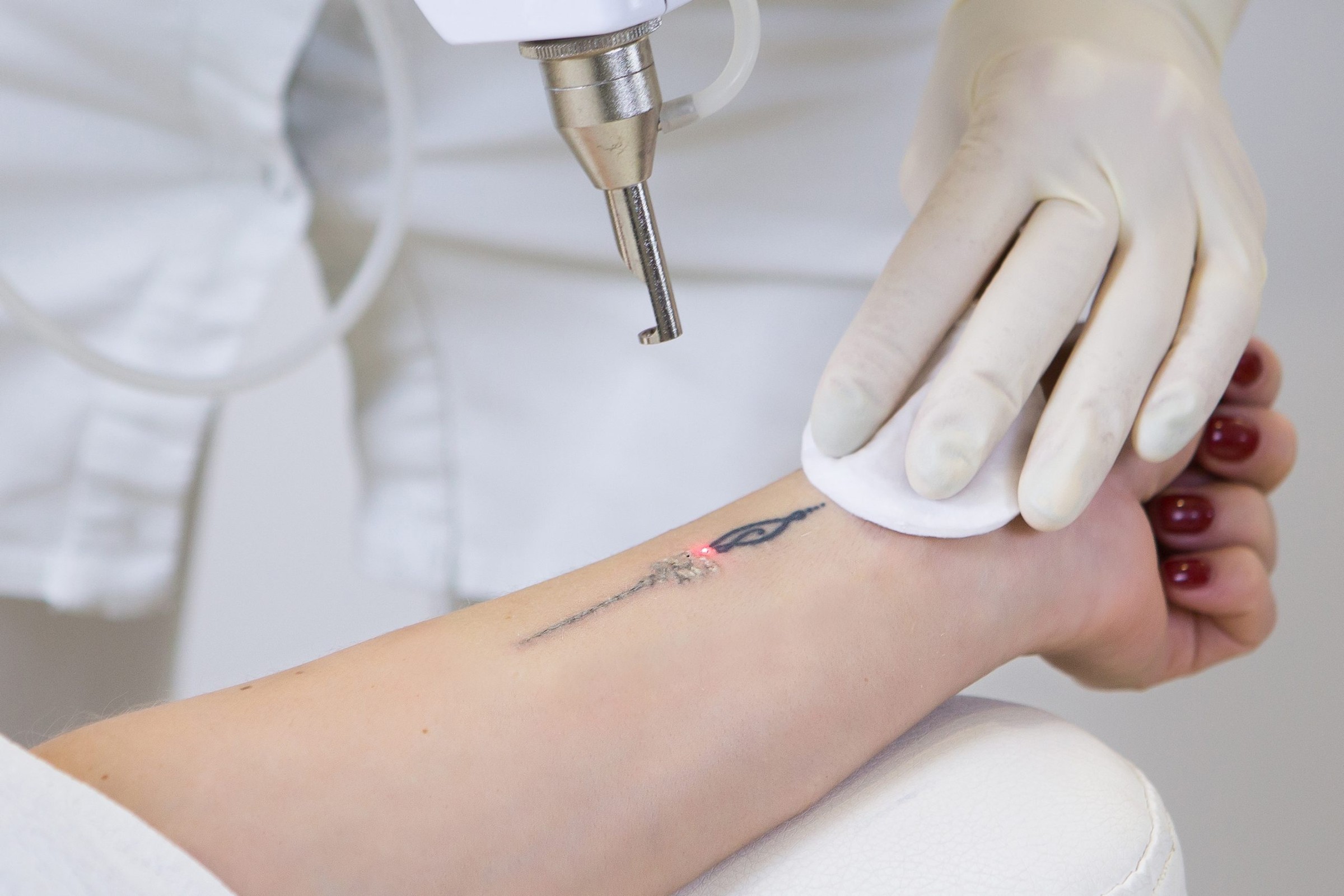
A lot of people book a consultation to remove a tattoo they got 10 years ago and are surprised to hear it will take 6 to 10 sessions instead of one. It feels like the laser should just make the ink disappear on the spot, but that is not how it actually works.
Tattoo ink is not simply sitting on top of the skin, it is lodged inside and around cells in a way that holds it firmly in place. That is why removal is never a single procedure. It is a process that stretches across 6 months to 2 years, where the laser breaks the pigment into smaller pieces and the body gradually hauls those pieces away. Here is that process step by step, along with why the outcome depends so much on color.
Where Is Tattoo Ink Located in the Skin?
When a tattoo needle punctures the skin, it drives pigment down past the epidermis into the dermis. The dermis is the thick layer beneath the outer skin, and it is where the blood vessels and nerves run.
Most pigment particles that end up at this depth are too large for the body to clear on its own, so the skin reaches a kind of compromise: it locks the foreign material inside immune cells called macrophages. Macrophages act like the body's cleanup crew, engulfing waste and debris to break it down. Tattoo pigment, though, is simply too bulky. The macrophages can swallow it, but they can't fully digest it. The pigment stays trapped inside those cells in the dermis for years, and that is the real reason tattoos refuse to fade even after a decade or two.
How Does a Laser Break Up Pigment?
Tattoo removal lasers fire an intense burst of light energy at the pigment particles in an extremely short window, usually measured in nanoseconds. A nanosecond is one billionth of a second, which gives you a sense of just how instantaneous that energy delivery is.
As the pigment absorbs this light, its temperature spikes in a fraction of an instant. A dense particle that heats up that fast can't handle the sudden expansion, so it fractures, and that is exactly what happens to the ink. A once-solid clump of pigment ends up broken into fragments small enough for macrophages to actually process.
The key detail is that all of this heat is concentrated into an extremely brief burst. There is no time for it to spread into the surrounding healthy tissue, which is what lets the laser target pigment selectively while keeping collateral damage to a minimum. The whitish frosting you often see on the skin right after a pulse is simply light scattering off the shattered pigment fragments and the microscopic gas bubbles they create. It's a temporary effect that fades on its own.
Where Do the Broken Ink Fragments Go?
The fragments the laser produces do not vanish on the spot. Macrophages move in again, engulf the smaller pieces, and slowly carry some of them out through the lymphatic system, essentially ferrying them toward the lymph nodes. Think of the lymphatic vessels as the body's drainage channels for waste and immune cells.
This cleanup takes time. The tattoo does not lighten immediately after treatment. Instead, it fades gradually over 4 to 8 weeks as macrophages carry the fragments away piece by piece. That is why clinics typically recommend waiting at least 4 to 8 weeks between sessions: it gives the body time to finish clearing what the previous session broke loose. Firing the laser again too soon, before that cleanup is done, just adds more irritation to tissue that is still working through the backlog.
Why Does Each Color Respond Differently?
Light absorption varies a lot from one pigment color to another. A particle that absorbs a given wavelength well breaks apart efficiently, while one that absorbs it poorly doesn't take in enough thermal energy to fracture.
Black and deep blue pigments tend to absorb a broad range of wavelengths fairly evenly, which is why they respond consistently across different laser wavelengths and, as a result, why black tattoos are usually the fastest to fade.
Green, yellow, and bright red pigments are far more particular about which wavelengths they absorb. They only respond well to specific wavelengths, and if the laser isn't tuned precisely enough, not enough energy gets through to break the particles apart. That's why multicolored tattoos often need to be treated with different laser wavelengths targeted at each color separately, and it's also why sections with green or yellow ink tend to lag behind the rest.
Do Old Tattoos Fade Better?
In consultations, it's common to see a tattoo from 10 or 20 years ago fade more easily than one that was inked recently. Intuitively that seems backwards. You'd expect the older ink to be more deeply settled in and harder to shift, but the opposite tends to be true.
The reason is that the body is never really static over that stretch of time. Macrophages that swallowed pigment don't just sit still forever. They migrate, eventually die off, and get replaced by new macrophages. Through that turnover, the pigment that was once packed tightly together gradually spreads out and loosens up. UV exposure and normal skin metabolism also slowly reshape the surface of the pigment particles over 5 to 10 years. The net effect is that older pigment tends to be looser and easier to shatter under laser heat than freshly deposited ink.
A brand-new tattoo, by contrast, still has its pigment packed densely and tightly together. It does respond to the laser, but breaking those tight clumps apart completely simply takes longer. That's part of why some clinics point out that a tattoo you waited a long time to get can actually turn out to be easier to remove.
Why Does Tattoo Removal Need 6 to 10 Sessions?
Several factors overlap to explain why pigment doesn't clear in a single pass.
- High pigment density: A tattoo with heavy, tightly packed ink can't have every particle broken up in a single session. Whatever is left in the deeper layers has to wait for the next round.
- Uneven depth: If the needle depth wasn't consistent when the tattoo was applied, the pigment ends up scattered across several layers of the dermis. The shallower layers respond first, and the deeper ones only show up later.
- The time macrophages need to clear debris: As covered above, the body's cleanup speed has a natural ceiling. If the previous round of fragments hasn't been cleared yet, the tissue can't take on a fresh batch on top of it.
- Multiple colors in one piece: Since different colors respond to different wavelengths, no single session can fully break down every color at once, so treatment has to be staged color by color.
- Cover-up tattoos: When a new tattoo is inked over an old one to hide it, the pigment is effectively stacked in two layers. Since the top layer responds first, clearing out the layer underneath takes that many more sessions.
For these reasons, tattoo removal typically runs 6 to 10 sessions or more, depending on the tattoo's size and color mix. Tattoos that are older, darker, and were applied with professional equipment tend to have pigment packed more densely and deeply, which usually means more sessions are needed.
Why Are Fingertip and Ankle Tattoos Slower?
A common observation in consultations is that tattoos on the torso or forearm clear up nicely, while ones on fingers, ankles, or the front of the shin drag on much longer.
The reason ties back to the cleanup process described earlier, specifically how fast macrophages can carry broken pigment fragments through the lymphatic system. Fingers and ankles are far from the heart, and the blood vessels and lymphatic vessels running through those areas tend to be thinner and less dense. It's a bit like watering a yard: the corner farthest from the drain is always the last to dry.
So even with the same number of sessions at the same intensity, tattoos on fingers and ankles typically fade more slowly than ones on the torso and often need extra sessions to fully clear. Some practitioners also note that light stretching or walking, which supports circulation, may help move pigment fragments along a bit faster.
Precautions Between Sessions
Right after a laser session, the skin will temporarily turn red and swell, and blistering or scabbing can follow. If a scab gets picked off during this window, it can pull away pigment that hasn't finished clearing along with the new skin forming underneath, which raises the risk of scarring.
Sun protection matters just as much. The treated area is more sensitive to irritation during this period, and sun exposure can trigger hyperpigmentation, essentially the skin defending itself by producing extra melanin, which can leave the area looking browner or darker instead of lighter. That's why it's recommended to keep the treated area covered with clothing or sunscreen between sessions.
There are also reports that the risk of this hyperpigmentation varies by skin type. Skin that is naturally darker tends to react more strongly to laser stimulation with a stronger pigment response, so in those cases it's safer to use more conservative laser settings and space sessions out a bit further apart.
References
Korean Dermatological Association, Ministry of Food and Drug Safety (MFDS), American Academy of Dermatology (AAD), and U.S. Food and Drug Administration (FDA).
Was this helpful?
About this article
Written by a practising aesthetic physician and intended for general education — not a substitute for individual medical advice.
Read next
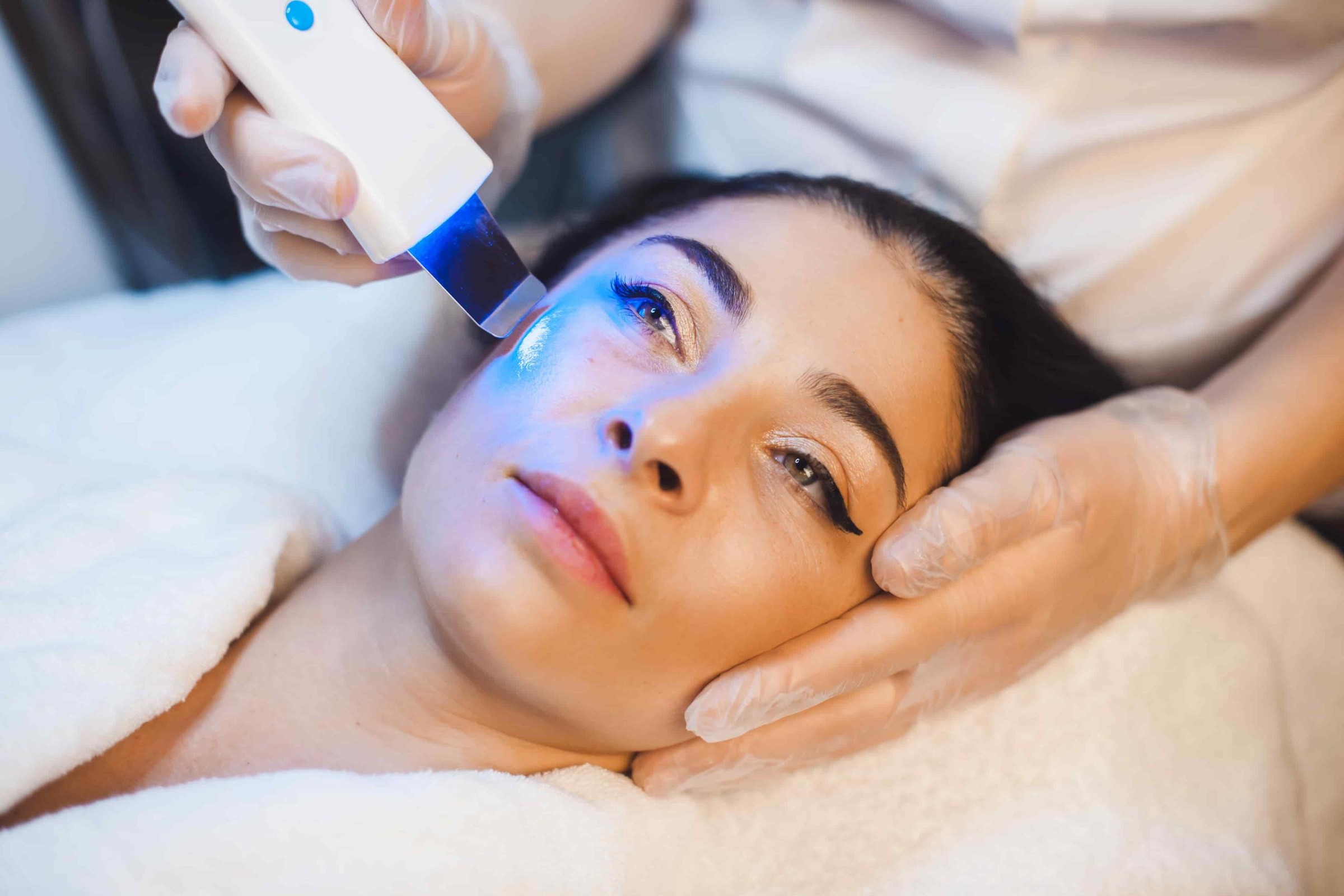
Nevus of Ota Treatment: Q-Switched Laser Sessions and Intervals
Nevus of Ota sits deep in the dermis rather than on the skin's surface, which is exactly why no amount of concealer can hide it. Here is a mechanism-focused look at why only a laser with a specific wavelength can reach that depth, and why treatment is spread across 6 to 10 sessions at 6 to 8 week intervals instead of being done all at once.
By Dr. Lee

Radiesse Filler: Results, How Long It Lasts, and Collagen Production
Radiesse is a filler whose calcium microspheres fill volume instantly while also triggering new collagen production. Here is a mechanism-focused look at why the particles create volume, how that leads to collagen stimulation, why diluted Radiesse is used as a skin booster, and how long results actually last.
By Dr. Lee
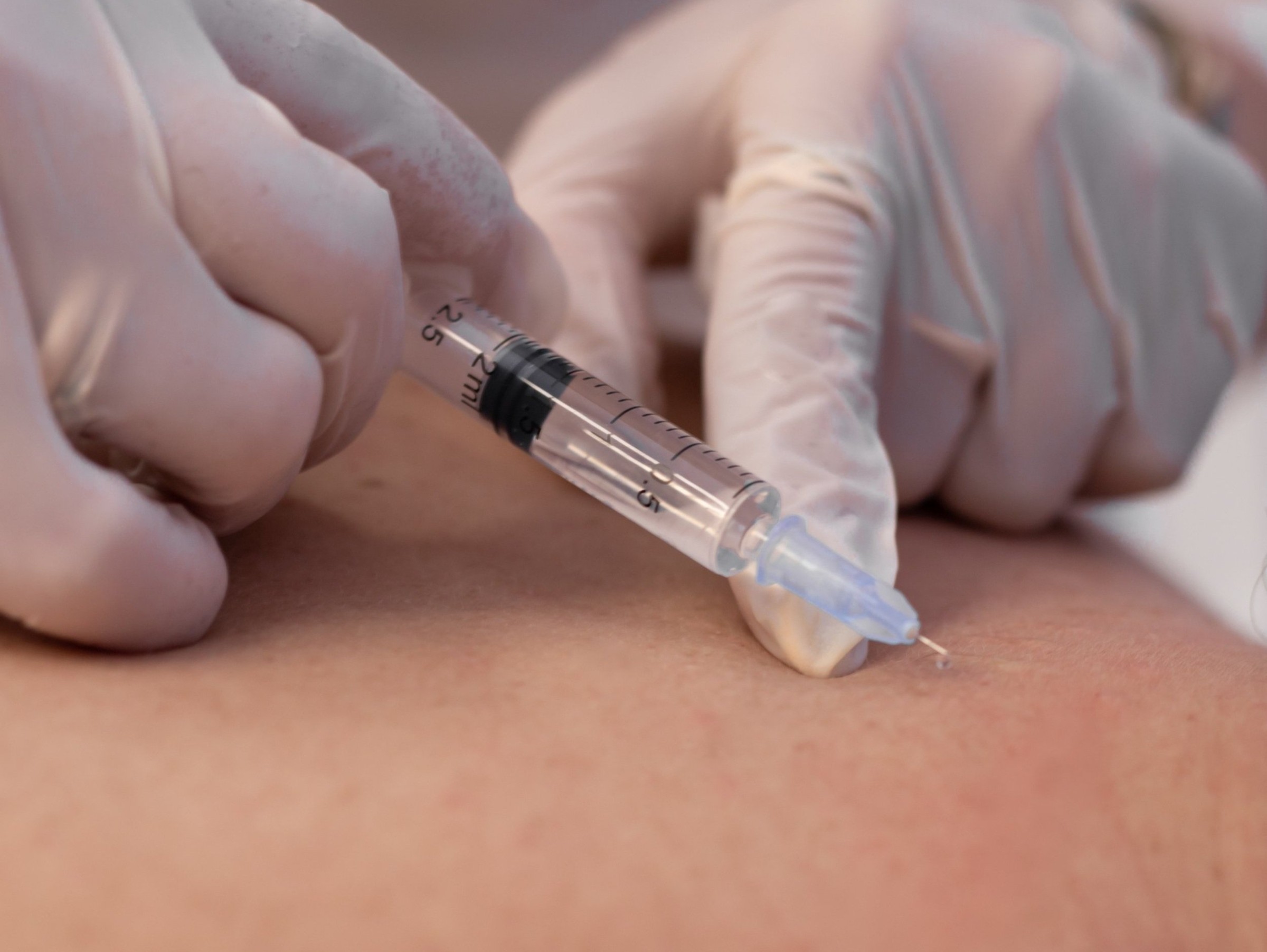
HPL Fat-Dissolving Injection: How It Works, Number of Sessions, and Swelling
A principle-first look at how HPL fat dissolving injections break down fat cell membranes and how the broken-down fat actually leaves the body. We also cover why dosing and session counts differ by treatment area, and how much swelling and downtime to expect.
By Dr. Lee