HPL Fat-Dissolving Injection: How It Works, Number of Sessions, and Swelling
By Dr. Lee10 min read
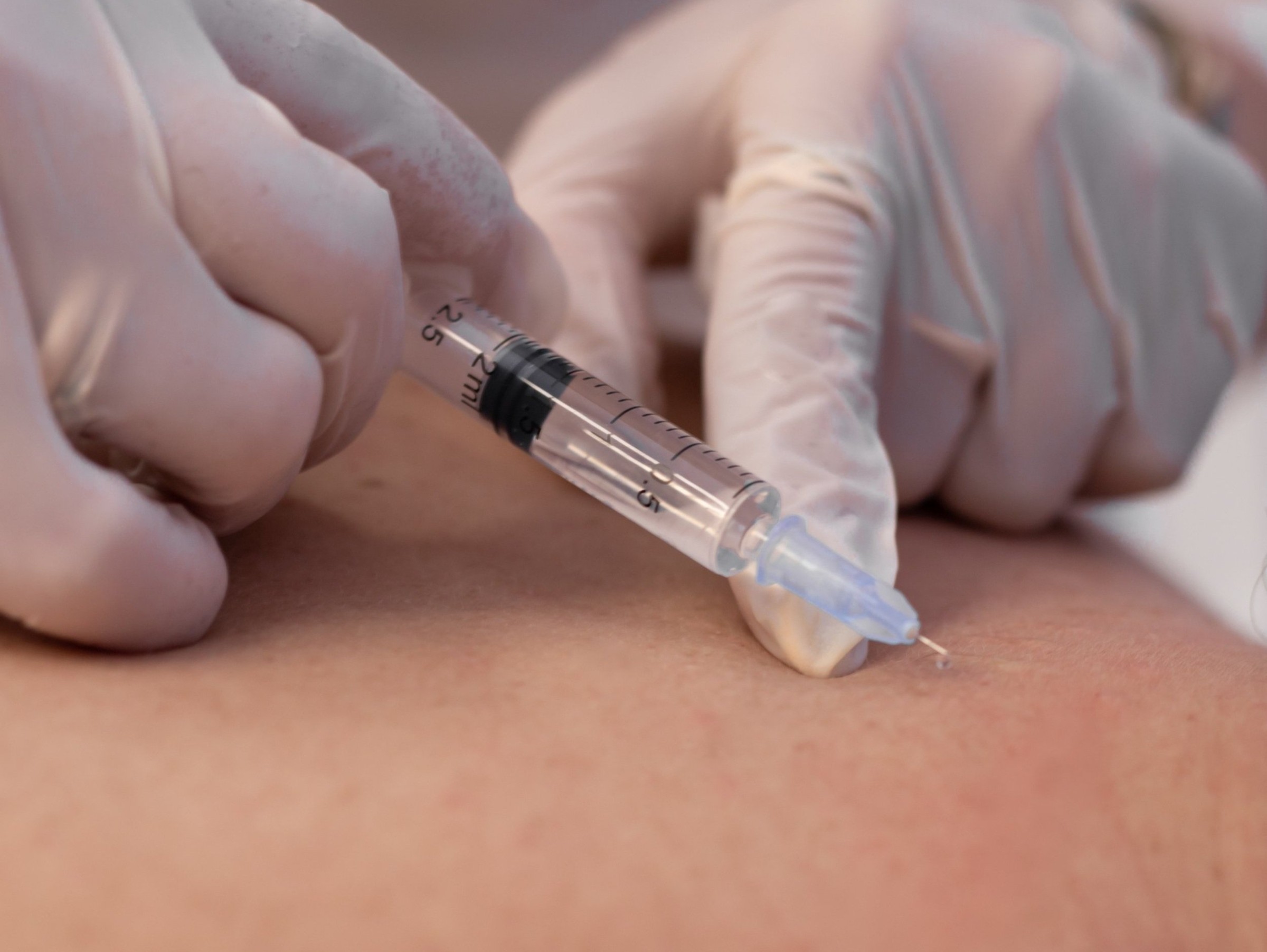
Stubborn fat under the chin or on the upper arms, the kind that barely budges no matter how much you exercise, is something a lot of people struggle with. When your overall weight hasn't really changed but one particular area still sticks out, it makes sense to look for a way to reduce the fat cells in that spot specifically.
HPL fat dissolving treatment injects a hypotonic solution directly into these localized areas. Instead of surgically removing fat, a low-concentration solution draws water into the fat cells and swells them until they burst. Once you understand this mechanism, it also becomes clear why the dose and number of sessions vary by area, and why swelling can linger for three to seven days. Let's go through it step by step.
How are fat-dissolving injections different from weight loss?
A typical diet works by shrinking the size of fat cells across the whole body. Each individual fat cell gets smaller, but the total number of cells doesn't really change.
Fat dissolving injections take a different approach. The medication is delivered straight into the target area with the goal of destroying the fat cells there. Because the cells themselves disappear, you can, in theory, expect localized volume reduction limited to that spot. That's why it's mainly used to address areas of stubborn, localized fat, like under the chin or on the arms, rather than as an overall weight loss method.
That said, this treatment isn't meant for weight loss itself. It's worth understanding upfront that it's a localized procedure aimed at reducing fat cell volume in a specific area, nothing more.
Fat in these particular spots often doesn't respond well to exercise or diet alone. Everyone tends to have certain places where fat accumulates more stubbornly, and those spots are also influenced by blood flow and hormones. That's why it's common for one area to stay put even after overall body weight drops, and clearing it out usually calls for a different approach than managing your body as a whole.
How do fat cells burst?
A fat cell is wrapped in a thin membrane that holds the fat inside. Think of this membrane as a thin boundary that separates the inside of the cell from the outside while also controlling how water moves in and out.
The solution used in HPL treatment is hypotonic, meaning it has a lower concentration than the fluid inside your body. A lower concentration means there are relatively more water molecules present, and water always tends to move from an area of lower concentration to one of higher concentration, a property known as osmosis. So once this solution surrounds a fat cell, water keeps getting pushed toward the inside of the cell, where the concentration is higher.
A helpful comparison is dried seaweed dropped into plain water. It soaks up water and swells to several times its original size. Fat cells behave the same way when surrounded by a hypotonic solution, continuously absorbing water and ballooning outward.
The cell membrane can only withstand so much of this volume increase. As water keeps flowing in and the internal pressure climbs past a certain point, the membrane can no longer hold and tears open, releasing the cell's contents. This process is called osmotic lysis, and the key thing to understand is that it isn't a chemical breakdown, like a detergent dissolving an oil film. It's purely a physical rupture caused by pressure from incoming water. Because this reaction only happens locally around the injection site, placing the solution precisely in the target area matters both for effectiveness and for safety.
So why do fat cells take the brunt of this while nearby skin and muscle are relatively spared? A fat cell is mostly taken up by one large fat droplet, which leaves it with a much weaker cytoskeleton, the internal scaffolding that normally supports a cell's shape, compared to other cell types. Muscle and skin cells, on the other hand, are held up by a dense cytoskeleton and connective tissue, so they tolerate the same osmotic changes much better. Still, if the injection lands off-target or at the wrong depth, other tissue can swell along with the fat, which is why precise placement at the right layer is what really determines safety.
Where does burst fat go?
Just because a cell has ruptured doesn't mean the fat vanishes on the spot. The broken cells and the fat that spills out remain behind as a kind of debris, and the body still has to clear it away.
That cleanup job falls to macrophages, a type of white blood cell that acts like the body's cleanup crew, engulfing and breaking down foreign material or dead cells. Much like they gather at a wound to clear away damaged tissue, macrophages move in to surround and break down the debris left behind by ruptured fat cells.
The broken-down material is then gradually carried off through the lymphatic system and bloodstream, where it's metabolized and eliminated. This isn't a one or two day process. It typically unfolds slowly over two to four weeks. So it's worth keeping in mind that a fat dissolving injection doesn't shrink the area overnight. The results show up gradually as time passes.
There's a simple reason this cleanup takes longer than a day or two. Macrophages can't process a large amount of debris all at once, so they work through it bit by bit, in sequence. It's a bit like a single truck making repeated trips to haul debris away from a construction site instead of clearing it in one load. That's why volume changes usually become more noticeable two to three weeks after the procedure rather than right away, and why you need to give it that much time before judging the final result.
Dose and number of sessions by area
Even with the same fat dissolving injection, the approach for the chin, abdomen, and arms differs. That's because the thickness and surface area of the fat layer, along with the surrounding tissue structure, are different in each spot.
- Areas with a small surface area and a thin fat layer, like under the chin, tend to respond well even to a relatively small dose. Because nerves and blood vessels run through such a tight space, precision in placing the injections matters more than simply increasing the volume.
- Areas with a large surface area and a thicker fat layer, like the arms or abdomen, hold more fat than can be handled in a single session, so treatment is typically split across multiple injection points and spread over five to ten sessions. Injecting too much at once means the body has that much more debris to process, which adds to the recovery burden.
- Regardless of the area, sessions are usually spaced one to two weeks apart. The inflammatory response and cleanup process triggered by the previous session need to settle down before the next round, which lets results build up without raising the risk of side effects.
This is also why the treatment area is marked out in a grid pattern beforehand. Dots are placed at intervals of about 1 to 1.5 centimeters, with a set amount of solution delivered at each point. This keeps the medication from concentrating in one spot and helps spread the effect evenly across the whole area. If the spacing is too tight, overlapping tissue damage can make recovery harder; too wide, and gaps between injection points can be left under-treated, leading to an uneven result. Getting this spacing right still comes down to experience and a practitioner's hands-on judgment.
The exact dose and number of sessions depend on the thickness of the fat in that area, skin condition, and each person's recovery speed, so mapping out a plan area by area during the pre-treatment consultation is the standard approach.
Why does swelling occur after treatment?
Swelling and firmness in the treated area for three to seven days isn't a sign that something went wrong. If anything, it's a sign that the cleanup process described earlier is underway. Macrophages moving in to process the debris is itself a form of inflammatory response.
Swelling usually starts right after the procedure, peaks within a day or two, and then gradually subsides. How long it lingers varies by area. Spots with a thicker fat layer and a larger dose tend to have more debris to clear, so swelling can last longer there. Bruising along the needle marks is also fairly common.
During this period, it's safer to let the body clear the debris on its own rather than trying to massage the swelling away or apply heavy pressure. Rushing into another session while swelling and firmness are still present can pile more inflammation onto the area and actually slow recovery, so it's best to leave a generous gap before the next round.
Even with the same dose, swelling can look different from person to person because everyone's immune response speed and skin thickness differ. If your inflammatory response tends to run sensitive, or the skin in that area is thin, swelling may be more noticeable and take longer to fade. Applying a cold compress for 10 to 15 minutes right after the procedure can help by constricting blood vessels, easing early swelling and bruising. But the swelling that continues over the following one to two weeks is simply part of the natural cleanup process, so it's better to just keep an eye on it rather than trying to force it away.
Precautions before and after treatment
Since fat dissolving injections work by locally destroying cells, there are a few things to go over during the pre-treatment consultation. Let your provider know if you have any infection or skin condition in the area, if you're taking blood thinners, or if you're pregnant or breastfeeding. Any of these can affect swelling, bruising, and recovery speed.
After the procedure, it's recommended to avoid pressing hard on the area or exposing it to strong stimulation, such as vigorous massage or heat from a sauna. There are reports that added stimulation while the broken-down tissue is still being cleared can prolong swelling or inflammation. Even if the results don't feel satisfying right away, the right move is to wait four to six weeks before planning the next step, since fat reduction from this treatment isn't immediate and shows up gradually.
The reason blood thinners call for extra caution follows the same logic. The needle passes near small blood vessels at every injection point, and bleeding that would normally stop quickly can take much longer to stop while you're on these medications, leading to larger, longer-lasting bruises. That's why mentioning every medication you're taking during the consultation genuinely helps reduce swelling and bruising.
How does it differ from freezing and heat methods?
Besides injections, other ways to reduce localized fat include freezing fat cells to destroy them, or using ultrasound or radiofrequency energy to break them down with heat. The mechanisms differ, but the goal is similar: eliminating fat cells themselves to reduce volume in that area.
Injecting a solution doesn't require any special device and can precisely reach narrow, curved areas that are hard to access otherwise. Freezing or heat-based methods, on the other hand, tend to work better on broad, flat areas treated all at once. That's why injections are more often used for tight spots like under the chin, while broader areas like the abdomen are frequently approached with a combination of both methods. In the end, which method fits best comes down to the shape and size of the area, not one method being universally superior.
References
Korean Dermatological Association, Ministry of Food and Drug Safety (MFDS), American Academy of Dermatology (AAD), and U.S. Food and Drug Administration (FDA).
Was this helpful?
About this article
Written by a practising aesthetic physician and intended for general education — not a substitute for individual medical advice.
Read next
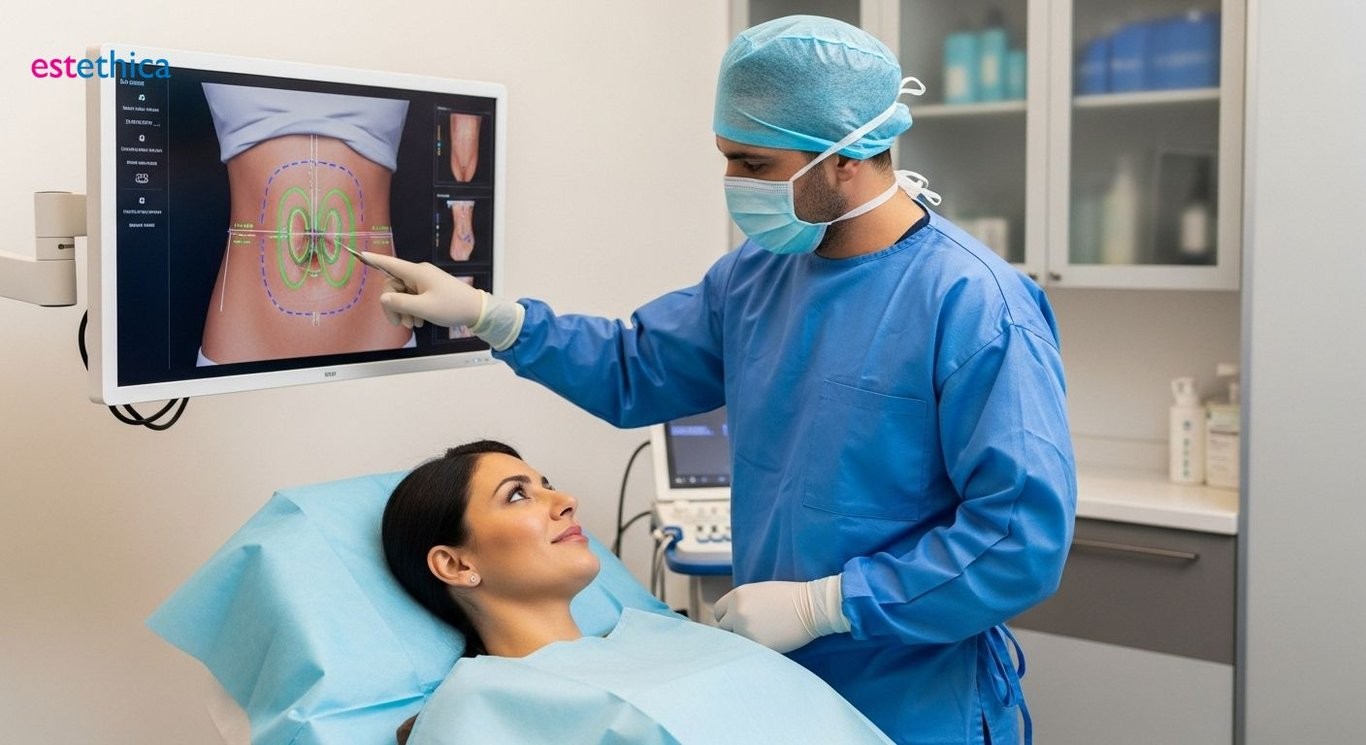
Fat-Dissolving Injection Effects and Swelling, Dose by Area and Number of Sessions
Why is a fat-dissolving injection said to work on stubborn areas like a double chin or upper arms that diet alone won't touch? Here's an easy breakdown of how the drug breaks down fat cell membranes, how the dissolved fat actually leaves the body, how dosing and sessions differ by area, and why swelling happens along the way.
By Dr. Lee
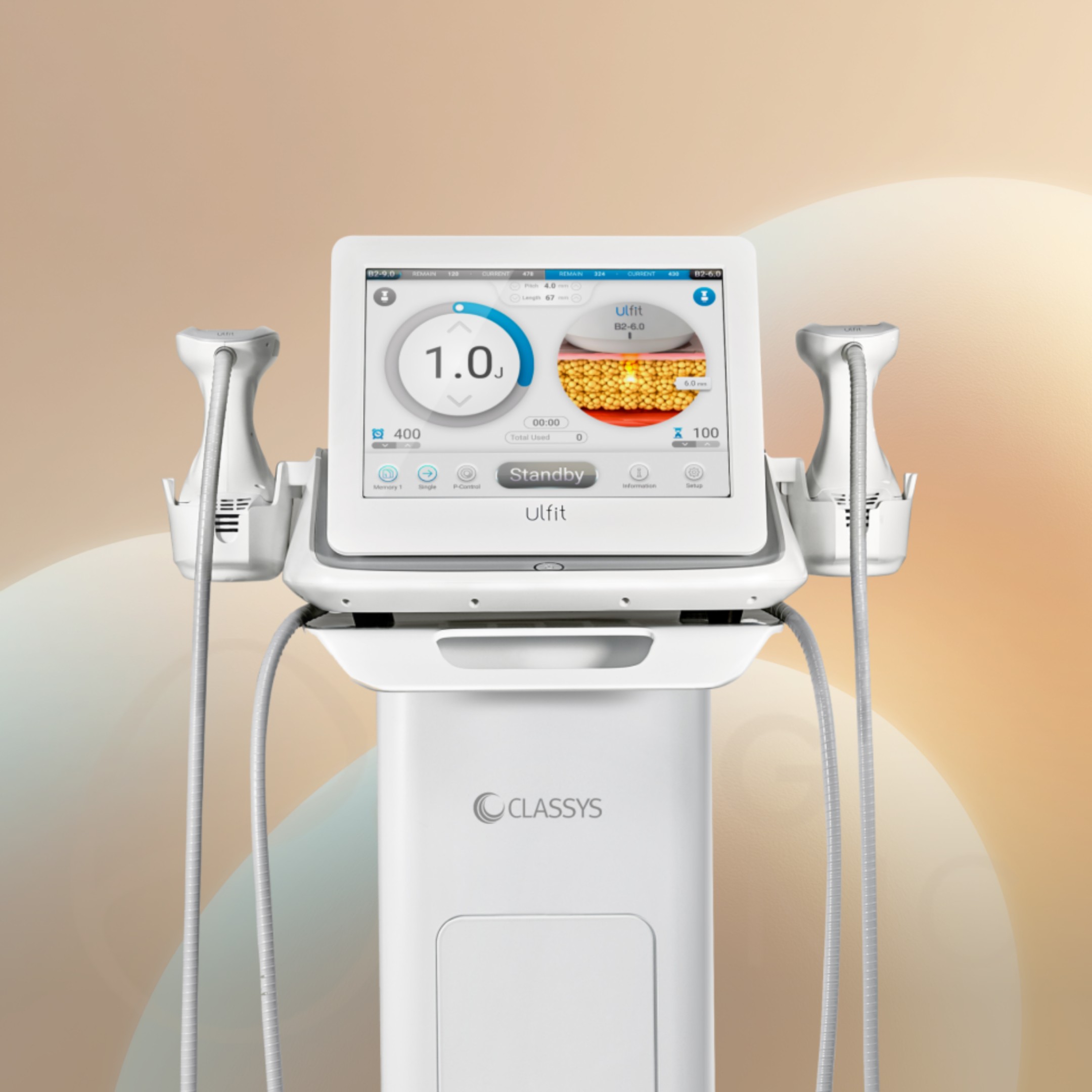
Ulfit Body HIFU Fat Reduction Effect: How Many Sessions Do You Need?
Ulfit Body HIFU is a non-surgical body contouring treatment that focuses ultrasound energy on the fat layer beneath the skin, gradually shrinking fat cells with heat. Here is a principle-first look at why the ultrasound heats only fat and nothing else, how that destroyed fat actually leaves your body, why the settings differ from facial HIFU, and roughly how many sessions and how much maintenance you can expect.
By Dr. Kim
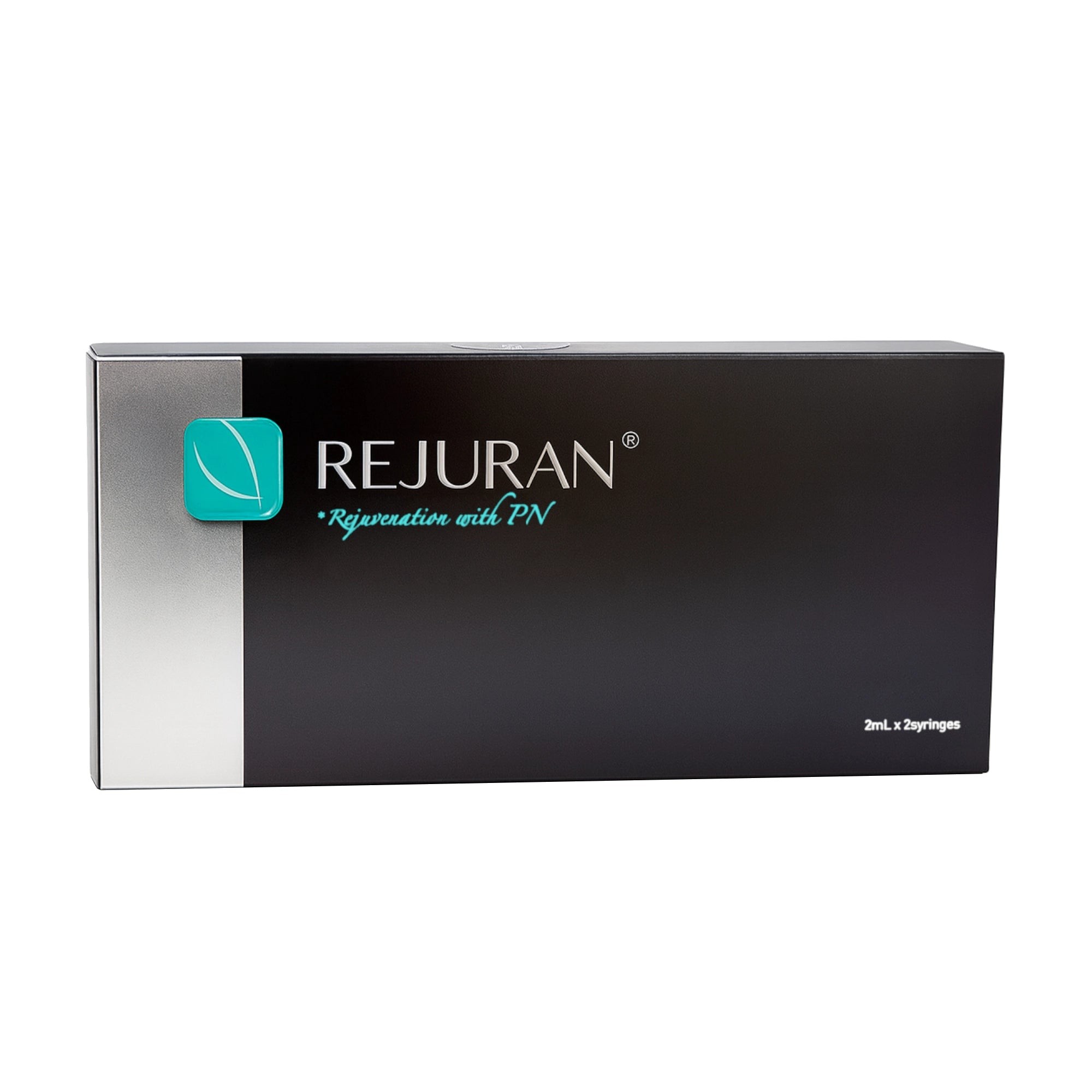
Salmon PN Injection: How It Works, Treatment Interval and Precautions
A clear, easy breakdown of why the ingredient known as salmon PN triggers a regeneration signal in skin, and the step by step order in which damaged dermis actually recovers. We also cover where it stands next to Rejuran and similar options, along with session counts and how long results tend to hold.
By Dr. Lee