Salmon PN Injection: How It Works, Treatment Interval and Precautions
By Dr. Lee9 min read
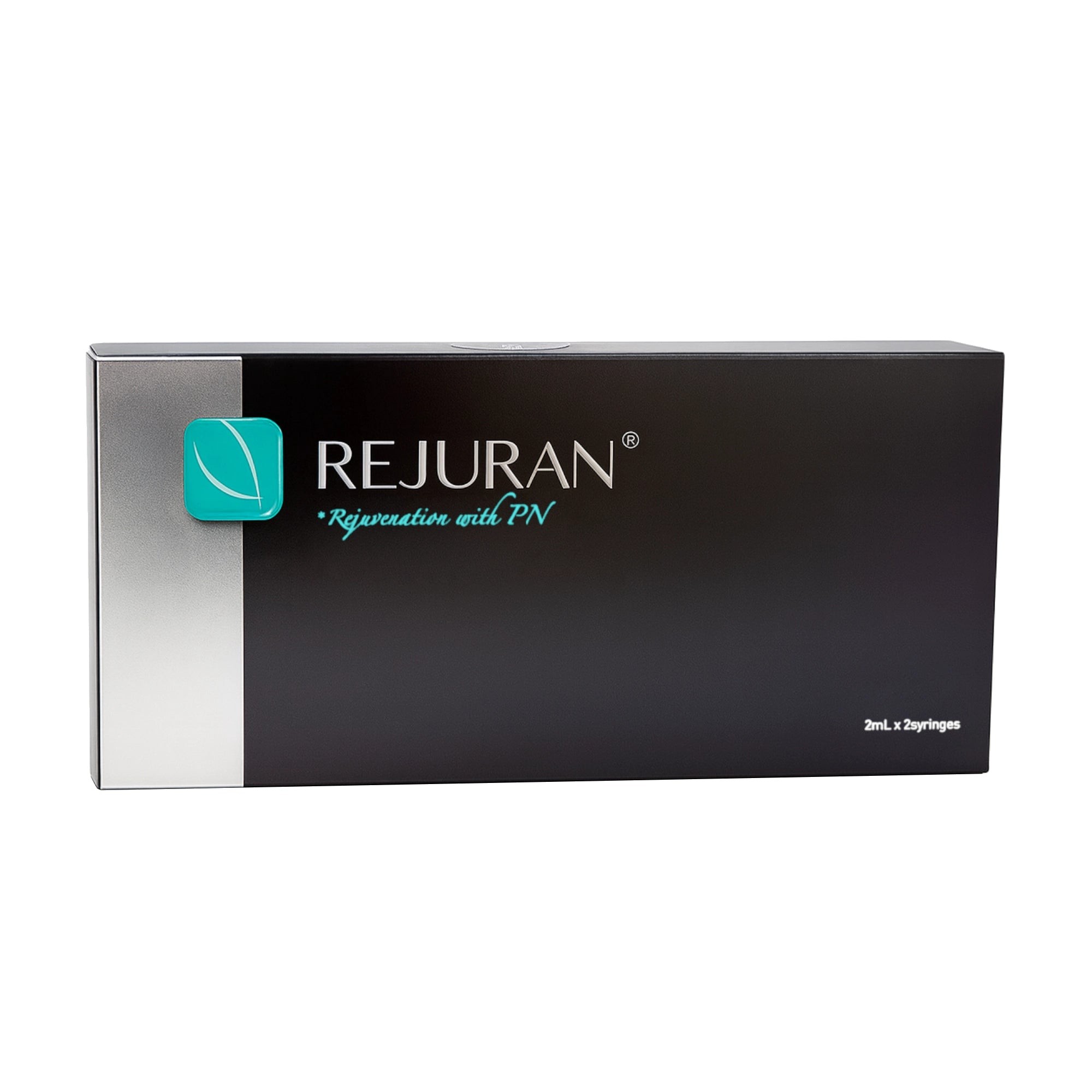
People bring up salmon injections in the dermatology consult room all the time. The name makes it sound like something made from ground up salmon, but it's actually a purified DNA fragment extracted from salmon milt, the fish's reproductive gland. This ingredient goes by the name PN, short for polynucleotide.
A lot of people want to know why putting PN into skin is supposed to switch on regeneration, and what's actually happening underneath. Just as many mix it up with Rejuran. Rejuran is one of several brand name products built on this PN ingredient, it isn't the name of the ingredient itself. So here's the full picture, laid out step by step. Once you understand the pathway that flips on the regeneration signal and how the dermis rebuilds itself, it also makes sense why this treatment picked up the salmon injection name in the first place.
How Is Salmon PN Made?
PN is made by extracting DNA from the milt of salmon or trout, cutting it into small fragments, and purifying it. DNA is a thread like structure that carries the blueprint for our cells. Rather than using that thread as is, PN is produced by slicing it into short strands, filtering out impurities, and raising the purity level until it's ready to be injected.
Salmon DNA is used because its structure is remarkably close to human DNA while still being safe to purify at scale. Once a PN fragment enters the body, it isn't read as an intruder, it's recognized as something familiar. That's why it settles into tissue without triggering much of a rejection response, and starts sending signals to the cells around it.
Think of it like screws and bolts from different brands that still fit together because the thread specs are similar. Even across species, the basic backbone that makes up DNA looks alike enough that the body doesn't mistake the fragment for something foreign and push it back out. And because the manufacturing process runs through several rounds of purification, the fewer impurities that remain, the less resistance there is when it settles in.
How Does the Dermis Respond to PN?
When PN enters the dermis, the body reads it as a small injury signal, much like the way the body flips on its own repair switch the moment you get a cut. Macrophages are the first responders in this process. Macrophages are cells that patrol the body, clearing out foreign material and debris.
As macrophages break down PN fragments, they produce a substance called adenosine. Adenosine attaches to a specific receptor on the cell surface and delivers the instruction to start repair work. Once that signal switches on, macrophages shift into a repair oriented state. At the same time, they send signals to nearby fibroblasts and vascular cells, telling them to produce collagen and increase blood flow. When people say PN stimulates a regeneration signal, this is the specific pathway they're referring to, the one running through macrophages and adenosine.
It helps to picture a small scrape on your knee. The area turns red and swells up, and new skin forms within 3 to 7 days simply because the body runs through its own cleanup and rebuild sequence in order. A similar sequence plays out wherever PN is placed. The difference is that the skin doesn't actually tear the way it would with a real wound, this just gently presses the repair switch.
The Order in Which Collagen Fills In
The dermis is the layer that supports skin from underneath. With age, or repeated exposure to UV light and inflammation, the collagen in this layer, a protein, starts to thin out and lose structure. Collagen works like a support column that keeps skin taut, so when those columns shrink, skin becomes thinner and loses elasticity.
Once the regeneration signal described above switches on, fibroblasts become more active. Fibroblasts are the cells that actually manufacture collagen, working like a small factory. Once stimulated, they produce more new collagen fibers, and vascular cells get stimulated at the same time, which increases the small blood vessels feeding that area. More blood flow means better oxygen and nutrient delivery, and the materials needed for repair reach the tissue more smoothly. This process, new collagen filling back in alongside improved blood flow, is reported to continue over roughly 4 to 12 weeks after treatment, with skin texture and elasticity gradually shifting over that window.
Picture an old mattress where the springs have lost their bounce, the whole thing starts sagging in the middle. Collagen plays a similar role to those springs, and as we age, the number of springs drops and what's left loses its tension. Refilling with new collagen works like putting the springs back in one at a time, so the change isn't sudden, it's a gradual lift in the spots that had sunk down.
Are Rejuran and Salmon Injections the Same Treatment?
Rejuran is a brand name for one of several products built on the PN ingredient. So Rejuran sits inside the broader category of salmon injections, it isn't a separate treatment working on a different principle. The regeneration pathway of PN itself, the one running through macrophages and adenosine described above, is shared across all of them.
That said, PN fragment length, purification method, concentration, and the excipients mixed in can vary by product. That's why reviews often mention differences in viscosity, how it spreads once injected, and how long recovery feels like it takes. There isn't much head to head clinical research solid enough to call one product clearly superior, so clinics typically choose among several PN products based on the treatment area and goal.
It's a bit like how bread made from the same flour can still come out with a different texture depending on each bakery's fermentation time and oven temperature. Even with the same PN raw material, how finely the fragments are cut and what concentration they're mixed to can change how it feels going in and how far it spreads. That's part of why many clinics reach for a different product depending on whether they're treating a thin, sensitive area like the face versus a comparatively thicker area like the back of the hand, rather than using one product everywhere.
How Does It Compare With Other Regenerative Treatments?
PN isn't the only treatment aimed at skin regeneration. Several others share some of the same mechanisms, but each one starts from a different point.
- PDRN belongs to the same salmon DNA family as PN, but it's cut into shorter, lower molecular weight fragments. PN keeps its chains long and high molecular weight, while PDRN breaks those chains down further. Fragment length is reported to affect how long it stays in the body and how it delivers its signal.
- PRP works by separating platelets from your own blood and reinjecting them. It takes a different approach, supplying growth factors directly, but shares PN's goal of driving collagen production.
- Hyaluronic acid based skin boosters add volume and hydration by pulling in water, which works on a completely different principle from the macrophage driven regeneration pathway.
- Mesotherapy delivers nutrients like vitamins or amino acids directly into the dermis, so it leans more toward supplementing nutrition than flipping a regeneration switch the way PN does.
Looking at it this way, PN holds its own place by directly triggering the regeneration signal, and it's commonly combined with PRP or skin boosters. If PN is what wakes up macrophages and flips the repair switch on, PRP is closer to placing growth factors, the raw material, right where that switch just turned on. Because they work through different pathways toward the same goal, reviews often describe a more noticeable recovery response when both are done together compared to either one alone.
How Many Sessions, and How Far Apart?
Collagen production driven by PN doesn't happen in a single visit. Since it typically takes fibroblasts about 4 to 6 weeks to produce new collagen and let it settle in, the usual guidance is 3 to 4 sessions spaced 2 to 4 weeks apart. You might notice a bit of extra hydration after the first session alone, but the more noticeable filling in of collagen is reported to build with each additional round.
After finishing the initial series, many people come back for a single maintenance session every 6 months to a year to hold onto the results. Since dermal collagen naturally starts to decline again over time, it's hard to say the effect lasts forever without any maintenance.
It's similar to feeding a plant a little at a time instead of dumping in a big dose of fertilizer all at once, smaller doses soak into the roots better. Fibroblasts are known to respond more consistently to repeated stimulation spaced out over time rather than one big hit, which is part of why the session based approach became standard. Squeezing the sessions closer together doesn't speed up recovery either, giving the tissue enough time to actually produce new collagen matters more.
Precautions Before and After Treatment
PN is a highly purified ingredient, but there are still a few things worth keeping in mind before and after.
- Before treatment, it's worth reviewing any allergy history with your provider. Since the raw material is fish derived, anyone with sensitivities should flag it ahead of time to be safe.
- Right after treatment, swelling or bruising at the injection site can last around 2 to 5 days. Since this is a needle based treatment, that's a natural response to small blood vessels being disturbed.
- Avoiding strong UV exposure for about 3 to 7 days after treatment is recommended. Skin is relatively more sensitive while it's recovering, so cutting down on extra irritation helps.
- Right after injection, avoid rubbing or massaging the treated area firmly. If freshly injected PN gets pressed or pushed before it settles into the tissue, it can spread outside the intended area.
Overall, PN based treatments are known as a low pressure option to try for regeneration. Understanding the mechanism and session schedule beforehand still helps you walk into the consultation with more realistic expectations.
References
Korean Dermatological Association, Ministry of Food and Drug Safety (MFDS), American Academy of Dermatology (AAD), and U.S. Food and Drug Administration (FDA).
Was this helpful?
About this article
Written by a practising aesthetic physician and intended for general education — not a substitute for individual medical advice.
Read next

Rejuran PDRN Injection: Evidence for Scars and How Long Results Last
PDRN, the salmon-derived DNA fragment at the heart of Rejuran injections, has more published clinical evidence behind it than most injectable skin treatments. A clinician's breakdown of how it activates collagen production and microvasculature, what the research actually demonstrates, where the evidence runs thin, and which patients genuinely benefit.
By Dr. Kim
Rejuran Results: When Do They Appear, and How Many Sessions and Intervals?
Rejuran places DNA fragments extracted from salmon into the skin, targeting the skin's own regeneration signals rather than adding volume. Here's a principle-first look at why this ingredient triggers fresh collagen production, how its purpose differs from a filler's, and why the treatment schedule and intervals are set the way they are.
By Dr. Kim
HPL Fat-Dissolving Injection: How It Works, Number of Sessions, and Swelling
A principle-first look at how HPL fat dissolving injections break down fat cell membranes and how the broken-down fat actually leaves the body. We also cover why dosing and session counts differ by treatment area, and how much swelling and downtime to expect.
By Dr. Lee