Rejuran Results: When Do They Appear, and How Many Sessions and Intervals?
By Dr. Kim6 min read
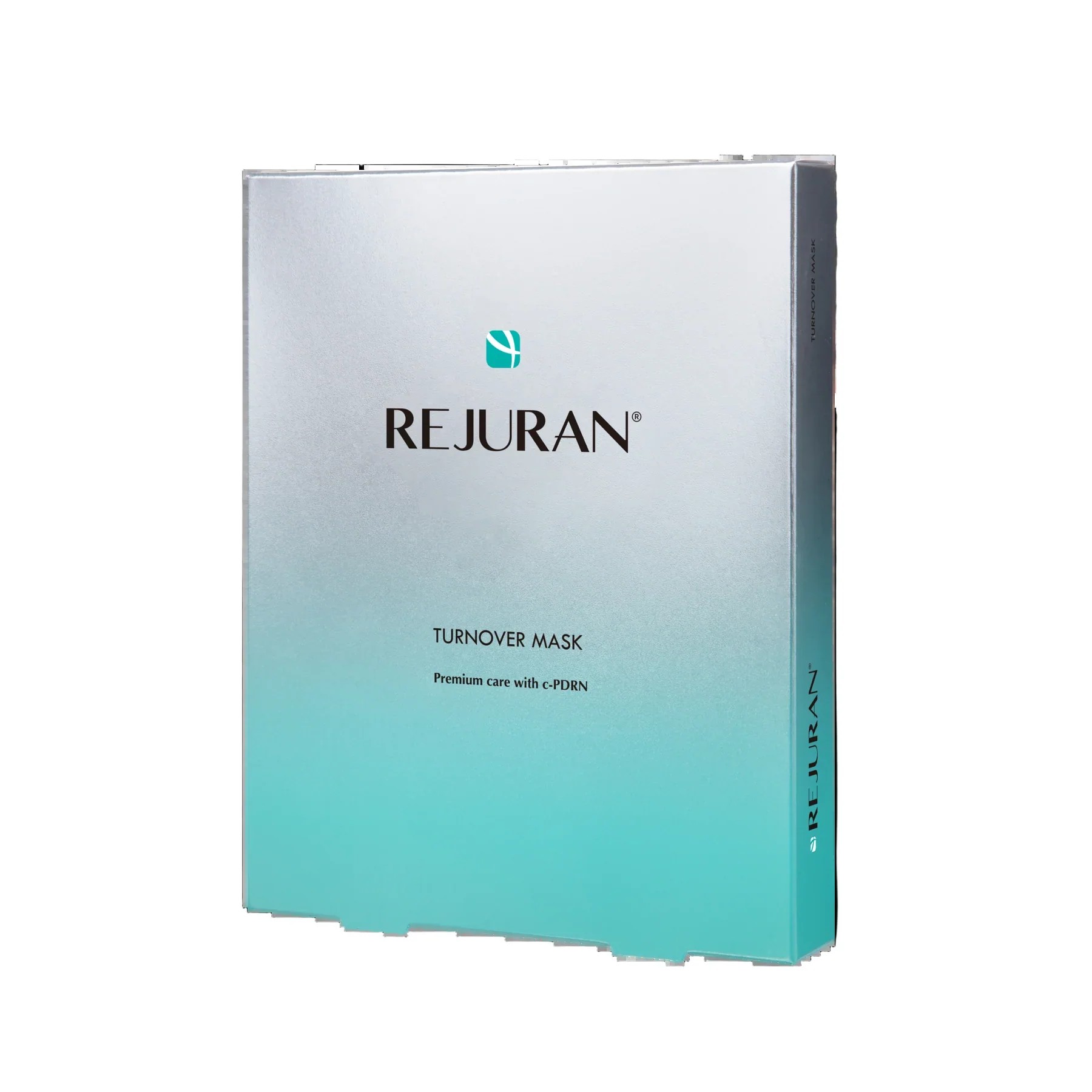
When Rejuran comes up in a dermatology consultation, patients almost always ask about it in the same breath as fillers. Both are injected into the skin, so they can look alike at first glance. But Rejuran starts from a different place entirely: it uses an ingredient extracted from salmon.
The goal isn't to fill volume. It's closer to nudging the skin into producing its own collagen again. Let's go through, step by step, why a substance drawn from salmon does this, and exactly what pathway carries that signal once it's inside the skin.
The ingredient: salmon DNA fragments
Rejuran's core ingredient is PN, short for polynucleotide. The name is a mouthful, but the idea is simple: think of it as a chain made of small DNA fragments strung together.
These fragments are extracted from salmon testes, essentially the fish's reproductive cells. Salmon DNA is structurally very close to human DNA, which is reportedly why the body doesn't strongly reject it as a foreign substance. During purification, impurities are filtered out until only pure DNA fragments remain, and those fragments are injected into the dermis, the deeper layer of skin.
A similarly named ingredient, PDRN (polydeoxyribonucleotide), comes up often too, and it's essentially PN cut into smaller pieces. Smaller fragments are known to spread through the body faster, while larger fragments stay in place longer and work more gradually. That's why different products are engineered with different fragment sizes, matched to how long they want the effect to last.
Why salmon?
You might assume any DNA fragment would work, but there are real reasons salmon is the source. First, as mentioned, its structural similarity to human DNA means a relatively lower rate of immune rejection.
Second is safety. Materials derived from mammals like cattle or pigs are rarely used in aesthetic injectables because of infection concerns such as mad cow disease. Salmon, on the other hand, is a fish that shares almost no infectious diseases with humans, which reportedly makes it comparatively free of that concern.
Third, it's easy to source stably in large quantities. Because it's extracted from farmed salmon, the raw material supply stays consistent, and the purification process has been refined over many years. Together, these reasons are why salmon-derived PN and PDRN have become the go-to material for regeneration treatments.
How touching the cell's antenna wakes regeneration
Injecting DNA fragments into the skin doesn't mean they merge into human cells. Instead, these fragments stimulate adenosine receptors on the surface of skin cells, structures that work like antennas picking up signals from the surrounding environment.
Once that antenna is stimulated, the cell produces more of a substance called growth factor. Growth factor acts like an instruction sheet telling the cell it's time to get to work. Fibroblasts, the worker cells that actually build collagen, receive that instruction and become noticeably more active.
At the same time, signals that support new blood vessel growth reportedly increase as well. More blood vessels mean better delivery of nutrients and oxygen to the area, which in turn supports the cells as they build collagen. In short, the DNA fragments themselves don't turn into collagen. They keep sending a signal to the collagen-producing cells, telling them to get to work.
How is its purpose different from filler?
Fillers work by injecting a substance like hyaluronic acid to physically fill a space. Because they plump up a hollow cheek or a sunken wrinkle right away, the change is visible the moment the injection is done.
Rejuran, by contrast, isn't trying to fill anything. It signals cells to build new collagen, so the effect takes time to appear, and when it does, it shows up first in surface texture and elasticity rather than in volume. That's why people mention things like tighter-looking pores or smoother skin more often with Rejuran than with fillers.
So the two treatments aren't really competitors, more like tools with different jobs. It's reportedly common to use them together: filler first for areas that have lost a lot of volume, and Rejuran added on top when the goal is to improve the texture of the skin itself.
Some mild swelling or redness can linger for 2 to 3 days after the injection, which is reportedly a natural response as the process stimulates the cells. Knowing in advance that this is a different kind of change from the instant volume you'd see with a filler makes it easier to accept the results as they unfold.
How long does collagen take to build up?
Collagen doesn't form the moment the injection is done. Fibroblasts have to receive the signal and produce collagen, and that collagen has to weave itself into a mesh and settle within the dermis, a process that runs through several stages at the cellular level.
Right after treatment, the area often looks temporarily smoother simply because the initial swelling has gone down, a passing effect rather than new collagen. As 2 to 4 weeks pass, collagen production reportedly starts to build up gradually, and it's said to take about 8 to 12 weeks for that change to accumulate into something visible.
Because of this pace, Rejuran is designed as a treatment where the effect builds cumulatively over 3 to 5 sessions rather than something you judge after just one. Here's why the sessions are spread out.
- The amount of collagen produced by a single stimulation is limited. Spacing the stimulation out, rather than pushing the cells to work too hard all at once, is the more stable approach.
- The timing of the next stimulation has to match how long collagen needs to settle. Sessions scheduled too close together can layer a new stimulus on top of results from the previous round that haven't settled yet, which can reduce overall efficiency.
- How fast and how strongly cells respond varies from person to person. Running about 2 to 3 sessions while watching how the skin responds, then adjusting the interval or the number of sessions accordingly, is reportedly the more reliable way to build toward a stable result.
How many sessions, and how far apart?
The most commonly recommended approach is 3 to 5 sessions spaced 2 to 4 weeks apart. Early sessions tend to be scheduled closer together to deliver back-to-back regeneration signals, and once texture has improved somewhat, the interval is stretched out.
After that, it's common to add a maintenance session every 4 to 6 months. Collagen naturally decreases again over time, so sending the signal periodically is reportedly what helps hold on to a result once it's improved.
That said, the interval and number of sessions can vary depending on skin condition and personal goals, so rather than following a fixed formula, it's more natural to consult a dermatologist and adjust based on how your own skin responds.
Skin that's younger and hasn't sustained much texture damage can often show change with fewer sessions, while skin with damage built up from long-term sun exposure or smoking tends to need more sessions, according to reports. In the end, what matters isn't hitting some fixed number of sessions, but giving the cells enough time to respond to the signal and actually build collagen.
References
Korean Dermatological Association, Ministry of Food and Drug Safety (MFDS), American Academy of Dermatology (AAD), and U.S. Food and Drug Administration (FDA).
Was this helpful?
About this article
Written by a practising aesthetic physician and intended for general education — not a substitute for individual medical advice.
Read next
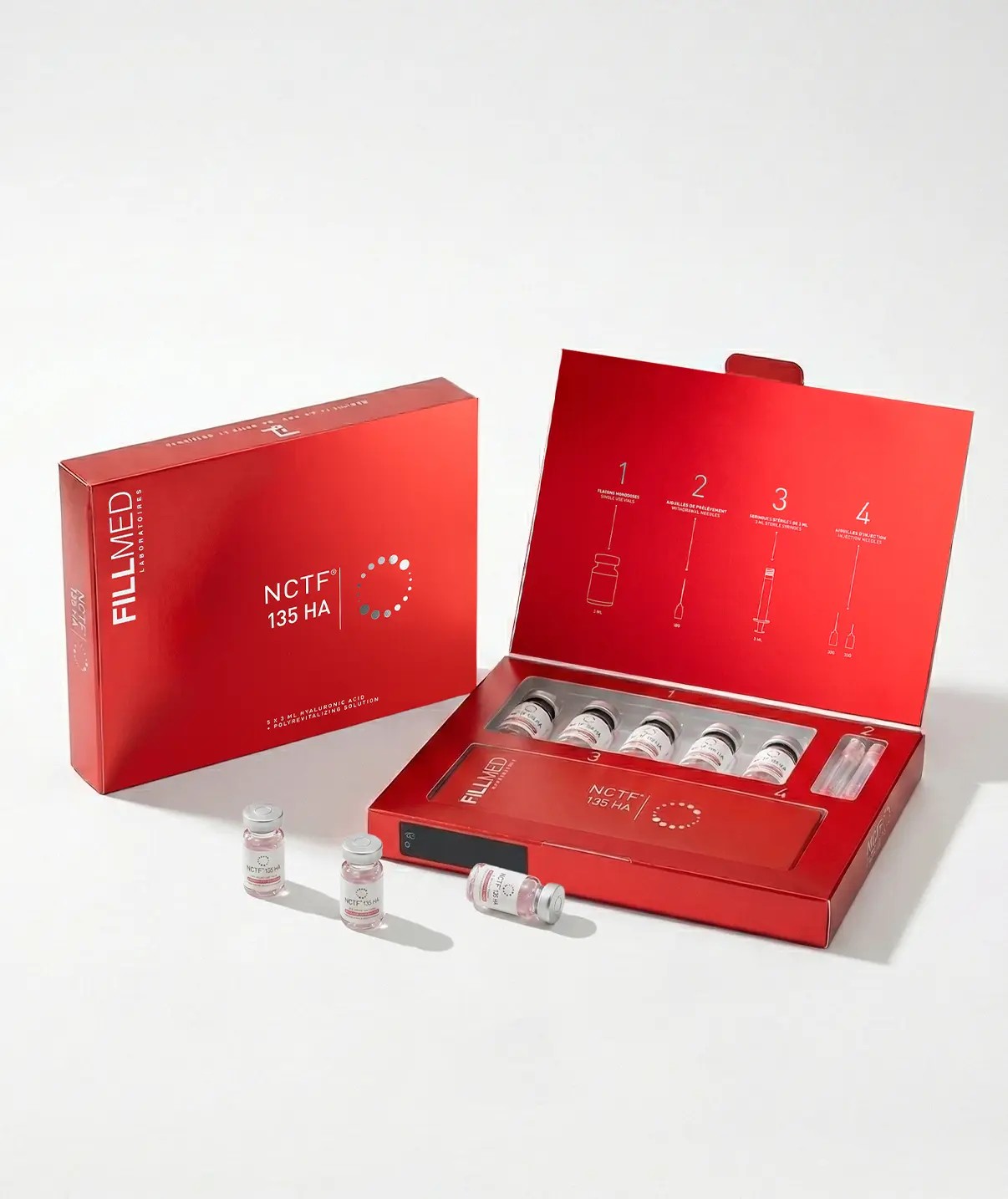
Filorga NCTF 135 Ingredients and the Difference From Water-Glow Injections, Including Sessions and Interval
Filorga NCTF 135 is a mesotherapy treatment that delivers vitamins, amino acids, minerals, and hyaluronic acid, dozens of ingredients in a single syringe, straight into the dermis. Here's a principle-first look at why so many ingredients are mixed together, what each one actually does in the skin, and how this differs from a classic skin booster.
By Dr. Kim
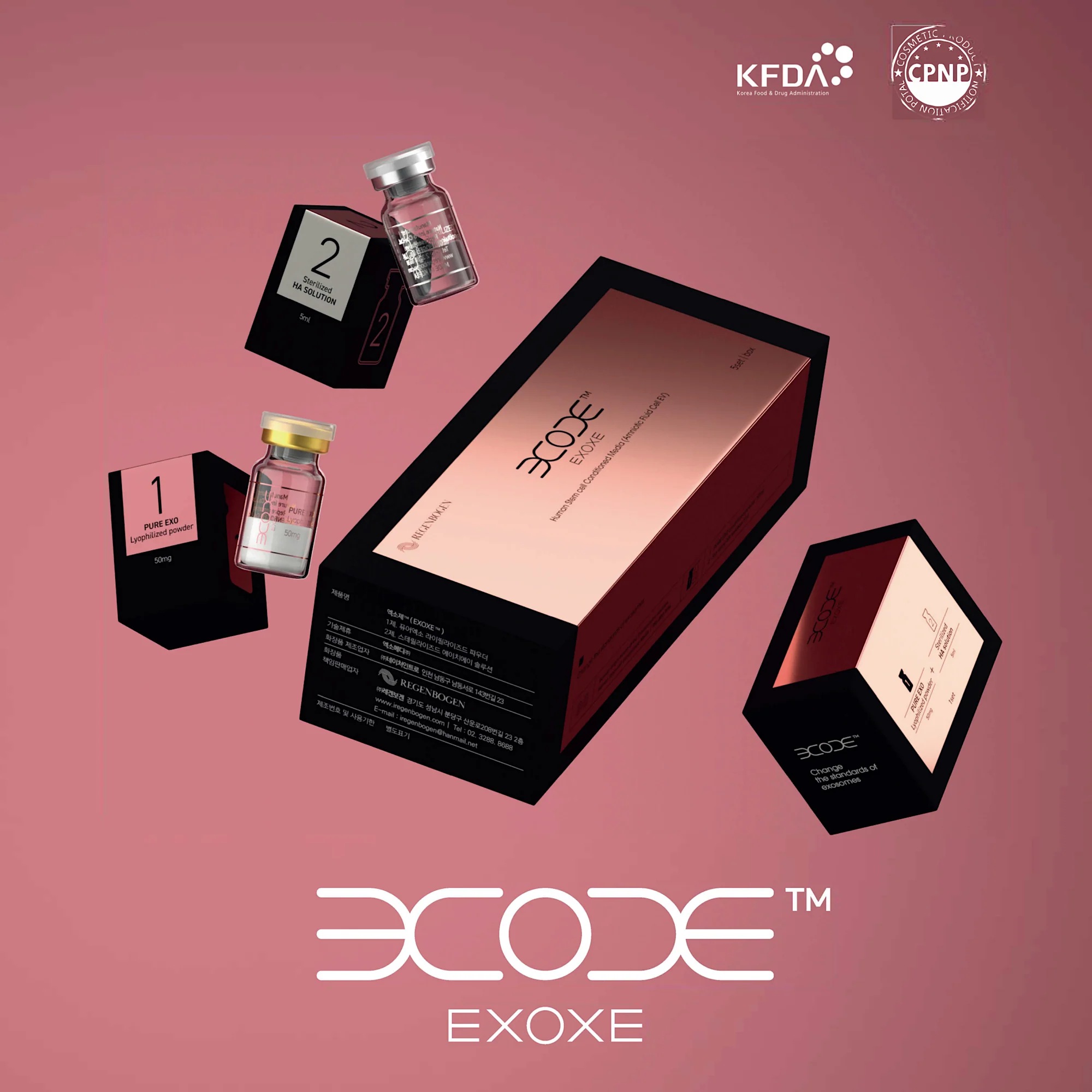
Exosome Treatment Effects: How Are They Different From Stem Cells?
Exosomes are tiny signal packets that cells release into their surroundings, delivering only the messages a stem cell creates rather than the stem cell itself to the skin. Here is a plain look at how exosomes carry regeneration and calming signals, why clinics so often pair them with laser treatments, and how much evidence has actually built up so far.
By Dr. Kim
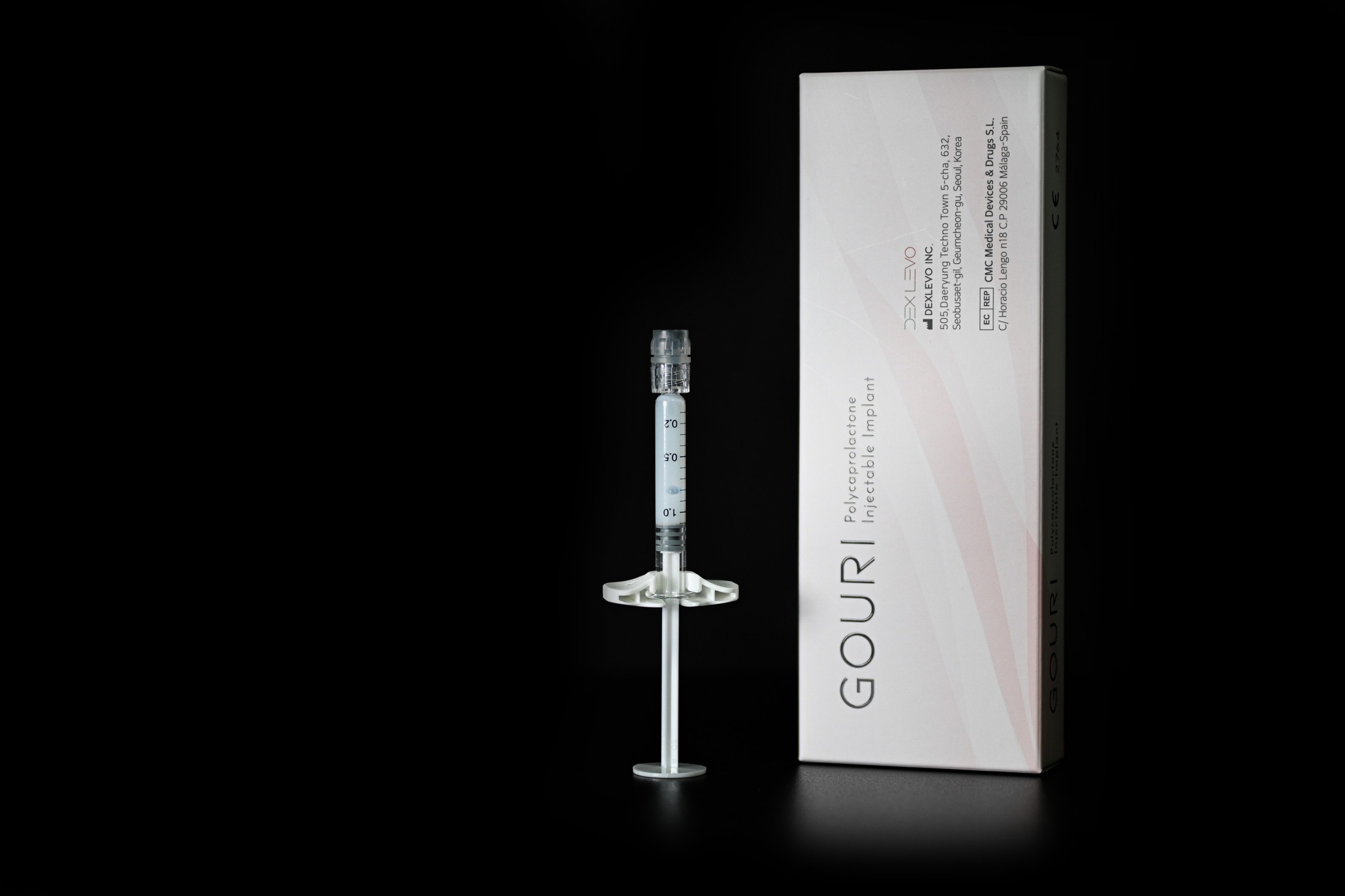
Gouri Liquid PCL Effects: When They Appear and How Many Sessions
A look at how Gouri Liquid PCL spreads through tissue without visible particles and gradually triggers collagen production. We break down how this differs from volume fillers that fill in a specific spot, plus when results start showing and how long they stick around.
By Dr. Lee