Fat-Dissolving Injection Effects and Swelling, Dose by Area and Number of Sessions
By Dr. Lee8 min read
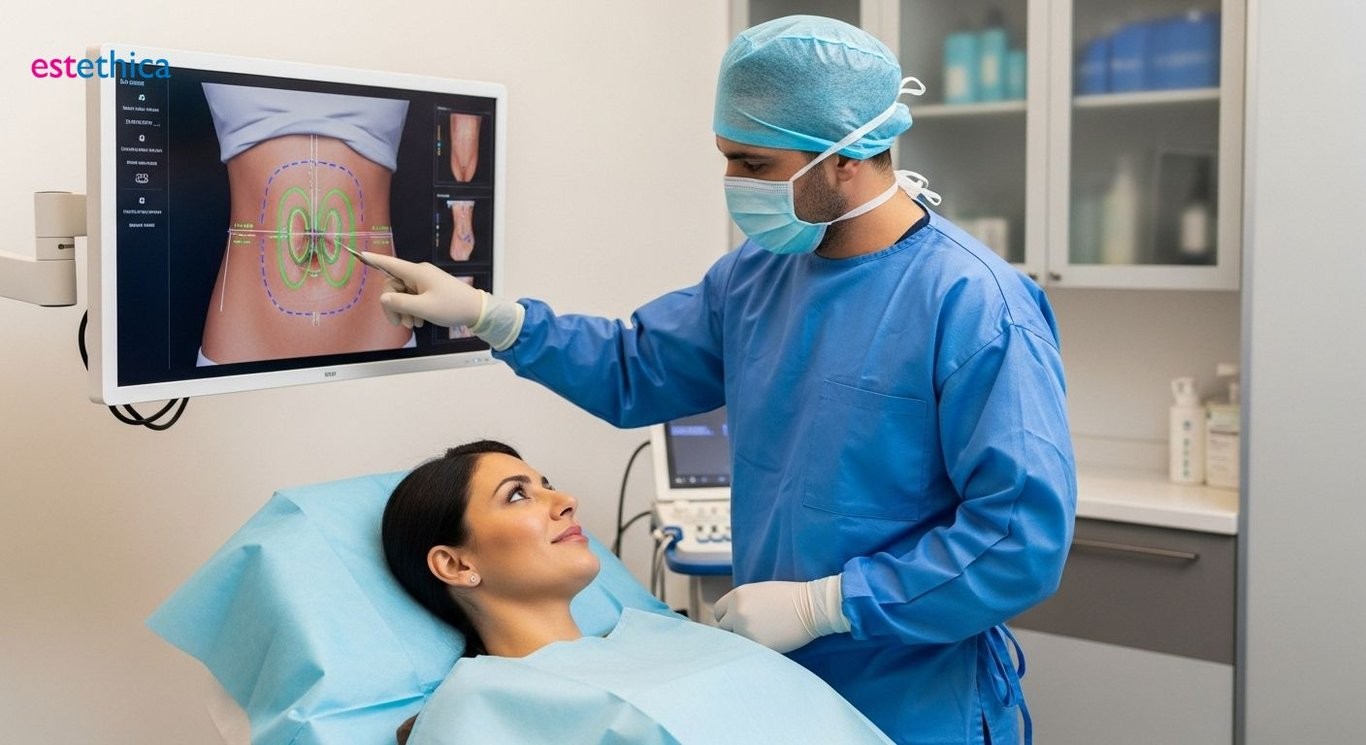
A lot of people feel like their double chin or upper arm fat just won't budge no matter how much they exercise. The rest of the body slims down, but that one area seems to stay exactly the same. Fat-dissolving injections were developed to target exactly this kind of localized fat.
Instead of a pill or a cream, a fat-dissolving injection puts the drug directly into the fat pocket with a needle. Let's walk through why this approach is believed to work on localized fat, starting from the basics.
What ingredients are in fat-dissolving injections?
The ingredient used most often in fat-dissolving injections is deoxycholic acid. The name may sound unfamiliar, but it's actually a substance your body already makes. The liver produces a bile acid called cholic acid and releases it into the intestines, where gut bacteria convert it into deoxycholic acid. So deoxycholic acid isn't a bile acid the liver secretes directly. It's a secondary bile acid that gut bacteria create through an extra conversion step.
When you eat something greasy, bile acids break the fat down into smaller droplets in your gut to help digestion, much like how dish soap breaks down grease stuck to a plate. Deoxycholic acid behaves the same way when it meets fat.
In Korea, injections that combine deoxycholic acid with phosphatidylcholine (PPC), a phospholipid, are also widely used alongside the standalone deoxycholic acid formula. Phosphatidylcholine has a structure similar to the fat that makes up cell membranes, and it's thought to play a role in disrupting the membrane around fat cells as well. Either way, the goal is the same: shrinking the actual fat cells that have built up under the skin.
How do fat cell membranes break down?
A fat cell is basically a thin balloon packed full of fat. That balloon's wall is made of phospholipids, a fatty material arranged in a thin double layer with water-loving and oil-loving sides.
Deoxycholic acid behaves like a detergent, so it wedges itself between these phospholipid layers and pulls the structure apart. It's like punching holes all over what used to be a sturdy balloon surface. Once the membrane is damaged this way, the cell can't hold its shape and ruptures on the spot.
This process is called cell lysis, meaning the cell essentially dissolves. What matters here is that this action isn't limited to fat cells. Any cell membrane the injection touches can react in a similar way. That's exactly why the injection needs to be placed precisely within the fat layer, and why the practitioner's skill has such a big effect on accuracy.
Formulas that include phosphatidylcholine are also reported to emulsify the fat further, breaking it into tiny droplets. Emulsification is the process of taking oil that doesn't normally mix with water and splitting it into fine particles so it disperses evenly, similar to how oil and vinegar come together to make mayonnaise.
How burst fat is cleared from the body
Once the cell membrane ruptures, the fat inside and the cellular debris spill out into the surrounding tissue. Left alone, this could put stress on the body, so the body immediately kicks off a cleanup process.
The cell in charge of this cleanup is the macrophage. Macrophages patrol the body, engulfing and clearing away dead cells or foreign material, and true to their name, they're built to swallow up even large debris. When a macrophage finds the remains of a ruptured fat cell, it moves in and consumes it on the spot.
The fat that macrophages take in is then gradually carried out of the body through the lymphatic system. The lymphatic system is a separate network from blood vessels that filters and moves waste and excess fluid through the body. This process doesn't wrap up in a day or two. It plays out over four to six weeks, which is why many reports note that visible change tends to show up more clearly around the four to six week mark rather than right after treatment.
One more important point: once a fat cell ruptures and is cleared this way, it's understood not to grow back. The number of fat cells in the body is generally thought to be fixed by adulthood, so a reduction in the fat cell count in that specific area can carry forward, which is one reason this treatment gets so much attention.
Dose differences for double chin and upper arm
Fat-dissolving injections are planned with different doses and session counts depending on the area. The reason is simple: fat layer thickness, surface area, and the sensitivity of surrounding tissue all vary from one part of the body to another.
- Narrow, shallow areas like the double chin: The fat layer is thin and the surface area is small, so the dose used per session tends to be smaller. Even so, nerves and blood vessels run close by in this sensitive area, so spacing sessions out generously is considered the safer approach.
- Wide, thick areas like the arms or abdomen: The fat layer itself is thicker and covers more surface area, so a single session usually isn't enough to produce a full response. The drug needs to be injected across multiple points to spread evenly, which is why these areas often need three to five sessions.
- Why sessions are spaced out: As explained above, it takes four to six weeks for fat to break down and for macrophages to clear it out. Ignoring this recovery window and injecting again too soon can put extra strain on the tissue. That's why the next session is typically scheduled four to six weeks later.
Sticking to the dosing and session intervals set for each area is really the key to balancing results with safety.
How long does swelling last after the shot?
It's common for the treated area to swell and feel firm for two to five days after a fat-dissolving injection. This isn't so much a side effect as it is the body's natural response to cells breaking down and being cleared away.
Once the cell membrane ruptures, the body registers it as a form of injury and triggers an inflammatory response. Inflammation is the body's normal defense mechanism, sending more blood and immune cells to the affected area to support recovery. Blood vessels expand and fluid gathers between tissues during this process, which is what causes the swelling.
The tissue can also feel temporarily firm or lumpy while macrophages gather there to do their cleanup work. If it feels like a small lump under your fingers, that's usually a sign the cleanup process is underway.
Swelling and firmness are generally most noticeable around two to three days after treatment, and many reports note they gradually ease over the following one to two weeks. A few things can help during this window.
- Avoiding massage or pressure on the area: Stimulating tissue that's still being processed can actually ramp up the inflammatory response.
- Staying well hydrated: This is thought to support the lymphatic system as it carries waste out of the body.
- Using a cold compress: This temporarily constricts blood vessels and is reported to help reduce early swelling and discomfort.
When do results start to show?
A fat-dissolving injection isn't a treatment that makes you look slimmer the moment it's done. In fact, early on, swelling can even make the area look temporarily puffier.
Since the entire process of fat breaking down, macrophages clearing it, and the lymphatic system carrying it away unfolds over four to six weeks, real change is understood to gradually show up only after the four-week mark. And because this treatment is typically done over two to four sessions, tissue can need an additional four to twelve weeks to fully settle even after the last session.
So it's more realistic to plan out the full course of sessions and recovery time in advance and approach this with patience, rather than expecting to see results right away. Fat cells respond and metabolize at different rates from person to person, so it's worth knowing that the timing of visible change can vary as well.
Safety precautions during treatment
Both deoxycholic acid and phosphatidylcholine originate from substances the body already produces, so they're considered relatively safe. That said, since they work by breaking down cell membranes, imprecise placement or depth can affect tissue you didn't intend to target.
In particular, if the injection ends up too close to muscle, a nerve, or a blood vessel, temporary numbness or muscle weakness has been reported. This is exactly why the procedure needs to be done by a medical professional who understands the anatomy of each area precisely. Areas like the face, where nerves and blood vessels run close together, make this precision even more important.
Before treatment, it's a good idea to ask how many total sessions you'll likely need (usually two to four), how far apart they'll be spaced, and roughly when swelling should settle down. If the treated area swells more than expected, pain lasts unusually long, or you notice any numbness, you should let your provider know right away. Not rushing the sessions and giving the tissue enough time to recover is really the shortcut to a safe and satisfying result.
References
Korean Dermatological Association, Ministry of Food and Drug Safety (MFDS), American Academy of Dermatology (AAD), and U.S. Food and Drug Administration (FDA).
Was this helpful?
About this article
Written by a practising aesthetic physician and intended for general education — not a substitute for individual medical advice.
Read next
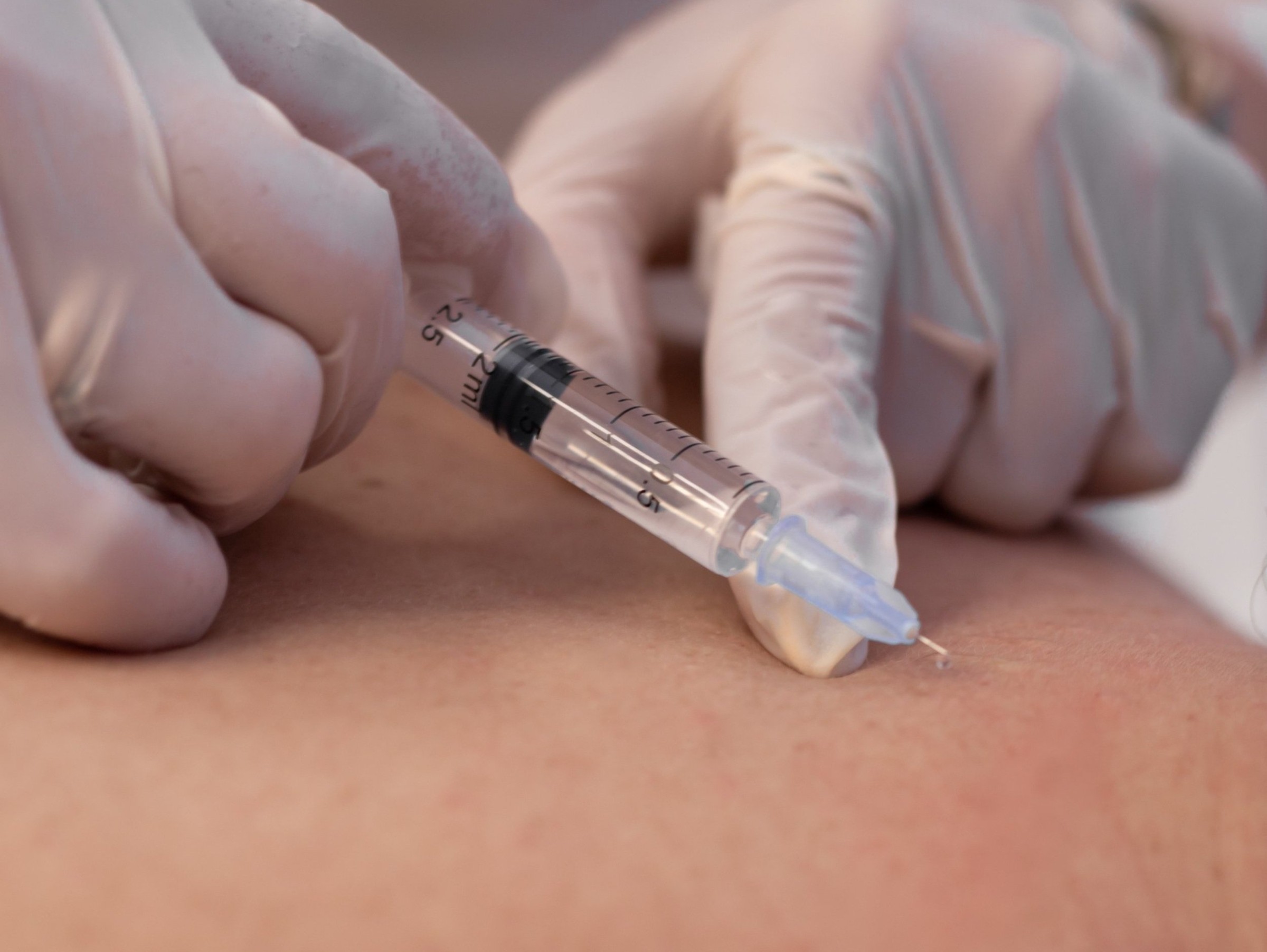
HPL Fat-Dissolving Injection: How It Works, Number of Sessions, and Swelling
A principle-first look at how HPL fat dissolving injections break down fat cell membranes and how the broken-down fat actually leaves the body. We also cover why dosing and session counts differ by treatment area, and how much swelling and downtime to expect.
By Dr. Lee
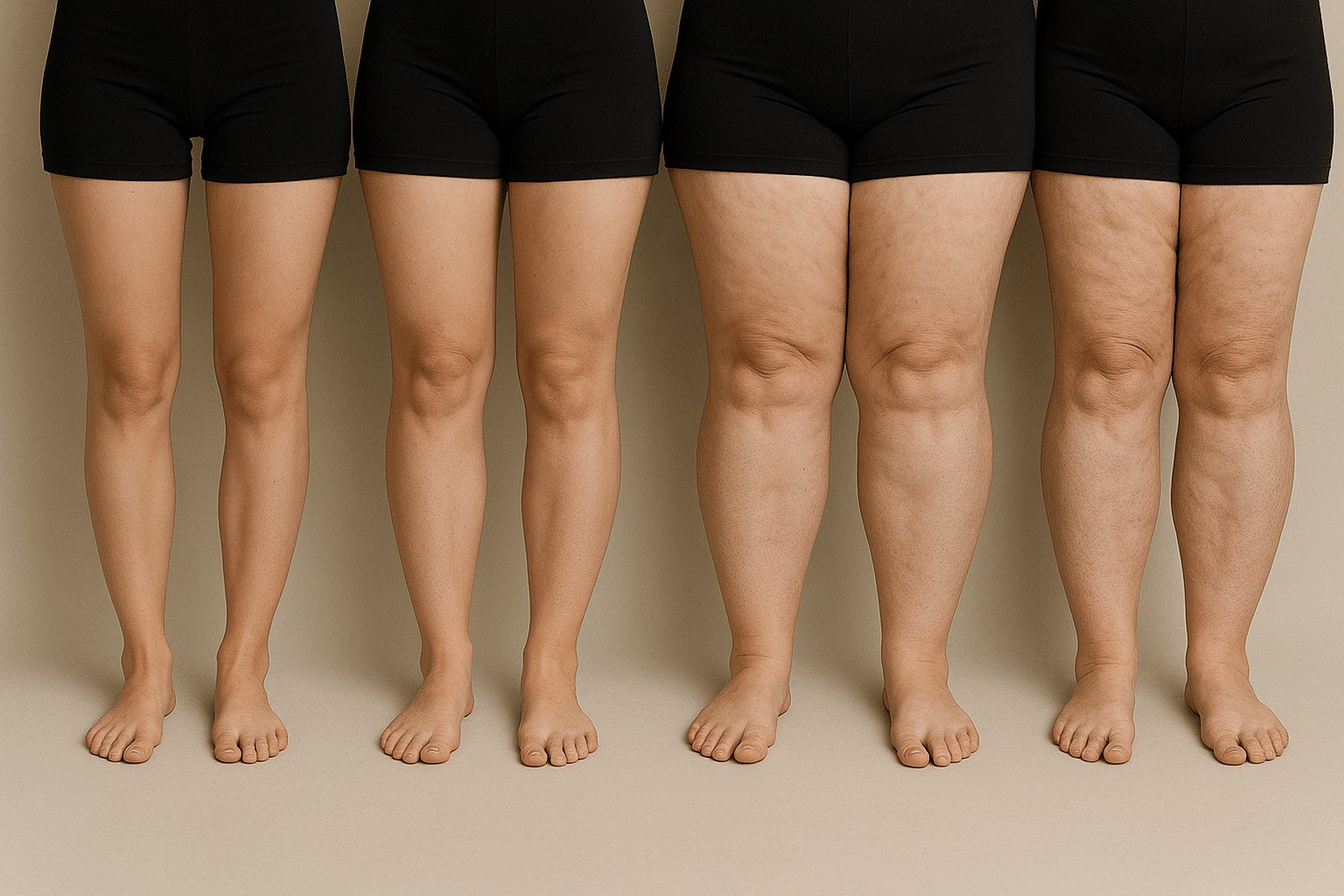
Thigh Fat Treatments: Types, How They Work, Effect Differences and Aftercare
Thighs are one of the areas that stay stubborn even with disciplined exercise and diet. Localized fat treatments that act directly on fat cells through cooling, injections, or heat energy have become a common way to address these areas. Here is how each method actually breaks down fat cells, and how they differ.
By Dr. Kim
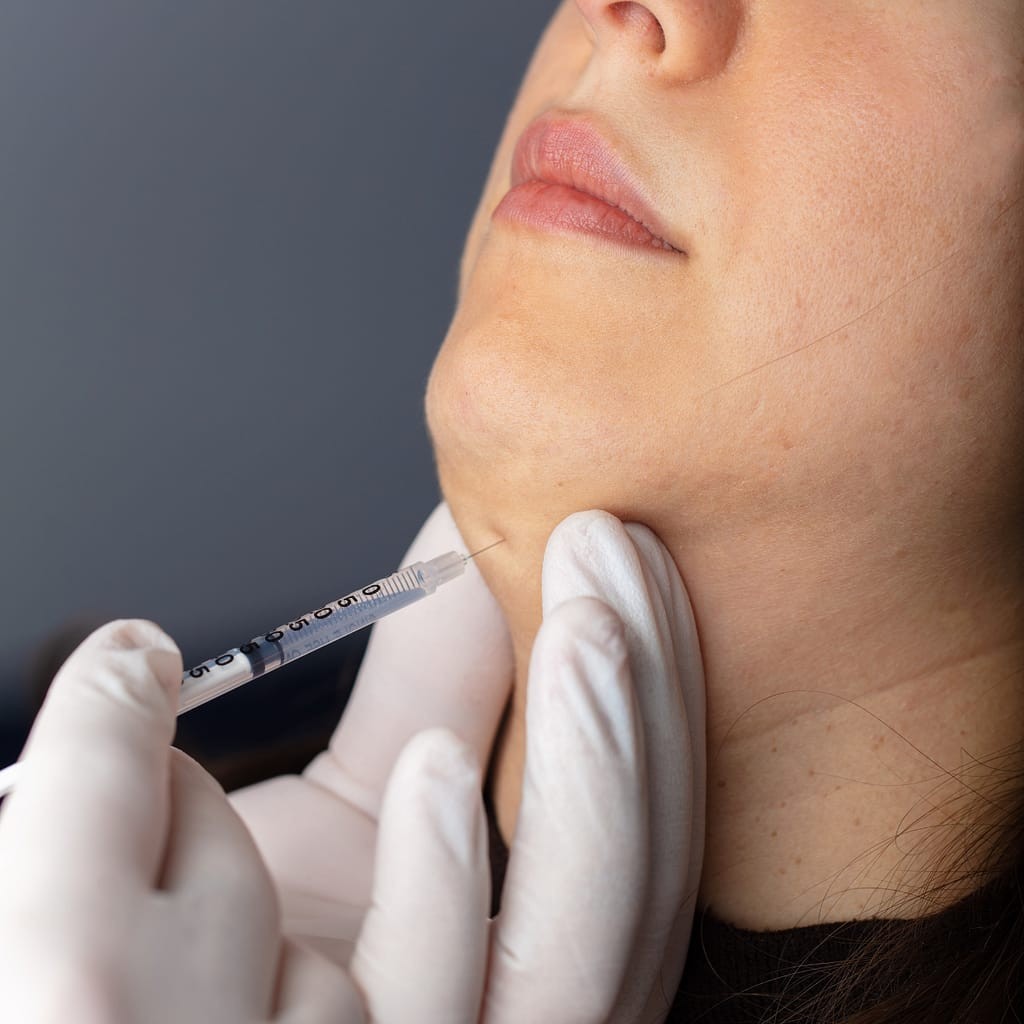
Contour Injection Ingredients and How They Work, and When the Swelling Goes Down
Face-line injections combine ingredients that break down fat cell membranes with ones that support lymphatic circulation. Here is how these two actions affect swelling and facial contour on different timelines, and how long the results tend to last.
By Dr. Kim