Eyebrow Tattoo Laser Removal: Number of Sessions, Darkening Risk, and Precautions
By Dr. Kim7 min read
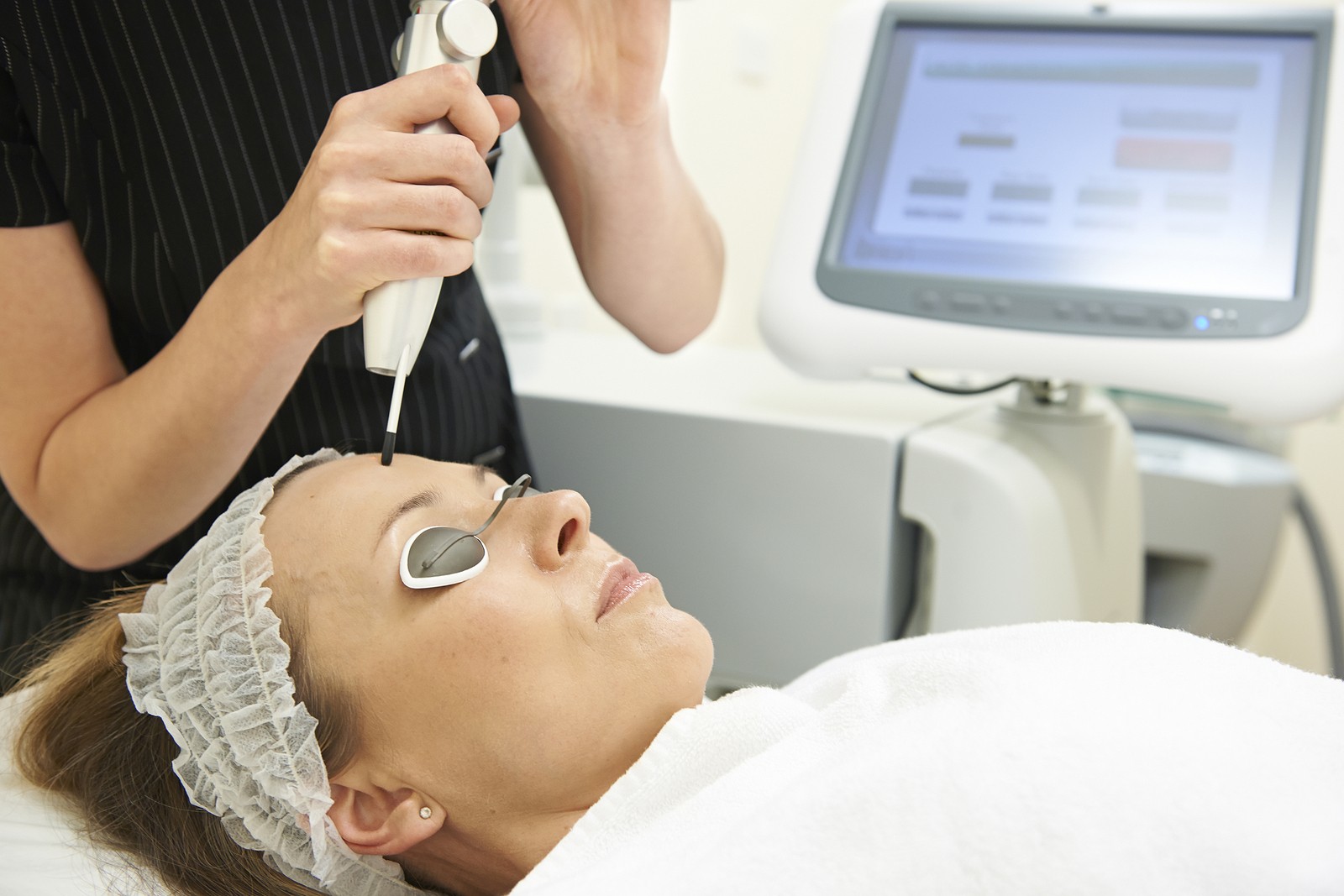
A lot of people come in wanting their eyebrow permanent makeup removed, whether the shape turned out wrong or the color faded into an unwanted red or blue tint over time. Makeup can only hide so much, and worrying about your brows every single day eventually pushes people toward laser removal.
But once you start looking into it, the questions pile up. Does the laser actually clear the pigment out completely? Could it make the color even worse in the process? Let's walk through how pigment breaks down and leaves the skin, and why color shift becomes a real variable along the way.
Why is semi-permanent pigment so hard to erase?
Permanent makeup uses an extremely fine needle to deposit pigment particles just beneath the epidermis, in the upper part of the dermis. The dermis is the skin's second layer, and pigment that settles this deep doesn't shed naturally the way surface skin cells do.
The particles are too small to see with the naked eye, but they're still too large for immune cells to engulf and clear out whole. Once pigment settles in, the body simply can't get rid of it on its own, so it stays put for a long time. That's exactly why permanent makeup typically lasts 1 to 3 years, and exactly why it isn't easy to remove.
How does a laser break up the pigment?
Tattoo removal lasers fire an intense burst of light energy at the pigment particles in an extremely short pulse. Because the light hits so briefly and so powerfully, the temperature inside each particle spikes instantly, causing it to expand rapidly and shatter. It's a bit like pouring cold water into a scalding hot pan and watching the glass crack from the shock.
This process of shattering particles through instant heat and pressure is called photomechanical destruction, where the laser's intense light energy generates a momentary shockwave that fragments the pigment. The two main types are Q-switched lasers, which fire in nanosecond pulses, and picosecond lasers, which fire in even shorter picosecond pulses. Shorter pulses tend to spread less heat into surrounding tissue and break pigment into finer pieces, which is why picosecond lasers have become the more common choice lately.
Laser light also responds differently depending on the pigment's color. Black and dark brown pigments absorb a broad range of wavelengths well, while red and yellow pigments only respond to specific wavelengths. That's why pinning down the exact color family of the tattoo beforehand and matching the wavelength to it makes such a difference in how well the treatment works.
How the pigment fragments leave the body
Only once the laser breaks pigment down into small enough fragments can the body's immune cells actually handle them. This is where macrophages, immune cells that engulf and process foreign material in the body, take over. True to their name, macrophages act as the cleanup crew, swallowing foreign particles whole.
Once a macrophage engulfs a pigment fragment, it travels through the lymphatic system, the network of vessels that carries waste and immune cells throughout the body. Through this route, pigment fragments get carried deep into the body and gradually disappear. Separately, some fragments get pushed up toward the skin's surface and shed along with dead skin cells, a path called transepidermal elimination, where pigment fragments work their way out through the surface much like flaking skin.
Pigment doesn't disappear all at once. With every session, it breaks into progressively smaller pieces and gets carried away bit by bit, fading gradually over time.
Why do eyebrows turn black during removal?
Color shift is one thing to watch out for specifically with permanent makeup removal. Many pigments used in eyebrow tattoos contain iron oxide, an iron-based compound commonly used in brown and red pigments. Iron oxide starts out bonded with oxygen, which is what gives it that brown or reddish-brown color.
But when the laser's intense energy hits that iron oxide, it can trigger a reduction reaction, a chemical process that strips the oxygen away and turns the color black. Once the oxygen is gone, the remaining iron shifts from its original brown into a black or bluish-gray tone. It's similar to how a rusty nail suddenly turns black when heated over a flame.
This reaction doesn't happen every time a laser is used, but it's a documented risk in tattoos containing iron oxide or titanium dioxide, a white pigment often blended into apricot and beige tattoo colors. Once pigment darkens this way, it can actually be harder to remove than it was to begin with, which is why it's worth knowing about this possibility going in.
Why is a test spot needed before treatment?
For this reason, permanent makeup removal usually doesn't start by lasering the whole brow right away. Providers typically begin with a test spot, treating a small, inconspicuous area first to check how the pigment reacts before moving on to the full brow.
This test spot shows whether the pigment fades as expected or starts darkening instead. If darkening shows up, the wavelength or intensity needs to be adjusted, or a different removal approach may need to be considered altogether. Skip this step and go straight to the full treatment, and you risk discovering unwanted color shift too late to easily undo it.
How many sessions, and how many weeks apart?
Permanent makeup removal rarely wraps up in one session. It typically takes 3 to 10 or more sessions to complete. A few factors affect how many sessions you'll need and how they're spaced.
- Depth and density of the pigment: Permanent makeup usually sits shallower than a conventional tattoo, but pigment applied by a less experienced technician can end up layered across multiple depths or clumped densely in spots. Areas like that need more sessions, since the laser can only reach a limited amount of pigment each time.
- Type and color of the pigment: Black pigment responds fairly evenly across many wavelengths, so it tends to clear out relatively easily. Apricot or white-blended pigments respond to a narrower range of wavelengths, so they take longer to remove.
- Spacing between sessions: Sessions are usually spaced 6 to 8 weeks apart. That's about how long it takes macrophages to carry off broken pigment and for the skin to recover, so cramming sessions closer together just piles on irritation without giving the pigment enough time to clear.
- Skin response and inflammation: Rushing into the next session while the skin is still swollen or irritated slows recovery and can interfere with pigment clearance, so spacing gets adjusted based on how the skin is actually doing.
Overall, reports show light, shallow pigment can clear in as few as 3 to 4 sessions, while dense, deeply set pigment can take 8 to 10 or more. Rather than expecting it all gone at once, it's safer to progress session by session and watch the pigment gradually lighten.
Scab care and sun protection after treatment
The treated area typically swells for 2 to 3 days, then scabs over and falls off naturally somewhere between 7 and 14 days. Don't pick at the scab, let it fall off on its own. Removing it early can damage the new skin forming underneath, which can lead to scarring or discoloration.
Sun protection matters a lot during recovery too. Skin over the brow is especially sensitive while it's healing, and direct sun exposure can push pigment to darken again instead of fading. You may also go through a stretch where the brow color looks temporarily darker or redder than before, which is a common reaction as pigment works its way out mid-process.
Above all, since tattoos containing iron oxide pigment carry a real risk of color shift, it's worth consulting a provider experienced in permanent makeup removal, reviewing the test spot results together, and mapping out a session plan before starting.
References
Korean Dermatological Association, Ministry of Food and Drug Safety (MFDS), American Academy of Dermatology (AAD), and U.S. Food and Drug Administration (FDA).
Was this helpful?
About this article
Written by a practising aesthetic physician and intended for general education — not a substitute for individual medical advice.
Read next
Cafe-au-Lait Spots Returning After Laser: Causes, Number of Sessions and Expectations
A café au lait spot forms because the pigment-making cells in that one patch of skin are locally overactive. Laser treatment breaks up the pigment that has already built up, but it doesn't switch off those cells, which is why the color so often returns. Here's the biology behind it, why results differ so much from person to person, and what a realistic treatment timeline actually looks like.
By Dr. Kim
Semi-Permanent Eyebrow Duration and Fading: What Changes After the Scabs Fall
Eyebrow tattoo semi-permanent makeup looks dark right after the procedure, fades once the scabs come off, and then gradually lightens further over the following months. Here is a breakdown of why the color changes in stages and what determines how long it lasts.
By Dr. Lee
Pigmentation After Laser Hair Removal: Why It Happens and How to Prevent It
Laser hair removal works by using heat to destroy melanin inside the follicle, but when that heat spreads into the epidermis, it can leave a burn that later turns into hyperpigmentation. Here is why burn risk changes with skin tone, wavelength choice, and cooling method, along with ways to reduce it beforehand.
By Dr. Lee