Brown Acne Marks: How Long Do They Take to Fade?
By Dr. Lee7 min read
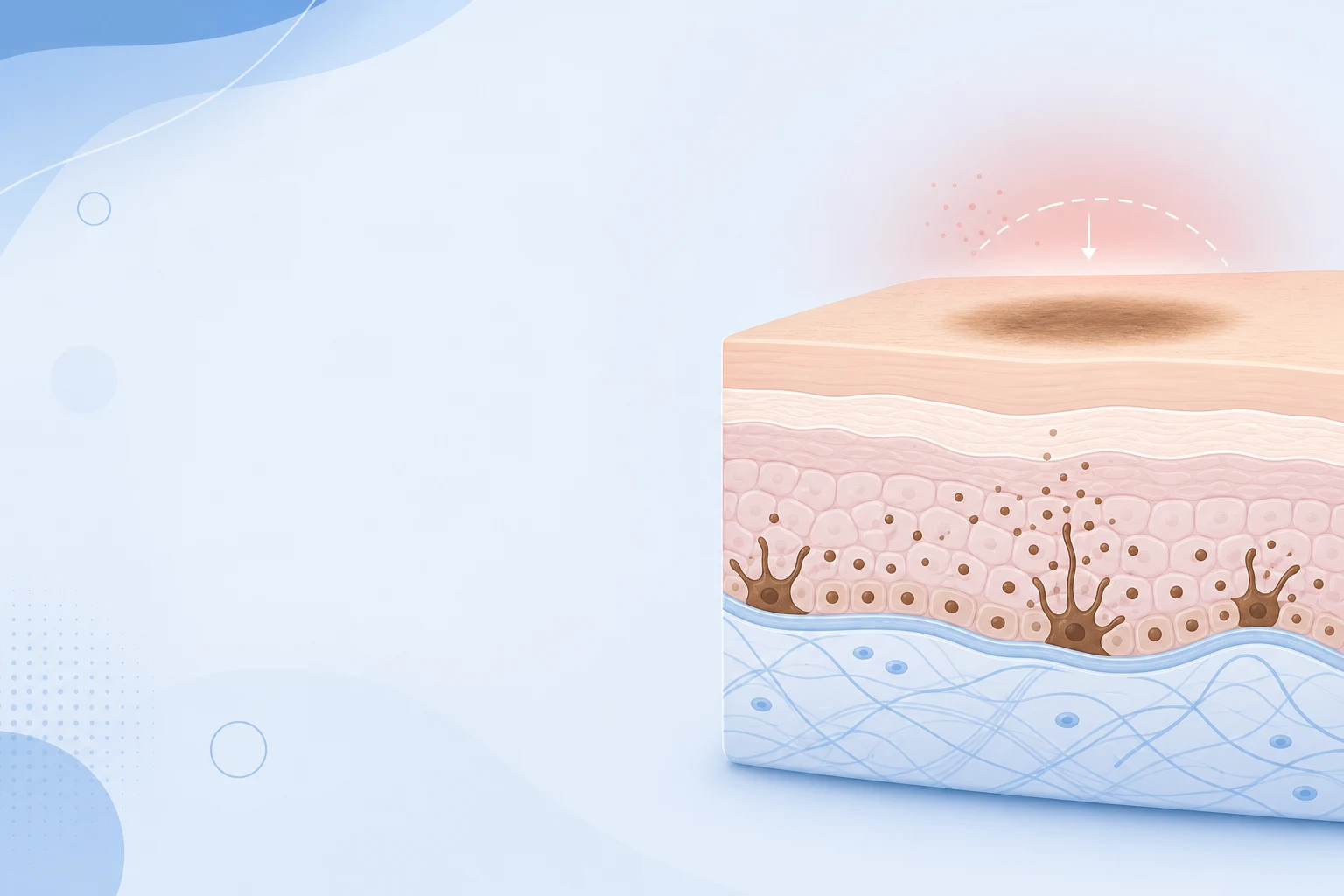
A lot of people notice a stubborn brown patch left behind after a breakout has fully healed. The bump is gone, there's no pain, and yet the discoloration seems to just sit there for months, which is frustrating. This brown mark is a different kind of change from a pitted acne scar. No tissue was lost. Instead, the skin simply produced an unusually large amount of pigment and it settled into that spot, and once you understand why, it's much easier to know how to manage it. Here's why pigment tends to linger exactly where acne once was, and what actually helps it fade faster.
Why does color remain where inflammation passed?
When a pimple forms, a small inflammatory reaction is happening underneath the skin. Bacteria and oil get tangled up inside the pore, and the surrounding tissue swells, reddens, and heats up. The catch is that this inflammation doesn't just quietly resolve. On its way out, it stirs up the melanocytes, the cells responsible for producing your skin's color, that happen to sit in that same spot.
While inflammation is active, skin cells release a number of signaling molecules. One of them, alpha-MSH, essentially tells melanocytes to ramp up pigment production. Think of it like a fire alarm calling in the fire trucks: once the inflammatory signal goes off, melanocytes respond by churning out far more melanin than usual.
That extra melanin then migrates up toward the surface layers of the skin and settles in. Even after the pimple itself has completely healed, the pigment that was already made is still sitting there, which is what you see as a brown or tan-colored mark.
Where in the skin does pigment build up?
This kind of discoloration is known medically as post-inflammatory hyperpigmentation, or PIH. The name says it plainly: it's a pigment change that shows up after inflammation.
Under normal circumstances, melanin is produced at the deepest layer of the epidermis, then gradually pushed upward and shed along with old dead skin cells. But at a site that's been inflamed, this cycle gets disrupted. Melanocytes dump out an unusually large amount of pigment at once, and some of it doesn't stay in the epidermis. It sinks further down into the dermis.
Pigment that stays confined to the epidermis sits relatively shallow, so it tends to fade faster. Pigment that has migrated into the dermis sits deeper, and because of that, it simply takes longer to clear. That's why two brown marks can look identical but fade at very different speeds, depending on how deep the pigment actually sits.
There's a simple way to sense the difference: a mark that shows color when you press on it but has no texture is different from one that stays discolored and feels slightly firm even under pressure. The latter often means the pigment has traveled deeper, or the surrounding tissue has changed along with it, and those marks tend to take noticeably longer to fade.
How skin tone and inflammation strength make the difference
Even after the exact same breakout, marks left behind can look completely different from one person to the next. The biggest factor is your baseline skin tone. Melanocytes in deeper skin tones tend to produce pigment more readily and in larger amounts. That's part of why post-acne marks are reported to show up more often, and more visibly, in people of Asian or darker skin tones compared with lighter skin tones.
The other major factor is how intense the inflammation was. A mild, barely-there whitehead leaves far less pigment behind than a deep, swollen, inflamed cystic pimple, or one that's been picked at or squeezed. The stronger the inflammation, the stronger the signal telling melanocytes to go into overdrive.
Which means simply not picking at breakouts can meaningfully reduce how dark and widespread the resulting marks end up being. Not adding physical irritation on top of an inflammatory reaction that's already underway is really the first line of management.
How long do marks take to fade on their own?
The reassuring part is that most of these brown marks do fade on their own over time. Pigment confined to the epidermis gets carried up and shed naturally as your skin's own renewal cycle runs its course.
Reports generally suggest that shallow, epidermal marks become noticeably lighter within about four to twelve weeks. Marks where pigment has sunk into the dermis, meaning the ones that look especially dark or have lingered a long time, can take anywhere from six to twelve months, and sometimes longer still.
This gap comes down to depth. The epidermis renews itself on a cycle of just a few weeks, while the dermis remodels far more slowly, over a much longer stretch. So two marks that look the same shade of brown can actually be very different kinds of pigmentation underneath, and if a mark simply isn't budging no matter how long you wait, there's a good chance the pigment has settled into the dermis.
Ingredients that speed up fading
You can meaningfully speed up how fast a mark fades with the right routine. Different ingredients work by interrupting melanin production at different stages of the process.
- niacinamide: blocks the pathway that carries melanin up into surface skin cells, slowing the spread of pigment. It's gentle enough for daily use with minimal irritation.
- retinol: speeds up epidermal cell turnover, which pushes existing pigment up and out of the skin faster. It can be irritating at first, so starting with a small amount and building up gradually is recommended.
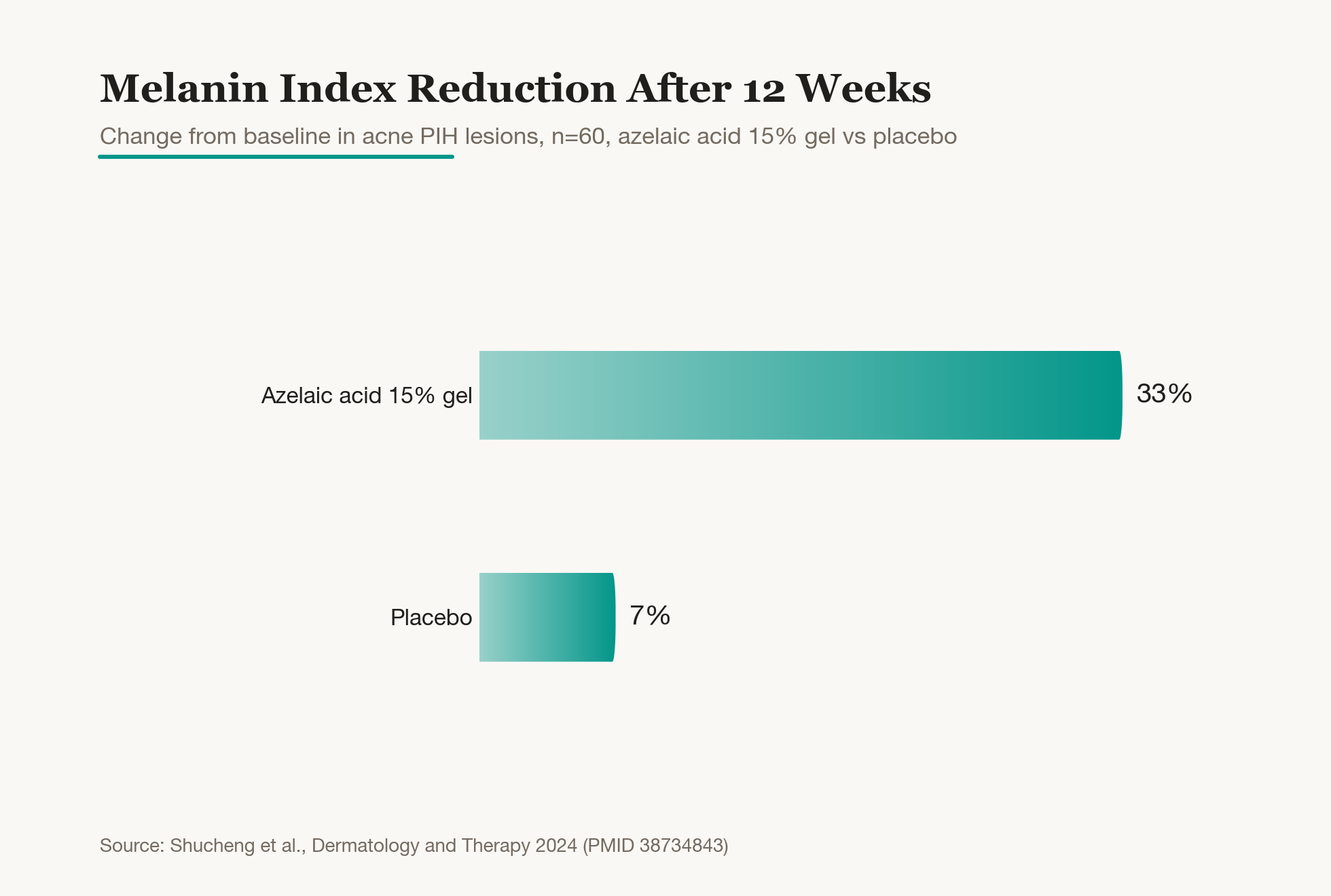
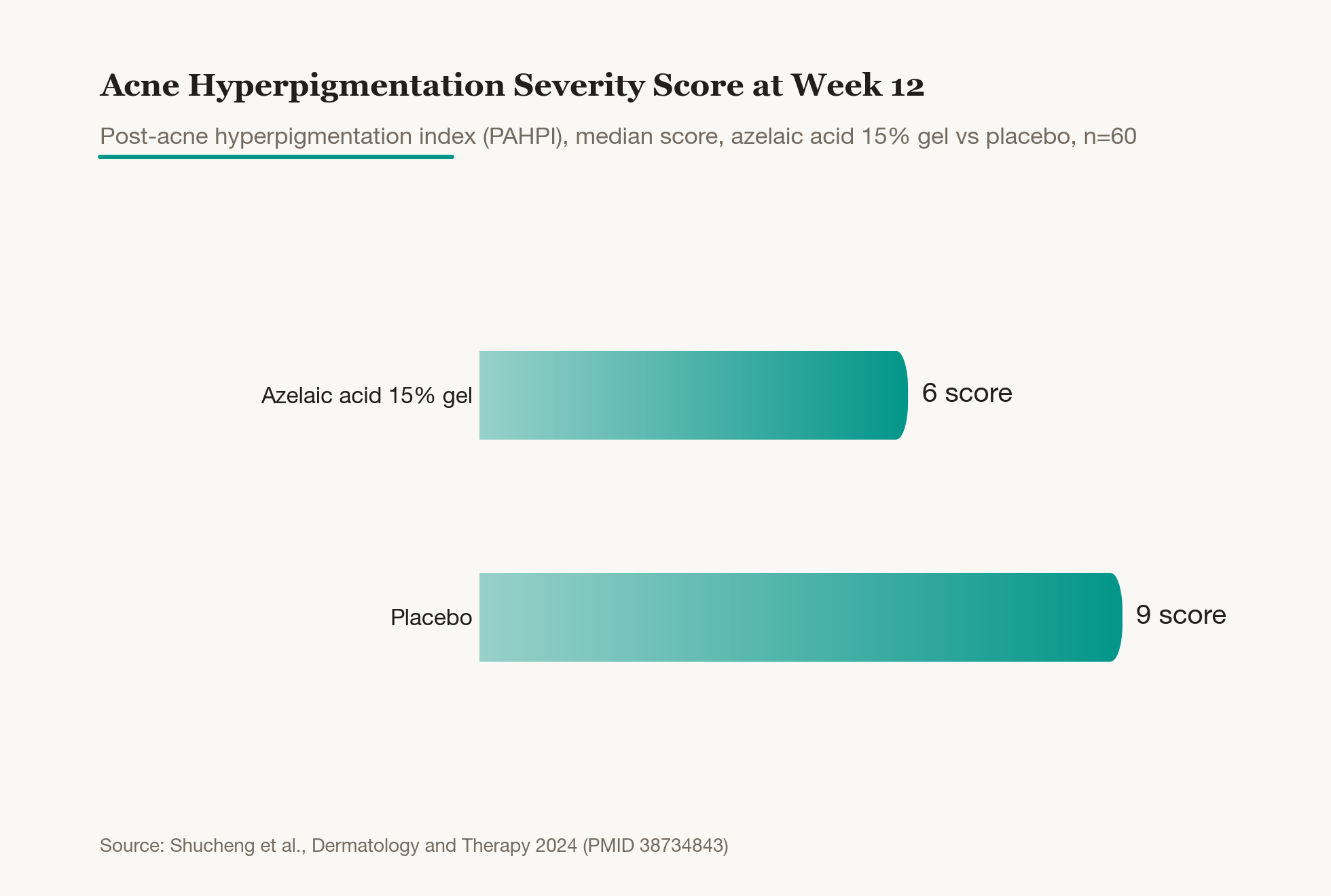
- azelaic acid: inhibits tyrosinase, the enzyme melanocytes use to make pigment, which reduces how much new melanin gets produced in the first place.
- vitamin C (ascorbic acid): works as an antioxidant while also lowering the activity of the pigment-producing enzyme.
Since each of these ingredients acts at a different stage of melanin production, combining them tends to fade marks faster than relying on just one. That said, layering them requires some care around order and frequency so the irritation doesn't stack up.
Procedures to consider when ingredients aren't enough
If a mark is unusually stubborn or has lingered far longer than expected, waiting on ingredients alone may not be enough, and it's reasonable to consider adding a treatment. Laser toning and light chemical peels are the two most commonly used options.
Laser toning delivers short pulses of light that target melanin selectively, breaking up clumps of pigment that have already formed. Once broken into smaller fragments, the body clears the pigment more efficiently, and the visible mark fades faster.
Peeling works by speeding up the shedding of the surface layer of skin, which shortens the cycle it takes for pigment to be pushed out. That said, the treatment itself can be irritating to the skin, which carries some risk of triggering a new round of post-inflammatory hyperpigmentation. That's why the intensity and spacing of sessions need to be adjusted based on how the skin is responding.
How should you manage sun exposure while marks fade?
While a mark is fading, the single most important thing you can do is protect your skin from UV exposure. UV light directly stimulates melanocytes, so if it hits pigment that's already in the process of clearing, the mark can darken again or take noticeably longer to fade.
That's why it helps to apply sunscreen every morning, even on cloudy days, and reapply on days with extended time outdoors. Physical coverage like a hat or a parasol adds another layer of protection by reducing UV exposure directly.
It also helps to avoid touching or rubbing the area where the mark is. Friction alone counts as a mild irritant and can re-stimulate melanocytes. Getting enough sleep and cutting back on spicy or irritating foods and stress are also said to support your skin's own ability to recover. Rather than chasing a quick fix, giving it a steady few months of consistent care is ultimately the faster path to clear skin.
References
Korean Dermatological Association, American Academy of Dermatology (AAD), and Ministry of Food and Drug Safety (MFDS).
Was this helpful?
About this article
Written by a practising aesthetic physician and intended for general education — not a substitute for individual medical advice.
Read next
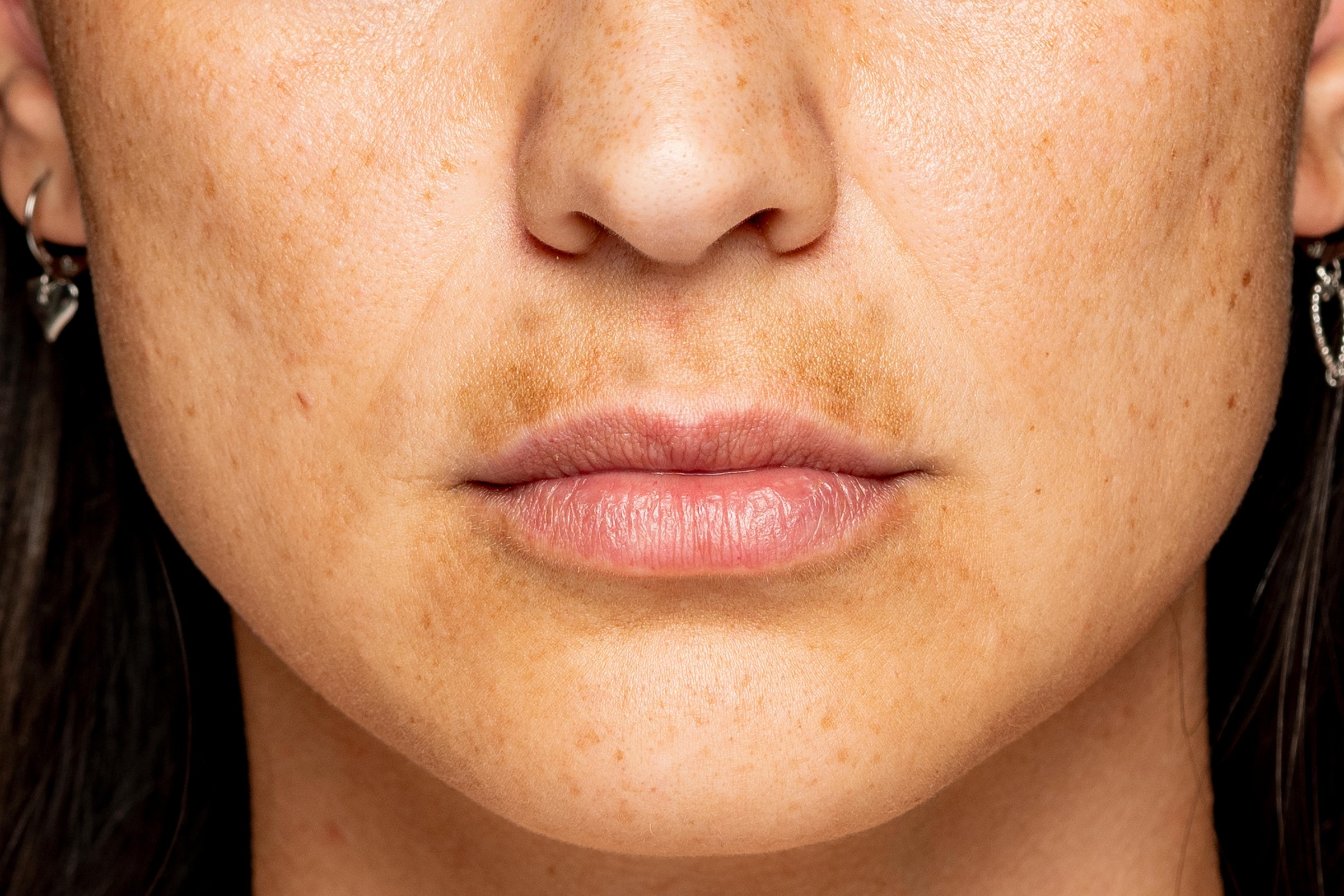
Brown Acne Marks: Causes, How Long They Last, and How to Care for Them
That brown mark that lingers long after a pimple heals has a name: post-inflammatory hyperpigmentation. Here's why inflammation triggers melanin, why the mark fades only slowly, and why sunscreen matters so much, explained through simple, everyday comparisons.
By Dr. Kim
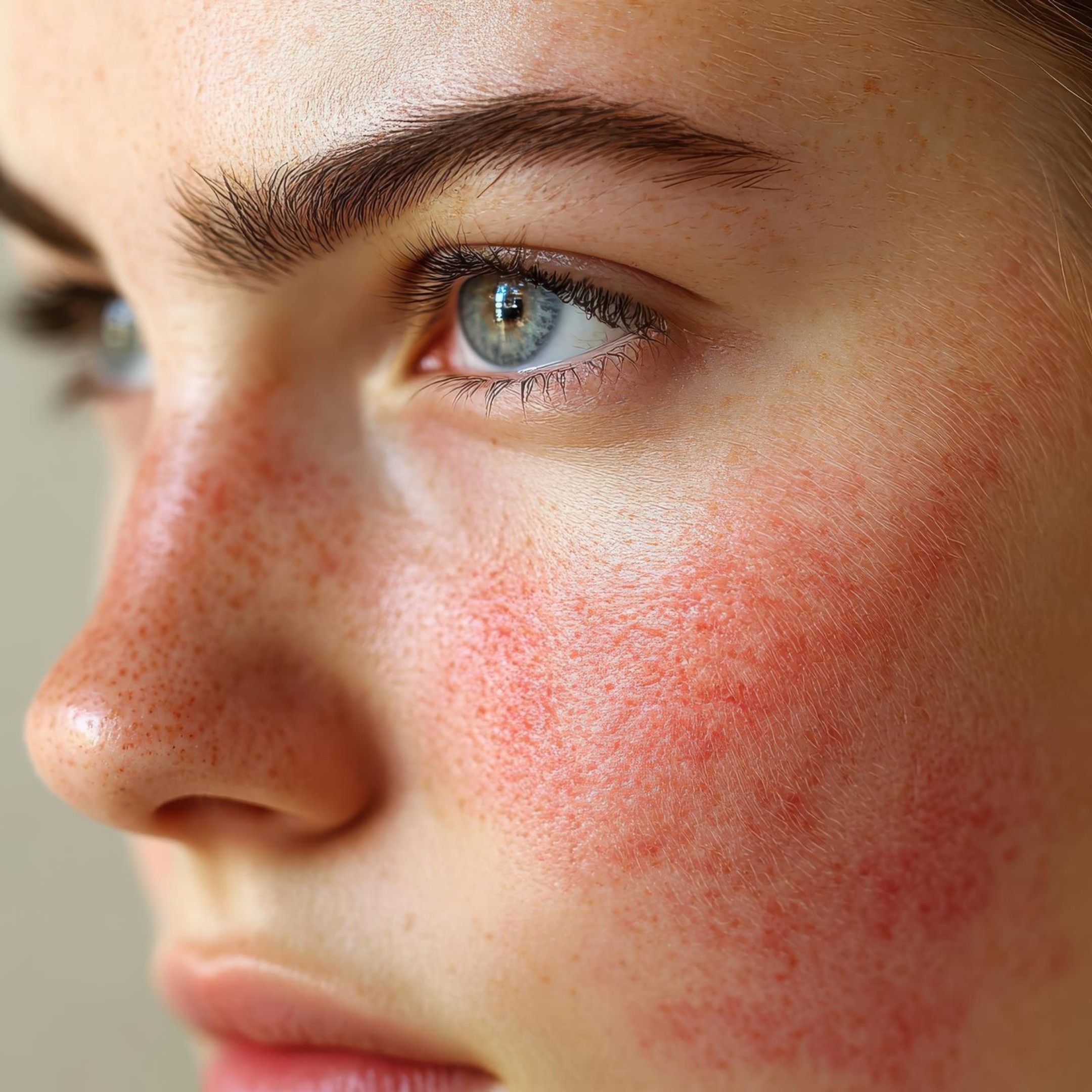
Red Acne Marks: Causes, How to Tell Them Apart, and Laser Treatment
The red marks left behind after acne clears up often aren't pigment at all, but dilated blood vessels showing through the skin. Since the cause and the way they fade differ from pigmentation, they call for a different care approach. Here's how to tell the two apart and how each one recovers.
By Dr. Kim
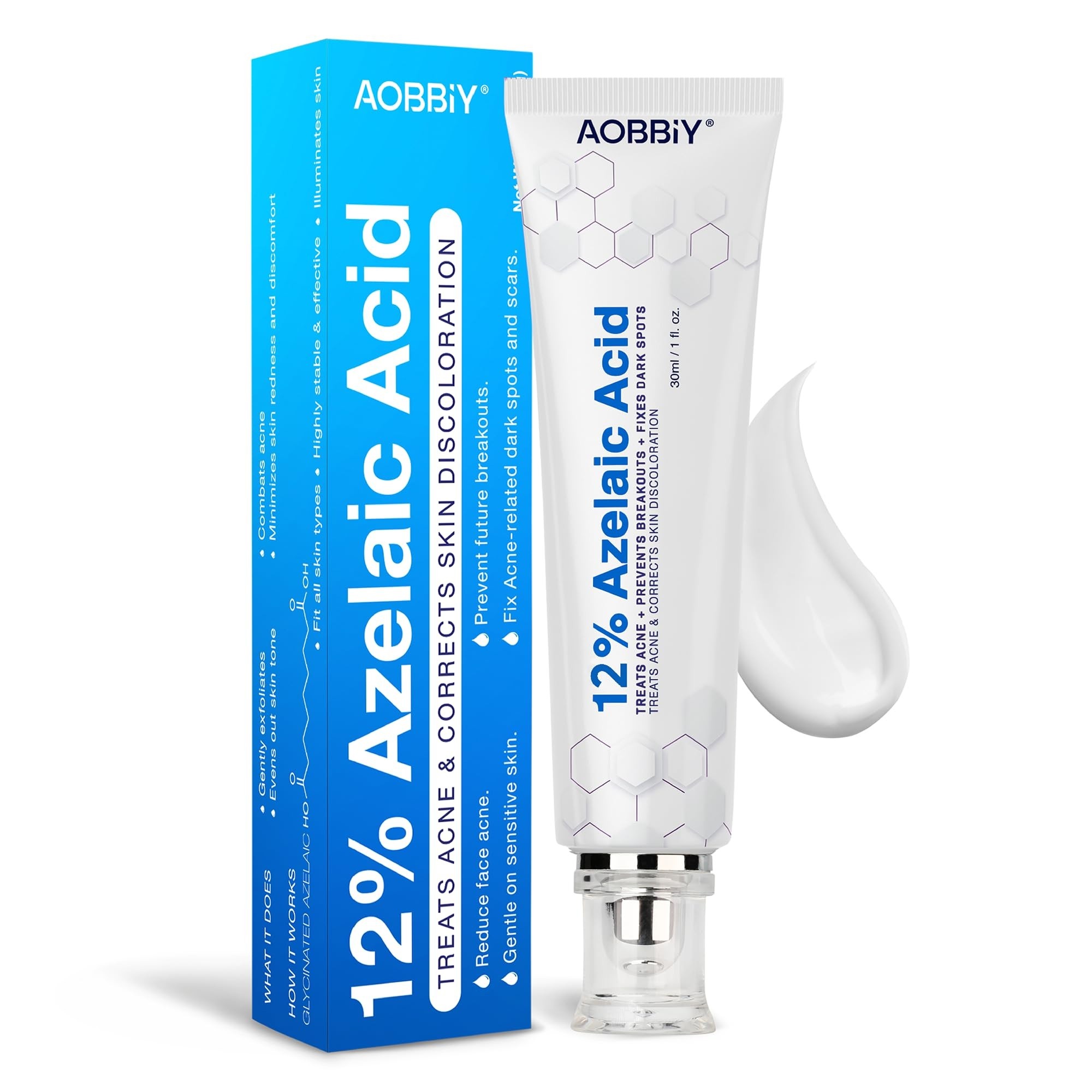
Azelaic Acid: Effects, How to Use It and How Long Acne Marks Take to Fade
Azelaic acid clears the clogged pores and bacteria behind acne while also fading the pigmentation that lingers after inflammation heals. Because it works by selectively blocking tyrosinase, the enzyme that drives pigment production, it calms overactive melanocytes without touching normal skin.
By Dr. Kim