Nodulocystic Acne: Causes, Symptoms, Scarring, and Treatment
By Dr. Lee6 min read
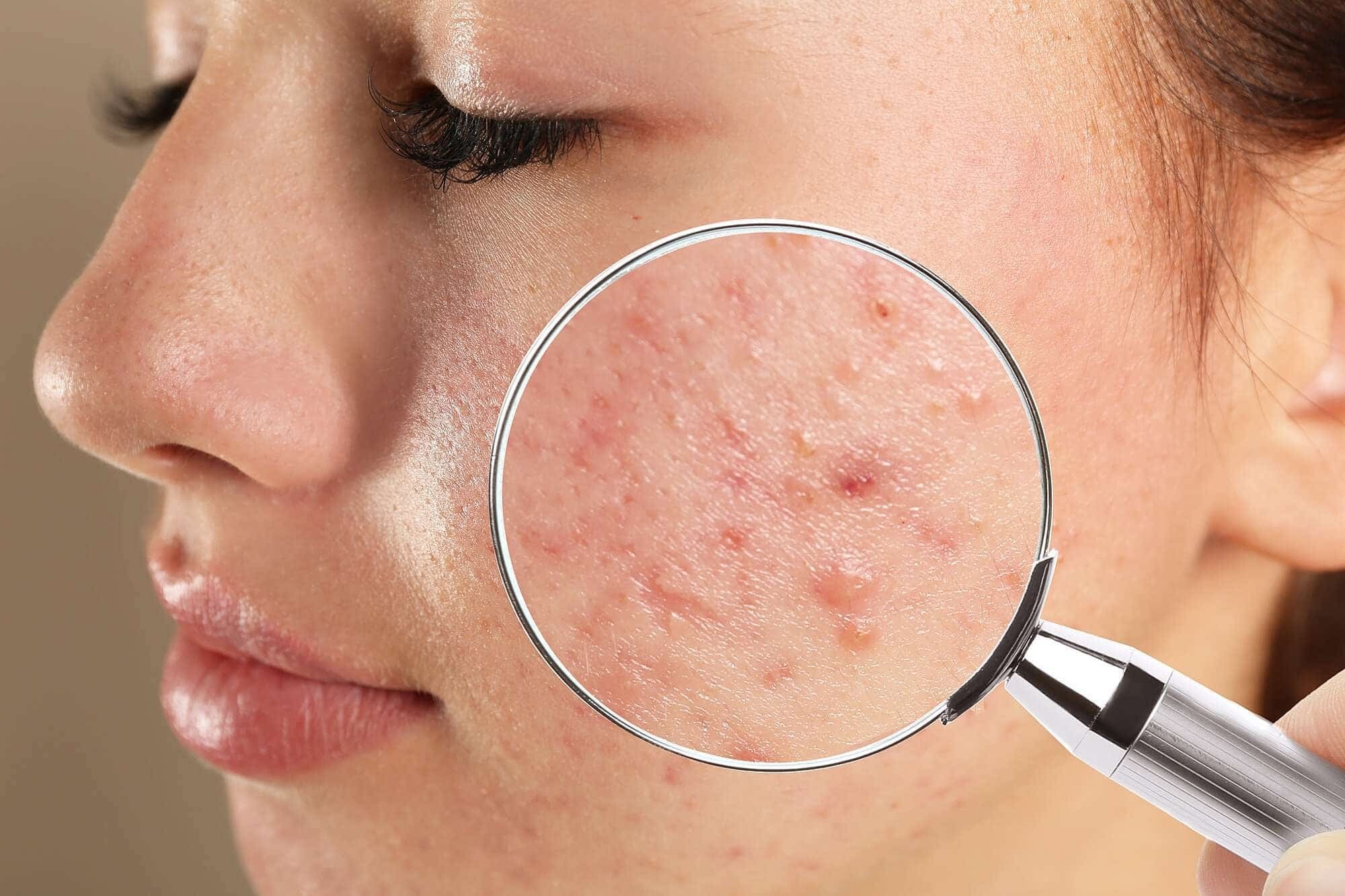
Not all acne is the same. The small whiteheads that dot your skin and the painful, swollen bumps of nodulocystic acne are actually different processes happening under the skin. Nodulocystic acne pushes down into the dermis, the deep layer of skin, which is why it hurts so much and so often leaves a mark behind. Here is a closer look at why this type of acne runs so deep and lasts so long.
How is nodulocystic acne different from regular acne?
Ordinary acne starts small, a single pore clogged with oil and dead skin cells. Dermatologists call this a comedone, essentially a blocked pore. Nodules and cysts are something else entirely, a much bigger inflammatory reaction that builds up underneath that blocked pore.
A nodule feels like a hard, tender lump buried in the skin. A cyst feels softer, like a small fluid-filled sac, because pus has collected inside it. What sets both apart from regular acne is how much deeper the root sits than what you can actually see. That is why trying to squeeze one rarely brings anything to the surface. It just hurts.
The word purulent in the name simply means pus-forming. Pus is what is left after white blood cells fight off bacteria, a mix of dead bacteria and dead immune cells. In nodulocystic acne, that pus forms deep in the skin rather than near the surface, which is a sign that the body is fighting a much bigger, longer battle in that one spot.
How does inflammation reach the dermis?
This deep inflammation does not appear overnight. It builds in stages. First, oil and dead skin cells tangle together and clog a pore. The inside of that clogged pore becomes low in oxygen, and Cutibacterium acnes, the bacteria behind acne that already lives on everyone's skin, thrives in exactly that kind of environment and multiplies rapidly.
As the bacteria multiply, the body reads this as a threat and sends white blood cells in to fight. The byproducts of that fight irritate the surrounding tissue, and the inflammation pushes through the pore wall and down into the dermis, the thick layer beneath the skin's surface where collagen and blood vessels live.
What happens when the follicle wall ruptures
Once inflammation builds up enough, the wall around the hair follicle can no longer hold and it ruptures, similar to a balloon that finally pops after being overfilled with air.
When the oil, dead skin, bacteria, and inflammatory material inside the follicle spill out into the surrounding tissue all at once, the body treats it as a much larger invasion. So instead of staying contained in a single pore, the inflammatory response spreads through the surrounding dermal tissue. That is exactly why nodules and cysts feel so much bigger and firmer to the touch. The inflammation is not happening at one point, it is happening across a wide area all at once.
Why does it swell and hurt so much?
Nodulocystic acne tends to hurt far more than ordinary pimples, often throbbing even without being touched. That happens because the inflammation reaches deep into the dermis and irritates the nerves and blood vessels nearby.
When blood vessels dilate, blood rushes to the area and it turns red and swollen. When nerves are irritated, pain signals fire more intensely. Surface-level pimples usually only hurt when pressed, but nodulocystic acne sits close enough to nerve endings that it can throb on its own.
Why does it appear so often on the jaw and back?
Even in the same person, nodulocystic acne tends to appear more often, and more severely, along the jaw rather than the forehead, and on the back or chest rather than the face. These areas share one thing in common, larger, denser sebaceous glands, the small glands that produce oil. The bigger and more numerous the glands, the more oil they produce, which simply means more raw material available to clog pores.
The jaw and neck area is also especially sensitive to androgens, the male hormones. Androgens stimulate the sebaceous glands to ramp up oil production, which is why jawline breakouts often flare up during hormonal shifts, whether from the menstrual cycle or stress. On the back and chest, the pores themselves sit deeper and the skin is thicker, so once inflammation starts, it struggles to drain toward the surface and tends to push inward instead.
Why does it leave scars?
Once inflammation spreads deep into the dermis, restoring the skin to its original structure becomes far harder. The dermis holds a mesh-like network of collagen, the protein fibers that give skin its support, and inflammation tears that mesh apart along with everything else.
During healing, the body often cannot rebuild that damaged mesh exactly as it was, and instead patches it hastily with scar tissue. Surface-level pimples usually heal without a trace, but because the inflammation in nodulocystic acne runs so deep and so wide, the odds of it leaving behind a pitted or raised scar go up right along with it.
Why does squeezing it by hand make it spread?
Many people try to squeeze or press nodulocystic acne to pop it, but that only makes the inflammation worse. Here is why:
- The inflammation already sits deep beneath the follicle wall, so pressing on the surface never actually reaches the root. All you are adding is pressure, while the underlying cause stays exactly where it was.
- Forcing it open keeps the inflammatory material trapped instead of letting it drain, and can push it further into the surrounding tissue instead. It is similar to squeezing a popped balloon and having its contents scatter inward rather than out.
- Touching it with your hands can introduce other bacteria from the skin's surface, adding a second layer of inflammation on top of the first. That is simply new irritation piled onto an already irritated spot.
- Repeated irritation extends how long it takes for the inflammation in that spot to calm down, and raises the odds that it leaves a scar behind.
That is why a nodule or cyst that has already formed calls for treatment that calms the inflammation, not for hands-on picking.
Treatment depends on the depth of inflammation
Treating nodulocystic acne takes more than clearing away surface-level dead skin cells. Because the inflammation has already reached the dermis, treatment needs to work at that same depth.
Antibiotics and oral isotretinoin work by reducing the acne-causing bacteria and cutting oil production itself. Fewer bacteria means less reason for white blood cells to keep rushing in to fight, and less oil means less raw material for pores to clog again in the first place. For particularly inflamed spots, doctors also inject medication directly into the lesion to calm the inflammation quickly. Because it acts directly within a small, targeted area, this approach is known to help bring down deep dermal inflammation relatively fast.
Which approach fits best usually depends on how deep and widespread the inflammation is, along with the risk of scarring. A few isolated nodules and breakouts spread across the entire face call for very different levels of intervention.
What matters most is remembering that even once the surface looks calmer, the inflammation underneath can take time to fully settle. Stopping treatment early just because the redness has faded is a common misstep, and it is not unusual for inflammation still lingering in the dermis to flare back up and bring the same nodule right back.
References
Korean Dermatological Association, American Academy of Dermatology (AAD), and Ministry of Food and Drug Safety (MFDS).
Was this helpful?
About this article
Written by a practising aesthetic physician and intended for general education — not a substitute for individual medical advice.
Read next
Cystic Acne: Causes, Treatment and Why You Shouldn't Squeeze It
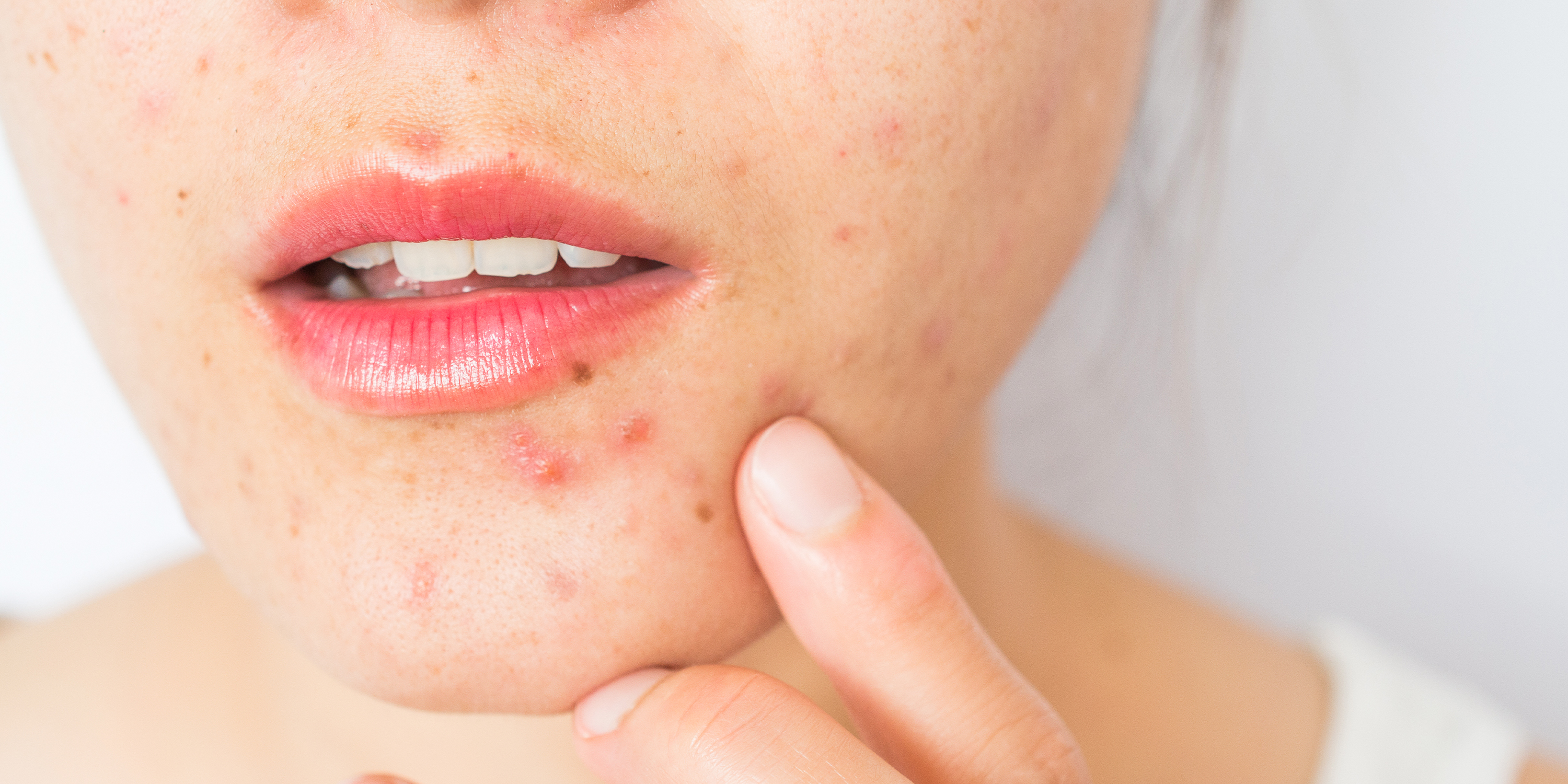
Cystic acne forms when inflammation spreads deep beneath the pore, not just on the surface. Unlike surface pimples, it damages the dermis and often leaves lasting scars. Here's why it grows so deep and hard, and how dermatology treatment brings it back down.
By Dr. Kim

Flat Wart Causes and Symptoms: Why They Spread When Squeezed, and Treatment
Flat warts are a viral skin condition, so picking or scratching at them doesn't clear them up, it spreads them further. Here's why that happens, how to tell them apart from moles or acne, and the logic behind removal and preventing recurrence.
By Dr. Kim
Nevus of Ota Treatment: Q-Switched Laser Sessions and Intervals
Nevus of Ota sits deep in the dermis rather than on the skin's surface, which is exactly why no amount of concealer can hide it. Here is a mechanism-focused look at why only a laser with a specific wavelength can reach that depth, and why treatment is spread across 6 to 10 sessions at 6 to 8 week intervals instead of being done all at once.
By Dr. Lee