Oral Acne Medication: Antibiotics and Isotretinoin (Roaccutane) Differences and Side Effects
By Dr. Kim6 min read
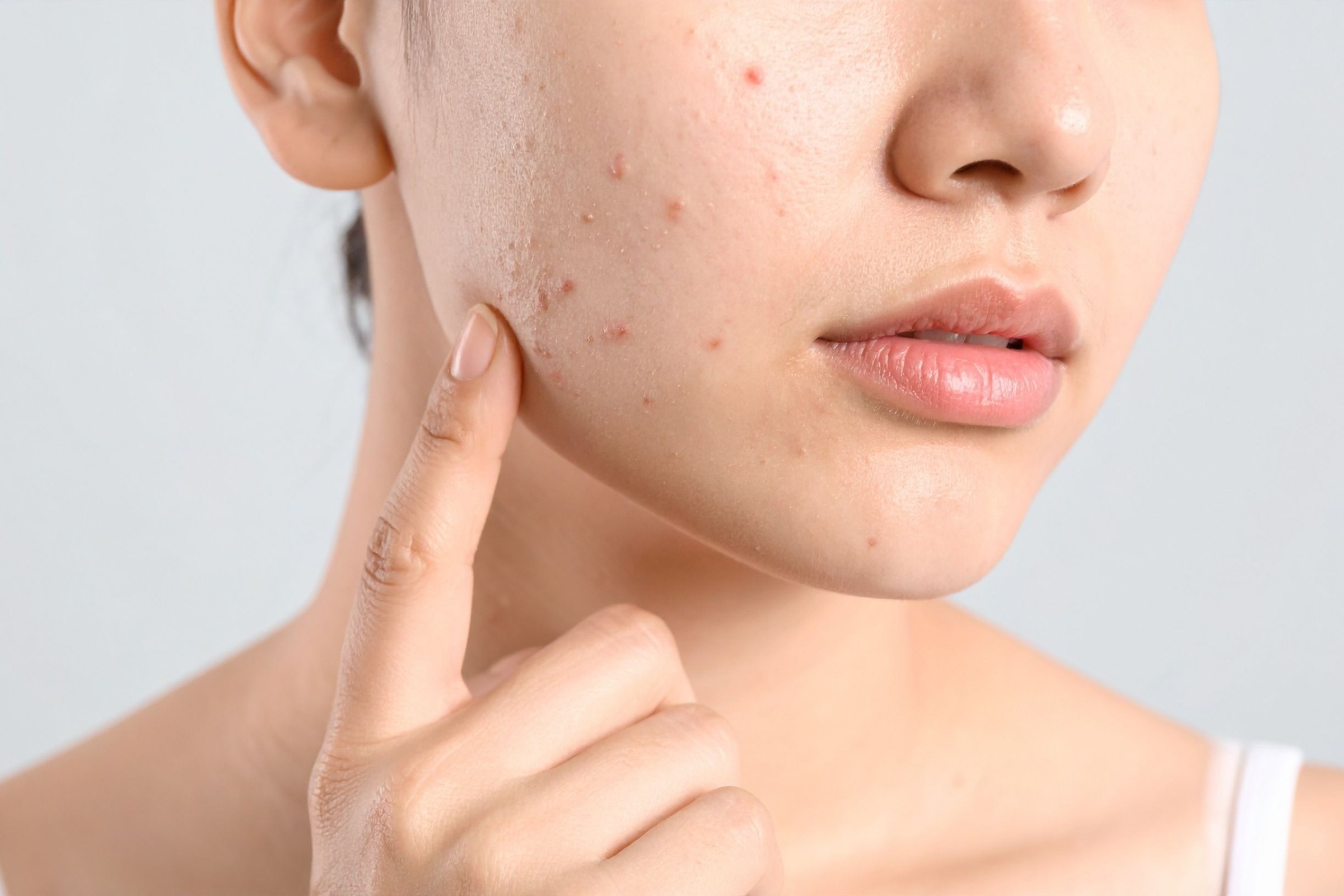
Anyone who has been to a dermatologist for acne has probably run into two kinds of pills. One is an antibiotic, and the other is isotretinoin, often known by the brand name Accutane. Both treat the same condition, so it is fair to wonder why the ingredients and prescribing rules look so different.
The answer is straightforward. The two drugs target different points in what actually causes acne. Acne is not a single-cause condition. It comes from four factors overlapping: excess oil, clogged pores, bacterial growth, and inflammation. Here is how antibiotics and isotretinoin each take on a different piece of that chain.
Why are there two types of oral acne medication?
Acne starts in the oil glands. During puberty or hormonal shifts, oil production ramps up, pores get clogged more easily, and C. acnes, the bacteria that normally lives in your pores, starts multiplying and triggering inflammation. So the process runs in order: oil, clogged pores, bacteria, then inflammation.
Topical treatments usually address one or two of these steps at most. Oral medications work through the whole body, so they can hit several steps at once. Antibiotics mainly target the bacteria and inflammation stages, while isotretinoin reaches further back to the oil production stage itself. Because they start from different points, how they work, what side effects show up, and when doctors prescribe them all end up different too.
How do antibiotics work on acne?
The oral antibiotics used for acne are usually doxycycline or minocycline. These drugs interfere with the protein synthesis process bacteria need to build themselves, which stops the bacteria from multiplying.
They do not so much kill the bacteria as slow its growth rate. C. acnes is a bacteria that normally lives on skin, so the goal is not to wipe it out entirely but to bring the population back down to a manageable level. It is a bit like trimming an overgrown garden bed instead of pulling every weed out by the root.
On top of that, these antibiotics also calm inflammation, separate from their antibacterial action. They are known to reduce the release of inflammatory signaling molecules called cytokines, so lowering bacterial counts and easing inflammation happen together. That is why redness and the burning feeling around a breakout tend to settle down relatively fast.
Limits of antibiotics and antibiotic resistance
The catch is that antibiotics alone do not fix the root problem: the oil glands making too much oil in the first place. Even if bacteria and inflammation drop, if the oil glands stay just as active, pores can clog up again before long and the whole cycle repeats.
There is also the risk that bacteria adapt to long-term antibiotic use and develop resistance. Bacteria can mutate to dodge the exact point where the antibiotic works, which is why acne antibiotics are typically limited to a few months and not recommended as a long-term standalone treatment.
So antibiotics are well suited to calming down a flare-up, but if acne keeps coming back hard, a different approach is needed. That is where isotretinoin comes in.
How does isotretinoin reduce oil?
Isotretinoin is derived from vitamin A, part of the retinoid family. Its defining feature is that it shrinks the oil glands themselves. It suppresses the growth and enlargement of oil gland cells, essentially making the factory that produces oil smaller.
When the oil glands shrink, oil output naturally drops. Less oil means fewer clogged pores, and it also means less of the greasy environment C. acnes thrives in. Rather than attacking the bacteria head-on, this approach makes it harder for bacteria to grow in the first place. It is similar to removing the trash bin that is attracting the bugs, rather than fighting the bugs directly.
Effects on dead skin cells and inflammation
Isotretinoin does not stop at the oil glands. It also affects how dead skin cells shed inside the pore. When dead skin builds up too thick along the pore wall and clumps together, that is another major driver of acne, and this drug helps those cells shed naturally instead of clumping.
It is also thought to have an effect on the inflammatory response itself. Put together, it touches all four stages: less oil, normalized pore shedding, bacterial suppression, and inflammation control.
- Suppresses oil production: Shrinks the oil glands themselves to lower oil output, cutting the supply of the raw material at the source.
- Normalizes pore shedding: Helps dead skin cells shed normally instead of clumping, reducing clogged pores. When the pore opening stays clear, oil and debris can drain out naturally.
- Undermines the bacterial environment: Reduces the greasy conditions C. acnes favors, making it harder for bacteria to multiply. This changes the habitat rather than attacking directly.
- Regulates inflammation: Reported to interact with the signaling pathways that drive inflammation, helping reduce redness and swelling.
Because it works on multiple stages at once, isotretinoin often shows results even in severe acne that did not respond well to antibiotics.
Can the two drugs be taken together?
Since antibiotics and isotretinoin target different points, they are sometimes used in sequence or together depending on the situation. A common pattern is starting with antibiotics to bring down inflammation and bacteria quickly during a severe flare, then moving on to isotretinoin if the acne keeps recurring.
That said, because isotretinoin works broadly throughout the body, it can bring systemic effects like dry lips, dry skin, and changes in liver enzymes, and during pregnancy it can seriously harm a developing fetus, which means strict contraception management is required alongside treatment. Antibiotics carry a relatively lighter burden but are limited for long-term standalone use because of resistance concerns. So the choice of which drug to use, and when, comes down to how severe the acne is and whether it keeps coming back.
Which medication suits my acne?
For mild to moderate inflammatory acne in someone starting treatment for the first time, doctors often reach for combination antibiotic therapy first. It brings down inflammation and bacterial load quickly while allowing the response to be monitored alongside other topical treatments.
On the other hand, if the acne is deep, scarring, or keeps returning despite other treatments, isotretinoin becomes the more fundamental option. Since it shrinks the oil glands themselves, it suppresses recurrence at the source, reaching the root of acne that keeps coming back.
The two drugs are less like competitors and more like a division of labor based on how deep and at what stage the acne has settled in. Deciding which one fits your situation is safest when done together with a dermatologist who can examine your skin directly.
References
Korean Dermatological Association, American Academy of Dermatology (AAD), and Ministry of Food and Drug Safety (MFDS).
Was this helpful?
About this article
Written by a practising aesthetic physician and intended for general education — not a substitute for individual medical advice.
Read next
Hormonal Acne Causes: Why It Keeps Returning on the Chin and Around the Mouth
Breakouts that keep returning to the jaw and mouth in adulthood follow a different pattern than teenage acne. Here is a look at how hormones like androgens keep stimulating the oil glands and hair follicles, plus how the menstrual cycle and stress fit into the picture.
By Dr. Kim

Acne and Diet: Effects of Milk and Sugar, Plus Diet Management
Diet and acne keep coming up together, and two things get singled out most: foods that spike blood sugar fast, and dairy. Here is how the chain from blood sugar to insulin to IGF-1 actually reaches the oil glands and pores, why skim milk gets named more often than whole milk, and what to check first in your own diet.
By Dr. Kim
Exosome Treatment Effects: How Are They Different From Stem Cells?
Exosomes are tiny signal packets that cells release into their surroundings, delivering only the messages a stem cell creates rather than the stem cell itself to the skin. Here is a plain look at how exosomes carry regeneration and calming signals, why clinics so often pair them with laser treatments, and how much evidence has actually built up so far.
By Dr. Kim