Causes of Excess Sebum: Is It Hormones or Stress?
By Dr. Lee6 min read
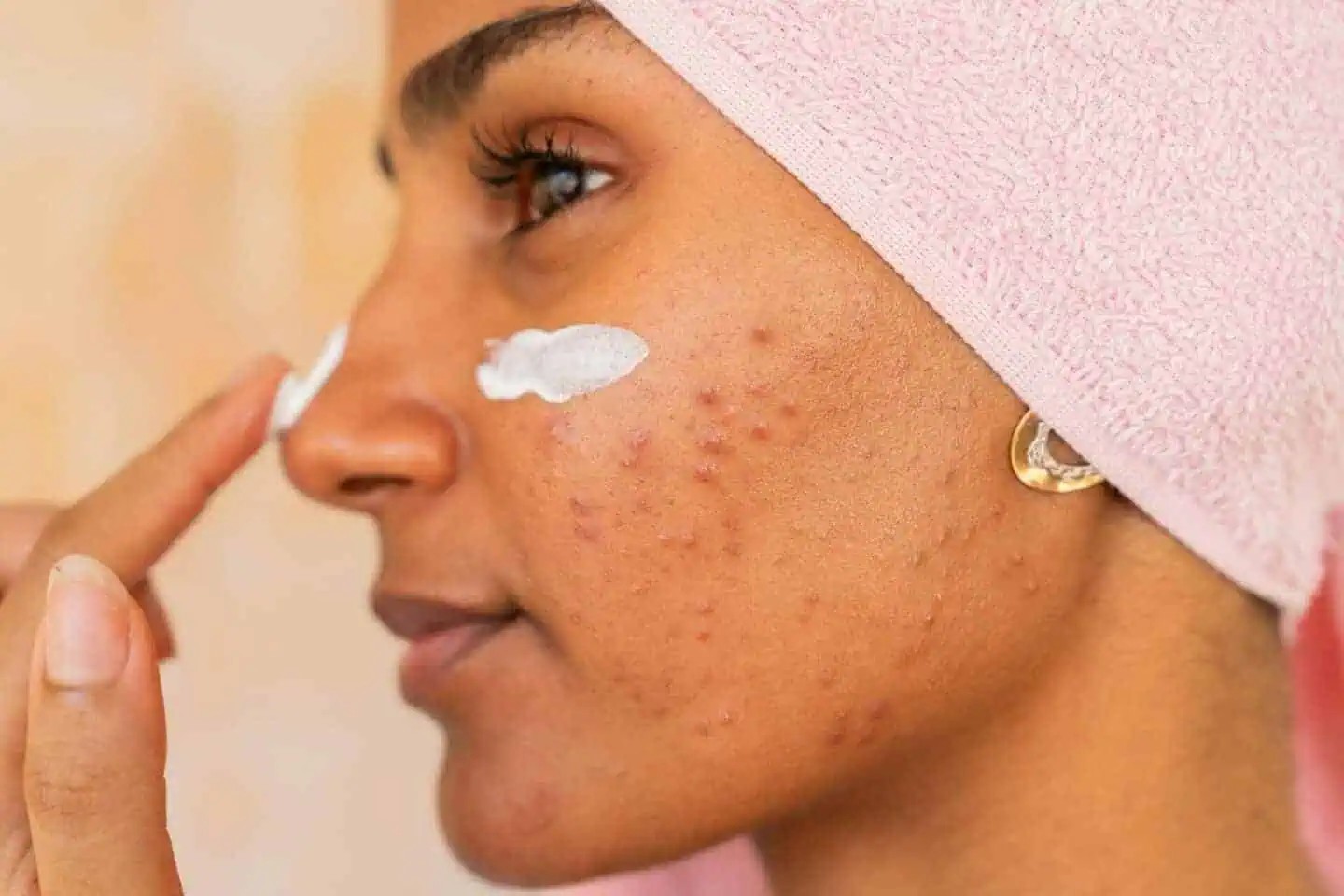
Some mornings your nose and forehead just will not stop shining. You washed your face the same way as yesterday, yet by afternoon the oil is back in full force. That shift usually has nothing to do with a sudden lapse in your skincare routine. More often, it means a hormone signal reaching your oil glands has gotten louder. The sebaceous glands are quietly wired into your hormonal state, so they react visibly whenever hormones move, during puberty, across the menstrual cycle, or under stress.
What Do Oil Glands Respond To?
Sebaceous glands sit right next to hair follicles, working like tiny oil factories. What they produce coats the skin's surface in a thin film that locks in moisture and helps fend off outside irritants. On its own, that's a genuinely useful job.
The catch is that this factory never runs at a fixed pace. The glands do not decide their own output. They take orders from hormone signals circulating through the body and adjust speed accordingly. Turn the signal up, and the factory pumps out more oil. That's why your skin can go from balanced to greasy even when your routine hasn't changed at all. The hormones underneath shifted instead.
How Do Androgens Act on Oil Glands?
The strongest signal telling oil glands to work harder is androgen. People usually associate androgens with male hormones, but the body produces small amounts in women too, and both sexes respond when androgen reaches the glands.
The cells that actually manufacture sebum are called sebocytes, and their surface carries receptors built to catch androgen. Think of it as a lock and key. Once the androgen key slides into that lock, genes inside the cell that build fat molecules switch on, and oil production climbs. The stronger the androgen signal, and the more sensitive the receptor, the busier the gland becomes.
Why Does DHT Increase Sebum Even More?
The androgen with the strongest grip on oil glands isn't testosterone itself. Skin contains an enzyme called 5-alpha reductase that converts testosterone into a far more potent form known as DHT, short for dihydrotestosterone. It's a bit like distilling a solution down to something more concentrated.
DHT binds the same receptor much more tightly, so the same hormone level lands as a far stronger push. That's why people with especially oily skin often trace the difference not to their blood androgen levels but to how active 5-alpha reductase is in their skin and how sensitive their receptors are. That combination explains why two people with similar hormone levels can end up with very different skin.
Why Oil Increases at Puberty and Before Periods
Puberty is the most dramatic stretch for oil glands. Androgen output from the adrenal glands and gonads surges during this period, and glands that had stayed small and quiet suddenly grow larger and much more active. That surge is a big part of why teenage acne is so common.
For adult women, the menstrual cycle plays a role too. In the stretch between ovulation and the start of the next period, progesterone rises relative to other hormones, and that shift tends to make androgen signals more pronounced, leading to more oil and more breakouts along the jawline. This monthly rhythm is a good reminder that sebaceous glands don't run at the same pace every single day.
How Does Stress Affect the Oil Glands?
Stress reaches oil glands through its own direct pathway. Under stress, the brain releases corticotropin-releasing hormone, or CRH, which travels down to the adrenal glands and triggers the release of cortisol, the body's main stress hormone.
What's interesting is that sebocytes carry their own CRH receptors on their surface. That means skin has a small circuit for sensing and responding to stress signals without routing everything through the brain first. CRH signaling appears to push fat synthesis inside sebocytes in the same direction as androgen does. That's why skin tends to get noticeably oilier and breakout-prone during exam season or a stretch of tight deadlines. It isn't a coincidence.
The Link Between Blood Sugar Changes and Sebum
Diet feeds into this same signaling network. Eating foods that spike blood sugar quickly raises insulin levels, and insulin-like growth factor follows right behind. It gets that name because it stimulates cell growth in a way similar to insulin.
Both of these switch on a pathway inside sebocytes called mTORC1. mTORC1 acts like a signal telling the cell that nutrients are abundant right now, so it should make more fat. At the same time, this pathway appears to make oil glands more responsive to androgen signals overall. So a diet full of blood sugar spikes can leave glands reacting more strongly to the same amount of androgen.
Persistent Excess Sebum and Hormonal Disorders
If oil production stays persistently high and breakouts won't clear, an underlying hormonal imbalance such as polycystic ovary syndrome is sometimes the reason. In this condition, the ovaries produce more androgen than usual over a long stretch of time.
When that's the case, oil glands are essentially receiving a strong signal around the clock, so cleansing or topical care alone often isn't enough to bring things under control. If irregular periods or excess hair growth show up alongside the oily skin, it's worth approaching the issue as a body-wide hormonal pattern rather than a skin-only problem.
Ways to Turn Down the Sebum Signal
A hormonal cause doesn't mean management is pointless. You can't switch the signal off entirely, but there are several ways to keep it from running too strong.
- Cleanse twice a day, and avoid overwashing: stripping away too much oil can make skin read as dehydrated, triggering a feedback response that ramps production up even further.
- Choose lightweight sunscreen and moisturizer formulas: heavy oil-based products layer another film on top of skin that's already producing extra oil, making clogged pores more likely.
- Take a look at how often your diet spikes blood sugar: frequent spikes keep switching on the insulin and insulin-like growth factor pathway that stimulates the glands.
- Manage chronic stress: cortisol and CRH signaling reach sebocytes directly, so prolonged stress keeps oil glands working overtime too.
- See a dermatologist if symptoms are persistent and pronounced: chronically elevated androgen, as in polycystic ovary syndrome, often can't be controlled with topical care alone and calls for looking at the hormones themselves.
Oil glands aren't simply lazy or overachieving. They're closer to a relay that carries your internal hormonal state straight to the skin's surface. So before blaming your cleansing routine for a sudden oily patch, it's worth taking a moment to consider your recent stress levels, daily rhythm, and where you are in your cycle.
References
Korean Dermatological Association, American Academy of Dermatology (AAD), and Ministry of Food and Drug Safety (MFDS).
Was this helpful?
About this article
Written by a practising aesthetic physician and intended for general education — not a substitute for individual medical advice.
Read next
Hormonal Acne Causes: Why It Keeps Returning on the Chin and Around the Mouth
Breakouts that keep returning to the jaw and mouth in adulthood follow a different pattern than teenage acne. Here is a look at how hormones like androgens keep stimulating the oil glands and hair follicles, plus how the menstrual cycle and stress fit into the picture.
By Dr. Kim

Teen Acne: Causes, Care and When to See a Clinic
Teen acne starts when androgen hormones ramp up oil production, then moves through a few predictable stages that end in clogged pores and inflammation. Here is why this stage of life hits so hard, what actually helps at home, and when it is time to see a dermatologist.
By Dr. Lee
Seborrheic Scalp: Causes, Care and Why Dandruff Keeps Coming Back
Seborrheic scalp happens when sebum, fungus, and the inflammatory response to that fungus all feed into each other. Here is an easy breakdown of why dandruff shows up in the oiliest spots and why the itch returns just 2 to 3 days after washing, no matter how carefully you clean.
By Dr. Lee