Why Pores Get Larger: Causes, Care, and Treatment Results
By Dr. Kim6 min read
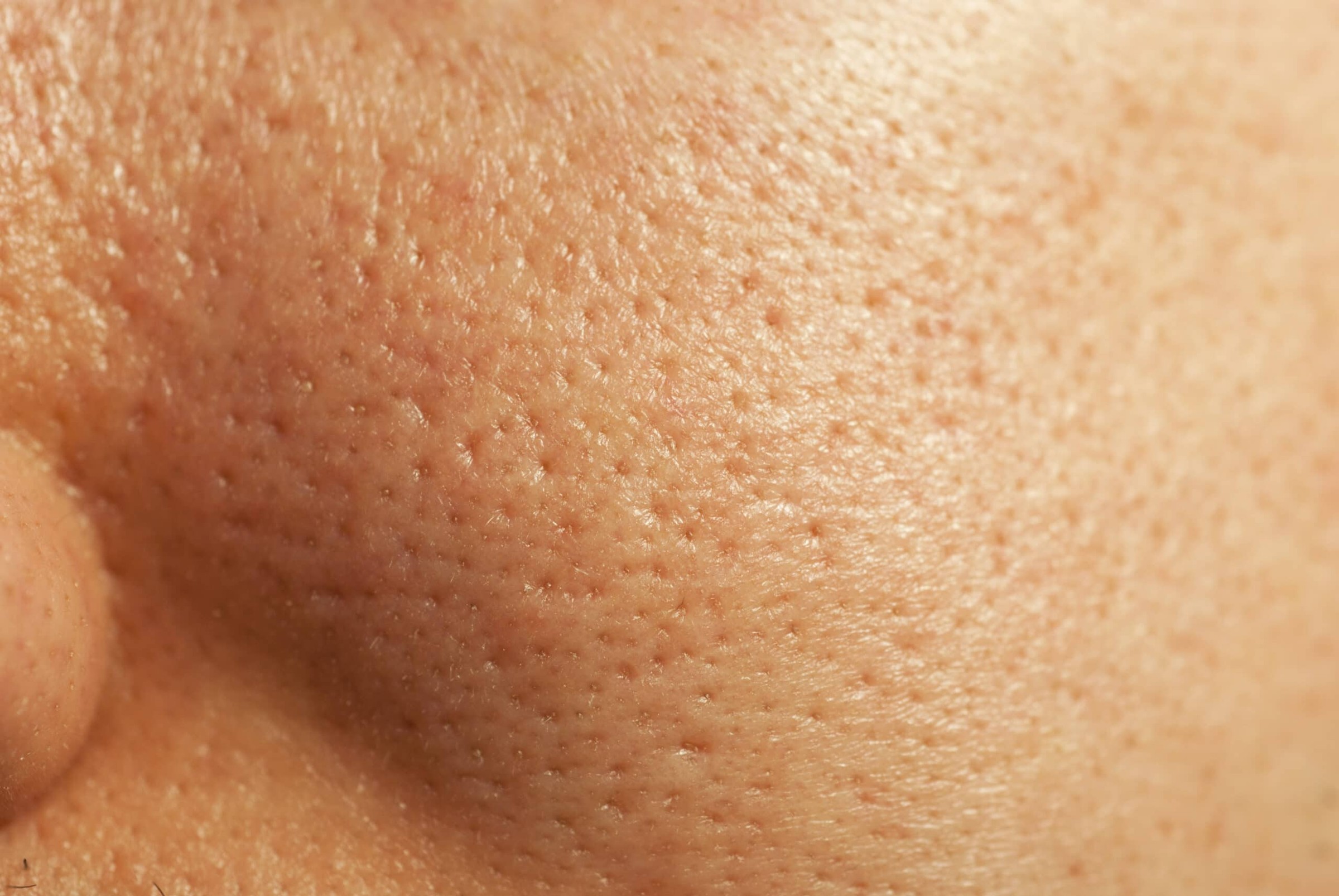
There are days when you lean close to the mirror and the pores around your nose or cheeks suddenly look huge. No matter how carefully you apply makeup, that one patch never quite covers, and under certain lighting the pores show up as little shadowed dots. Most people assume pores will shrink back down once they start taking better care of their skin, but in reality, a pore that has already stretched rarely narrows on its own.
There is a clear reason pores enlarge in the first place. There is a force pushing outward from inside, and a force holding things together from outside, and when that balance tips, the pore widens. Let's walk through why this happens, and why it doesn't simply reverse itself.
What is the structure of a pore?
A pore isn't a hole punched into the skin. It's the opening where a hair follicle and its oil-producing sebaceous gland meet the surface. Oil made in the gland travels up through this passage and reaches the skin, which is what keeps skin from drying out.
The trouble is that this passage isn't a fixed width. When material builds up inside it, or when the walls supporting it weaken, the opening widens and the pore becomes visible. In other words, enlarged pores aren't some new structure forming. They're an existing passage stretching open for one reason or another.
Does more sebum make pores bigger?
Sebaceous glands vary in size and activity depending on where they sit on the face. Areas like the nose, forehead, and cheeks have larger, more numerous glands, which is exactly why pores stand out more there. The more actively a gland produces oil, the more that passage fills up.
Think of blowing air into a balloon: the walls stretch taut under pressure. A follicle producing a lot of sebum works the same way, with pressure building from the inside that slowly stretches the passage wall. If dead skin cells don't shed on schedule and pile up inside alongside the oil, the two clump together and push the internal pressure even higher.
Once a passage has stretched this way, it doesn't spring back to its original width just because oil production slows down. Tissue that has already stretched tends to hold that shape, so cutting back on oil alone rarely makes a visibly noticeable difference in pore size.
Why do pores widen when elasticity drops?
Around the pore wall, collagen and elastin, two structural proteins, form a mesh that holds the passage in place. Think of collagen as the pillars that support your skin, and elastin as the rubber bands strung between those pillars. When the pillars and rubber bands are both strong, the pore stays narrow.
But with age, or after years of sun exposure, MMPs (matrix metalloproteinases, enzymes that act like scissors cutting collagen apart) become more active, while the skin's ability to build new collagen declines. As the pillars gradually shrink and the rubber bands lose their stretch, the grip holding the pore wall in place weakens, and gravity along with the skin's own weight pulls the pore into a wider, sagging shape.
This process is a different story from oil-driven enlargement. Oil-type pores form from pressure pushing out; elasticity-loss pores form from weaker structure holding in. In practice the two often work together, oil dominates in younger skin, and as elasticity declines with age, both factors combine to make pores look more and more pronounced over time.
Why don't stretched pores go back?
Bruises and cuts heal on their own given enough time, so many people wonder why pores don't work the same way. The reason is that pore enlargement isn't an acute injury. It's a slow, chronic structural change.
- Once the collagen fibers making up the pore wall break or thin out, the body is very slow to rebuild them with fresh fibers, because there's no urgent healing signal firing the way there is with a wound.
- An enlarged sebaceous gland doesn't easily shrink back down either. Even with consistent oil-control care, it takes a long time for the gland's physical size to return to normal.
- Repeated sun exposure and ongoing aging tend to keep MMP activity steady or even push it higher, which means damage keeps outpacing repair.
For these reasons, everyday habits like cleansing or pore-tightening cosmetics generally aren't enough to reverse the physical structure of a pore that has already widened. That said, staying consistent with oil control and sun protection is understood to help slow down further enlargement.
Care versus treatment: what is the difference?
Daily skincare and clinical treatment aim at different things. Skincare mostly focuses on controlling the inward-pushing force of oil and dead skin, while treatment more often focuses on rebuilding the outward-holding force of collagen and elastin.
- Ingredients like salicylic acid and retinoids are understood to help clear the dead skin buildup inside the pore, easing the internal pressure that pushes it open.
- Oil-regulating ingredients and lifestyle habits work by reducing the raw material that fills the passage in the first place.
- RF (radiofrequency, a technology that delivers heat into deeper skin layers using electrical energy) and microneedling treatments stimulate the dermis to encourage new collagen formation, and are reported to be more targeted at elasticity-loss pores.
- Laser treatments create controlled damage in the epidermis and part of the dermis, prompting the skin to rebuild collagen as it heals, and are often considered when oil-type and elasticity-loss factors are mixed together.
Whichever approach is used, a visible change requires new collagen to actually fill in the already-stretched wall tissue, so results are not immediate. They typically build gradually over 4 to 12 weeks after treatment, with continued improvement out to as long as 6 months.
Why do nose pores and cheek pores differ in size?
Even on the same face, the nose often looks like it has larger pores while the cheeks look comparatively finer, and that comes down to differences in sebaceous gland density and size, plus the thickness of the collagen tissue supporting the skin in each area. The nose naturally has larger, more densely packed glands, so oil-type pores tend to stand out there, while the cheeks and under-eye area tend to show elasticity-loss pores first as aging sets in.
Because of these regional differences, many experts suggest it makes more sense to tailor your approach by area rather than applying the same routine across your whole face. Focusing on oil control around the nose while paying more attention to elasticity around the cheeks and under-eyes tends to make it easier to figure out a sensible direction for care.
In the end, if you had to sum up why pores look enlarged in one sentence: it comes down to two things overlapping, oil and dead skin pushing out from inside, and collagen and elastin losing their grip from outside. Once you see it as a balance between these two forces rather than a single cause, it becomes much clearer why skincare alone has its limits, and why treatment is aimed at rebuilding collagen.
References
Korean Dermatological Association, Ministry of Food and Drug Safety (MFDS), American Academy of Dermatology (AAD), and U.S. Food and Drug Administration (FDA).
Was this helpful?
About this article
Written by a practising aesthetic physician and intended for general education — not a substitute for individual medical advice.
Read next
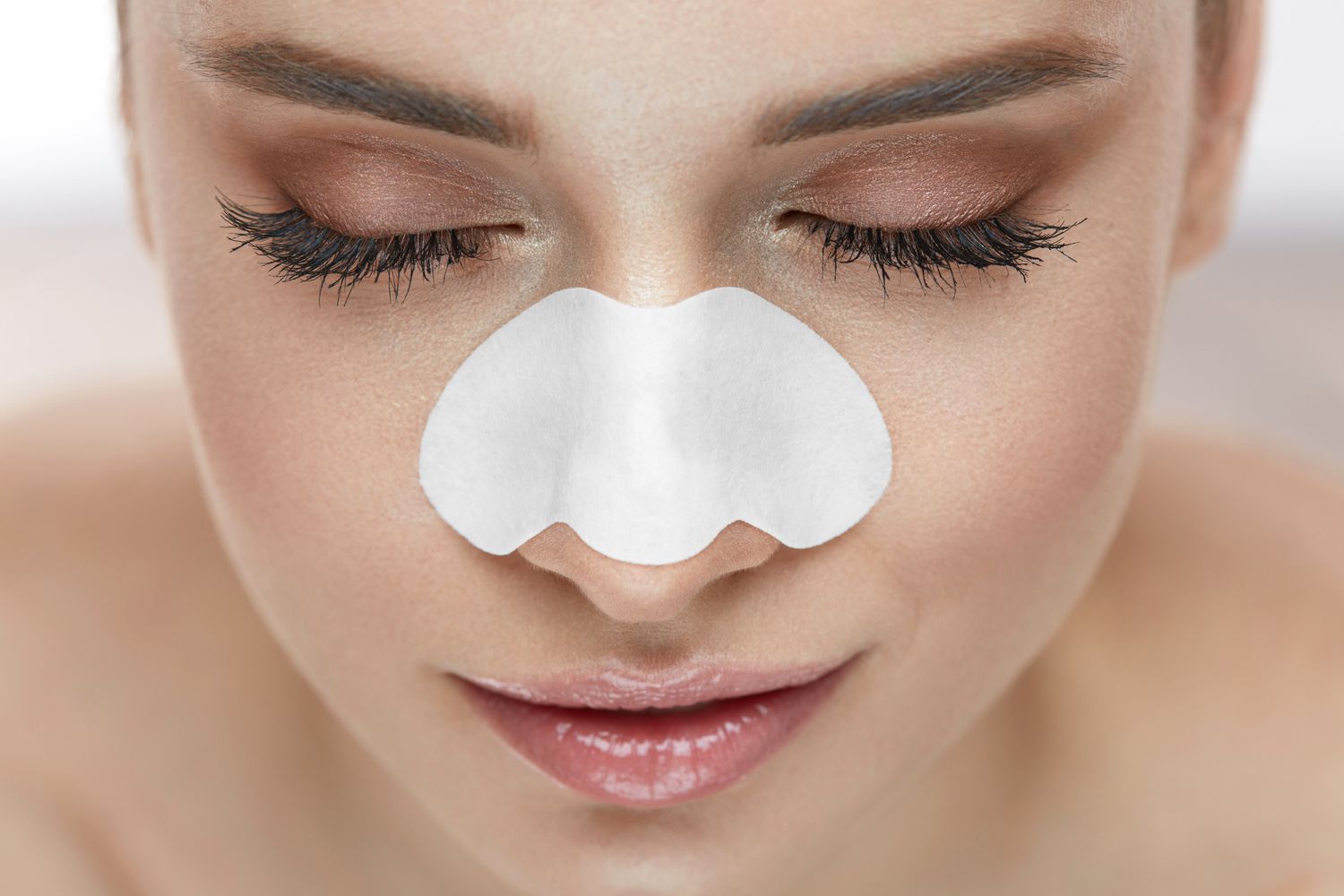
Blackheads: Causes, Care and Is It Okay to Squeeze Them by Hand?
Blackheads aren't trapped dirt. They're a plug of sebum and dead skin cells inside the pore that turns dark through oxidation. Here's why extracting them often leaves marks, and which ingredients actually help, explained through the science behind it.
By Dr. Kim
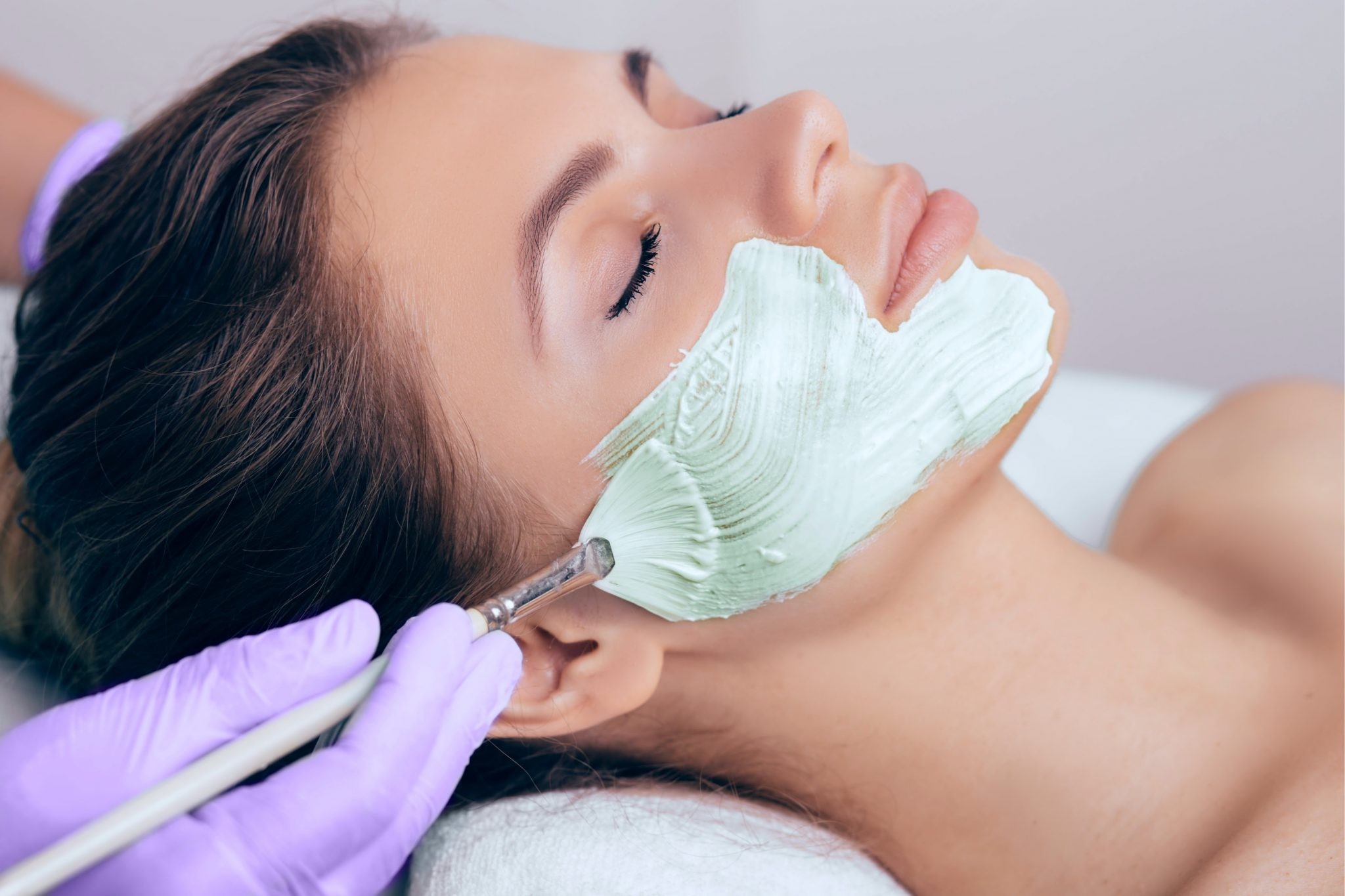
Closed Comedones: Causes, Care and Why You Shouldn't Squeeze Them
Closed comedones, the small bumps often called whiteheads, form when dead skin cells trap themselves at the pore opening in the earliest stage of acne. Here is why that buildup happens, and how it differs from open comedones.
By Dr. Kim
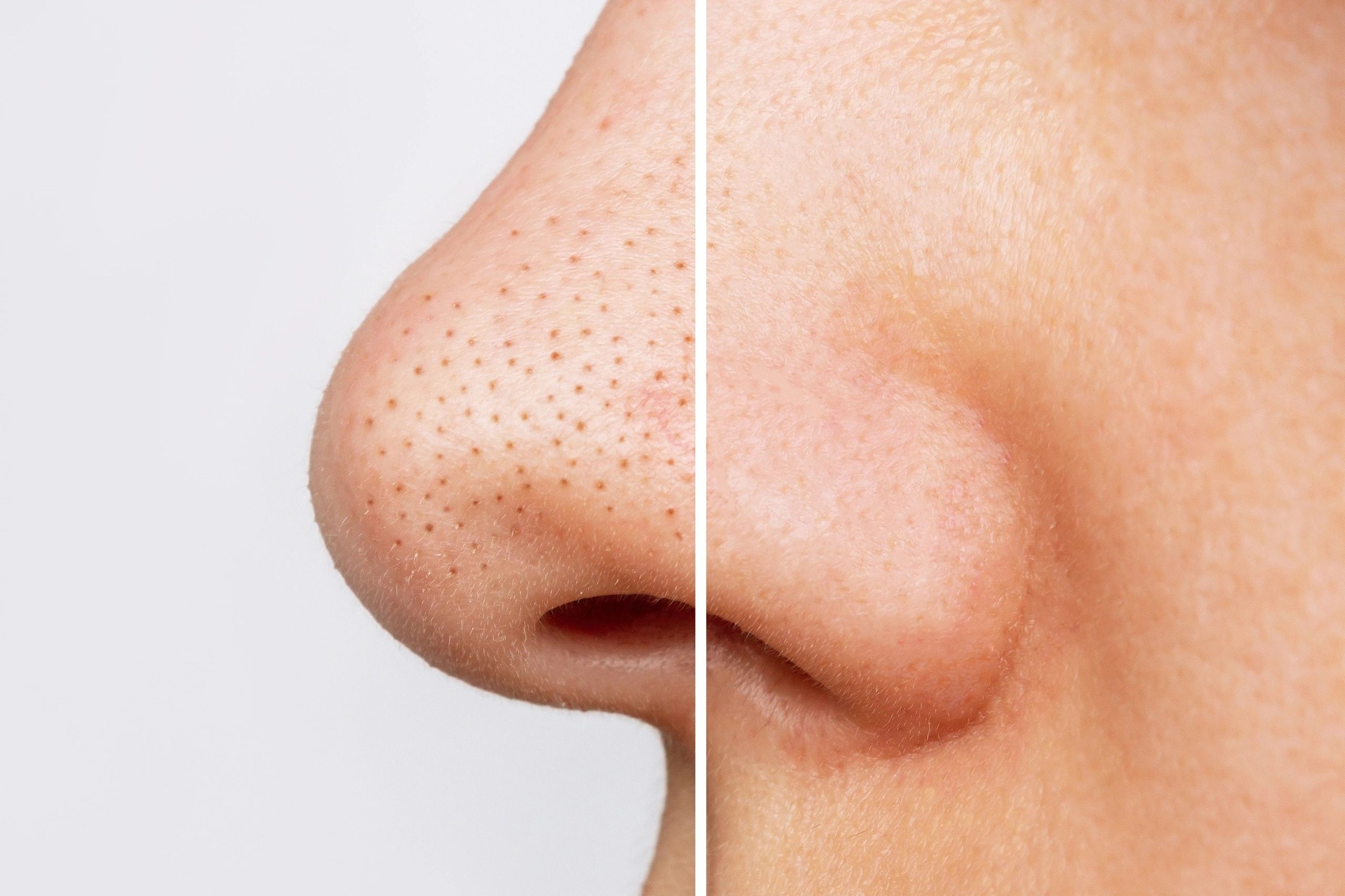
Pore Scaling: How It Works and How It Differs From Home Care
Pore scaling clears out the sebum and dead skin packed inside pores using a combination of chemical and physical steps. Here is why pores look enlarged in the first place, and how the process brings them back to looking tighter.
By Dr. Lee