Blackheads: Causes, Care and Is It Okay to Squeeze Them by Hand?
By Dr. Kim7 min read
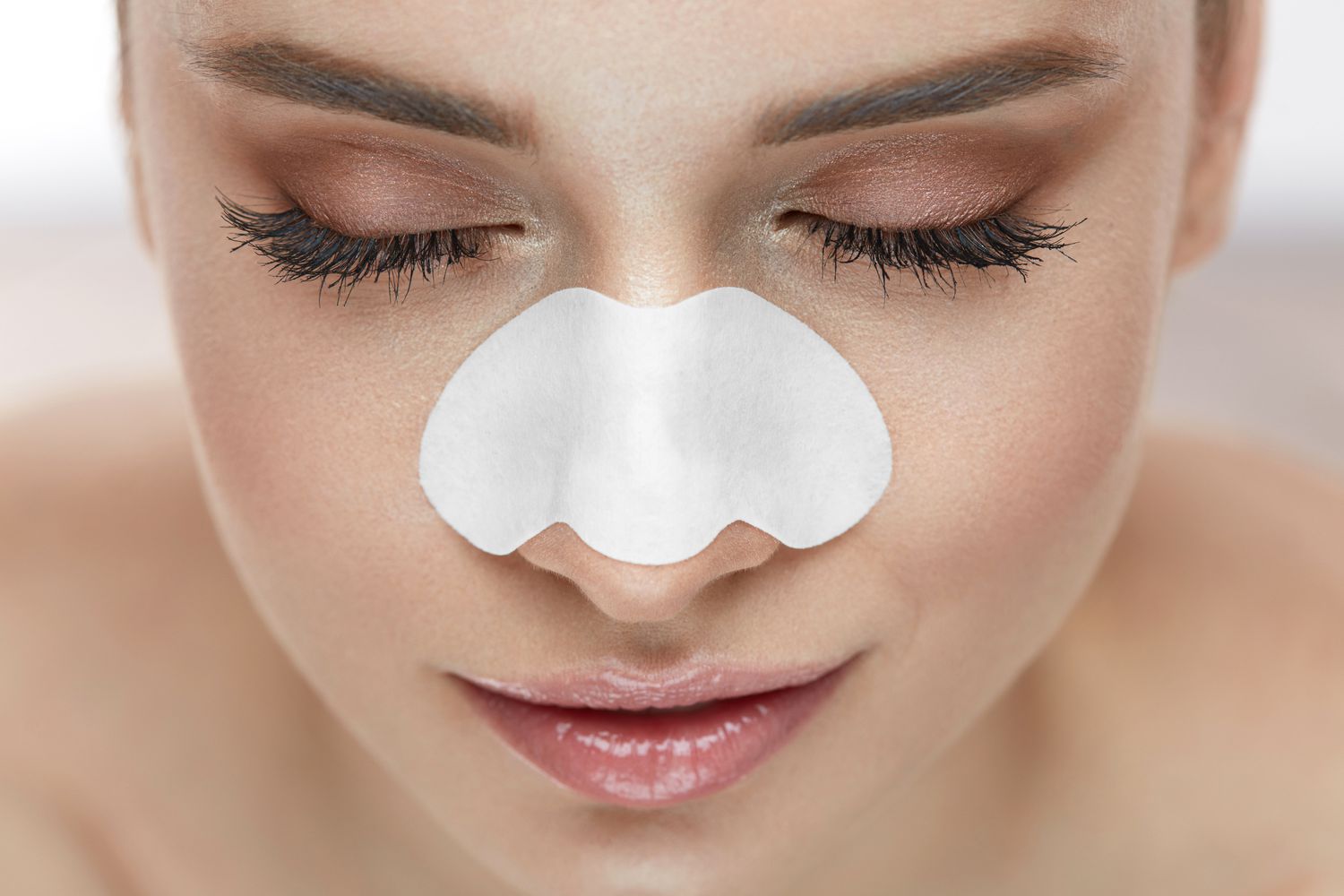
Look closely in the mirror and you'll often see a cluster of tiny dark dots across your nose and the sides of it. Most people assume this is dirt or grime that never got washed off. In reality, it's sebum and dead skin cells that were sitting inside the pore and turned dark once they were exposed to air.
That distinction actually changes how you should treat them. If you think of it as dirt, you focus on scrubbing harder. If you understand it as an oxidized plug, you focus on preventing the plug from forming in the first place. Here's a closer look at why blackheads happen and why picking at them tends to make things worse.
Why do blackheads cluster around the nose?
Blackheads form most easily in areas with a lot of large sebaceous glands, the tiny glands that produce oil. The nose, forehead, and chin have a much denser concentration of these glands than the rest of the face, which is why this area is commonly called the T-zone.
More sebaceous glands means more oil being produced pore by pore. Oil itself isn't the problem, but the more of it there is, the higher the chance some of it can't make its way out of the pore opening fast enough and ends up building up inside instead. That's why blackheads tend to cluster around the nose even on the same face where other areas stay clear.
How do sebum and dead skin become a plug in the pore?
A pore is essentially a narrow channel connecting a sebaceous gland to the surface of the skin. Its normal job is to let sebum travel up through that channel and coat the skin's surface to keep it moisturized.
The trouble starts with the cells lining that channel. Skin constantly sheds old dead skin cells, but when that shedding process becomes overactive (a condition called follicular hyperkeratinization), the dead cells stick together and build up inside the channel instead of clearing out. As more sebum keeps arriving on top of that buildup, it mixes with the trapped cells into a plug of oil and dead skin.
When that plug sits near the pore opening and is exposed to air, it's called an open comedo, which is what we know as a blackhead. When the plug instead gets completely sealed off inside a closed pore, it shows up as a white bump under the skin, known as a closed comedo, or more commonly, a whitehead. Both are made of the same material. Whether the pore opening is exposed or sealed shut is what decides how they end up looking.
There's one more factor worth knowing about. Skin, including the inside of pores, naturally hosts resident bacteria, and one in particular, Cutibacterium acnes, is closely linked to acne. Once a plug builds up and creates a low-oxygen environment inside the pore, this bacteria can multiply more easily in there, and that can become a bridge toward inflammatory acne down the line. A blackhead on its own isn't inflamed, but that's exactly why leaving it unmanaged can let things progress to the next stage.
Are blackheads black because of dirt?
Blackheads aren't dark because of pigment buildup. They're dark because of oxidation. The plug inside the pore contains melanin, the same pigment that gives skin its color, mixed together with fatty components that were already part of the sebum.
Once the pore opening is exposed, oxygen from the air keeps coming into contact with that plug. It's the same principle as a sliced apple turning brown: oxygen reacts with the melanin and fatty components and gradually deepens the color. That's why a freshly formed plug tends to look more yellowish, and the longer it sits, the closer it gets to dark brown and eventually black.
In other words, this isn't grime from not washing your face. It's the color of material that was already there, changing once it meets air. That's also why no amount of scrubbing will easily undo a color change that's already happened through oxidation.
What happens if you squeeze blackheads by hand?
A lot of people press blackheads out with their fingernails or an extraction tool, but this puts real stress on the surrounding tissue. The pore wall is a thin membrane, and pressing down hard enough to force the plug out can damage that wall along with it.
If the wall tears under pressure, some of the sebum and bacteria inside can get pushed out into the surrounding dermis. The body responds to that foreign material with an inflammatory reaction, and when this happens repeatedly, it's known to contribute to red, inflamed acne or lingering marks rather than a clean result.
The pore itself also tends to look visibly larger for a while after extraction, simply because a stretched-out wall takes time to recover its shape. This is why the recommended approach is to focus on reducing how much plug material forms in the first place, rather than relying on squeezing it out.
How do salicylic acid and retinoids work differently?
The ingredients most commonly used for blackheads fall into two main categories, and each one works at a different point in the process. Understanding where each one acts makes it much easier to choose between them.
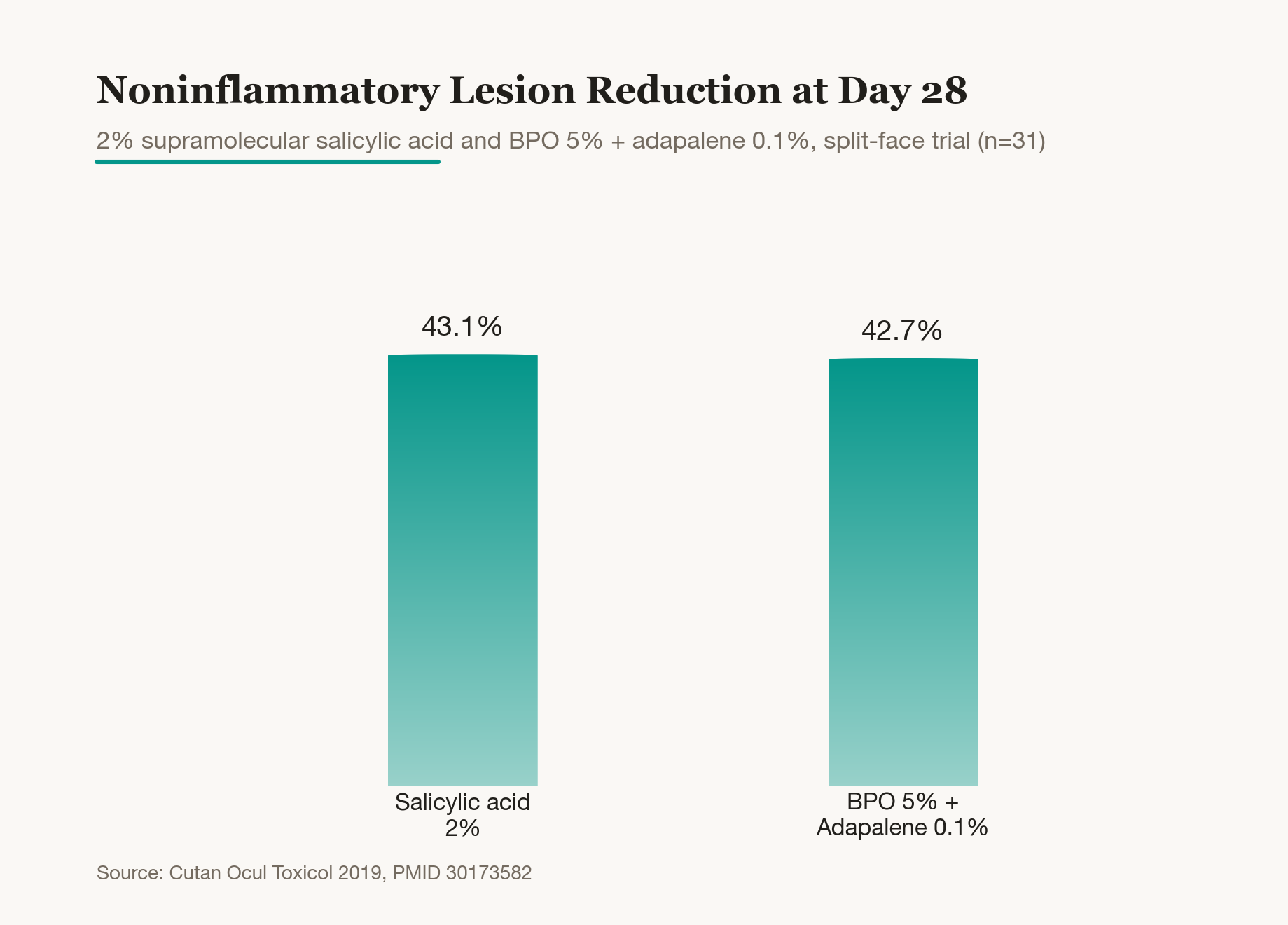
- Salicylic acid (BHA): This is oil soluble, which lets it travel deep into oil-filled pores that water-based ingredients can't reach. Once inside, it gently loosens the dead skin cells and sebum that have built up, so the plug becomes softer and less compact.
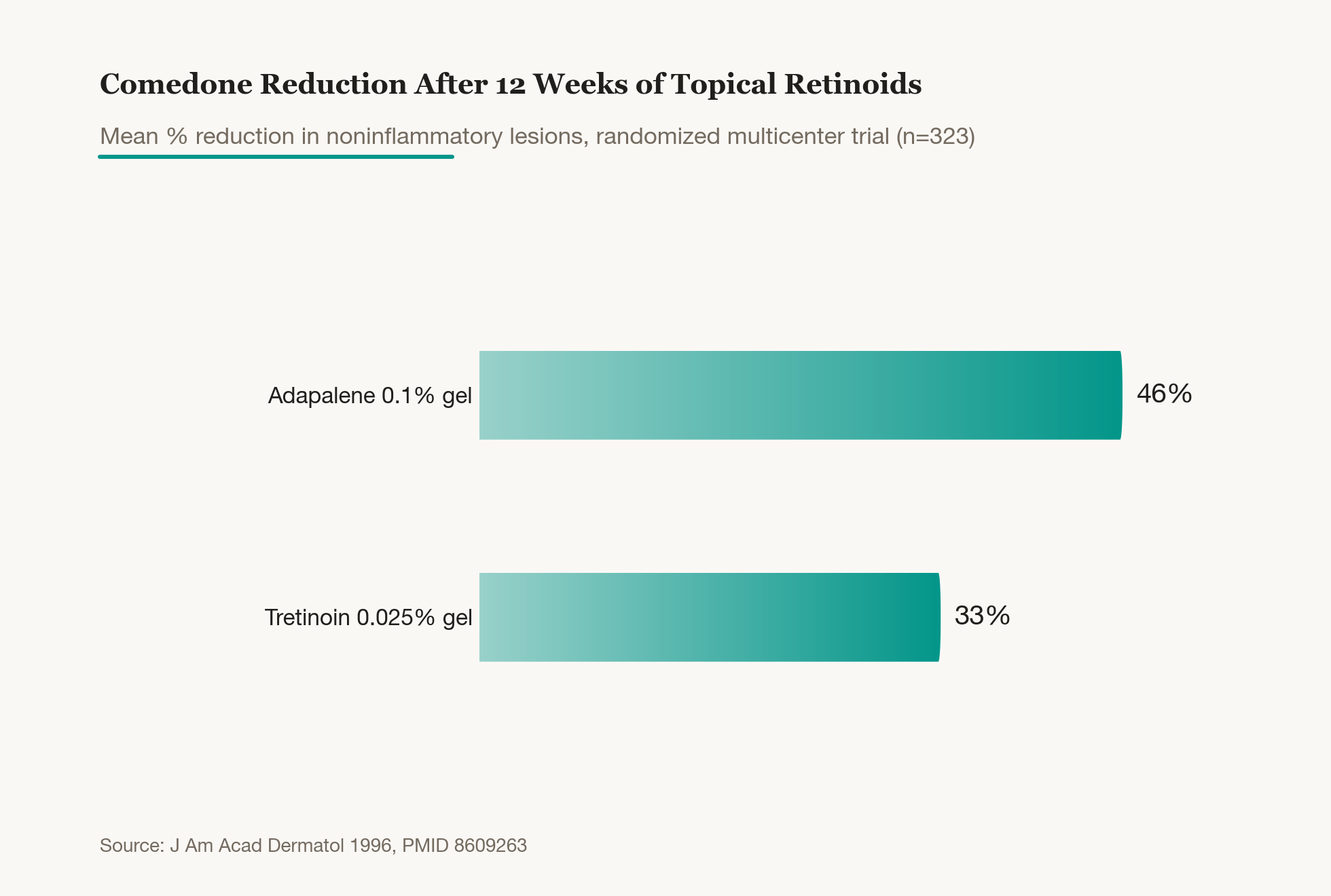
- Retinoids (retinol, adapalene, and similar): These normalize the actual rate at which skin cells are produced and shed. Since they target follicular hyperkeratinization, the root cause of dead cells sticking together in the first place, their preventive effect tends to last longer.
- AHAs (glycolic acid and similar): These are water soluble, which makes them better suited to clearing away dead skin on the surface of the skin. Their strength lies more in smoothing surface texture than in reaching deep inside the pore.
Because these three work at different depths, combining them tends to be complementary. That said, since irritation can stack up when you use them together, it's generally recommended to introduce one at a time and start at a low concentration. Visible improvement is typically reported to take somewhere between 4 and 12 weeks, which lines up with the minimum time skin needs to regenerate and complete a full turnover cycle.
Do niacinamide and clay masks work too?
Niacinamide is known to help reduce how much oil the sebaceous glands produce. Since less oil means less raw material available to build up inside the pore, it's often used as a supporting ingredient for blackhead prevention.
Clay and charcoal masks absorb surface oil, which can make pores look temporarily tighter and smaller. That said, their ability to reach deep enough to pull out a plug that's already hardened is considered fairly limited. They're useful for a quick surface refresh, but for actual prevention over time, salicylic acid and retinoids are generally understood to deliver more consistent results.
Blackhead prevention routine and how long it takes
Blackheads respond better to a consistent daily routine than to any single treatment. The real goal is managing how fast new plugs form in the first place.
- Cleanse twice a day with lukewarm water and a gentle touch. Water that's too hot or scrubbing too hard can irritate the sebaceous glands and end up increasing oil production instead of reducing it.
- Start salicylic acid or retinoid products at 2 to 3 times a week and increase gradually as your skin adjusts. Jumping straight to daily use often brings on irritation and redness first.
- Never skip sunscreen. Retinoids and most exfoliating ingredients make skin noticeably more sensitive to UV exposure.
- Keep pore strips and manual extraction to a minimum. Frequent use repeats the same pore wall stress described earlier.
Stick with this routine consistently and the amount of new plug formation gradually slows down. That said, since the sebaceous glands themselves don't go away, it's generally recommended to stay consistent for about 6 to 12 months before the results settle into something stable.
References
Korean Dermatological Association, American Academy of Dermatology (AAD), and Ministry of Food and Drug Safety (MFDS).
Was this helpful?
About this article
Written by a practising aesthetic physician and intended for general education — not a substitute for individual medical advice.
Read next
Closed Comedones: Causes, Care and Why You Shouldn't Squeeze Them
Closed comedones, the small bumps often called whiteheads, form when dead skin cells trap themselves at the pore opening in the earliest stage of acne. Here is why that buildup happens, and how it differs from open comedones.
By Dr. Kim
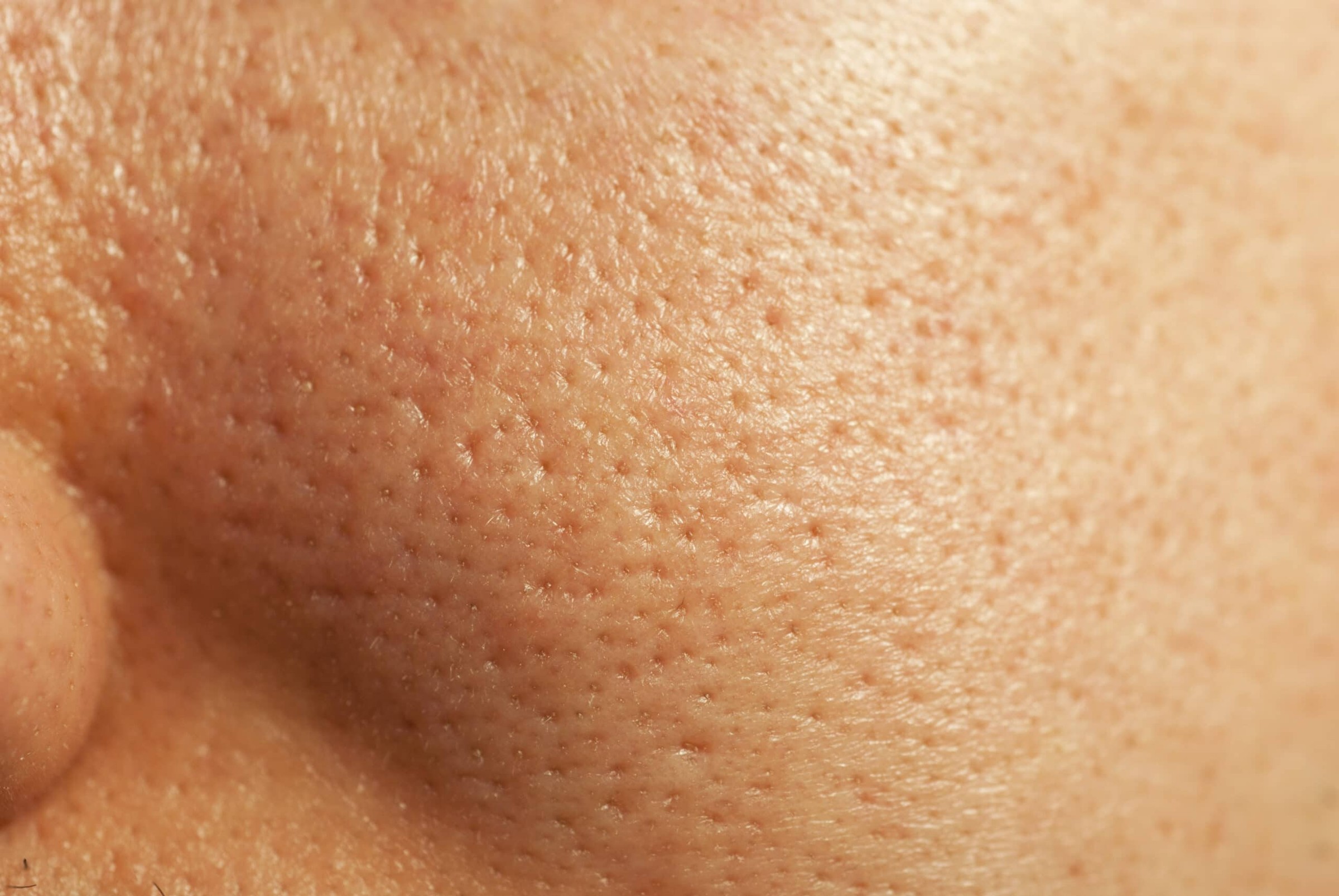
Why Pores Get Larger: Causes, Care, and Treatment Results
Pores widen when oil and dead skin push out from inside while the elastic tissue around them loses its grip. Here is why a stretched pore rarely bounces back by itself, and what treatment actually targets.
By Dr. Kim
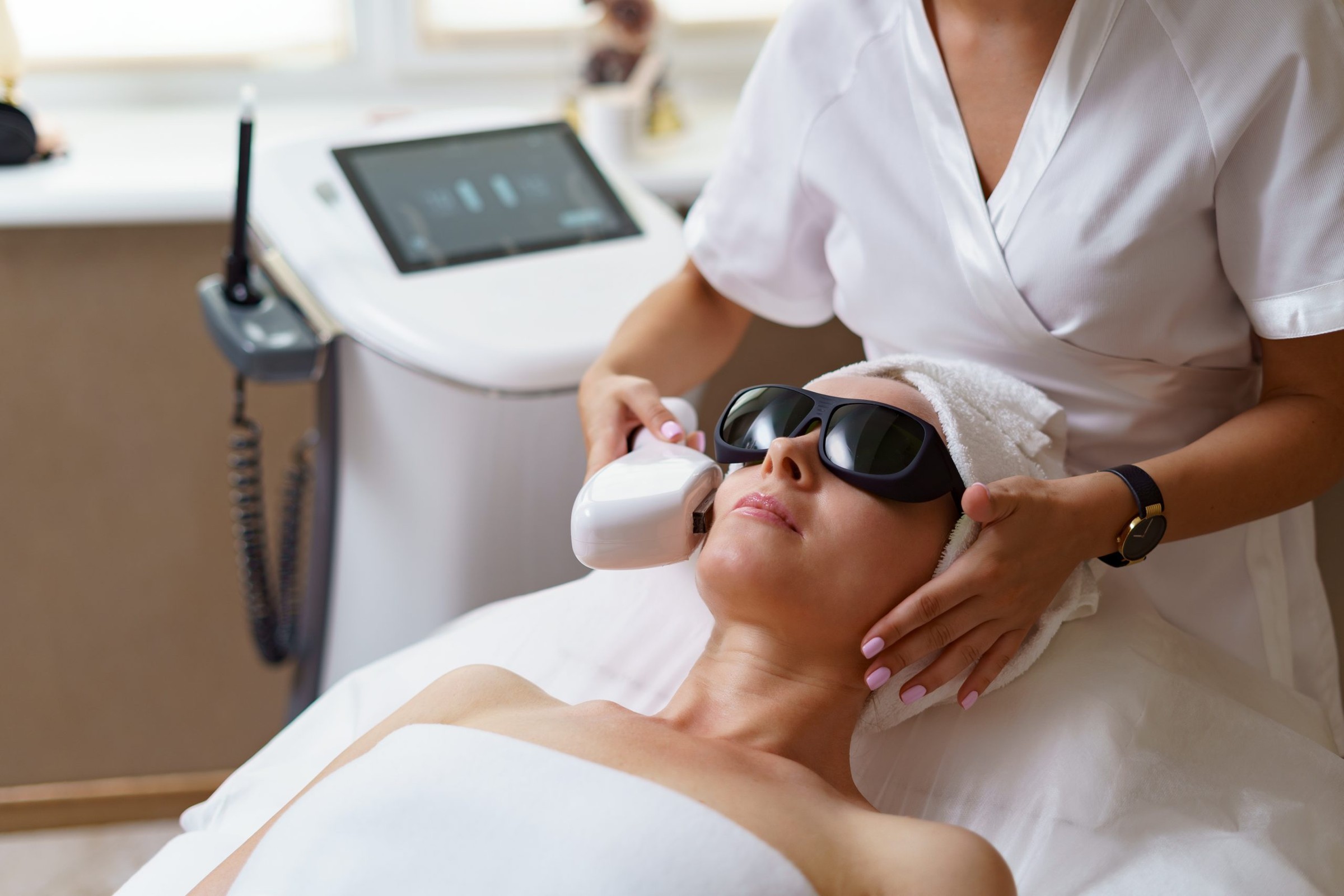
DPN (Dermatosis Papulosa Nigra): Why Doesn't Washing Remove It?
Small dark grains scattered across the cheeks and temples are often mistaken for dirt or acne. They're actually dermatosis papulosa nigra, a benign skin change that won't wash or squeeze away. Here's why it happens and how it's managed, explained from the ground up.
By Dr. Kim