Acrief Acne Cream: Effects, Early Irritation and Back Acne Use
By Dr. Lee7 min read

If you've been reading about topical acne treatments, you may have come across Acrief and wondered whether it's just another version of Differin. Both are topical retinoids, both come from Galderma, and both treat acne by addressing the same upstream problem inside the follicle. But they are different drugs, and the most important difference isn't the molecule. It's the body coverage.
The short version: Acrief (brand name Aklief outside Korea) contains trifarotene 0.005% and is a fourth-generation retinoid, one step newer than Differin's adapalene. Its defining feature is that it's the first topical retinoid formally approved and clinically studied for trunk acne, meaning the chest and back in addition to the face. The clinical evidence behind it is reasonably solid, but there's no direct comparison showing it outperforms Differin on facial acne, and early irritation is real. Below is a breakdown of how it works, what separates it from Differin, and what the trials actually found.
What kind of acne medication is Acrief?
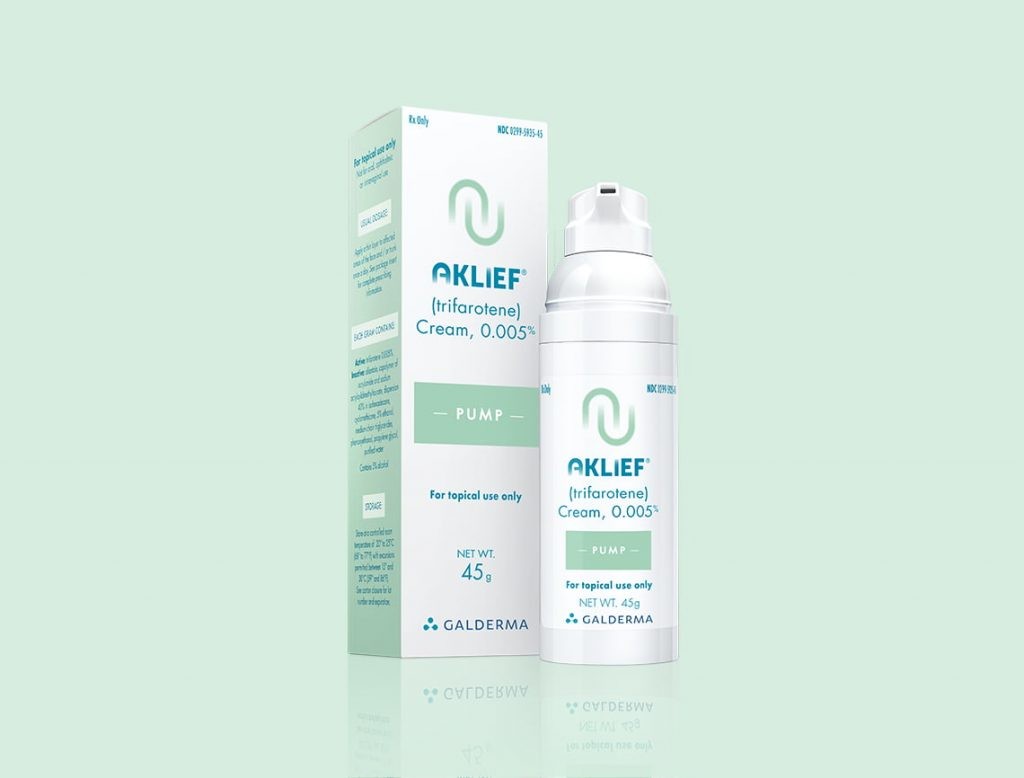
Acrief is a topical cream containing trifarotene at 0.005%, developed by Galderma and classified as a fourth-generation retinoid. Like all retinoids, it's a vitamin A derivative. Its core mechanism is normalizing how skin cells in the follicle turn over and shed, which prevents the keratin buildup that clogs pores and sets off the acne cycle. At the same time, it dials down local inflammation, addressing both the blockage and the irritation downstream from it.
What makes trifarotene distinct within the retinoid family is its receptor selectivity. The skin contains several types of retinoic acid receptors (RARs), and trifarotene is engineered to bind preferentially to RAR-gamma, the subtype most abundant in the epidermis. By targeting that receptor more precisely and sparing the others, the idea is to deliver the therapeutic effect where it's needed while reducing off-target activation elsewhere in the body. The practical implication of that selectivity shows up in pharmacokinetics: trifarotene is metabolized very rapidly, with a half-life of roughly 5 minutes. That fast clearance means even when applied to a large surface area like the back, systemic absorption stays low, which is exactly why it could be studied and approved for trunk use in the first place.
In Korea, Acrief received approval from the MFDS in 2021. It's a prescription medication, approved for patients 9 years and older, so a dermatologist visit is required to get it.
How is it different from Differin?
The names sound similar, but Acrief and Differin are distinct drugs. Differin contains adapalene, a third-generation retinoid. Acrief contains trifarotene, a fourth-generation retinoid. The broad mechanism is the same: both normalize follicular keratinocyte turnover and reduce inflammation to keep pores from blocking. The differences come down to three specific points.
First, receptor targeting. Trifarotene binds more selectively to RAR-gamma compared to adapalene, which activates RAR-beta and RAR-gamma more broadly. Whether that translates into meaningful clinical differences in facial acne clearance is not yet established by head-to-head trials.
Second, approved coverage. Differin is approved for facial acne. Acrief is approved for both facial and truncal acne (face, chest, back, shoulders), making it the first topical retinoid in that category.
Third, the metabolic profile described above. The short half-life of trifarotene specifically enabled the studies that established trunk-use safety, which then supported the broader indication.
Here is where honesty matters: no published head-to-head trial has shown Acrief to be more effective than Differin on facial acne. Some data suggest early irritation may actually be higher with trifarotene. So treating Acrief as a flat upgrade over Differin isn't accurate. The more useful framing is that Acrief offers a single-product solution for people managing acne on both the face and body. If you've already got your face reasonably controlled but back or chest acne is a separate problem, Acrief covers both without splitting regimens.
How much improvement after 12 weeks?
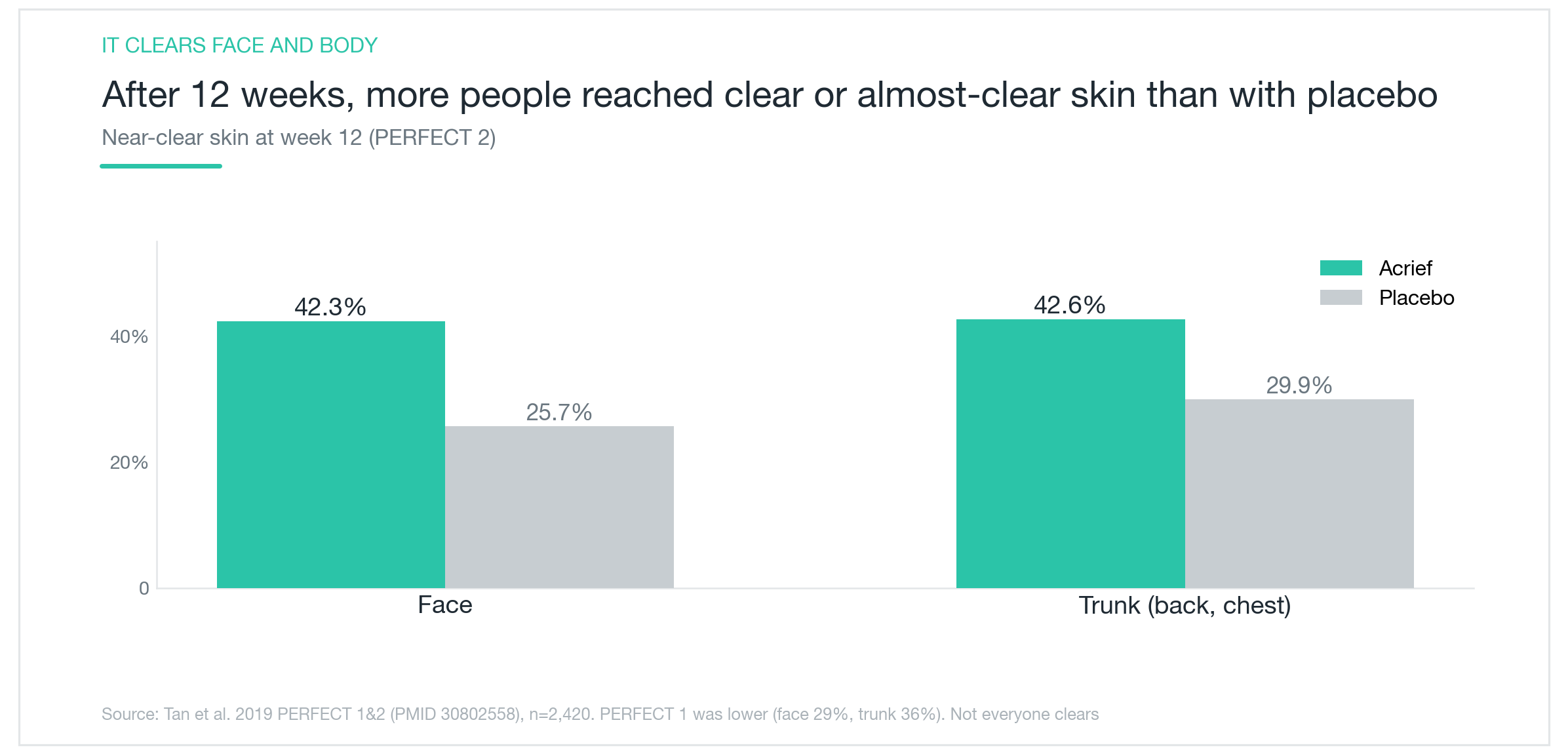
The evidence base is fairly robust. PERFECT 1 and 2 were two large randomized controlled trials enrolling a combined 2,420 participants. At 12 weeks, as the chart above shows, the proportion achieving clear or almost clear skin ranged from about 29% to 42% on the face and from about 36% to 43% on the trunk with trifarotene, compared to rates in the low 20s for the placebo group. Both endpoints were statistically significant.
Looking at lesion counts sharpens the picture. In the same trials, inflammatory lesions on the face (the red, raised kind) decreased by approximately 61%. That's more than half of active breakouts clearing over a 12-week course. On the trunk, similar reductions were observed.
A few things are worth keeping in mind. Only about 4 in 10 patients reached an IGA score of clear or almost clear by 12 weeks, meaning the majority still hadn't hit that threshold by three months. Acrief is not a drug that delivers complete clearance for everyone. These trials also enrolled patients with moderate acne. For deeper nodular or cystic presentations, a topical alone is rarely sufficient, and an oral antibiotic or isotretinoin typically enters the picture.
What Acrief does offer, and what distinguishes it, is the ability to treat the full extent of acne across body regions in one product. For patients whose acne isn't confined to the face, that's a real practical advantage.
When do results appear?
With any retinoid, knowing the timeline is what keeps people from quitting early. Acrief is not a fast-acting drug. Improvement builds gradually over months.
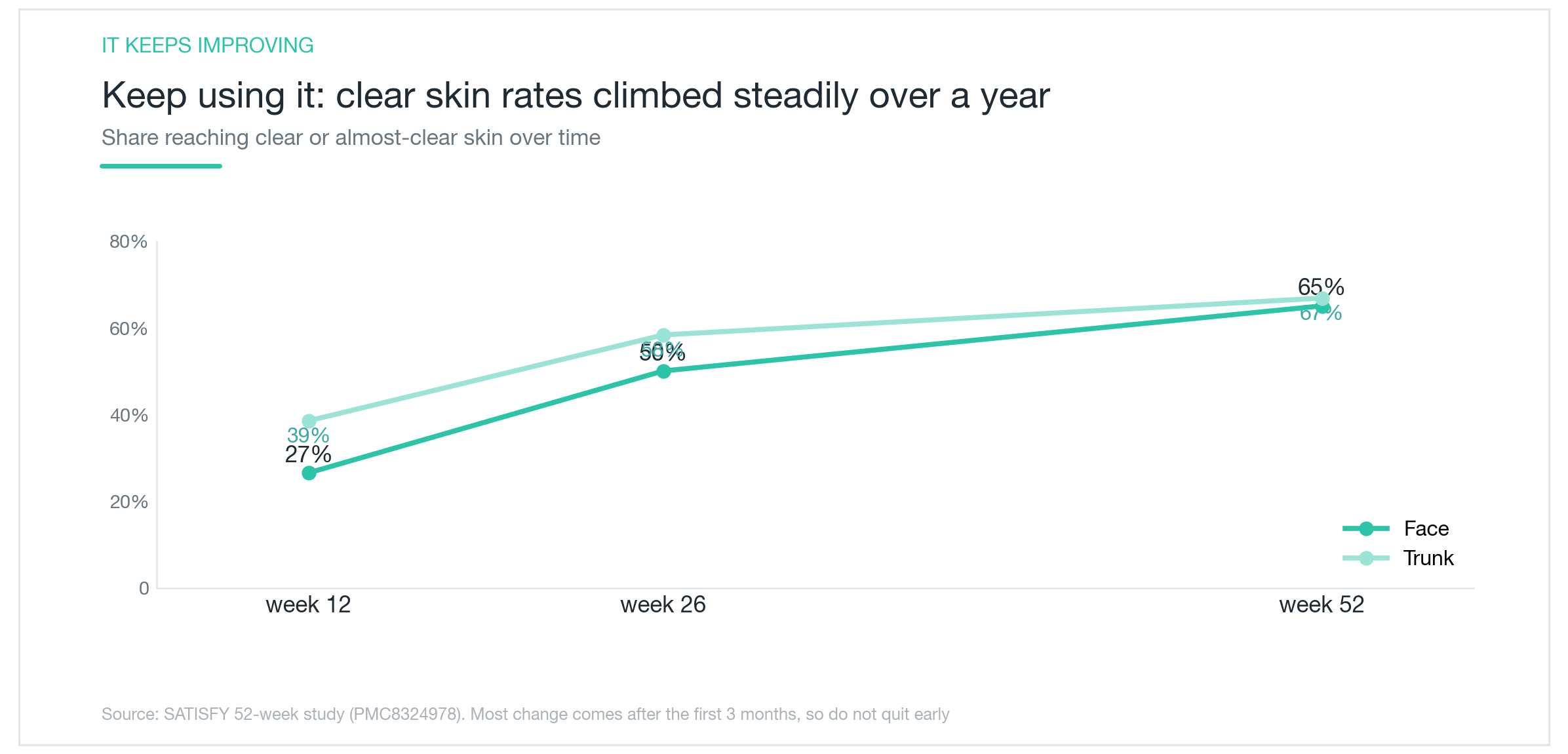
In the PERFECT trials, inflammatory lesions on the face started separating from placebo by week 2. On the trunk, that separation became apparent around week 4. Those are early signals, but not the full picture. The 52-week long-term study, SATISFY, showed that the rate of clear or almost clear skin on the face was approximately 27% at week 12, rose to about 50% by week 26, and reached approximately 65% at week 52. The drug keeps working as long as you keep using it.
The implication is straightforward: two or three months in without dramatic results isn't a reason to stop. The trajectory continues well past that window. The hardest stretch, ironically, is the first 4 to 8 weeks, when irritation is at its peak and visible improvement is still minimal. Getting through that phase is the main behavioral challenge. Starting slowly, every other day rather than nightly, helps the skin adapt without forcing a break from the medication. Think of it as a months-long commitment rather than a short course. Photographing your skin every four weeks is genuinely useful here because improvement that's happening too gradually to notice day-to-day becomes clear when you compare across intervals.
Early irritation and how to apply it
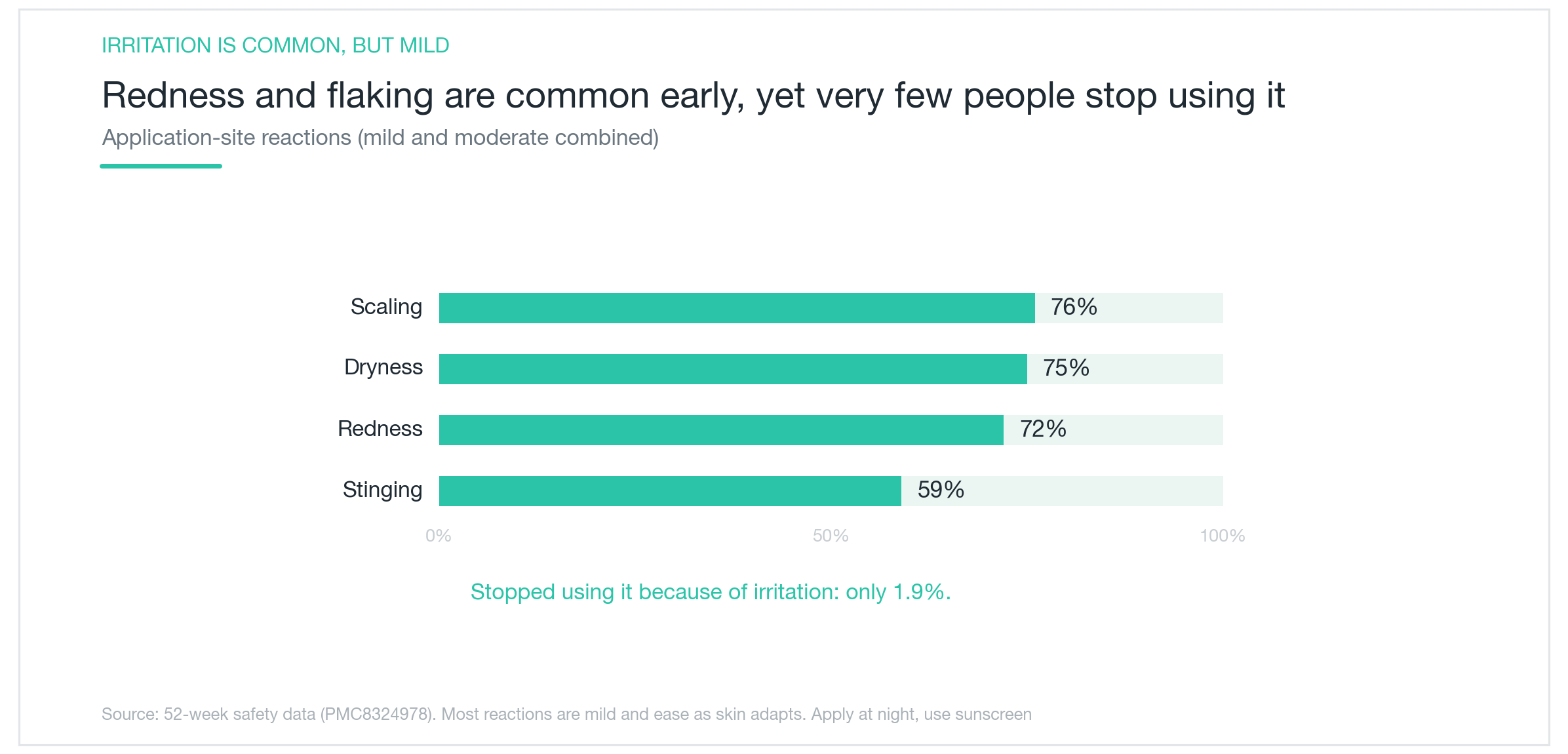
The most common side effects are local irritation at the application site. Early in treatment, redness, flaking, dryness, and stinging are typical and expected. Most cases are mild and resolve as the skin adapts over the first few weeks. The discontinuation rate due to irritation across the trials was 1.9%, roughly 2 out of every 100 participants, which puts the tolerability in perspective. Annoying for some, but manageable for most.
Standard retinoid cautions apply. Acrief is contraindicated in pregnancy and during breastfeeding. It increases photosensitivity, so nighttime application is preferred and daily sunscreen is non-negotiable while using it. Don't apply to broken skin, eczema, or sunburned areas.
For application, the standard approach is to wash the face at night, wait until the skin is completely dry (not just patted, fully dry), and apply a pea-sized amount thinly across the entire acne-prone area. Starting every other night for the first 2 to 4 weeks, then moving to nightly once tolerance is established, is the path that leads to the fewest early dropouts. Layering a fragrance-free moisturizer into the routine meaningfully reduces dryness and irritation without undermining efficacy.
To summarize: Acrief is a fourth-generation topical retinoid that addresses both facial and truncal acne within a single treatment. It has credible evidence behind it from large randomized trials with 2,420 participants, and long-term data showing continued improvement out to 52 weeks. Early irritation is real but typically mild and temporary. For anyone managing acne across the face and body, the single-product coverage is the most compelling reason to consider it over Differin. For purely facial acne, the choice between the two comes down to access, tolerability, and what your dermatologist recommends, not a clear efficacy advantage for either.
Was this helpful?
About this article
Written by a practising aesthetic physician and intended for general education — not a substitute for individual medical advice.
Read next
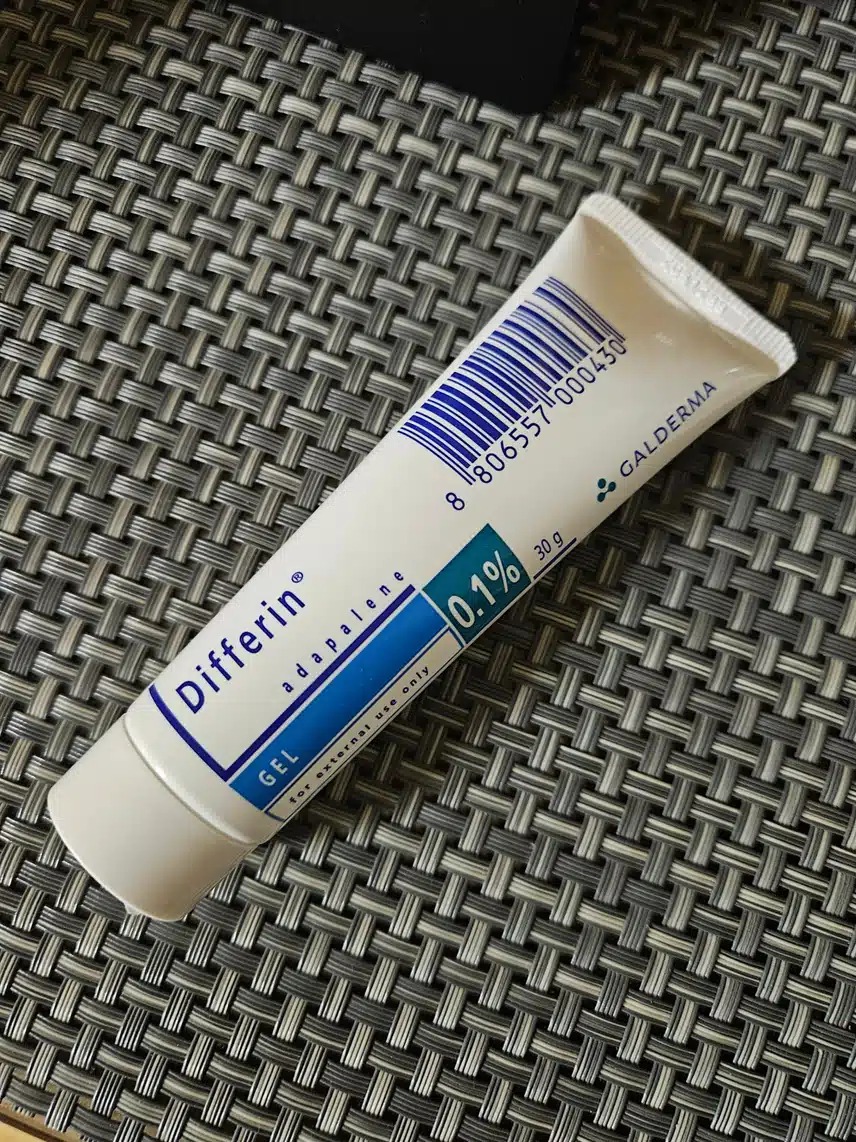
Differin (Adapalene) Effects: When Do They Start and How Irritating Is It?
A clear-eyed look at what Differin gel is, where adapalene sits in the retinoid family, and how it works at the follicle level, backed by clinical trial data, not marketing copy. Covers the purging phase, realistic timelines, the tretinoin and Aklief comparisons, and when topical adapalene isn't enough.
By Dr. Lee
NeoBeam Acne Laser: How Well It Works, How Long It Lasts, and Does It Help Scars?
A clear-eyed look at NeoBeam's 1450nm diode laser technology, how well it controls active breakouts and excess oil, why it's limited for acne scars, and what the class-level clinical data really shows.
By Dr. Kim
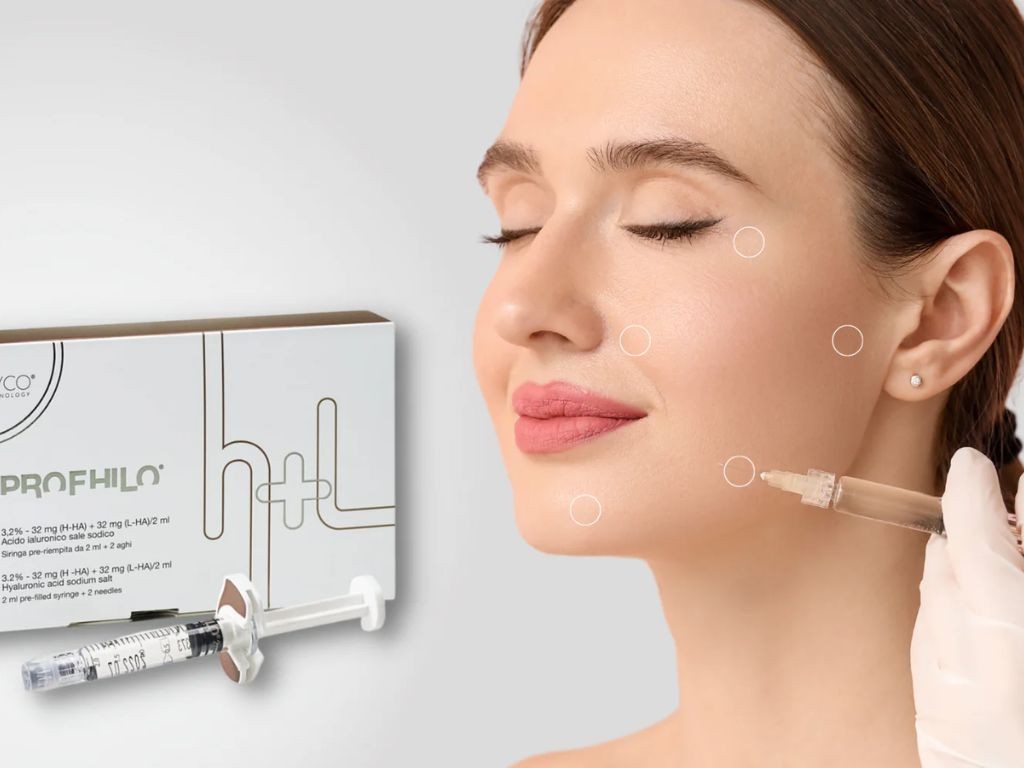
Profhilo Versus Filler and Rejuran: Differences and Results Compared
What Profhilo is, how it differs from fillers and Rejuran, and what the clinical data actually shows about skin texture, elasticity, and hydration. Effects timeline, safety record, and who it genuinely suits.
By Dr. Lee