Causes of Acne and How It Forms: Sebum, Dead Skin Cells and Inflammation
By Dr. Kim7 min read
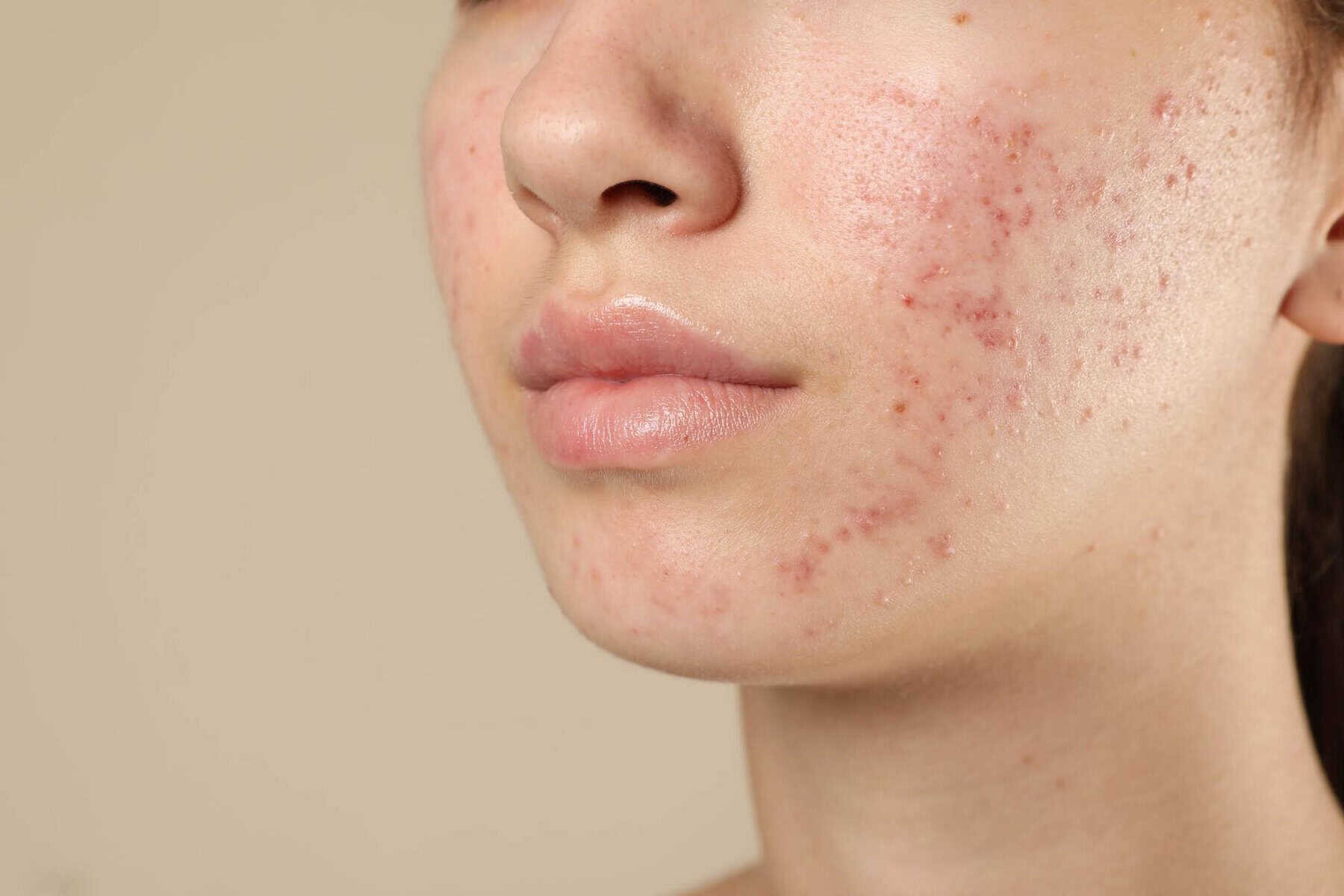
Catching a sudden breakout on your chin or forehead in the mirror usually stings a little, mostly because it makes no sense. Your skin was fine yesterday, so why now? The truth is, acne doesn't appear overnight. Inside the pore, changes build up in stages over 2 to 8 weeks, and what shows up on the surface is just the end result.
Four things drive this process: too much oil production, dead skin cells that pile up instead of shedding on schedule, a surge in the bacteria known as acne bacteria, and the inflammation that follows. Let's go through why these four are connected and what each one is actually doing inside the pore.
Why does acne start with sebum?
Sebum, the skin's natural oil, is there to protect you. It forms a thin film on the surface that locks in moisture and shields skin from outside irritants. The catch is that the oil glands making it are extremely sensitive to certain signals.
The biggest signal is androgen, a hormone from the same family as testosterone. Androgens are produced in everyone's body, male or female, and when they bind to receptors on the oil glands, those glands enlarge and start pumping out more oil. That's why acne spikes during puberty, and why breakouts along the jawline rise and fall with the menstrual cycle. Any shift in hormone balance, and the oil glands respond almost immediately.
It's not just the volume of oil that changes, the composition shifts too. The fatty acid makeup inside the oil changes, making it thicker and more prone to oxidizing than usual, and that sticky oil becomes the first ingredient that clogs the pore opening.
How do dead skin cells clog pores?
Skin is constantly shedding old dead skin cells and replacing them with new ones. Under normal conditions, those cells break apart into small fragments and slip out of the pore naturally.
In acne-prone skin, though, this process breaks down. The cells lining the inside of the pore wall stick together too tightly instead of separating into fragments, so they pile up in clumps. This is called abnormal follicular keratinization, and a simple way to picture it is dead skin building up inside the pore the way a clump of hair clogs a drain.
Add the extra oil from the previous stage, and things get worse. The thickened oil binds the skin fragments together and seals off the pore opening. A pore blocked this way is called a comedone: if it stays closed and shows up as a white bump, it's a whitehead, and if the opening stays exposed to air and oxidizes to a dark color, it's a blackhead.
Why acne bacteria multiply in a clogged pore
Once a pore is blocked, the inside becomes a sealed space with almost no oxygen getting in. That's exactly the environment a certain bacteria loves, the one known as acne bacteria, scientifically Cutibacterium acnes.
This bacteria is naturally present on healthy skin all the time and normally causes no trouble. But inside a clogged pore, with low oxygen and plenty of oil to feed on, the picture changes completely. Given good food and a good environment, the bacteria starts multiplying fast.
The issue is what happens as the bacteria population grows. In the process of breaking down oil, it releases fatty acid byproducts that irritate the skin, and at the same time secretes signaling molecules that call in the body's immune cells. From the immune system's point of view, an abnormal bacterial surge reads as a threat, and rushing to the site is the natural response. That immune response is exactly what turns into the red, swollen bump we recognize as inflamed acne.
How it spreads into inflammatory acne
At the comedone stage, the pore isn't red or sore yet. Oil and dead skin are simply piling up, and inflammation hasn't kicked in in earnest.
The trouble starts if acne bacteria keeps multiplying inside that blocked pore, stretching the pore wall until it comes under real pressure. Like a balloon that eventually pops where the wall grows thin, the pore wall can rupture at a weak point once it can't take the pressure anymore, releasing the oil, bacteria, and skin debris inside into the surrounding dermal tissue.
That's the moment immune cells rush in, turning the area red and swollen and setting off the inflammation that makes it hurt. If the inflammation stays shallow, it shows up as a small papule or pustule; if it spreads deeper, it can develop into a firm, painful nodule or cyst.
How are the four factors connected?
The four stages described so far don't happen in isolation. They're linked like a chain, with each one egging on the next. Because of that structure, fixing even one link can noticeably change the whole picture.
- More oil means a low-oxygen, moist environment inside the pore, which naturally sets up ideal conditions for acne bacteria to grow.
- When dead skin blocks the pore, oil and bacteria have nowhere to go, so they get trapped together and concentration keeps climbing.
- As acne bacteria multiply, the inflammatory substances they release increase too, so even the same bacterial count can trigger a bigger inflammatory response.
- Once inflammation weakens the pore wall, it ruptures more easily and spreads further with the next irritation, a vicious cycle.
Because of this chain reaction, acne care is widely recommended to target oil control, dead skin cell turnover, and bacterial suppression together rather than focusing on just one factor.
What happens first?
This sequencing question has long been debated in dermatology research. Recent studies lean toward the idea that abnormal follicular keratinization, the clumping of dead skin cells, may already be underway at an invisible, early stage.
In other words, before oil production even ramps up, subtle changes where skin cells start sticking together may already be happening inside pores that look completely normal. The theory is that once rising oil levels and hormonal shifts layer on top of that, it develops into visible acne.
In clinical practice, though, it's more useful to focus on which factor stands out most in your own skin right now than to pin down which one comes first. Some people produce noticeably more oil, some clump dead skin more easily, and some simply have a more reactive inflammatory response.
Why acne looks different in different areas
Even on the same person, acne often behaves differently on the forehead, nose, chin, and back. That's because oil gland size and density, along with androgen receptor sensitivity, vary by location.
The T-zone, including the forehead and nose, naturally has larger, denser oil glands, so it simply produces more oil than other areas. The chin and mouth area, on the other hand, tends to respond more sensitively to hormonal shifts, which is why breakouts there often track with the menstrual cycle or stress. On the torso, areas like the back and chest have larger oil glands and narrower, deeper pores, so once a pore clogs there, inflammation tends to spread deeper more easily.
Acne care that fits how it forms
Once you understand these four mechanisms, it's much easier to see why commonly recommended acne care methods work the way they do.
- Oil-controlling cleansers and ingredients reduce the amount of oil inside the pore, shrinking the environment that lets acne bacteria thrive in the first place.
- Gentle exfoliation clears clumped dead skin cells out before they can block the pore.
- Approaches that suppress bacterial growth cut down the acne bacteria that's already built up, breaking the cycle before inflammation has a chance to escalate.
These three approaches target different points because acne isn't caused by a single factor, it's the result of several mechanisms overlapping. Prioritizing based on which mechanism stands out most in your own skin is a natural way to approach it.
References
Korean Dermatological Association, Ministry of Food and Drug Safety (MFDS), American Academy of Dermatology (AAD), and U.S. Food and Drug Administration (FDA).
Was this helpful?
About this article
Written by a practising aesthetic physician and intended for general education — not a substitute for individual medical advice.
Read next
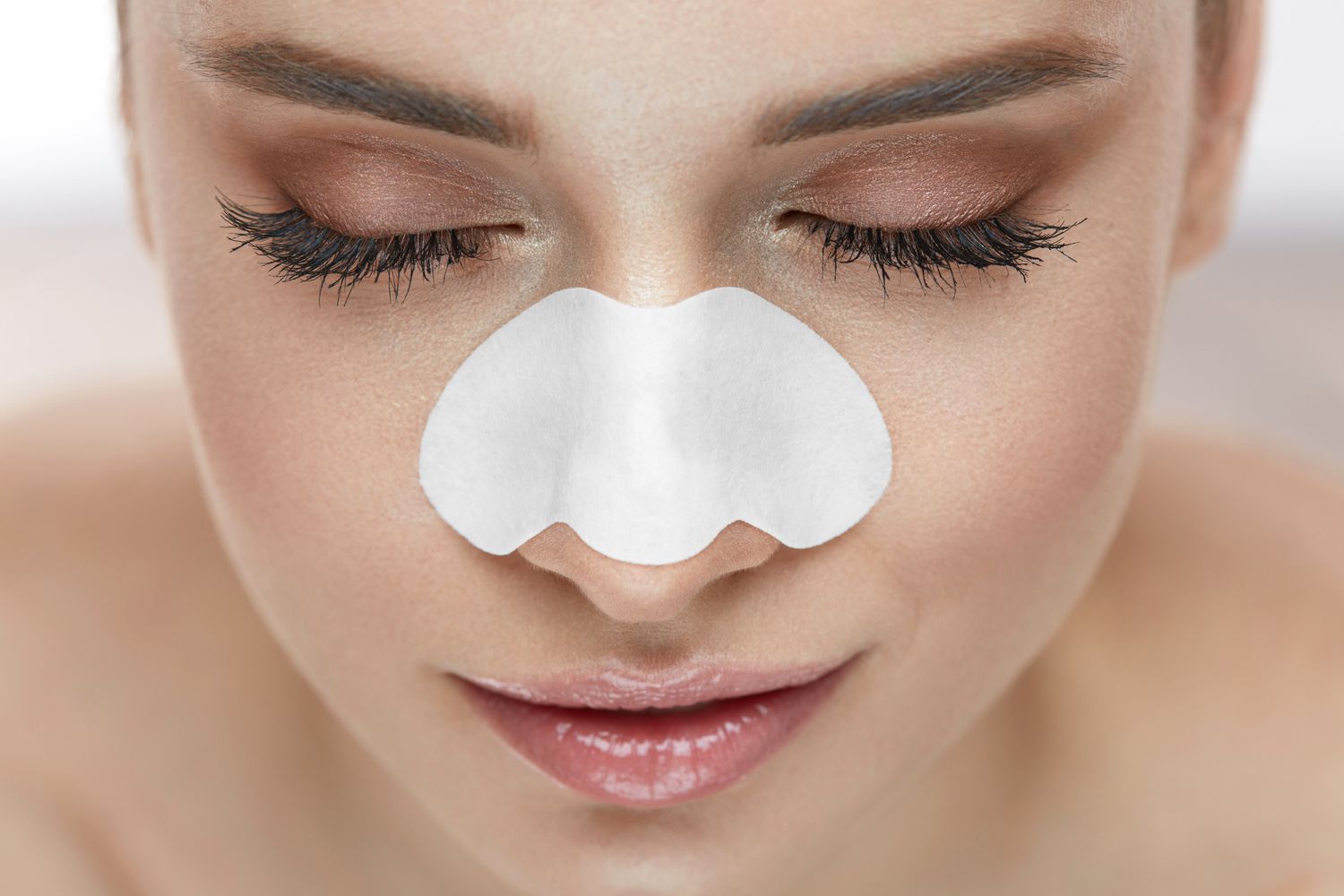
Blackheads: Causes, Care and Is It Okay to Squeeze Them by Hand?
Blackheads aren't trapped dirt. They're a plug of sebum and dead skin cells inside the pore that turns dark through oxidation. Here's why extracting them often leaves marks, and which ingredients actually help, explained through the science behind it.
By Dr. Kim
Closed Comedones: Causes, Care and Why You Shouldn't Squeeze Them
Closed comedones, the small bumps often called whiteheads, form when dead skin cells trap themselves at the pore opening in the earliest stage of acne. Here is why that buildup happens, and how it differs from open comedones.
By Dr. Kim
Dandruff Causes: Dry Skin, or Scalp Yeast and Oil?
Dandruff isn't only about dryness. It happens when Malassezia yeast on the scalp breaks down sebum and produces irritants that speed up skin cell turnover. Here's how each anti-dandruff ingredient works and how to manage it day to day.
By Dr. Kim