Scalp Scaling: Effect, How Often, and Changes in Odor and Itching
By Dr. Kim7 min read
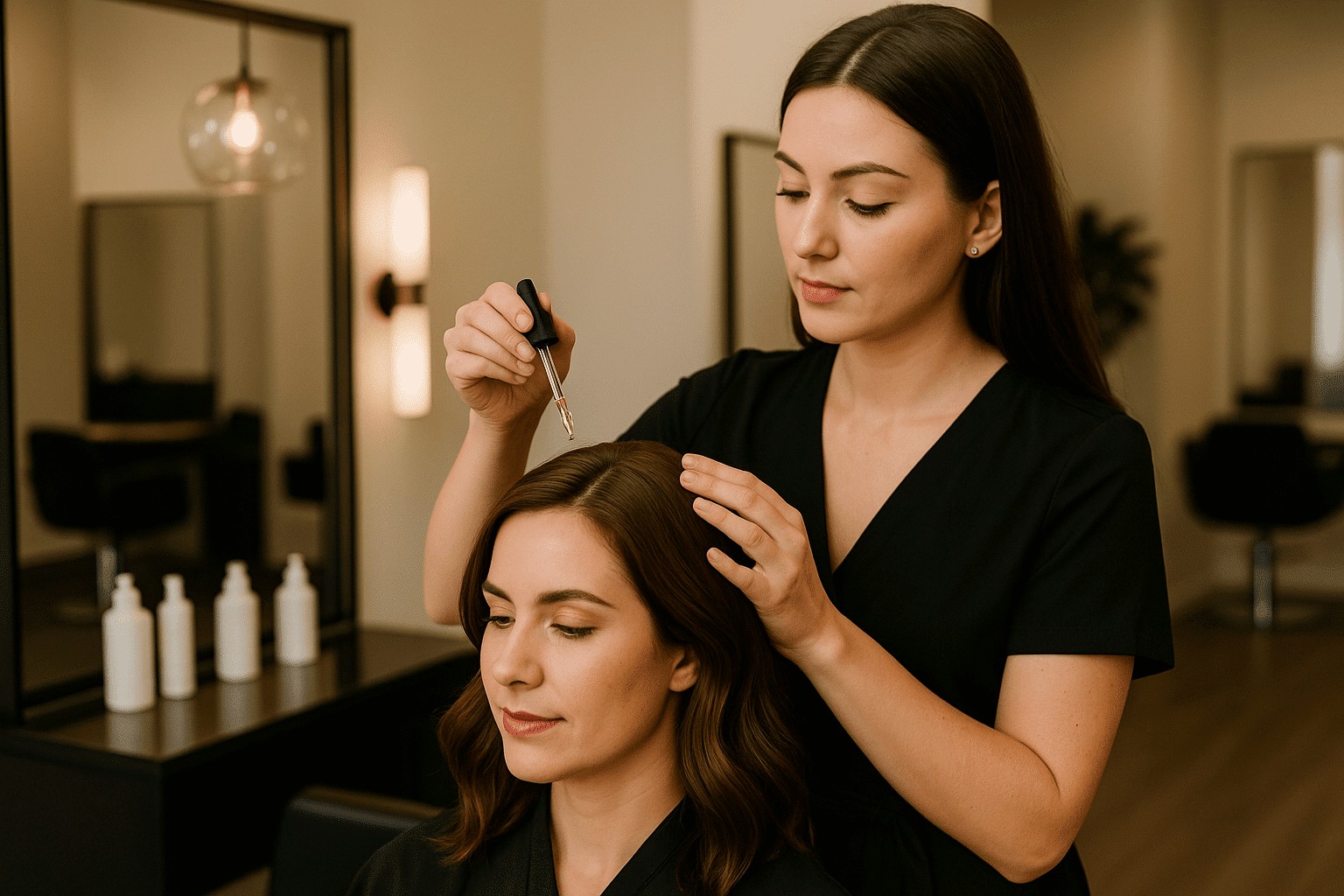
Your scalp has oil glands and sheds dead skin cells just like the rest of your face. The difference is that hair hides all of it, so it's easy to forget the scalp needs care too. Plenty of people cleanse their face every day but treat the scalp as an afterthought, just a quick pass with shampoo.
Here's the catch: your scalp actually has a higher density of oil glands than your face. More oil means pores clog more easily. On top of that, hair traps heat and moisture close to the skin, so they can't escape the way they do on bare facial skin. The result is an environment that stays damper and lets oil sit and build up far more than your face ever does.
Scalp scaling is built to clear out that trapped oil and dead skin so the scalp can breathe the way it's meant to. Shampoo alone mostly rinses away surface dust and the top layer of oil. It rarely reaches deep enough to shift what's compacted inside the pore, which is exactly why a separate step is needed.
Why Can't Shampoo Clean Clogged Pores?
A pore is basically a channel that oil is supposed to flow through naturally. But once oil, dead skin, and leftover hair product start tangling together, that channel narrows at the opening. Think of a drain clogged with hair and grease, water just backs up.
Once it's blocked, oil keeps pooling underneath. The scalp naturally hosts its own microorganisms, including a yeast called Malassezia, and this yeast feeds on that trapped oil. As it breaks the oil down, it releases irritating fatty acid byproducts, which is what turns the scalp red and itchy.
Left alone long enough, this cycle sets off recurring, low-grade inflammation around the hair follicles. An inflamed follicle loses some of its grip on the hair strand. That's why chronically clogged scalps have been linked not just to dandruff and itching, but to hair that gradually thins as well.
Styling products add to the problem too. Wax, spray, and dry shampoo all leave a thin film on the scalp, and when that film layers on top of existing oil and dead skin, the pore opening gets blocked even more thickly. The thicker that buildup gets, the harder it is for oil underneath to escape, and the cycle just keeps feeding itself.
Chemical and Physical Methods
The word "scaling" itself just means gently peeling away what's piled up. Scalp scaling typically combines two approaches: a chemical method and a physical one.
The chemical side usually relies on an ingredient like salicylic acid. Because salicylic acid dissolves in oil, it can travel down into oil-clogged pores rather than staying on the surface. Once inside, it loosens the glue holding dead skin cells together, similar to softening the mortar between bricks. Once that bond weakens, the thickened layer of dead skin lifts away on its own.
The physical side uses fine granules, a soft brush, or a scalp-specific pad to gently work over the surface and dislodge the dead skin and oil that's already been loosened. When the chemical step softens the bonds first, the physical step barely needs any pressure to clear things out. Combining both means a cleaner result with far less strain on the scalp than either method alone.
Why Does Scalp Odor Decrease?
Scalp odor doesn't actually come from the oil itself. It comes from the fatty acids and waste that Malassezia and similar organisms produce while breaking that oil down. In other words, the more food there is for these microbes, the stronger the smell gets.
When scaling clears out the pooled oil and dead skin, it removes the food source the microbes rely on. Less food means less of the breakdown byproduct that causes the smell in the first place. Think of it less as masking odor with fragrance and more as removing the raw material that creates it.
Why the Itching Settles Down
Trace the itching back far enough and it also leads to clogged pores. The irritant compounds released as trapped oil breaks down keep triggering nerve endings in the scalp. It's a bit like a mosquito bite that stays swollen, the ongoing irritation keeps setting off nerve signals, and scalp irritants work the same way.
Once scaling reopens the pores, oil flows out naturally instead of pooling in one spot. That leaves less opportunity for irritants to form and less time for them to sit against nerve endings. Reports suggest this is where the itch relief comes from. That said, deeper inflammation, like an established case of seborrheic dermatitis, may not clear up from scaling alone. If symptoms drag on, it's worth pairing this with a dermatology visit.
How Often Should You Get It?
The right interval really comes down to how fast oil builds back up. If your oil glands run active, pores clog again faster too.
- If your scalp produces a lot of oil and gets shiny easily, aim for every 1 to 2 weeks. Oil rebuilds quickly, so the cleaning schedule needs to keep pace.
- For an average scalp, every 2 to 4 weeks works well. That lines up with a typical dead skin renewal cycle, so you're not stripping more than necessary.
- If your scalp runs dry or sensitive, stretch it out to every 4 to 6 weeks. A weaker barrier reacts more easily to irritation, and scaling too often can actually pull moisture out through the thinned skin, leaving things drier and more irritated than before.
The takeaway is that more frequent isn't automatically better. Matching the schedule to your own scalp's oil turnover is what makes the results last. Season matters too. Tightening the interval a bit during summer, when sweat and oil production ramp up, and easing off during drier winter months tends to fit most scalps better.
Aftercare for the First Few Days
Right after scaling, your dead skin layer is thinner than usual. Freshly exposed skin like this has a slightly weaker protective barrier for a while, so it reacts a bit more easily to irritation.
That's why it helps to avoid scratching your scalp hard with your nails on treatment day, and to switch to a gentle shampoo instead of anything with strong cleansing power. Following up with a scalp toner or serum to restore moisture also helps keep things from drying out while the barrier resets. For the 2 to 3 days after treatment, a short rinse with lukewarm water tends to be gentler than a long rinse with hot water.
Which Scalps Respond Best to Scaling?
Not everyone needs scaling to the same degree. How much it helps really depends on your scalp type, so it's worth figuring out where yours falls first.
- If your scalp gets shiny again within half a day of washing your hair, you'll likely see a real benefit. That level of oil production means pores are clogging fast to begin with.
- The same goes if you often notice small flakes on your scalp or find yourself self-conscious about odor. As covered above, wherever oil and dead skin build up becomes the stage where these microbes thrive, so clearing that stage regularly makes a real difference.
- On the flip side, if your scalp tends to run dry and feels tight often, you don't need to scale as frequently. There's simply less oil around to clog things up, and scaling too often can strip away what little protective barrier you have, leaving you more vulnerable to irritation.
Above all, if your scalp currently has open wounds, oozing, or active severe inflammation, it's safest to hold off on scaling for now. Rubbing and friction in that state can aggravate the inflammation further, so it's better to wait until symptoms settle before starting.
References
Korean Dermatological Association, Ministry of Food and Drug Safety (MFDS), American Academy of Dermatology (AAD), and U.S. Food and Drug Administration (FDA). </content> </invoke>
Was this helpful?
About this article
Written by a practising aesthetic physician and intended for general education — not a substitute for individual medical advice.
Read next
Loss of Skin Elasticity and Volume in Your 40s: Sagging Versus Hollowing
The way your face changes in your 40s comes from two problems layering on top of each other: sagging skin and lost volume. Here is why skin elasticity and the volume beneath it fade on different tracks, and what home care and in-office treatments can each actually restore.
By Dr. Kim
Aquapeel: Effects, Pain and How Often to Treat Pore Oil
Aquapeel softens dead skin with water, then draws it out with gentle vacuum suction. Here's why water loosens dead skin, how sebum gets pulled out of the pores, why it feels so gentle, and how often you should schedule a session.
By Dr. Kim

Acne and Diet: Effects of Milk and Sugar, Plus Diet Management
Diet and acne keep coming up together, and two things get singled out most: foods that spike blood sugar fast, and dairy. Here is how the chain from blood sugar to insulin to IGF-1 actually reaches the oil glands and pores, why skim milk gets named more often than whole milk, and what to check first in your own diet.
By Dr. Kim