Eye Area Lifting: Why Is It Done Much Shallower Than Face Lifting?
By Dr. Kim9 min read
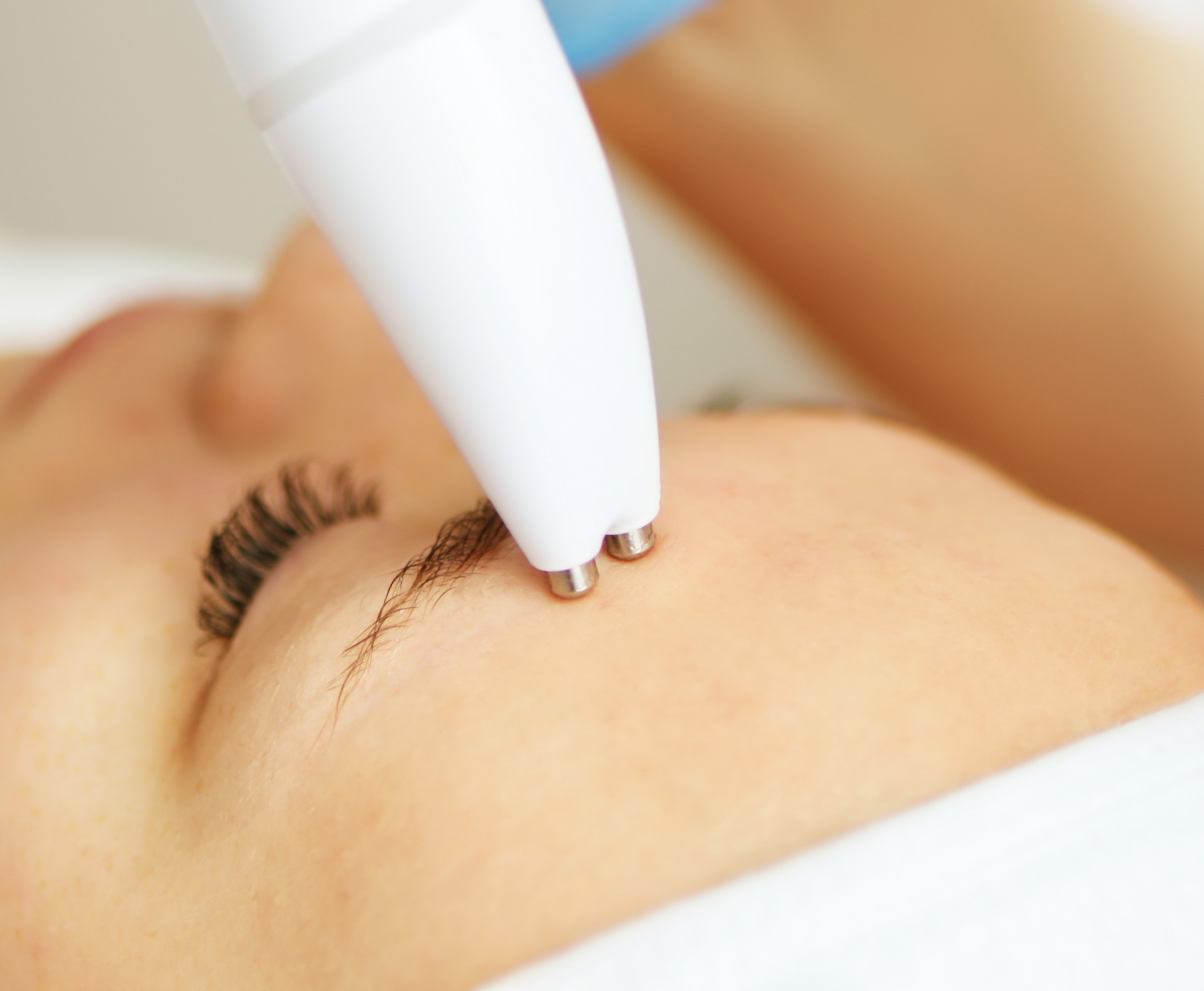
There's a moment in front of the mirror when your eyelids suddenly feel heavier than they used to. Makeup stops sitting right, and photos make you look more tired than you actually feel. The eye area is usually the first place on the face to show its age, yet the advice out there tends to lump it in with cheek or jaw lifting as if they were the same thing.
The truth is, the skin around your eyes is simply not the same tissue as the skin everywhere else on your face. So even when the same lifting technology is used, the power and depth have to be adjusted in a completely different way for this area. This piece walks through exactly how eye area lifting differs from standard facial lifting, and why it has to be built that way.
That's also why the same brand, even the same device, keeps a separate tip just for the eye area. A setting dialed in for the cheeks or jaw would be far too aggressive around the eyes, and a setting gentle enough for the eyes would barely register on the cheeks. Splitting the settings by region isn't a marketing detail, it's the basic groundwork of any lifting treatment.
Why is the skin around the eyes so thin?
Skin is built in layers, from the epidermis down through the dermis and into the fat underneath. That total thickness varies a lot depending on where on the face you look, and the eye area sits near the very thinnest end of the range.
Cheek or forehead skin runs around 1 millimeter thick, while eyelid skin is thought to be only about half of that. On top of being thinner, the eye area has almost no fat layer to speak of, and thin muscle and blood vessels run just beneath the surface, close to the eyeball itself. In short, the most delicate, thinnest skin on the entire face is the skin wrapped around your eyes.
That's exactly why applying the same lifting intensity used on the cheeks or jaw to the eye area raises the risk of burns or pigmentation. It's the whole reason a dedicated eye area protocol exists in the first place.
Think of the cheeks and jaw as a thick down comforter, absorbing and softening heat before it goes any deeper. The eye area is more like a thin silk shirt with no comforter at all, so the same heat travels through faster and hits deeper structures more directly. Even with identical device settings, the skin around the eyes simply feels the energy far more intensely.
Why is eye area lifting done shallowly?
Most lifting treatments work by concentrating heat energy at a specific depth under the skin to stimulate collagen, the protein fiber that acts like scaffolding holding skin up. Once that heat triggers new collagen production at the target depth, the skin gradually regains firmness.
On the jaw or cheeks, the tissue is thick enough that energy can safely reach the deep dermis, even down to the fascia, the thin membrane wrapping the muscle. The eye area simply doesn't have that kind of depth to work with. Going in at the same depth risks reaching bone or tissue near the eyeball itself, so eye area devices are built to keep their penetration limited to a very shallow layer, just beneath the surface of the skin.
That's why eye area tips and cartridges are engineered with a shorter focal distance than the ones used on the rest of the face. Concentrating energy only at that shallow point, and making sure none of it leaks any deeper, is the core design principle behind eye area lifting.
An iron makes this easy to picture. You can crank up the heat and press down for a while on thick denim with no issue, but hold that same heat against a thin silk shirt and it scorches almost instantly. Eye area lifting works the same way, lowering both temperature and contact time to match how thin the tissue actually is.
Ultrasound and RF used around the eyes
Lifting energy generally falls into two categories: ultrasound, known as HIFU (High-Intensity Focused Ultrasound, meaning sound energy focused into a single point to generate heat), and radiofrequency, known as RF (Radiofrequency, meaning electrical energy that converts to heat as it meets resistance in tissue).
Ultrasound focuses sound waves onto a single point almost like a lens, generating heat at a precise spot. That precision is a strength, but in a thin area like the eyelids, it only stays safe if the device uses a dedicated tip with a much shallower focal depth than usual.
Radiofrequency behaves the opposite way, spreading heat gently across a broader area rather than concentrating it at a point. Because the heat disperses instead of pooling, eye area protocols manage safety by lowering the output and adjusting how many passes are made over the skin. Whichever technology is used, the common thread around the eyes is the same: lower power, shallower depth, and a dedicated protocol built specifically for this area.
Comparing ultrasound to focusing sunlight through a magnifying glass helps make this clearer. Move the lens even slightly closer to or farther from the paper, and the focal point shifts dramatically. Eye area tips lock that focal distance to a very shallow setting, essentially building in a physical barrier so the focus can never drift toward the eyeball or the bone behind it.
Radiofrequency is closer to an electric blanket. Turn the temperature down and the warmth stays mild, turn it up and it gets intense, the same principle either way. Around the eyes, that temperature setting is kept low from the start, and the device moves through more quickly with shorter dwell time at any single spot to prevent heat from building up.
How does a drooping eyelid tighten?
Eyelids sag for two main reasons: a loss of elasticity in the skin itself, and weakening in the muscles responsible for lifting the eyelid.
When shallow heat from lifting reaches the dermis, the skin responds to that controlled damage by producing new collagen and reorganizing the collagen fibers already there into a tighter arrangement. This process plays out over roughly 4 to 12 weeks after treatment, gradually increasing tension in the skin itself.
At the same time, the heat also reaches the thin muscle layer just beneath the skin, though more gently. This layer is home to the orbicularis oculi, the ring-shaped muscle that circles the eye and handles closing it, and reports suggest that subtle contraction in these muscle fibers helps tighten the overall tension of the skin around the eyes. Worth noting, the muscle that actually lifts the eyelid to open the eye is the levator palpebrae superioris, which sits deep inside the eye socket, well beyond the depth lifting energy can safely reach. So any muscle-related improvement from eye area lifting is limited to firming from the orbicularis oculi, not the levator. Either way, this change doesn't happen instantly the way surgery does, it builds gradually over time.
In the first week or two, most of what you notice is simply the swelling going down, which makes the eye area look more defined on its own. The real change from collagen reorganizing typically shows up later, generally becoming noticeable somewhere past the 4 week mark. So it's worth not being discouraged if there's no dramatic difference the day after treatment, since the more accurate window to judge results is 4 to 12 weeks out.
How do face and eye area settings differ?
The difference isn't in the type of device, it comes down to the settings.
- Penetration depth: standard facial treatments can go down to the deep dermis or even the fascia, while eye area treatments stay limited to the shallow dermis, just under the epidermis. Given how close this area is to the eyeball, there's neither reason nor room to go any deeper.
- Power output: even with the same device, the eye area uses a lower output. Because the skin is so thin, it responds more strongly to the same amount of energy, so a lower power level still delivers enough stimulation.
- Dedicated tips and probes: the eye area uses smaller tips with a shorter focal length. Using a standard facial tip on this area means a wider contact surface, which can let heat concentrate too heavily at certain points instead of dispersing evenly.
Which sagging doesn't respond to eye area lifting?
There's one important caveat worth addressing here. Eye area lifting works through collagen and muscle response, so when the skin itself has already loosened and folded significantly, its effect becomes limited.
If the eyelid skin folds over itself enough to actually obstruct vision near the brow line, that's a level of change that more collagen production alone can't reasonably fix. In cases like this, blepharoplasty, eyelid surgery that removes the excess loose skin directly, tends to be the more fundamental recommendation.
Another situation is under eye fat that has pushed forward and become visibly puffy. That's not a matter of skin elasticity, it's caused by weakening in the membrane that holds the fat in place, so surface heat treatment alone can't push it back. That's why it matters to figure out beforehand whether sagging is coming from reduced skin elasticity, or from fat and muscle changes around the eyelid, before deciding on treatment.
Is eye area treatment very painful?
The eye area is dense with nerve endings, so the same heat stimulation tends to feel sharper here than it would on the cheeks or jaw. That's reportedly not because the power is any higher, it's simply that the tissue around the eyes is more sensitive to pain in general.
For that reason, it's common practice to apply numbing cream a bit longer than usual before treatment, or to use a cooling device to keep the surface temperature down during the session. Pain tolerance varies a lot from person to person, but most reports describe it as a series of brief, stinging sensations rather than sustained discomfort.
Recovery time after treatment
Since eye area lifting only stimulates a shallow layer, recovery tends to be noticeably shorter compared to full facial lifting. Mild redness or slight swelling can show up right after treatment, but it's generally reported to settle within a day or two.
That said, because eye area skin stays sensitive to irritation during this window, it's best to avoid rubbing the eyes hard or removing eye makeup too roughly for a while. Staying consistent with sun protection during this period is also considered helpful.
References
Korean Dermatological Association, Ministry of Food and Drug Safety (MFDS), American Academy of Dermatology (AAD), and U.S. Food and Drug Administration (FDA).
Was this helpful?
About this article
Written by a practising aesthetic physician and intended for general education — not a substitute for individual medical advice.
Read next
Neck Wrinkles: Causes and Treatment, and Can Botox and Lifting Help?
The neck has thinner skin and fewer oil glands than the face, so it tends to lose firmness earlier, and because it moves constantly, vertical bands and horizontal lines often show up together. Here is why sagging and lines overlap on the neck, and how both skincare and treatments work to address them.
By Dr. Kim
Eye Shurink, Eye Thermage and Eye Oligio: Differences and Effects Compared
Eye Shurink, Eye Thermage and Eye Oligio are the three names that come up most often for eye area lifting, and they work through two different kinds of energy: ultrasound and radiofrequency. Here is how each one actually works on the delicate skin around the eyes, and which one fits which concern.
By Dr. Lee
Loss of Skin Elasticity and Volume in Your 40s: Sagging Versus Hollowing
The way your face changes in your 40s comes from two problems layering on top of each other: sagging skin and lost volume. Here is why skin elasticity and the volume beneath it fade on different tracks, and what home care and in-office treatments can each actually restore.
By Dr. Kim