Eye Shurink, Eye Thermage and Eye Oligio: Differences and Effects Compared
By Dr. Lee7 min read
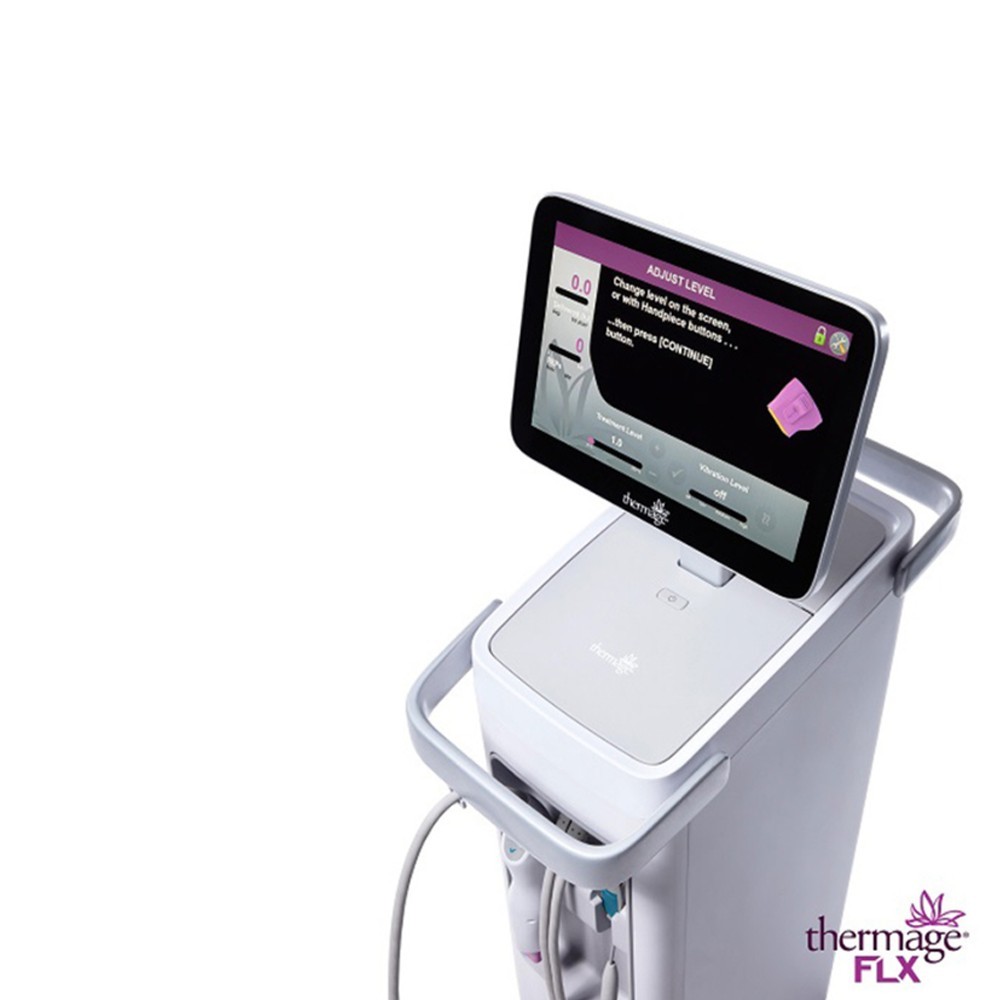
Ask about sagging or fine lines around the eyes at a consultation, and three names tend to come up together: Eye Shurink, Eye Thermage and Eye Oligio. All three are marketed as "eye area lifting," but they run on two genuinely different kinds of energy. Eye Shurink uses ultrasound. Eye Thermage and Eye Oligio use radiofrequency.
Because the names sound alike, it is easy to assume the difference is just branding. It is not. Different energy types reach tissue in different ways, and the eye area is the thinnest, most sensitive skin on the face, so that difference shows up far more noticeably here than it would on the body. This piece walks through how each of the three actually works around the eyes, and what to weigh when choosing between them.
Why must the eye area be treated differently from the body?
Skin around the eyes is much thinner than skin anywhere else on the face, often less than half the thickness of the cheeks or forehead, with almost no fat layer underneath. Aim a device built for the body, or even the rest of the face, straight at this area and there is a real risk of heat going in too deep and too strong.
That is why eye area devices almost always run a separate tip or cartridge. The energy footprint is narrower and the power is dialed down to suit thin skin. That is also why the same company's device gets an "Eye" version added to its name in the first place. With bone and the eyeball this close, the energy has to land at exactly the intended layer, at a safe intensity, every time.
The eye area is also never really still. It contracts and relaxes with every smile or squint, which means lines tend to show up here first and sagging becomes noticeable sooner than elsewhere. That is part of why so many people start thinking about eye area treatments earlier than they expected to.
How does Eye Shurink ultrasound work?
Eye Shurink is the eye area version of Shurink, an ultrasound lifting device. The principle is similar to using a magnifying glass to focus sunlight onto a single point. Instead of spreading energy across the surface, ultrasound is concentrated at one specific depth inside the skin, creating a brief spike of heat right at that spot.
That focused heat causes a tiny, controlled coagulation reaction in the tissue. The body reads this as damage that needs repair, and that repair response is what drives new collagen production at the site. Ultrasound's advantage is that it can focus at a target depth more precisely than other energy types, which makes it relatively well suited to stimulating just the intended layer in an area as thin and narrow as the eyes.
Difference between Eye Thermage and Eye Oligio RF
Eye Thermage and Eye Oligio belong to the same family. Both use radiofrequency, specifically monopolar RF. Rather than focusing at a single point the way ultrasound does, RF spreads from the skin surface through the full thickness of the dermis, generating heat as it passes through tissue that resists the current. Think of it as friction heat building up as electricity pushes through a path that does not conduct easily.
That heat reshapes the structure of collagen fibers in the dermis, causing an immediate tightening effect, followed by a repair response that produces new collagen over time. Eye Thermage is the eye area tip for the original monopolar RF lifting device, a technology that has been used across many parts of the body for years and scaled down for the eye area. Eye Oligio is the eye area tip for a monopolar RF device developed in Korea, built with an even smaller tip to work precisely along tight, curved areas like the lash line. Both devices run on the same RF principle, but they differ in tip size and the range of intensity settings available. That difference is less about one being better than the other and more about which tip fits the width and curve of the area being treated.
How to tell sagging from fine lines
Concerns around the eyes generally fall into two categories. One is sagging, where the eyelid or under eye area loses its contour and drops. The other is fine lines, where the surface thins out and creases in small, shallow folds. Because these two problems have different roots, the same treatment can feel very different depending on which one is actually present.
Sagging comes from the support tissue loosening, so a method that delivers heat evenly across a broader area tends to help more. Fine lines, on the other hand, usually trace back to reduced elasticity in a shallow layer close to the surface, so a method that focuses narrowly and shallowly can respond with more precision. That is why the first question in a consultation should be which concern is more prominent, sagging or fine lines, since the answer points toward which energy type makes more sense.
Choosing a treatment by condition
All three treatments work differently, but they share the same underlying goal: stimulating collagen to firm up the eye area. Keeping the following points in mind makes it easier to ask specific questions during a consultation.
- When sagging is the main concern: An RF approach that spreads heat evenly across a wider area can be better suited to supporting the tissue as a whole, since sagging is a broad loss of support rather than a localized issue.
- When fine lines are the main concern: An ultrasound approach that focuses precisely at a single depth can be more effective at stimulating the shallow layer near the surface, since the energy stays concentrated at the intended layer instead of dispersing.
- When a narrow area like the lash line needs treatment: A device with a smaller tip footprint moves more precisely along curves, since a larger tip can make uneven contact on a tight, curved surface.
- When the skin is sensitive or especially thin: A device with a wide intensity range and a long track record built specifically for the eye area is usually the safer starting point, since a wider range of settings makes it easier to fine tune the intensity down to match individual skin thickness.
There is no single right answer here. It depends on the specific state of the eye area and which region needs the most attention. Being specific in a consultation about whether sagging or fine lines is the bigger concern, and which exact area needs work, makes it much easier to narrow down which of the three fits best. For anyone dealing with multiple concerns at once, combining different approaches by area is also a common recommendation, rather than committing to just one method everywhere.
When do results start to appear?
All three treatments can produce a visible tightening effect right after the session, which comes from the heat causing existing collagen to contract immediately. But the real change unfolds over the following weeks to months, as new collagen gradually forms. The heat triggers the repair response, and that repair response needs time to actually build new collagen.
During this window, it is best to avoid rubbing or pressing firmly on the eye area. Physical pressure on tissue that has just been stimulated, before it has had time to settle, can interfere with the repair process. The eye area is also particularly sensitive to UV exposure, so staying consistent with sun protection, treatment or not, is generally recommended to help protect the collagen that is being newly formed.
The pace at which collagen settles in varies from person to person. Age, baseline skin condition and the intensity and area of stimulation can all shift how soon results become noticeable. Rather than expecting a dramatic change right after one session, it makes more sense to watch for a gradual shift that unfolds over several weeks.
References
Korean Dermatological Association, American Academy of Dermatology (AAD), and Ministry of Food and Drug Safety (MFDS).
Was this helpful?
About this article
Written by a practising aesthetic physician and intended for general education — not a substitute for individual medical advice.
Read next

VRO Lifting: Ultrasound and Radiofrequency Differences, and Aftercare
VRO lifting combines two different energy types, ultrasound and radiofrequency, in a single session. The key idea is that each energy reaches a different depth in the skin, so together they can address both a shallow layer and a deep layer that neither one covers alone. This article breaks down how each energy works and why using them together actually makes sense.
By Dr. Lee

AHA and BHA Differences: Choosing by Skin Type and Comparing Effects
AHA and BHA are both acids that clear away dead skin cells, but where they actually work depends on one simple thing, whether they dissolve in water or in oil. AHA breaks down the bonds holding surface buildup together, while BHA rides through oil to reach the sebum sitting deep inside your pores. Here is how each one works, and which fits which skin type.
By Dr. Kim

Exfoliation Methods: Physical Versus Chemical Exfoliation Compared
Exfoliation falls into two broad camps: physically buffing away dead skin and chemically dissolving it. Scrubs and brushes lift flakes off through friction, while acid ingredients loosen the bonds between skin cells so they release on their own. Here is how each method actually works on the skin, and which one fits which skin type.
By Dr. Kim