Neck Wrinkles: Causes and Treatment, and Can Botox and Lifting Help?
By Dr. Kim7 min read
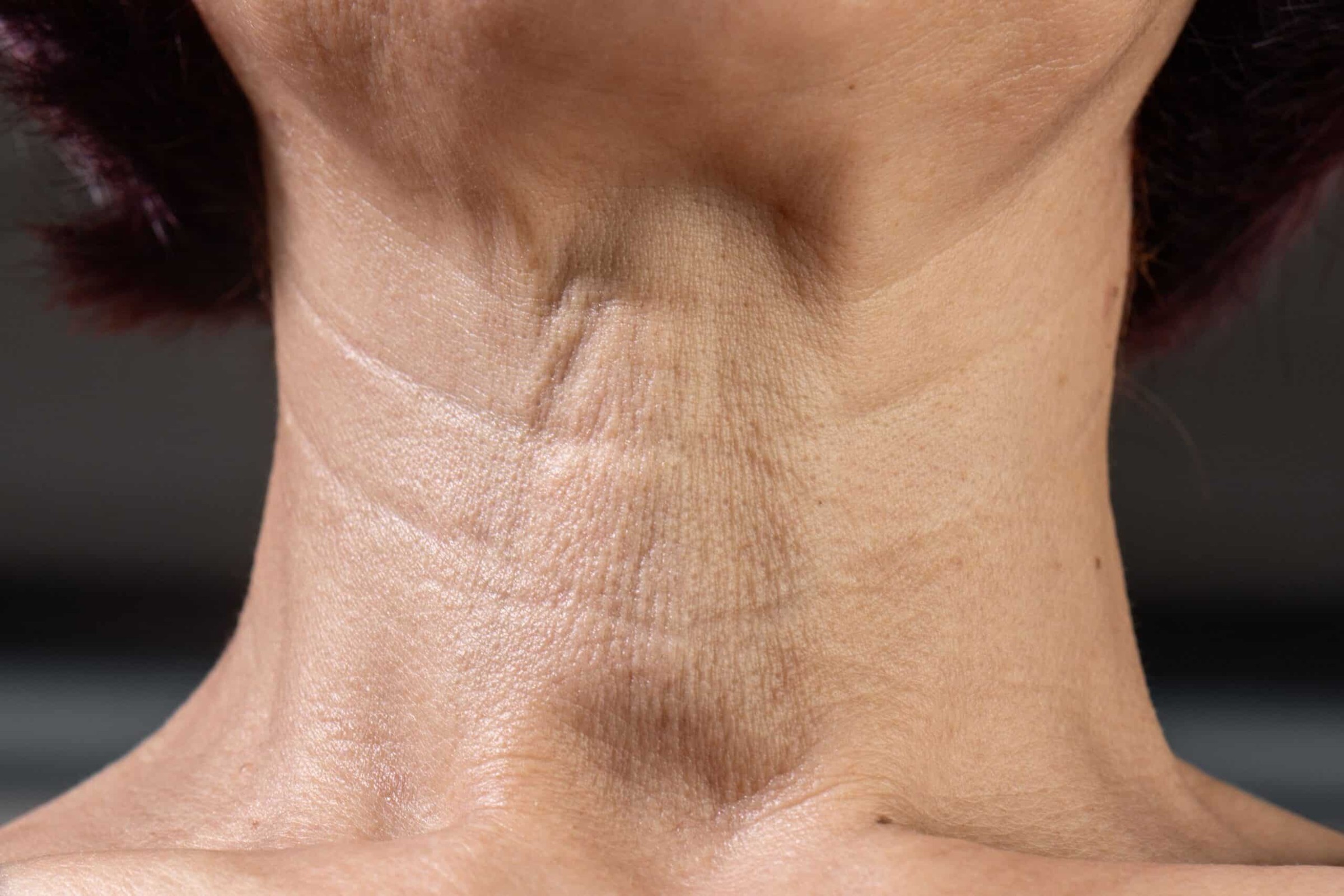
The neck is one of the first places where age quietly shows up, often before the face. Most skincare and treatments are aimed squarely at the face, and the neck gets left out more often than not. The problem is that neck skin is built differently from facial skin, so when it is neglected, sagging and lines tend to appear sooner and more visibly.
Neck aging is not something that comes from a single cause. Thinning skin, muscle bands becoming more visible, and horizontal lines etched in by repeated movement all happen at the same time and layer on top of each other. Let's break down why the neck is so vulnerable, one piece at a time.
Why does neck skin sag before the face?
Facial skin and neck skin are different from the start, and thickness is the first difference. The skin on the neck is thinner than facial skin, and it has fewer oil glands (the small glands that supply oil to the skin). Fewer oil glands means a thinner layer of natural oil on the surface, which in turn means less ability to hold on to moisture.
On top of that, the fat layer and muscle layer under neck skin are also thinner than on the face. The face has bone structures underneath, like the cheekbones and jaw, to support it, but the neck has far less of that kind of firm scaffolding, so skin and muscle bear the full pull of gravity directly. That is often why the loss of collagen and elastin (the protein fibers that give skin its firmness and ability to bounce back) feels faster on the neck than on the face.
Sun exposure adds to the problem as well. The neck is sometimes covered by a shirt collar or a scarf, but in summer, when V-necks or round necks are common, it gets just as much sun as the face does. UV rays activate MMPs (matrix metalloproteinases, enzymes that break down old or damaged collagen), and because sunscreen is applied to the neck less consistently than to the face, these enzymes tend to stay active there for longer.
Why do vertical bands form on the neck?
The two vertical lines that show up on the neck come from changes in the platysma (a thin, broad muscle that stretches from under the jaw down to the collarbone). When we are young, this muscle stays taut, which keeps the surface looking smooth.
As we age, though, the muscle itself thins out and loses its tone, and the two muscle bundles start to stand out on their own, showing up as vertical lines. This is commonly called platysma banding. It works something like two taut rubber bands going slack: once they loosen, each one moves independently. Talking or making facial expressions makes the bands more noticeable for the same reason, since each contraction moves the two loosened bundles separately.
Fat loss or shifting under the neck plays a role too. Fat used to sit over the muscle and act as a cushion, and as it decreases, the outline of the muscle underneath becomes more visible through the skin.
Why do horizontal neck lines form?
Unlike vertical bands, horizontal lines come from repeated movement. Looking down at a phone or computer screen for long stretches folds neck skin at the same spot every time. Skin has a way of remembering where it folds, and the more that fold repeats, the more the collagen at that spot weakens, letting a line settle in.
Pillow height and sleeping posture matter too. Sleeping for hours with the neck bent at a sharp angle keeps pressing and folding the skin in the same place, which helps set a line in permanently. That said, horizontal lines do not disappear just by changing posture, since the timing and degree also depend on a person's underlying skin thickness and collagen density.
What speeds up neck sagging?
More than one thing speeds up neck sagging, and these are commonly cited as working together.
- Sun exposure: Activates the enzymes that break down collagen, so the longer the neck goes unprotected, the sooner sagging shows up.
- Smoking: Substances in cigarette smoke constrict blood vessels, cutting the supply of oxygen and nutrients to the skin, and also slow down fibroblasts (the skin cells that produce collagen).
- Rapid weight change: When weight drops quickly, skin cannot shrink fast enough to match, leaving loose skin behind.
- Posture habits: Looking down at a phone for long periods repeatedly tenses the neck muscles, creating both lines and sagging at the same fold point.
How does Botox work on neck bands?
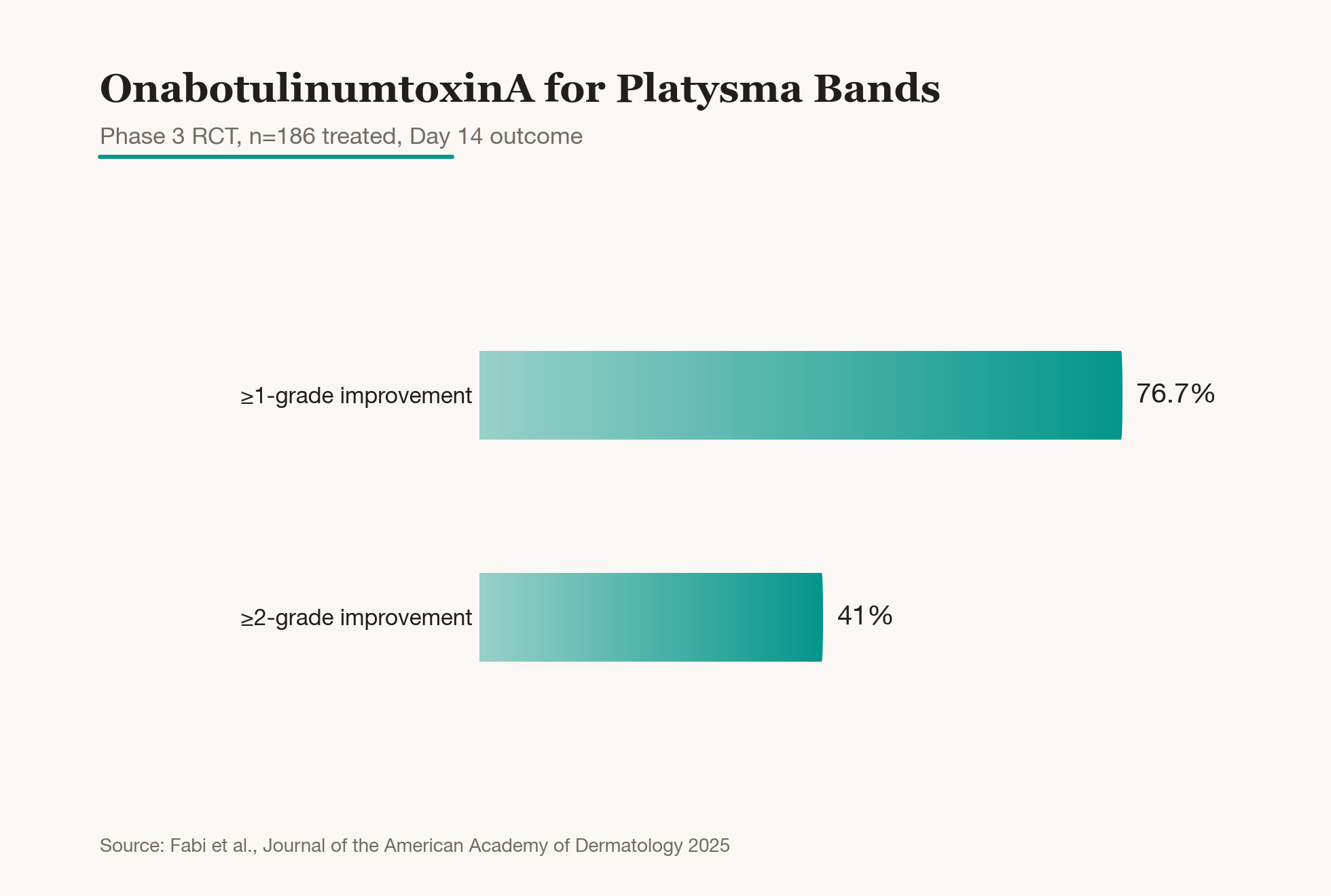
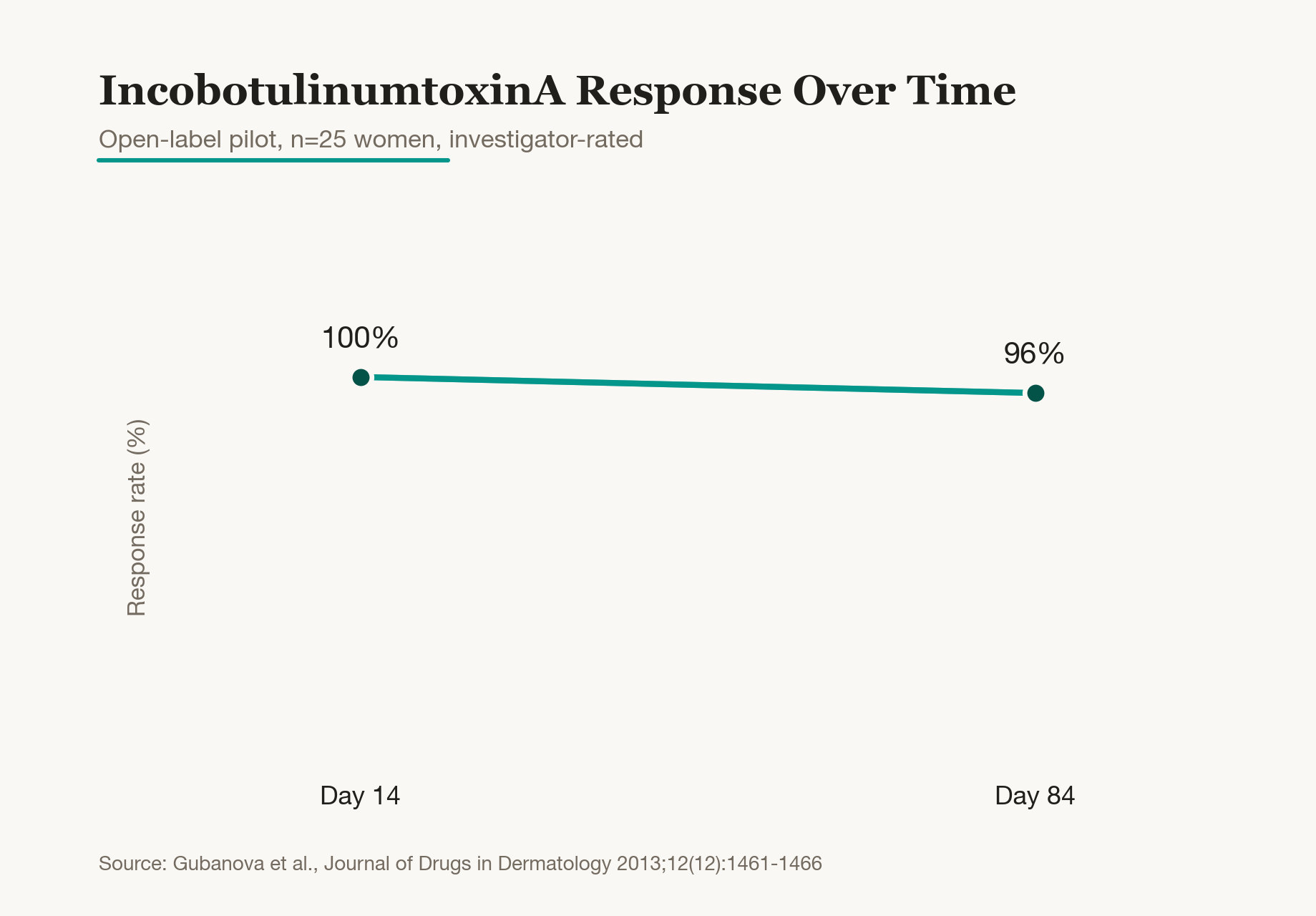
When platysma bands are pronounced, Botox is often injected in small amounts across the muscle that forms the bands. Botox temporarily blocks the nerve signals that trigger muscle movement, which reduces how forcefully the muscle contracts.
Since the bands stand out because of overactive muscle contraction, dialing down that contraction is what makes the bands look smoother. Results usually appear within a few days to two weeks after treatment and are reported to last around three to four months. Because this works by reducing muscle strength, though, it does not address the skin's own firmness or sagging.
How is neck lifting different from the face?
Lifting treatments like thread lifts or RF (radiofrequency, a heat-based technology that stimulates tissue) are also used on the neck, but under different conditions than on the face. Because skin and the tissue beneath it are thinner on the neck, radiofrequency treatments that use heat are often done at lower settings and split into more sessions than on the face. With thinner tissue, too much heat can lead to burns or uneven results.
Thread lifts work similarly: the fat layer where the threads sit is thinner on the neck, so the angle and depth of insertion need to be adjusted more carefully. The underlying mechanism, though, is the same as on the face. The physical lifting effect of the threads pulling on tissue, and the collagen remodeling effect as the threads dissolve, both kick in over time, one after the other. Recovery is generally reported to run from four to twelve weeks, and how long results last varies from six to twelve months depending on the type of treatment and the individual.
Habits that slow sagging without a procedure
Even without treatment, there are ways to slow the pace of sagging and lines. The following habits are commonly recommended and genuinely help.
- Apply sunscreen down to the neck: Skipping the neck while covering the face lets collagen-degrading stress build up unchecked on the neck alone.
- Use retinol (a vitamin A derivative that supports collagen production) or peptides (small protein fragments that help stimulate collagen): Consistent use is known to help slow the pace of thinning somewhat.
- Hold the phone at eye level: Looking down less often reduces how frequently the same spot gets folded into a line.
- Adjust pillow height: Using a height that keeps the neck from bending sharply reduces the pressing and folding that happens overnight.
These habits will not erase bands or lines that have already formed, but they consistently help slow down how fast new sagging accumulates. The neck is a spot where a lapse in care shows up faster than on the face, but by the same token, sticking to even one small habit tends to show a visible difference.
References
Korean Dermatological Association, American Academy of Dermatology (AAD), and Ministry of Food and Drug Safety (MFDS).
Was this helpful?
About this article
Written by a practising aesthetic physician and intended for general education — not a substitute for individual medical advice.
Read next
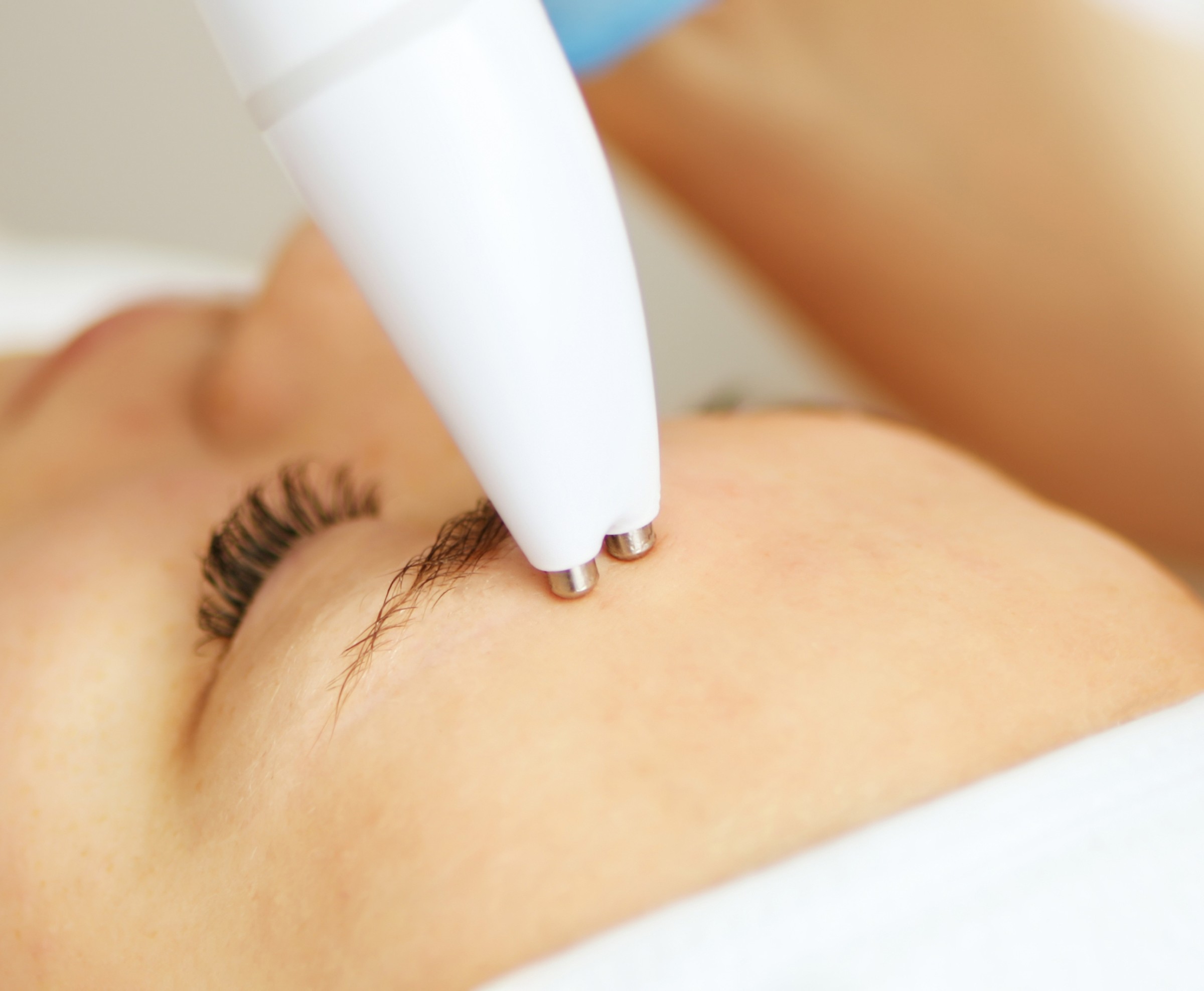
Eye Area Lifting: Why Is It Done Much Shallower Than Face Lifting?
Eyelid skin is a completely different thickness than the skin on your cheeks or jaw. Here's why the same lifting device has to be dialed down and kept shallow around the eyes, and how sagging eyelids actually tighten back up, explained from the ground up.
By Dr. Kim

Décolleté Aging: Causes, Care, Laser Treatment and Recovery Time
The décolleté has fewer oil glands and thinner skin than the face, so it takes UV damage harder and shows it sooner. Here's how collagen and elastic fibers break down first, why fine lines, discoloration, and broken capillaries settle in, and the sunscreen-to-retinoid-to-treatment routine that actually helps.
By Dr. Kim

Keloid Scar Causes and Treatment, Including Recurrence and Management
A keloid is a scar that keeps piling up collagen even after the wound has fully healed, growing larger than the injury that started it. Here's why the collagen never seems to know when to stop, how a keloid differs from an ordinary scar, how injections and laser treatments work to calm it down, and why it tends to come back so often.
By Dr. Lee