Blue Rose Forte Thread Lift: How It Works, Duration and Aftercare
By Dr. Kim7 min read
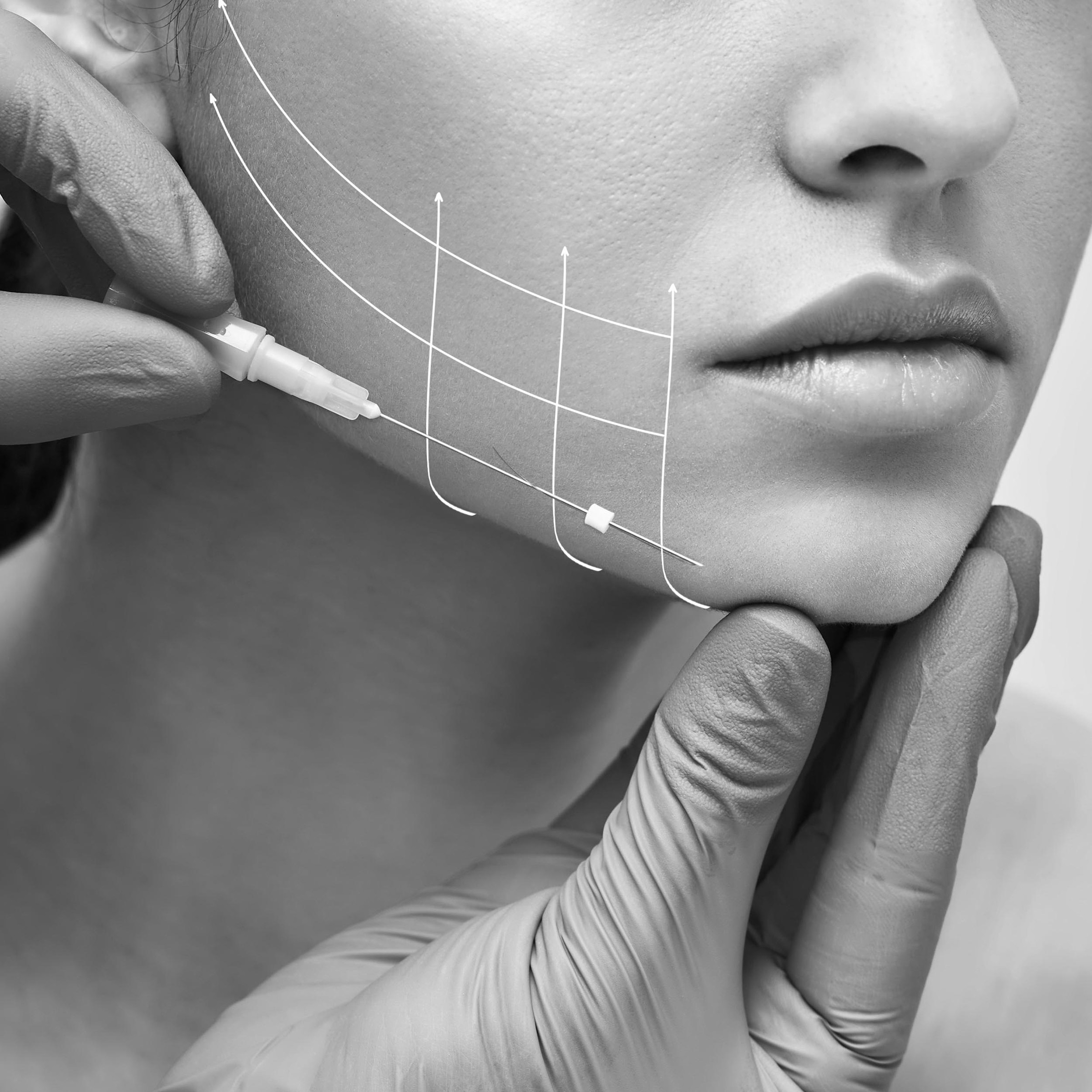
Blue Rose Forte belongs to a family of lifting threads covered in tiny barbs, or cogs, running along the entire surface. People often call it a "rose thorn" thread because of how it looks, but that shape isn't just for show. It has a direct effect on how firmly the thread grips tissue. Here's why, step by step.
The thread is made of PDO (polydioxanone), a material that has been used in surgical sutures for decades and dissolves naturally inside the body. That means two things happen at once: a pulling force and a collagen-building force. The pulling force is noticeable right after treatment, while the collagen effect builds slowly over several months.
What is the structure of the Blue Rose Forte cog thread?
The surface of the thread is lined with fine barbs facing every direction across a full 360 degrees. Older threads worked more like a fishhook barb, catching tissue in only one direction. This thread's cogs are arranged so they grip tissue no matter which angle you pull from.
The spacing between each cog is also tighter than in earlier Blue Rose threads. Closer spacing means more grip points per unit of length, so the same length of thread can spread out the pulling force more evenly. It's a bit like hanging a picture frame with several nails instead of one. Weight distributed across more points is less likely to pull unevenly to one side.
When each individual cog carries less load, there's less risk of tissue tearing or the thread slipping at any single point. So a denser cog pattern isn't really about gripping harder. It's about spreading that grip out evenly so it holds steady.
How does the thread lift the face?
When the thread is placed under the skin in the fat layer and pulled, the cogs catch surrounding tissue and carry it along as the thread moves. Because this thread has cogs on both sides, it grabs tissue above and below at the same time, all along the path it travels.
That gives it more surface area to work with than a thread with cogs on only one side, which helps sagging cheek tissue or jawline contours settle into a firmer position. The reason the face looks more defined right after treatment comes down to this physical grip and pull.
What changed from the original Blue Rose?
Forte is an upgraded version of the earlier Blue Rose line. By tightening the cog spacing and adding cogs on both sides, it improved two things at once: tensile strength, meaning how well the thread resists snapping, and holding power, meaning how well it grips tissue.
A thread that resists breaking is easier and more stable to work with during treatment, and stronger holding power means the lifted tissue stays in place longer. That's why the same number of threads is generally understood to hold tissue more firmly with Forte. That said, the material itself is still PDO, so the dissolving speed and the way it triggers collagen aren't fundamentally different from other PDO threads.
In short, what changed with Forte isn't the raw material. It's how the surface of that material was shaped. Even with the same PDO base, changing the direction and spacing of the cogs changes how the thread grips tissue, so the holding power you feel can vary between generations of the same PDO thread.
How does collagen form when the thread dissolves?
PDO breaks down gradually inside the body through moisture and enzyme activity, eventually turning into water and carbon dioxide. The body treats the thread as a foreign material and mounts a small healing response along the path it took.
During this process, fibroblasts (the cells in skin responsible for making collagen) migrate to the area and start weaving new collagen fibers. It's a bit like what happens when a splinter gets lodged under your skin: the area turns slightly red and swells as your body switches on its natural repair response. Along a thread's path, that same reaction happens, just at a much milder, quieter level.
This is where the cog structure comes into play again. The denser the cogs, the larger the surface area where the thread makes contact with tissue, which means more points where the body's repair response kicks in. So the tighter cog spacing isn't only about grip. It also plays a role in expanding the areas where new collagen forms.
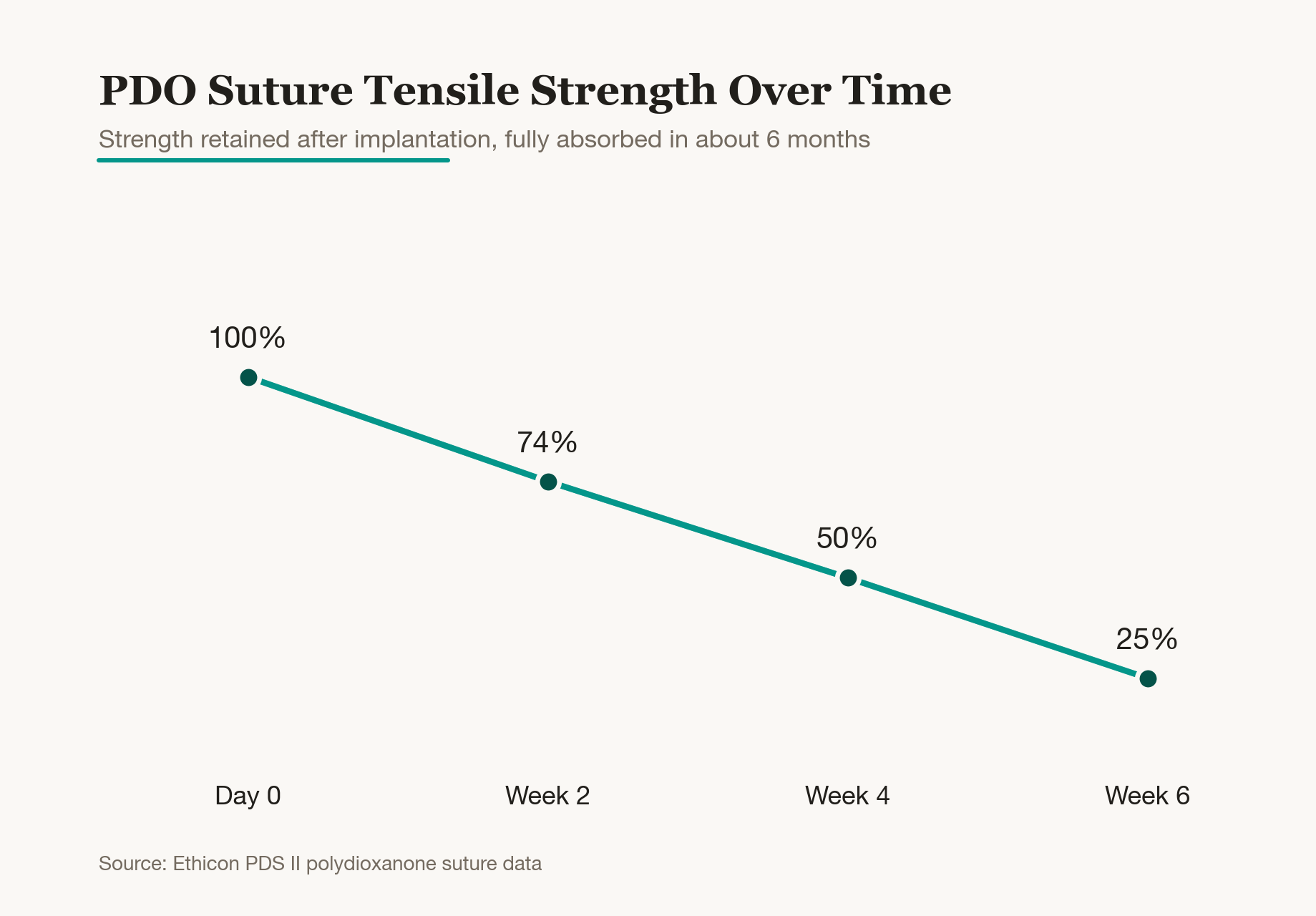
Studies that confirmed increased collagen
Several studies using animal models and tissue biopsies have reported increased collagen fiber density in the dermis at sites where PDO threads were inserted. Some have also reported new blood vessels forming alongside new collagen fibers around the thread.
Researchers describe this as a process where enzymes that break down old collagen and processes that build new collagen work side by side, gradually remodeling the tissue. That said, how strongly this response occurs can vary from person to person depending on age, skin condition, and the number and depth of threads inserted, so it's hard to pin down as a single percentage.
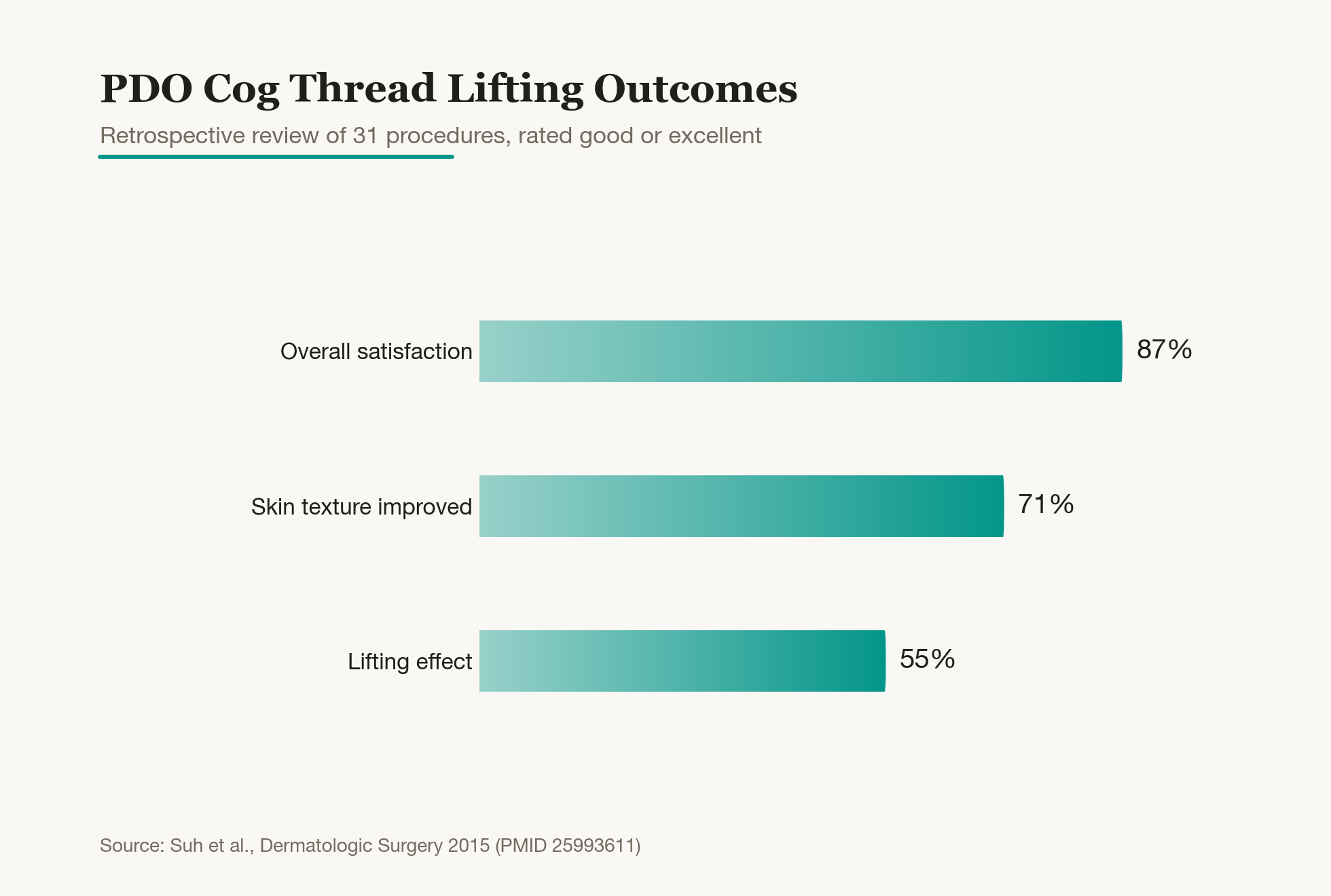
How long do the effects last?
How long the effects of Blue Rose Forte last isn't decided by any single factor. A number of elements are known to work together.
- Number and thickness of threads: More and thicker threads mean a stronger pulling force and a larger area where collagen forms, both of which tend to make results last longer. That's because a wider range of tissue ends up being stimulated.
- Insertion depth and direction: When the grip points align well with the direction your face naturally moves, the cogs stay in place longer. If they're placed at odds with how you chew or smile, the grip loosens faster.
- Individual skin aging speed: Sun exposure, smoking, and your body's natural collagen-making ability all affect how long newly formed collagen sticks around. Collagen is still a protein, and like any protein, it eventually breaks down again over time.
- Aftercare: Rough massage or heavy pressure during early recovery can shift threads and tissue before they've had a chance to settle. If physical pressure is applied before tissue has stabilized, the thread's grip can loosen more easily.
PDO threads in general are often reported to last anywhere from several months to around a year, but for the reasons above, the range varies widely from person to person.
Aftercare following treatment
The core of aftercare is simple: don't interrupt the collagen-building process. In the first few days after treatment, it's best to avoid heat-heavy places like saunas or steam rooms. Heat can cause tissue to swell and loosen, which may shift threads that haven't settled into place yet.
It's also worth avoiding vigorous rubbing or pressure on the face for a few days. If a thread gets pushed before it settles, its position can shift. Early swelling and bruising usually fade on their own over time, and recovery speed varies from person to person.
Sun protection is known to help slow down how quickly collagen breaks back down, so it's worth keeping up regardless of whether you've had a thread treatment.
This aftercare window overlaps with the months it takes for the thread to settle and for collagen to gradually build up. So rather than being careful just for the first few days and then letting your guard down, keeping up habits that reduce strain throughout the recovery period helps protect both the thread's grip and the new collagen it's helping to build.
References
Korean Dermatological Association, American Academy of Dermatology (AAD), and Ministry of Food and Drug Safety (MFDS).
Was this helpful?
About this article
Written by a practising aesthetic physician and intended for general education — not a substitute for individual medical advice.
Read next
Ultracol PDO Effect and Duration, Including Differences From Lifting Threads
Ultracol isn't a thread lift. It's a skin booster made by grinding PDO into microscopic particles, suspending them in liquid, and injecting them to trigger new collagen. Here's how the particles work as they break down, where they're placed, what determines how long results last, and how to care for your skin afterward.
By Dr. Lee
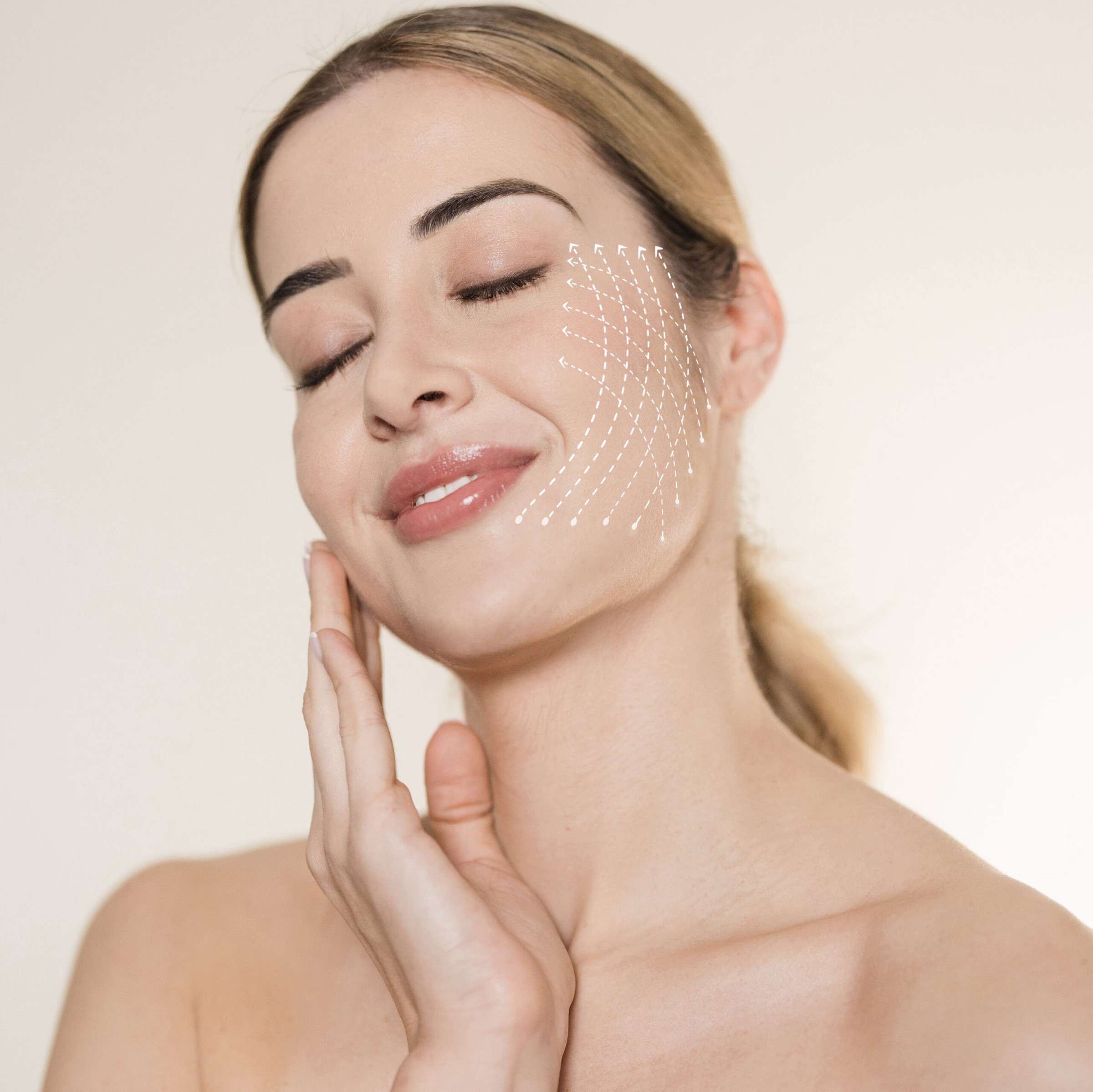
Thread Lift Effect: Does the Face Sag Again When the Threads Dissolve?
A thread lift works through two combined effects: the physical pull of threads catching tissue, and the chemical effect of collagen production triggered as those threads dissolve. Here's how the two mechanisms unfold on different timelines, and what determines how long the results last.
By Dr. Lee
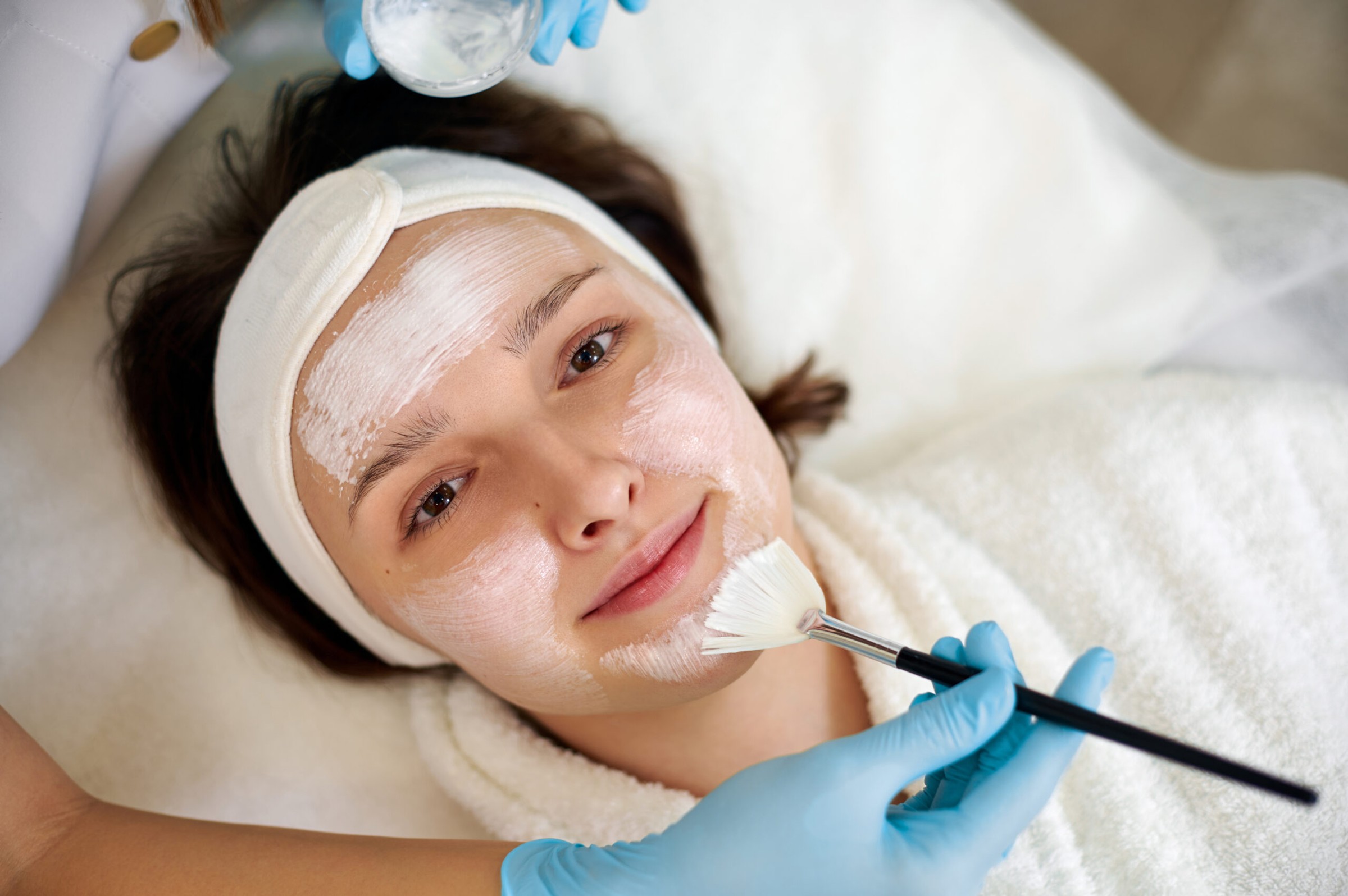
FCR Peeling Effects: Is It Okay for Sensitive Skin?
FCR peeling is a physical peel that works by massaging tiny needle-shaped crystals from coral into the skin to clear away dead skin and sebum together. Because it stimulates the skin differently than acid-based chemical peels, it tends to be more comfortable to try even on sensitive or acne-prone skin. Here's how it works and how to care for your skin afterward.
By Dr. Kim