Ultracol PDO Effect and Duration, Including Differences From Lifting Threads
By Dr. Lee9 min read
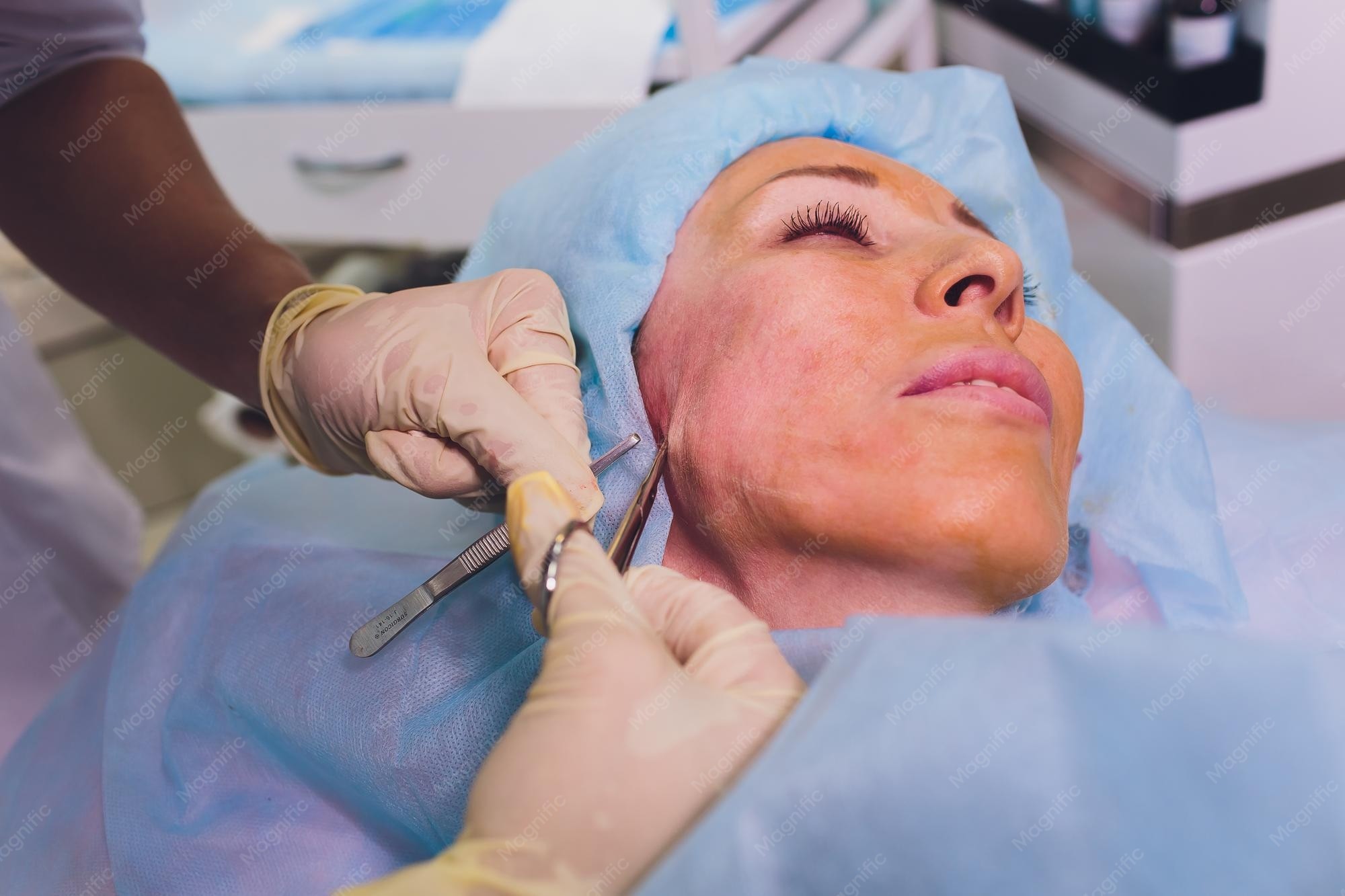
That feeling where your face isn't exactly sagging, but the skin itself seems thinner and looser than it used to be. Most people run into this at some point. And when that's the real complaint, an approach that rebuilds the skin from within often makes more sense than one that simply pulls and lifts.
Ultracol comes up a lot in that conversation. It's a skin booster built from PDO (polydioxanone, a medical-grade material that the body slowly breaks down over time). The name makes it easy to confuse with thread lifts, but it isn't a thread procedure at all. PDO is ground into extremely fine powder particles, suspended in a solution, and injected into the skin with a thin needle.
Think of it less as a treatment that erases one specific wrinkle and more as one that rebuilds the skin's underlying strength. Because of that, both how the results show up and who tends to be a good candidate look quite different from a thread lift.
What Kind of Treatment Is Ultracol PDO?
Ultracol uses the same raw material as PDO threads, but instead of being spun into thread form, it's milled down into ultra-fine particles, essentially a powder. Each particle is so much smaller than a strand of hair that it's practically invisible.
That powder gets mixed into saline or a hyaluronic acid solution until it forms a thick liquid, which is then injected into multiple points across the skin with a fine needle. It's not a cannula procedure (a cannula is a thin, blunt-tipped tube designed to glide through tissue with minimal trauma, the kind used to thread a lift into place). It's closer in spirit to a skin booster or a hydrating injectable, and thinking of it that way makes the whole concept easier to picture.
PDO itself has a long history as an absorbable suture material used to close surgical wounds. Because it's been used inside the body for decades, there's a solid safety track record behind it, and that history is part of why it eventually found its way into aesthetic injectables.
There's also a real reason it's broken down into powder rather than kept as a single strand. Many small particles spread evenly across a wide area stimulate more tissue than one thick thread ever could, and a larger stimulated area generally means more new collagen produced overall.
How Is It Different From Lifting Threads?
A classic thread lift uses a thin strand covered in tiny hook-like barbs, called cogs, set closely along its length. Like the barb on a fishhook, they catch in one direction only, so when the thread is pulled, it drags the surrounding tissue up with it. That's why a thread lift can show a visibly tighter jawline the moment the procedure ends.
Ultracol works completely differently. Since it's a powder suspended in liquid rather than a strand, there are no cogs and no pulling force involved at all. Instead of anchoring a thread under the skin, it plants particles at many points and lets the body's own healing response do the work.
So there's essentially no immediate tightening sensation right after the injection. What happens instead is a healing response building up around each particle over time, with collagen gradually filling in as weeks pass.
Put simply, a thread lift's whole mechanism is mechanical, a thread gripping tissue and pulling it up. Ultracol's mechanism is biological, particles scattered through the skin triggering a response that fills it with collagen. The names sound similar, but the procedures and what happens inside the skin are two different things entirely.
How Is Collagen Produced?
Collagen (the structural protein that holds up skin from beneath, like scaffolding) is produced in smaller amounts as we age. At the same time, MMP (matrix metalloproteinase, an enzyme that works like scissors, cutting collagen apart) tends to become more active. So the scaffolding shrinks while the scissors get busier, and the result is skin that gradually thins and loosens.
The body reads PDO particles as a foreign material. Around each particle, a small inflammatory and healing response kicks in, much like what happens at the site of a wound, and that draws fibroblasts (the skin cells responsible for building collagen) to the area. Once fibroblasts become active, reports suggest new blood vessels start forming alongside the new collagen.
A helpful way to picture it: the powder itself isn't collagen. It's closer to a seed planted at each injection point that tells the body to grow new tissue on its own. That's also why results build gradually over four to twelve weeks rather than appearing right away.
Going a layer deeper, as the particles slowly break down, the minor irritation they release draws in macrophages (immune cells that act as the body's cleanup crew), and macrophages in turn send the signal that wakes fibroblasts up. It's the same basic principle as a scab forming while new skin grows underneath. The difference is there's no visible scarring involved, just a very subtle healing response quietly playing out wherever the particles were placed.
Injection Depth and Treatment Method
Ultracol is injected between the lower dermis and the upper subcutaneous fat, roughly the boundary where the skin's true inner layer meets the fat beneath it. That depth is where fibroblasts respond best. Too shallow and the particles can clump or become palpable under the skin; too deep and the stimulation loses its effect.
The technique itself involves tapping a fine needle into many points across the skin's surface. Rather than a single injection in one spot, it's placed in a tight grid pattern across multiple points so the stimulation spreads evenly. If you've had a hydrating injectable or a skin booster before, the sensation is fairly similar.
It's typically used on the cheeks, around the nasolabial folds, under the eyes, and on the forehead, areas where thinning and loss of elasticity tend to show up first. That's a notable contrast to thread lifts, which are usually aimed at the jawline or neck, where visible sagging is the main concern.
Since no thread is being inserted, there's no need for a cannula entry point either. The needle simply goes straight into each target spot, which actually makes the procedure itself fairly straightforward.
How Long Does It Take, and How Painful Is It?
Once you're actually booked in, the practical questions tend to matter more: how much it hurts and how long it takes.
A numbing cream is applied to the area beforehand to dull sensation. With that in place, most people describe what they feel during the injections as a light stinging, nothing more.
Treatment time depends on how much area is covered and how many injection points are used, but it typically wraps up in 20 to 40 minutes. Including numbing time, the total time spent at the clinic runs a bit longer than that.
Right after treatment, some swelling, light bruising, and tiny needle marks can show up along the injected areas. Because the particles are placed at many separate points, there tend to be slightly more visible needle marks than with a single-thread cannula procedure, though they usually settle fairly quickly. How much shows up varies from person to person, depending on things like blood vessel position and skin condition.
What Determines How Long the Effect Lasts?
There's no single answer to how long Ultracol's effects hold up. A few factors are reported to play into it together.
- Amount and density of particles injected: A denser, more thorough application stimulates a wider area, which tends to mean more collagen produced overall.
- How fast the particles break down: PDO is generally absorbed over roughly six months, and the longer that stimulation continues, the more time collagen has to build up.
- Individual collagen-building capacity: Age, skin condition, and how active a person's fibroblasts naturally are can all lead to different results from the same procedure.
- Sun exposure and lifestyle: UV exposure is known to ramp up MMP activity, the enzyme that breaks collagen down, which affects how long newly built collagen sticks around.
- Movement at the treated area: Areas with a lot of expression-driven movement, like around the eyes or mouth, get extra stimulation during the first two to four weeks while the particles are settling in. That can shift how quickly recovery happens and when results start to show, compared with areas that move less.
Most reports point to effects lasting somewhere between six months and a year, though the factors above mean the timeline people actually experience varies from person to person.
Aftercare and Precautions
The whole point of aftercare here is not getting in the way of the collagen-building process.
- For the first two weeks after treatment, it's best to avoid rubbing or pressing firmly on the face. If the particles get pushed around before they've settled in, swelling can linger longer or bunch up unevenly on one side.
- Saunas and hot compresses are worth skipping for about a week. Heat can disrupt the healing response while it's still just getting started.
- For one to two weeks after treatment, try not to sleep face-down or with the treated area pressed into a pillow. Sustained pressure on one side before the particles settle can extend swelling or bruising.
- Sun protection matters throughout recovery and beyond. Since UV exposure raises MMP activity, the enzyme responsible for breaking collagen down, consistent sunscreen use helps slow the loss of the collagen you just built.
Early swelling or bruising usually settles within three to seven days, though recovery speed varies by individual.
Which Skin Types Does It Suit?
Ultracol is generally described as a better fit for people whose main concern is overall thinning and loss of elasticity, rather than someone looking for an immediate jawline lift. It's also used for localized concerns like fine lines around the eyes, hollowing in the cheeks, or volume and firmness loss around the nasolabial folds.
Some people combine it with a thread lift. The cog thread handles the immediate, visible line, while an injectable like Ultracol works underneath it, gradually building up the skin's own elasticity over time.
On the other hand, if the main concern is visible sagging around the jawline or neck and you want a change you can see right away, a cog thread lift is usually considered first over Ultracol. The two procedures are built for different goals, so it helps to first figure out whether your main concern is sagging or thinning and loss of firmness.
That said, the treatment area, dosage, and number of sessions all depend on individual skin condition, so getting your skin thickness and degree of sagging properly assessed in a consultation first is the safest way to start.
References
Korean Dermatological Association, Ministry of Food and Drug Safety (MFDS), American Academy of Dermatology (AAD), and U.S. Food and Drug Administration (FDA).
Was this helpful?
About this article
Written by a practising aesthetic physician and intended for general education — not a substitute for individual medical advice.
Read next
Thread Lift Effect: Does the Face Sag Again When the Threads Dissolve?
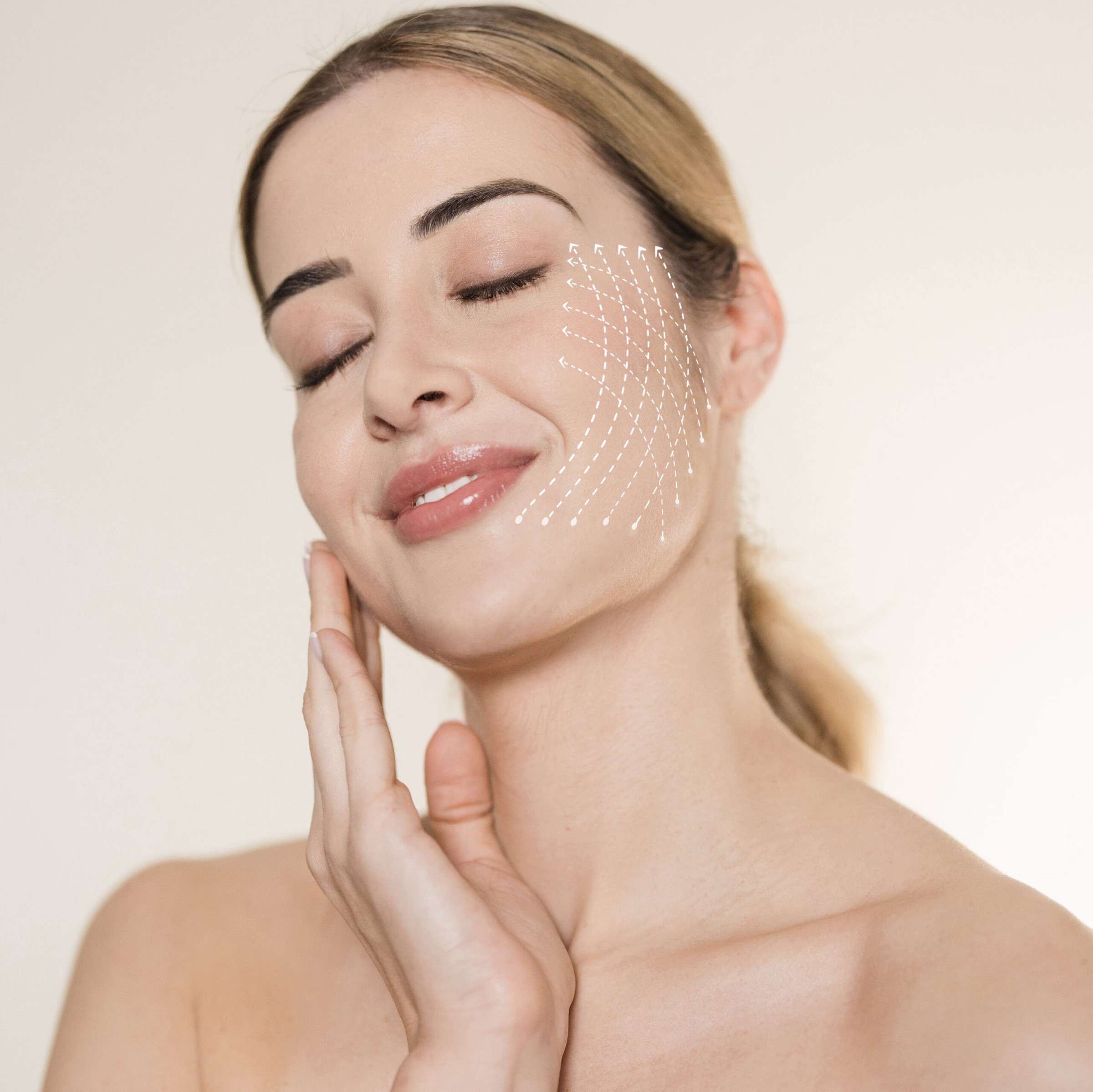
A thread lift works through two combined effects: the physical pull of threads catching tissue, and the chemical effect of collagen production triggered as those threads dissolve. Here's how the two mechanisms unfold on different timelines, and what determines how long the results last.
By Dr. Lee
Collaum PDO Threads and Cog Threads: Differences and Collagen Effects Compared
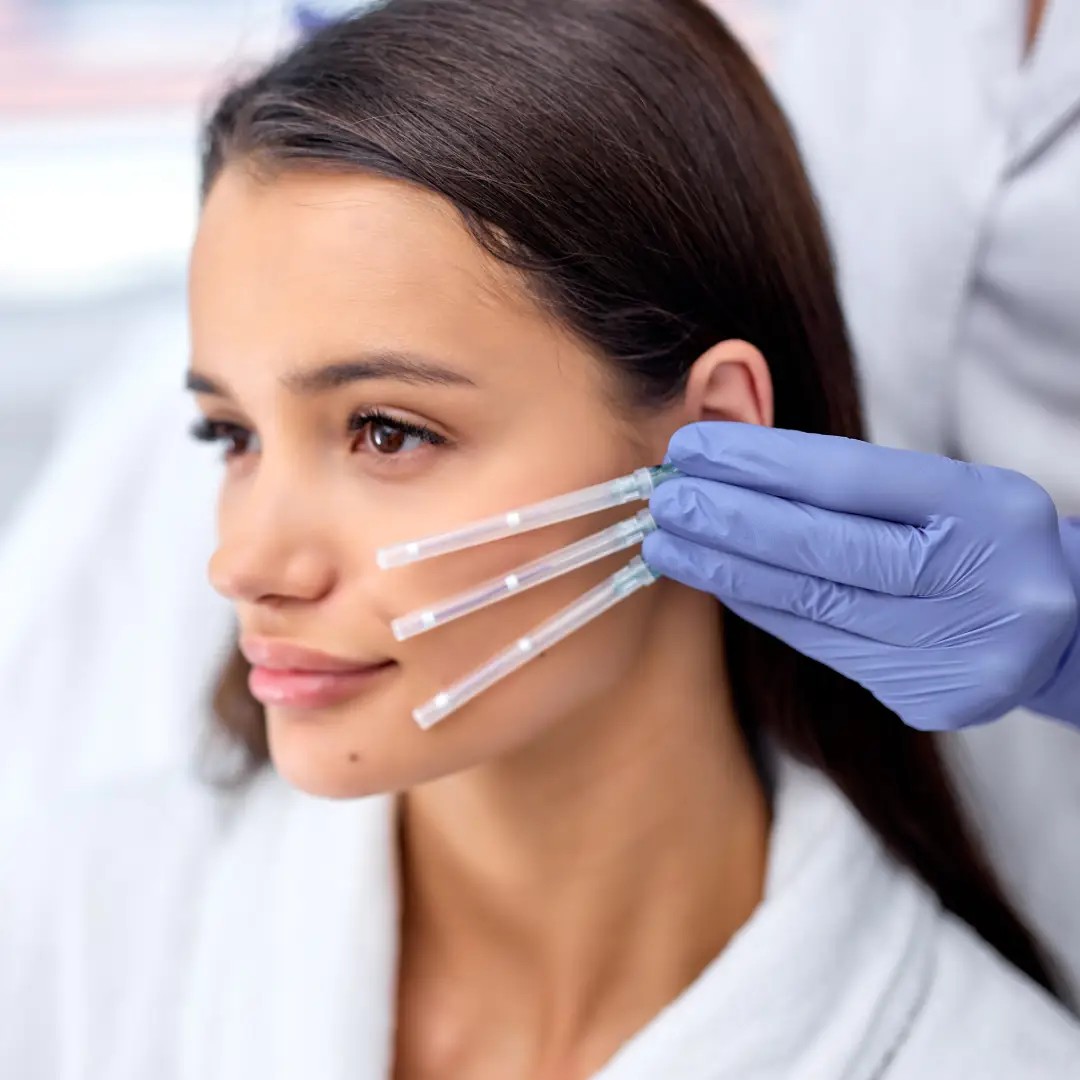
Instead of pulling hard with thick threads, Collaum works by placing many fine PDO threads close together to trigger collagen production. Each thread does very little on its own, but as a bundle they cover a wide stretch of skin. Here is how the collagen actually gets built, and which skin types respond best.
By Dr. Kim

Skinaura Booster: Effect, Duration and Aftercare
Skinaura Booster combines a hydrating ingredient with a cell-stimulating one to smooth out skin texture. Here is why texture roughens in the first place, which ingredients reverse it and how, plus what determines how long results last and how to care for your skin afterward.
By Dr. Kim