Thread Lift Effect: Does the Face Sag Again When the Threads Dissolve?
By Dr. Lee8 min read
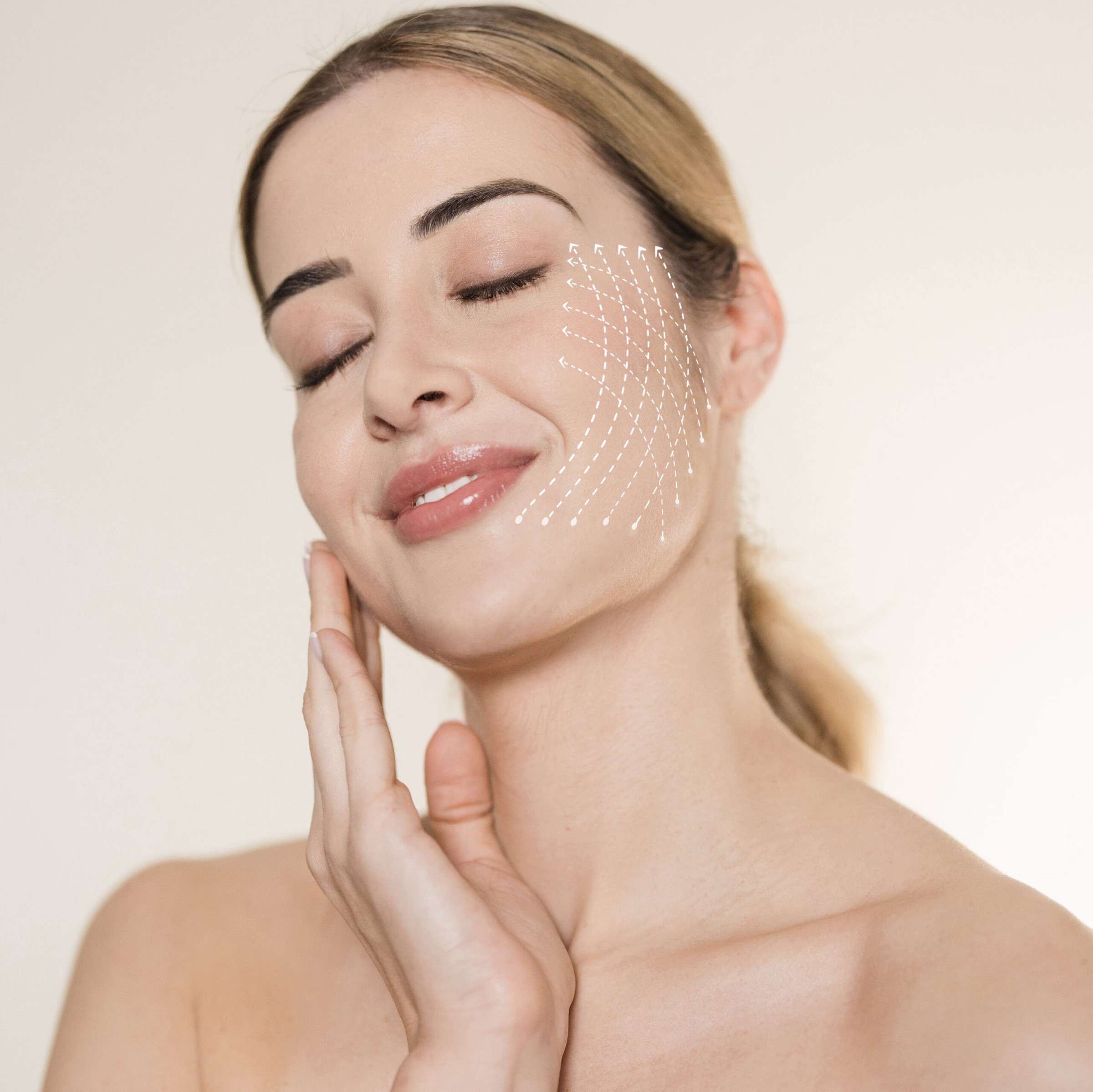
Thread lifts are usually described as "a procedure that uses threads to pull up sagging skin." That's not wrong, but it's only half the picture. If pulling were the whole story, there'd be no way to explain why your jawline doesn't snap right back once the threads have dissolved and disappeared.
What actually happens is two things unfolding on different timelines. Right after the procedure, the threads physically catch and pull the tissue. Then, over the 4 weeks to 6 months that follow, as the threads dissolve, fresh collagen fills in where they used to be. One change is visible right away. The other builds slowly and invisibly underneath. Here's why the threads end up doing double duty, mechanism by mechanism.
How Do Lifting Threads Pull Up the Tissue?
The threads used in thread lifts are covered in tiny, densely spaced hook-shaped barbs. Think of a fishhook's barb: it slides in easily in one direction, but catches and resists coming back out the other way.
When a thread like this is placed in the fat layer under the skin and pulled, the barbs grab onto the surrounding tissue and drag it upward as they go. Along the path a single thread travels, the skin and fascia (the thin membrane wrapping the muscle) get lifted together with it. That's why your jawline looks tighter immediately after the procedure. It's a purely mechanical grip-and-lift.
Say a thread is placed where sagging cheek tissue has blurred the jawline. As the thread runs its course, the loose tissue along that path lifts slightly, and the jawline comes back into focus. It's a bit like pinning back a drooping curtain with a clothespin: the fabric hasn't changed, but gathering it up makes it look neater and higher.
Why Does the Pulling Force Loosen in a Few Weeks?
The grip the barbs have on tissue starts out strong, but it loosens gradually. Your face is a part of the body that moves thousands of times a day, chewing, smiling, talking. With all that movement, the tissue the barbs are holding gradually shifts out of place.
The threads themselves are also made of absorbable material, so they gradually thin out and lose strength over time. As the thread gets thinner, the grip it originally had on the tissue weakens right along with it. It's similar to how an old clothesline gets loose over time and lets the laundry hanging on it sag a bit more each day. So if you're relying on the physical pull alone, the effect is bound to be short. Reports put the duration of the purely mechanical lift at 4 to 8 weeks at most.
The reason the threads thin out is simple: moisture and enzymes in the body gradually wear away at the thread's surface over time. It's much like a sugar cube dropped in water, dissolving from the outside in until it gets smaller and smaller. Because of this, the rate at which the thread thins and the rate at which its grip on tissue weakens move together, almost in lockstep.
How Collagen Forms Where the Thread Dissolved
This is where the second mechanism of thread lifts comes in. Most threads used today are made from synthetic polymers such as PDO (polydioxanone, a medical-grade thread material that breaks down naturally in the body), PLLA (poly-L-lactic acid, which also breaks down while triggering a collagen response), and PCL (polycaprolactone, an absorbable material that breaks down more slowly). All of these gradually degrade in the body into water and carbon dioxide.
The body recognizes the thread as a foreign material. Just as it triggers a healing response to a wound, a small inflammatory and repair response also occurs wherever a thread has passed through. During this repair process, fibroblasts (the skin cells that produce collagen) migrate to the site and build new collagen.
Think of a small splinter lodged in your hand. The area around it turns red and warm as the body automatically switches on a repair response. Something similar happens along the path a thread takes, only at a much milder intensity. To the body, the thread is just as unfamiliar an object, so a natural clean-up-and-rebuild response follows.
A useful comparison: a thread is a bit like a seed. At the moment it's placed, it's just a thin strand, but over time, a new tissue called collagen grows up along that same path. Collagen is a pillar-like protein that supports the skin from underneath, so when new pillars form, the skin gains strength of its own to hold itself up.
Is There Evidence That Collagen Increases?
Several animal studies and tissue analyses have reported increased collagen fiber density in the dermis at sites where absorbable threads were inserted. Other studies have observed new collagen fibers and blood vessels forming around the thread.
The activity of MMPs (matrix metalloproteinases, enzymes that clear away old or damaged collagen) is also known to be regulated during this process. Think of MMPs as scissors trimming away worn-out collagen pillars. While the repair response is underway after thread insertion, this trimming happens alongside the weaving of new collagen, a process described as tissue remodeling, essentially the tissue being rewoven from the ground up.
It's similar to stripping old wallpaper while hanging new paper in the same spot at the same time. Just as the stripping speed and the hanging speed need to roughly match for the wall to end up smooth instead of lumpy, this remodeling process is said to need a balance between the pace of clearing out old material and the pace of building new collagen for the result to look natural.
That said, how strong this response is varies from person to person. Age, skin condition, the number and thickness of the threads used, and how deep they're placed can all change how much collagen actually forms. That's why it's difficult to pin down the long-term effect of a thread lift with a hard number, like "X% improvement."
The Order of the Pulling Effect and the Collagen Effect
From right after the procedure through 2 to 4 weeks out, the physical grip of the barbs is doing most of the work. During this window, swelling and tightness combine to make the jawline look noticeably more defined.
After that, as the thread gradually breaks down, the physical pull weakens, but that's when collagen starts settling into place instead. How long it takes for a thread to fully dissolve varies by material, ranging from 6 months to over 1 year. During that stretch, ongoing collagen production is reported to gradually improve the skin's own elasticity.
In other words, the thread does the lifting directly at first, and collagen takes over to hold things in place later on. One procedure carries two different timelines layered on top of each other.
The reason this order never flips is simple. The thread's physical pull is strongest early on, while it's still thick and intact. Collagen, on the other hand, is something the body builds up slowly through its own repair process, and that takes time. One force rises fast and then fades, while the other starts late and builds gradually. Because of this, the two forces never peak at the same time. They hand off from one to the other in sequence.
Why Does Thread Lift Duration Differ From Person to Person?
No single factor decides how long a thread lift lasts. That's why, for instance, placing 8 or more thick threads densely in multiple directions is generally reported to hold up longer than placing just 2 to 4 thin threads. A number of factors are known to work together here:
- Thread material and thickness: Thicker, more slowly dissolving threads hold their physical pull longer and can extend how long they keep stimulating collagen, simply because their breakdown rate is different.
- Number and depth of threads placed: More threads spread across a wider area are reported to stimulate collagen over a larger area, which tends to make results last longer, since more tissue ends up being stimulated overall.
- Individual skin aging rate and lifestyle: Sun exposure, smoking, and a person's own baseline collagen production capacity all affect how long newly made collagen sticks around, since collagen itself is a protein that eventually breaks down again over time.
- Aftercare: Aggressive massage or heavy pressure can disturb threads and tissue that have only just settled into place, so care during the recovery period is generally advised. If physical stimulation is applied before the tissue has settled, the grip can loosen prematurely.
Reports generally put the average duration of thread lift results at around 1 year, though for the reasons above, the range varies quite a bit from person to person.
Precautions and Care After Treatment
The core of aftercare is simply not interrupting the process of collagen formation.
- Avoiding heat-heavy places like jjimjilbangs or saunas for 1 to 2 weeks right after the procedure is recommended, since heat can make tissue swell and loosen, which can shift threads that haven't settled into place yet.
- Avoiding vigorous rubbing of the face or sleeping in positions that press on it for 2 to 4 weeks after the procedure is also recommended, since threads that get pushed before they've settled can end up out of position.
- Early swelling and bruising are generally described as resolving naturally over time, though recovery speed varies from person to person.
- Sun protection is known to help slow the rate at which collagen breaks back down, so it's worth keeping up consistently regardless of whether you've had a procedure done.
References
Korean Dermatological Association, Ministry of Food and Drug Safety (MFDS), American Academy of Dermatology (AAD), and U.S. Food and Drug Administration (FDA).
Was this helpful?
About this article
Written by a practising aesthetic physician and intended for general education — not a substitute for individual medical advice.
Read next
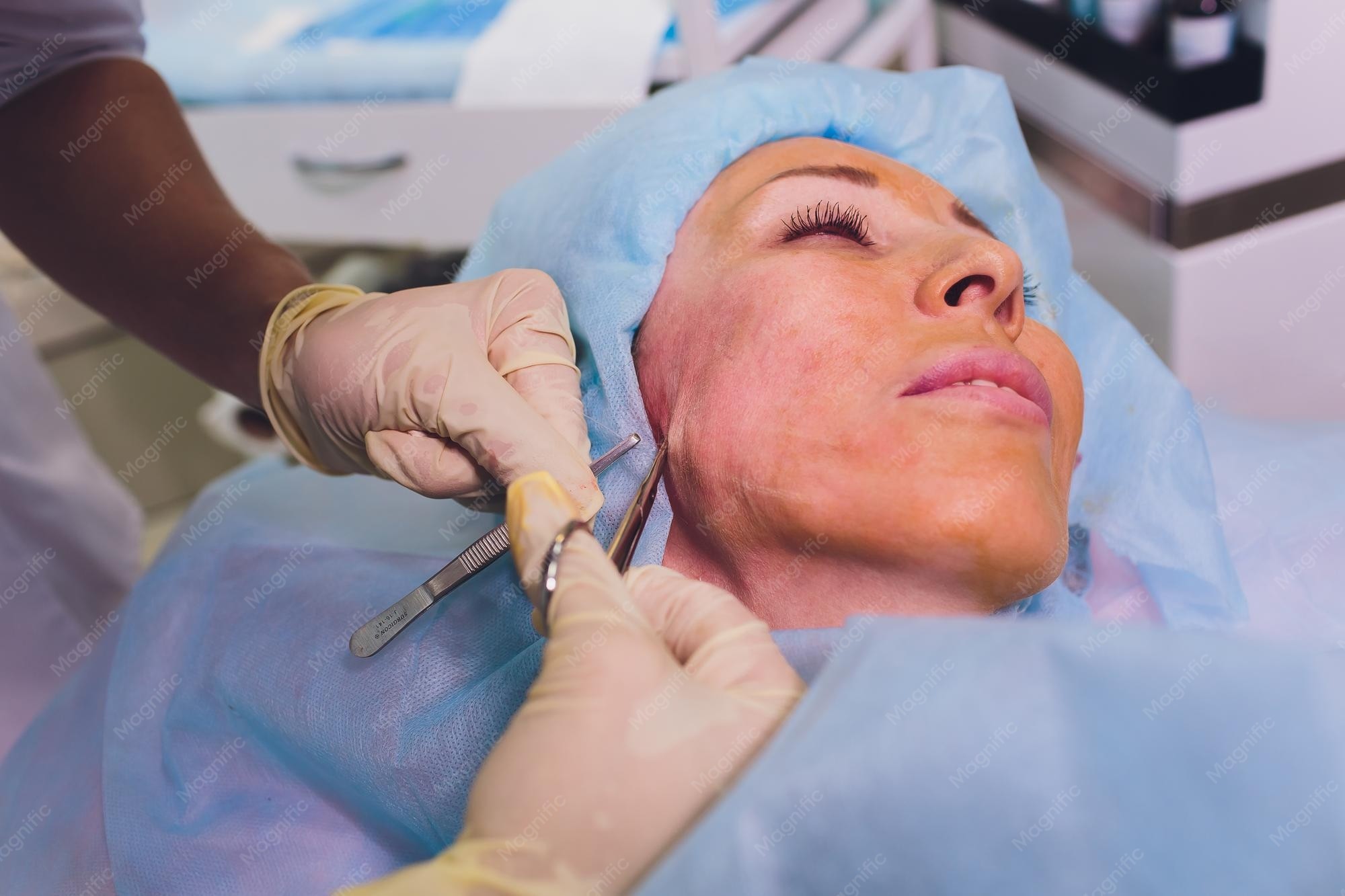
Ultracol PDO Effect and Duration, Including Differences From Lifting Threads
Ultracol isn't a thread lift. It's a skin booster made by grinding PDO into microscopic particles, suspending them in liquid, and injecting them to trigger new collagen. Here's how the particles work as they break down, where they're placed, what determines how long results last, and how to care for your skin afterward.
By Dr. Lee

Collaum PDO Threads and Cog Threads: Differences and Collagen Effects Compared
Instead of pulling hard with thick threads, Collaum works by placing many fine PDO threads close together to trigger collagen production. Each thread does very little on its own, but as a bundle they cover a wide stretch of skin. Here is how the collagen actually gets built, and which skin types respond best.
By Dr. Kim
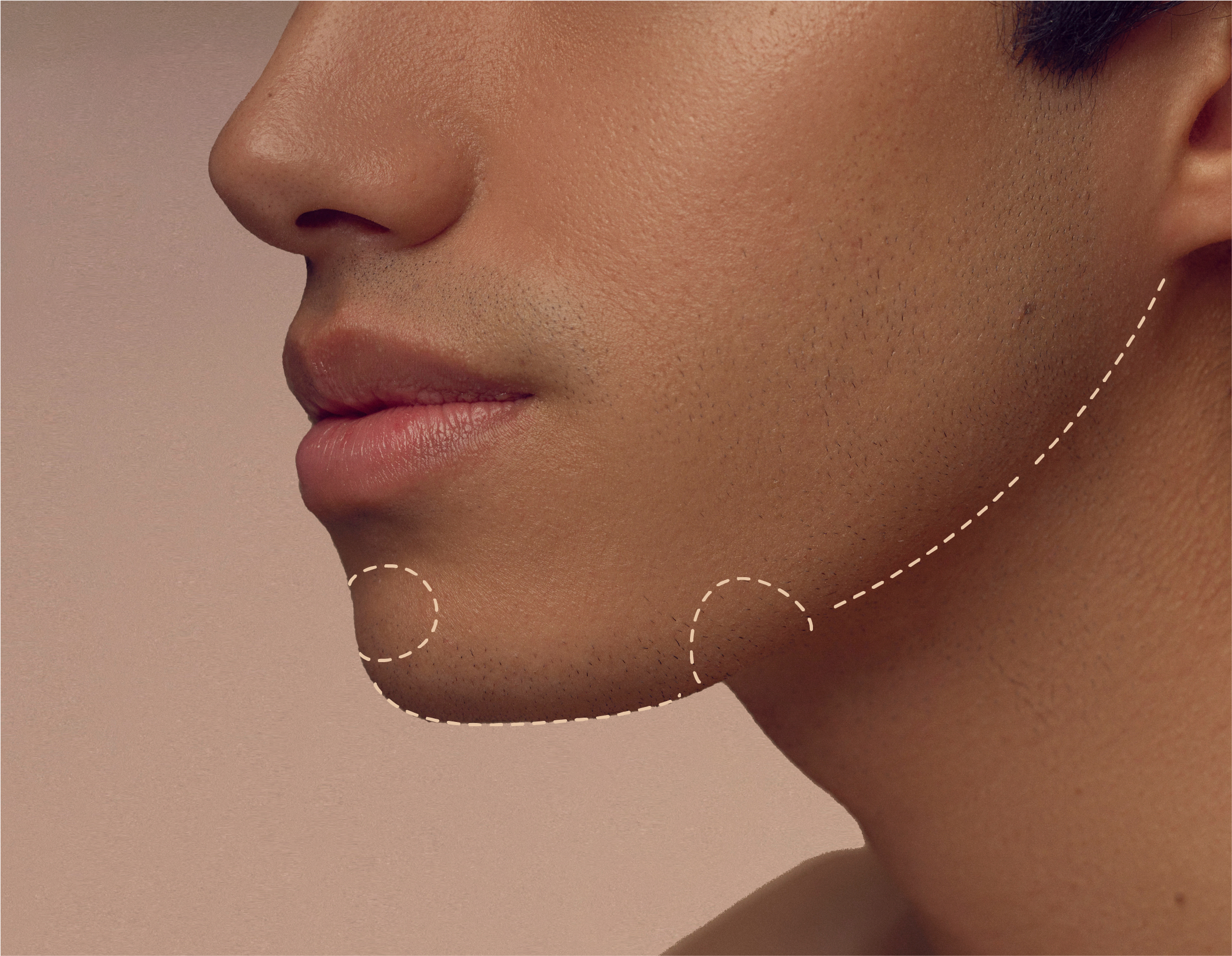
Masseter Botox for a Square Jaw: When Does It Start Working and How Long Does It Last?
Masseter Botox uses botulinum toxin to shrink the chewing muscle and slim a square jawline. Here is what the evidence says about how it works, when results appear, how long they last, side effects, and its effect on teeth clenching.
By Dr. Kim