Oligio RF Lifting Results: How Many Sessions Do You Need?
By Dr. Kim7 min read
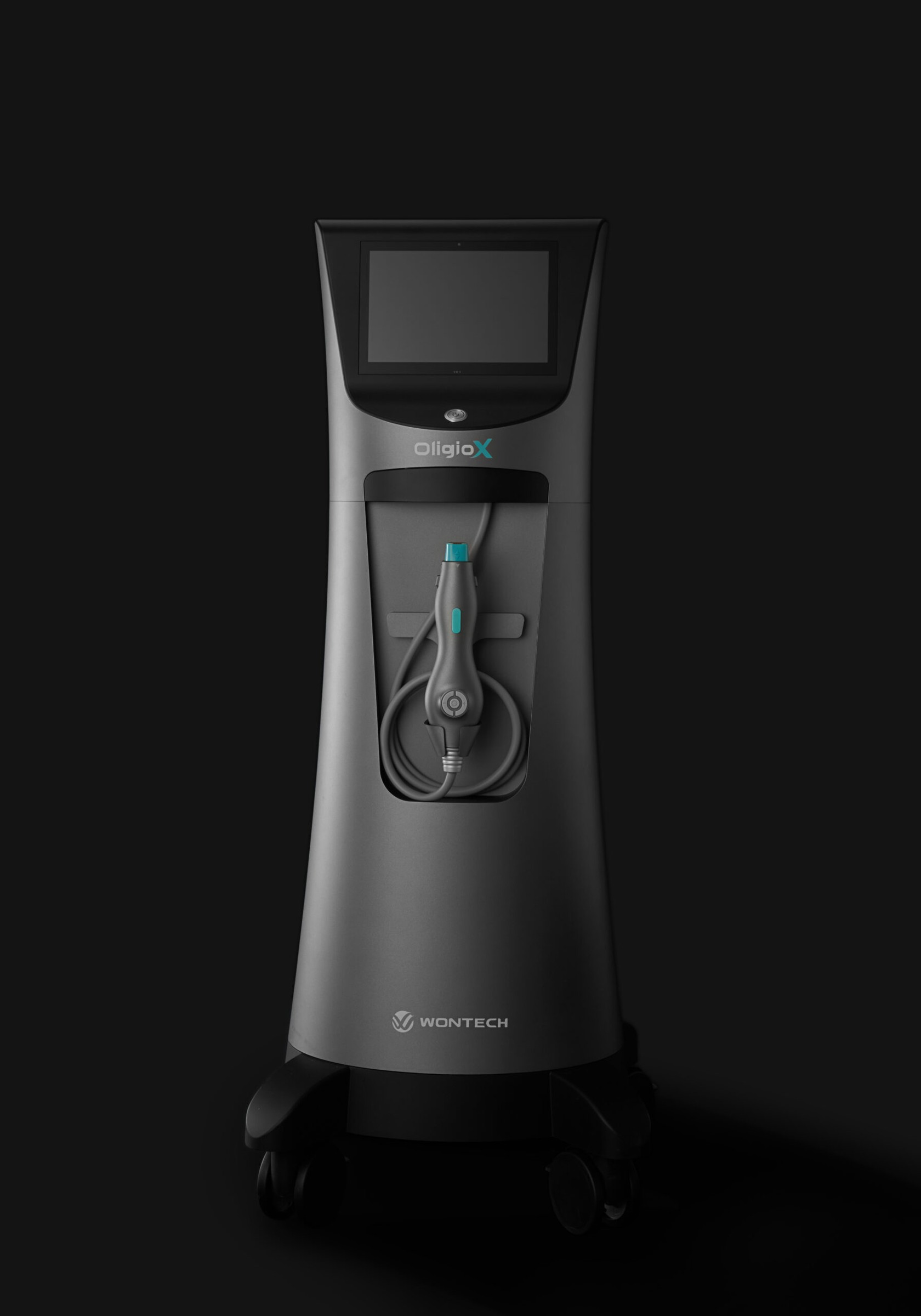
Once facial firmness starts slipping, radiofrequency lifting is usually the first thing a clinic recommends. Oligio runs on what's called a monopolar setup. The term sounds technical, but it simply means the electrical signal is designed to travel deep into the skin.
That raises one obvious question: if the energy goes in that deep, why doesn't it burn? The answer comes down to real-time temperature sensing and control. Here's how the device warms the skin deeply while keeping pain in check, and why treatment is spread across 2 to 3 sessions spaced 4 to 6 weeks apart rather than done in one go.
How does monopolar radiofrequency go deep?
Radiofrequency is an electrical signal that oscillates millions of times a second. As it passes through skin tissue, the water molecules and ions inside vibrate right along with it. All that vibrating causes molecules to collide, and the friction generates heat, that's the whole mechanism behind how RF warms skin. It's the same idea as rubbing your palms together fast enough to feel them heat up.
In a monopolar setup, current travels from the tip, one electrode, all the way to a large grounding pad placed elsewhere on the body. Because that path runs wide and deep, from the skin's surface through the dermis and into the layer below, heat follows the same long route down. A bipolar device works the opposite way: both electrodes sit side by side in the same tip, so current only crosses a short distance and heat stays shallow. This monopolar path is exactly why Oligio can deliver heat deep into the dermis.
How real-time temperature monitoring reduces pain
Generating heat this way brings up one complication. Skin thickness and hydration vary from person to person, and from one part of the face to another, so the same output doesn't raise the temperature evenly everywhere. One spot might barely warm up while another overheats almost instantly, and overheating is the single biggest driver of burns and pain.
Oligio solves this with real-time temperature sensing. A sensor at the tip reads the dermal temperature several times a second, and once it reaches the target range, roughly 40 to 60 degrees, the device automatically lowers the output or pauses. If the reading dips below that range, it adds energy back in. It works a lot like an iron switching itself off and on to keep from going past the setting you chose.
That constant adjustment cuts down on the moments when tissue gets hotter than it needs to be. Most of the pain comes from overheated tissue irritating nearby nerves, so keeping the temperature steady instead of letting it spike means noticeably less stinging. It's the same reason sipping hot soup slowly feels fine while gulping it down burns your mouth. On top of that, cooling built into the tip keeps the skin's surface protected, so the device can heat the dermis precisely without the epidermis taking any of the hit.
The 40 to 60 degree range where collagen responds
Straying outside that window causes one of two problems. If the dermis stays below 40 degrees, collagen fibers barely respond at all, picture a tightly twisted rope that's still cinched just as tight as before. Heat was applied, but there's no contraction and no repair signal.
Go well past 60 degrees, on the other hand, and the tissue simply cooks. That's the point where proteins denature completely, taking the fibroblasts that manufacture collagen down with them. The risk of burns and scarring climbs sharply once you're in that zone.
So 40 to 60 degrees is a narrow window that stimulates collagen while keeping the surrounding tissue alive. It's a bit like boiling an egg, where soft-boiled, hard-boiled, and scorched all come down to temperature and timing. That's exactly why Oligio's sensor checks temperature multiple times a second, to hold things inside that narrow window and keep them from drifting out.
Why does collagen contract right after treatment?
Think of collagen as the protein scaffolding that keeps skin taut. Each strand is really three thin fibers twisted together like a rope, and it's that tight twist, held firm under normal conditions, that gives skin its bounce.
That twist doesn't hold up well under heat. Once dermal temperature climbs into the 40 to 60 degree range, the twisted rope structure loosens in an instant and the collagen strand curls up and shortens, much like a bundle of thread snapping into a tight coil the moment it's held near a flame. That's why skin feels tighter almost the second treatment ends.
But that instant tightening is only the opening act. Heat-stimulated tissue starts behaving as if it's been wounded, kicking off a repair response, and that response is what sets new collagen production in motion.
When does new collagen start filling in?
Heated dermis responds the same way it would to any injury, working to repair the affected area. Fibroblasts, the cells that make collagen, get activated and start producing new collagen and elastic fibers, a process that closely mirrors how the body fills in new tissue while a wound heals.
The catch is that this happens slowly and invisibly. The tightness you feel right after treatment is just existing collagen contracting, not the real result. Genuine firmness shows up gradually over 4 to 12 weeks as new collagen settles into place. So it makes more sense to judge the outcome by how things look at 12 weeks rather than getting discouraged by the mirror the next morning.
How well this rebuilding process plays out depends on how evenly and how long the dermis stayed within that target temperature range. So the real-time temperature control described earlier isn't just easing pain, it's also holding the tissue at the right temperature long enough for collagen regeneration to actually happen.
Why Oligio is done in 2 to 3 sessions
Collagen regeneration doesn't max out from a single round of stimulation. There's a ceiling to how much cells can produce in one dose, and getting past that ceiling works better when the stimulus is split into 2 to 3 sessions. That's why Oligio and other monopolar RF treatments are typically scheduled as 2 to 3 sessions spaced 4 to 6 weeks apart rather than handled in one visit.
It's a bit like going to the gym once and expecting bigger muscles the next day. The body only reads repeated strain as a change worth adapting to, and that's when it ramps up collagen production. A single session just sends the signal, it takes accumulated signals to actually change the tissue.
Here's why treatment is split into multiple sessions:
- There's a cap on how much collagen a single session can trigger, so the next session builds more regeneration on top of it.
- The dermis needs 4 weeks to recover and organize new collagen, and packing sessions too close together can actually wear the tissue out.
- Skin responds at a different pace for everyone, so watching how things progress and adjusting the output and timing of the next session is the safer approach.
So clinics typically space each follow-up session 4 to 6 weeks after the last one. This paced approach is considered safer than one intense session, and the results tend to build up more steadily over time.
How long do Oligio results last?
Newly formed collagen doesn't stay put forever. Like the rest of the body's collagen, it gradually breaks down and gets replaced in an ongoing cycle. That means the firmness gained from treatment fades slowly too, both with age and with outside stressors like UV exposure.
Reports suggest monopolar RF lifting results tend to last roughly 6 months to 1 year. That window varies quite a bit depending on how fast an individual's skin ages, their skincare habits, and the output and number of sessions used initially. Consistent sunscreen use and minimizing skin irritation both help newly built collagen stick around longer.
So why does collagen decline again over time? The body has enzymes that break down old collagen and clear the way for new collagen to take its place. That turnover is a normal cycle on its own, but heavy UV exposure ramps up those enzymes, speeding up how fast collagen gets broken down. Once breakdown outpaces production, firmness starts slipping again. That's the whole reason sunscreen gets so much emphasis, it protects the collagen the treatment worked to build from being chipped away by UV.
So to hold onto results longer, it makes more sense to treat this as ongoing maintenance at regular intervals rather than a single one-time procedure. Skin keeps aging regardless, so approaching collagen-building treatment as a routine rather than a one-off event is the more realistic way to think about it.
References
Korean Dermatological Association, Ministry of Food and Drug Safety (MFDS), American Academy of Dermatology (AAD), and U.S. Food and Drug Administration (FDA).
Was this helpful?
About this article
Written by a practising aesthetic physician and intended for general education — not a substitute for individual medical advice.
Read next
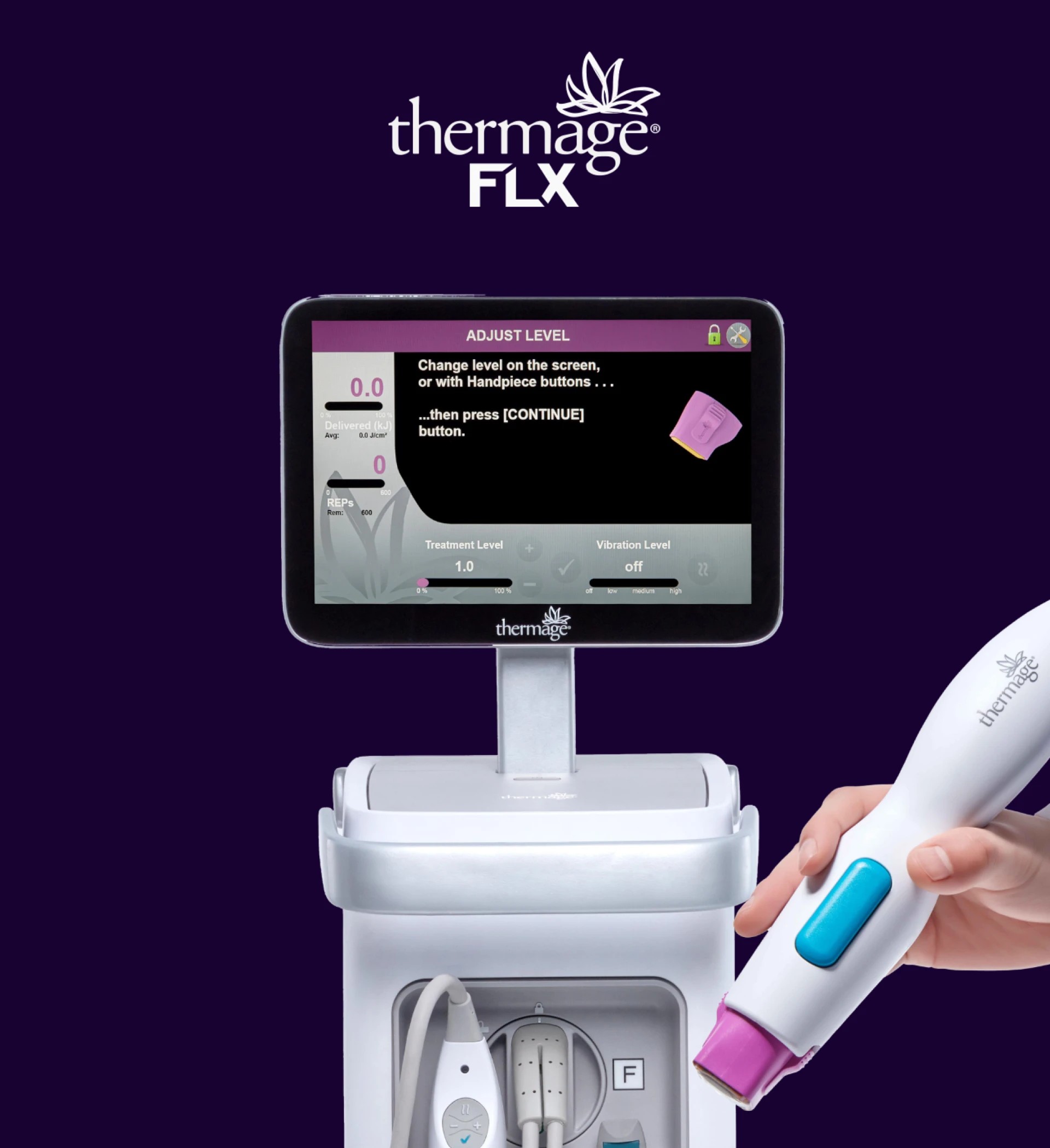
When Do Thermage Results Appear? How Collagen Changes
A plain-language look at how Thermage uses monopolar radiofrequency to heat the dermis, causing collagen to tighten instantly and then rebuild itself over the following 2 to 6 months, plus why the heat targets the dermis without touching the skin's surface.
By Dr. Kim
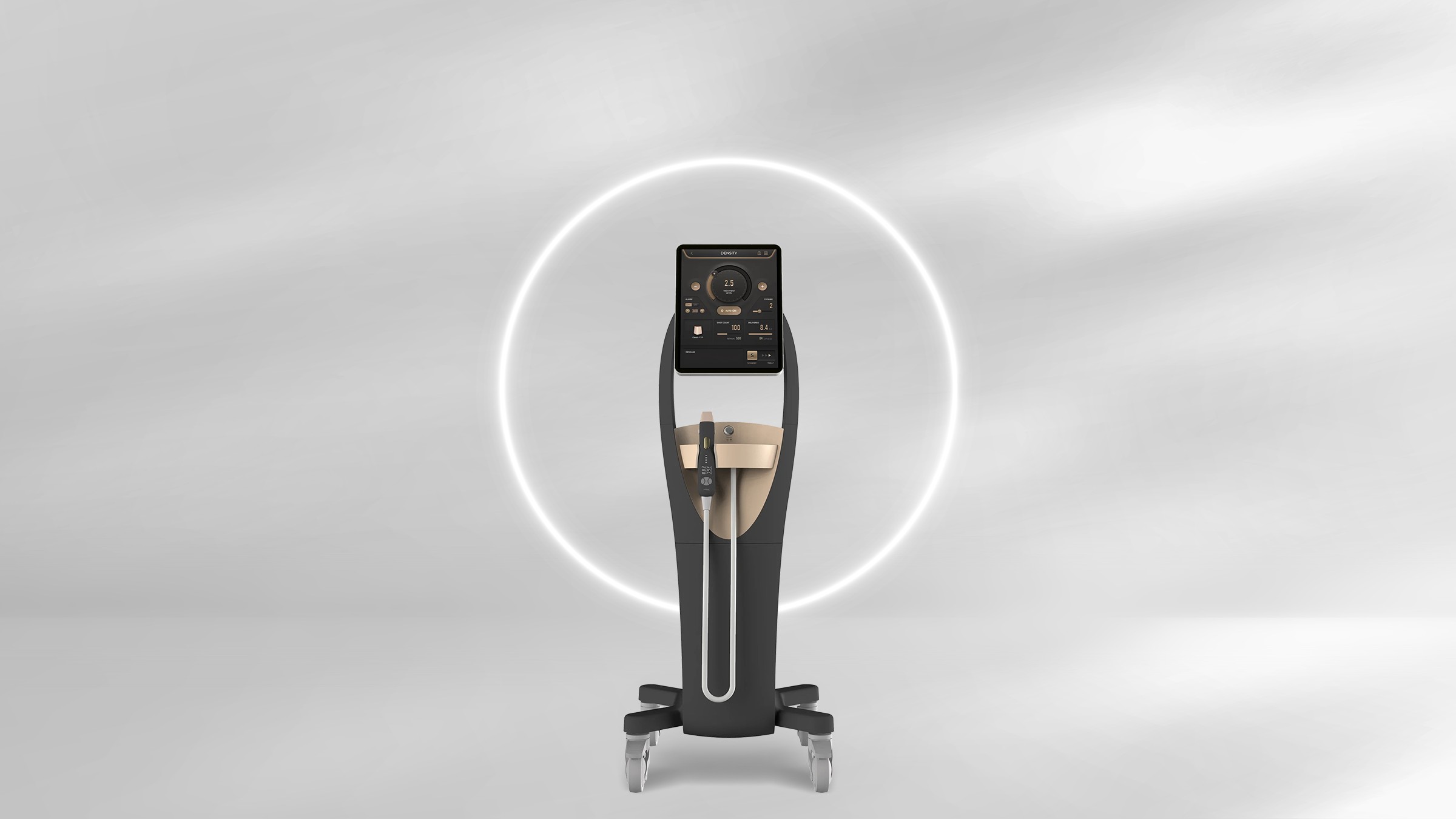
Density RF Effects: How Many Sessions and How Long Do Results Last?
Density RF pairs two radiofrequency modes with very different personalities to chase two goals at once: the instant tightening you feel right after treatment, and the collagen renewal that builds slowly over the following 4 to 12 weeks. Here is why two modes are needed, the order in which heat actually works inside the skin, and why the treatment is spread across multiple sessions instead of done all at once.
By Dr. Kim
Rejuran Results: When Do They Appear, and How Many Sessions and Intervals?
Rejuran places DNA fragments extracted from salmon into the skin, targeting the skin's own regeneration signals rather than adding volume. Here's a principle-first look at why this ingredient triggers fresh collagen production, how its purpose differs from a filler's, and why the treatment schedule and intervals are set the way they are.
By Dr. Kim