Emface Results and Duration: How Radiofrequency and Muscle Stimulation Work
By Dr. Kim7 min read
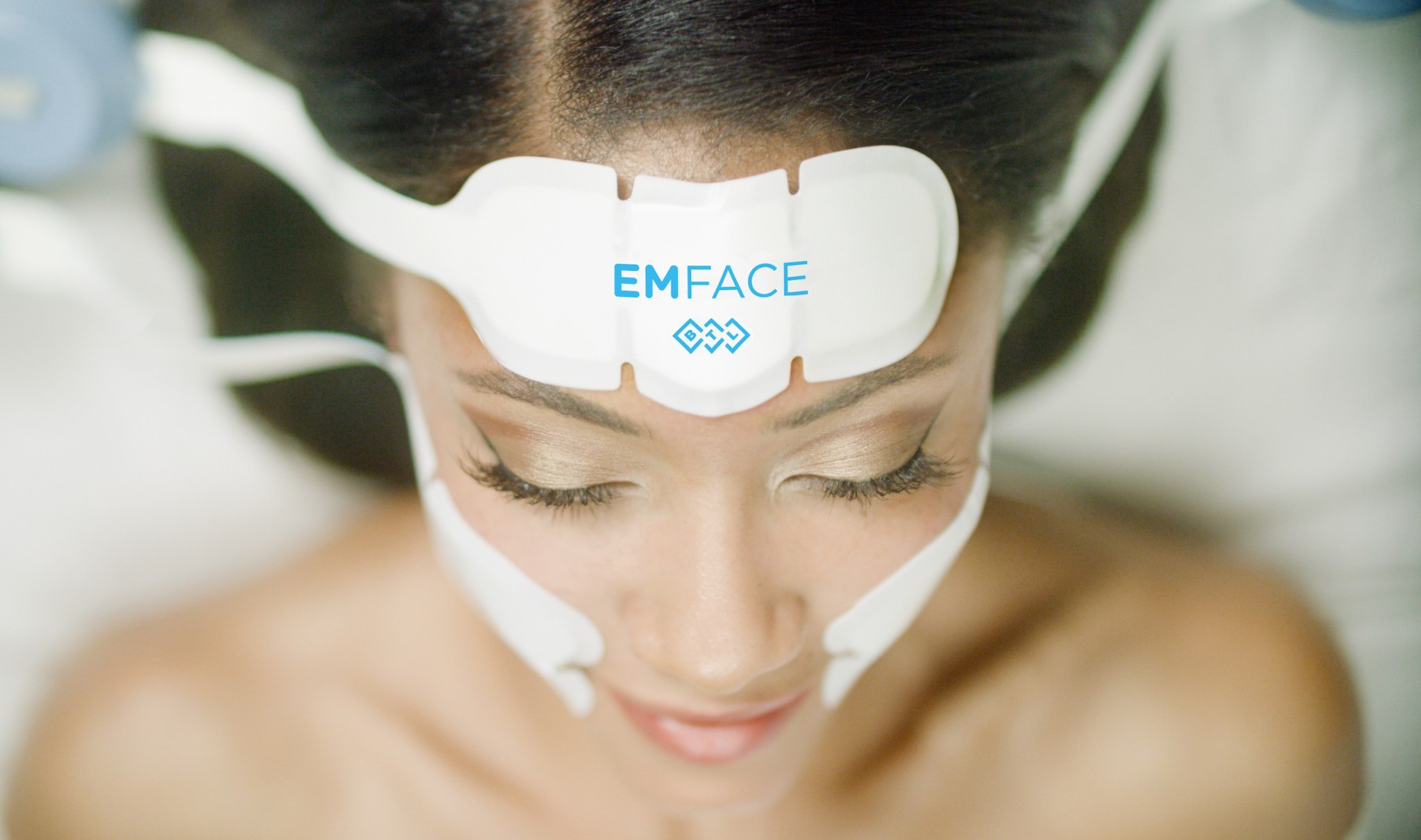
A lot of people catch themselves in the mirror and notice their cheeks sitting a little lower and their jawline looking softer than it used to. The frustrating part is that, unlike arms or legs, the face is not something you can easily send to the gym. That gap is exactly why treatments like Emface, which stimulate the muscle on top of tightening the skin, have picked up so much attention.
The name gives it away: Emface is built specifically for the face, and it fires two very different kinds of energy at once, radiofrequency and electrical stimulation. Once you understand why it needs both and how each one actually travels through the face, the treatment stops feeling like a mystery.
How does Emface stimulate skin and muscle together?
Emface is a needle-free, non-invasive lifting device. When the pads are placed on the face, two forms of energy are delivered together. One is radiofrequency heat, usually shortened to RF. The other is an electrical signal that makes the muscle contract.
Most older lifting treatments only worked on the skin. They used heat or ultrasound to stimulate the dermis and firm it up. Emface goes further by also reaching the expression muscles sitting just beneath, the ones that shape how the face moves. In one session, it works on two completely different layers, skin and muscle, at the same time.
How radiofrequency stimulates collagen
RF belongs to the same family of electrical energy as radio waves. As it passes through skin tissue, the tissue does not let it through perfectly, and that slight resistance generates friction heat. It is a similar idea to how a wire gets a little warm when current runs through it.
That heat lands in the dermis, the layer where collagen sits, a protein that acts like the internal scaffolding holding skin up. When collagen is exposed to this heat, the fibroblasts responsible for producing it are reported to switch on and start generating fresh collagen.
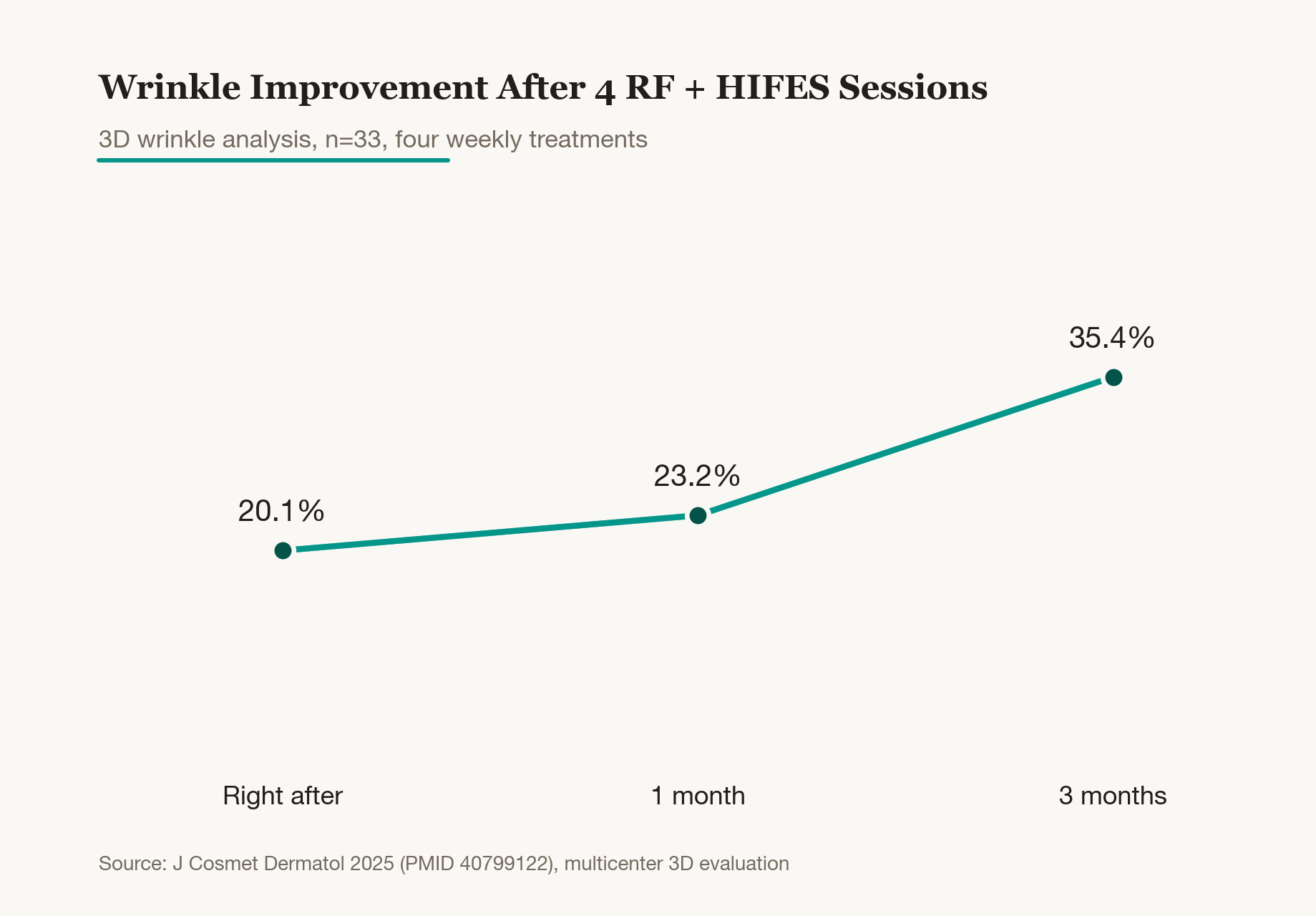
That is why the lift shows up in two stages. Right after the session, existing collagen tightens slightly and gives an immediate sense of firmness. Over the following 4 to 12 weeks, newly built collagen accumulates and gradually improves both texture and elasticity. The whole device is engineered around keeping that heat contained to the dermis, with temperature and depth tightly controlled so it does not spread further down than it should.
How electrical signals move the facial muscles
Under normal circumstances, muscles move because the brain sends an electrical signal down through the nerves. Emface borrows that exact mechanism, using the electrical signal from its pads to stimulate the nerve directly and trigger a muscle contraction. This method is called HIFES, which stands for electrical muscle stimulation synchronized specifically to facial muscles.
Muscle stimulation devices used on the torso, abdomen, or arms typically rely on a magnetic field to induce current. The face is a different story, since its nerves and muscles are packed far more tightly and at a much smaller scale, so a strong magnetic field would either overstimulate the area or make it hard to target the exact muscle you want. That is why Emface delivers the electrical signal straight from the electrodes instead, which allows much finer control over both intensity and placement.
Once the signal comes in, the expression muscles contract and release over and over, almost exactly like they would during a real workout. Because this happens thousands of times in a short window, the muscle fibers end up absorbing something close to what 4 to 6 weeks of strength training at the gym would build, all within one short session.
Does sagging change when the muscle gets thicker?
The face has several layers of muscle responsible for expression, and those muscles act as the support structure underneath the skin and fat that give the face its volume. As we age, those expression muscles thin out and lose strength, the same way muscle mass declines in the arms and legs.
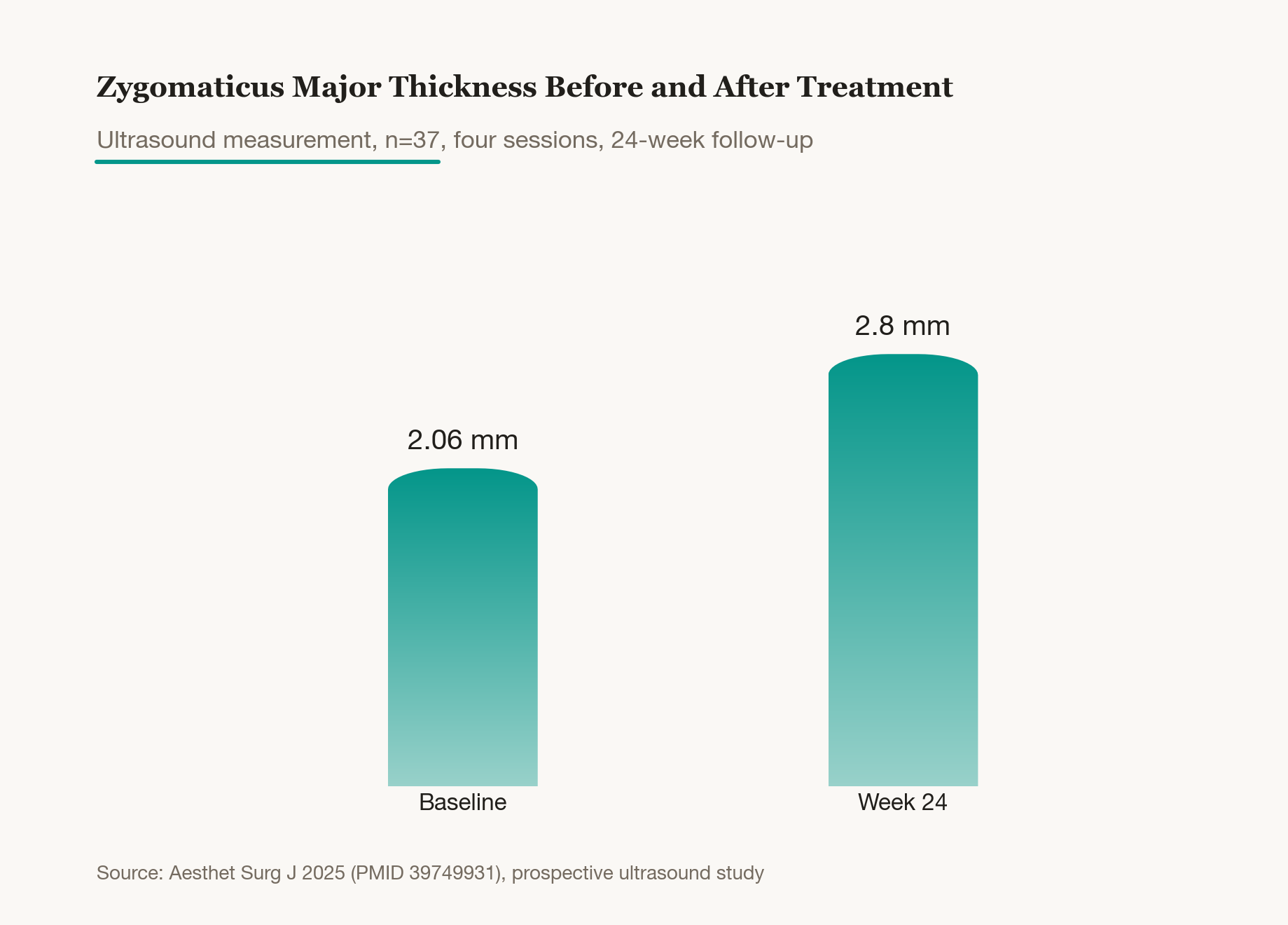
Once the supporting muscle thins, the skin and fat sitting on top of it tend to sag along with it. Electrical stimulation works in the opposite direction: repeated contraction of the muscle fibers is known to make the muscle gradually thicker and firmer. A thicker muscle naturally provides stronger support for everything layered above it.
So an increase in muscle mass is not just about the face looking a certain size, it is a structural change that lifts sagging in the cheeks and jawline from the inside. Think of it like slipping an extra sturdy pole under a tent that was starting to collapse.
Why stimulating only skin or only muscle isn't enough
Targeting only the skin or only the muscle rarely resolves sagging on its own. Here are the three reasons treating both together matters.
- If you only tighten the skin, the muscle underneath is still weak, and over time it cannot resist the pull of gravity, so the sagging comes back.
- If you only build up the muscle, the skin covering it keeps the same collagen density and elasticity as before, so surface texture and firmness do not visibly improve.
- Stimulating both tissues in the same session is reported to work more efficiently than treating them separately, since the muscle contracts while the tissue above it has already been softened by the heat.
Facial firmness ultimately depends on the surface skin and the internal support structure working together, which is exactly why Emface is designed to treat both layers in a single pass rather than splitting them apart.
How many sessions should the treatment be split into?
Neither collagen buildup nor muscle strengthening from repeated contraction happens overnight. The body needs time to gradually remodel its tissue in response to stimulation.
That is why Emface is typically done as a series of four sessions, about a week apart. It works the same way strength training does: one day at the gym does not build muscle, but showing up consistently over 4 to 6 weeks does. Rather than applying one intense burst of stimulation, spacing it out and giving the body time to respond is considered both safer and more likely to produce consistent results.
Results tend to keep improving gradually over 4 to 12 weeks even after the final session, since collagen continues to accumulate and muscle fibers keep reorganizing during that extra time.
How long do Emface results last?
The collagen and muscle changes from treatment tend to hold for 6 to 12 months, but they are not permanent. Collagen naturally goes through a cycle of breakdown and resynthesis over time, and muscle has a tendency to gradually drift back toward its baseline state once the stimulation stops.
Just like strength gradually fades when you stop working out, the expression muscles can thin again over time without ongoing stimulation. That is why, after finishing the first four sessions, a maintenance session every 6 months is reported to help, giving the muscle and collagen another boost to keep results from slipping.
In the end, Emface works less like a one-time procedure and more like exercise, something that needs periodic upkeep to keep paying off. Simply making a habit of varied facial expressions and moving the face muscles more often is also thought to help maintain muscle tone in the meantime.
That said, everyone starts with a different baseline of muscle mass, skin thickness, and degree of aging, so both how quickly you respond and how long results last will vary from person to person. The most sensible approach is to check in with your provider after the first round of sessions and adjust the maintenance schedule based on how your face is actually responding.
References
Korean Dermatological Association, Ministry of Food and Drug Safety (MFDS), American Academy of Dermatology (AAD), and U.S. Food and Drug Administration (FDA).
Was this helpful?
About this article
Written by a practising aesthetic physician and intended for general education — not a substitute for individual medical advice.
Read next
Density RF Effects: How Many Sessions and How Long Do Results Last?
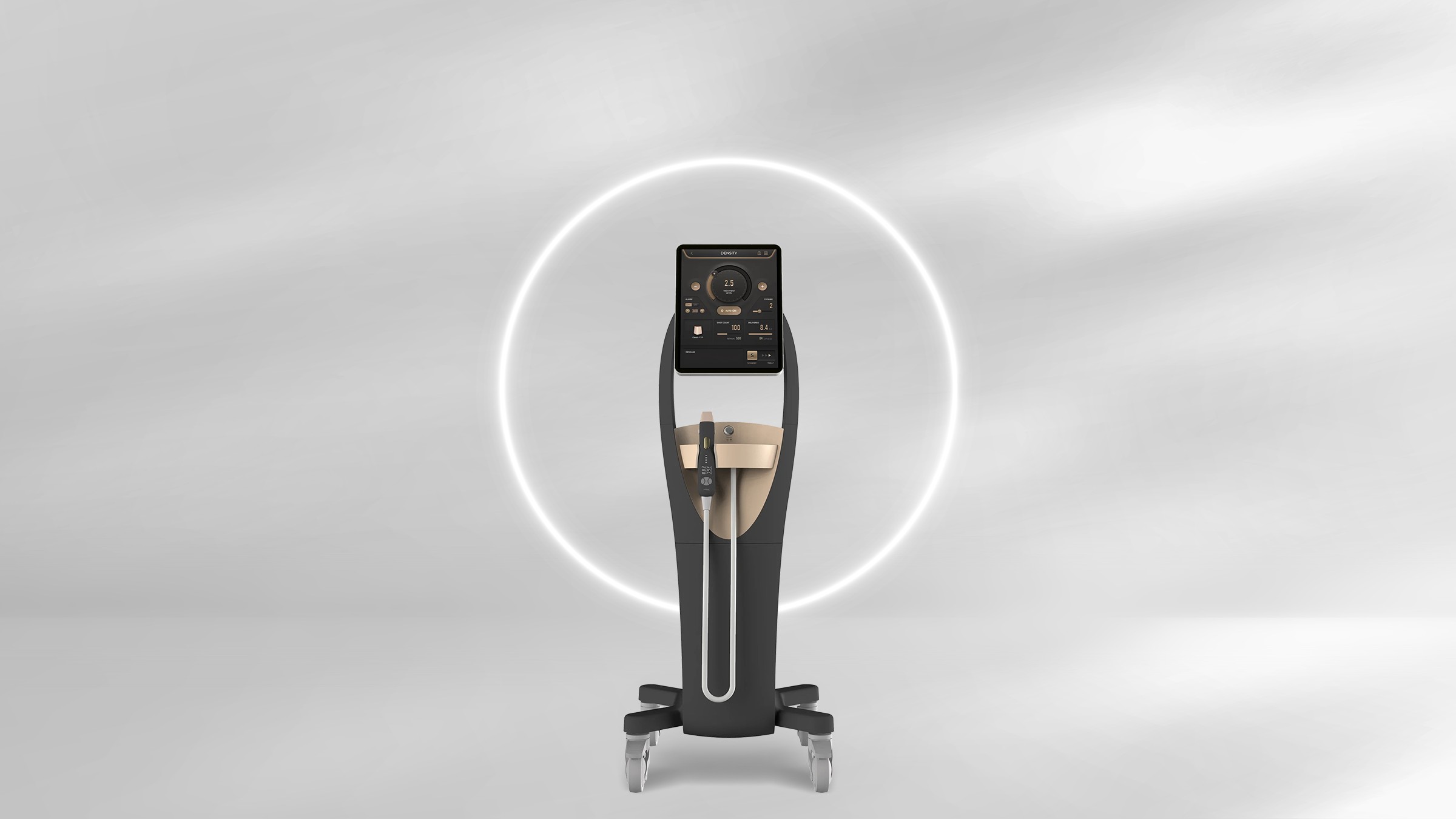
Density RF pairs two radiofrequency modes with very different personalities to chase two goals at once: the instant tightening you feel right after treatment, and the collagen renewal that builds slowly over the following 4 to 12 weeks. Here is why two modes are needed, the order in which heat actually works inside the skin, and why the treatment is spread across multiple sessions instead of done all at once.
By Dr. Kim

Sagging Upper Arm Treatment: How Long Do Ultrasound and Radiofrequency Results Last?
Sagging upper arms aren't just extra weight, they happen when skin, fat, and muscle all lose firmness together. Here's how ultrasound and radiofrequency treatments stimulate collagen in the skin to reverse that sag, plus what shapes recovery and how long results hold.
By Dr. Lee

Radiesse Filler: Results, How Long It Lasts, and Collagen Production
Radiesse is a filler whose calcium microspheres fill volume instantly while also triggering new collagen production. Here is a mechanism-focused look at why the particles create volume, how that leads to collagen stimulation, why diluted Radiesse is used as a skin booster, and how long results actually last.
By Dr. Lee