Sagging Upper Arm Treatment: How Long Do Ultrasound and Radiofrequency Results Last?
By Dr. Lee6 min read
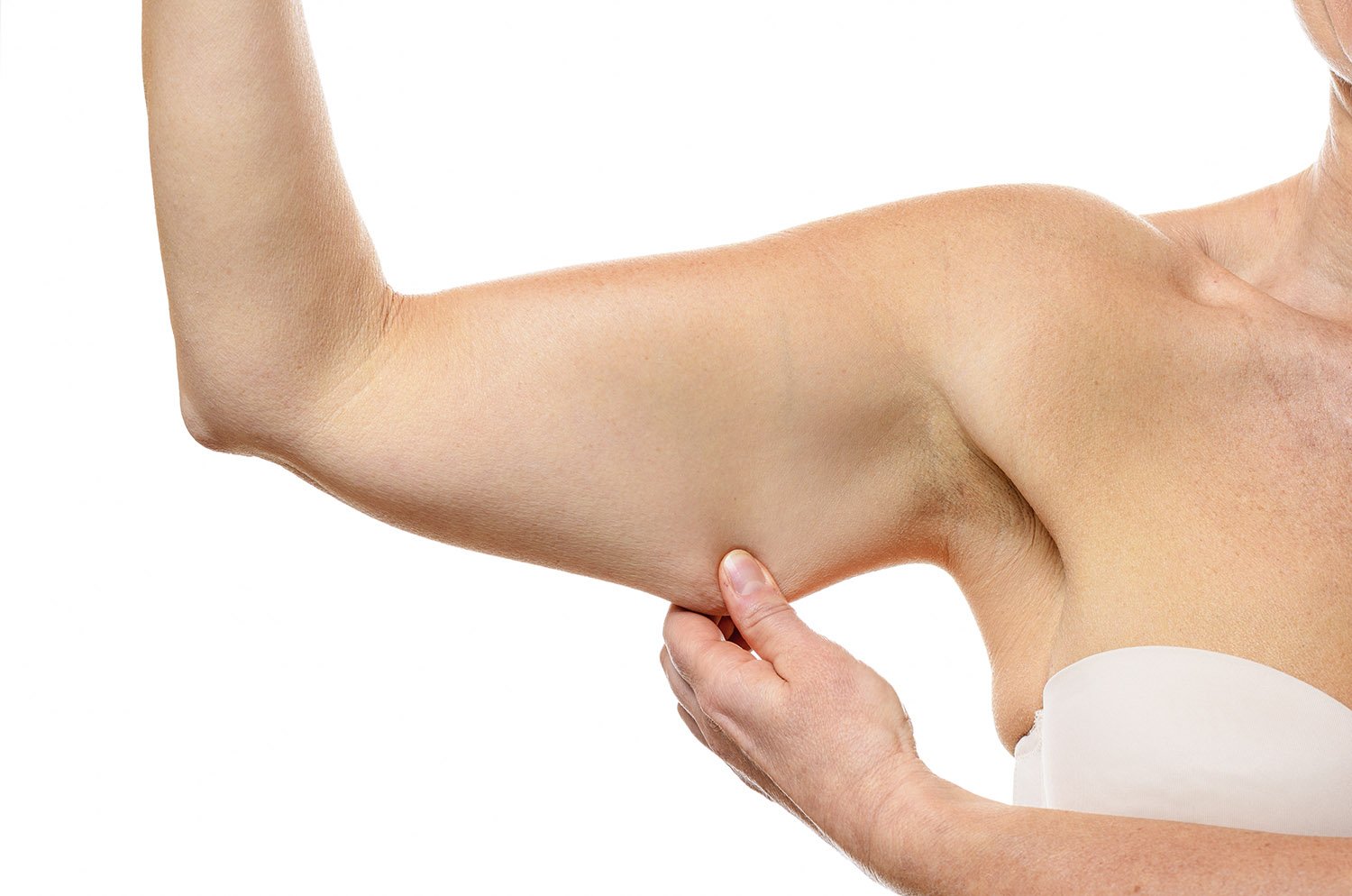
That jiggle on the inside of your arm every time you wave, most people have noticed it at some point. The first instinct is usually to blame weight and start dieting, but the sag often sticks around even after the pounds come off. So treating it as a fat problem alone only gets you halfway to the answer.
What's really happening is that three layers, skin, fat, and muscle, are aging together. And these days, a lot of people turn to treatments that use heat energy to stimulate collagen deep in the skin without any cutting. Let's walk through how that works and how long it actually lasts.
Why Inner Arm Skin Loosens First
Skin gets its firmness from two protein fibers in the dermis: collagen and elastin. Collagen acts like the support beams holding skin up, while elastin works more like a rubber band that stretches and snaps back. As we age, both fibers decline in quantity and weaken in quality.
The skin on the inner arm is thinner than skin on the face or elsewhere, and there's less fat underneath it to begin with. That means the drop in collagen and elastin shows up here earlier and more visibly than in other areas. It's a bit like a rubber band that's been stretched too many times, letting go doesn't bring it back to its original tightness.
Gravity keeps pulling the whole time, too. Your arms hang down for most of the day, so weakened skin takes on that constant downward pull. Skin with good elasticity can resist the weight, but once that elasticity fades, it simply can't hold the line anymore.
Do Fat and Muscle Also Affect Sagging?
Fat distribution across the body shifts with age. Areas that rarely stored fat before, like the inner arm, start collecting it more easily, while fat elsewhere may become harder to hold onto. The signals that tell fat cells where to settle seem to change as we get older, which is thought to explain the shift.
At the same time, the triceps, the muscle running along the back of the arm, changes shape too. Muscles that don't get much use tend to shrink over time. When the triceps thins out, it loses its role as the support structure holding up the skin and fat layered on top of it.
In the end, skin, fat, and muscle are three layers propping each other up. When one thins or loosens, the other two end up carrying that extra weight. So sagging isn't really caused by one single thing, it's what happens when several layers give way at once.
That's also why diet alone or strength training alone often isn't enough to fix the sag. You might lose the fat but still be left with loose skin that never tightened back up, or build muscle while the elastic fibers in the skin above it are still lacking. Fixing just one layer tends to leave the problems in the other two untouched.
How Do Ultrasound and Radiofrequency Build Collagen?
Ultrasound and radiofrequency treatments are the most common ways to address this kind of sagging. Both work on a similar principle: deliver heat energy precisely into the skin to stimulate collagen fibers that have already loosened.
Collagen contracts instantly when it's heated, not unlike how a wet thread curls up the moment it touches heat. The body reads that heat as a small injury signal, which draws fibroblasts, the cells responsible for producing collagen, to the treated area.
Once fibroblasts gather, new collagen and elastin fibers start forming over the following months. It's a bit like demolishing an old wall and building a new one in its place, tearing it down happens in an instant, but rebuilding takes time.
Ultrasound and Radiofrequency: Differences in Heat Depth
The two approaches differ in how deep the heat goes and how it spreads. Ultrasound devices, the HIFU category, focus ultrasound energy at a single point, delivering heat precisely to the deep dermis and the layer close to the muscle fascia. It works a bit like a magnifying glass focusing sunlight into one hot spot.
Radiofrequency devices heat a wider stretch of the dermis instead. Electrical energy passes through the skin and turns into heat when it meets resistance, so rather than one focal point, an entire area warms up evenly. That's often why an immediate tightening sensation is felt sooner with radiofrequency.
Because the depth and spread of heat differ, many clinics combine both in practice, letting ultrasound handle the deeper layer while radiofrequency covers the shallower, broader one. Either way, the underlying goal is the same: stimulate collagen and get the skin rebuilding itself.
When Do Results Appear, and How Long Do They Last?
Changes after treatment come in two stages. First there's an initial tightening from collagen contracting the moment it's heated, and then a longer-term firmness that builds up over the following months as new collagen settles in. Results build up gradually rather than appearing overnight.
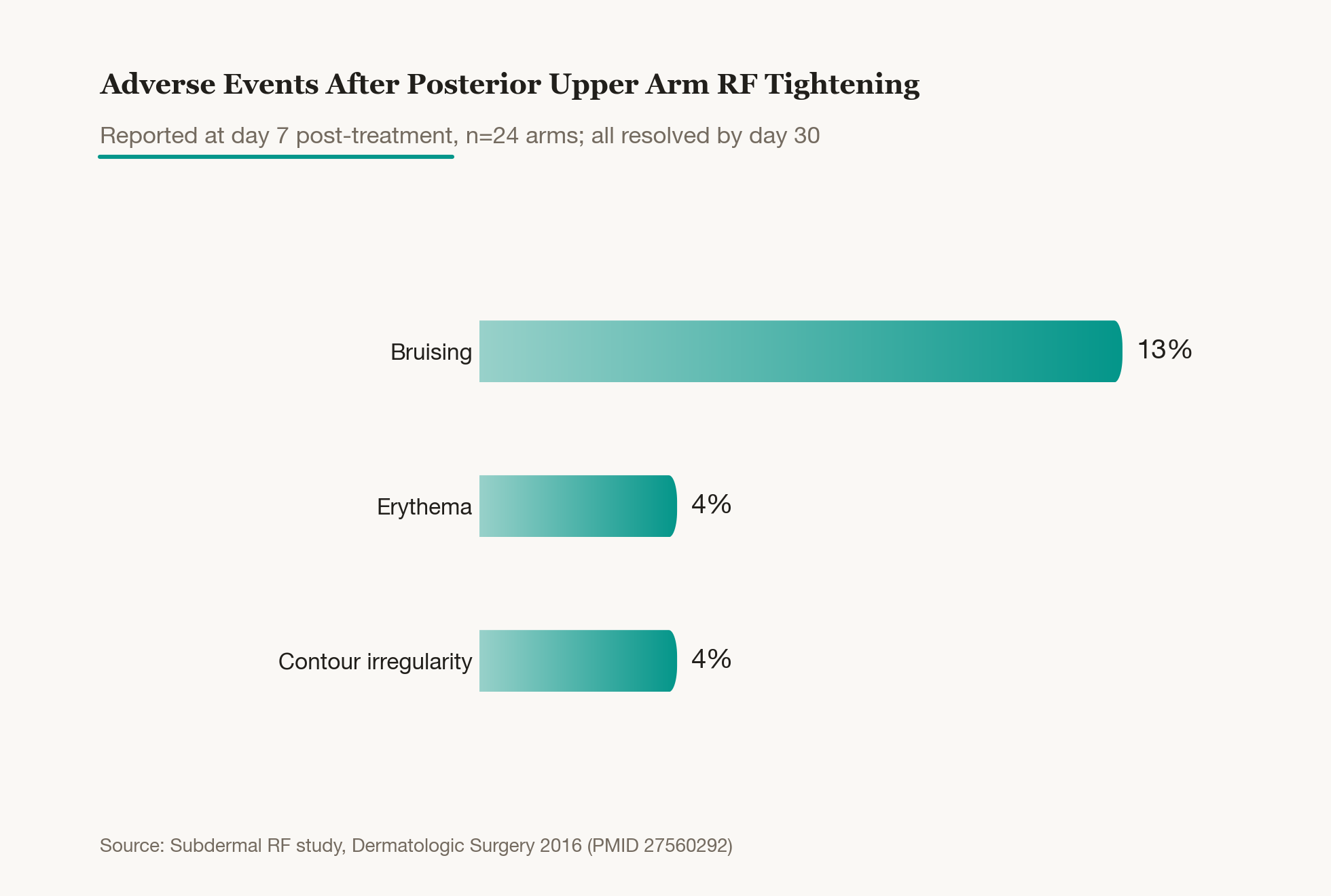
- The first few days after treatment: mild swelling and redness can show up. This is a normal response to the heat and usually settles within a few days.
- Tenderness when pressed: this can linger for up to about ten days, since the treated tissue stays temporarily sensitive while it goes through its recovery response.
- Noticeably firmer skin: this tends to appear gradually, generally somewhere between two weeks and three months, tracking the pace at which new collagen accumulates.
- Collagen remodeling wrapping up: this typically takes three to six months, the time needed for the body to clear out old collagen and finish laying down new fibers.
Overall results vary from person to person, but on average they're reported to last somewhere between six and twelve months. Since collagen is a protein that naturally declines again over time, some sagging can gradually reappear once that window passes.
Aftercare
The main goal of aftercare is simply not to get in the way of the new collagen forming.
- Stay on top of sun protection: UV exposure ramps up the enzymes that break down collagen, which can speed up the loss of collagen you just worked to build.
- Keep using your triceps, even lightly: muscle needs to hold onto some of its volume to keep supporting the skin and fat layered above it. Push-ups or light dumbbell moves are both said to help.
- Avoid rough massage or heavy pressure right after treatment: tissue that hasn't settled yet can have its still-recovering fibers disrupted by strong force.
- Keep skin well hydrated and moisturized: skin needs its own recovery ability intact for new collagen to settle in smoothly.
These habits aren't just for people who've had a treatment, they apply just as well to anyone who wants to protect arm firmness day to day. Ultimately, the basics come down to consistently keeping the environment right for collagen to form and stick around.
Rather than rushing to fix everything at once, staying consistent with sun protection, light strength work, and gentle aftercare tends to make results last longer. Firmness isn't something that fills in all at once, it builds up slowly over time.
References
Korean Dermatological Association, American Academy of Dermatology (AAD), and Ministry of Food and Drug Safety (MFDS).
Was this helpful?
About this article
Written by a practising aesthetic physician and intended for general education — not a substitute for individual medical advice.
Read next
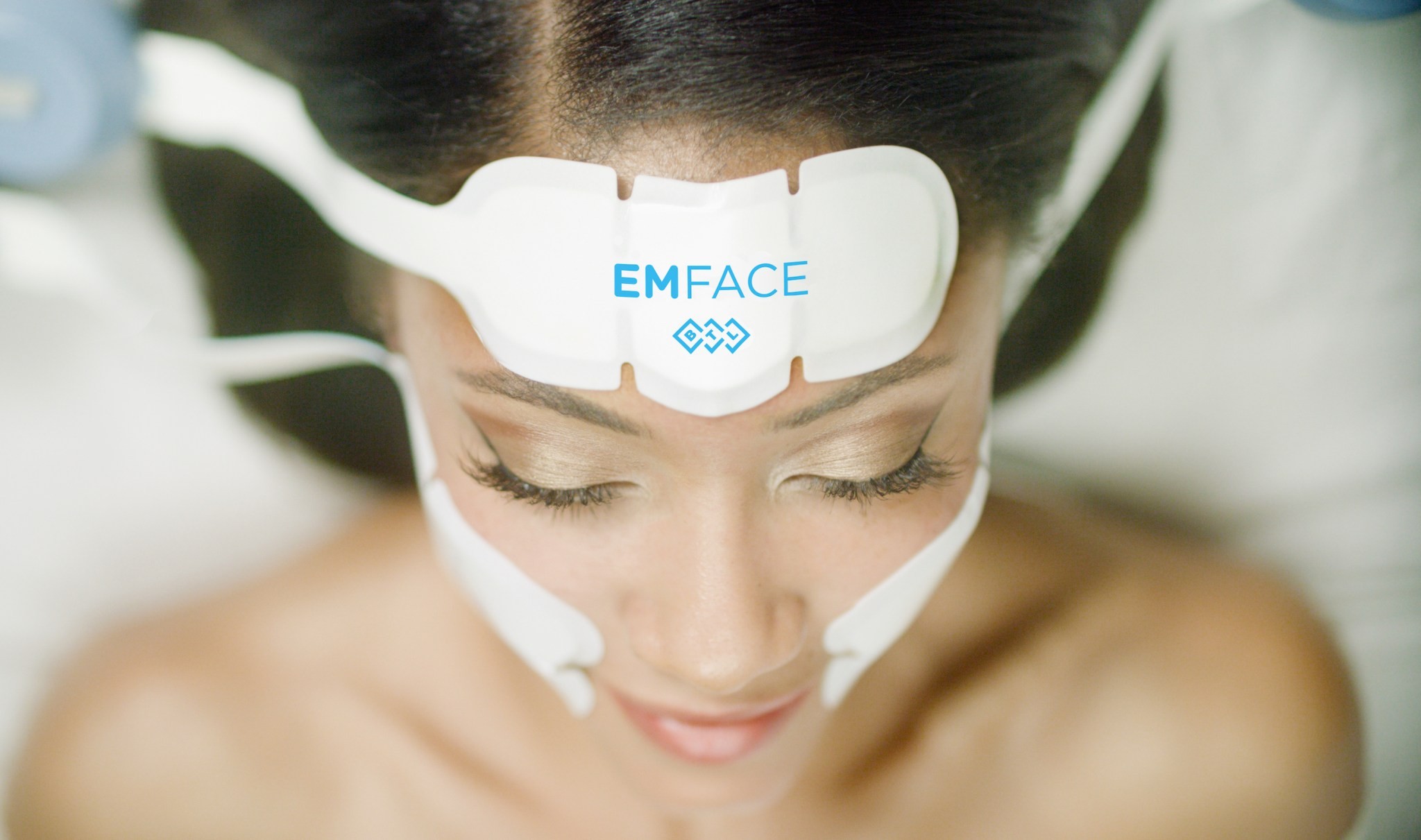
Emface Results and Duration: How Radiofrequency and Muscle Stimulation Work
Emface is a non-invasive lifting treatment that stimulates collagen in the skin with radiofrequency while an electrical signal directly moves the expression muscles underneath. Here is an easy, principle-focused rundown of why skin and muscle need to be treated together for real firmness, why sessions are spaced out, and how long results actually last.
By Dr. Kim
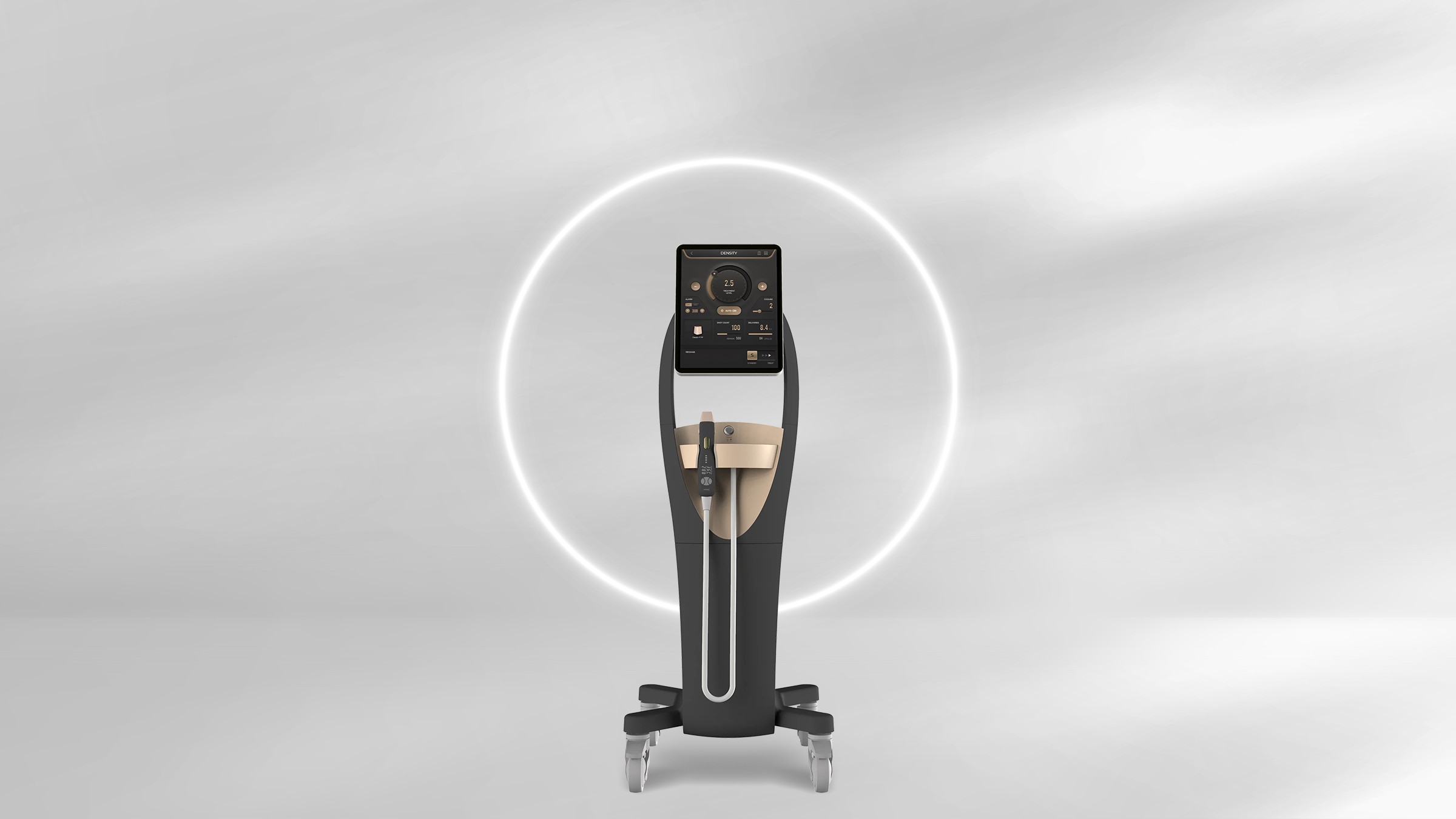
Density RF Effects: How Many Sessions and How Long Do Results Last?
Density RF pairs two radiofrequency modes with very different personalities to chase two goals at once: the instant tightening you feel right after treatment, and the collagen renewal that builds slowly over the following 4 to 12 weeks. Here is why two modes are needed, the order in which heat actually works inside the skin, and why the treatment is spread across multiple sessions instead of done all at once.
By Dr. Kim
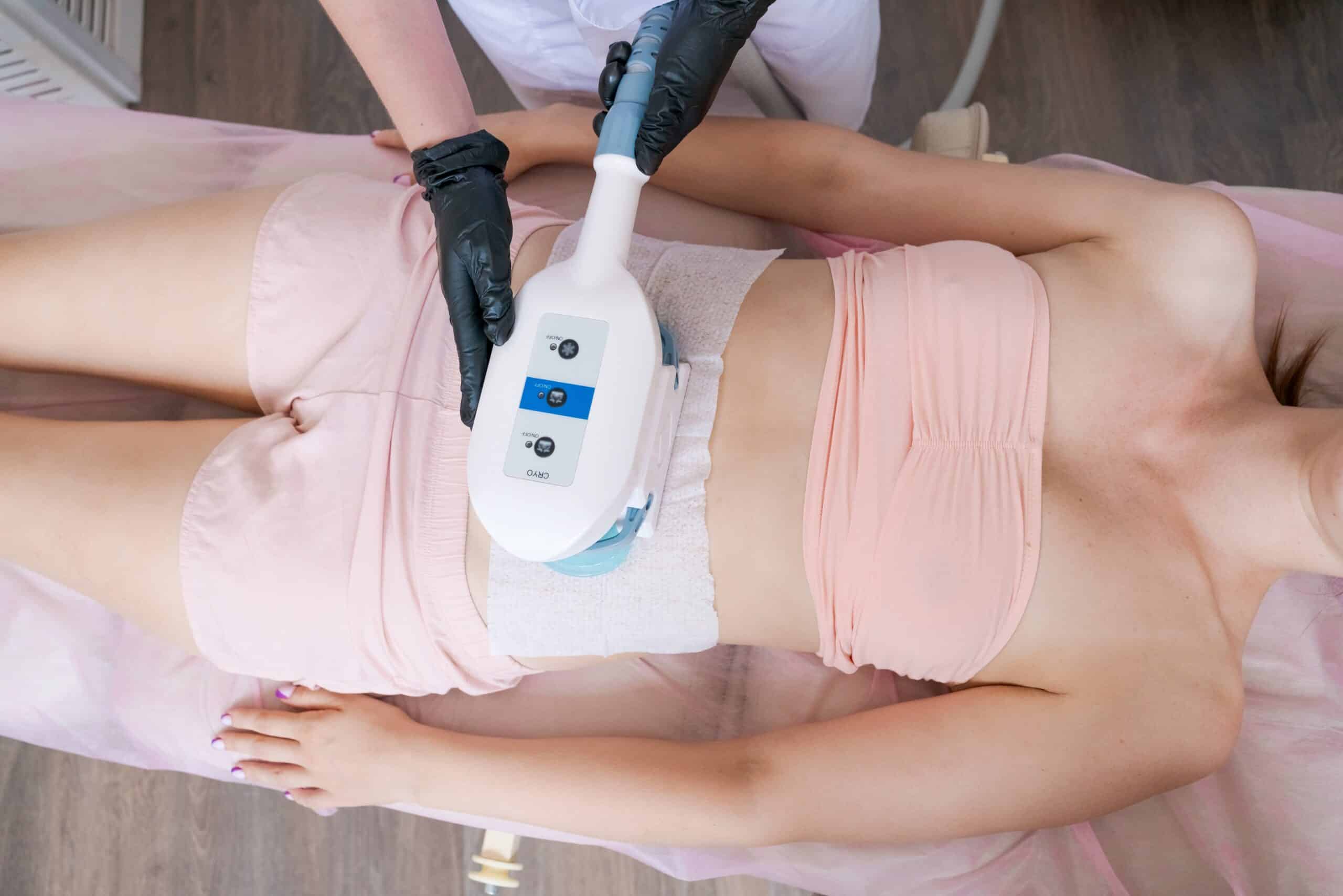
Fat Freezing Results: When Do They Appear and How Long Do They Last?
Fat freezing uses cold temperatures to selectively damage fat cells so they gradually disappear. Here's why fat cells react to the cold while skin and muscle stay largely unaffected, and why the results take weeks to become visible.
By Dr. Kim