Secret Microneedle RF: How Insulated Needles Work, and Recovery Care
By Dr. Kim6 min read
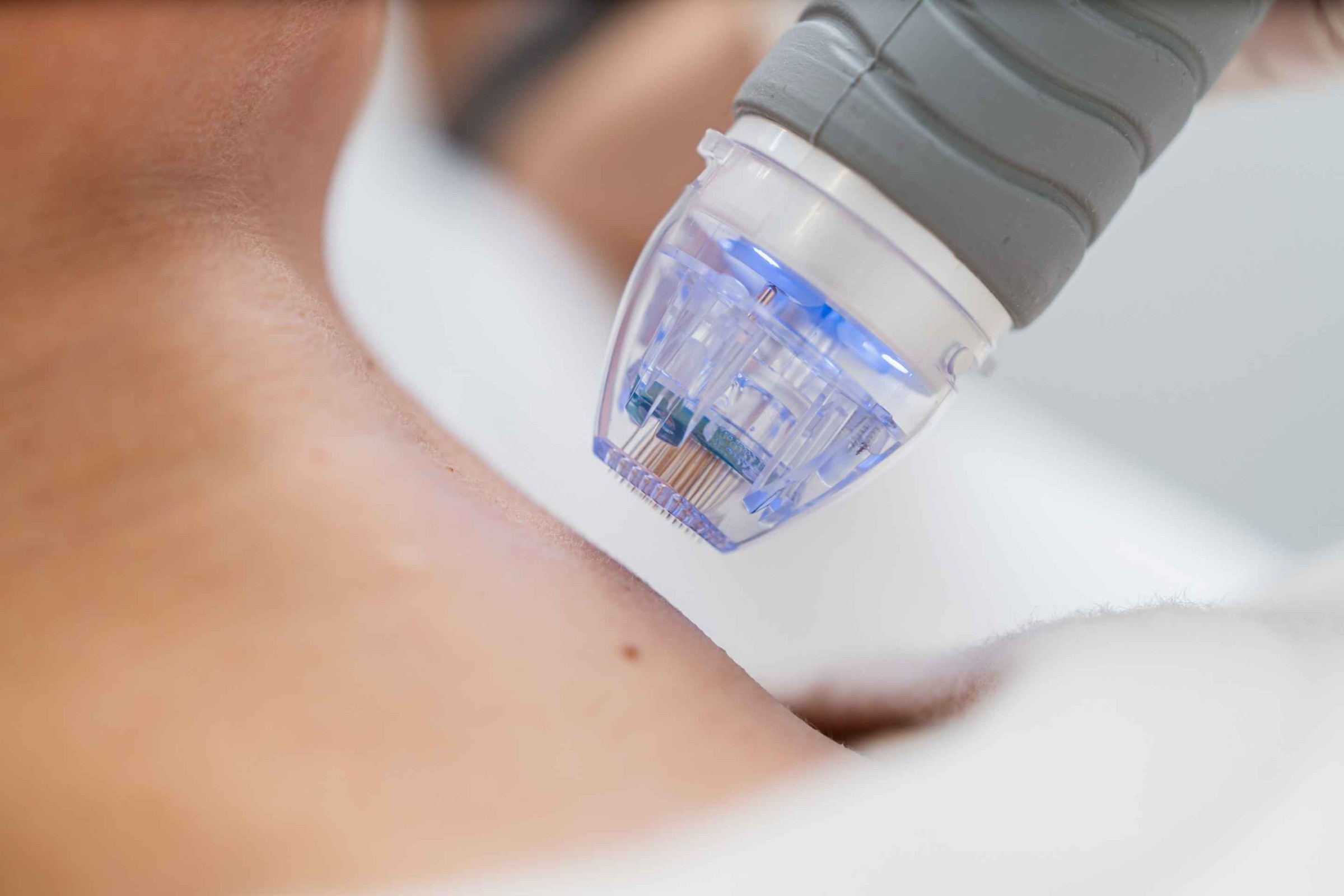
Secret Microneedle RF is a lifting treatment that presses fine needles into the skin, then sends radiofrequency energy out through the tips. That is exactly why both "microneedle" and "RF" show up in the name. You get the physical prick of the needles and the heat of radiofrequency delivered at the same time. But the real heart of this device is not the needle itself, it is the insulation coating wrapped around the needle shaft. Whether that coating is there changes everything about where the heat ends up. Let's walk through what the insulation actually blocks, and why that is what allows the treatment to target the dermis alone.
How Radiofrequency Flows Between the Needles
The device works by pressing a tip packed with fine needles against the skin, driving the needles in for an instant, then pulling them back out. The insertion depth is adjustable, so a thin area with fine lines and a fuller area like the cheek can be targeted differently.
While the needles are inserted, radiofrequency current flows between each needle pair. Current generates heat wherever it passes through tissue, and that heat is the actual driver behind stimulating collagen in the dermis. In other words, the needles just open the path. The current running between them is what makes the heat.
There is also a reason multiple needles fire at once. The heat from a single needle only reaches a very narrow area, but when many needles work together in a tight grid, the stimulation spreads evenly across the whole dermis. It is a bit like planting seeds in rows instead of one at a time, so the entire field ends up covered evenly.
Why Are the Needles Coated With Insulation?
With standard microneedling, the whole needle is bare metal. Add radiofrequency to that and the needle heats up along its entire path through the skin, from epidermis to dermis alike. The epidermis is a sensitive layer packed with pigment cells and nerve endings, so heat spreading up there raises the risk of burns and hyperpigmentation.
Secret Microneedle RF solves this by coating the needle shaft in a thin insulating film, essentially a layer that does not conduct electricity. Think of it as the rubber sheath around an electrical wire. Current can only escape where the coating has been stripped away at the very tip, while the coated section stays sealed off and barely generates any heat at all.
Does Only the Dermis Get Heated?
When the needle depth is set so that the exposed tip sits precisely inside the dermis, the heat the current produces concentrates right there too. The epidermis is just a passage the needle travels through, and because it stays wrapped in insulation, it receives almost no heat.
This is exactly why the approach is called selective heating. The dermis is where fibroblasts, the cells that build collagen, are clustered, and this method warms that layer precisely without disturbing the epidermis above it. Think of it like heating a floor with radiant pipes: instead of warming the whole room, you heat only the strip where the pipes run. The energy goes exactly where it is needed and nowhere else.
The contrast becomes clearer next to standard, non-insulated microneedle RF. With an uninsulated needle, current leaks out along the entire path from epidermis to dermis, so the epidermis takes on unwanted heat stimulation along with the target layer. An insulated needle, by contrast, turns the epidermal segment into a stretch where no current flows at all, so even at the same energy setting, the epidermis carries a lighter burden.
How Is Collagen Rebuilt?
The heat generated at the needle tip causes tiny, controlled coagulation in the surrounding dermal tissue, essentially packing a dense field of micro-burns into the dermis. The body reads this micro-injury as a wound and kicks off its healing response.
Once there is a wound, fibroblasts migrate to the site and start laying down new collagen and elastin to repair it, a process that unfolds gradually over weeks to months. It works much like patching a wall riddled with small cracks with fresh cement. Each crack is tiny on its own, but once they are all filled in, the whole wall firms back up, and the same idea applies here: as the micro-injuries scattered through the dermis heal, the skin's overall elasticity is described as rising along with them.
How Does Needle Depth Differ by Area?
Needle depth is set differently depending on the area and the concern being treated. Thin-skinned areas like the eye area or forehead call for a shallower setting, while thicker tissue like the cheeks or jawline needs a deeper one. The heat only lands where it should if the needle reaches exactly the target dermal layer, no more and no less.
Getting the depth wrong can undercut the benefit of the insulation even if it is present. If the tip goes past the dermis into the subcutaneous fat, the heat scatters through the fat layer and the collagen stimulus weakens. Go too shallow, on the other hand, and the heat pools closer to the epidermis, eroding the advantage insulation was supposed to provide. That is why examining skin thickness and the treatment area beforehand to set the right depth matters so much.
Swelling and Redness Right After Treatment
Right after treatment, redness and tiny pinpoint bleeding can appear along the path the needles took. That is a natural response given that hundreds of small wounds were just created inside the skin. Swelling and redness are generally described as settling within a few days.
During this window, what is happening beneath the surface matters more than what shows on top. New collagen is being woven in while the wounds heal underneath. That is why this treatment is built around gradual change over weeks to months rather than an instant lift in firmness.
When Should You Get the Next Session?
Because it takes time for newly formed collagen to settle into place, retreating the same area before recovery has finished ends up restimulating tissue that has not fully established itself yet. Repeat sessions are generally advised to wait until the previous round of recovery has largely wrapped up.
That said, the right interval and number of sessions can shift depending on skin condition, the area being treated, and how the needle depth was set, so there is no single fixed rule. Consulting beforehand about the interval that fits your own skin condition is the more reliable approach.
Precautions During Recovery
Until dermal recovery is complete, the following points are recommended.
- Keep up consistent sun protection. Tissue that is still healing can be more sensitive to hyperpigmentation.
- Avoid heat-heavy places like saunas or steam rooms for the first few days after treatment. Adding more heat on top of already-stimulated tissue can cause excessive swelling.
- Hold off on makeup until the wounds have healed. Applying products to needle marks that have not closed yet can be irritating.
- Skip firm rubbing or pressure-based massage during recovery. Newly settling tissue can be disturbed by physical stimulation.
Recovery speed and swelling vary from person to person. If redness or discomfort lingers for more than a few days, it is worth having your provider check on it. As long as unnecessary stimulation is avoided while the dermis settles back into place, the process of building new collagen carries on largely on its own.
References
Korean Dermatological Association, American Academy of Dermatology (AAD), and Ministry of Food and Drug Safety (MFDS).
Was this helpful?
About this article
Written by a practising aesthetic physician and intended for general education — not a substitute for individual medical advice.
Read next
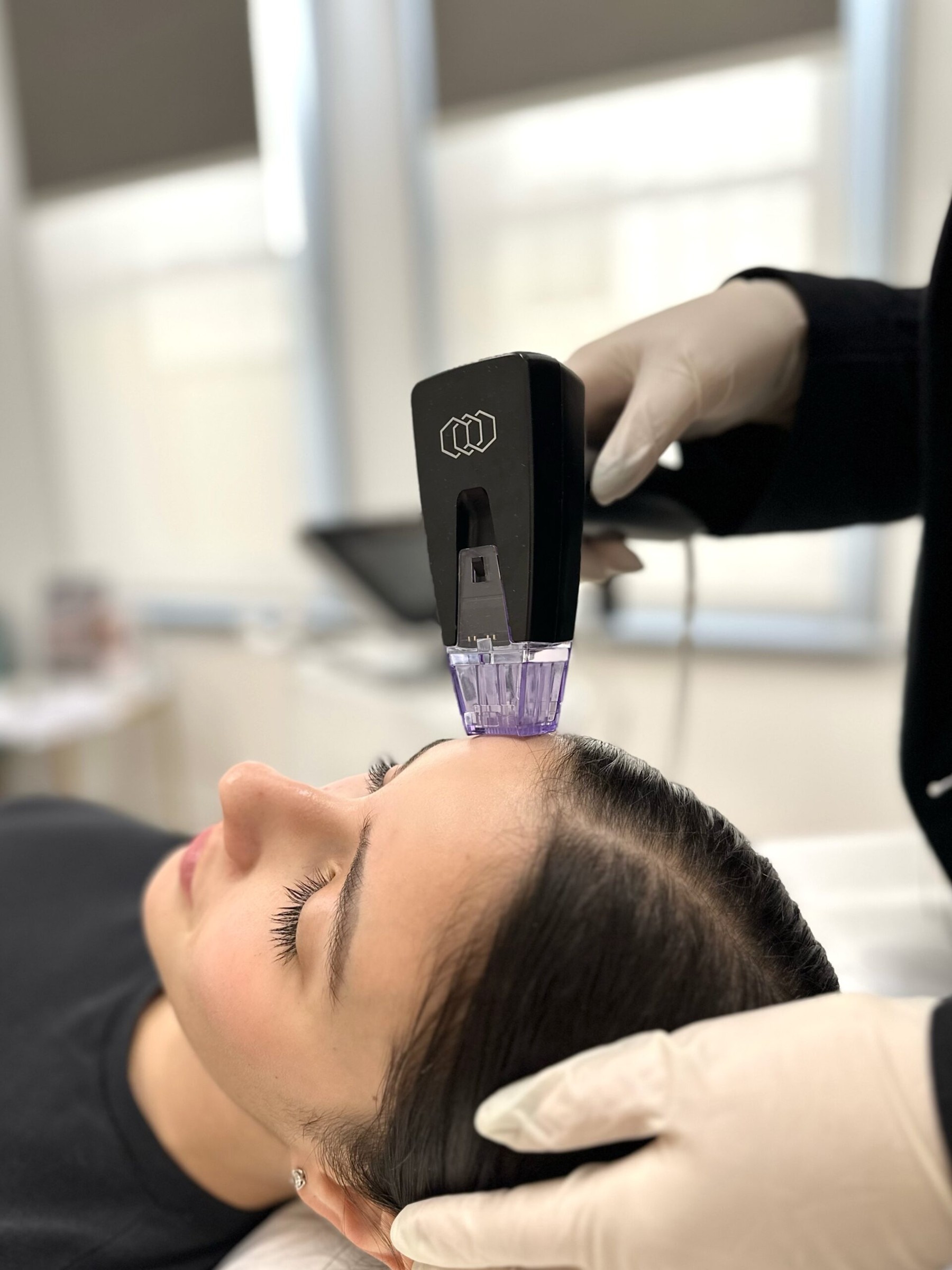
Morpheus8: How It Works, Results, Recovery, and Aftercare
Morpheus8 is a microneedle RF device that delivers radiofrequency heat through coated needles down into the deeper layers of the skin. Heat at the needle tip stimulates fat and connective tissue, producing an immediate tightening effect alongside long-term collagen renewal. Here is how the depth control works and why recovery tends to be faster.
By Dr. Kim

DoubleTite: RF Microneedling and Skin Booster Effects
What DoubleTite actually does, how its two needle lengths deliver radiofrequency energy and skin booster directly into the dermis, and what published studies say about collagen synthesis and skin firmness. An evidence-grounded look at a Korean-made device built on the well-validated RF microneedling platform, with dual-depth needles and simultaneous drug delivery added.
By Dr. Kim
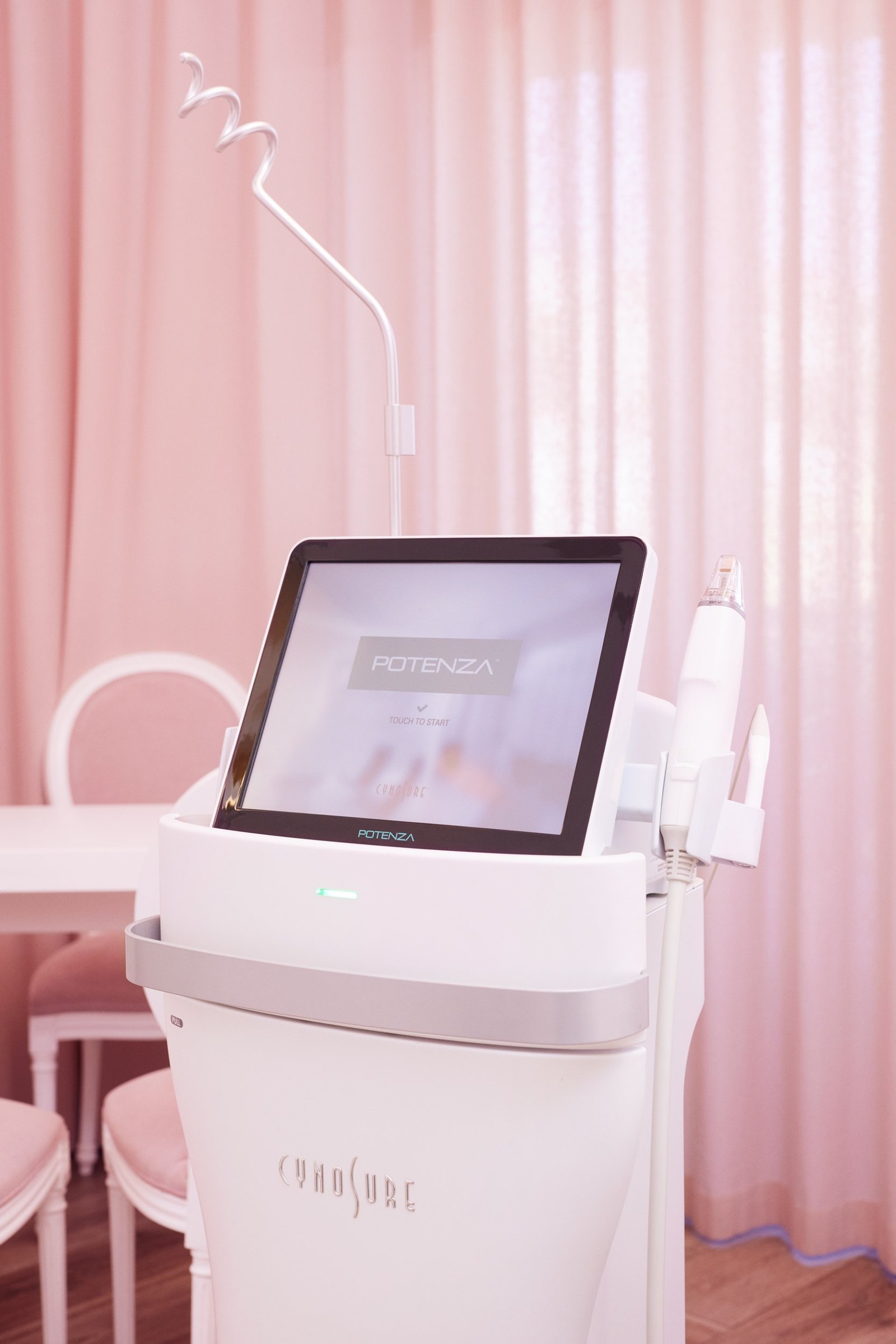
Potenza Needle RF: How It Improves Acne Scars and Pores
Potenza needle RF uses fine needles to bypass the skin surface and deliver heat directly into the dermis. Here is a plain walk through why that heat improves scars and pores, how many sessions it usually takes, and what the downtime looks like.
By Dr. Lee