Morpheus8: How It Works, Results, Recovery, and Aftercare
By Dr. Kim6 min read
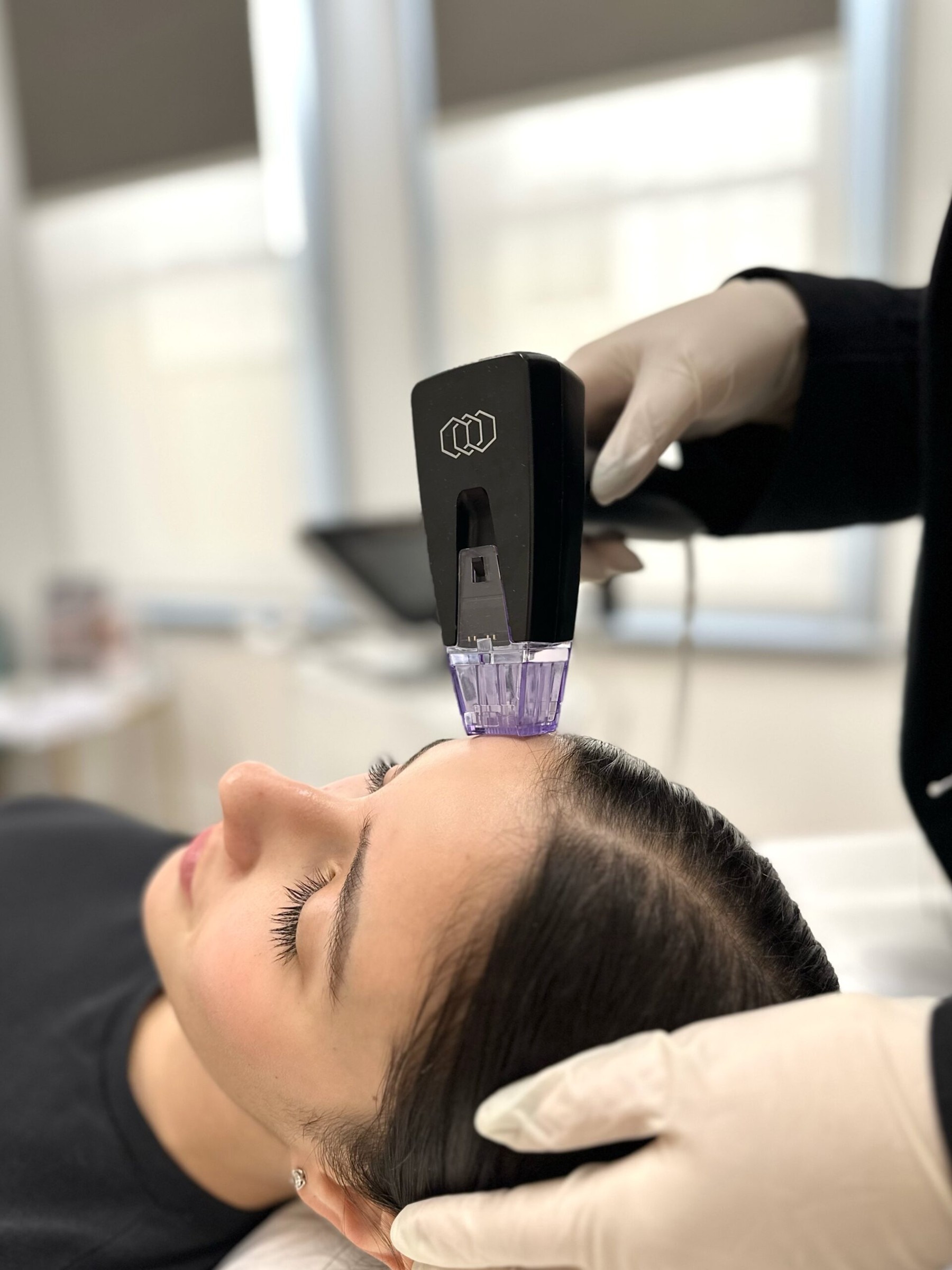
Morpheus8 works by inserting fine needles into the skin and releasing radiofrequency heat right at the needle tip. The name sounds technical, but the idea behind it is simple. The needles travel to a chosen depth first, and only then does the heat turn on, exactly where it is needed.
Many older RF devices apply heat from the surface of the skin, so the energy does not always reach the deeper layers in full strength. Morpheus8 flips that order: the needles penetrate to the target depth first, then generate heat right there, which means the energy can reach deep tissue without having to pass through the surface at all. Let's look at why this approach is different, and what that heat actually does once it is inside the skin.
What makes Morpheus8 different?
Morpheus8 is made by InMode, a US-based company, and its handpiece carries 12 to 24 coated microneedles on a single tip. These needles enter the skin together, covering the treatment area in a dense, even grid.
The key detail is that it runs on bipolar current. Bipolar means the electrical current only travels between two nearby needles, staying close and contained. Monopolar systems, by contrast, send current all the way to a grounding pad attached elsewhere on the body. Think of it like playing catch up close versus throwing a ball across a field. When you toss the ball to someone standing right next to you, you know exactly where it will land. Bipolar current works the same way, keeping the heat confined to a narrow, predictable zone instead of spreading out.
A design that heats only at the needle tip
Each needle is covered with a thin insulating coating. As the needle passes through the epidermis and upper dermis on its way in, that coating blocks current from flowing, so no heat is generated along that path. Heat only appears at the exposed tip, where the coating stops.
This detail matters because it lowers the risk of burns. If heat were released along the entire length of the needle, the surface of the skin would heat up too, raising the chance of pigmentation changes or burns. Because the coating shields the entry path, the heat stays precisely at the target depth, right at the needle tip. It works much like the insulation on an electrical wire. Copper inside the wire carries current just fine, but the plastic sheath around it means you can grab the wire without getting shocked.
How well can the penetration depth be adjusted?
One of Morpheus8's defining features is how finely the penetration depth can be adjusted, from 0.5mm all the way up to 8mm. Some tips reach 7mm to 8mm, which is notably deeper than most other microneedle RF systems on the market.
Being able to dial in depth means the treatment layer can be matched to the area and the goal. A shallow setting reaches fine lines and pores near the surface, while a deeper setting can stimulate the fat layer and tissue near the fascia. It is a bit like a chest of drawers with multiple compartments, letting you place exactly what you need in exactly the right drawer. Adjusting needle depth works the same way, sending heat precisely to the layer you actually want to target.
Most other microneedle RF devices stay limited to shallower layers, so Morpheus8's ability to reach further down sets it apart. In areas where fat and fascia run thicker, like under the chin or across the cheeks, having access to that extra depth can make a real difference in the outcome.
What happens in the dermis where the heat reaches
The radiofrequency heat released at the needle tip reaches the dermis and the fat just beneath it, triggering several changes at once.
- Fat coagulation: When heat reaches fat cells, it damages them in a way that leads to gradual reabsorption over time. This happens because the heat itself denatures the fat cell membrane.
- Contraction of the reticular dermis and connective tissue: The reticular dermis, the deep, net-like layer that supports the skin, contracts almost instantly once it is heated, along with the surrounding connective tissue. This happens because collagen fibers physically shorten when exposed to heat.
- Immediate tightening: As connective tissue contracts, the skin feels pulled and firmer right away. Because this is a physical contraction, it shows up immediately after treatment rather than developing over time.
These three responses happen almost simultaneously, which is why many people notice a tightened feeling in the skin right after the session ends.
When do tightening and collagen effects appear?
Separate from the instant contraction of connective tissue, another set of changes unfolds gradually over the following weeks. Dermal tissue that has been stimulated by heat goes through a cycle of damage and repair, and during that process it triggers neocollagenesis (new collagen formation), elastogenesis (new elastic fiber formation), and angiogenesis (new blood vessel growth).
These three processes resemble how a wound heals. When skin is injured, the body builds new tissue and blood vessels to close the gap, and heat-stimulated dermis goes through a similar rebuilding process, weaving fresh collagen, elastic fibers, and blood vessels as it recovers. This process unfolds over weeks to months, so unlike the immediate tightening, it takes time before the results become visible.
That makes Morpheus8 a treatment with two overlapping timelines. Right after the session, the immediate tightening from connective tissue contraction shows up first, and then, over the following months, newly built collagen gradually restores the skin's own elasticity from within.
Why does dot-by-dot treatment mean faster recovery?
Morpheus8 delivers heat in a fractional pattern. Fractional means heat is not applied across the entire skin surface at once, but concentrated in a grid of individual points where the needles enter. Normal, untreated tissue remains intact between each treated point.
The reason this speeds up healing is fairly straightforward. Because only scattered points receive treatment rather than the whole surface, the surrounding untreated tissue helps drive recovery. It is a bit like reseeding a lawn in patches instead of tearing up the whole yard. The healthy grass left in place spreads outward and helps the entire area recover faster, and untreated skin nearby plays a similar supporting role. As a result, swelling and inflammation tend to be milder, and the return to normal activities tends to happen sooner.
What precautions apply after treatment?
After a Morpheus8 session, it helps to remember that the healing process is still actively going on inside the dermis.
- Some swelling and redness in the first few days is expected. This is described as a normal inflammatory response to the heat, and it typically settles on its own.
- Sun protection deserves extra attention. Newly forming collagen and blood vessels are especially vulnerable to UV exposure during this period.
- Avoid vigorous massage or heavy pressure on the treated area. Physical pressure on tissue that has not fully settled can interfere with the recovery process.
- It is best to skip saunas or steam rooms for the first several days after treatment. Adding more heat to tissue that has already been heat-stimulated can put extra strain on skin that is still recovering.
Since new collagen builds up gradually over months, it makes sense to allow time before judging the final result. Fat coagulation and connective tissue contraction are noticeable right away, but the collagen forming deep in the dermis, and the lasting elasticity that comes with it, takes that much longer to fully settle in.
References
Korean Dermatological Association, American Academy of Dermatology (AAD), and U.S. Food and Drug Administration (FDA).
Was this helpful?
About this article
Written by a practising aesthetic physician and intended for general education — not a substitute for individual medical advice.
Read next
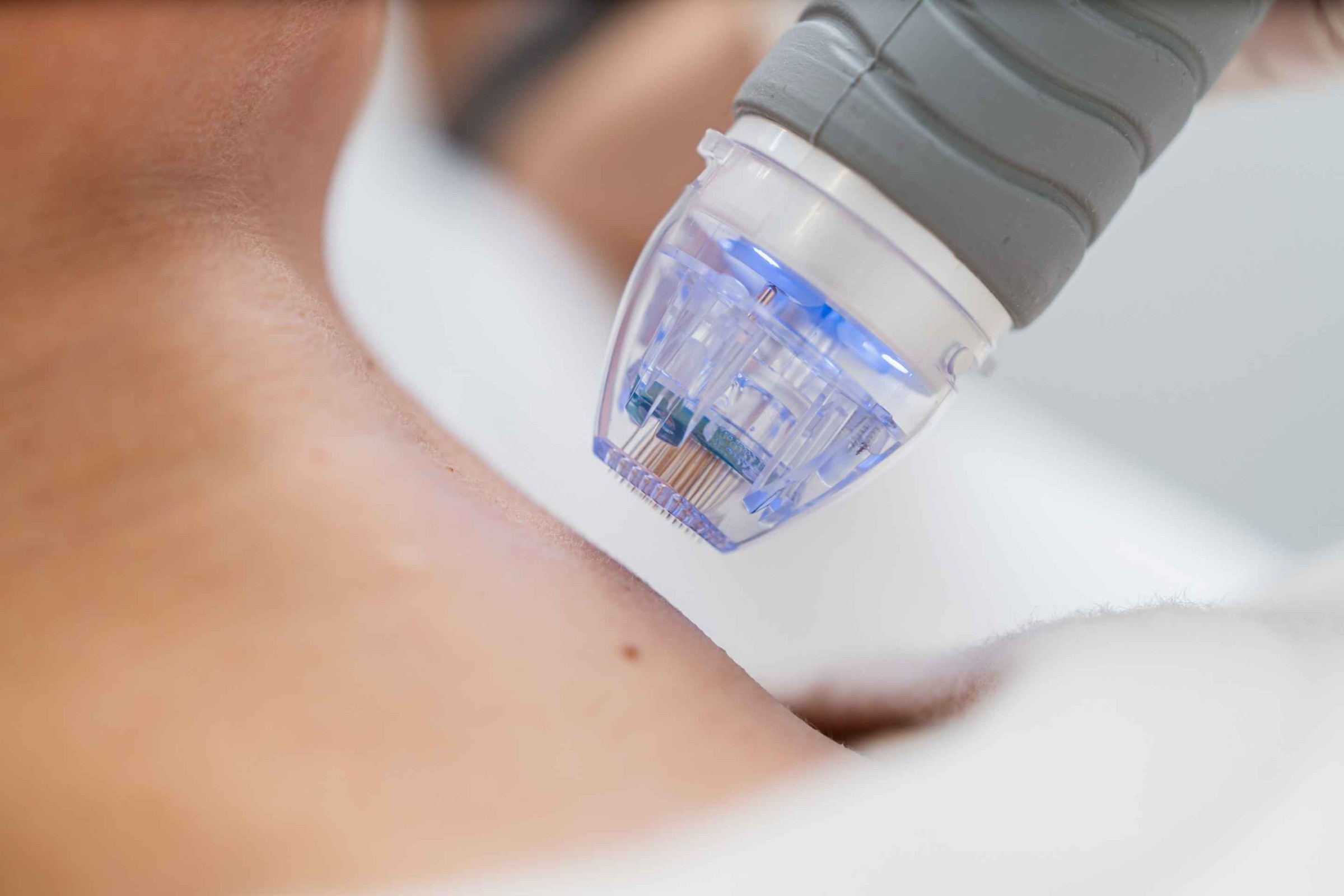
Secret Microneedle RF: How Insulated Needles Work, and Recovery Care
Secret Microneedle RF delivers radiofrequency energy straight into the dermis through insulation-coated needle tips. Here is how it leaves the epidermis untouched while warming just the target depth to trigger collagen renewal, plus what recovery and aftercare actually look like.
By Dr. Kim
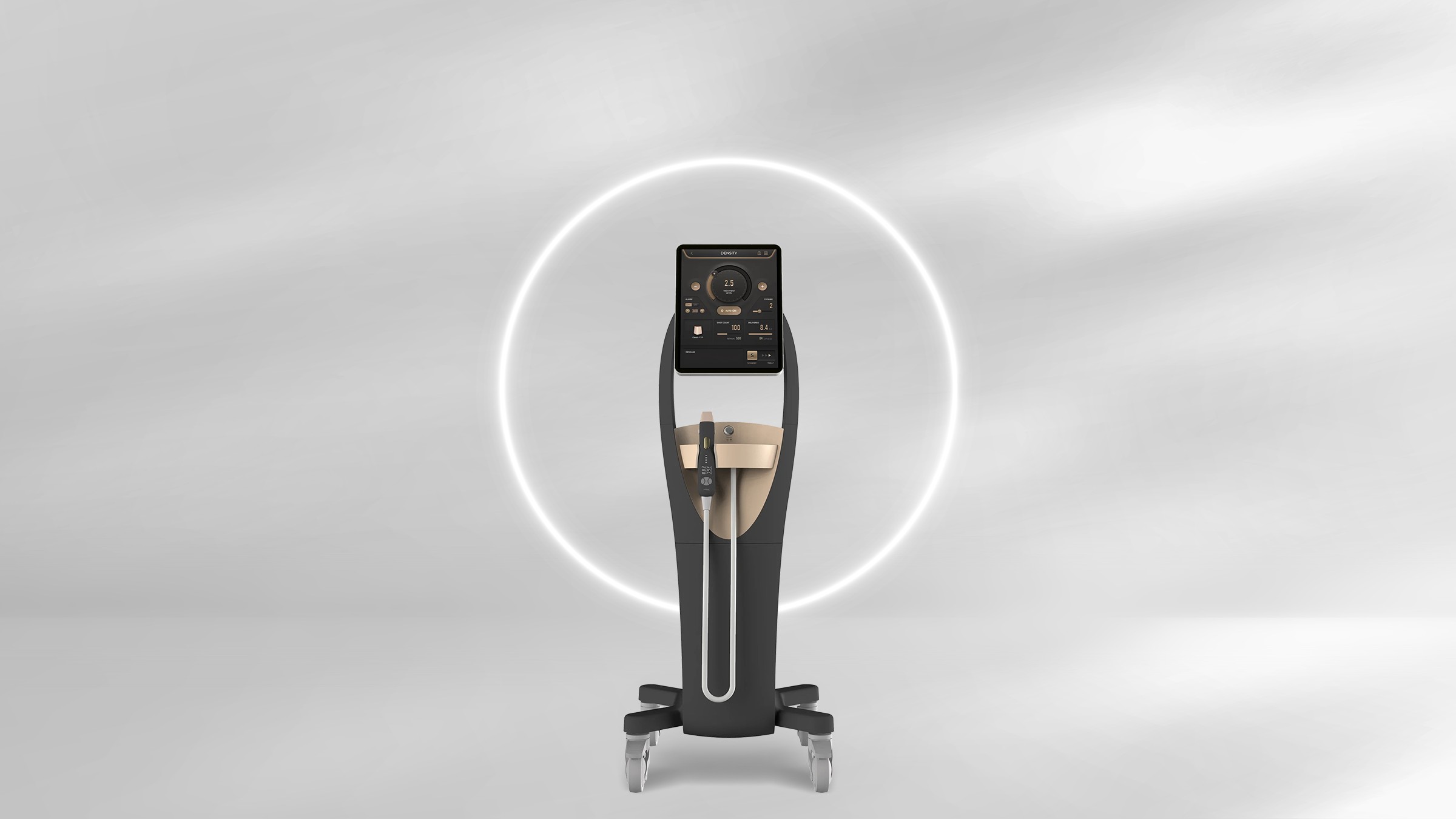
Density RF Effects: How Many Sessions and How Long Do Results Last?
Density RF pairs two radiofrequency modes with very different personalities to chase two goals at once: the instant tightening you feel right after treatment, and the collagen renewal that builds slowly over the following 4 to 12 weeks. Here is why two modes are needed, the order in which heat actually works inside the skin, and why the treatment is spread across multiple sessions instead of done all at once.
By Dr. Kim
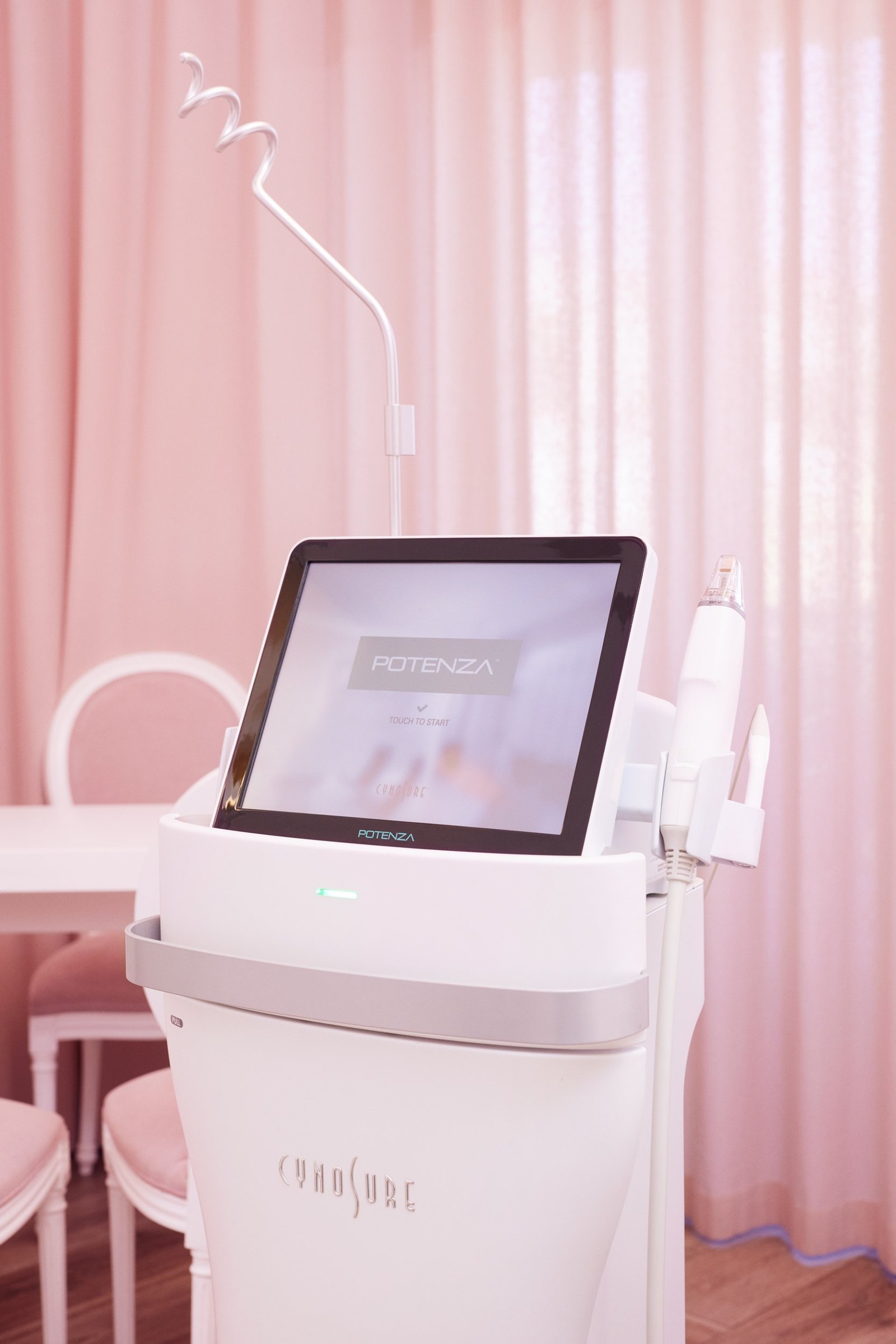
Potenza Needle RF: How It Improves Acne Scars and Pores
Potenza needle RF uses fine needles to bypass the skin surface and deliver heat directly into the dermis. Here is a plain walk through why that heat improves scars and pores, how many sessions it usually takes, and what the downtime looks like.
By Dr. Lee