Reftone Shockwave Lifting: Results, Aftercare, and Pain
By Dr. Kim6 min read
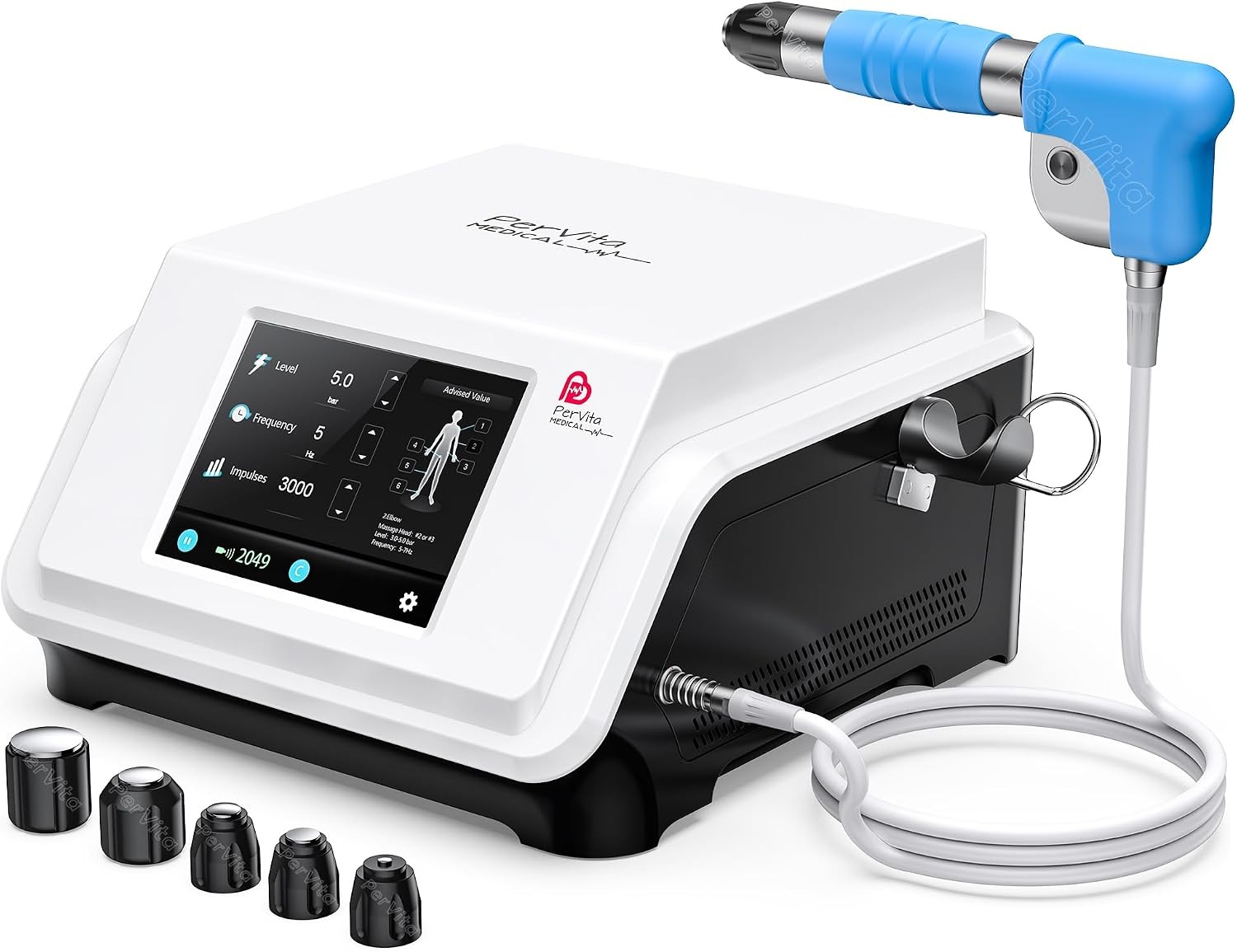
When people think of lifting treatments, threads, radiofrequency, or ultrasound devices usually come to mind first. Reftone takes a different route. It fires pressure pulses generated outside the body, extracorporeal shock waves, straight down into the skin.
Shock wave technology started out in orthopedics, where it was used to treat fascia pain conditions like plantar fasciitis. Devices such as Reftone borrow that same wave stimulation and apply it to aesthetics instead. The way it delivers stimulation is fundamentally different from heat-based lifting devices. Let's walk through the mechanism, from how it stimulates tissue to how it eventually reaches collagen.
Where does shockwave technology come from?
An extracorporeal shock wave is a pulse of pressure that spikes faster than sound and then vanishes almost instantly. Picture dropping a stone into water and watching the ripples spread out in circles. The difference is that this pulse is far shorter and far stronger, a sudden spike of pressure that rises and falls in an instant.
Reftone passes this wave into the tissue through a probe, the contact tip at the end of the handpiece, pressed against the skin. Everywhere the wave travels, it creates a momentary pressure shift in the tissue, and that shift acts as a kind of signal to the cells. This process, where physical pressure turns into a biological response inside a cell, is often called energy conversion.
Orthopedic clinics have long used this same principle to loosen tight fascia and tendons. Along the way, they also noticed that it seemed to support tissue regeneration, which is how the technology eventually crossed over into skin and fascia treatments in aesthetics.
How do shockwaves stimulate tissue?
As a shock wave passes through tissue, it brings a moment of rising pressure followed almost instantly by a very brief drop in pressure. That drop is called negative pressure. It's similar to the feeling of air being pulled in for a split second when you press a balloon hard and then let go.
This brief negative pressure phase is thought to gently jostle the fine structures inside the tissue. Cell membranes and the spaces between tissue compress and release in an instant, receiving a mechanical stimulus. The body is known to respond to this kind of mechanical stimulus by switching on signals similar to a repair response, in much the same way muscle fibers respond to stress by growing stronger.
That's why Reftone favors short, repeated pulses of low-intensity stimulation rather than one strong burst of pressure. The idea is to stimulate the tissue enough to trigger a response without shocking it, a balance that matters for the treatment to work well.
Does collagen respond when fascia loosens?
Reftone mainly targets the fascia layer beneath the skin, the thin sheath that wraps around muscle, along with the fat layer sitting above it. With age, this fascia layer can stick together or stiffen up, a condition known as adhesion. Adhesion looks a bit like an old comforter where the filling has clumped together in patches. Tissue that should feel evenly soft and pliable instead becomes bunched and uneven.
The shock wave is thought to physically shake loose this clumped tissue. At the same time, the repeated small pulses of stimulation are believed to switch on fibroblasts, the cells responsible for producing collagen, prompting them to start generating it.
Because cells only start responding once the stimulation repeats rather than after a single pulse, Reftone is usually done over several sessions spaced apart rather than as a one-time treatment. The fascia loosens gradually and collagen builds up little by little, so results tend to unfold over time rather than appear overnight.
How blood flow and lymph circulation improve
As the shock wave passes through, it also stimulates blood vessels and lymphatic vessels. Narrowed microvessels are believed to widen back up in response, increasing blood flow to that area. It's a similar principle to how rubbing your hands together on a cold winter day warms them up almost instantly, the friction and stimulation give blood flow in that spot a quick boost.
Better blood flow means more nutrients and oxygen reaching the area. Since the cells that produce collagen also need nutrients and oxygen to do their job, improved microcirculation ends up supporting the whole process of collagen production. It's a bit like how a seed struggles to grow in soil with poor drainage and airflow.
Improved circulation is also thought to speed up how quickly waste products clear out of the area, which helps the treated site settle down without lingering swelling.
Why is Reftone done before heat treatments?
Reftone can be used on its own, but it's frequently combined with heat-based lifting treatments like radiofrequency or ultrasound. That's because the two approaches reach tissue in different ways.
Heat-based treatments work by raising tissue temperature to stimulate collagen. But when tissue is stiff and bunched up, or circulation is sluggish, heat has a harder time spreading evenly, similar to how heat struggles to penetrate a stiff, dense dough evenly.
Using Reftone first to relax the tissue and boost circulation is thought to create better conditions for the heat energy that follows to spread more evenly. That's why Reftone tends to be used more as a supporting step that reinforces other lifting treatments rather than as a standalone procedure. The exact order and combination usually gets worked out in consultation based on the skin's condition.
How much swelling and pain should you expect?
Extracorporeal shock waves aren't delivered with needles or heat placed directly inside the tissue, they're transmitted through the skin's surface. Because of that, discomfort tends to be milder than with treatments involving incisions or insertions. That said, the momentary pressure pressing into the tissue can feel like a tapping sensation or a mild ache, depending on the area.
Right after treatment, the stimulated area may look slightly red or feel mildly swollen, though this is reported to settle within a short time in most cases. Bruising is uncommon, but areas with more delicate blood vessels can bruise, so it's worth checking this during the pre-treatment consultation. Recovery time varies from person to person.
Aftercare to follow after treatment
The main goal of aftercare is simple: don't disrupt the window while collagen is settling in.
- For the first few days after treatment, it's best to avoid saunas or heat rooms. Excess heat can cause swelling that disturbs the tissue that was just stimulated.
- Keep up with sun protection consistently. UV exposure speeds up collagen breakdown, which can cancel out the collagen the treatment is building.
- Stick to the treatment interval your provider recommends. Stimulating the area too frequently can leave the tissue without enough time to recover between sessions.
- Staying well hydrated is also said to help, since both circulation and tissue recovery depend on adequate hydration.
Keeping up with this aftercare helps support the process, letting the stimulation from the shock waves carry through into real collagen production.
References
Korean Dermatological Association, American Academy of Dermatology (AAD), and Ministry of Food and Drug Safety (MFDS).
Was this helpful?
About this article
Written by a practising aesthetic physician and intended for general education — not a substitute for individual medical advice.
Read next
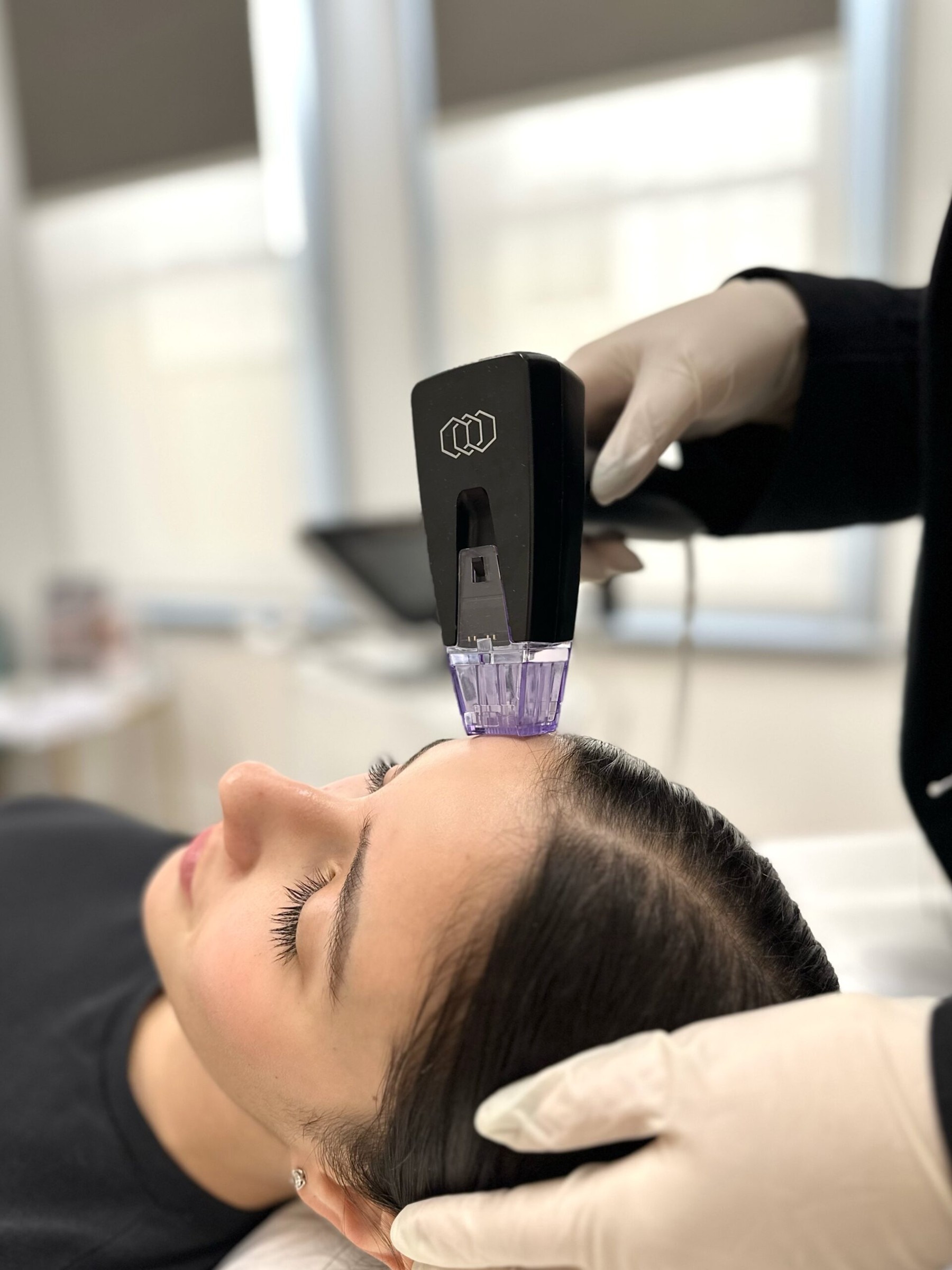
Morpheus8: How It Works, Results, Recovery, and Aftercare
Morpheus8 is a microneedle RF device that delivers radiofrequency heat through coated needles down into the deeper layers of the skin. Heat at the needle tip stimulates fat and connective tissue, producing an immediate tightening effect alongside long-term collagen renewal. Here is how the depth control works and why recovery tends to be faster.
By Dr. Kim
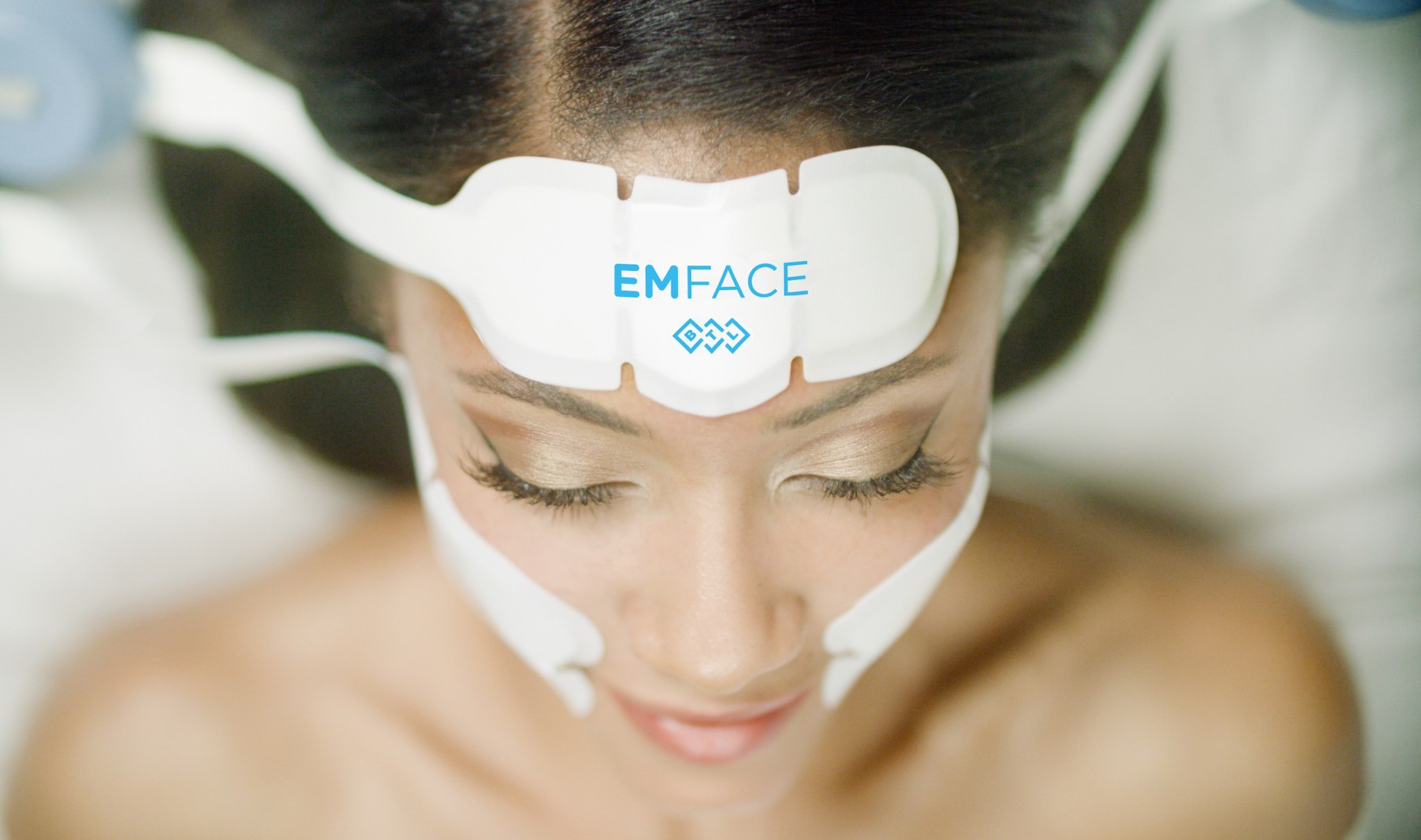
Emface Results and Duration: How Radiofrequency and Muscle Stimulation Work
Emface is a non-invasive lifting treatment that stimulates collagen in the skin with radiofrequency while an electrical signal directly moves the expression muscles underneath. Here is an easy, principle-focused rundown of why skin and muscle need to be treated together for real firmness, why sessions are spaced out, and how long results actually last.
By Dr. Kim
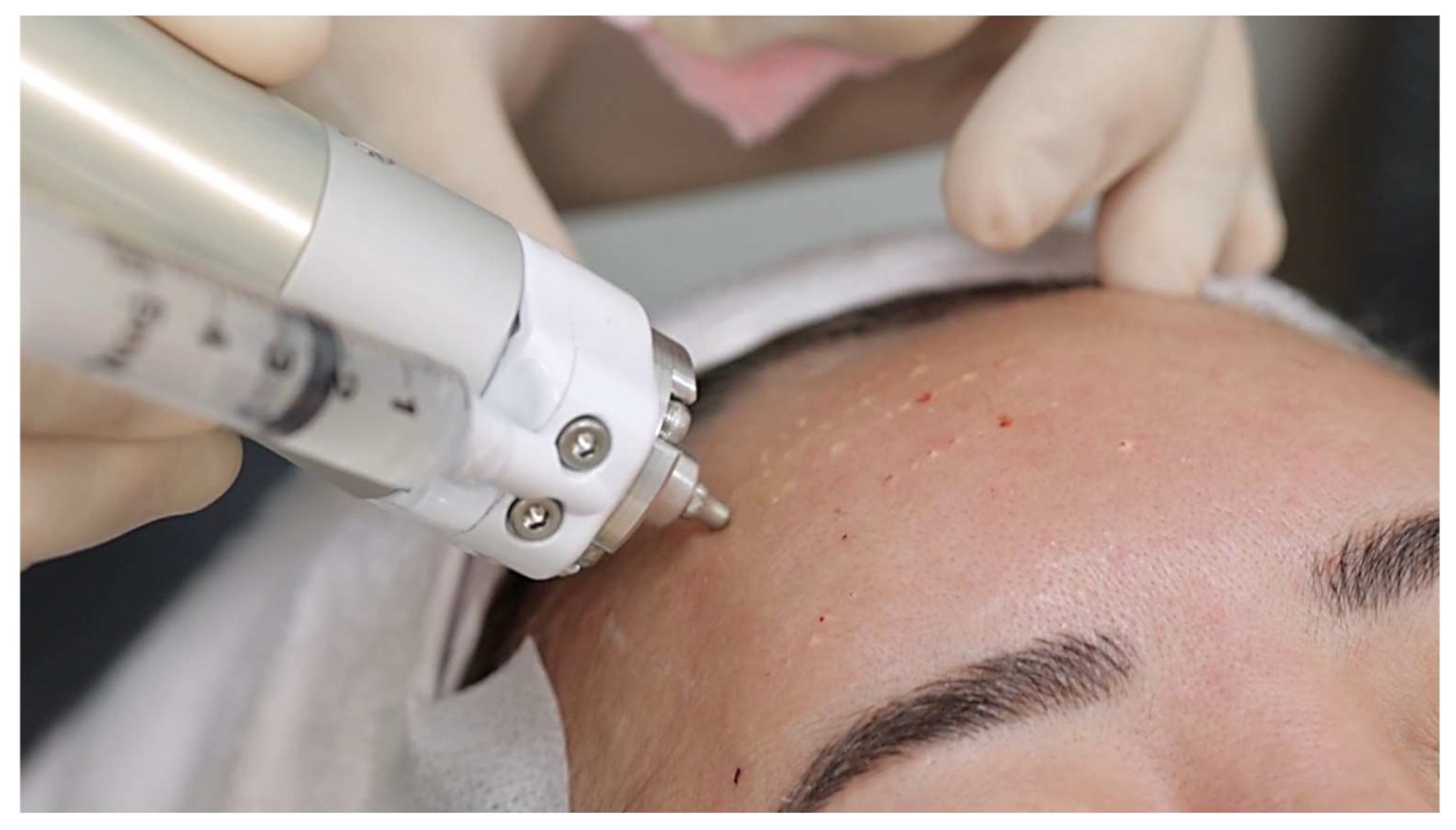
MiraJet Needle-Free Skin Booster: Is the Pain Really Minimal?
MiraJet is a non-invasive treatment that fires an ultra-fast liquid jet instead of a needle to push active ingredients into the skin. Here is how 2940nm laser energy creates the instant pressure behind that fine stream, and why the device is used for skin booster delivery, acne scars, and pore care.
By Dr. Lee